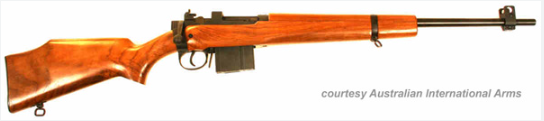
The Indians and Indonesians used teak in rifle stocks, mostly in their Lee-Enfields, the Swedes tried it for their M1986 rifles but could not get enough of it and some target rifles use it in their laminated stocks.The AIA rifle stocks used Teak. It's quite good for civilian purposes, but may be too brittle for military purposes under harsh conditions.
There were other issues with the platform as well, such as the "poor attachment system for the front sight. It could easily be lost or knocked from zero.
The biggest disadvantage, IMHO, was, very few of the parts were interchangeable with existing No4 rifles in the Canadian arsenals.
They're nice rifles. I liked the four models I had, including the rifle chambered for 7.62x39. They were more than accurate enough for military purposes, but IMHO, as they were being produced, they were not suitable, without a lot of manufacturing changes.
The present issues with the Tikka rifle, laminated stocks separating, rests on the shoulders of the people involved with procuring the rifles not doing their homework, as well as the manufacturer of the stocks not doing their homework, and using the right type of glue to keep the laminates together.
During WWII, and maybe before, militaries experimenting with issuing laminated stocks soon found that glue was a huge issue.
I really like laminated wood stocks, but I've had WWII, K98 stocks, unissued, develop cracks. In one case, the stock completely fell apart. It was the early "white glue" type. Later "red glue" types don't seem to have any issues.
The stock that completely delaminated had been stored on its butt, with the but cap in place, but hadn't been touched since being taken out of the crate, and having the receiver removed for a custom build sometime during the sixties. I came across it in the mid nineties. There was still dried storage grease all over it.
The stock delamination of the Ranger rifles is an embarrassment, both for the stock manufacturer and the procurer.
Some SKS and AK-47/74's also had Teak stocks.
The only reason they did not use it more often is because it was harder to get as demand for it for other uses was higher and it was found to be too heavy and wore out wood working tooling quicker.
Teak is a viable, durable wood for rifle stocks, known for its stability, weather resistance, and attractive grain, though it's heavier and harder on tools than traditional walnut and can be prone to some cracking if not properly sealed. While not as common as walnut, it's still used in expensive custom builds and some target rifle stocks.
Pros of Teak for Rifle Stocks
- Durable & Stable: Excellent dimensional stability, resisting moisture and temperature changes better than many other woods, making it great for outdoor use.
- Weather Resistant: Naturally oily, giving it good protection against the elements, ideal for hunting rifles.
- Aesthetic: Offers rich grain patterns that can look similar to walnut when stained, enhancing a rifle's appearance.
- Good for Refinishing: Takes oil finishes well, providing a durable and attractive satin finish, as seen in forum discussions on refinishing.
Cons & Considerations
- Weight: Teak is generally heavier than traditional walnut.
- Tool Wear: Its hardness can be tough on shaping and checkering tools.
- Cracking/Warping: Despite its stability, it can still crack or warp if not properly prepared and sealed.
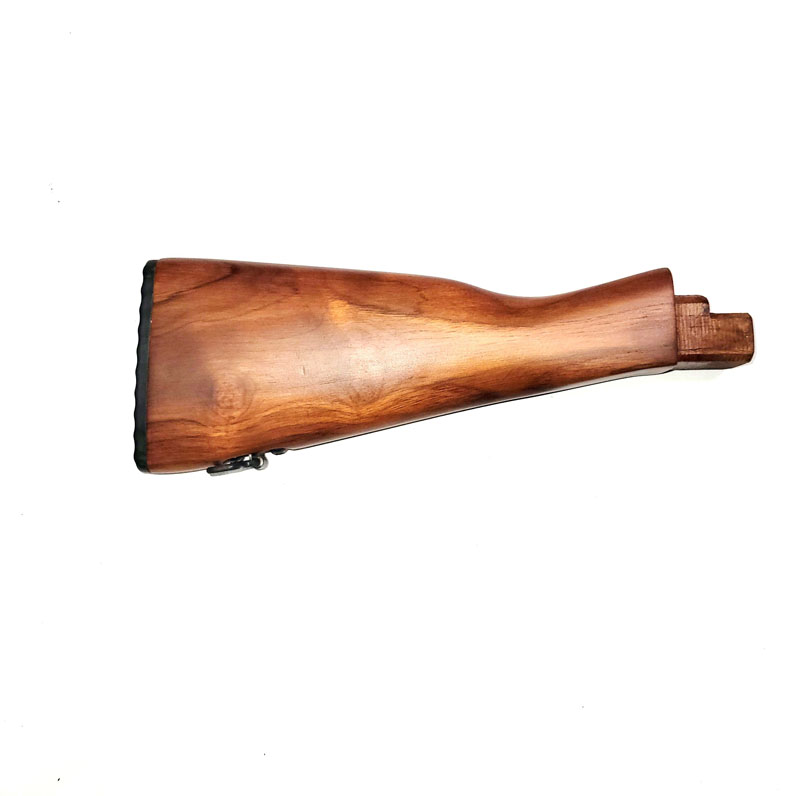

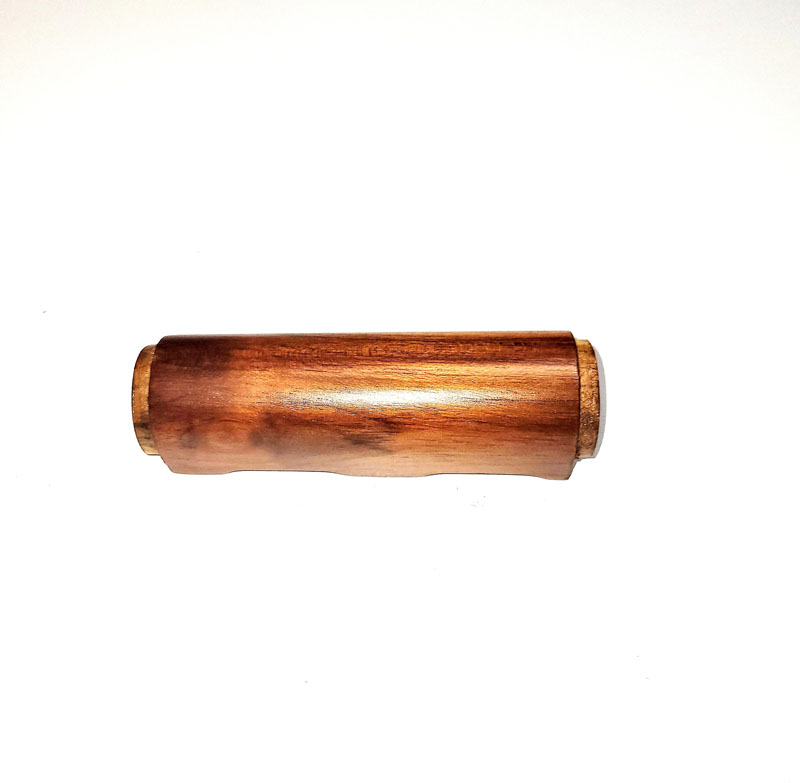
https://rileydefense.com/product/wood-stock-teak/
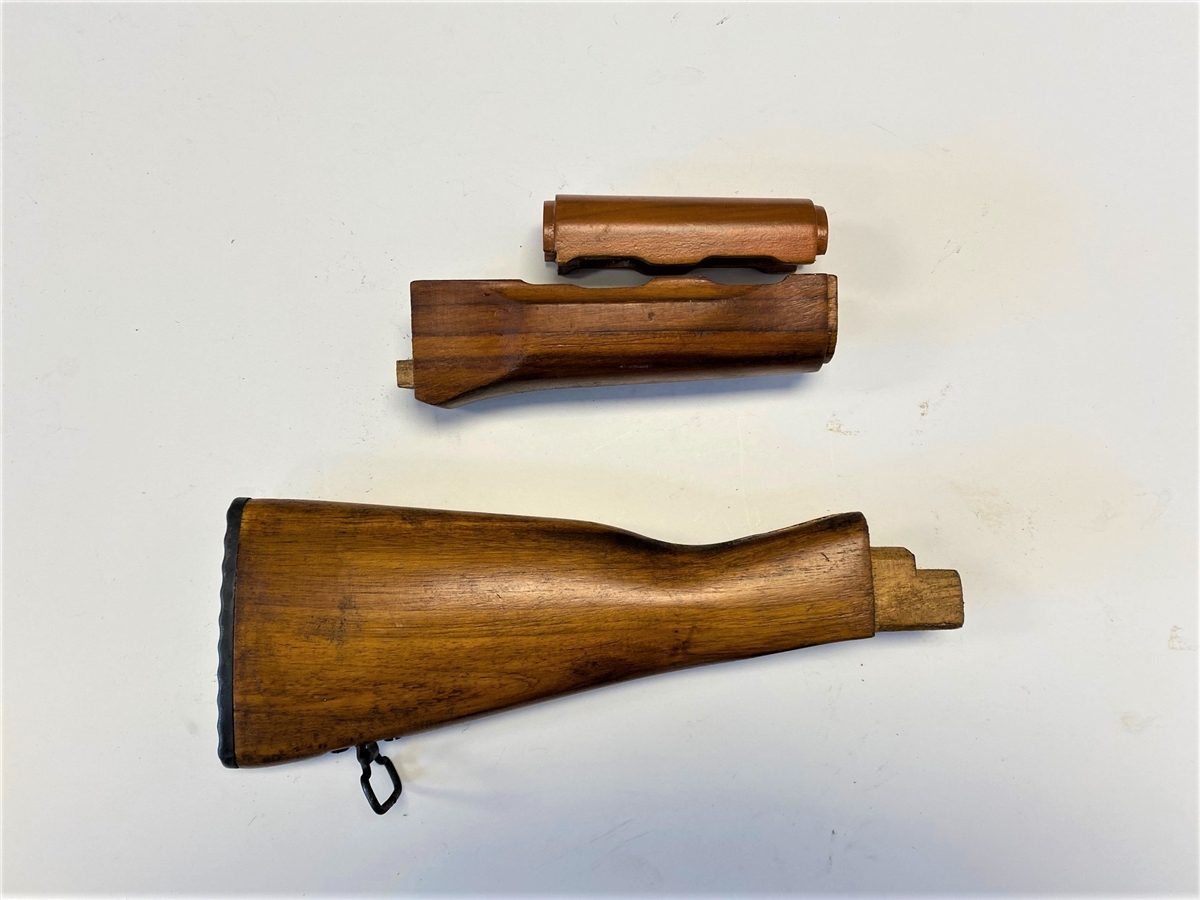
https://www.carolinashooterssupply.com/AK47-WOOD-STOCK-SET-SOLID-TEAK-p/css-ak47-teak-kit.htm