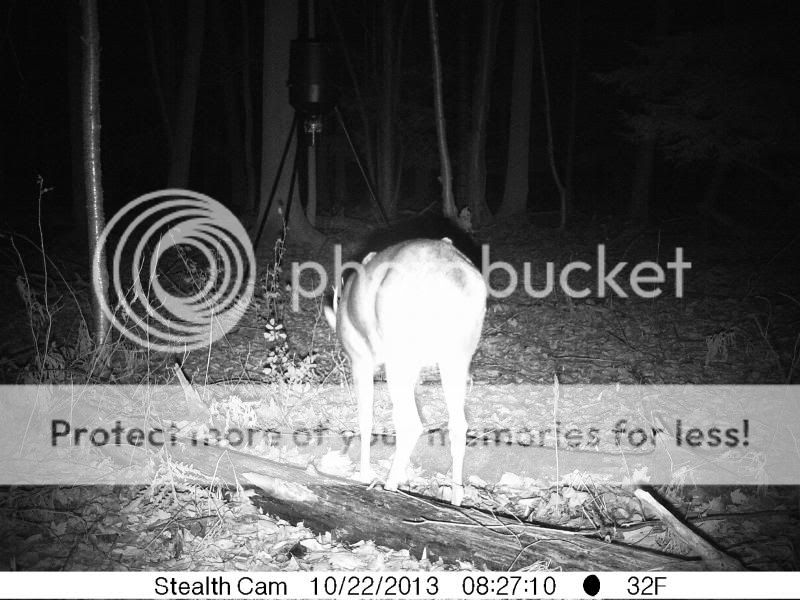
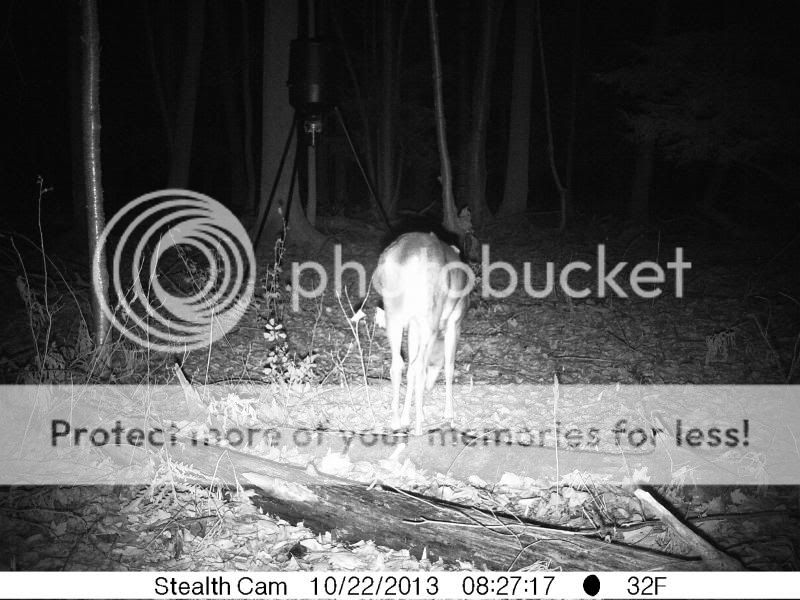
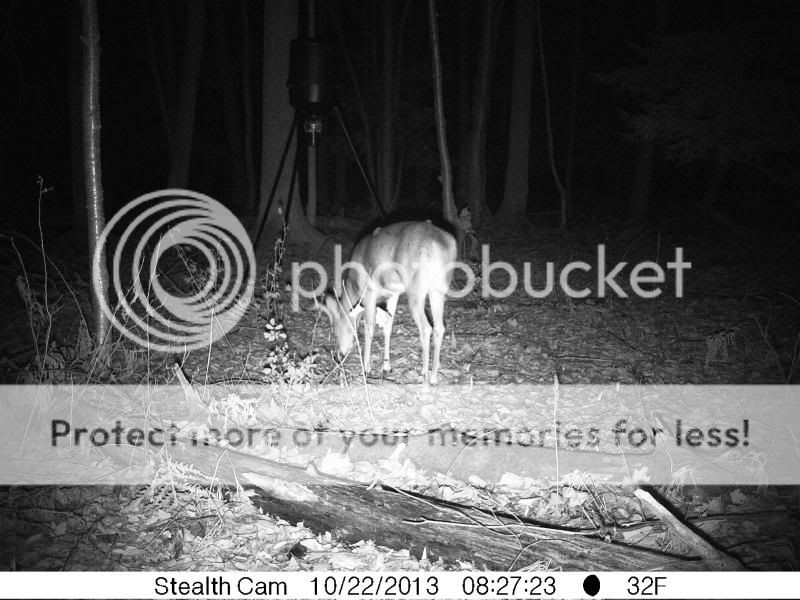
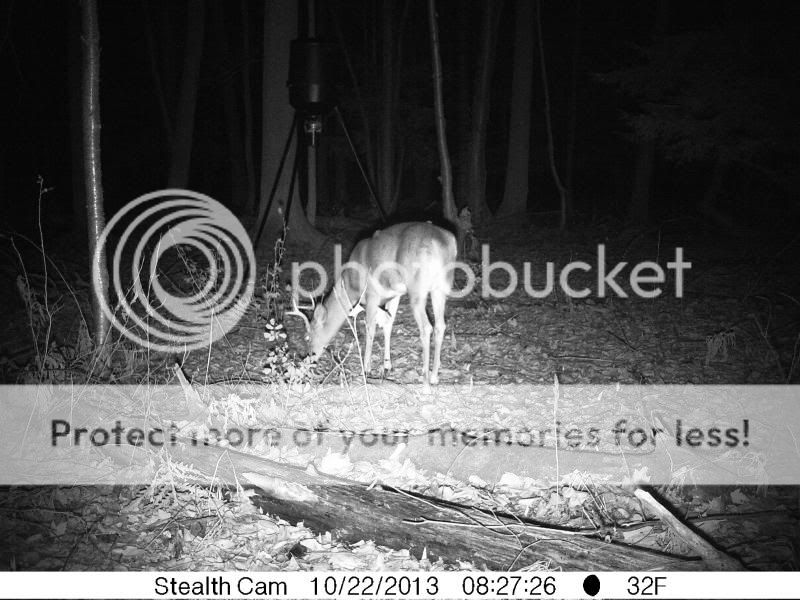
Could be warts. If you Google image search deer warts some of the growths are, well, substantial. I pulled this from a Washington site....
*******************************************************************************************************************
If you’re one of the many Washington residents who regularly enjoy seeing deer in or around your neck of the woods, sooner or later you may see warts.
We don’t mean the not-so-nice side of deer, like munching your roses or dirtying up your lawn. We mean actual warts on the deer.
And at the Washington Department of Fish and Wildlife (WDFW), we hear about them from concerned citizens (including deer hunters) all the time all across the state.
Actually they’re called papillomas or fibromas or fibropapillomas -- usually benign wart-like growths fastened to the skin of the deer. They are firm, hairless, gray or black in color, can be smooth or rough in texture, as small as peas or as large as footballs, and may grow in clusters. Sometimes they can become so heavy that they hang like a pendulum from the deer, and they may be found anywhere on the animal’s body.
These growths do not usually cause the animal any harm. Papillomas only involve the surface of the skin and do not normally affect the behavior or general health of the deer unless they block the deer’s vision or become a physical impediment to walking, running, or eating. Deer can live normally with a moderate infection of papillomas.
These growths are caused by viruses that are contagious within the same species. Papilloma viruses that infect one species usually do not infect another species. Typically, papillomas will eventually outgrow their blood supply, dry up and disappear. Fawns exposed to the papilloma virus can develop immunity early in their life.
All species of mammals are probably susceptible to their own type of papilloma virus, but in Washington papillomas are most frequently observed on deer, elk, and moose.
Papilloma viruses are transferred from animal to animal by biting insects, direct contact between deer, or sharing rubbing posts and bedding sites.
Deer papillomas do not affect people, pets or livestock. These viruses are very species-specific. Pets and livestock, however, can become infected with papilloma viruses that affect their own species.
Deer hunters who harvest an animal with papillomas can simply trim them away when field dressing, leaving the venison unaffected and suitable for consumption.
If you see a deer with warts, chances are it will be just fine. But if you believe we need to know about it, contact your local WDFW office