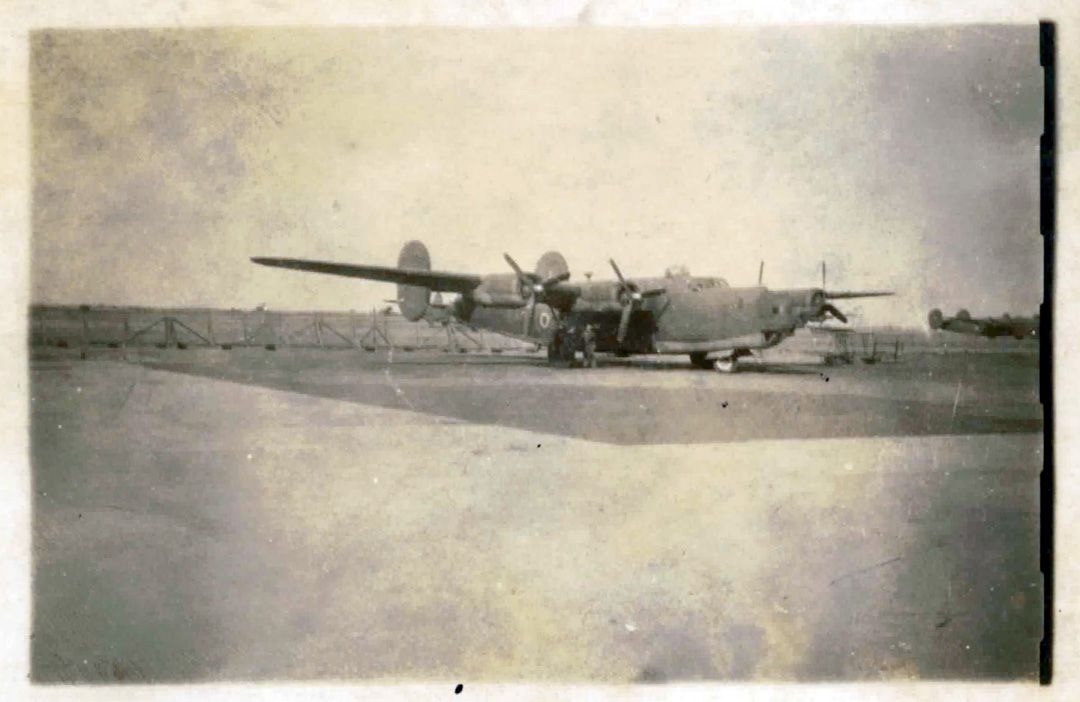






























B-24 Liberator

Mr Wolverine

CGN Regular
Location
Manitoba. Canada
John-3-Web.jpg

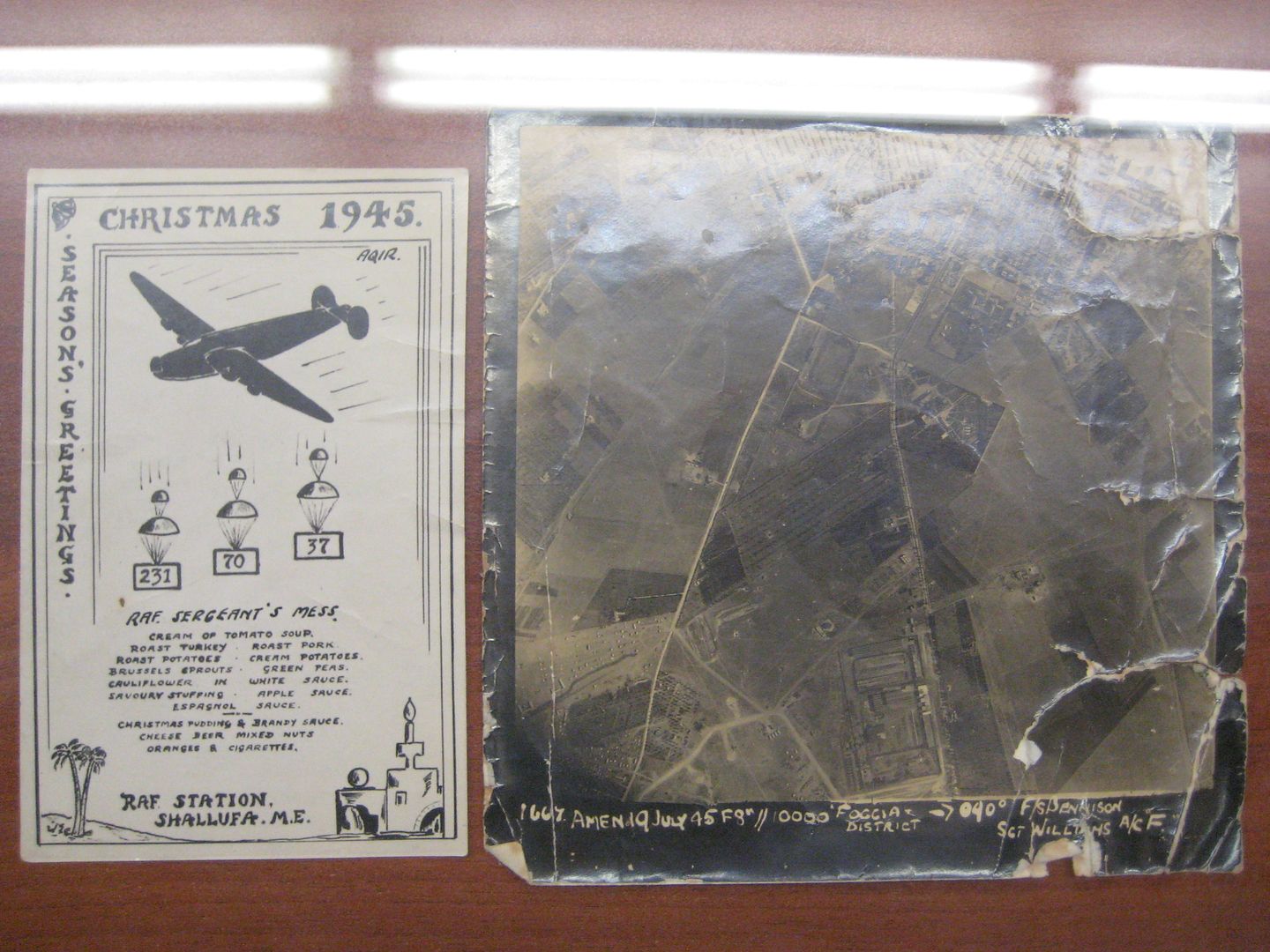
Foggia, Italy

John-2-Web-1.jpg

Going back to base, somewhere over the Mediterranean, early morning.
John-1-Web.jpg

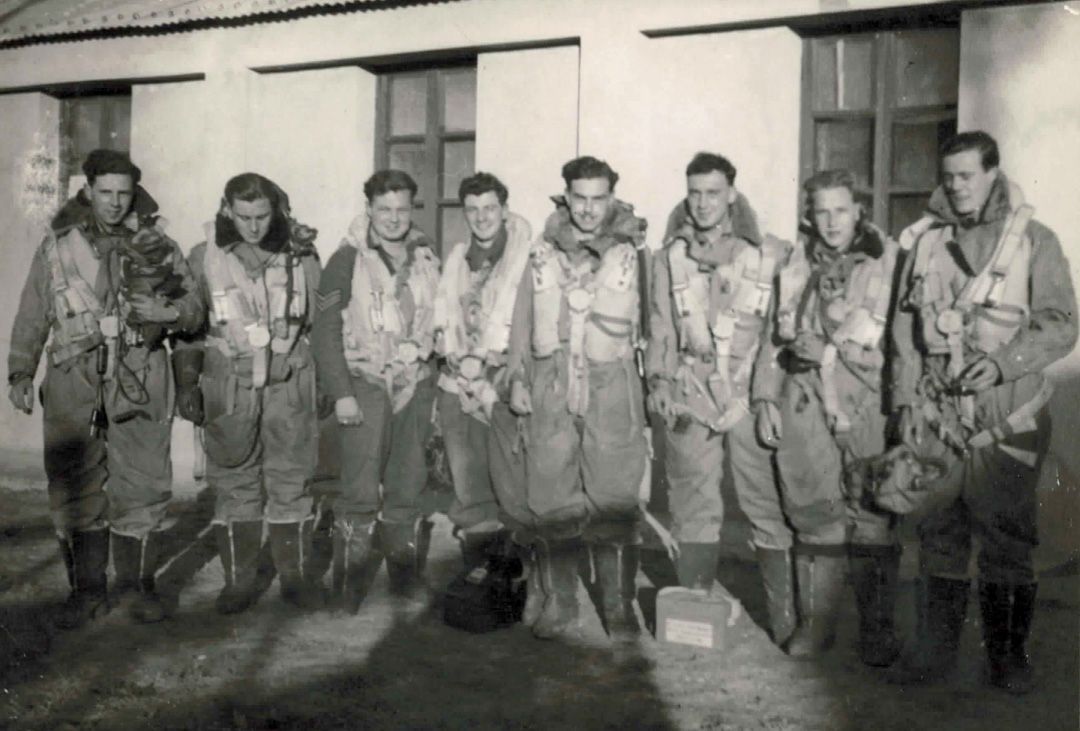
The Crew; Palestine, early 1944 “71 OTU” (Operational Training Unit) on Wellingtons, they converted to B-24 Liberators later. Left to right.
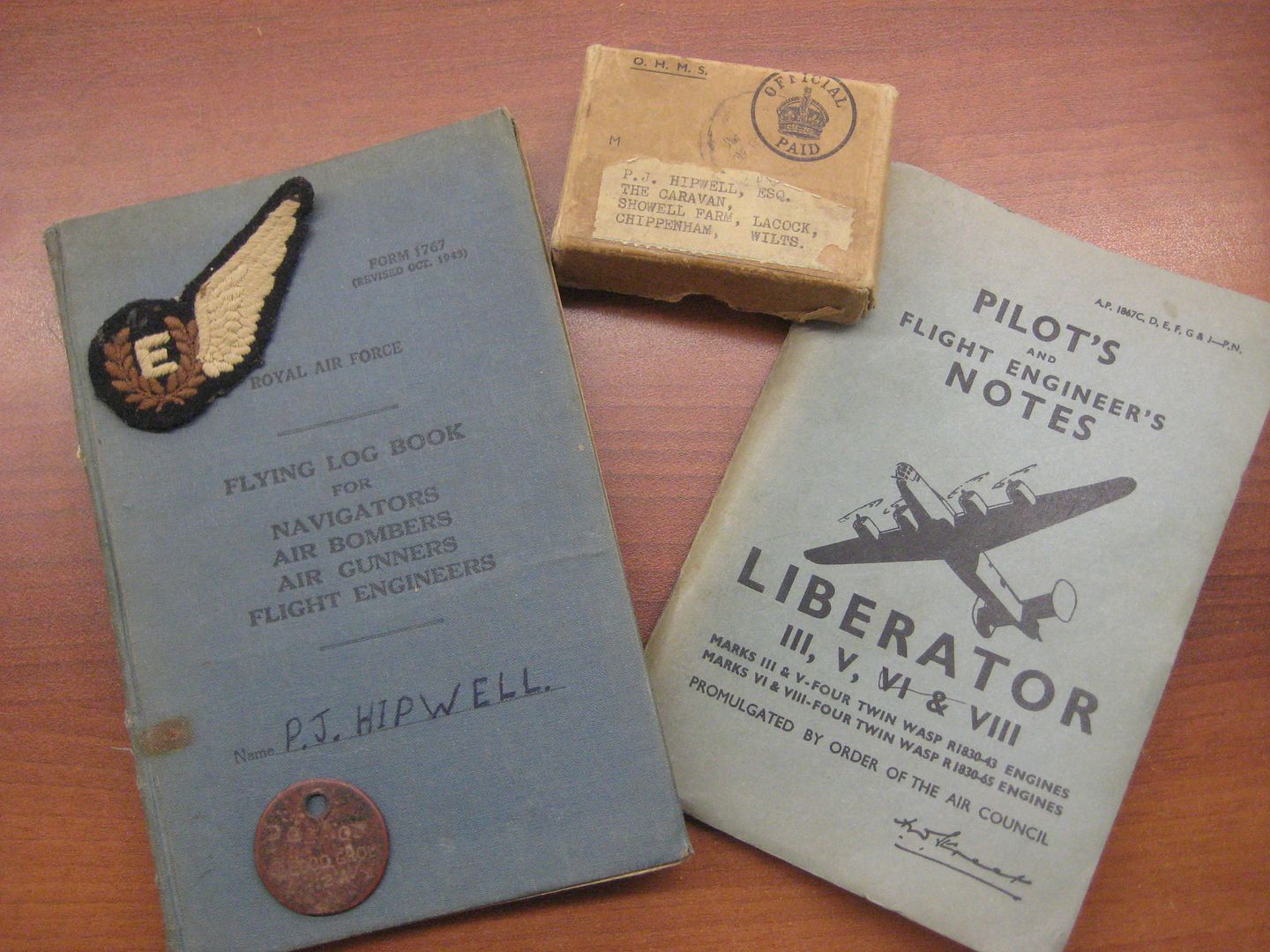
Beam Gunner (AG) Freddy Hill from London. Rear Gunner (AG) Danny ? from London?. Wireless Operator (WO) Taffy Roberts from Wales. Navigator (N) Colin Pearce from Manchester?. “Skipper” (Pilot) William Thorp from Nottingham. Mid Upper Gunner (AG) name unknown from London. Flight Engineer (E) Peter Hipwell from Hertfordshire. I wish I knew the ages of the crew, this is a bunch of young boys, Dad was only 19 at the time.

IMG_4849.jpg

Memories

IMG_4852.jpg


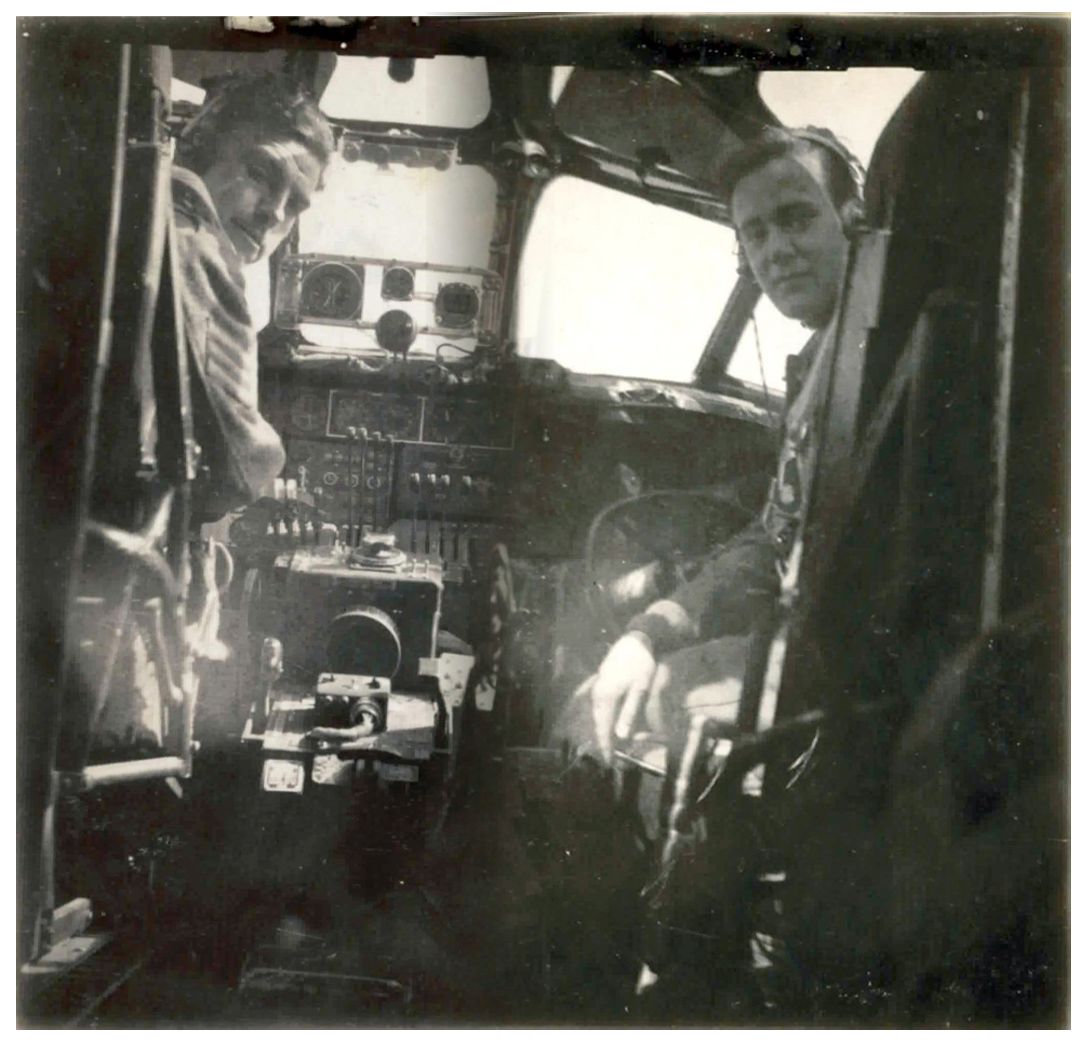
Cockpit-Merged.jpg


I had Andrea take two old photos and merge them to show the cockpit lay out so don’t look to close. The pilot is on the left, note that he is still wearing Sergeants’ stripes so this must have been taken early in his career. Dad as Flight Engineer flew in what we always call the Co-pilots seat, he also acted as Co-pilot, he loved those 4 engines, I think he understood them as much, if not more than the ground crew who serviced them. He had lots of stories about his engines.

Once, against all standing orders, they took their B-24 up to a high altitude (I forget the height) and then cut all four engines to see how they could handle her. Dad said she had all the glide characteristics of a brick. They had to start the APU (Auxiliary Power Unit) first in order to fire up the first engine following by the remainder. I think they lost a lot of height before they regained full control, they never tried that again! I bet the beer tasted good in the mess that night.
IMG_0312.jpg


IMG_0310-1.jpg


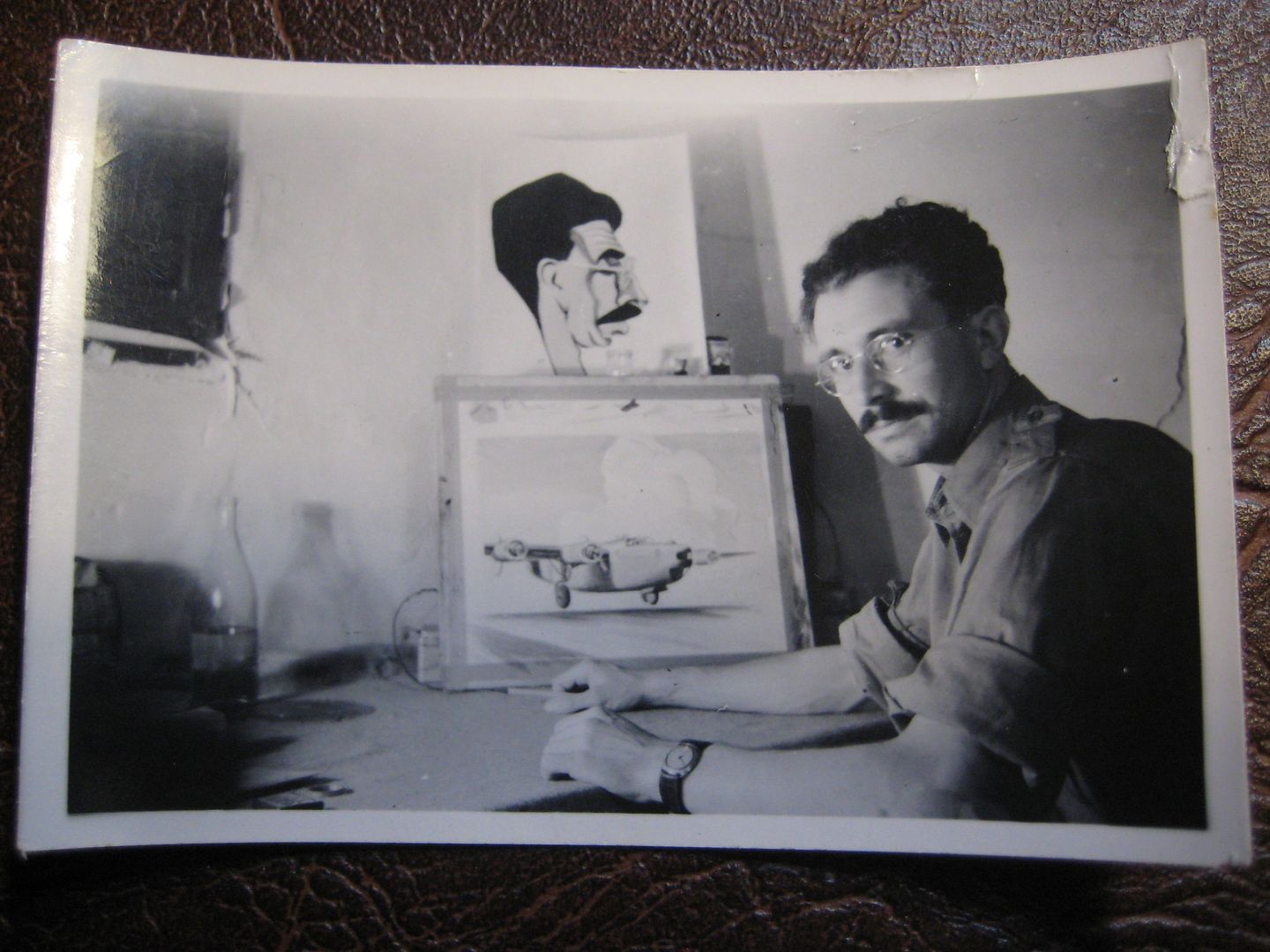
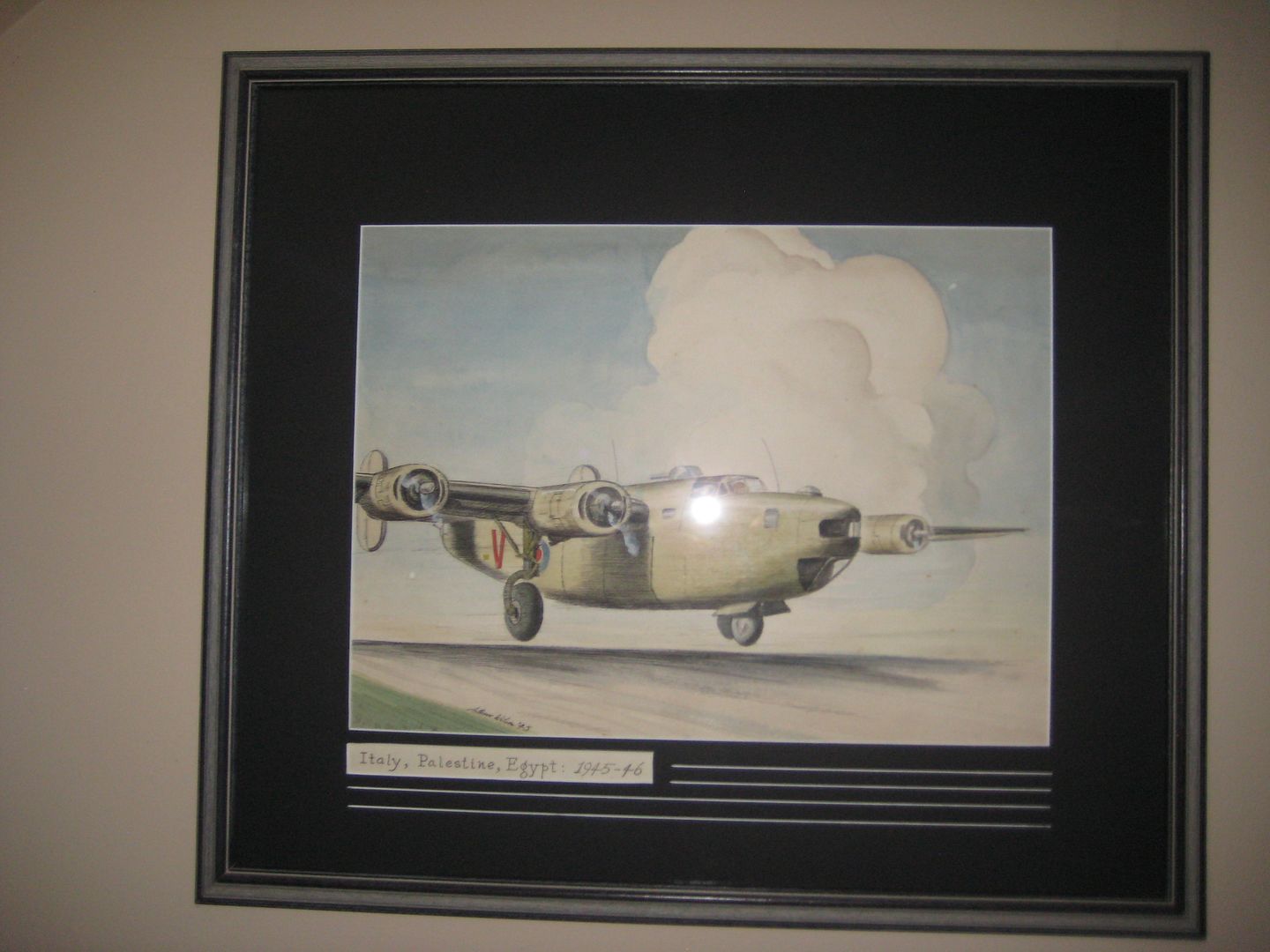
The top photo shows the Squadron “Artist” at work . This painting of the B24 was traded for a packet of cigarettes. The painting finished up in the hands of another Flight Engineer. Many years after the war Dad was able to secure the painting just before it was heading for the trash. When Dad passed away the painting came into my hands and I had it framed, it now hangs in the hallway of our house. The B24 in the painting depicts the aircraft as operated by Dad’s squadron with the nose guns and ball turret removed.

More to follow as time allows.

The highlight of my last trip to Africa was to meet William (Bill) Thorp, Bill was Dad’s wartime pilot. To my surprise I found it an extremely emotionally meeting, almost 70 years earlier they had flown side by side, I felt strange bonds to this sprightly old gentleman, it was like meeting a long lost close family member.

 
Last edited:
Thanks for sharing,

the plane that flew and handled like a big truck, but could fly higher and farther than the B-17. Seen one while visiting the air museum in Ottawa, impressive.
 
Always nice to see stuff like that. My dad never served, but was one of the founders and original directors of the CATPM museum in Brandon. I grew up around WW2 trainers and bombers.
 
P.J Hipwell. Is that your father?

Thanks for showing!

Yes, he was a Flight Engineer, extreme right in the crew photo. I have the names of the rest of his crew in a safe place and can’t find them. I do remember the Navigator has a box with ###tant in it by his boots and the Radio Operator has a box with radio codes and the signal flares for identification by his boots. I think this photo was an early one as later they were a Pathfinder crew and I think they always worked with two Navigators. Unlike the USAF which flew bombers mainly in daylight in the European theater, the RAF Bomber Command operated mainly at night so no ball turret in their B-24. Nose turret had the guns removed and sealed up as their main threat was from night fighters who closed in from behind. Nose turret was very drafty so crew very pleased when that was closed up. I have photos of the crew positions which I will add. They all survived the war although Dad's best mate (Navigator) if I remember correctly, was killed in a transport plane crash going home.
 
Last edited:

cool, my mom built wasp engines, durring ww2 in edmonton..her brother served in holand and germany with the royal canadian engineers, wounded twice,served with the occupation/rebuilding after the war, my father was the youngest and was kept out for medical reasons,he lost two brothers, yet others survived the war after serving in north africa,italy and normandy
my deepest respect to all who serve
 
Those are great. I have my Grandpa's medals and a whole album with stuff like that in it. I never got to meet him he died 2 years before I was born. Thank you for those John.
It's funny how I have had family who we never saw since I was 6 and now I'm 40 who want those medals and album. I won't part with them as they never gave a crap until now.
 
Great photos!

My Grandpa ran a crew of women building Avro Ansons during the war, being a carpenter. Think he was a sergeant. I cant recall the details but he wasn't one to take any guff from anyone and I believe he punched out his superior one time and that was that, haha.
 
Got about a dozen Ansons in the back pasture. Not much left of the wooden ones, but the aluminum framed versions are in ok shape still.
 
Thank you for sharing those. My grandfather was a fighter pilot, I never got to meet him... but I always think about what our previous generations and even our current men and women serving must endure in the fight against tyranny and evil.

Lest we forget.
 
Nice, thanks for sharing John. As the eldest male I inherited my paternal grandfather's WW2 medals including DFC, still in the case and cardboard box, letter of documentation plus campaign medals again still in tissue and cardboard, never mounted. Once he came home, that was the end of that.
 
Back
Top Bottom