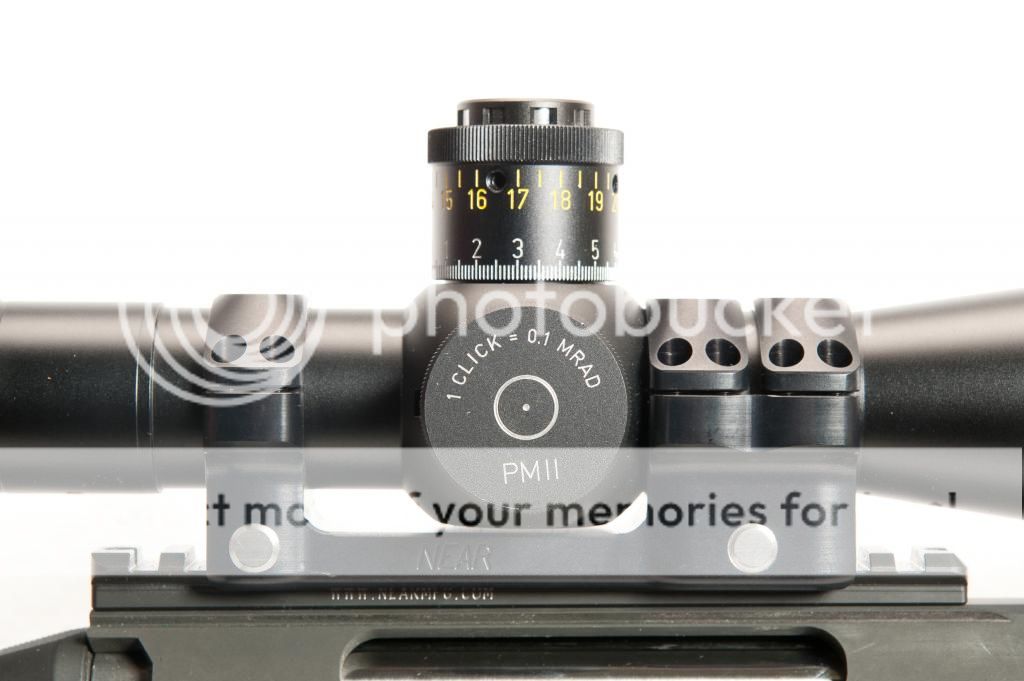
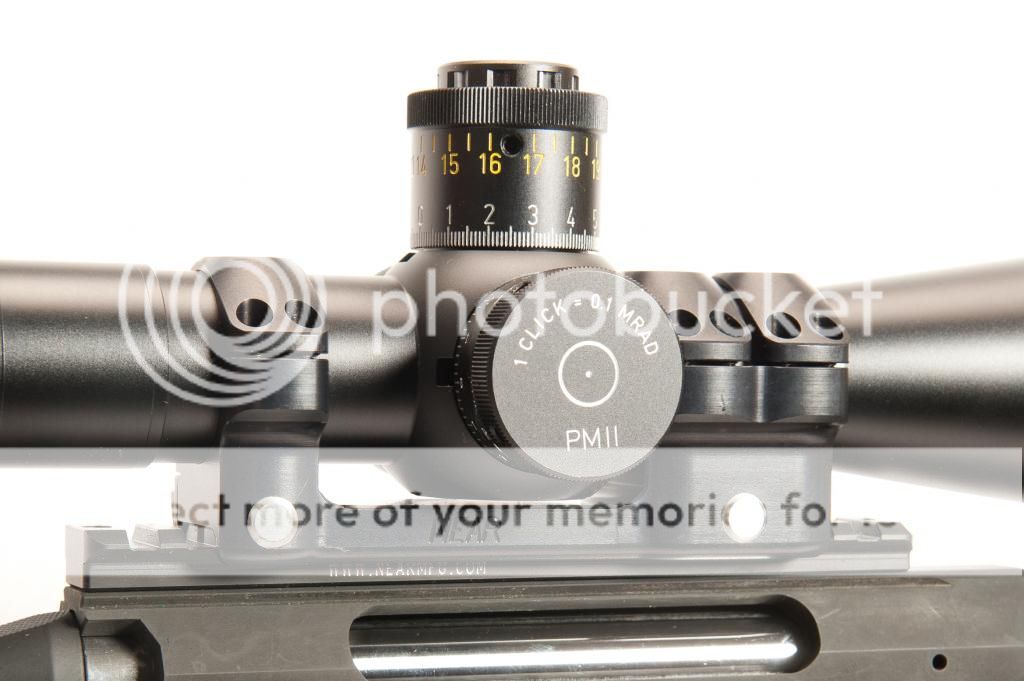
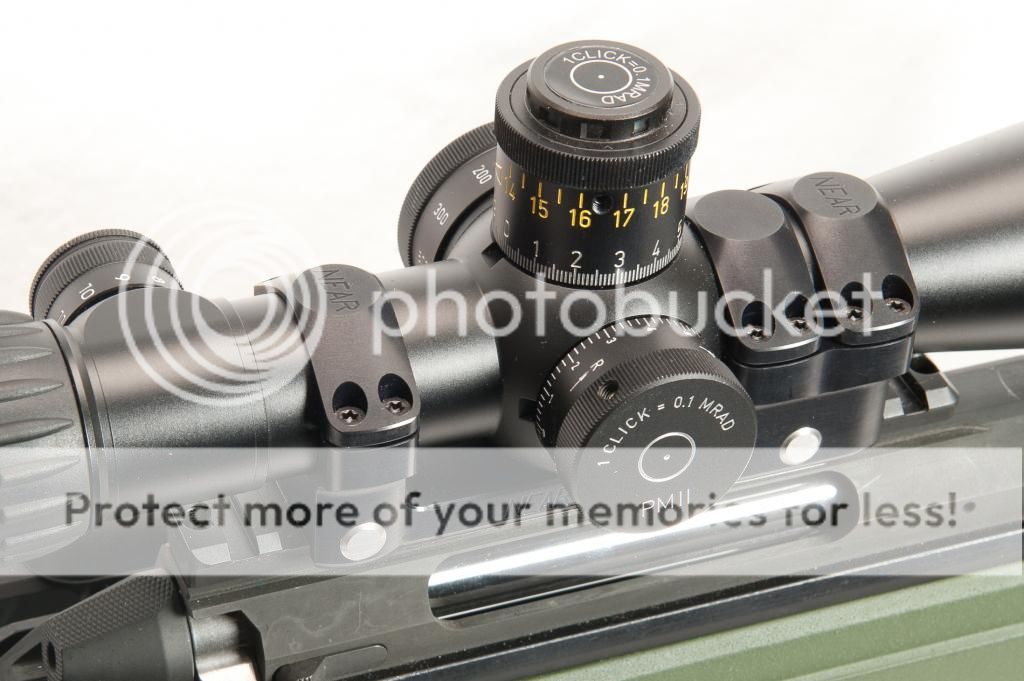
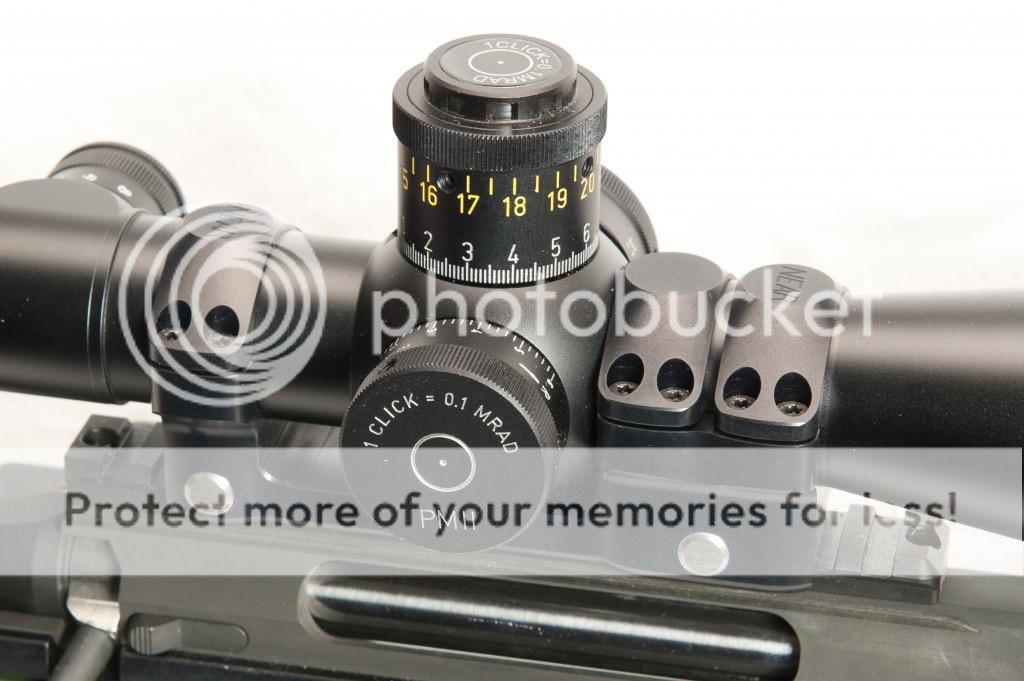
Here are a few images to explain this further.
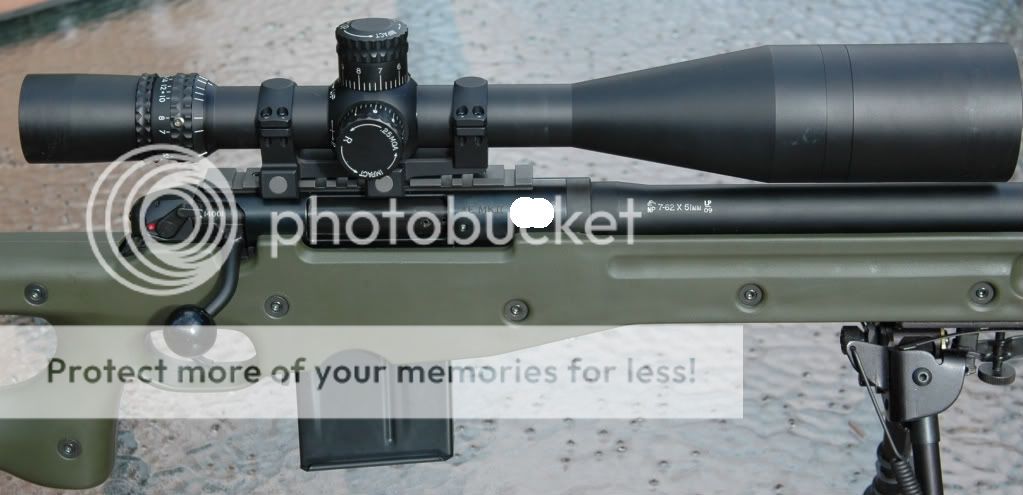
When you get into odd positions, your head is often way more forward that it is in prone or in standing. The scope needs to be moved forward. Look at where his front ring is. He could not move that scope any further forward.
This shooter also has his scope as forward as it will go with rings:
This can cause problems like binding the parallax adjustment if the ring is too tight.
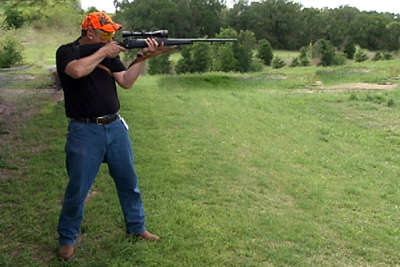
Also, consider that you are dealing with rifles that have pretty heavy barrels. If you support the rifle like the guy below, you're going to use a lot of muscle support. You definitely need a sling, especially with a tactical rig. But, getting in and out of a sling takes time. It's cumbersome if there is a standing shot in the middle of a bunch of other positions.
If you shorten the stock and move the scope forward, you can get your supporting forearm more vertical like this:
You're elbow is then supported by your body and the hold uses mostly bone support instead of muscle support. The sling support is not needed. It may still help, but if you need to transitions quickly in and out for the shot, it may be more advantageous not to use it.
If you look at the height of many of those cantilever mounts, they are way too low to work on an AR. They were designed for boltguns. Many of the newer scopes have pretty long eye relief and simply cannot be mounted far enough forward for them to work well in positional shooting on a receiver with an integrated rail with rings or a mount that is not cantilevered. So there is a trend to use these or go back to receivers that can use extended rails.