













































First thing, this was not my idea so I take zero credit.
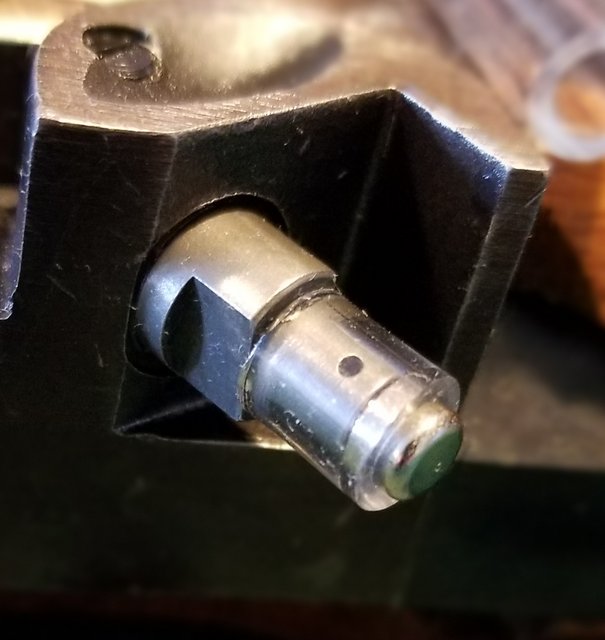
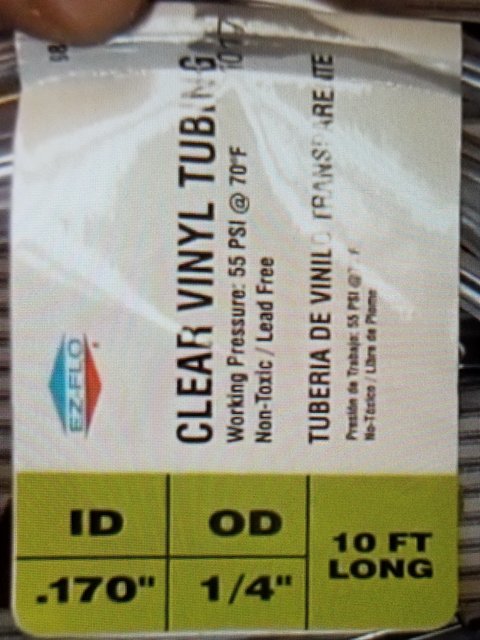
#10 & #11 percussion caps are nowhere to be found. At least in my area of BC. A fellow in the US figured out a way to use small pistol primers as a percussion cap substitute. It works because I fired off six loads today out of my muzzle loader. This is how it was done. Locate some clear vinyl tubing at a hardware store, 1/4" OD, .170" ID. Measure the distance from the top of the nipple to the shoulder. Then measure the depth of the primer and divide by two. Add those two numbers together. For me, it came out to .277" The reason for half the primer height is so the primer protrudes above the top of the vinyl tubing. Lay the primer cup down and press the tubing over the primer. I found it easier with the cup down and bevel side up. When you are ready to fire, press the tubing with the primer over the nipple and press down so the primer is sitting on top of the nipple and slightly above the tubing. Fire away. I got two firings from the first bit of tubing and four from the second. 10 feet of tubing provides a lot of .277" sleeves. Ignition was positive and fast. The same method can be used with revolvers that use #10 caps but I understand the tubing can interfere with the rotation of the cylinder. It depends on the revolver.
Notes:
The length of the tubing is not critical as long as the primer is supported and not protruding above the primer. Lest the tubing soften the hammer blow.
In the first picture showing the nipple, tubing and primer, I swapped out the 'Hot Shot' nipple with a nipple without the hole in the side for the actual test firings.
I used CCI #500 primers because that is what I had on hand.
I used a #11 CCI Magnum percussion cap (I have only a few left) on the 7th shot as a comparison. I couldn't tell any difference between the small pistol primers and the percussion cap.
#10 & #11 percussion caps are nowhere to be found. At least in my area of BC. A fellow in the US figured out a way to use small pistol primers as a percussion cap substitute. It works because I fired off six loads today out of my muzzle loader. This is how it was done. Locate some clear vinyl tubing at a hardware store, 1/4" OD, .170" ID. Measure the distance from the top of the nipple to the shoulder. Then measure the depth of the primer and divide by two. Add those two numbers together. For me, it came out to .277" The reason for half the primer height is so the primer protrudes above the top of the vinyl tubing. Lay the primer cup down and press the tubing over the primer. I found it easier with the cup down and bevel side up. When you are ready to fire, press the tubing with the primer over the nipple and press down so the primer is sitting on top of the nipple and slightly above the tubing. Fire away. I got two firings from the first bit of tubing and four from the second. 10 feet of tubing provides a lot of .277" sleeves. Ignition was positive and fast. The same method can be used with revolvers that use #10 caps but I understand the tubing can interfere with the rotation of the cylinder. It depends on the revolver.
Notes:
The length of the tubing is not critical as long as the primer is supported and not protruding above the primer. Lest the tubing soften the hammer blow.
In the first picture showing the nipple, tubing and primer, I swapped out the 'Hot Shot' nipple with a nipple without the hole in the side for the actual test firings.
I used CCI #500 primers because that is what I had on hand.
I used a #11 CCI Magnum percussion cap (I have only a few left) on the 7th shot as a comparison. I couldn't tell any difference between the small pistol primers and the percussion cap.
























