- Location
- Haliburton County, Central Ontario
If the OP handloads, something in a 270 WSM would certainly fit the bill. Moderate recoil, about 200 fps faster than the 270 Win, and it can be had in a light platform. JMHO as a 270 WSM owner.













































Thanks, I'm definitely leaning towards something in the 7mm group. I've got some reading to do for sureA 7 mm of some variety. Better external ballistics with less recoil than a 30 cal with enough bullet weight and energy for elk sized game. 280 AI, 7 RM, 7 PRC, 7 Backcountry and more options if you reload. Personally, I have a 6.5 PRC that is 7 lbs 3 oz scoped and slinged for a mountain rifle. I would take an elk with it, but consider it a little light for that size of game.
Recoil affects everyone. It is a physical property and everyone shoots better (or at least as accurately with less effort) with a lighter recoiling gun.Follow through matters, especially so you can spot your own impact and get back on target for further shots as needed. Don’t forget that recoil affects your rifle too. More recoil increases the chance that your rifle action shifts slightly in its stock, loosens its action screws etc. Even if it doesn’t make you flinch, it is harder to consistently hit a target with a heavier recoiling rifle. I shoot my 300 PRC very well, but it is 9.5 lbs and I need to pay attention to my technique and natural point of aim. It doesn’t bother me to shoot it (and I don’t flinch) without a brake, but I shoot more accurately with it. Why is that if it’s not recoil? My 6.5 PRC barrel on the same rifle is a pussycat.
A heavy for caliber 7 mm bullet (160 gr +) at 2800+ fps is a great across the course option for NA game.
I’d go 280AI simple!! I mean all of them will do the trick but the 280AI is easy on barrels, easy on shoulders, millions of 30-06 cases in case you run out of casesThanks, I'm definitely leaning towards something in the 7mm group. I've got some reading to do for sure


 oh and regular length action!! To me it is probably the 7mm that make the most sense for your application.
Yeah; that’ll work. My Kimber Montana pushes 130s along at 3400 fps with 7828. Max load in the Hodgdon site, but the speed from the Nosler data which is 1 1/2 gr lower.If the OP handloads, something in a 270 WSM would certainly fit the bill. Moderate recoil, about 200 fps faster than the 270 Win, and it can be had in a light platform. JMHO as a 270 WSM owner.
It was just the tip..wasn't it ?Thanks for the concern regarding my tool….
270 WSM is an impressive round, any a very emphatic killing cartridge. I load the 130's at 3300fps, and 180 grain Woodleighs at 2840fps, in a 1-10" twist 20" browning micro Midas rifle my old lady hunts with.Yeah; that’ll work. My Kimber Montana pushes 130s along at 3400 fps with 7828. Max load in the Hodgdon site, but the speed from the Nosler data which is 1 1/2 gr lower.
Light, weatherproof and reliable. My kids named it my helium gun because when they asked how it could be so light I told them I pumped the stock full of helium. You can trick a kid.
Oddly, my PGW 7 STW titanium weighs 3/4 pound less. Whats lighter than helium, I need another name?
H-4831.IMR7828, still the old long cut stuff for the 130's. And use Retumbo for the 180's.

IMR7828, still the old long cut stuff for the 130's. And use Retumbo for the 180's
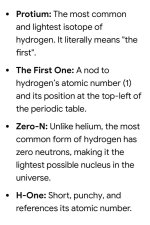
Hydrogen is lighter than helium as you got me curious i looked it up and got the googlebot to generate a couple names for you as a starting point, killing some time on my lunch break and I like naming some of my guns not all, anyway not much coming to me at the moment for names in me own brain but good luck finding something your kids will like!Yeah; that’ll work. My Kimber Montana pushes 130s along at 3400 fps with 7828. Max load in the Hodgdon site, but the speed from the Nosler data which is 1 1/2 gr lower.
Light, weatherproof and reliable. My kids named it my helium gun because when they asked how it could be so light I told them I pumped the stock full of helium. You can trick a kid.
Oddly, my PGW 7 STW titanium weighs 3/4 pound less. Whats lighter than helium, I need another name?
Recoil is mostly in your head. If it wasn’t how do people get used to it? Nobody grows a callus on their shoulder, or got an armour plate surgically installed. The only thing that changes is perception, one day the shooter realizes that it isn’t a big deal, and thats because it never was in the first place.
I’ve got weakness for Kimbers in magnum chamberings, up to 338 Win. Not a big deal at all. A titanium PGW in 7 Stw that scales at 5.5 pounds is proving to be no big deal either.
In my defense, I did say “Mostly”I had a 7.5 lb Ruger No 1 that put a 500 grain TSX out of the muzzle at 2450 fps for 122 ft-lb of recoil energy. Owned and shot lots of magnums. It's all perception until you need shoulder surgery (work related).
Now if a 7mm08 will do the job I'm taking that.

Ron suggests ....Looking to replace one of my current rifles, a T3X Lite .308, to get into a setup that will be more suitable for longer range shooting and mountain hunting.
In practice, I'd like to shoot 600-700 yards, hunting would probably be a more realistic max around 500 yards. The ideal rifle would be fairly light (6-7lbs bare rifle would be reasonable), I'm not partial to any caliber, really just one that's not going to break the bank to shoot, and is readily available.
In terms of price, it would be ideal if the rifle itself were under $1500, probably $2000 max. I know this will be the limiting factor.
Give me a good reason why a particular caliber would be better than others.

























