There are many reasons for crimping and crimping deals with neck tension or bullet grip by the case neck. I ordered a carbide expander for my .243 Redding die and it measured .2428 and my opinion it was far too large in diameter and I never use it. Many competitive shooters today are using .002 to .003 bullet grip, meaning they either use a smaller bushing or reduce the diameter of the expander.
Whidden custom dies sells expander kits with five expanders from bullet diameter to .004 smaller than bullet diameter. And the dies neck diameter, case neck thickness and brass spring back have the greatest effect on neck tension.
Crimping deals with the type firearm and understanding neck tension and being able to measure your case necks, annealing, etc.
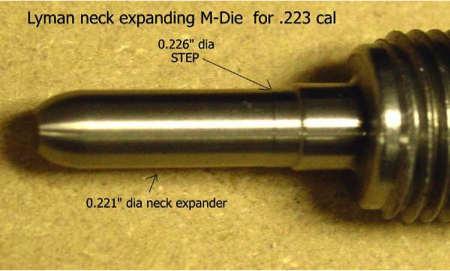
Below I use a Lyman type "M" die on my target .223/5.56 cases for my AR15 A2 HBAR and "lightly" taper crimp the case mouth. And this is to only streamline the case mouth, and you can see the main part of the expander is .003 smaller than bullet diameter. The case is just pushed far enough on to the .226 diameter part of the expander to help the bullet start straight when seating to reduce neck runout.
Below is from Sierra's exteriorballistics.com
http://www.exteriorballistics.com/reloadbasics/crimp.cfm
"Regardless of which type of case a crimp is applied, one of the primary reasons for crimping remains the same; to increase neck tension, thereby ensuring proper powder ignition. In many cartridges, such as the .357 and .44 Magnums, large charges of slow-burning powders like H110 and Winchester 296 require firm initial resistance to the bullet’s movement. This building pressure aids in giving complete combustion, enhancing accuracy and shot to shot uniformity."
Bottom line, try no crimp and crimping and see what gives you the best accuracy and what works best in your "type" firearm. Ask yourself if you have enough neck tenshion and how much is needed. Example with light practice loads in my .44 magnum with plated bullets I use a very light taper crimp without any problems after using a type M die expander. So see what works best for you and I didn't see any "misinformation" here and just opinions of what works for the person pulling the press handle.