Dirty Rifle

jethunter

CGN Ultra frequent flyer
Super GunNutz
Rating - 100%
358   0   0
Location
Central AB
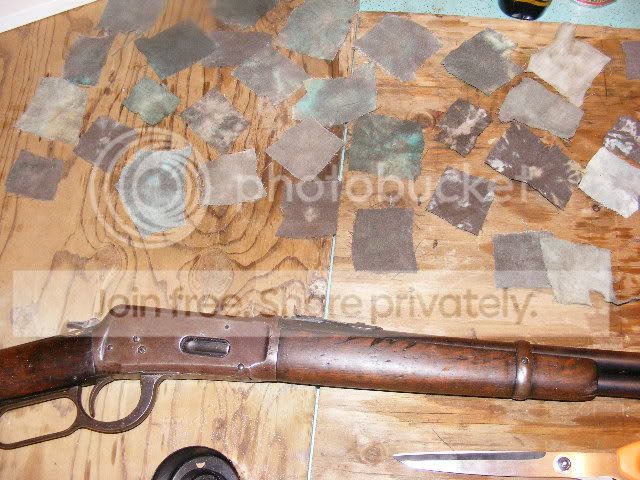
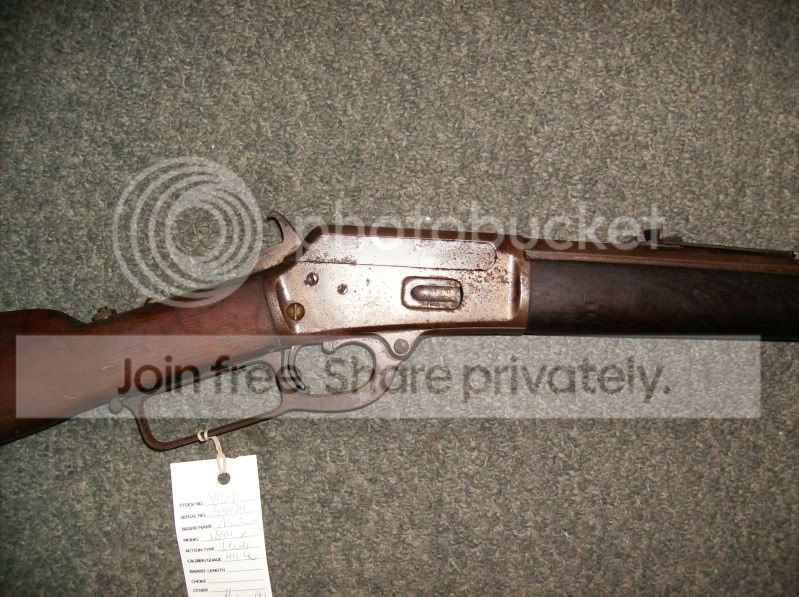
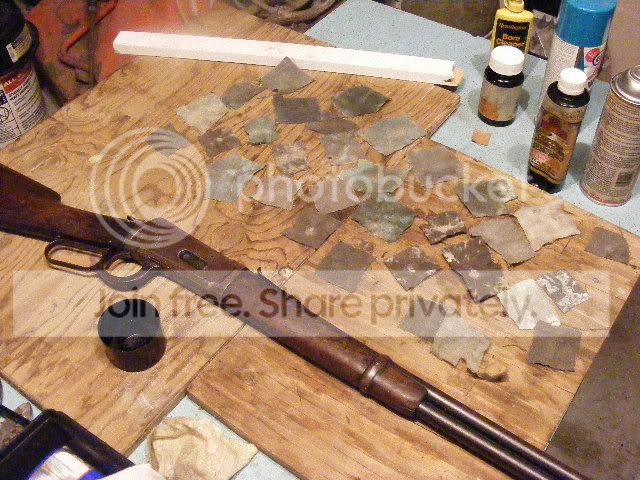
What's the dirtiest bore you've ever seen? Here is mine - a 1906 vintage M1894 38-55 i got on the EE a while back. The barrel has been scrubbed with various cleaning products and solvents, over 30 patches, and wore out 2 brushes.

Looks like a got a "sleeper deal" since this old rifle has turned out to be better than it was described. It has some cosmetic issues but action and bore are excellent. Initially I thought the rifling was gone, but it was just buried in crap. Sometimes you get lucky.

Here it is:
0001-7.jpg


0003-7.jpg
 
Last edited:

I have a BRNO #1 that looks like an old sewer pipe down the bore. Two months of scrubing and every bore cleaner i can find and it still looks like a sewer pipe. Badly neglected at some point in it`s life. You win some and some you lose.
 
I just inherited two 1904 .22 single shot bolt rifles (short/long) and a Dutches Werks .22 single shot rifle (LR) and all three have interesting bores.

I'm temped to cap the muzzle on one of the Winchesters with an earplug and pour Evapo-rust down the breach and leave it overnight to see what happens. :D
 
I got you guys beat. I bought a bunch of stuff from an estate sale at an attractive enough price that I thought I could clean it up and sell it for a small profit. Included amongst those gems was a Remington 788 carbine in 7-08. All of the guns looked as though they had been stored muzzle down in a puddle, and all of the barrels showed varying degrees of corrosion up to a couple of inches in. But this poor 7-08 was far worse than the others and its muzzle was nearly closed, not even the ultrasonic cleaner had much effect on it. There was no way I was going to shoot it in that condition, but the barrel length was already too short to legally cut shorter, so what could I do? Well, what I did was purchase a Clymer reamer from Brownells that was designed to open up the muzzle diameter for the installation of a muzzle brake. This thing cut like a charm, and happily it was able to reach the full depth of the corrosion. I just put a single box of factory 140 gr Reminton's through it, and once sighted in with its 4X scope, the rifle grouped a minute and a half at 150 yards, which is comfortably minute of caribou. Once I start loading for this thing, I'll decide it's fate; leave it as is and keep it, re-barrel it and keep it, or pretty it up and dump it.
 
I have an old beat up Lee-Enfield that was like that 94 or worse. Don't know how many times I filled the waste basket with dirty patches until I thought it was clean. Then I made my own EBC to try. Couldn't believe the garbage that came out of there. Now I know it's clean.

Walt
 
I acquired a nagant for free a couple years back. I couldn't see any rifling before I started cleaning and very little after. It still shot surprisingly well though, I was able to hit the 300m gong 4 out of 5 shots.
 
A few years back, when I was working up loads for my '92 Winchester in 38-40. I blew a primer with a load I knew was safe. WTF?
On examining the bore, I noted the rifling had mysteriously vanished. I had fired hundreds of rounds through the old girl that day, mostly lead, in various degrees of hardness at various load levels, some I admit were insane.
The bore was original, and well pitted, so lead accumulation was expected, but not to the degree I got.
Took a pile of scrubbing to get the lead out.
 
I bought an old Cooey 64 from a "fire sale" that had spent a week submerged in a basement gun safe, firs I chased the bore with a extra long drill bit to open it up, then a stainless steel pistol brush on a broken off cleaning rod attached to my cordless drill and lots of rust eating chemicals... Rifle still shot around 1.5" at 100 when I was done...
 
I recently acquired a Parker hale 30-06 knowing full well it needed some love. Price was right and I wanted a project. Refinished the stock, replaced the iron sites, touched up some bluing.

Took me 3 times with wipeout to remove the copper, patches still come out with some carbon. After all that I took it out, shoots great!
 
If they haven`t been pitted badly they can usually be cleaned up. I have also seen some old Mausers with badly pitted and abused barrels that wouldn`t shoot well.
 
I was given an old Cooey .22 years ago and when I was forcing the rod through it chunks of lead were falling out the muzzle. It was stored in a shop and is pretty much covered in rust.
 
OP, I feel for you, but good job on persisting and congratulations on finding the rifling!

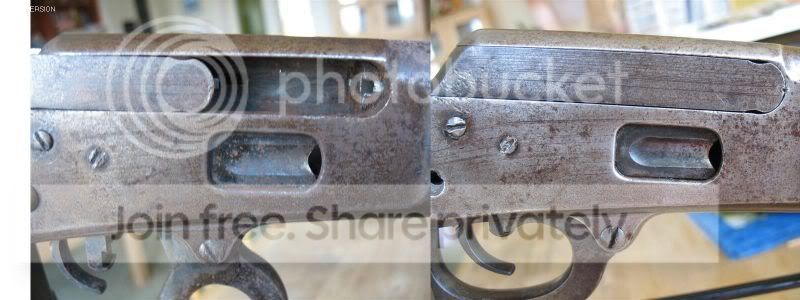
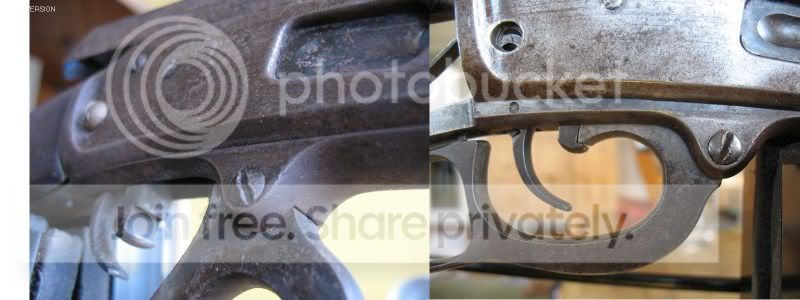
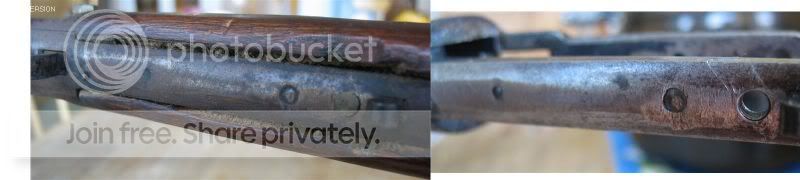
A couple of years back, I bought a beat up Marlin 1889 which was produced in 1891. The rifle was worth saving because it was one of only 500 or so that were made with a half-round/half-octagon barrel.

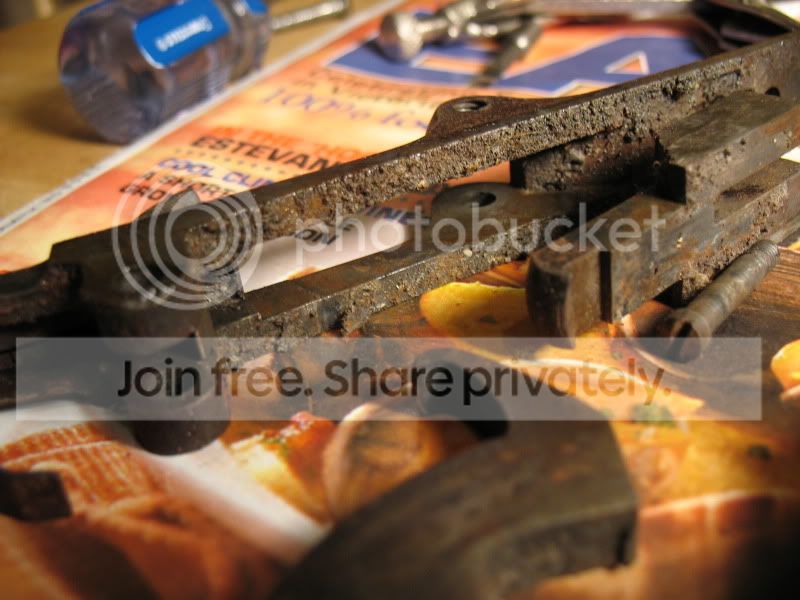
The rifle had a 2x4 buttstock and was covered in light rust and grime. I tore it down and soaked everything in Ed's Red for a couple of days before cracking out the bronze wool and getting to work. I was pleasantly surprised at how nice/smooth the metal was underneath all the crap.

The bore is another story --- even after soaking in EvapoRust and wearing out several brushes, it's still gunky and is showing signs of pitting. I'm waiting to restock the rifle, so I haven't shot it yet. If it shoots well, I'll leave it as-is; otherwise, I'll reline the barrel.

Here are some before-and-after pictures:

HPIM0931.jpg

gunk_closeup.jpg

right_side.jpg

trigger_lever.jpg

lower_tang.jpg

pic018.jpg
 
I bet that bore looks better after you shoot it a bit. The rifling is still strong and the grooves look fairly smooth. Nice job cleaning it up.
 
I did something stupid... listened to the guys in the Red Rifles forum when they said 'don't bother cleaning your SKS".

I put a hundred or so rounds through it one day, didn't clean it. A few weeks later, took it out again, wouldn't cycle. Turns out the extractor was seized in the open position and so I couldn't chamber a round nor could I eject a casing.

Never again. I won't store a gun without it being cleaned first.
 
In REALLY bad cases, for a .30 cal., I'll take a .22 bore brush and snip off a strip of a green abrasive pad. Wrap the strip around the brush and scrub for ten minutes with a bunch of solvent (any kind handy). The key is to use the correct abrasive pad. Don't use the ones for scrubbing dishes! get the really coarse ones used for stripping paint. You get them from the paint section of the hardware store. Just be careful not to get too much of the grit on the finish because if you don't clean it off, any rubbing will cause damage.
 
Back
Top Bottom