












































You are using an out of date browser. It may not display this or other websites correctly.
You should upgrade or use an alternative browser.
You should upgrade or use an alternative browser.
Do you have a "Big Bore?"
- Thread starter Gatehouse
- Start date

Republic of Alberta
CGN Ultra frequent flyer
- Location
- ,location, location
I shot a coyote with my 416rigby and 400g Interlock Rn. It was not as effective as a 27030-067mmanything

I've got a couple .375s and a .416 Rigby. So far about 20 animals between the two of them, but not here. I'll work on upping that count a bit this July, if I can find something big that needs thumping.
I'm not sure if the .375 is a big bore, but the .416 is.
I'm not sure if the .375 is a big bore, but the .416 is.

- Location
- Somewhere on the Hudson Bay Coast
With improvements in technology pertaining to powders and bullets, we are able to do more with less. At one time to increase power, the only solution was to go bigger as bullet design had a useful maximum velocity ceiling of 2150 fps. Now we can depend on bullets to withstand impacts up to 2500 fps. If we can get a .375 bullet to expand to 1" with an impact velocity of 2300 fps and penetrate nearly 3', the .500 bullet that also expands to 1" and penetrates to 3' takes a back seat due to the .375's flatter trajectory. The .416 has a proven track record with flat trajectory and good impact velocity, and I would be equally happy with the ballistics of either rifle.
For years I have wanted a .460 G&A - essentially a .458/.375 Ultra. From a short barrel a 500 gr bullet makes 2300 fps. Given what I can do with my .375 the .460 project is on a permanent hold.
Mark Sullivan made an interesting observation when he first acquired his .600 Nitro. He was very impressed with the ballistics of the big rifle, and just knew he could stop the charge of an African buffalo with a chest shot. For those not familiar with Mr. Sullivan he's made an art form of stopping dangerous game charges with brain shots at "blood on the shoes" ranges. Anyway, Mark get his chance, the buff is coming fast and at 5 yards he fires his first barrel into the chest. He says - You know, that buffalo never read the ballistics of the .600 and he wasn't impressed." A speedy second shot to the brain stopped the action at about 18", saving him from a pounding.
Edited to add -
There is a place for the true big bore, and that is when a solid must be used on very heavy game. Because we cannot depend on bullet upset, the wound cavity is solely dependent on caliber, bullet shape and construction and velocity.
For years I have wanted a .460 G&A - essentially a .458/.375 Ultra. From a short barrel a 500 gr bullet makes 2300 fps. Given what I can do with my .375 the .460 project is on a permanent hold.
Mark Sullivan made an interesting observation when he first acquired his .600 Nitro. He was very impressed with the ballistics of the big rifle, and just knew he could stop the charge of an African buffalo with a chest shot. For those not familiar with Mr. Sullivan he's made an art form of stopping dangerous game charges with brain shots at "blood on the shoes" ranges. Anyway, Mark get his chance, the buff is coming fast and at 5 yards he fires his first barrel into the chest. He says - You know, that buffalo never read the ballistics of the .600 and he wasn't impressed." A speedy second shot to the brain stopped the action at about 18", saving him from a pounding.
Edited to add -
There is a place for the true big bore, and that is when a solid must be used on very heavy game. Because we cannot depend on bullet upset, the wound cavity is solely dependent on caliber, bullet shape and construction and velocity.
Last edited:


mmmmmm
well besides my 375 hh AI,416 rigby and numerous other ones.the 50-140 shooting a 650 grainer at well over the human body limitations is one to reckon with and lve only shot one coyote and a chicken with it,lm waiting for clarke and TB to show up here and try it out?
well besides my 375 hh AI,416 rigby and numerous other ones.the 50-140 shooting a 650 grainer at well over the human body limitations is one to reckon with and lve only shot one coyote and a chicken with it,lm waiting for clarke and TB to show up here and try it out?

well besides my 375 hh AI,416 rigby and numerous other ones.the 50-140 shooting a 650 grainer at well over the human body limitations is one to reckon with and lve only shot one coyote and a chicken with it,lm waiting for clarke and TB to show up here and try it out?
I wish I could have made that flight, bullcoon...

BigUglyMan
CGN Ultra frequent flyer
- Location
- New Scotland
I've got a 416 Rigby and a 458 Winchester. haven't managed to find anything to shoot over here with them yet, but time with time comes opportunity.

375 H&H, 375 Wby, 405 Winchester, 416 Taylor, 416 Rigby, 458 Win, 450 Ackley, 475 Ackley, 50-70. So far. - dan

Brno ZKK-602 Engraved in 375 H&H I picked up from the EE, not sure if I'm going to scope it or not, hope to take it out this year. Hope the pic's arn't to big, there all I got of it right now.
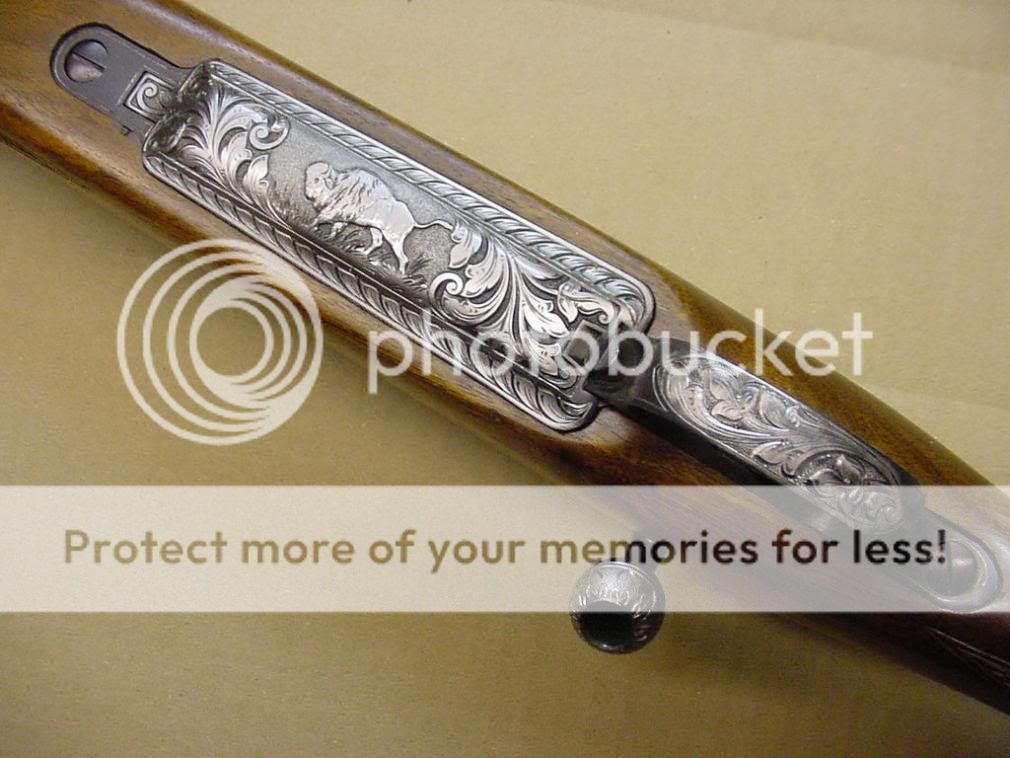
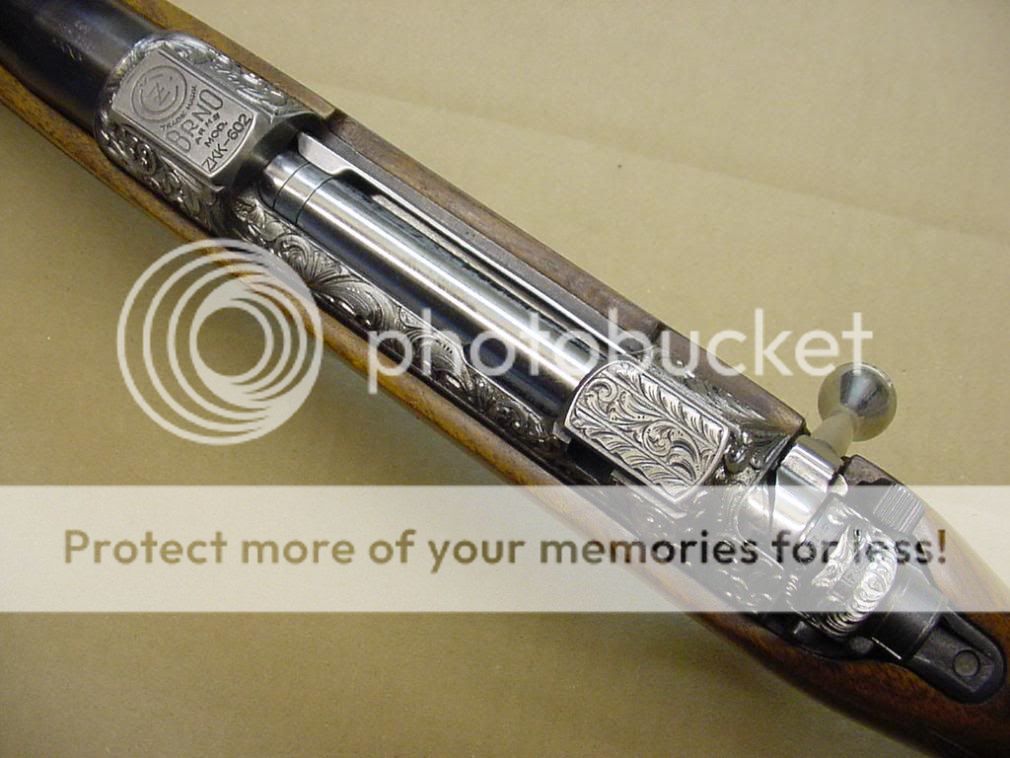
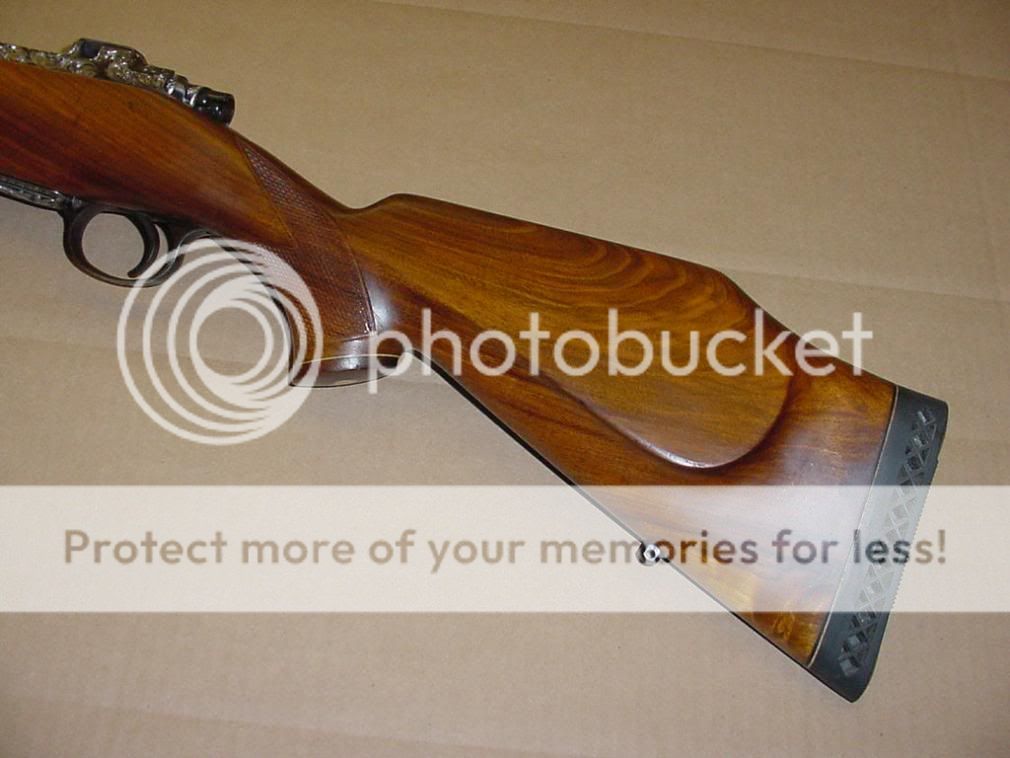
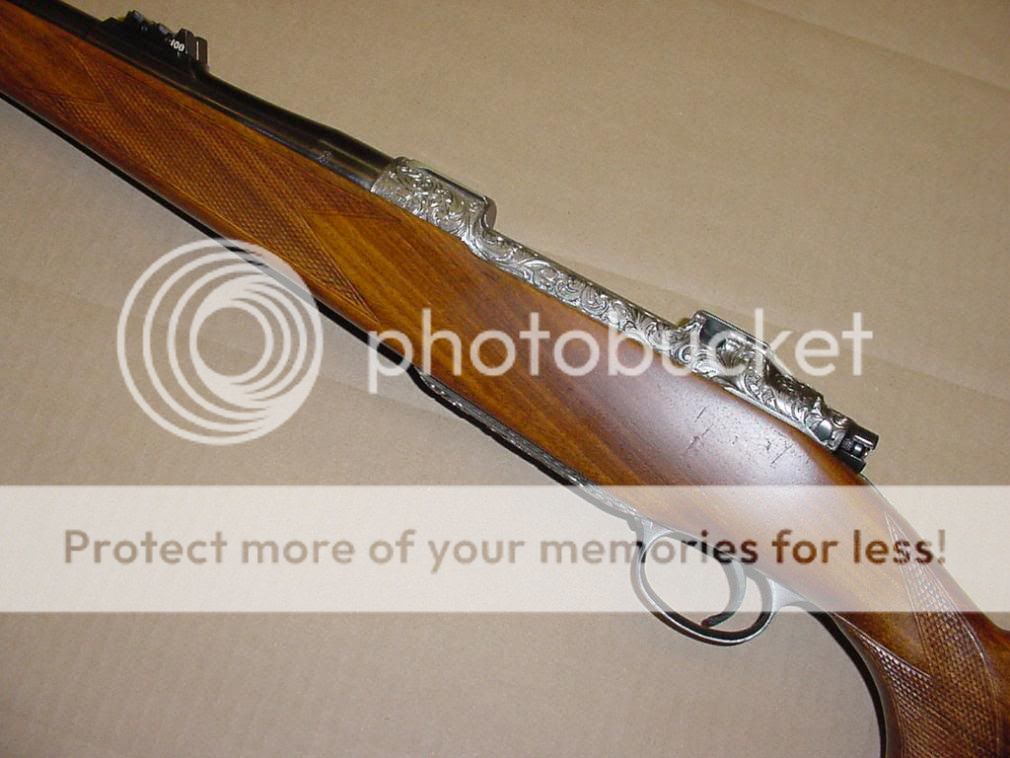
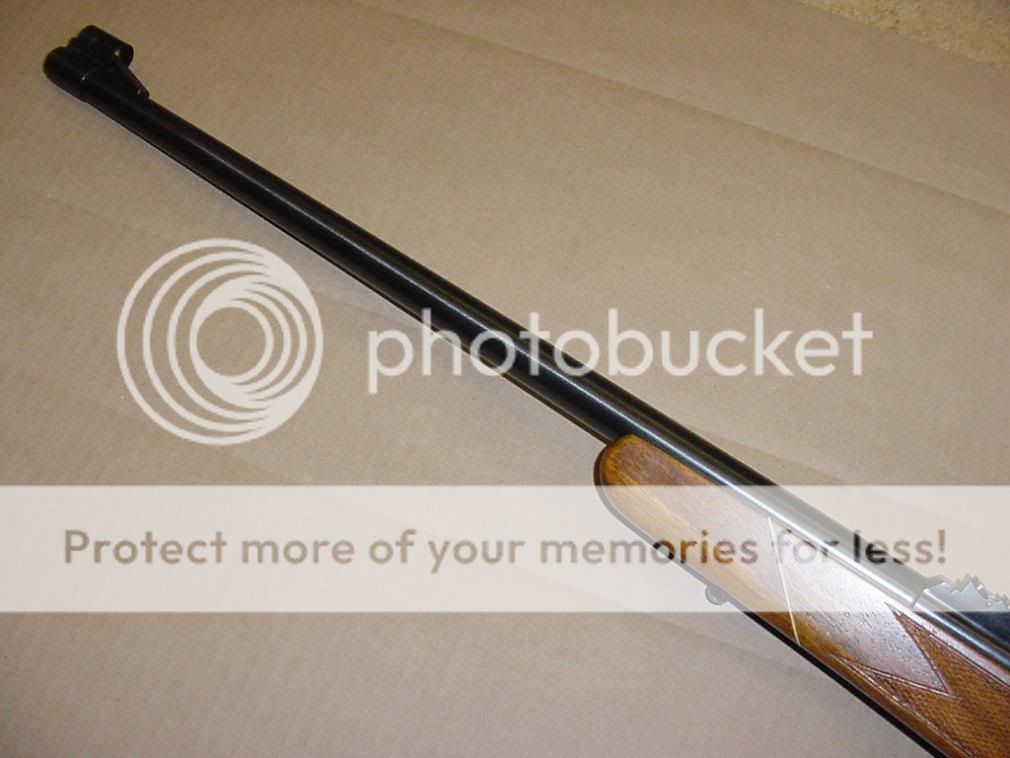
That is really nice there. I am jealious!


Jack Robinson
CGN Regular
- Location
- Alberta / Mazatlan
custom 375 Wby here. One shot, one very dead moose
custom 375 Wby here. One shot, one very dead moose
Pics!
Thanks, I'm looking for its twin in 458...or 416...
Good luck, I hope that you find it!

death-junky
CGN Ultra frequent flyer
- Location
- Moose Jaw SK
Nope but will one day.


I have a Winchester Model 70 in 375 H&H and it has no problem with my Moose, Caribou or Grizzlies
also a Ruger #1 in 416 Rigby ...."KERPOW" = "KERPLUNK"
Had a Ruger M77 MARK II in 338`stainless and had the action jam too many times for my liking ...got rid of that in favor of my 375 and won't be looking in the mirrors any time soon
also a Ruger #1 in 416 Rigby ...."KERPOW" = "KERPLUNK"
Had a Ruger M77 MARK II in 338`stainless and had the action jam too many times for my liking ...got rid of that in favor of my 375 and won't be looking in the mirrors any time soon






















