












































You are using an out of date browser. It may not display this or other websites correctly.
You should upgrade or use an alternative browser.
You should upgrade or use an alternative browser.
Fin M91 score
- Thread starter lorne19
- Start date






PerversPépère
CGN Ultra frequent flyer
- Location
- Shawinigan (Quebec)
Finn M-91
OK.
First, you're a lucky dog!
Second, you have a 1941 Tikka barrelled M-91 Mosin-Nagant, which, usually is a very apt shooter.
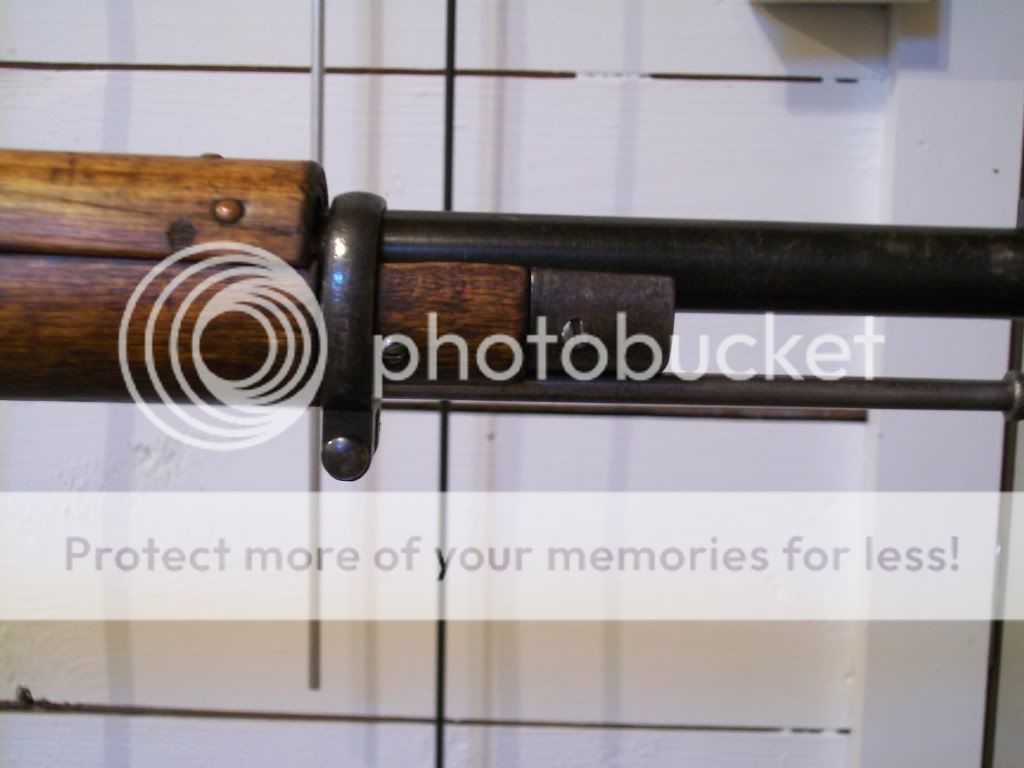
Third, if you want to take down that rifle, you'll have to be careful with the barrel bands (first type, scarce now) on this M-91 because if you try to UNSCREW them you'll just snap the screw head right off. To OPEN them, you must turn those screws in. This will spread the rings and allow them to slide off once the little round-headed woodscrew in front of them is removed. Once this is done you'll be able to remove the upper handguard.
Remove the front and rear action screws and pull the magazine/triggerguard out of the rifle. You'll find various brass shims under the action and the rear tang; do not remove them: they regulate the action height in the stock.
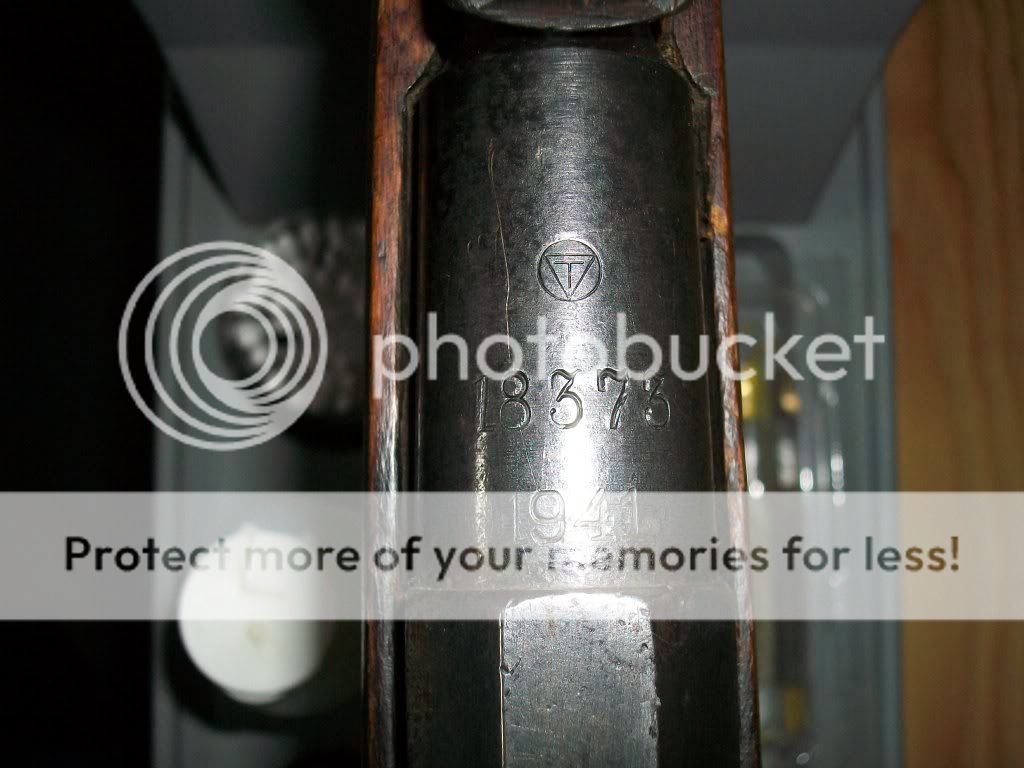
While the barreled action is off the stock, have a look at the underside of the rear tang: there, you'll find stamps that will tell you the receiver's origins.
Take some good close-ups with the camera in macro mode and post them here, please!
PP.
OK.
First, you're a lucky dog!
Second, you have a 1941 Tikka barrelled M-91 Mosin-Nagant, which, usually is a very apt shooter.
Third, if you want to take down that rifle, you'll have to be careful with the barrel bands (first type, scarce now) on this M-91 because if you try to UNSCREW them you'll just snap the screw head right off. To OPEN them, you must turn those screws in. This will spread the rings and allow them to slide off once the little round-headed woodscrew in front of them is removed. Once this is done you'll be able to remove the upper handguard.
Remove the front and rear action screws and pull the magazine/triggerguard out of the rifle. You'll find various brass shims under the action and the rear tang; do not remove them: they regulate the action height in the stock.
While the barreled action is off the stock, have a look at the underside of the rear tang: there, you'll find stamps that will tell you the receiver's origins.
Take some good close-ups with the camera in macro mode and post them here, please!
PP.
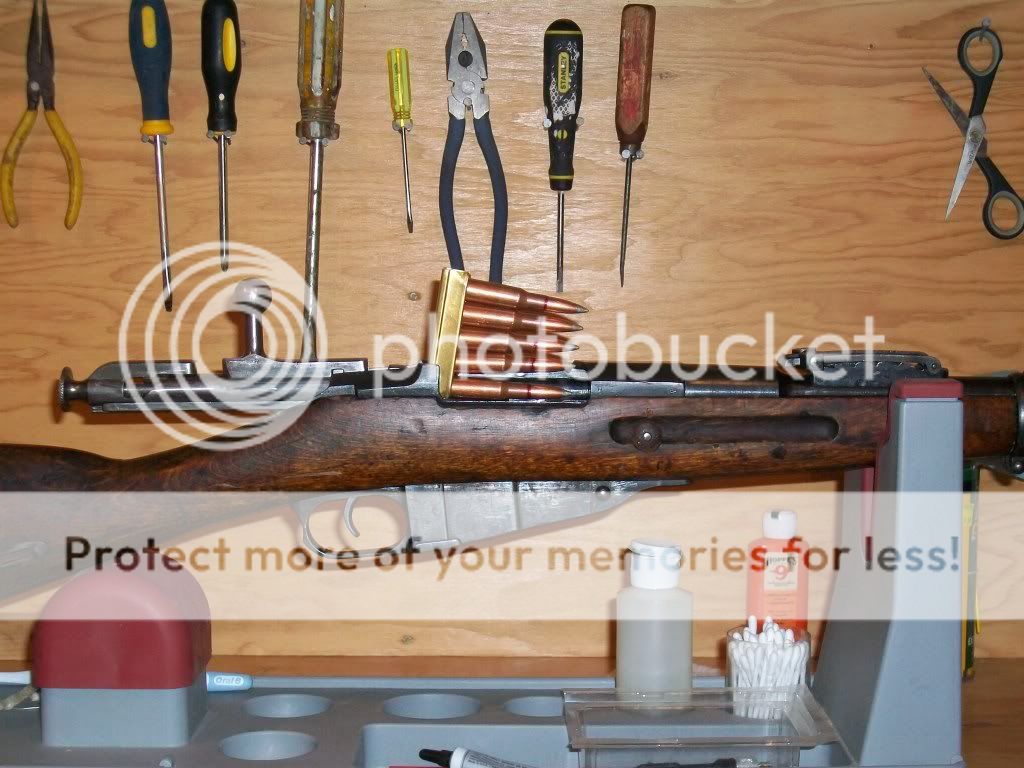
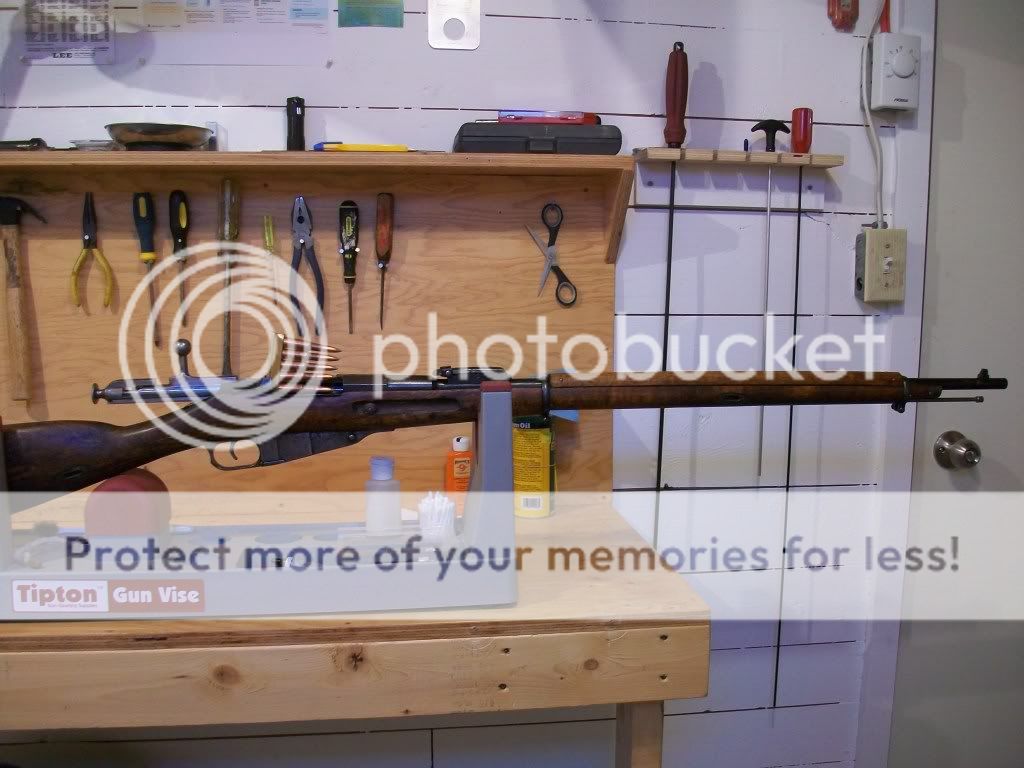
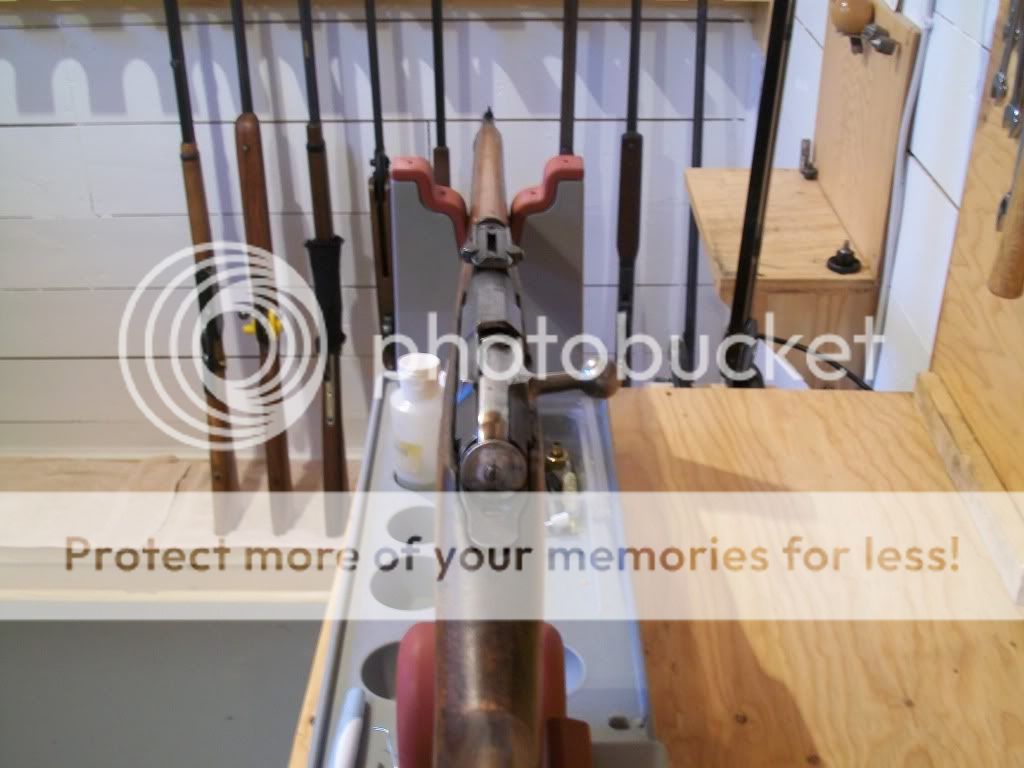
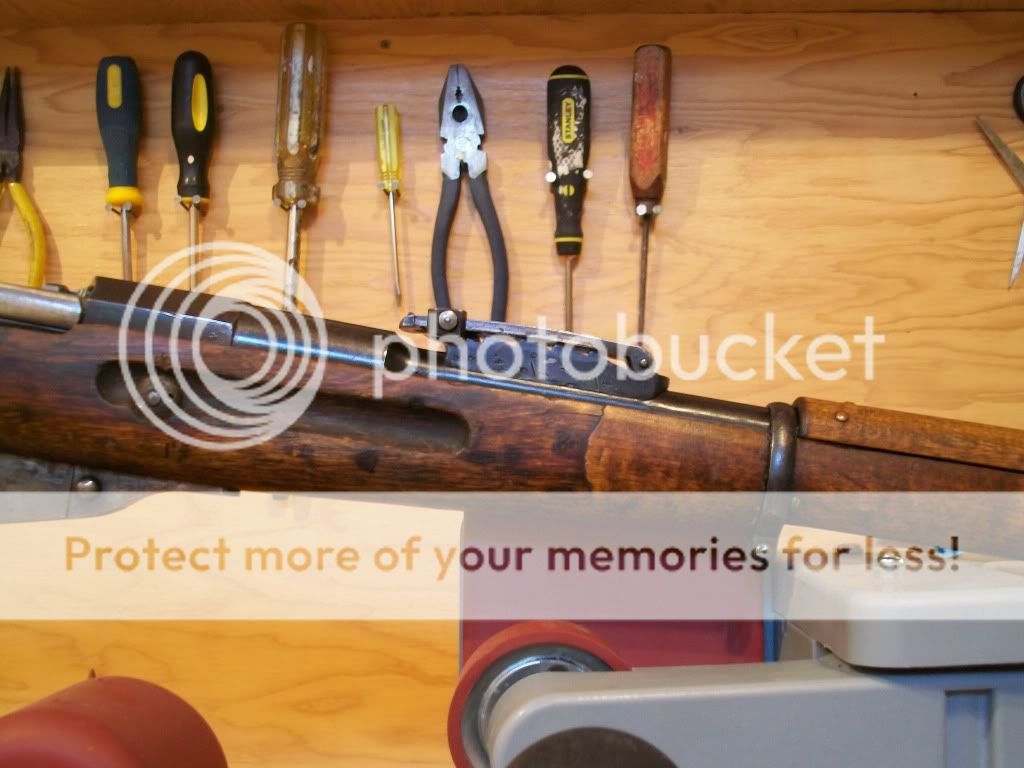
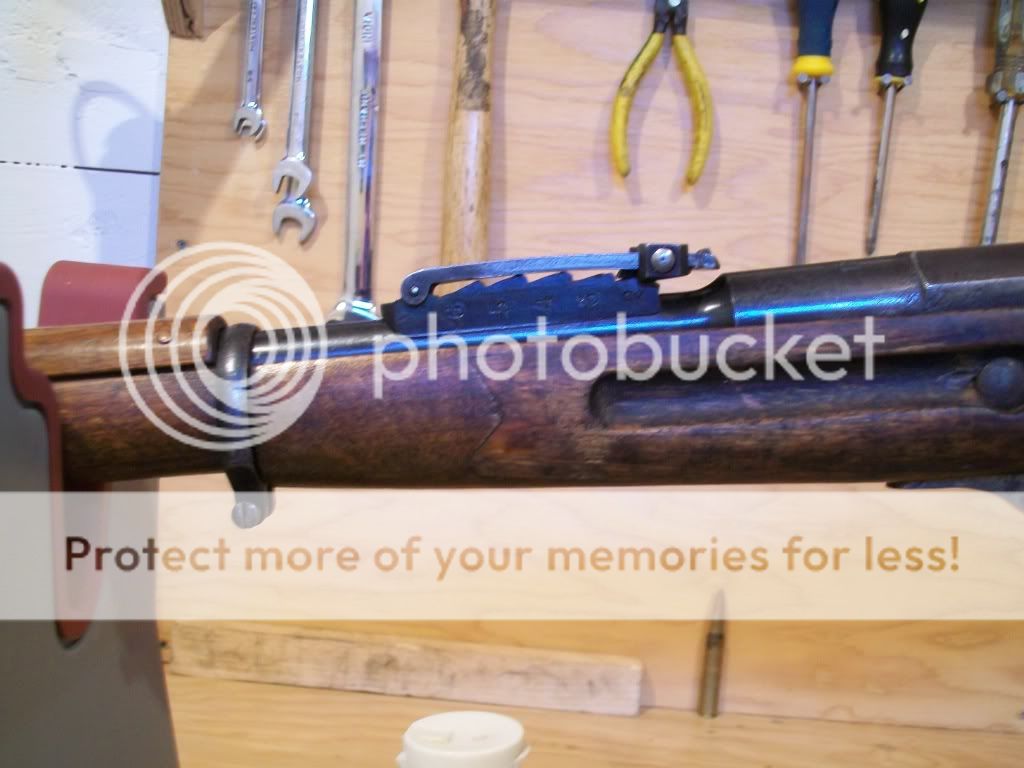
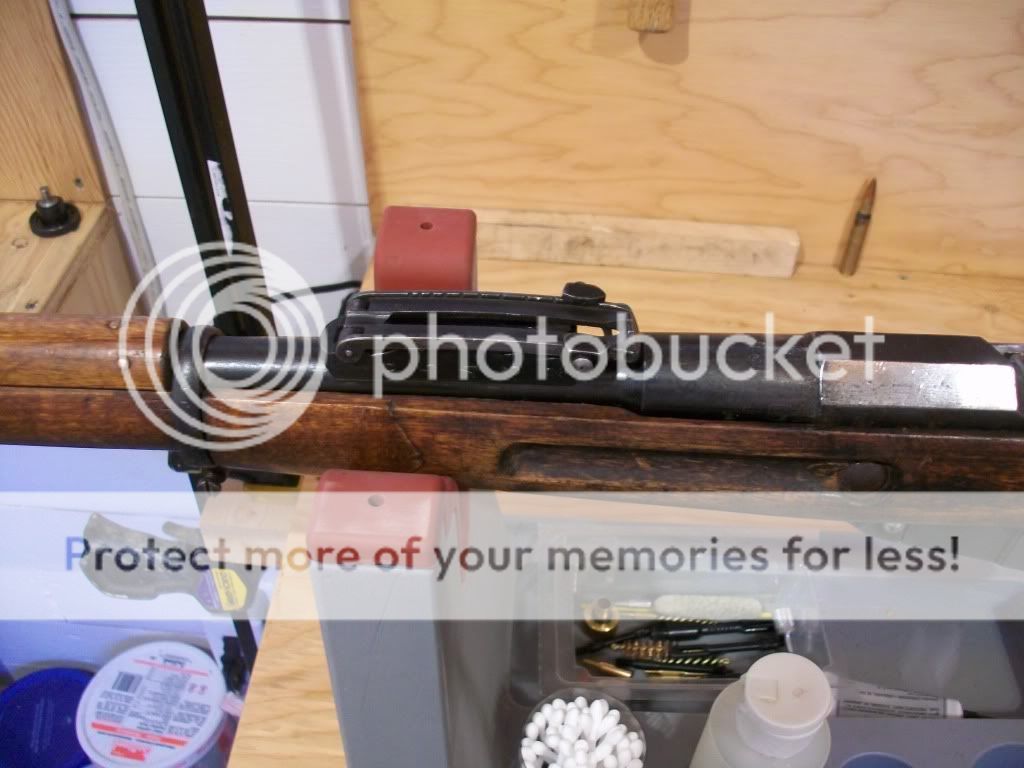
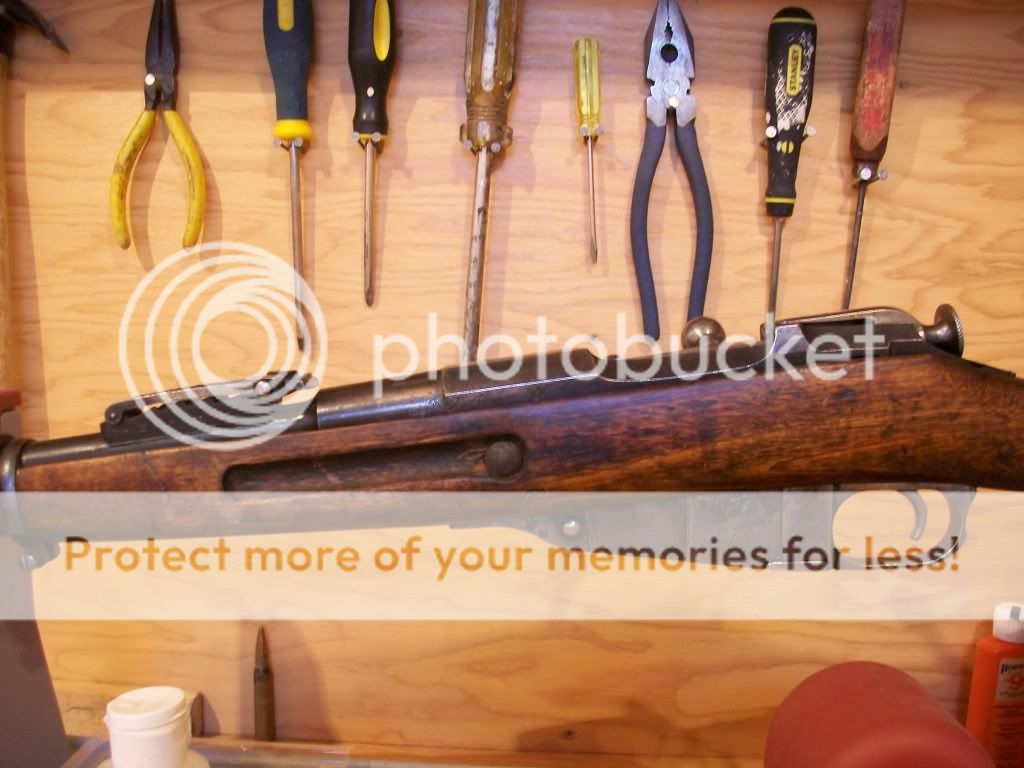
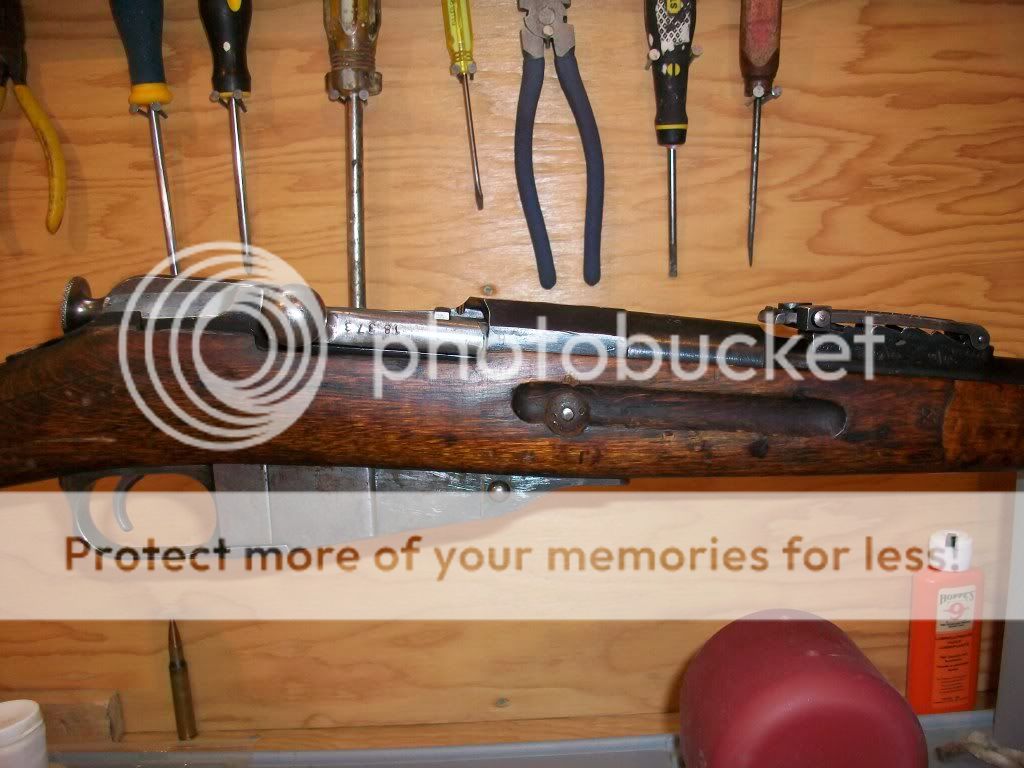
I've already stripped her down and thoroughly cleaned her. Sadly the underside of the tang is all pitted and there nothing left of the Date or arsenal mark. So I'm at a complete lose has to when the receiver was made or what arsenal it was made in. From what I was told by my cousin the rifle came from his girlfriends ex husbands grandfather. So the rifle has been in Canada for quite a while. I'm fairly familiar with Russian/Soviet Mosins, but I don't know a lot about Fin Mosins. If what I've read off of 7.62x54net is right the stock is a reworked Russian stock (due to the off center cross bolt) spliced by the fins. The parts are not matching and have a mix of pre and post 1928 arsenal marking. The rear sight base as a D stamped on it. Is this a D mark indicating the rifle is made for the Fin D cartridge? Also shouldn't this rifle have had sling hangers fitted in the sling slots? Also would this rifle have been issued by the Fins with a M91 bayonet? I'll work on some better photos, but My cameras not that great and I'm no photographer so bare with me.

PerversPépère
CGN Ultra frequent flyer
- Location
- Shawinigan (Quebec)
From what I was told by my cousin the rifle came from his girlfriends ex husbands grandfather.
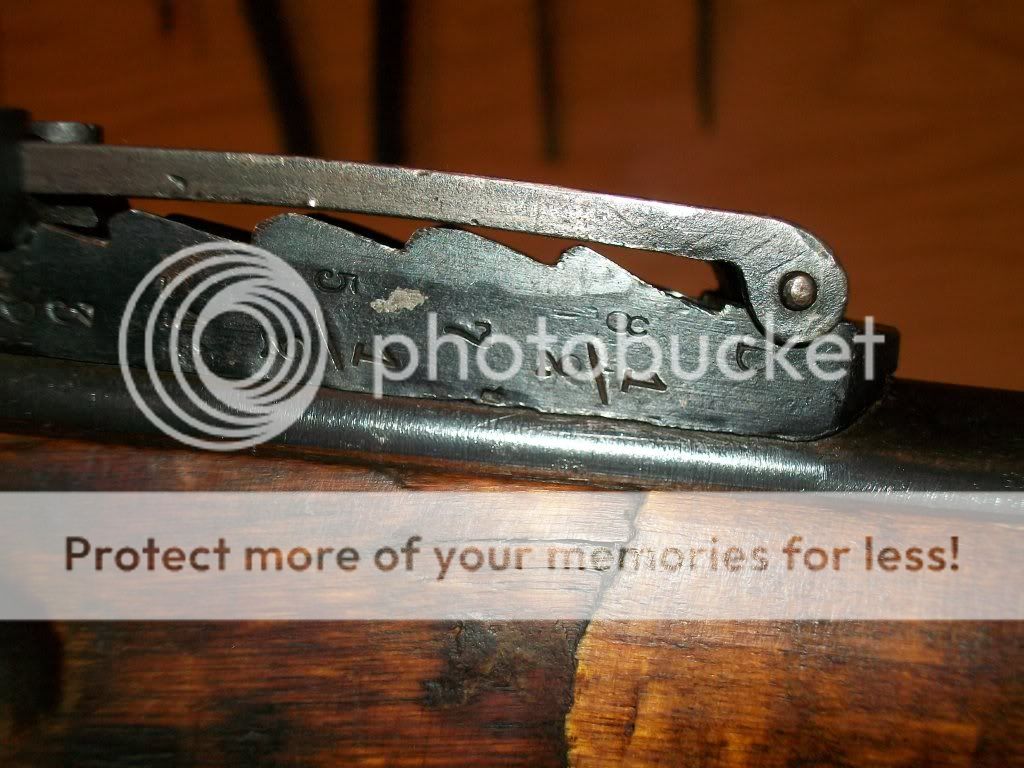
If what I've read off of 7.62x54net is right, the stock is a reworked Russian stock (due to the off center cross bolt) spliced by the fins. The parts are not matching and have a mix of pre and post 1928 arsenal marking. The rear sight base has a D stamped on it. Is this a D mark indicating the rifle is made for the Fin D cartridge?
Also shouldn't this rifle have had sling hangers fitted in the sling slots?
Would this rifle have been issued by the Fins with a M91 bayonet?
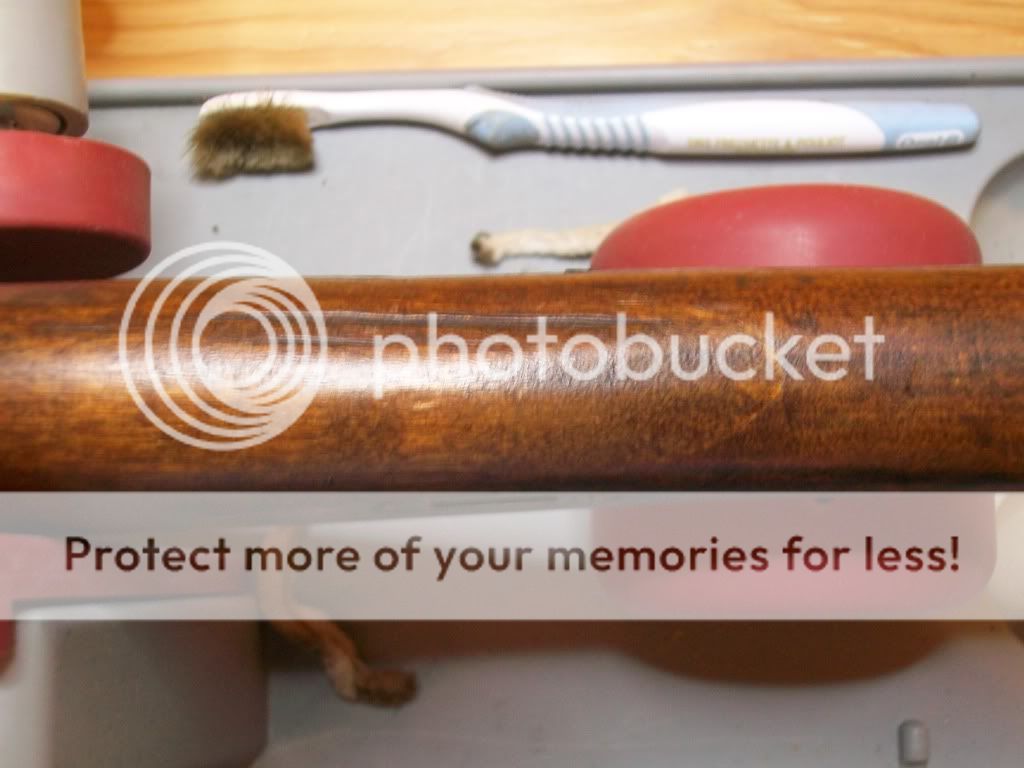
The stock is a rework with a spliced forepart. This was usual practice for the Finns to give a bit more stability to a stock by using arctic birch, a wood impervious to weather and temperature changes.
Be careful if you refinish a Finnish stock: depending on the district, they can have a different way of refinishing; some used pine tar mixed with beeswax and turpentine, some plain shellack and some (the LapLand ones) pine tar with melted reindeer tallow. And some were issued with no finish whatsoever.
Yours looks like pine tar has been used. The stuff they use under wooden skis can do fine when mixed with a bit of beeswax and turp or simply applied raw.
Some stocks weren't equipped with wire hangers because there wasn't time to put some on.
Finns were very practical people and the parts mix-and-match was common practice. The Mosin-Nagant original design asked for parts interchangeability to a high degree and the Finns tested the envelope to the limit.
The D stamping on the sight ramp usually tells the ramp was modified for the D cartridge trajectory and another step ground at the rear to allow a 150 meter setting.
The fact that your Tikka-made barrel was counterbored tells the urgency of these times; probably a field armorer's job. Obviously, yours has "seen the Elephant".
The Finns used the Mosin bayonets if they had them but the Puukko knives were their preferred mean of hand to hand fighting.
PP.
Last edited:
I would never dream of refinishing the stock or the rifle. Bubba has no business touching a rifle like that. I know that this rifle has been in Canada for at least 20 or more years, and she hasn't seen much care. The bluing is 90% gone and there pitting under the wood. The counter bore is crudely done, and the screws have seen many an improperly fitting screwdriver. If only an old rifle like this could talk, I can only imagine where its been and what its seen. What kind of accessories would this rifle have been issued with?

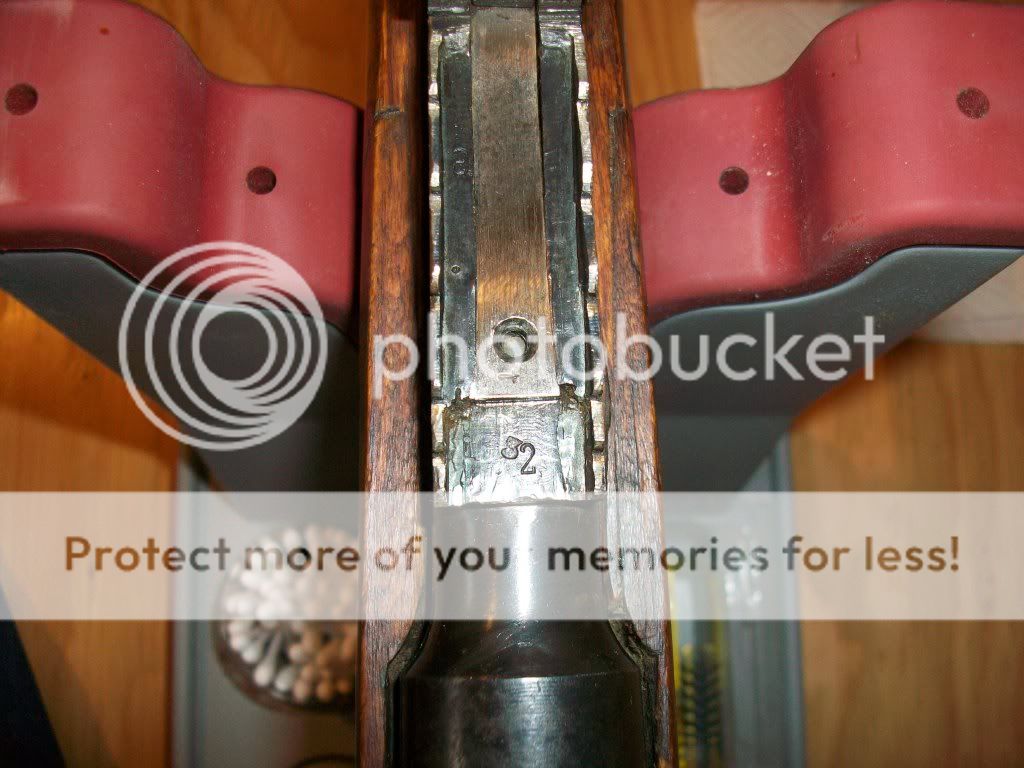
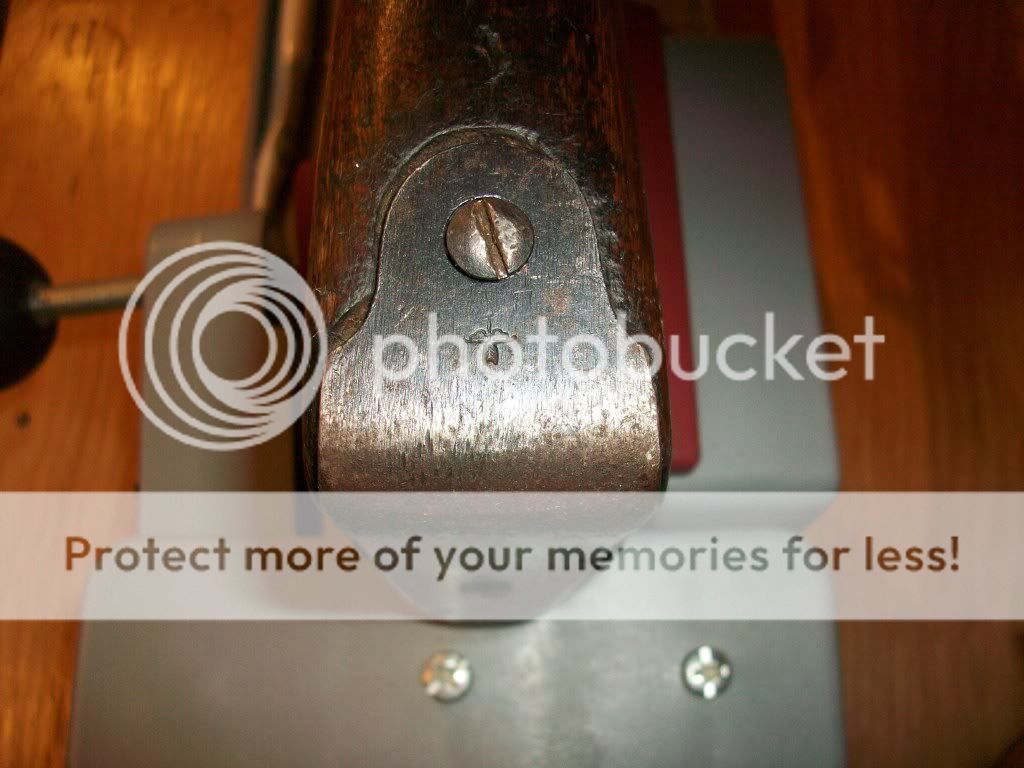
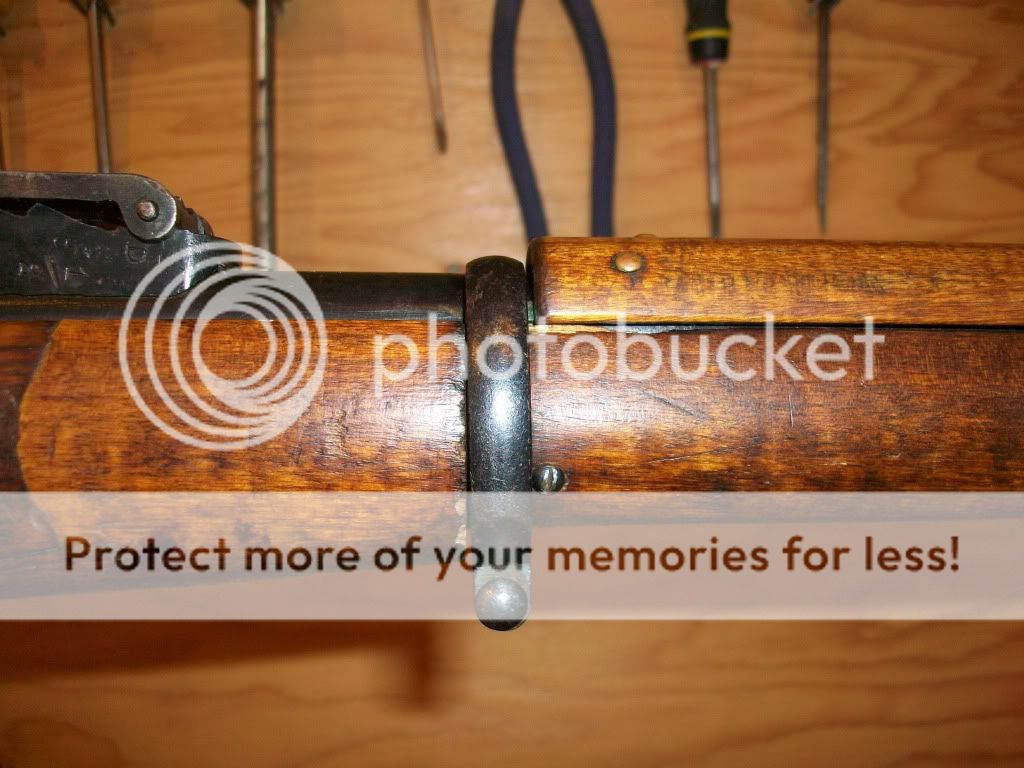


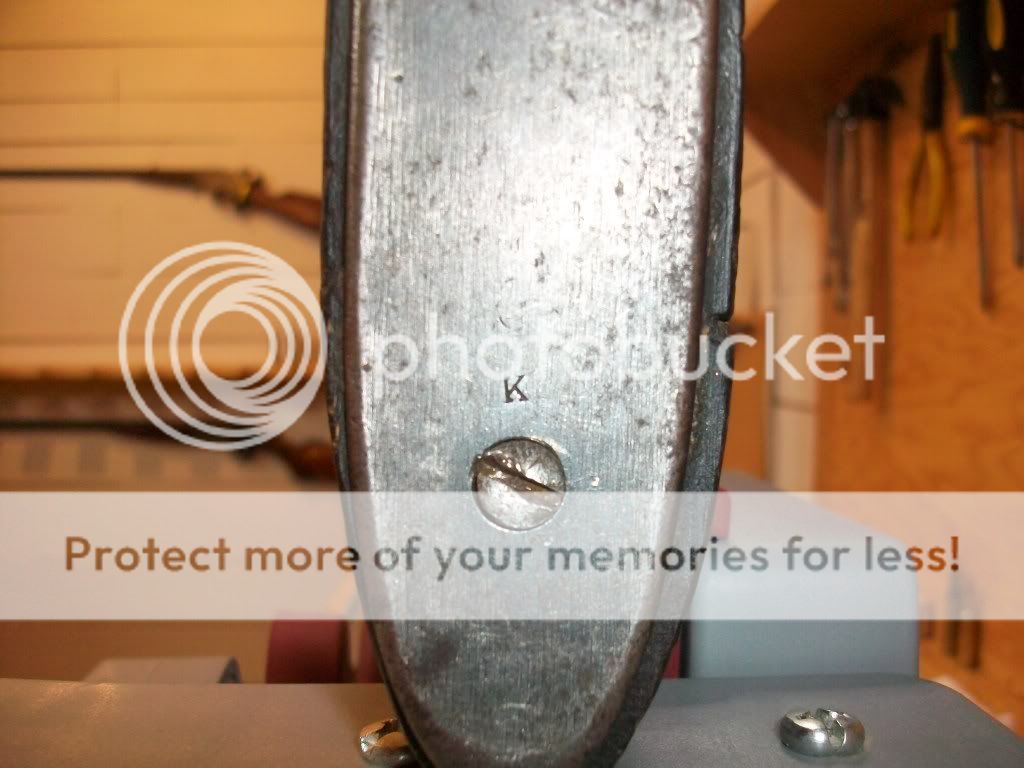
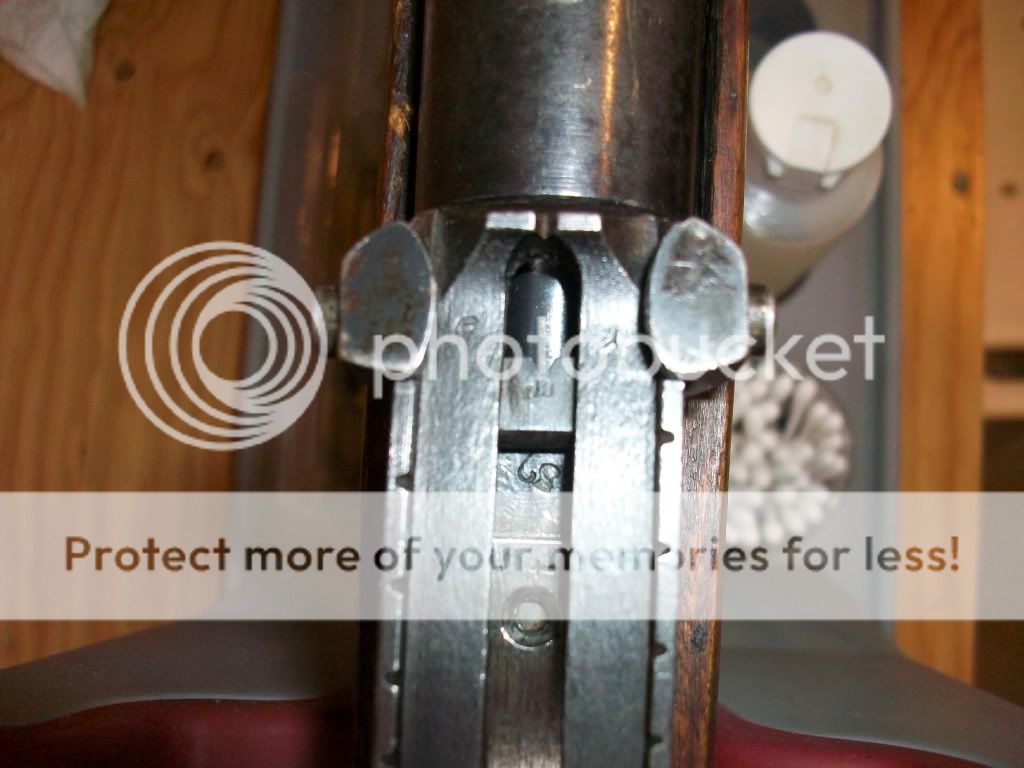
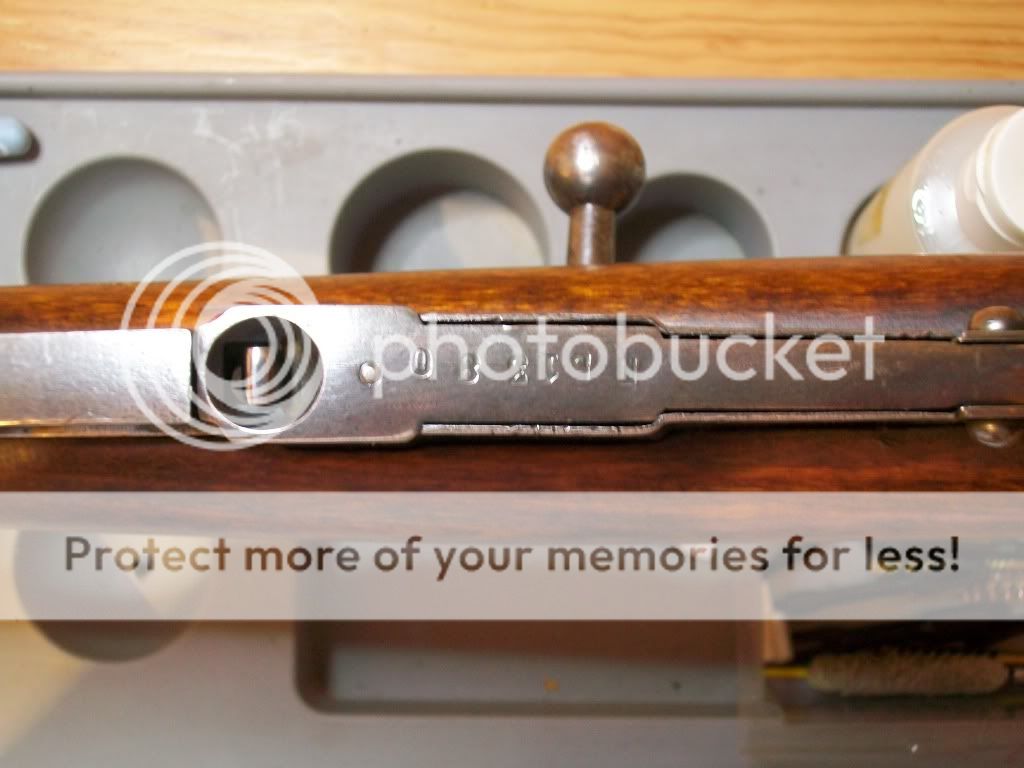
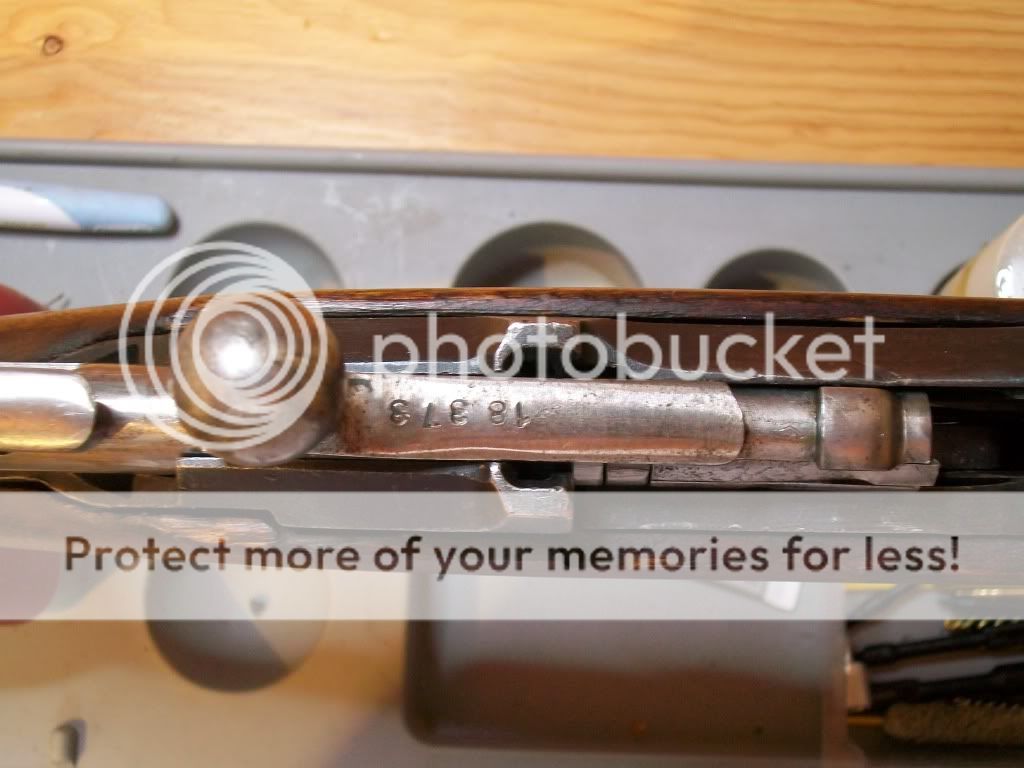
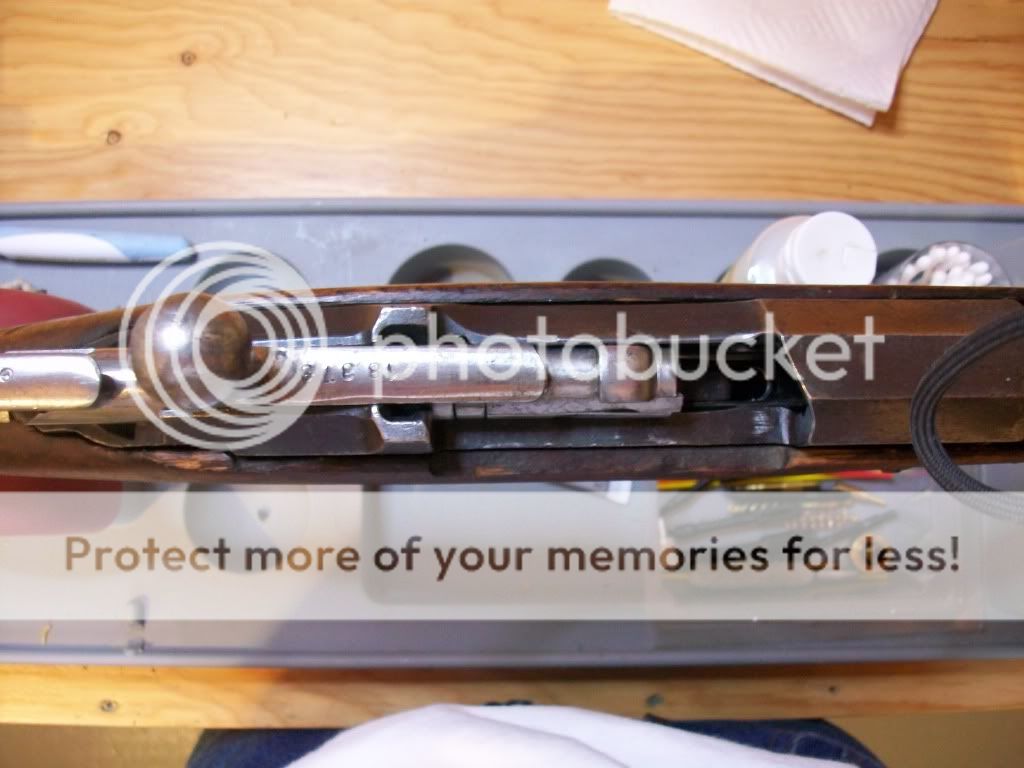
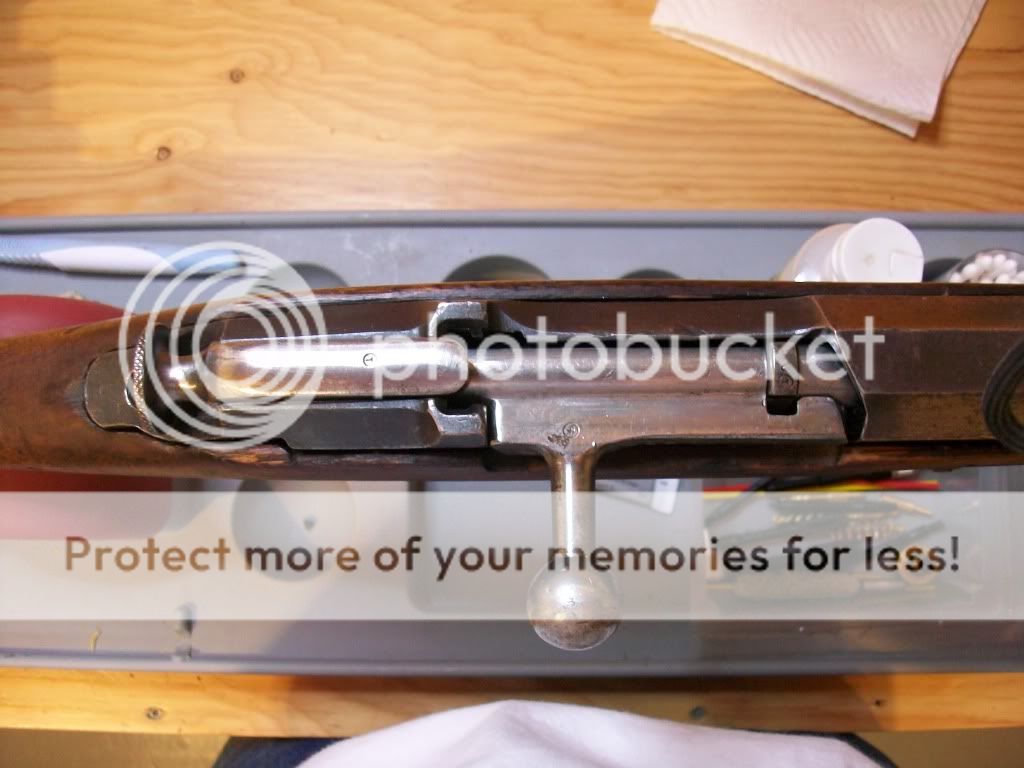
I took a few more detailed pics today of some of the markings on the rifle. Can anybody shed any light on any of them? Also you can't see it well in the photo but on the rear sight there's a R in a circle, is this a Remington stamp? Also you'll notice in the photo of the mag there's a crack, it doesn't bother the functioning of the rifle but its still cracked. I realize I took a photo of the Issy bow and arrow on the butt plate but no one needs to tell me what that symbol means.

I know what the arsenal stamps are, I was really wondering what the K on the butt plate, the 3 2 on the rear sight base and the strange mark on the bolt mean. Also dose anybody have any input on what the circled R on the rear sight means. In my copy of the Mosin Nagant rifle it says that circled R stamps can be Remington arsenal stamps.
I just picked up a 42 Tikka M91 myself. It is on a Tula 1900 receiver. Previous owner lightly sanded and varnished/shellaced it. I would love to restore to original dark pine tar finish, but I am not taking any drastic steps yet.
http://s142.photobucket.com/albums/r81/35Wailin/My Mosin/
http://s142.photobucket.com/albums/r81/35Wailin/My Mosin/
Last edited:






















