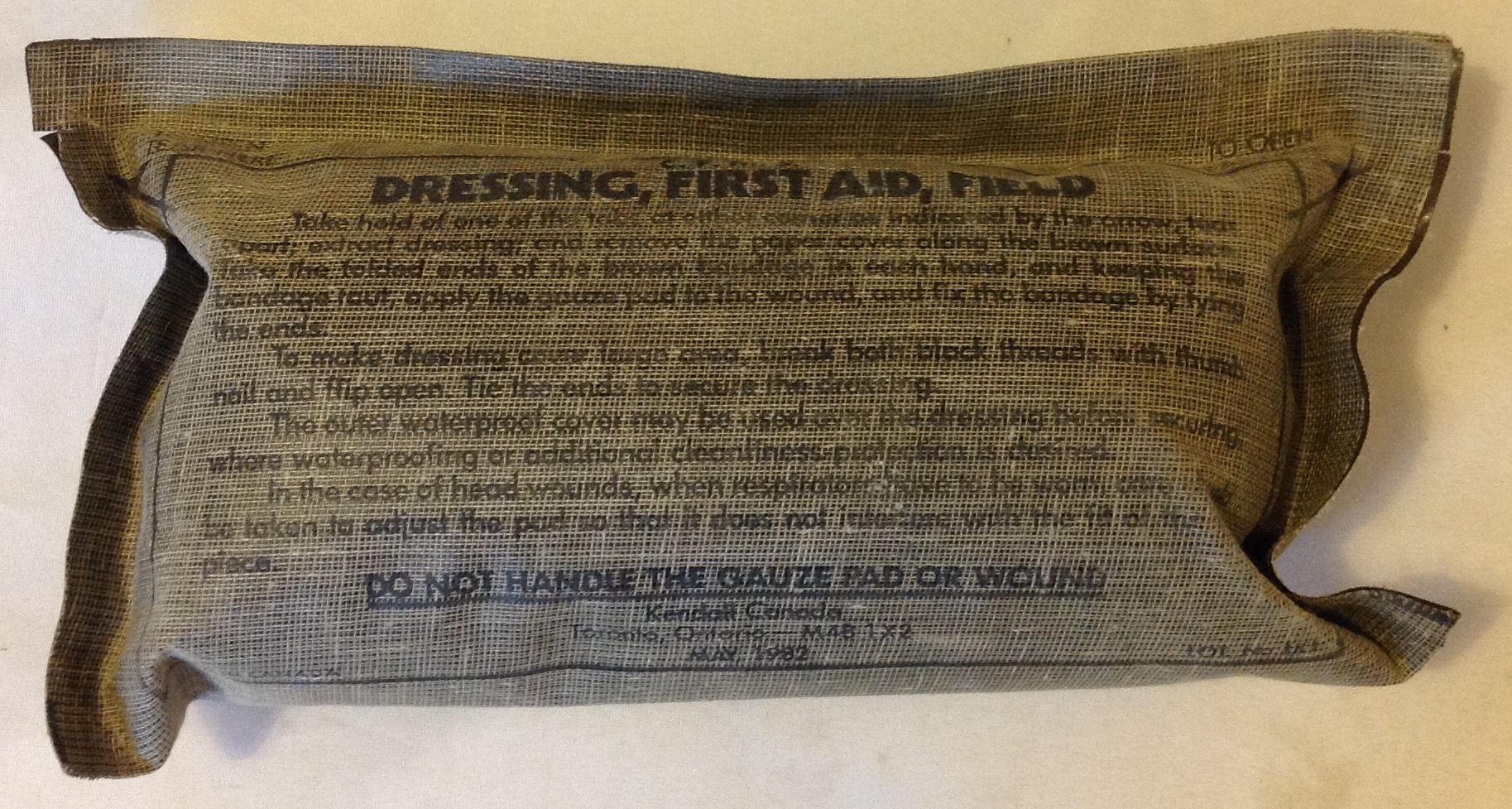
With our controlled shotgun hunt coming up, first week of December, our "health and safety" group has decided its time to put together first aid bags.
We are a very safe, and by the book crew.... however, the experiences of a couple other local groups have led us to procure first aid kits for 4 wheelers and trucks.
A couple years ago, a fellow we know nearly bled out due to corn cobs being flung around while pushing an intact corn field. NOT COOL!
So, I'm looking for advise on a decent kit to buy. I will then add a tourniquet, and chest seal. Maybe adrenaline shot if possible?
Sources for supplies would be appreciated.
I know its short notice, but is there any GOOD training information for using the tourniquet and blow out seal? We all have our first aid certs, but are primarily industrial based.
$hit can happen at any time, and we hope to be ahead of the curve.
Thanks!
We are a very safe, and by the book crew.... however, the experiences of a couple other local groups have led us to procure first aid kits for 4 wheelers and trucks.
A couple years ago, a fellow we know nearly bled out due to corn cobs being flung around while pushing an intact corn field. NOT COOL!
So, I'm looking for advise on a decent kit to buy. I will then add a tourniquet, and chest seal. Maybe adrenaline shot if possible?
Sources for supplies would be appreciated.
I know its short notice, but is there any GOOD training information for using the tourniquet and blow out seal? We all have our first aid certs, but are primarily industrial based.
$hit can happen at any time, and we hope to be ahead of the curve.
Thanks!