












































You are using an out of date browser. It may not display this or other websites correctly.
You should upgrade or use an alternative browser.
You should upgrade or use an alternative browser.
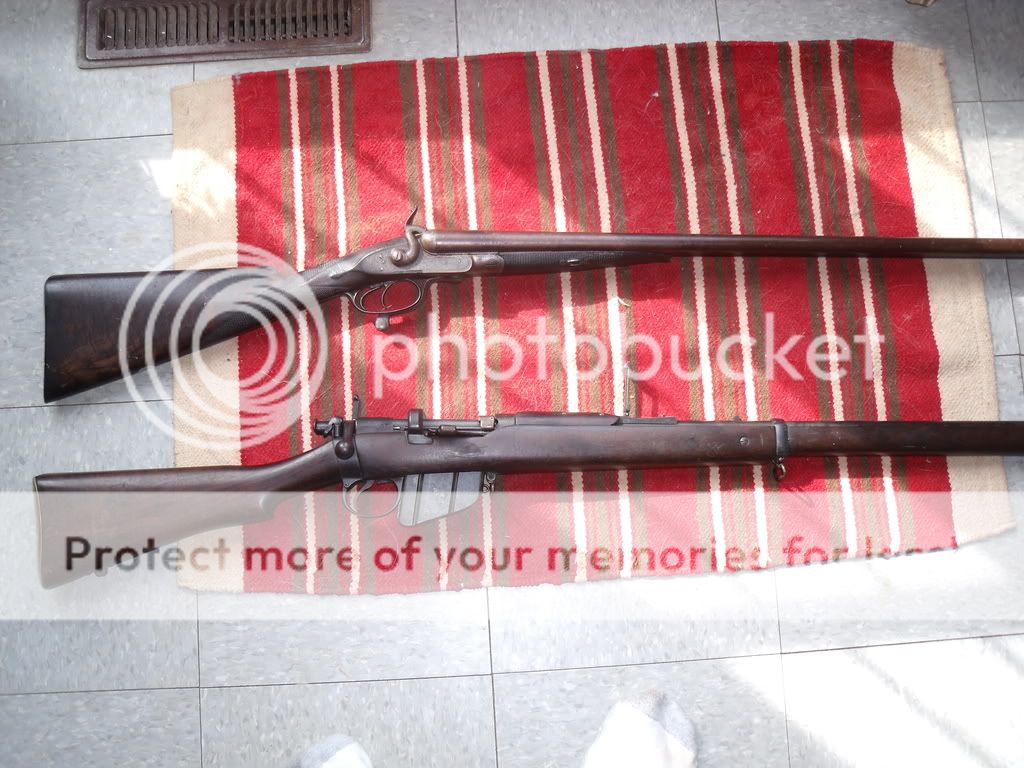
Help I.D. Old rifle. (pic heavy) New pics.
- Thread starter ron hilchey
- Start date


I would say the same.
Birmingham Small Arms Company no1mk1
Birmingham Small Arms Company no1mk1
I'm going to guess a no1mk1 Enfielf AKA "Long Lee" .... How about a pic of the front end ?


Greenfields
CGN Regular
- Location
- Lower mainland BC
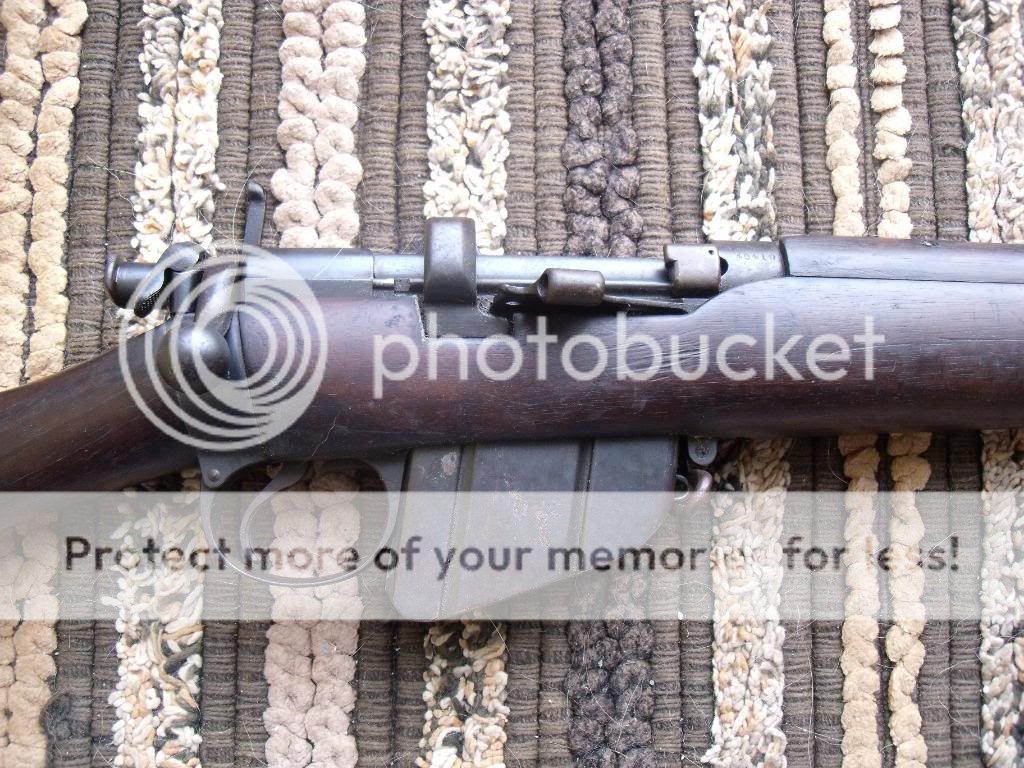
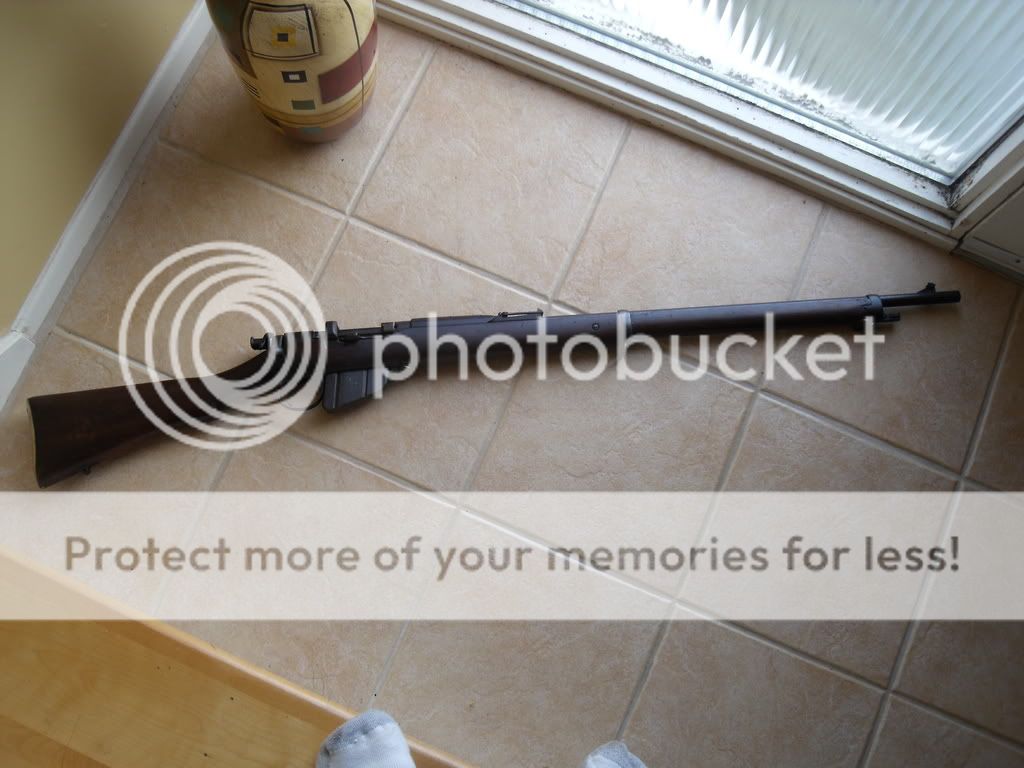
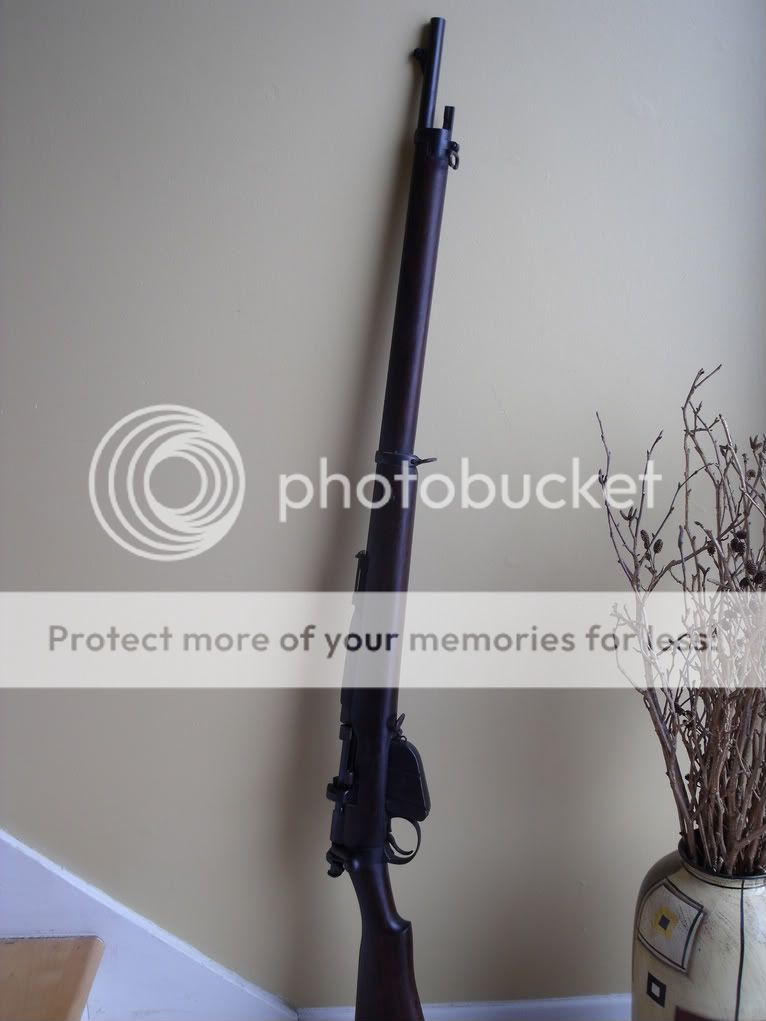
It's a Commercial CLLE (Charger Loading LE). Basically an upgraded Long Lee.
Beautiful rifle.
Cheers
Beautiful rifle.
Cheers

- Location
- Manitoulin Island
Hang onto it, you have a piece of history there.


Commercial pattern CLLE
Nice rifle. I love these old war horses, they all tell a story.
Here is my tuppence worth. I get my info from observation in handling many, many rifles, I could be wrong and would be the first to admit it.
Your rifle is indeed as mentioned by others, a commercial pattern rifle. It couldn't be otherwise, it would be by private contract to the Newfoundland Government. No martial markings would be apparant as it would not have been marked by Brit Govt inspectors. This makes it a challenge to date as it does not carry a Royal cypher and manufacture date.
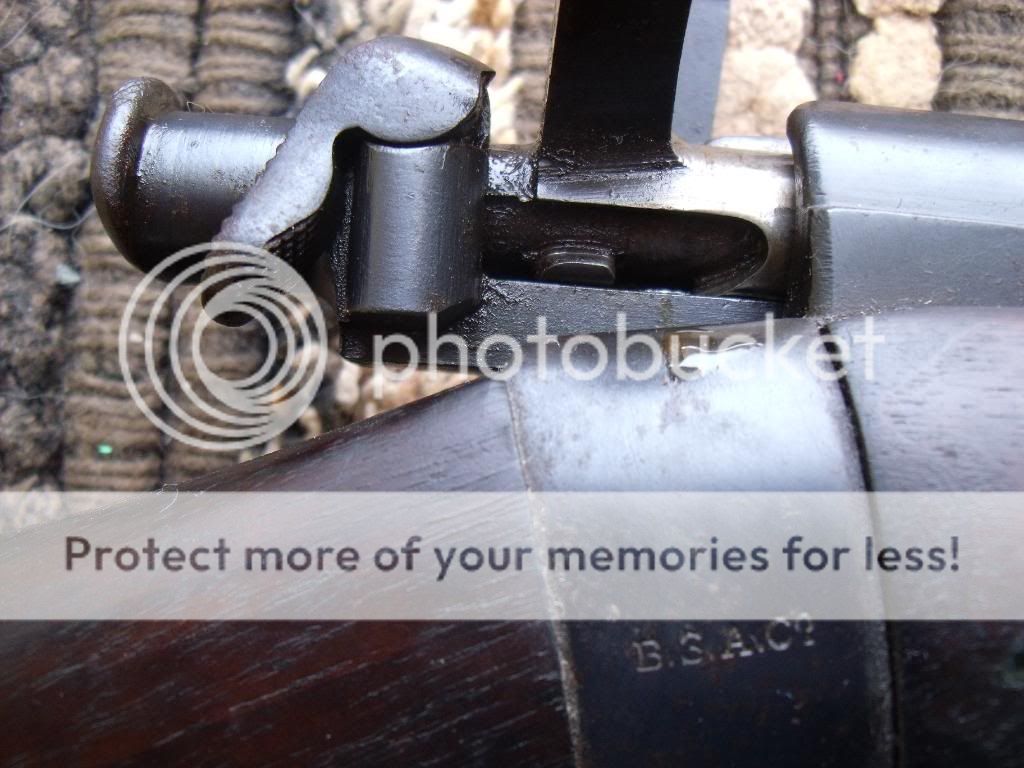
There are some clues however as to when it was made. First off, the company legend on the butt socket. The Birmingham Small Arms and Metal Co. (BSA & M Co.) changed its name and logo to Birmingham Small Arms (BSA & Co.) in Oct 1897. So the receiver is made after that date. If the nosecap and forewood has provision for the clearing rod it would indicate pre 1899, but as it is not made to a sealed pattern, only a guide to a date.
I note that the fore wood is also late production in that the brass reinforcing rod right at the back above the trigger guard in front of the butt socket is a plain pin and not a pin with brass washers riveted on each end. This is of the style found on Sht LE rifles.
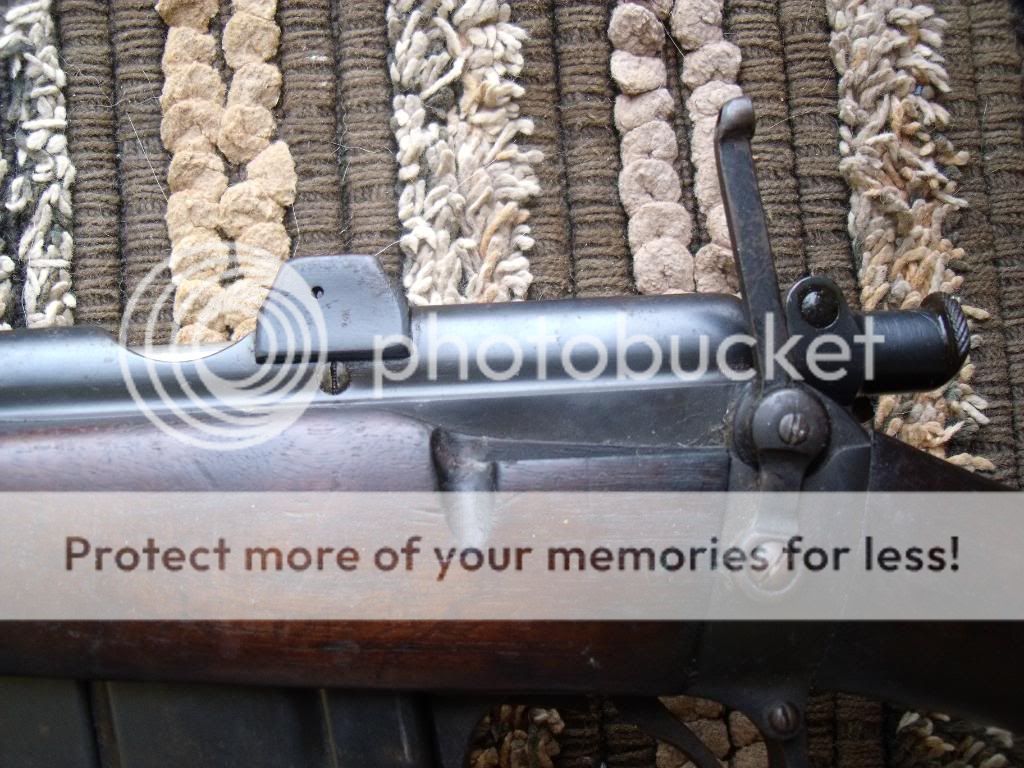
I also note that the left side of the wood behind the rear volley sight has a piece missing. At one time I thought that often the wood split or chipped off along the grain at this delicate point. Not neccessarily so, I have found many fore arms that have been distinctively cut. This I believe is to provide clearance for a mounting plate of a rear aparture sight. BSA made accessory sights as did Parker and others. The dogbone shaped spring on the rear volley sight is a Sht LE pattern item (counter drilled for the mounting screw), perhaps it was replaced with a later style item when the target sight was removed? So perhaps the rifle was set up for target shooting at some point?
The barrel will have either Metford or Enfield rifling. BSA continued to make both types right into the 1920's and Metford rifled barrels were popular with target shooters. Metford rifling has seven grooves, Enfield has five. Metford rifling is very shallow with rounded shoulders to the grooves so looks smooth and worn even when new. Enfield rifling has defined grooves with square shoulders.
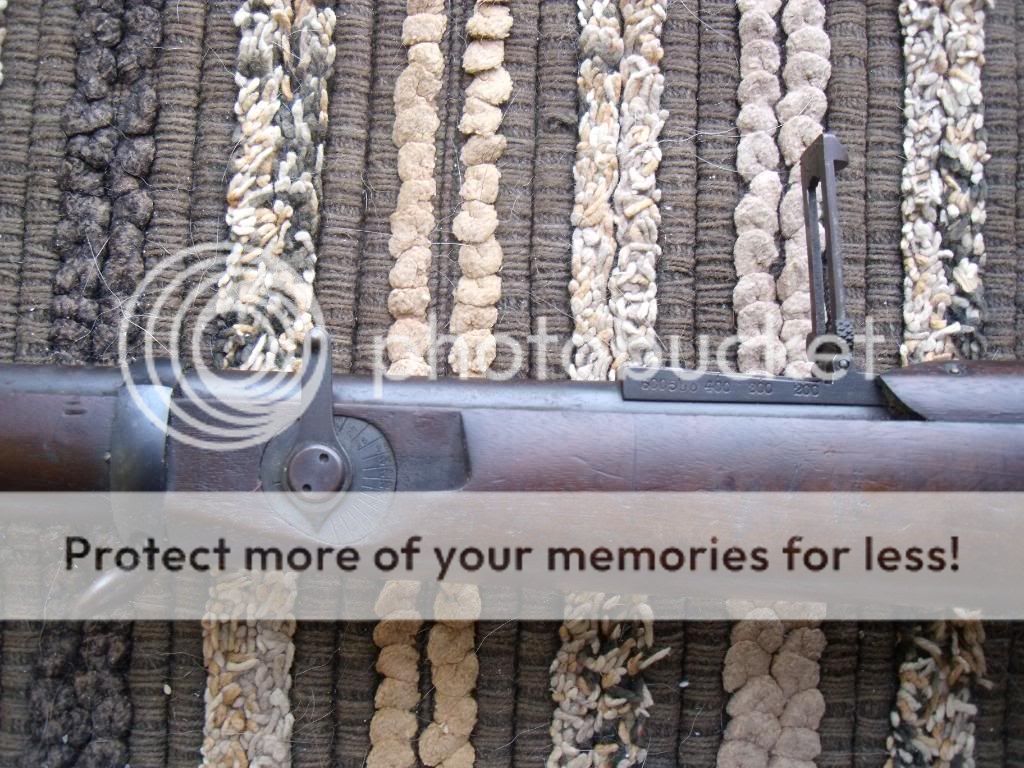
The sight bed has the deep ramp profile and has been been graduated for the Mk.VII cordite cartridge, although I am not sure if the sight leaf is correct, it looks similar to earlier sights with a V notch in it. The mil spec CLLE sight leaf had knobs on it and a gizzmo with a U shaped notch in it for the adjustment of windage. The front sight appears to have a blade insert mounted on a dovetail, which would be correct. The sight ramp would have a cross hole drilled through on mil spec to take a screw to mount a front sight protector. I can't tell by your pics.
The trigger guard is the style found on a Sht LE, it has lugs that mounts the sling swivel. Perhaps to allow the use of a target sling on that swivel? Is the trigger a double or single stage?
The butt stock would appear to have an SMLE style rear sling swivel and from what I can see, maybe a Sht LE style butt plate with a short tang.
If it was a military pattern rifle, one could argue that these features are 'not correct', however, a private order rifle could have any combiniation of features as ordered by purchaser. Never say never with an Enfield (or Metford).
I would expect that there would be some form of property marking somewhere if it was an issued rifle. If devoid of gov't markings, perhaps Grandpa was a militia member and it was bought by him or for him and was privately owned. It certainly warrants more research.
So you have a gem. I think it is very late production (1904-1910 or later) and was once used as a target rifle. So now we need to know 'howzit shoot?'
Nice rifle. I love these old war horses, they all tell a story.
Here is my tuppence worth. I get my info from observation in handling many, many rifles, I could be wrong and would be the first to admit it.
Your rifle is indeed as mentioned by others, a commercial pattern rifle. It couldn't be otherwise, it would be by private contract to the Newfoundland Government. No martial markings would be apparant as it would not have been marked by Brit Govt inspectors. This makes it a challenge to date as it does not carry a Royal cypher and manufacture date.
There are some clues however as to when it was made. First off, the company legend on the butt socket. The Birmingham Small Arms and Metal Co. (BSA & M Co.) changed its name and logo to Birmingham Small Arms (BSA & Co.) in Oct 1897. So the receiver is made after that date. If the nosecap and forewood has provision for the clearing rod it would indicate pre 1899, but as it is not made to a sealed pattern, only a guide to a date.
I note that the fore wood is also late production in that the brass reinforcing rod right at the back above the trigger guard in front of the butt socket is a plain pin and not a pin with brass washers riveted on each end. This is of the style found on Sht LE rifles.
I also note that the left side of the wood behind the rear volley sight has a piece missing. At one time I thought that often the wood split or chipped off along the grain at this delicate point. Not neccessarily so, I have found many fore arms that have been distinctively cut. This I believe is to provide clearance for a mounting plate of a rear aparture sight. BSA made accessory sights as did Parker and others. The dogbone shaped spring on the rear volley sight is a Sht LE pattern item (counter drilled for the mounting screw), perhaps it was replaced with a later style item when the target sight was removed? So perhaps the rifle was set up for target shooting at some point?
The barrel will have either Metford or Enfield rifling. BSA continued to make both types right into the 1920's and Metford rifled barrels were popular with target shooters. Metford rifling has seven grooves, Enfield has five. Metford rifling is very shallow with rounded shoulders to the grooves so looks smooth and worn even when new. Enfield rifling has defined grooves with square shoulders.
The sight bed has the deep ramp profile and has been been graduated for the Mk.VII cordite cartridge, although I am not sure if the sight leaf is correct, it looks similar to earlier sights with a V notch in it. The mil spec CLLE sight leaf had knobs on it and a gizzmo with a U shaped notch in it for the adjustment of windage. The front sight appears to have a blade insert mounted on a dovetail, which would be correct. The sight ramp would have a cross hole drilled through on mil spec to take a screw to mount a front sight protector. I can't tell by your pics.
The trigger guard is the style found on a Sht LE, it has lugs that mounts the sling swivel. Perhaps to allow the use of a target sling on that swivel? Is the trigger a double or single stage?
The butt stock would appear to have an SMLE style rear sling swivel and from what I can see, maybe a Sht LE style butt plate with a short tang.
If it was a military pattern rifle, one could argue that these features are 'not correct', however, a private order rifle could have any combiniation of features as ordered by purchaser. Never say never with an Enfield (or Metford).
I would expect that there would be some form of property marking somewhere if it was an issued rifle. If devoid of gov't markings, perhaps Grandpa was a militia member and it was bought by him or for him and was privately owned. It certainly warrants more research.
So you have a gem. I think it is very late production (1904-1910 or later) and was once used as a target rifle. So now we need to know 'howzit shoot?'

Englishman, you certainly know your Enfields.
The trigger is single stage, which originally I thought odd.
There is a "gap" in the family history concerning the grandfather, but I'm certainly going to try to do some more digging.
Thanks for all the replies.
Ron.
The trigger is single stage, which originally I thought odd.
There is a "gap" in the family history concerning the grandfather, but I'm certainly going to try to do some more digging.
Thanks for all the replies.
Ron.

- Location
- Tucson, Arizona
Fer sure it isn't a metford. NO bolt cover and has a charger bridge.
When did BSA stop making them?
The charger bridge is of the type introduced on the Sht LE in 1907. The bridge precludes the use of a dust cover as both want to occupy the same space. So the rifle is of very late production. Not sure as to when BSA stopped making this model, does any one know?
The charger bridge is of the type introduced on the Sht LE in 1907. The bridge precludes the use of a dust cover as both want to occupy the same space. So the rifle is of very late production. Not sure as to when BSA stopped making this model, does any one know?






















