













































So I picked a few rounds at the Dugald show, a couple of FN 9mmK which I'm assuming from their size, date and head stamp are Fabrique National .380 rounds made during the German occupation. (9mmK meaning 9mm Kurz which is another name for the .380)
However I would like some help in identifying the particulars of these other rounds:
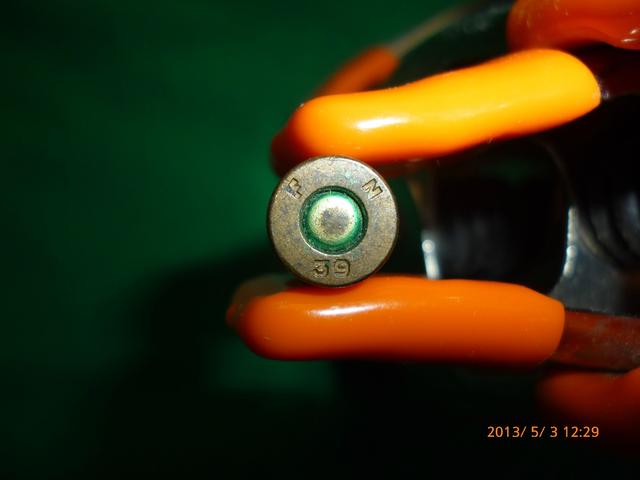
F N 39 .380 cartridge head stamp
F N 39 .380 cartridge side
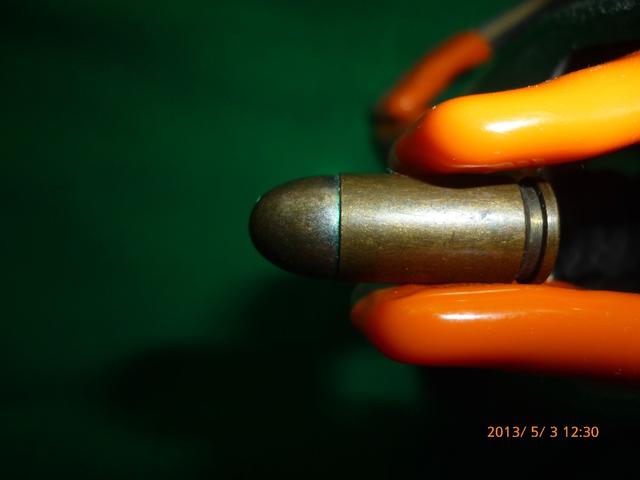
What is the meaning of the green annulus on the prewar F N .380?
In Kent's book on German 7.9mm rifle cartridges this signifies the s.S heavy ball bullet. Same with prewar Romanian from what I can tell. But I've read that on British rounds this signifies 'amour piercing'. (but I hardly think that applies here!) Any thoughts on what the Belgians used?
Finnish VPT 38 cartridge head stamp
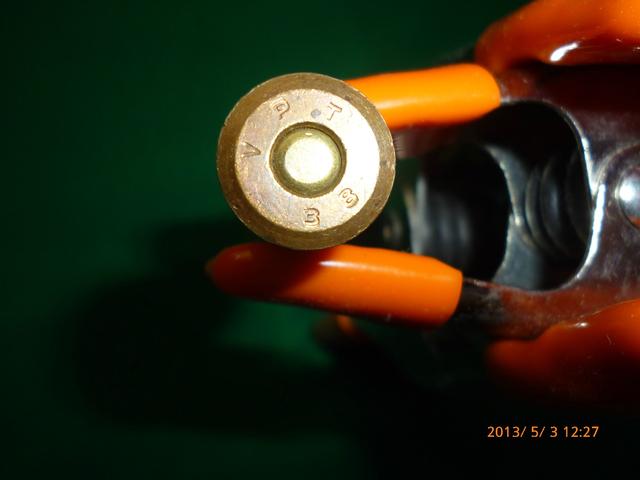
Finnish VPT 38 cartridge lead tip
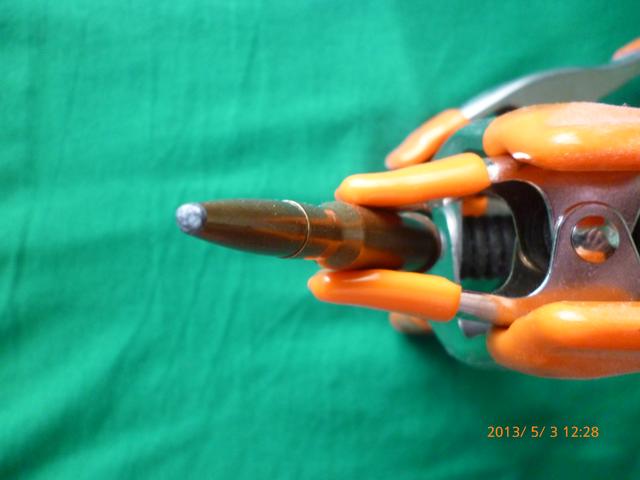
Finnish VPT cartridge 38 side
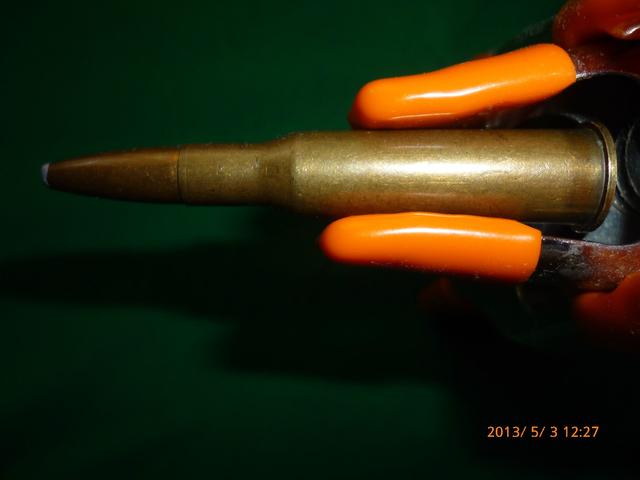
Is this a hunting round from 1938? Military is FMJ. I don't have a lot of military ammo, just surplus for plinking, but I can't remember if any had their lead cores exposed at the tip.
Thanks for any answers.
However I would like some help in identifying the particulars of these other rounds:
F N 39 .380 cartridge head stamp
F N 39 .380 cartridge side
What is the meaning of the green annulus on the prewar F N .380?
In Kent's book on German 7.9mm rifle cartridges this signifies the s.S heavy ball bullet. Same with prewar Romanian from what I can tell. But I've read that on British rounds this signifies 'amour piercing'. (but I hardly think that applies here!) Any thoughts on what the Belgians used?
Finnish VPT 38 cartridge head stamp
Finnish VPT 38 cartridge lead tip
Finnish VPT cartridge 38 side
Is this a hunting round from 1938? Military is FMJ. I don't have a lot of military ammo, just surplus for plinking, but I can't remember if any had their lead cores exposed at the tip.
Thanks for any answers.






















