













































You are using an out of date browser. It may not display this or other websites correctly.
You should upgrade or use an alternative browser.
You should upgrade or use an alternative browser.
Help to I.D. old shot gun. (Pic heavy) Proof mark photos added.
- Thread starter ron hilchey
- Start date

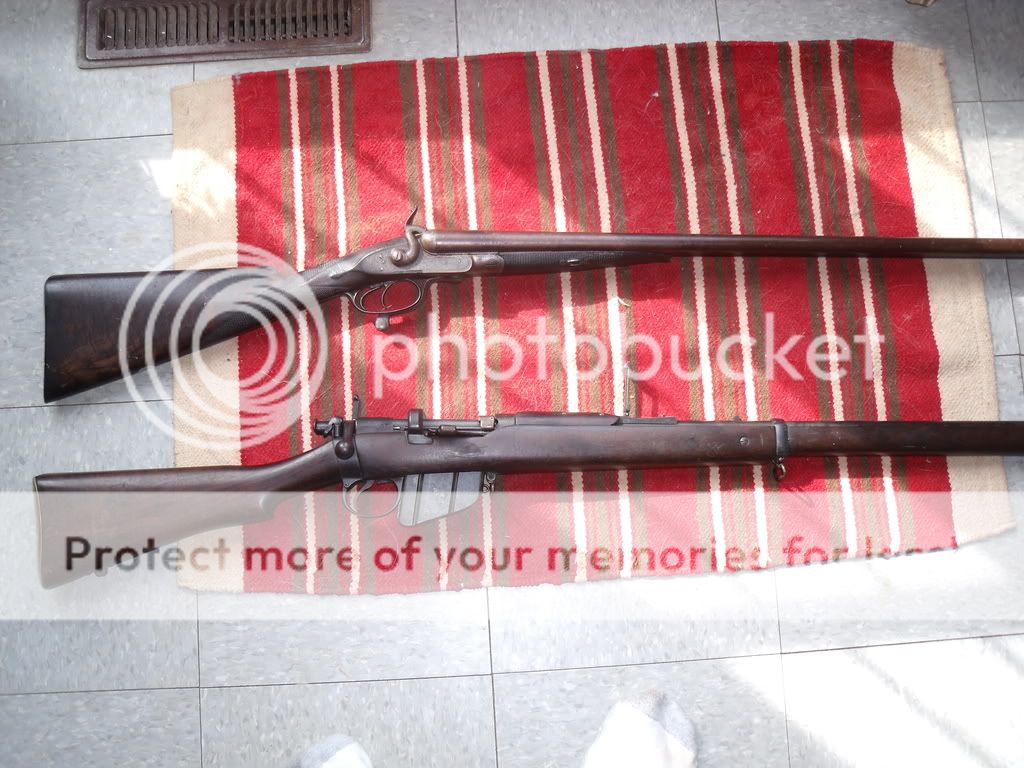
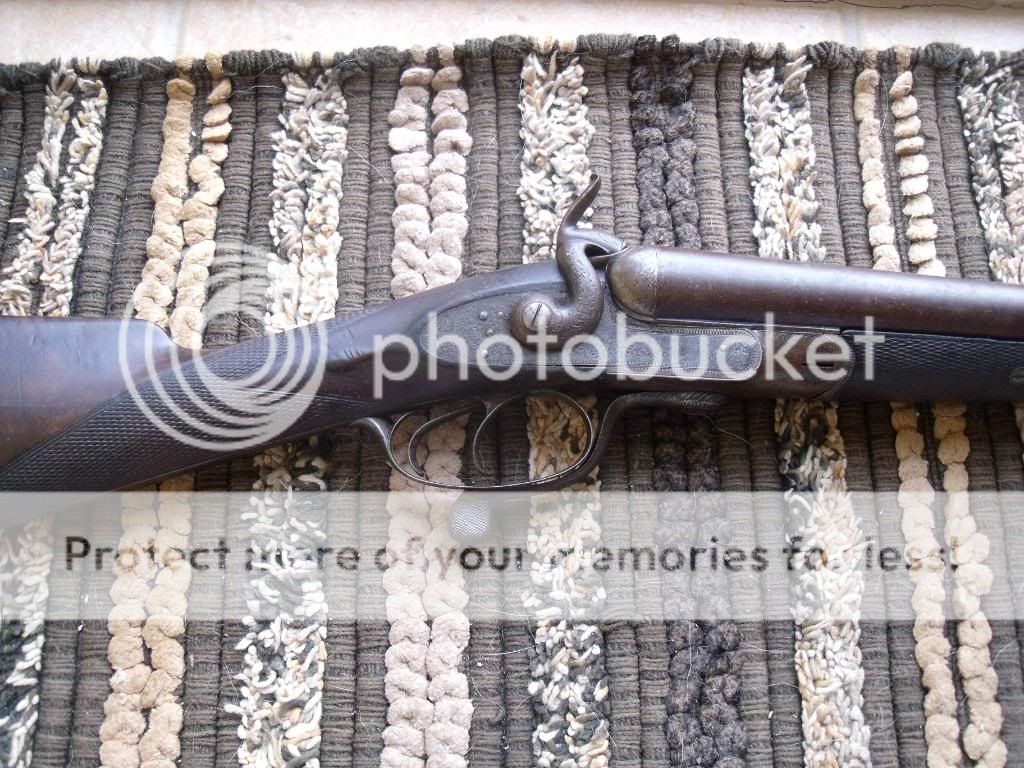
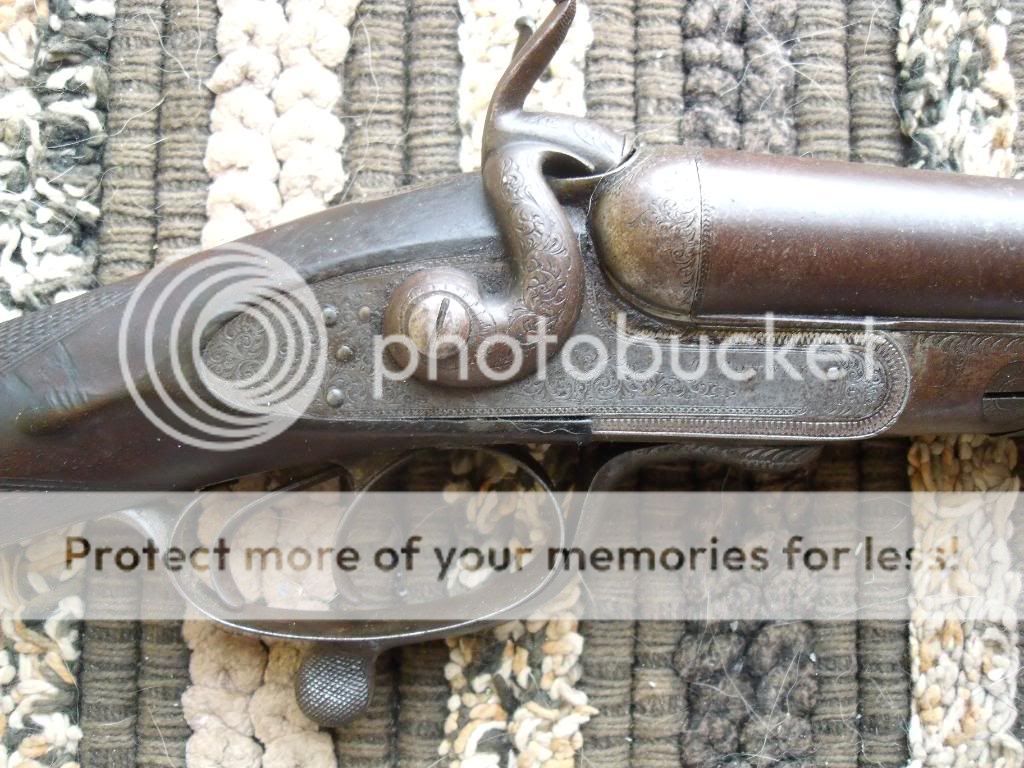

I agree that the wood does look nice under all that shellac...you could maybe steam out those small dings and give it a nice "London Oil" finish. Just dont lose the checkering and the edges on the drop points. Get some of those vintage shotshells and have at 'er...provided the barrels are up to snuff.
Last edited:


Oh...and another thing...whatever you do, don't bugger the screws. If you need it opened, get a smith that you trust.
Yes, yes, yes....I have seen so many decent guns with the screws buggered because someone just had to have a peak.
She has some real nice lines.


The chamber length is 2.75 inches .....
By that, are you saying that the gun is marked as suitable for 2 3/4" shells, or do you mean that the actual chamber length is 2.75 inches? If you mean the latter, I trust you are aware that even though modern star-crimped 2 3/4" shells will chamber just fine in this gun, it is not safe to fire them in it! Yes, they will fire, but will produce excessive pressures that will eventually damage the gun.
To clarify - modern star-crimped 2 3/4" shells need a chamber length of about 3" or so to provide a space for the crimp to open up into - in other words, the necessary chamber length is the over-all length of a fired case ...... If your chambers are in fact only 2.75" long, you need to shoot star-crimped shells no longer than 2 1/2" - or use shells employing overshot card wads - i.e. either all-brass cases with the wads held in place with waterglass (or some modern equivalent) or paper or plastic hulled cases with a roll-crimp to hold the card wad in place .....

I agree that the wood does look nice under all that shellac...you could maybe steam out those small dings and give it a nice "London Oil" finish. Just dont lose the checkering and the edges on the drop points. Get some of those vintage shotshells and have at 'er...provided the barrels are up to snuff.
I wouldn't go that far yet. Go out and get a spray bottle of TSP (wall paper sizing) and clean the wood with it. It will take most of the dirt and grime out of the wood.
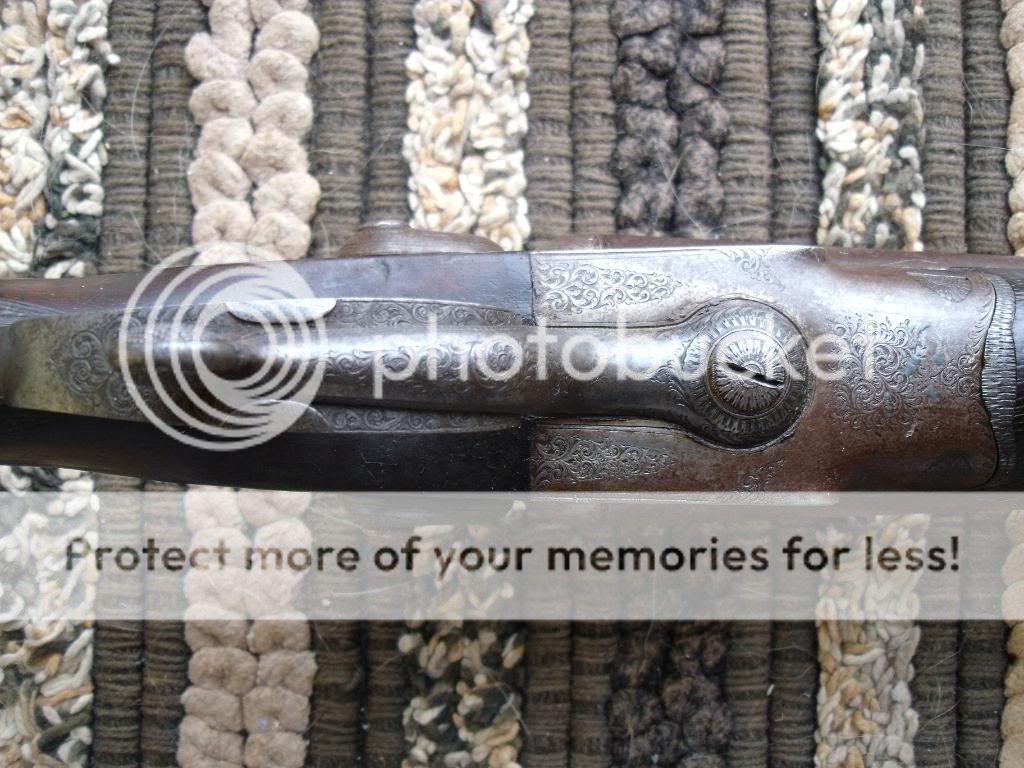
You might want to re-measure the chambers. Most guns of that era were 2 1/2" but there were exceptions. Don't include the forcing cones in the chamber measurement. If it is 2 3/4" the chambers may have been lengthened. If that was done in the old country it would have had to been submitted for reproof. A high resolution picture of the barrel flats would show the reproof stamps if that was done. The length of the shell stated on the box is the open length. 2 3/4" shells are actually 2 3/4" including the opened star crimp, 3" are 3" open, ect.. A 2 3/4" shell will chamber in a 2 1/2" chamber but will partly obstruct the bore when they open up. Pressure testing reported in several places including the Double Gun Journal show increases in pressure are usually 3 or 4 hundred pounds higher using 2 3/4" shells in 2 1/2" chambers. Whether that would damage a gun over the long term depends on the condition of the gun, what it was designed to digest, and the amount of pressure the shell produces.
Last edited:


That wood looks really great, I don't think it'll need much refinishing.
I love the underlever too, really different.
Cool gun, It makes me want to go pick up an old shotgun, Too bad most of them are full choked, I want one IC/M.
I love the underlever too, really different.
Cool gun, It makes me want to go pick up an old shotgun, Too bad most of them are full choked, I want one IC/M.
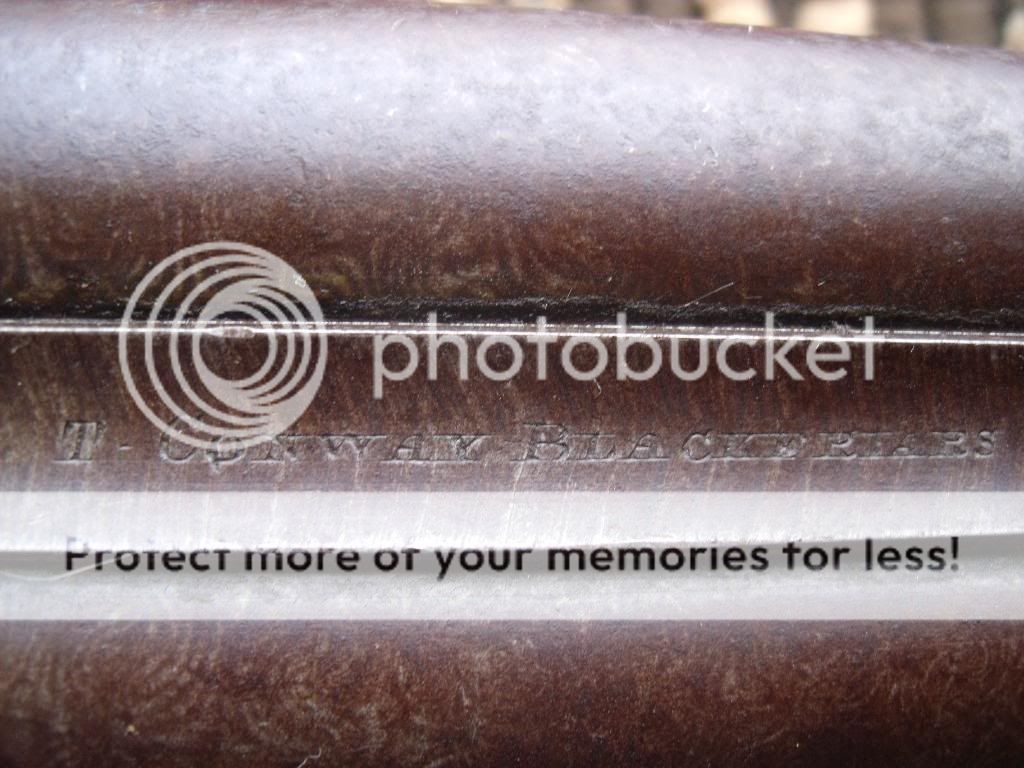
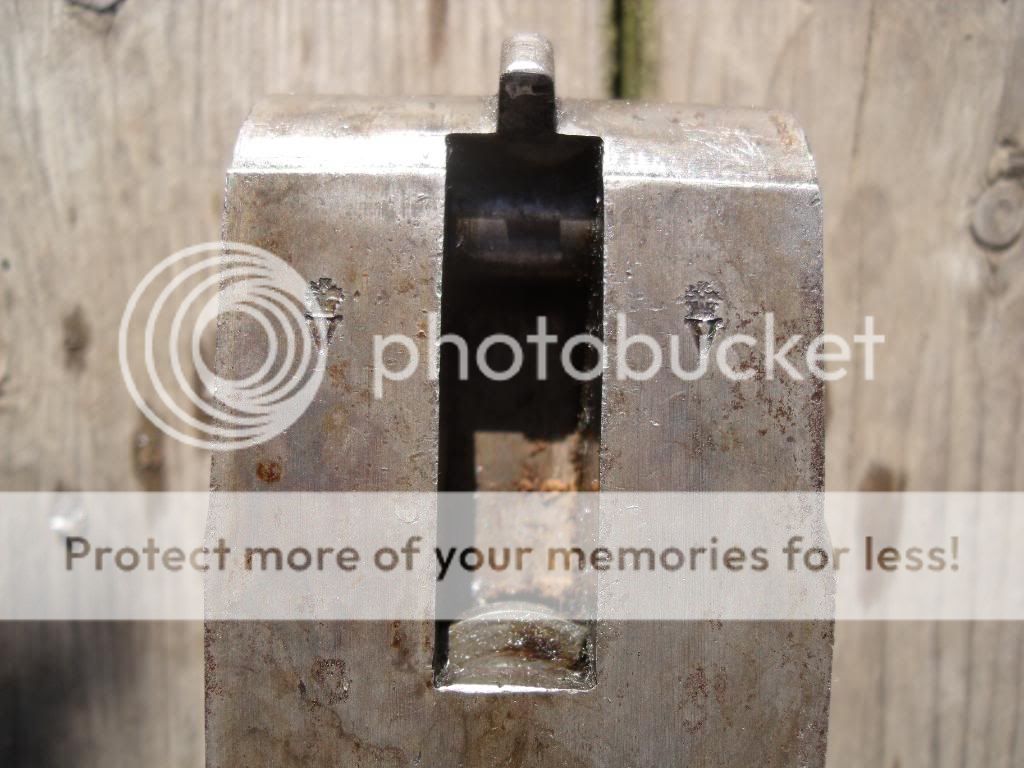
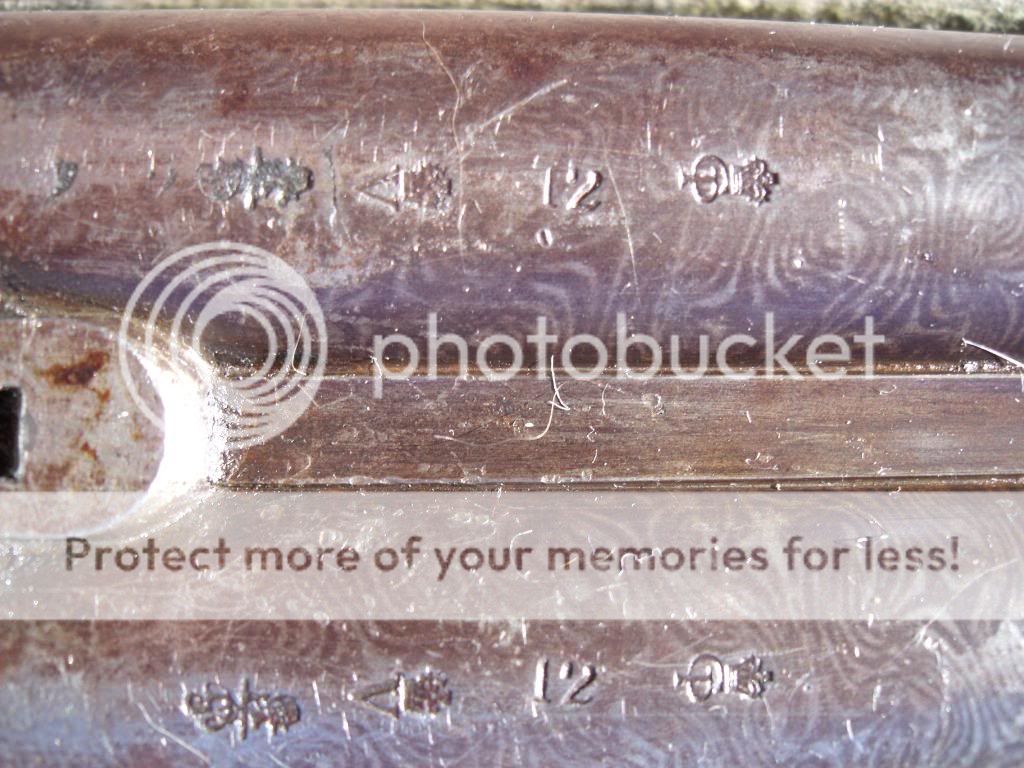
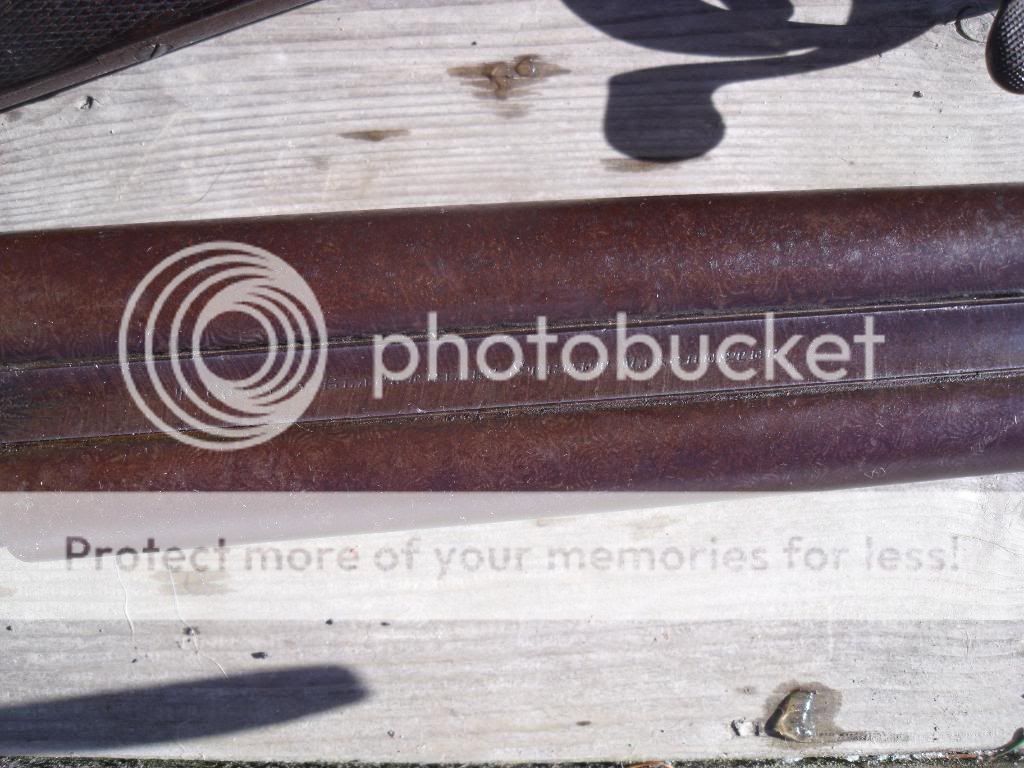
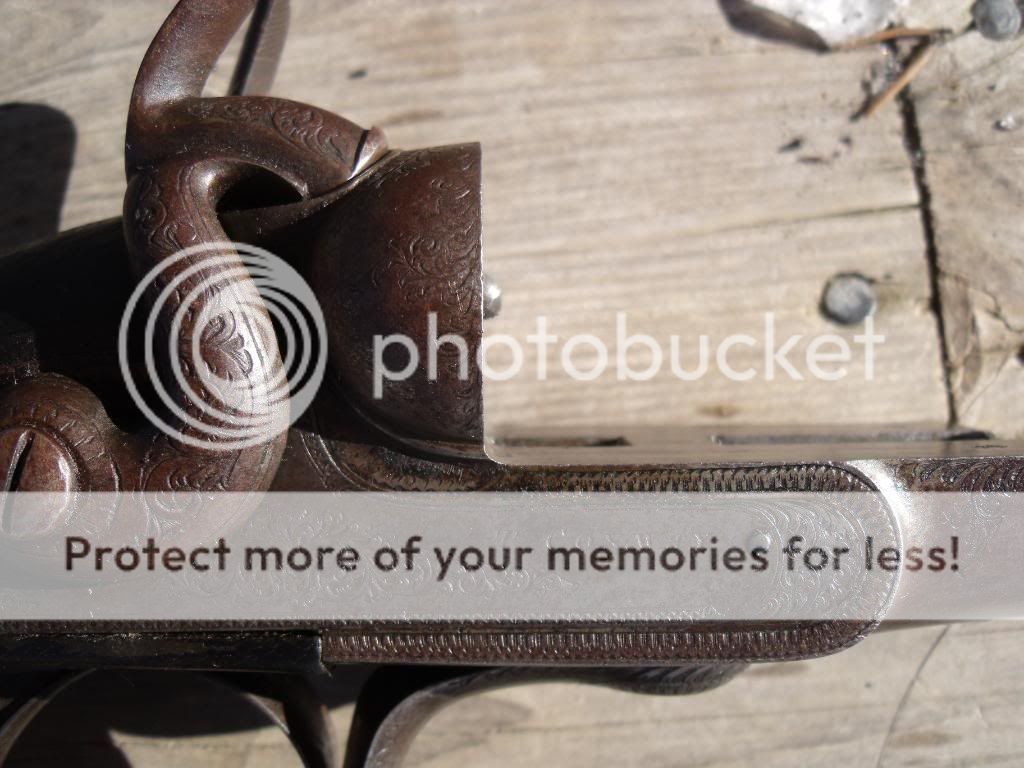
Your gun is alot earlier than 1910. Thomas Conway lived and worked in Manchester. From 1803-11 his premises were at 179 Chapel Street. From 1815-28 he was at 3 Market Street. He moved to 4 Blackfriars Street in 1836 and was there until his death in 1852. It appears the exectutors of his estate continued the operation at that location until 1869 before closing, so your gun would be no later than that. He was also a crossbow maker and he retailed Belgian made rook rifles. I'm not an expert but the marks from left to right are: receiver water table, crown over V is the London view mark from 1868 on, Barrel flats: The letters GP interlaced in a cypher surmounted by a lion rampant is the London provisional black powder proof mark used from 1868 on. Next is the London view mark again, the 12 is the bore diameter, and the crown over the intertwined GP is the London definitive black powder proof mark. Since the proof laws requiring those stamps came into effect in 1868 and Conway's business closed in 1869 one of those years would be the build date.You're lucky, it is usually much tougher to pin down the date. A 140 year old gun, very, very cool! It appears from the photo that you have non-rebounding hammers. There are others on this bbs that know more about proof marks than I do so I hope they correct me if I'm wrong.






















