













































I need some help. I recently bought a used IVER JOHNSON shotgun sold as a 12 gauge. Didn't pay much and had a plan to try my hand at restoring a firearm. I finally had some time last weekend so I brought it and a box of shells out to the range only to find that it wasn't a 12 gauge. I again looked it over for any gauge markings and couldn't locate any (no choke markings or serial numbers to be found either)
I assumed (I know, never assume) that it must then be a 20 gauge so I picked up a box of shells to try. Turns out I was wrong again. I fired 2 shells and it wasn't until I picked them up off the ground that I noticed they had both split. The metal base of the shotgun shell had split, because, as I can figure, the shell is too small and has room to expand within the chamber.
I don't have a gun store nearby (I usually buy my ammunition online or at a Canadian-Tire-type store) so my gauges available in my area are limited to .410, 20 and 12. The Iver Johnson company was bought out and the name disappeared in the 60's so I have a hard time finding information about their firearms. That coupled with the fact that I can't find a Model #, Serial # or anything similar on the gun.
Here are some pictures of EVERY marking on this gun as well as what it did to the shells I fired.
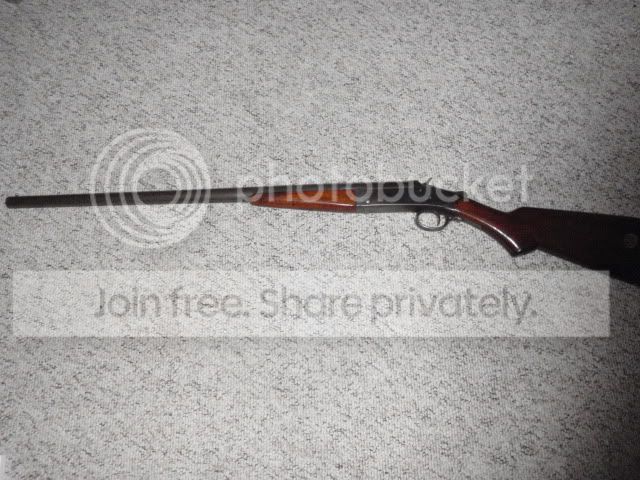
The Shotgun In Question
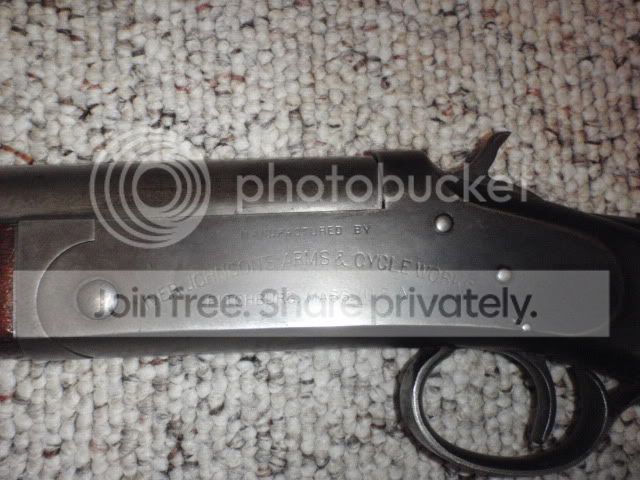
The Only Marks On The Receiver
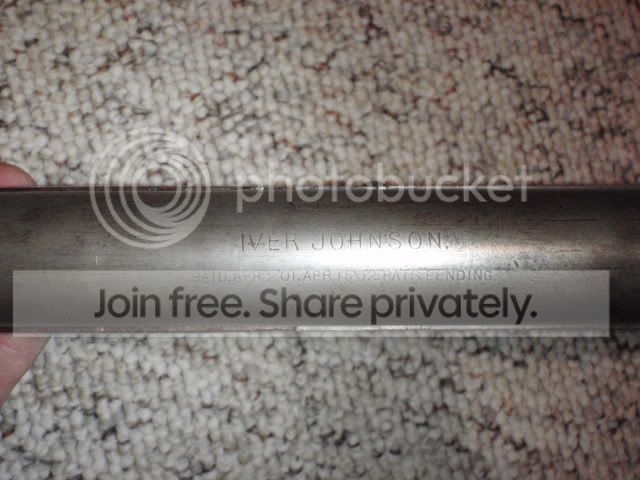
The ONLY Other Markings On The Entire Shotgun On Top Of The Barrel
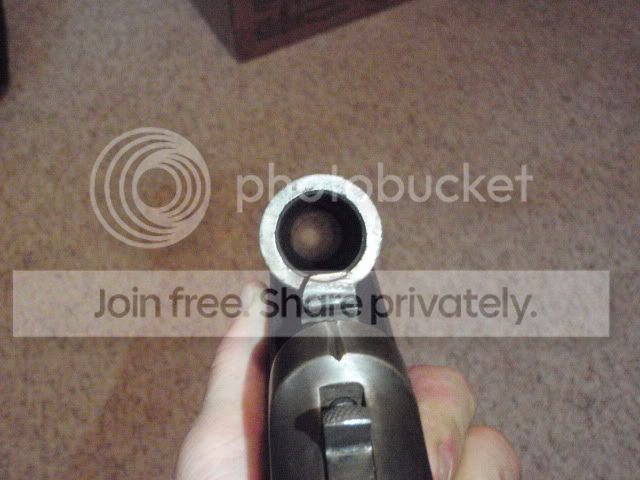
The Chamber
The Split Shells
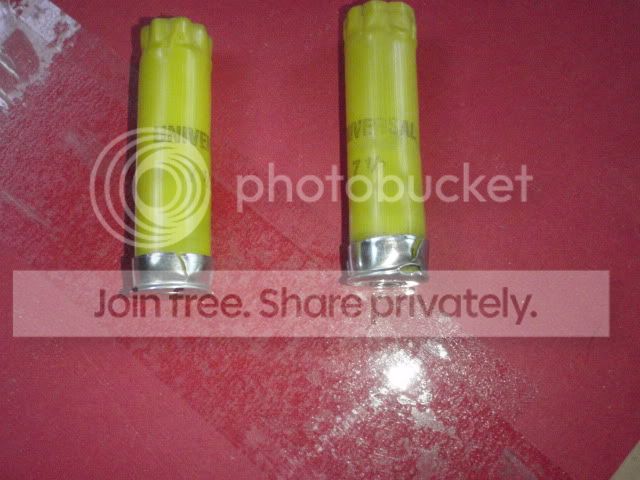
The Split Shells (Notice How They Expanded Away From The Hull Of The Shell)
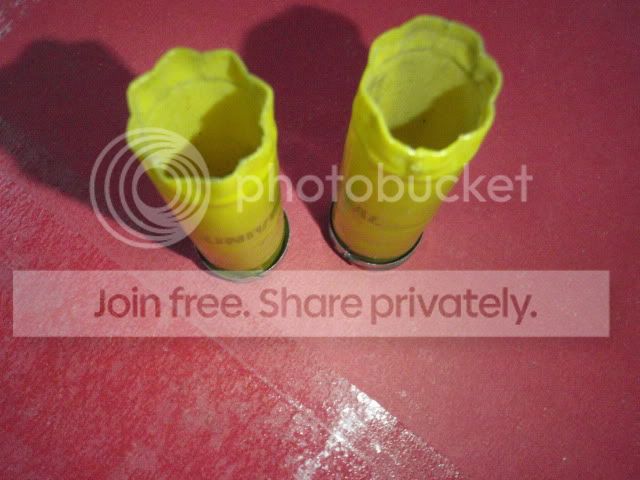
Any suggestions would be appreciated. Anyone willing to part with a shell or two of 16 or 18 gauge would be rewarded with great Karma (and possibly 98 unfired 20 gauge shells)
I assumed (I know, never assume) that it must then be a 20 gauge so I picked up a box of shells to try. Turns out I was wrong again. I fired 2 shells and it wasn't until I picked them up off the ground that I noticed they had both split. The metal base of the shotgun shell had split, because, as I can figure, the shell is too small and has room to expand within the chamber.
I don't have a gun store nearby (I usually buy my ammunition online or at a Canadian-Tire-type store) so my gauges available in my area are limited to .410, 20 and 12. The Iver Johnson company was bought out and the name disappeared in the 60's so I have a hard time finding information about their firearms. That coupled with the fact that I can't find a Model #, Serial # or anything similar on the gun.
Here are some pictures of EVERY marking on this gun as well as what it did to the shells I fired.
The Shotgun In Question
The Only Marks On The Receiver
The ONLY Other Markings On The Entire Shotgun On Top Of The Barrel
The Chamber
The Split Shells
The Split Shells (Notice How They Expanded Away From The Hull Of The Shell)
Any suggestions would be appreciated. Anyone willing to part with a shell or two of 16 or 18 gauge would be rewarded with great Karma (and possibly 98 unfired 20 gauge shells)
























