Help with recognizing my inheritance.

bandoleer

Regular
Rating - 100%
10   0   0
Location
Central Ontario
I just inherited a couple of shotguns, a 243 rifle and these two interesting pieces, which I am not familiar with. I recognize some names and numbers but don't know enough about the firearms and not sure I want to keep them. I would appreciate input from some of you more experienced gun owners. Can anyone tell me - are these originals/fakes, what are they worth, will they appreciate in value or should I dump them now? any other useful information is aprpeciated.

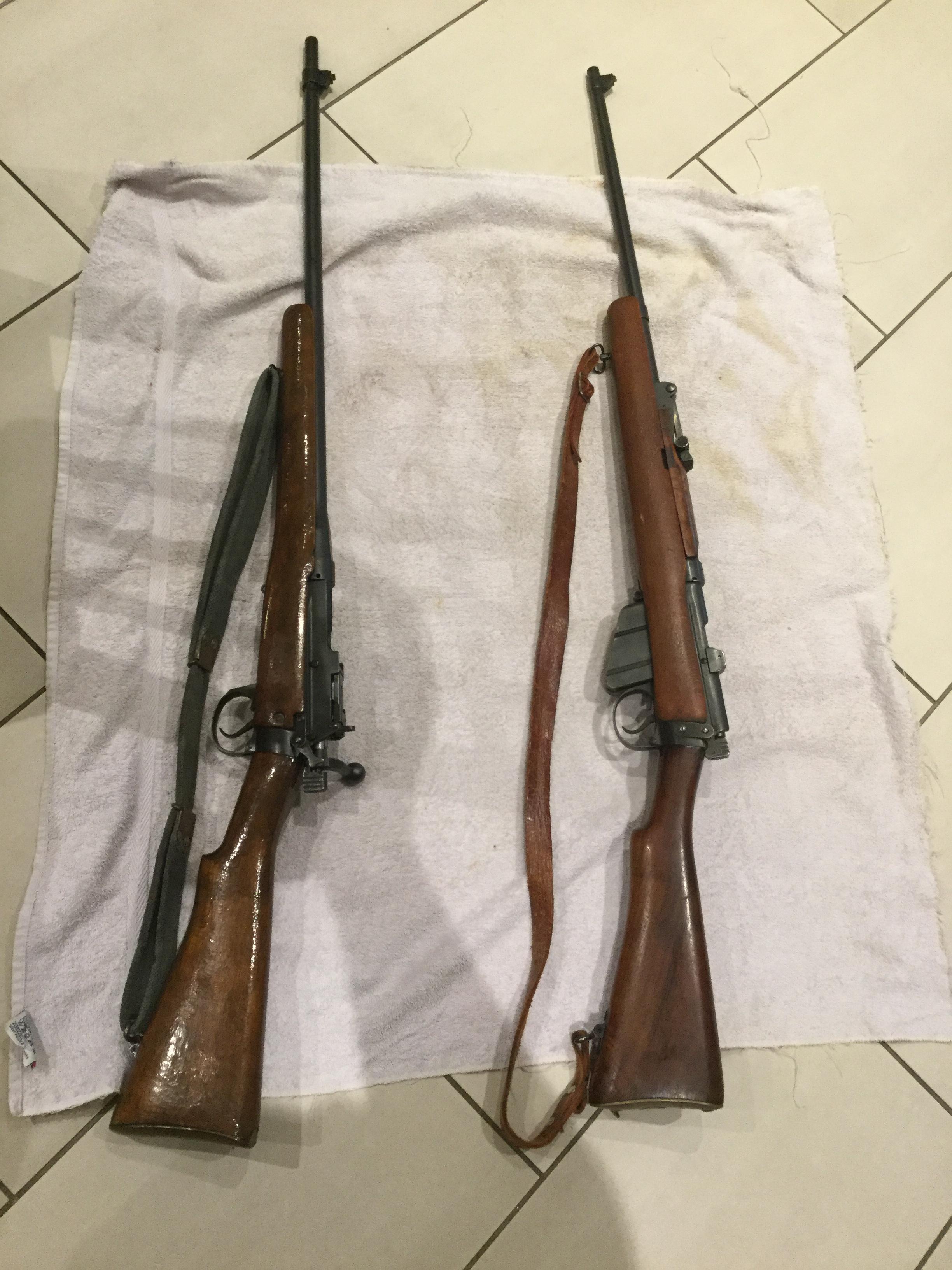
pic of the two together.
KveMm8m.jpg


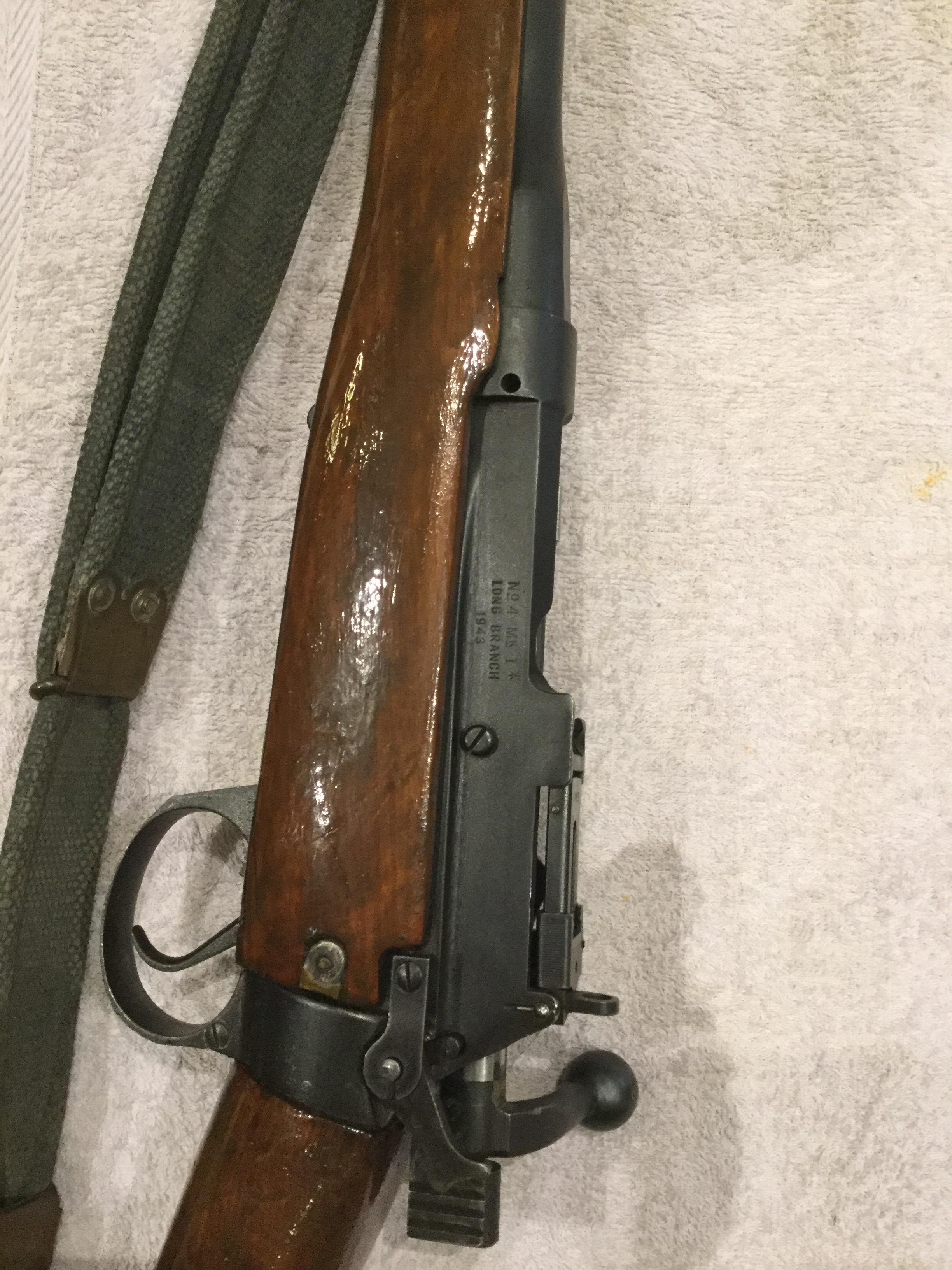
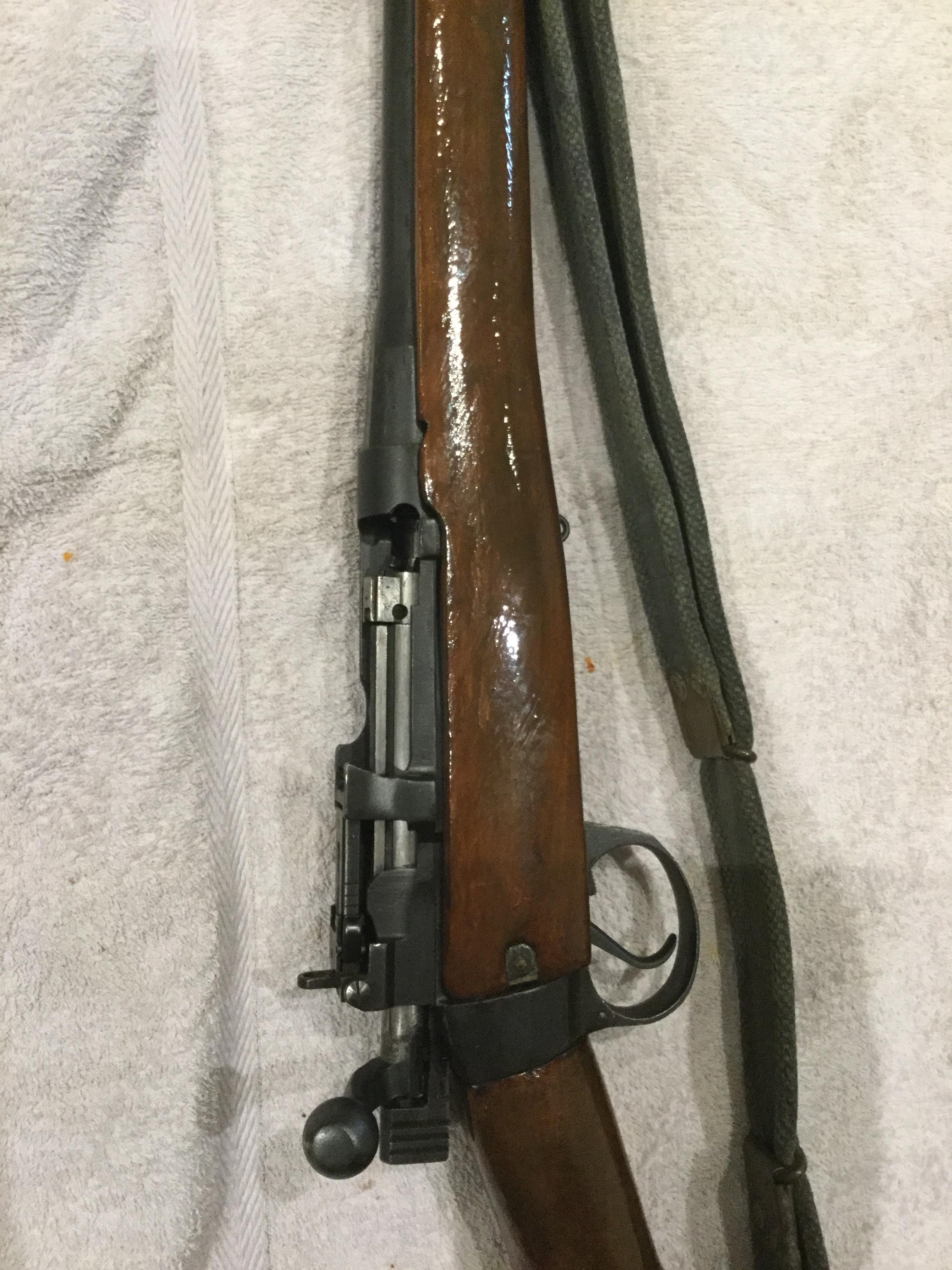
rifle on left:

X8bNMIt.jpg


afypXnM.jpg


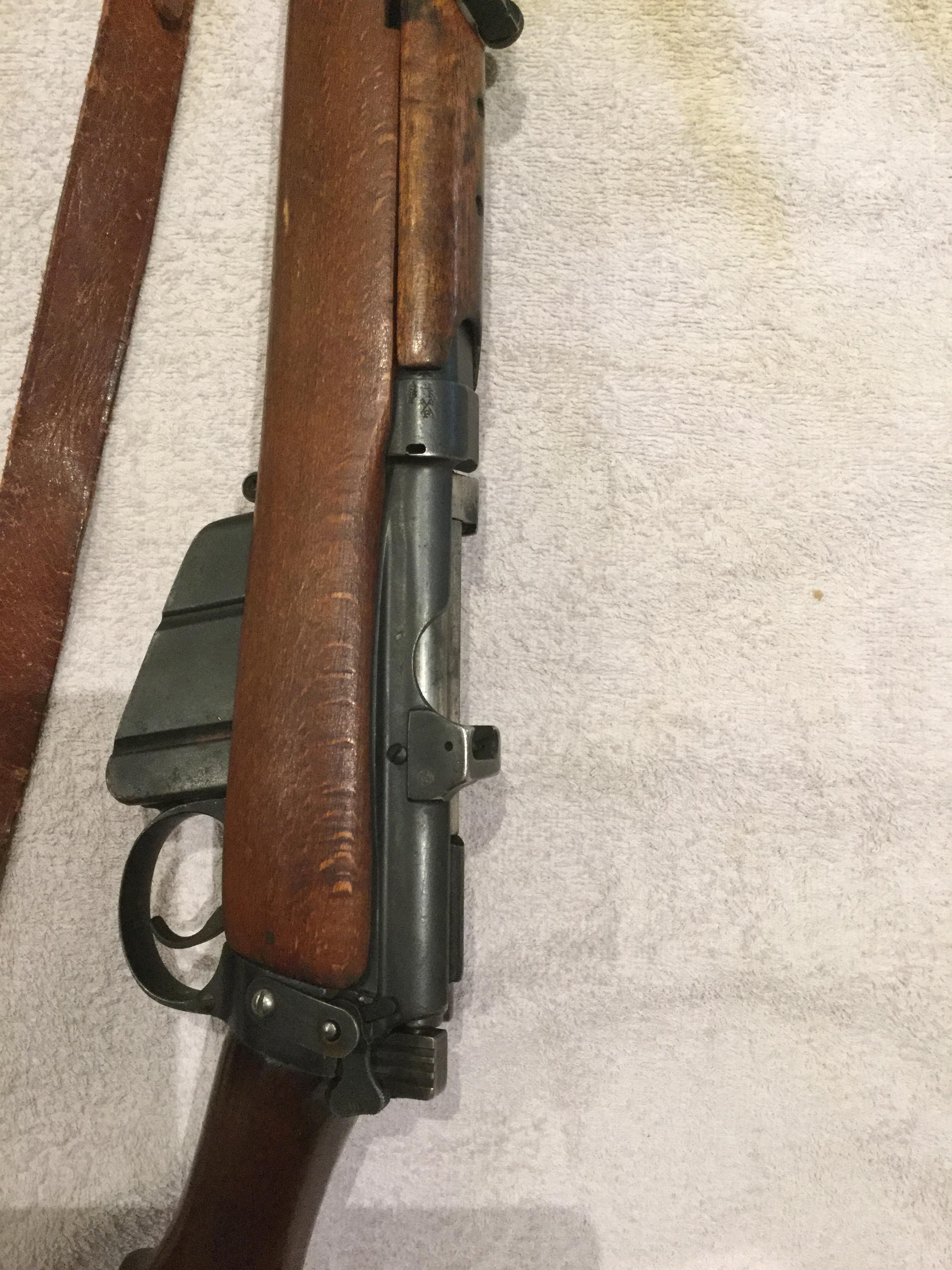
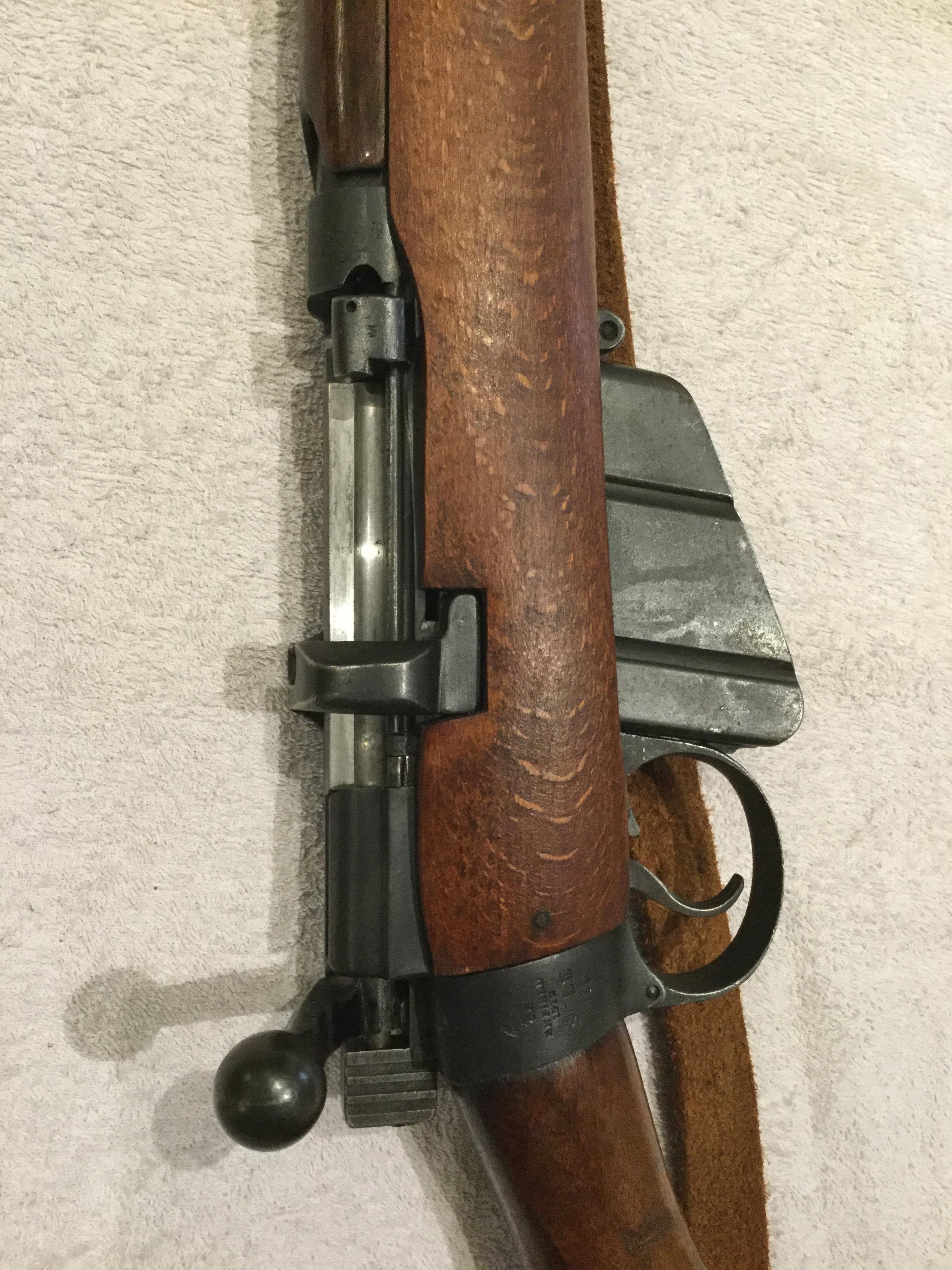
rifle on right:

BGVHAFi.jpg


nI1rQ0F.jpg


lkUSuUs.jpg
 
A pair of Lee Enfield 303 rifles. One from WW1 and one from WW2. They have been "sporterised" by cutting off some wood. An unmolested rifle is worth $600 to $1,000. A sporter is $150 to $200.

Most Canadian s have one or the other in a closet.
 
Looks like a fine pair of rifles that need to be desported. Are the numbers all matching ?
 
On the no1 check the back of the sight barrel receiver and bolt, on the no 4 check the barrel bolt and receiver for the numbers, cheers
 
A pair of Lee Enfield 303 rifles. One from WW1 and one from WW2. They have been "sporterised" by cutting off some wood. An unmolested rifle is worth $600 to $1,000. A sporter is $150 to $200.

Most Canadian s have one or the other in a closet.

^^^^^
what he said
 
The price of replacement wood and other pieces keeps climbing. A few hundred dollars for the rifle and several hundred for the right parts.
 
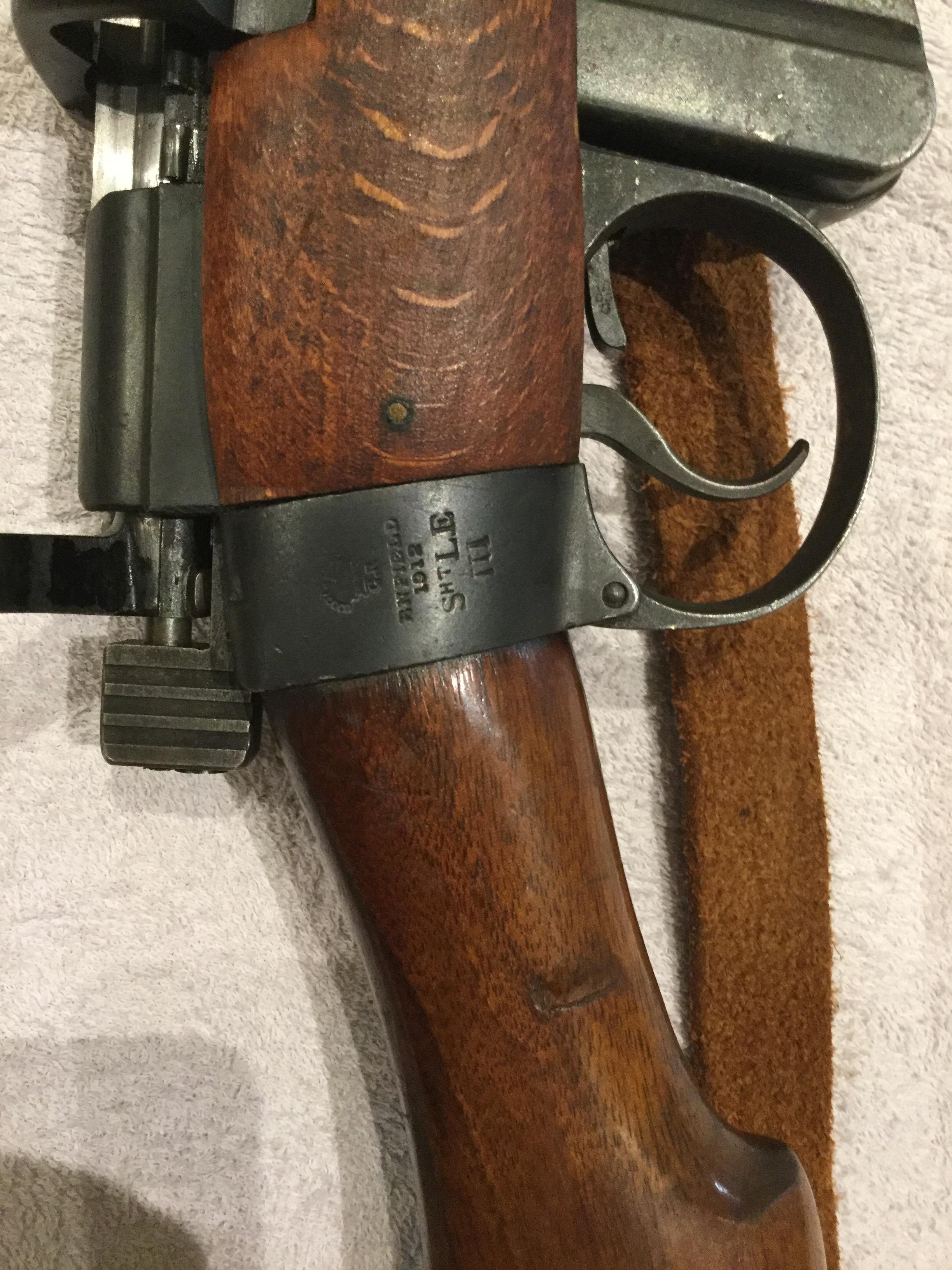
The SMLE is dated 1912. Rebuilding it to its original 1912 configuration would be challenging. Rebuilding it to a generic SMLE III* configuration would be easier.
No. 4 parts are more available. It could be returned to generic configuration most easily. It is Canadian made. Restoring it with all Canadian period appropriate parts would be more difficult.
 
The SMLE is dated 1912. Rebuilding it to its original 1912 configuration would be challenging. Rebuilding it to a generic SMLE III* configuration would be easier.
No. 4 parts are more available. It could be returned to generic configuration most easily. It is Canadian made. Restoring it with all Canadian period appropriate parts would be more difficult.

tiriaq, that No1 has been through an FTR already IMHO. So returning it to a generic configuration would likely be most correct. The Beech stock is the give away.
 
Factory Thorough Repair.
Rifles that went through FTR were rebuilt to near new condition.
Your SMLE was made in 1912. Consider the service that it may have seen. There should be a date on the barrel underneath the handguard. This would be the date of the last barrel installed. SMLEs were being processed through FTR as late as 1953. WW2 and later FTRs usually had the metal parts refinished using Suncorite, a paint. Yours looks blued, so it could have been refurbished earlier. When the rifle was made, it would have been stocked up in walnut. The butt is walnut, might be the original, although most likely not. The forend is beech, so it was a replacement. Maybe it was on the rifle when it was sported, maybe it was out of a bin.
 
Both are also integral and important parts of Canadian history. If you are into what MADE this country, these two are a part of it.

As to restorations, the Mark III should be relatively easy to restore to post-1915 specifications: Mark III*. Your rifle will be cut for a magazine cutoff, a replacement stock likely not. These rifles went through unit, battalion, divisional and factory repairs sometimes many times; they served from 1912 (in your case) through to the end of Mark III service in the 1950s. There is room there for a number of changes, but it is comparatively easy to restore it to basic First World War condition.

The Number 4 is Canadian-made and there ARE Long Branch-marked spares lying about for just about everything uou would need. This is a later rifle, so you need none of the terribly-rare bits used on the very first ones made; a forestock and set of handguards, barrel bands and a few other things, bed the action carefully, float the barrel except for the forward reinforce and you are ready for the range and completely original.

Best of luck!
 
They will not appreciate in value unless considerable time, effort, and money is put into restoring them to original condition. Even then Im not sure you'll make the money you put into them.

Theyre a piece of Canadian history, thats for sure. But unfortunately the price of ammunition for them has gone absolutely bonkers lately. Youre literally looking at 1/4 to 1/3 the value of the rifle for one single box of soft point hunting shells for it.
 
Why would you "dump them"?
I have several 303 sporters because they are worth a lot more than the cash I could get for them.
 
The metal on the No4 looks in very good condition and I can not see even the faintest hint of FTR markings, that would make a very nice restoration.
 
I just acquire them too. Got a buddy whom I just helped to source one...he's not a huge gun guy and needed a decent rifle to shoot deer with his sons help.
Scoped SMLE and he's off to the races. Heck it shoots to POA out of the shipping box.
 
Why would you "dump them"?
I have several 303 sporters because they are worth a lot more than the cash I could get for them.

Either I dump these two guns or I dump my wife - it's a tough decision. I got six new to me guns and now find myself with more guns then space. My spouse is adamant that I do not get a second safe or use more closet space. I can't really complain, since the other four are two Belgium made Browning auto-loading shotguns in very good to excellent condition, a Browning BAR Type 1 grade 2 in 243, also in very good to excellent condition, and a really nice pellet gun for the younger family members. The shotguns are the humpback models from a bygone era - a light twelve and a magnum twenty - the only thing missing was a sweet sixteen. This is where my heart is.
 
Back
Top Bottom