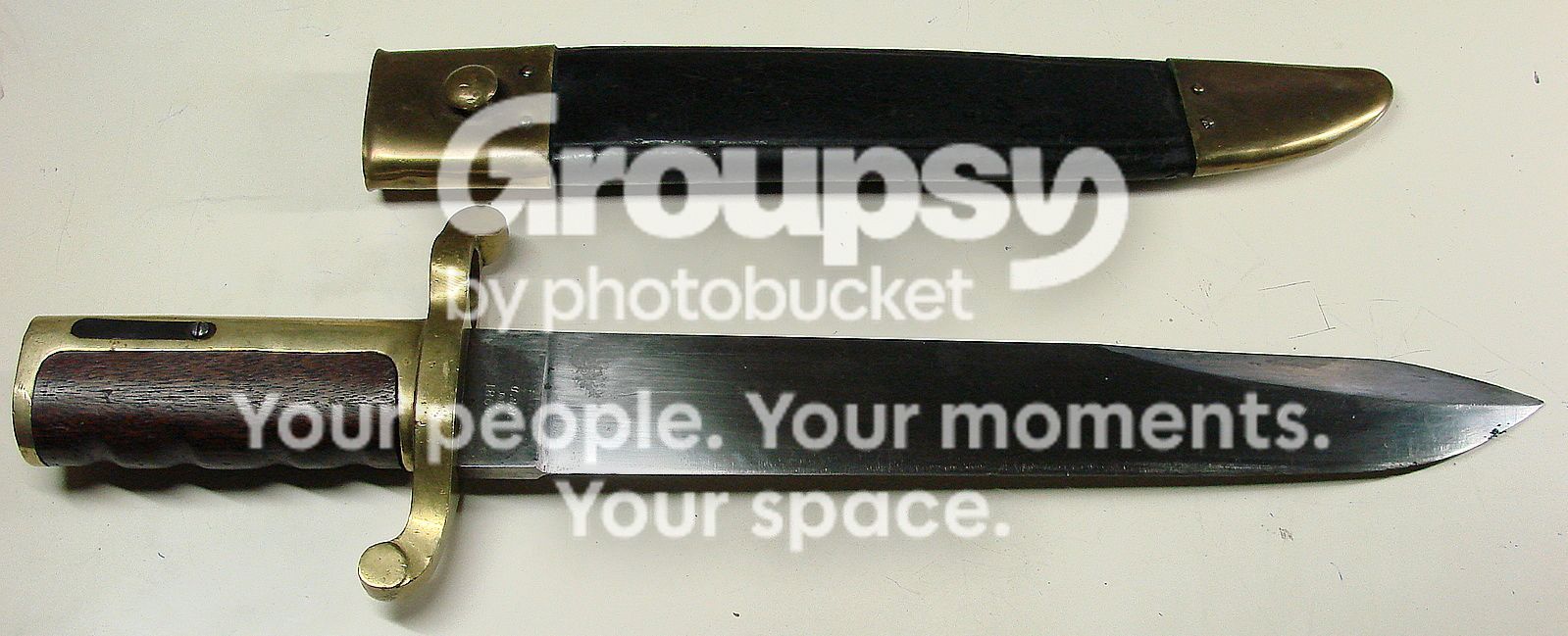
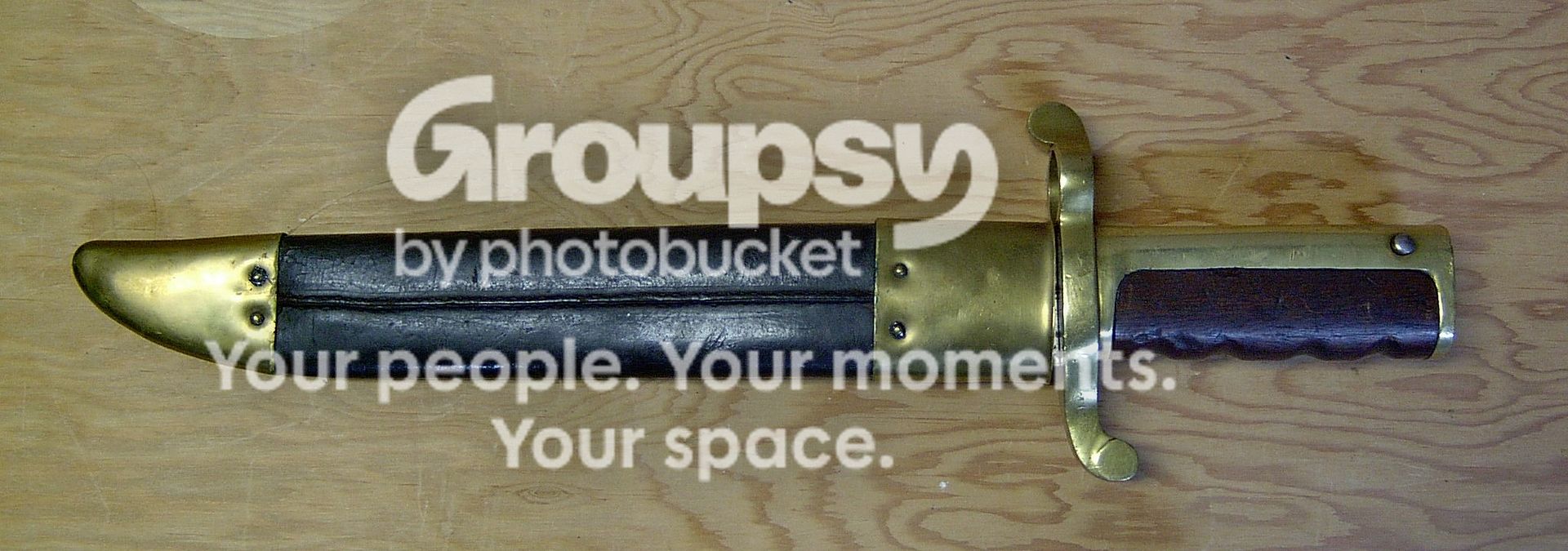
In May 2001 I purchased the U.S. Navy Civil War Dahlgren bayonet shown below thinking that I would eventually find a Plymouth / Whitneyville rifle.
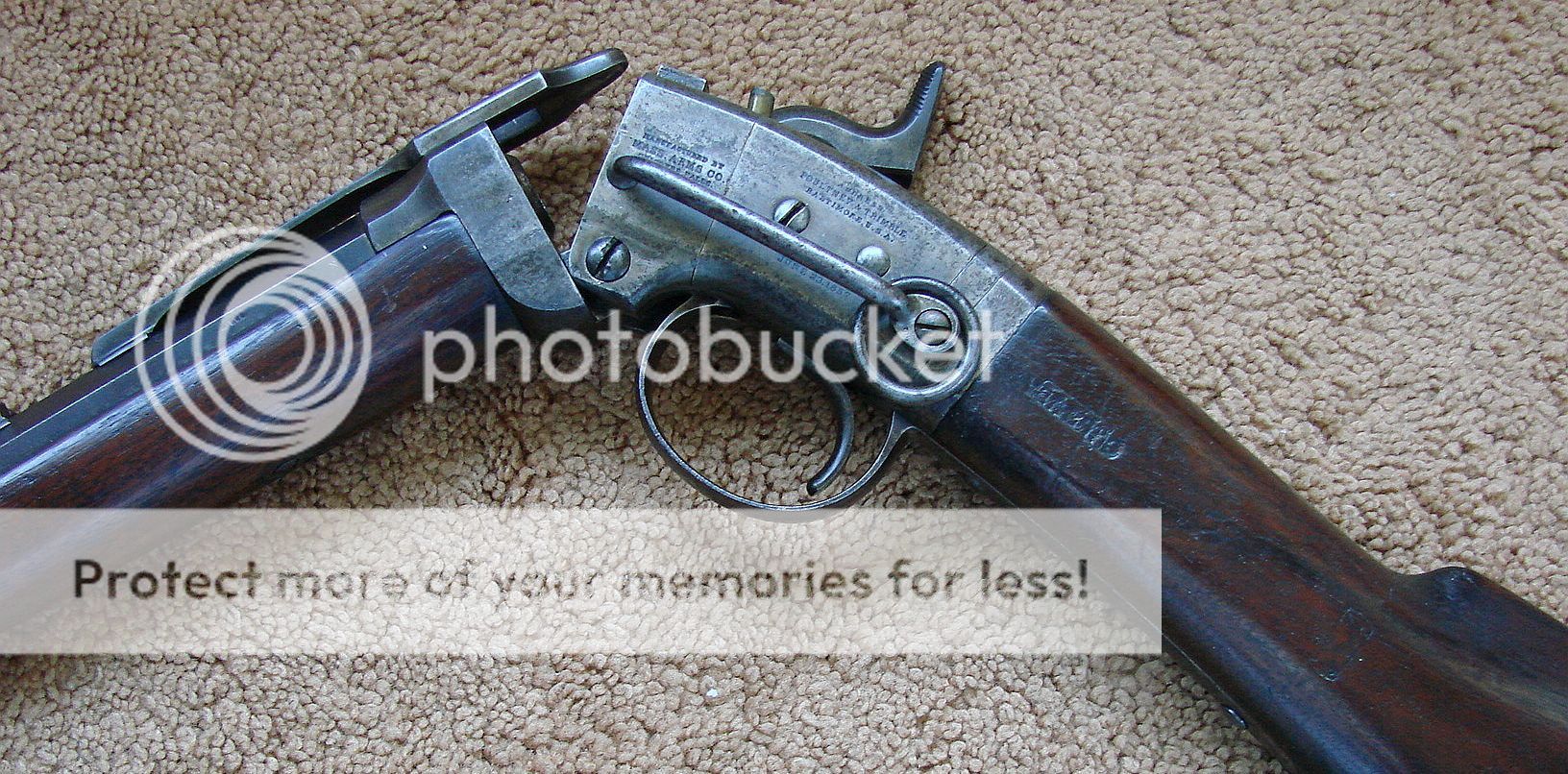
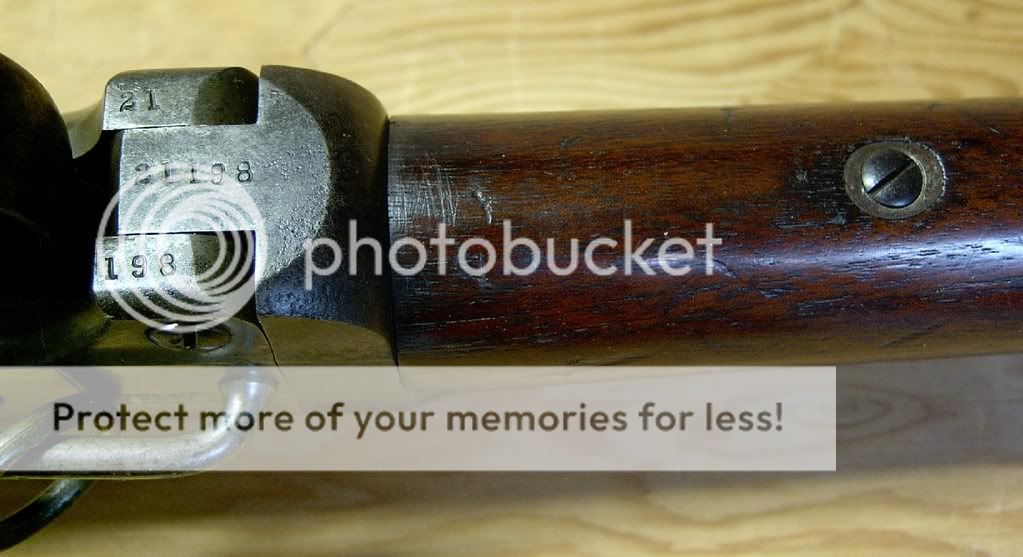
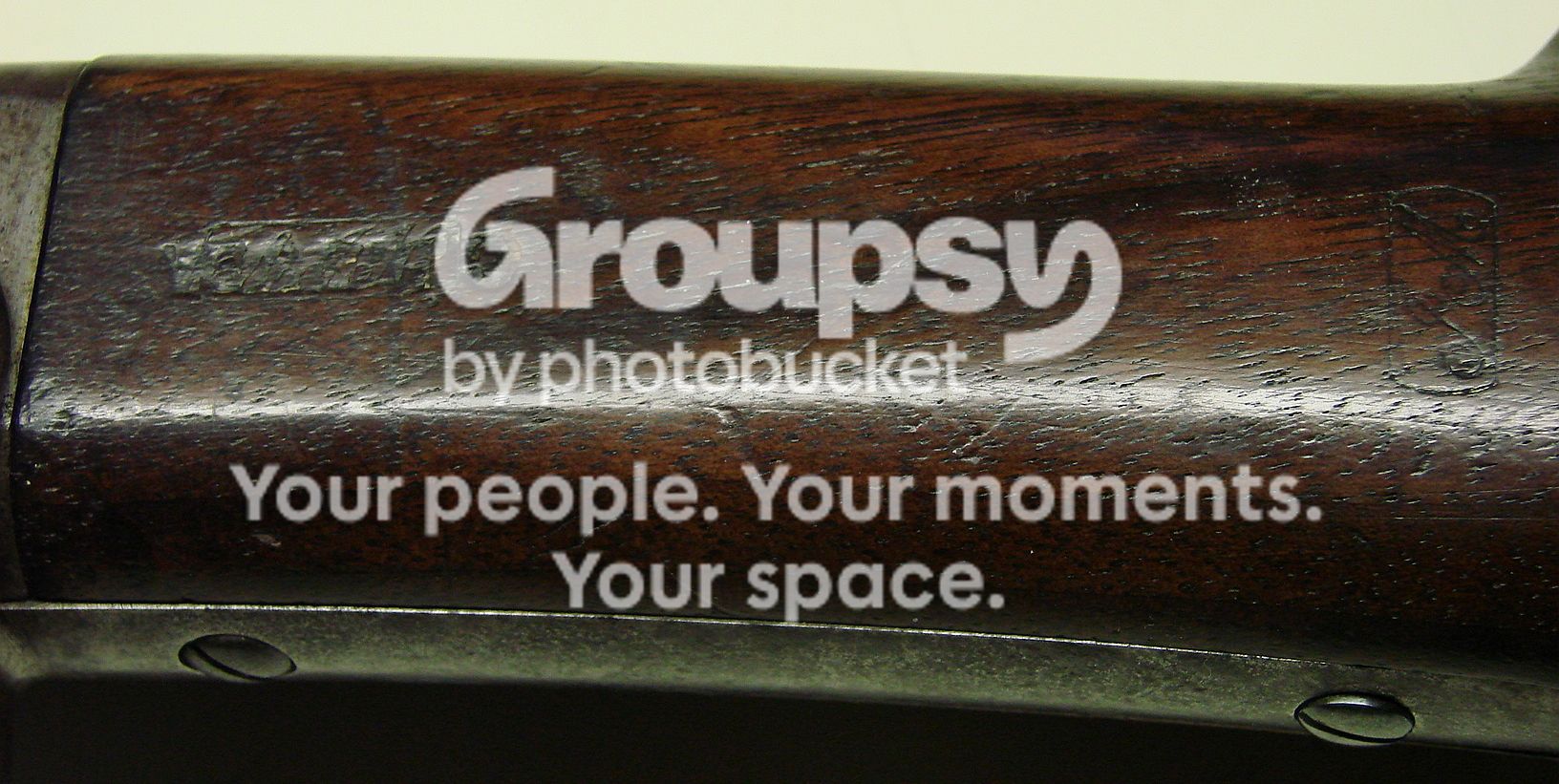
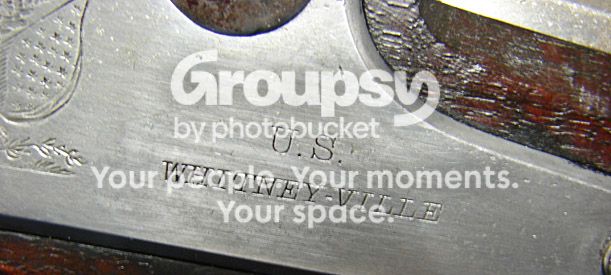
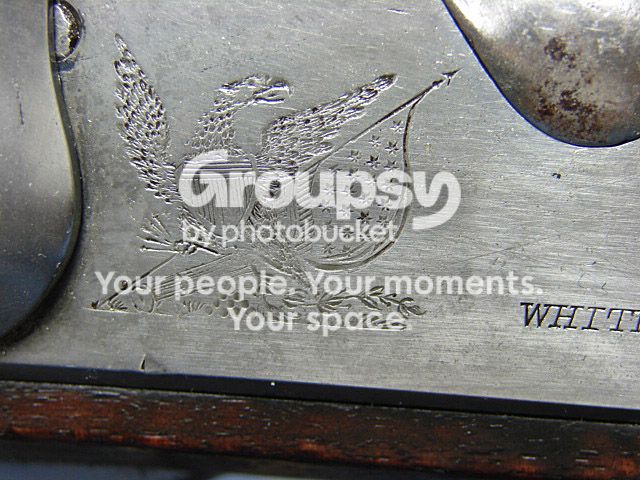
The Whitney "Plymouth" rifle, named after the U.S.S. PLYMOUTH, a naval ordnance testing ship which had been built under Dahlgren's supervision, has the distinction of being the only U.S. contract arm to be originally rifled in .69 caliber.
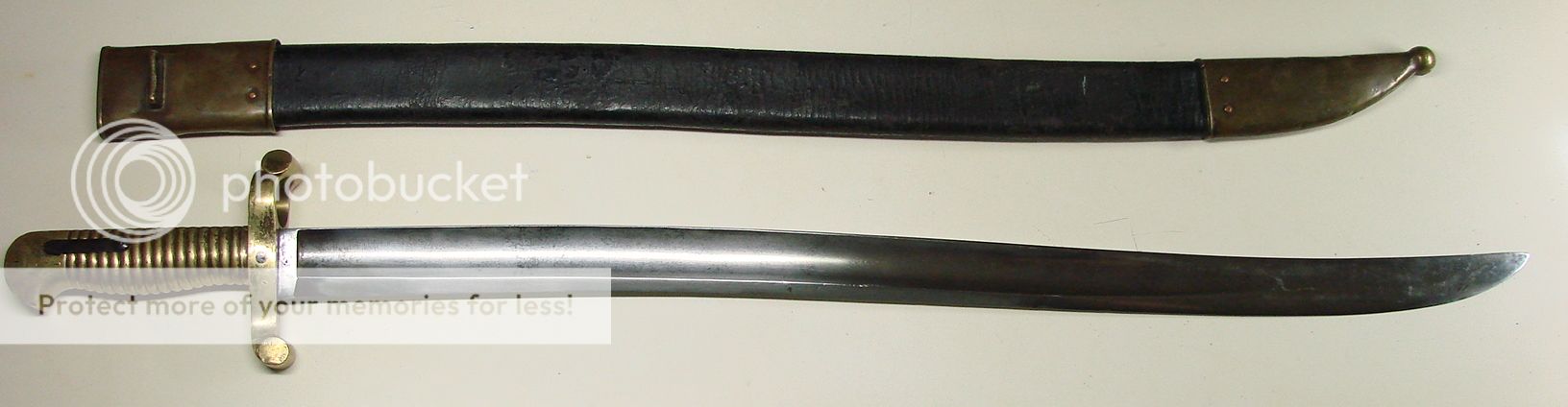
The first bayonet for this model rifle was a saber bayonet as shown below.

I figured that nice Dahlgren bayonets were hard to find, so I jumped on it.
Moral of the story, eleven years later I still don’t own the rifle.
There is a U.S. dealer that had a very nice one which has since sold for $5,900…perhaps that is why I don’t have one.
Live and learn....I guess?
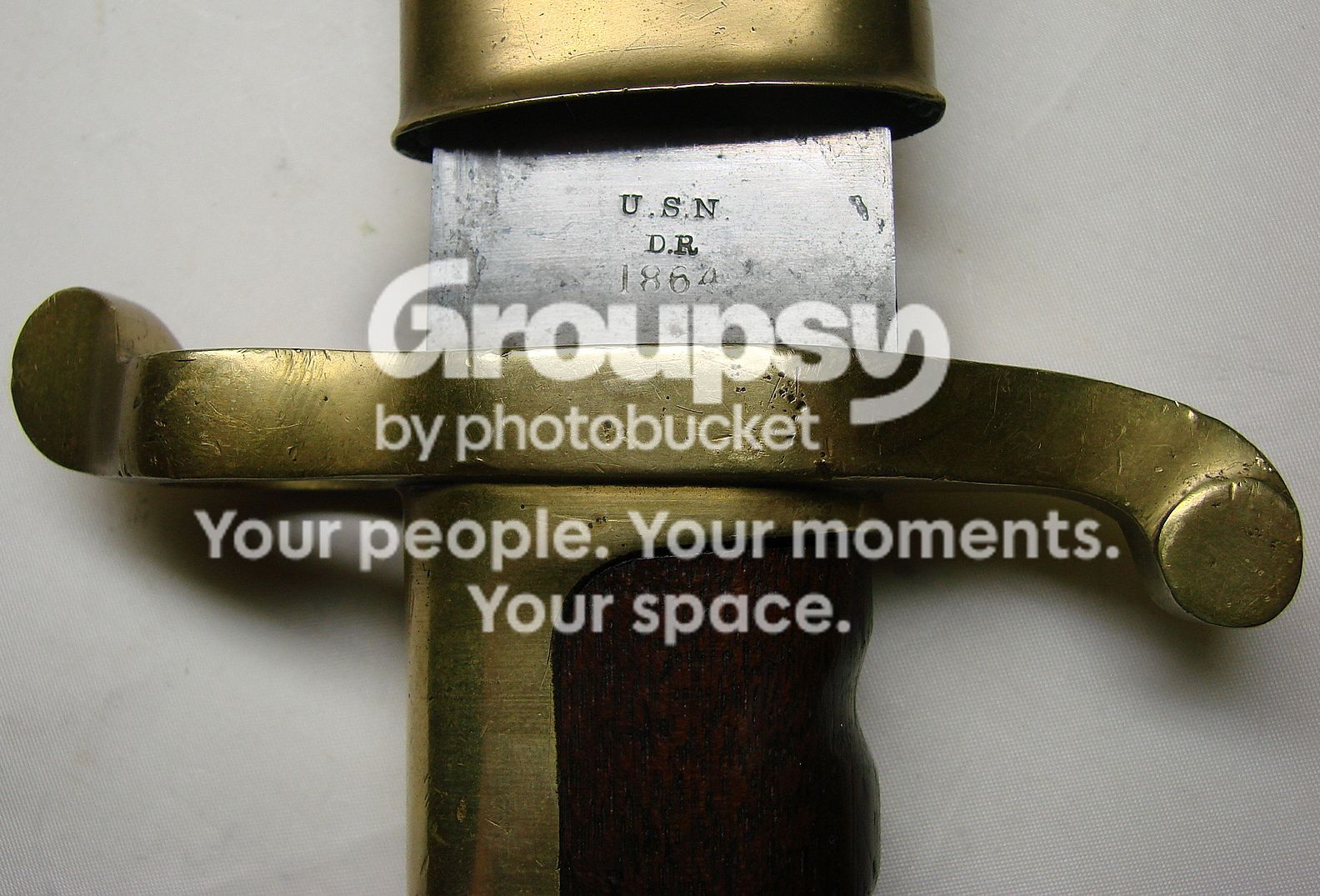
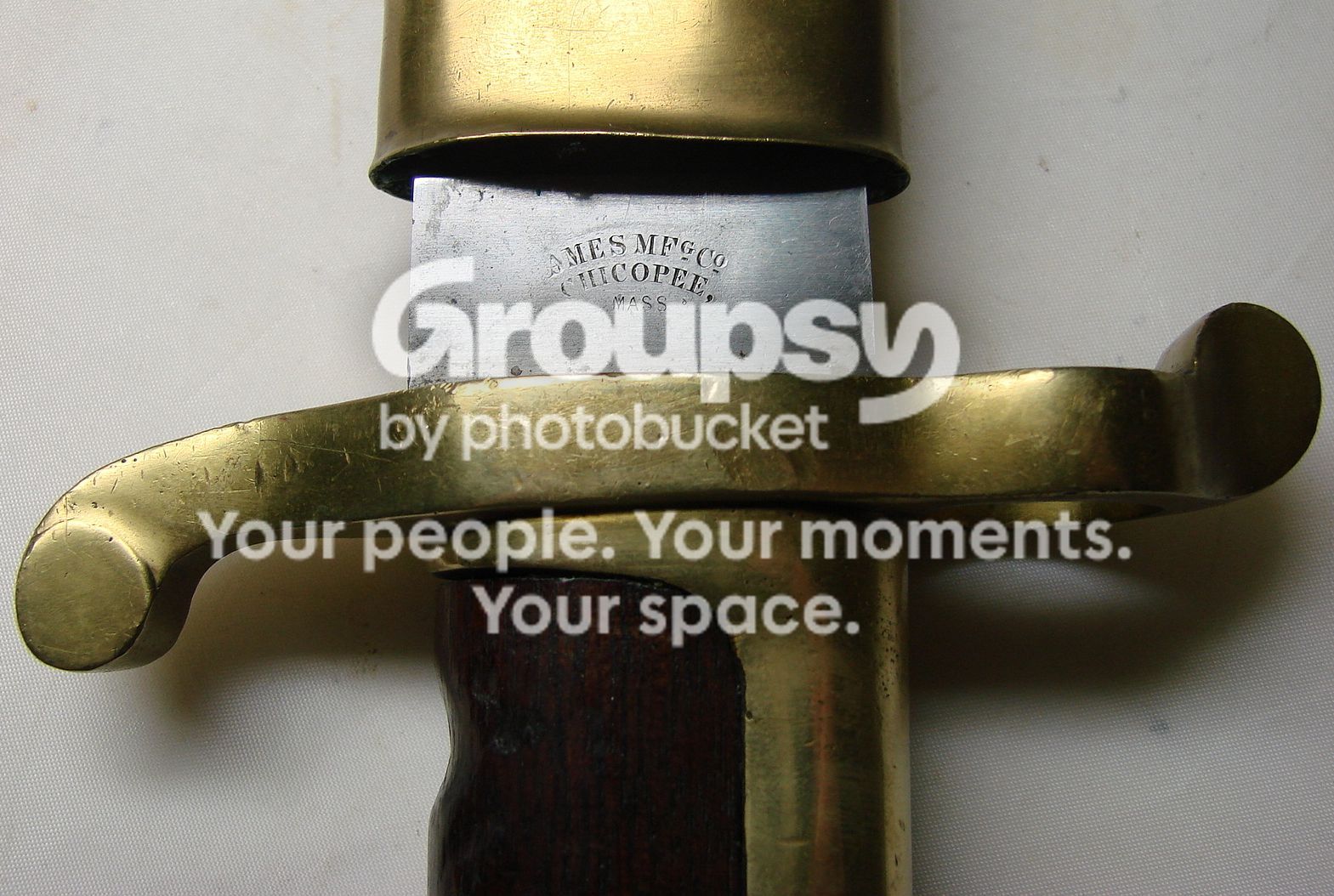
The markings:
On one side –1864 U S N DR (Navy inspector Daniel Reynolds)
Other side-- AMES MFG CO /
CHICOPEE MASS.

A story;
The first Knife Bladed bayonet is considered to be the Model 1861 for the Plymouth / Whitneyville rifle. It is perhaps better known by its nickname the Dahlgren Bowie Bayonet, named for it inventor Admiral John A. Dahlgren. Many articles have been written about the Dahlgren bayonet but what is most intriguing are the actual letters from the Admiral himself regarding its design and use. As we know the basic use of a bayonet is mounted to the end of a rifle or musket. To Dahlgren's thinking this is not the proper use of his newly invented arm. It should be known that Admiral Dahlgren was in command of several Navy ships and knew first hand what close quarters fighting was about. With this in mind perhaps we can relate to the admirals thought when he wrote that the bayonet was best used in the hand not mounted on the end of the rifle it was designed for. It is also interesting to note that the 1861 rifle already had a sword bayonet designed for it at the time of Dahlgren's invention of the new bayonet. In Dahlgren's own words he called it the "most useless thing in the world at the end of a musket." Perhaps this explains why most Dahlgren bayonets do NOT fit the Model 1861 rifle. They were meant to but they were also designed to be used as a close quarters fighting weapon in a sailors or marines hand. The Admiral invented a bayonet because a knife would not be sanctioned by the Ordnance Board. (Comments from Frank Trzaska in 1998. USMilitaryKnives.Com)
David
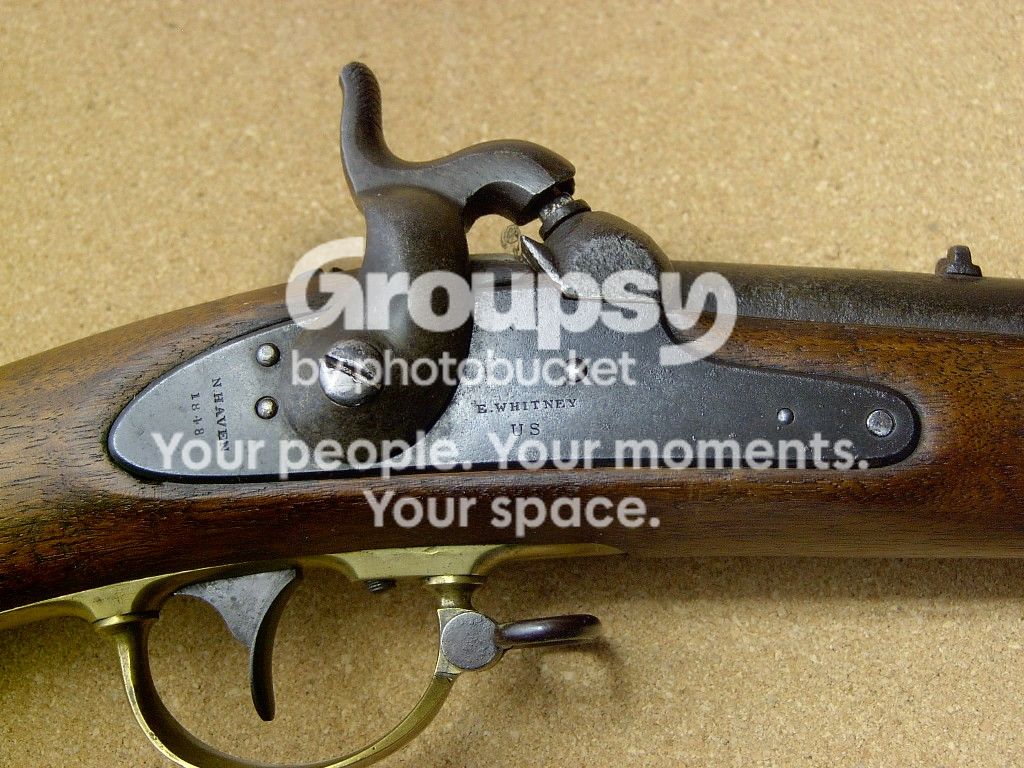
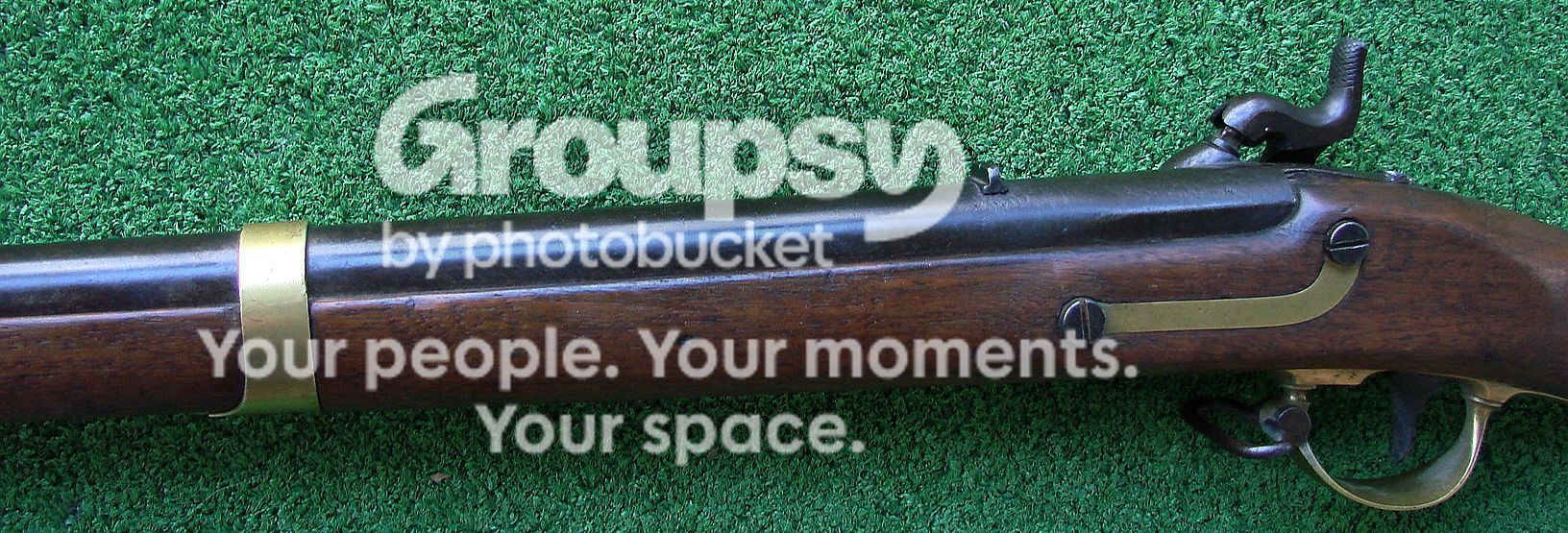
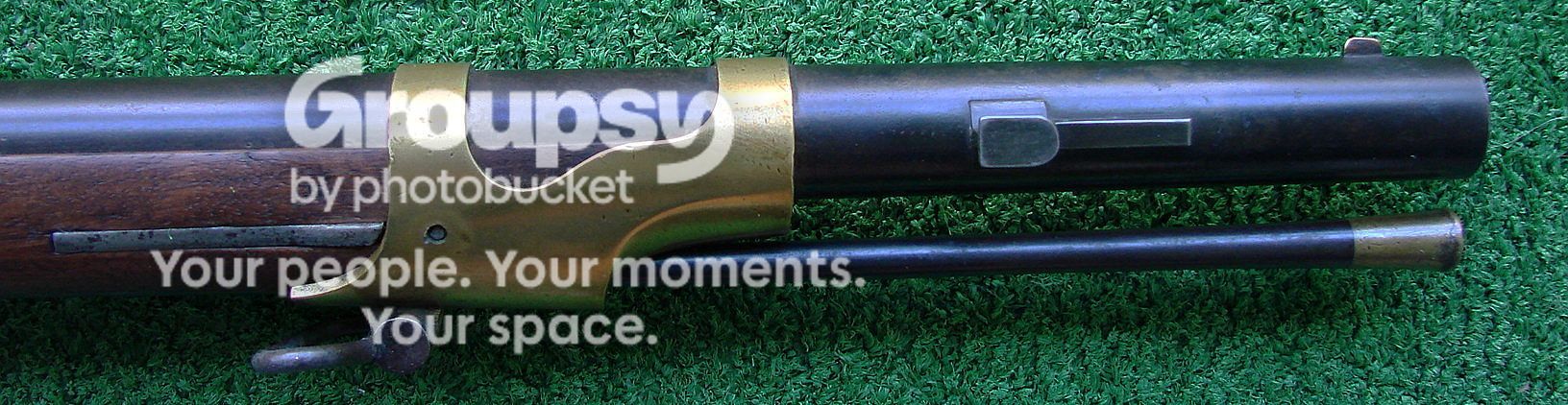
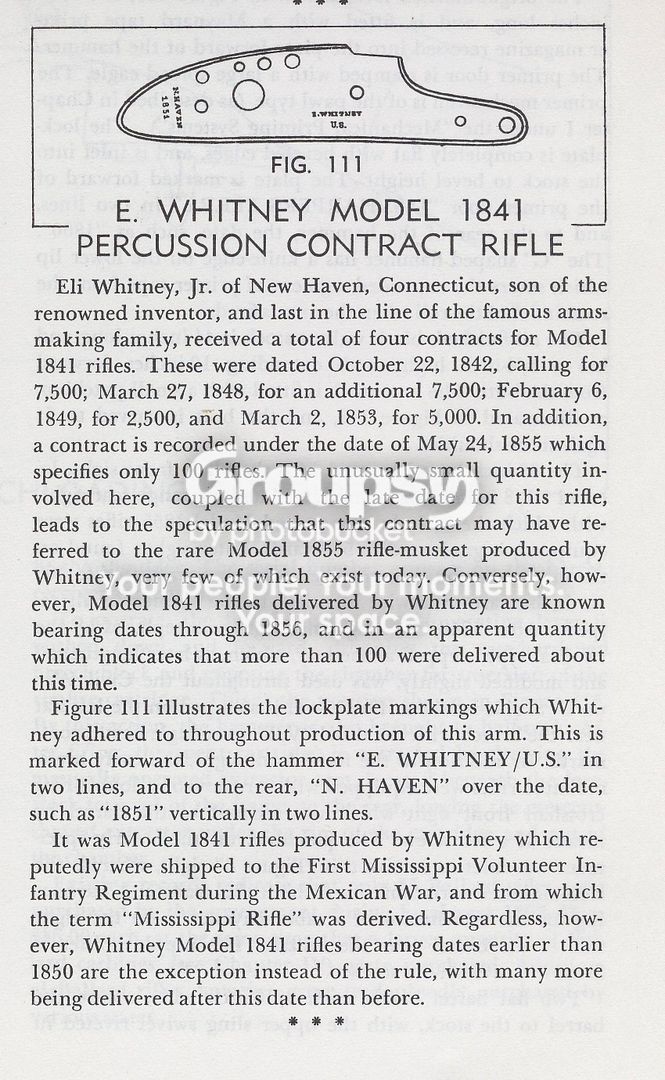
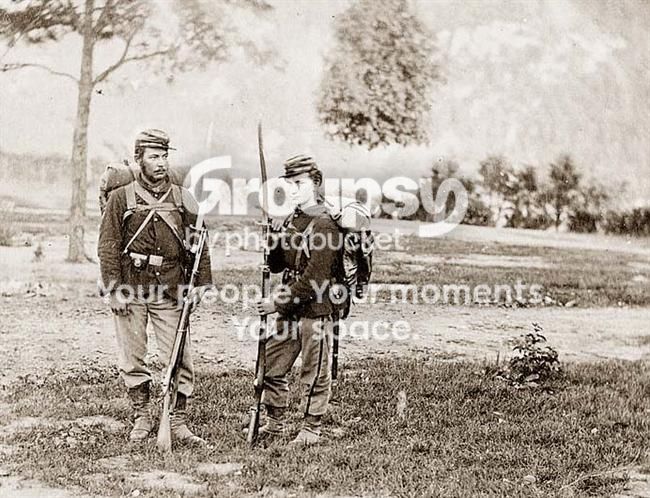
In 1995 I purchased the U.S. Model 1841 (Mississippi) rifle shown below and in the same year I purchased the sabre bayonet for it.
I should have remembered how the sequence should work....regarding the Dahlgren bayonet above.
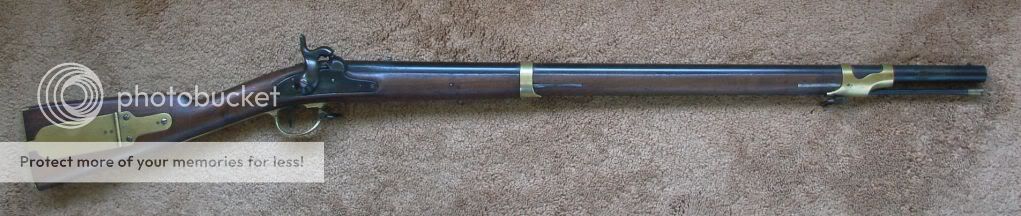
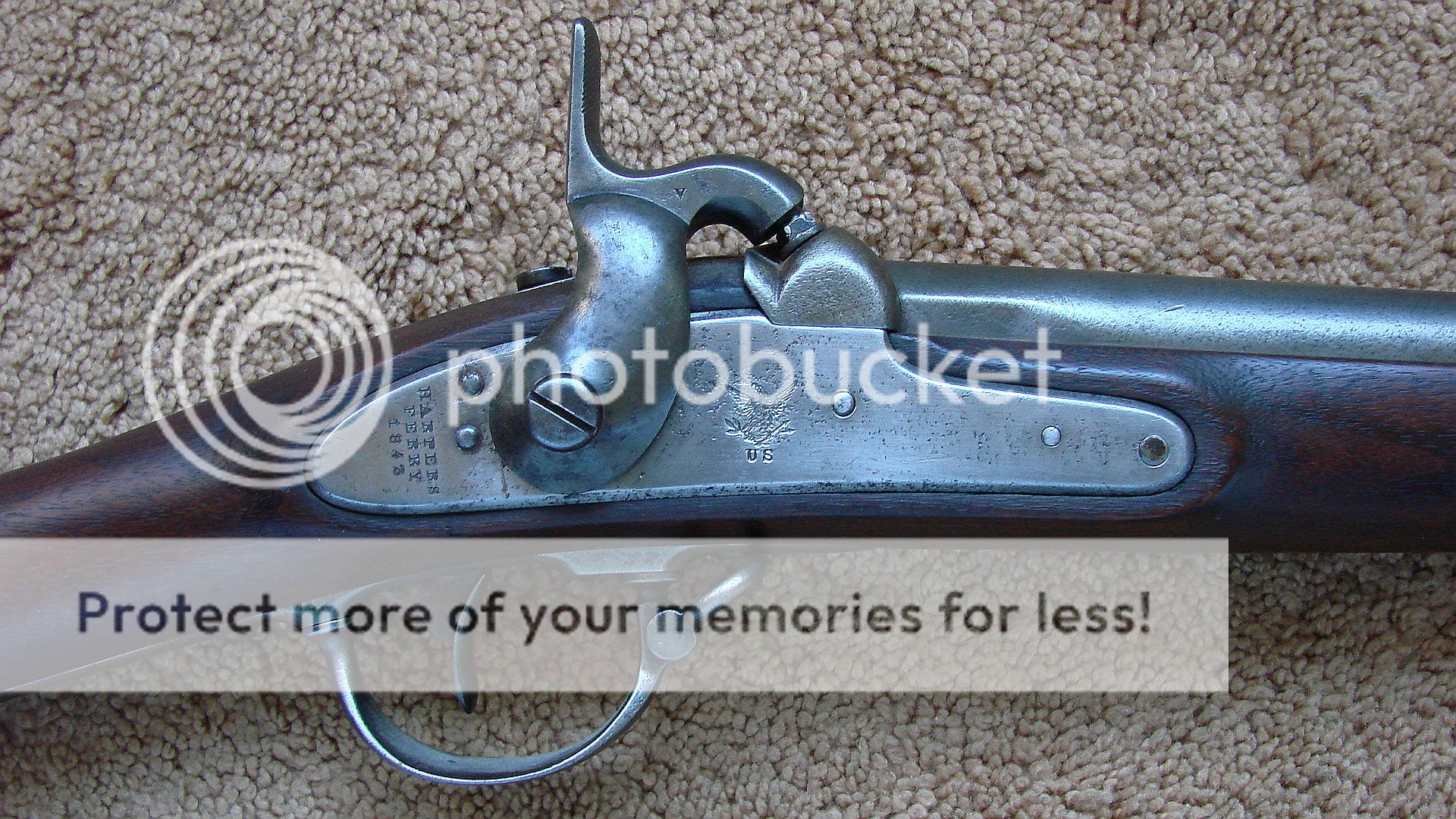
A 1848 lock date is still pretty early for these guns...it is still in .54 cal.

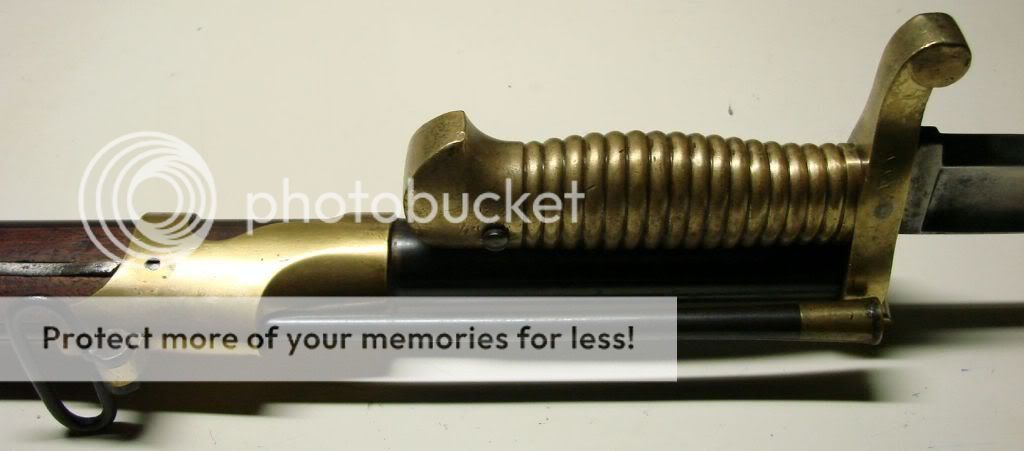
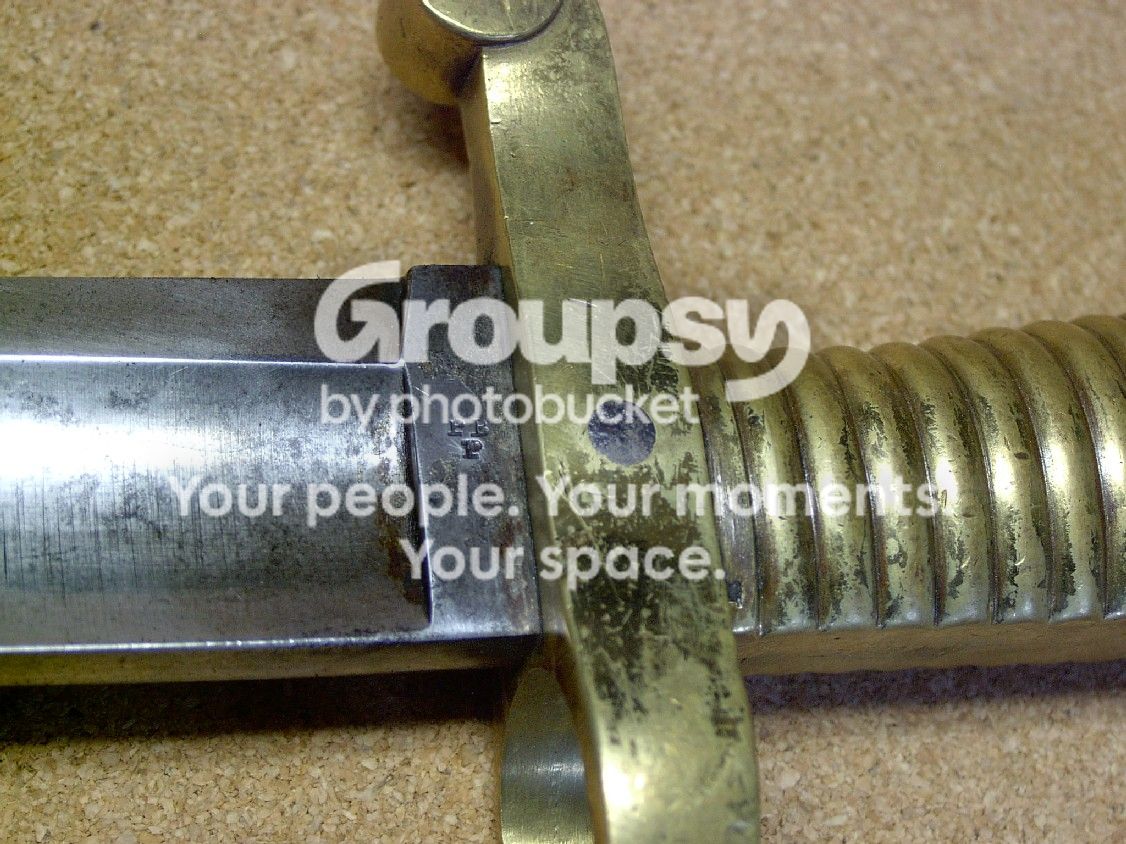
I think that this is a Harpers Ferry inspectors marking.

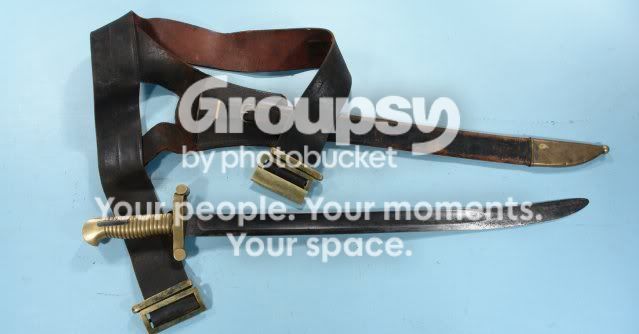
A nice belt and bayonet rig (Not Mine.)
The Whitney "Plymouth" rifle, named after the U.S.S. PLYMOUTH, a naval ordnance testing ship which had been built under Dahlgren's supervision, has the distinction of being the only U.S. contract arm to be originally rifled in .69 caliber.
The first bayonet for this model rifle was a saber bayonet as shown below.
I figured that nice Dahlgren bayonets were hard to find, so I jumped on it.
Moral of the story, eleven years later I still don’t own the rifle.
There is a U.S. dealer that had a very nice one which has since sold for $5,900…perhaps that is why I don’t have one.
Live and learn....I guess?
The markings:
On one side –1864 U S N DR (Navy inspector Daniel Reynolds)
Other side-- AMES MFG CO /
CHICOPEE MASS.
A story;
The first Knife Bladed bayonet is considered to be the Model 1861 for the Plymouth / Whitneyville rifle. It is perhaps better known by its nickname the Dahlgren Bowie Bayonet, named for it inventor Admiral John A. Dahlgren. Many articles have been written about the Dahlgren bayonet but what is most intriguing are the actual letters from the Admiral himself regarding its design and use. As we know the basic use of a bayonet is mounted to the end of a rifle or musket. To Dahlgren's thinking this is not the proper use of his newly invented arm. It should be known that Admiral Dahlgren was in command of several Navy ships and knew first hand what close quarters fighting was about. With this in mind perhaps we can relate to the admirals thought when he wrote that the bayonet was best used in the hand not mounted on the end of the rifle it was designed for. It is also interesting to note that the 1861 rifle already had a sword bayonet designed for it at the time of Dahlgren's invention of the new bayonet. In Dahlgren's own words he called it the "most useless thing in the world at the end of a musket." Perhaps this explains why most Dahlgren bayonets do NOT fit the Model 1861 rifle. They were meant to but they were also designed to be used as a close quarters fighting weapon in a sailors or marines hand. The Admiral invented a bayonet because a knife would not be sanctioned by the Ordnance Board. (Comments from Frank Trzaska in 1998. USMilitaryKnives.Com)
David
In 1995 I purchased the U.S. Model 1841 (Mississippi) rifle shown below and in the same year I purchased the sabre bayonet for it.
I should have remembered how the sequence should work....regarding the Dahlgren bayonet above.
A 1848 lock date is still pretty early for these guns...it is still in .54 cal.
I think that this is a Harpers Ferry inspectors marking.
A nice belt and bayonet rig (Not Mine.)
Last edited: