












































Eaglelord17
CGN Ultra frequent flyer
- Location
- Sault Ste. Marie
Hi all,
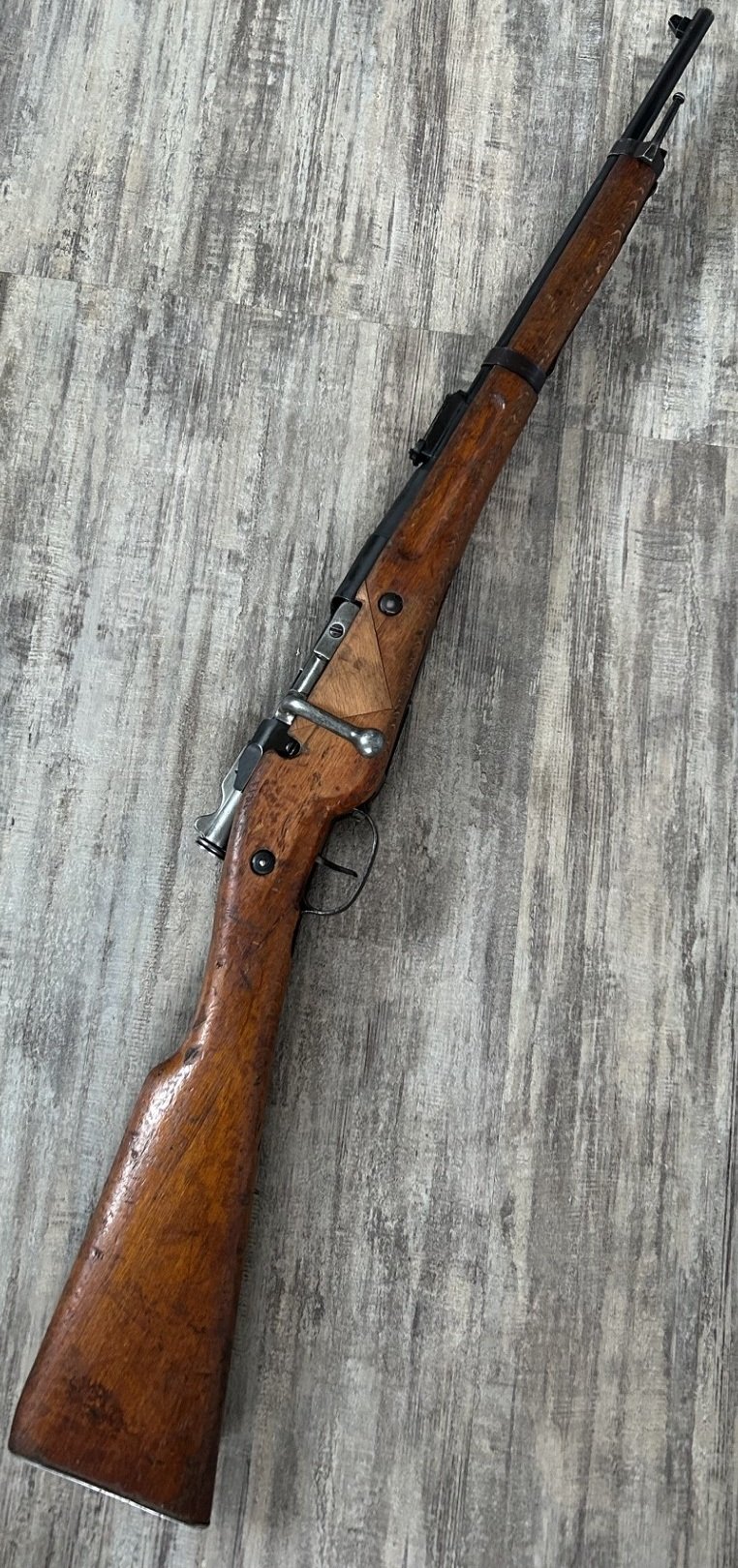
Thought I would share a interesting little 1892 Berthier Carbine I just got. A lot of mixture of new and old, well also showing the differences between numbers matching and factory original.
So the story on this example based off the serial number was made in 1914 by St. Etienne. At some point it likely got blown up/receiver damaged and that was replaced with a early (pre-1909) Chatellerault 1892 receiver (due to missing the extended recoil lug, which is very odd this example does not have). France was interesting in that they didn't consider the receiver to be the serialized part/master part, rather the barrel so the numbered parts were based off the barrel serial number and receivers were considered interchangeable when replacement was needed.
At some point post 1926 the stock was changed, to a newly made M16 style carbine stock (as noted by the sling bar and lack of clearing rod slot) possibly at the same time as the barrel, 1939, the only definitive rebuild date. The front barrel band had the standard stacking rod added to it sometime post 1927 (again only confirmed rebuild being 1939). The barrel was changed in 1939 to the later M16 style with the larger rear sight (not needed on this carbine as it lacks the handguard of a M16 carbine), and the large front post with a tiny notch in the middle for fine aiming. The barrel has been manufactured for Balle 'N' as well, which was standard for French firearms post 1932 (pretty hard to find anything in 8mm Lebel which hasn't received the 'N' on the receiver).
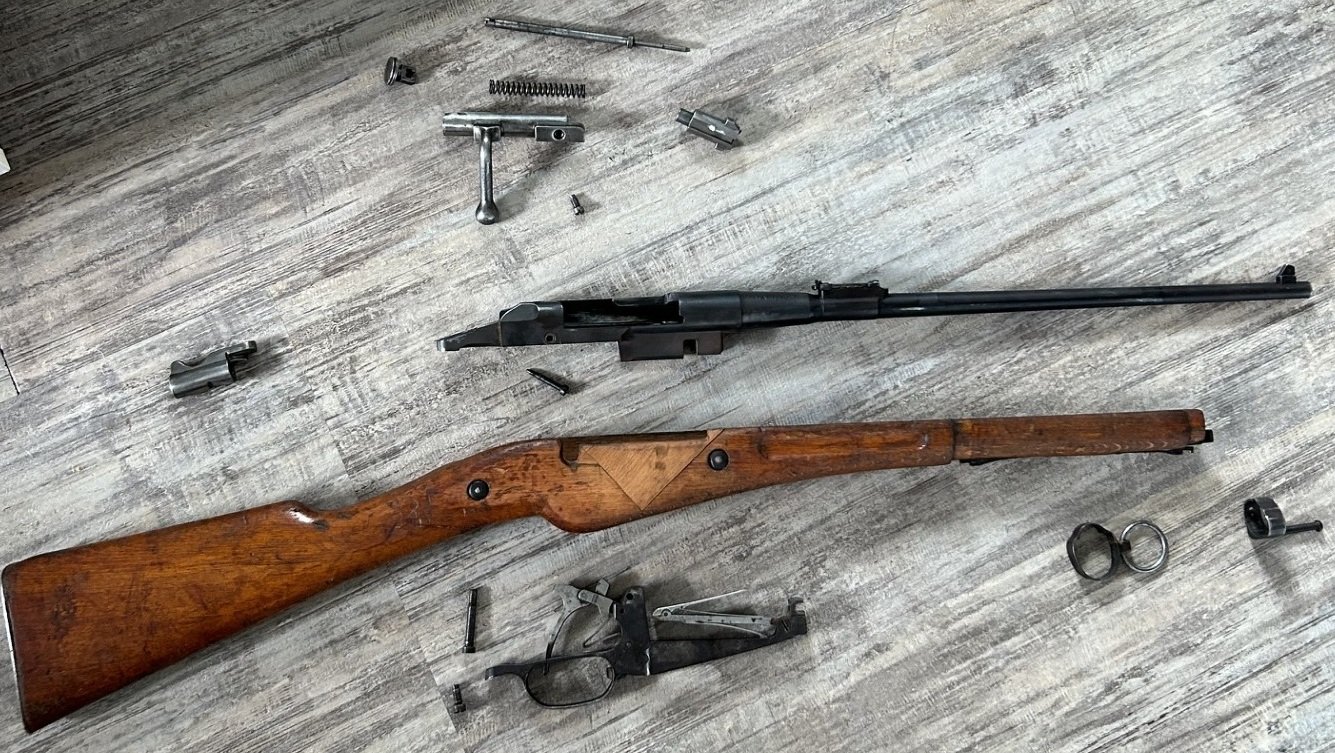
The magazine, bolt, bolt head, stock, and barrel all have matching serial numbers. The only parts which might actually be original to this carbine is likely the bolt, bolt head, and magazine (possibly the barrel bands but no way of actually knowing). Every other part, including the receiver, barrel, and stock was replaced at some point in time. Most the parts aren't even from the original factory this was manufactured at, the receiver and barrel are Chatellerault manufactured, not St. Etienne. Yet it is numbers matching. A 'Ship of Theseus' type question, which when you have replaced every part in something is it still what it was?
This little carbine has certainly been around the block, with three major stock repairs in it as well, on top of brazing the rear barrel band to fix it. Overall it is a neat piece of history that shows how much can be different when collecting and how little things all add to the story. Also testament to how much effort was put into keeping these firearms servicable. Now for some photos
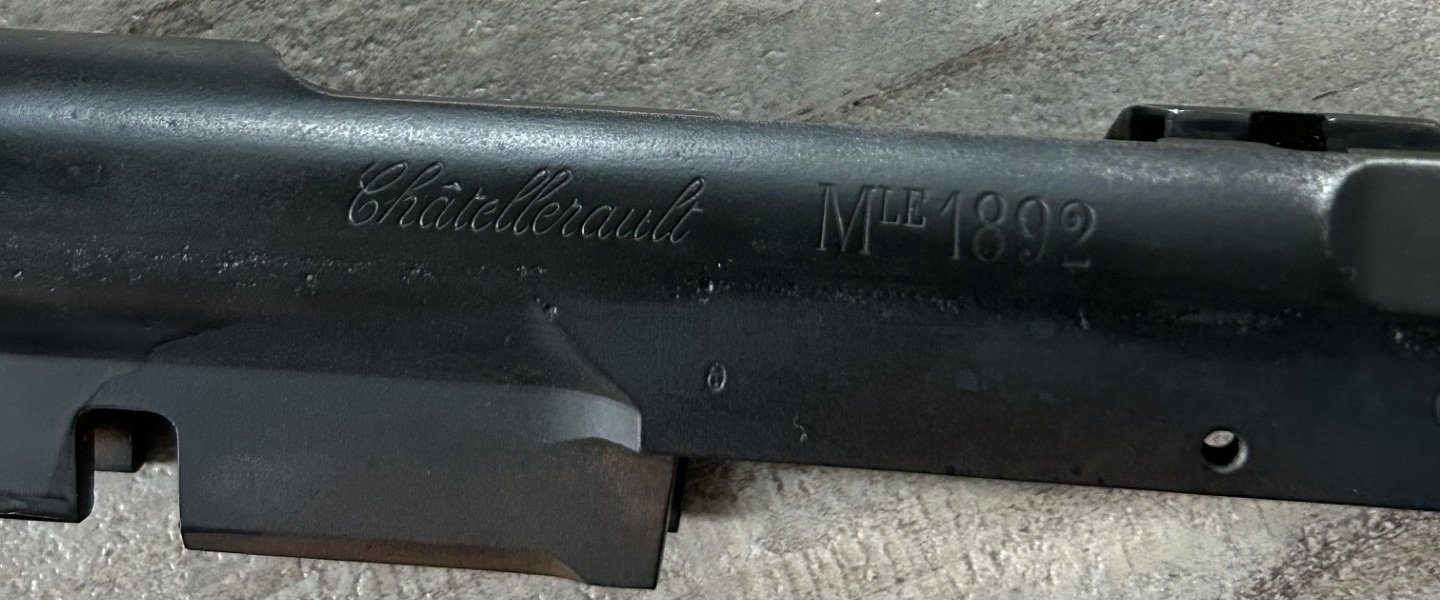
Chatellerault receiver marking
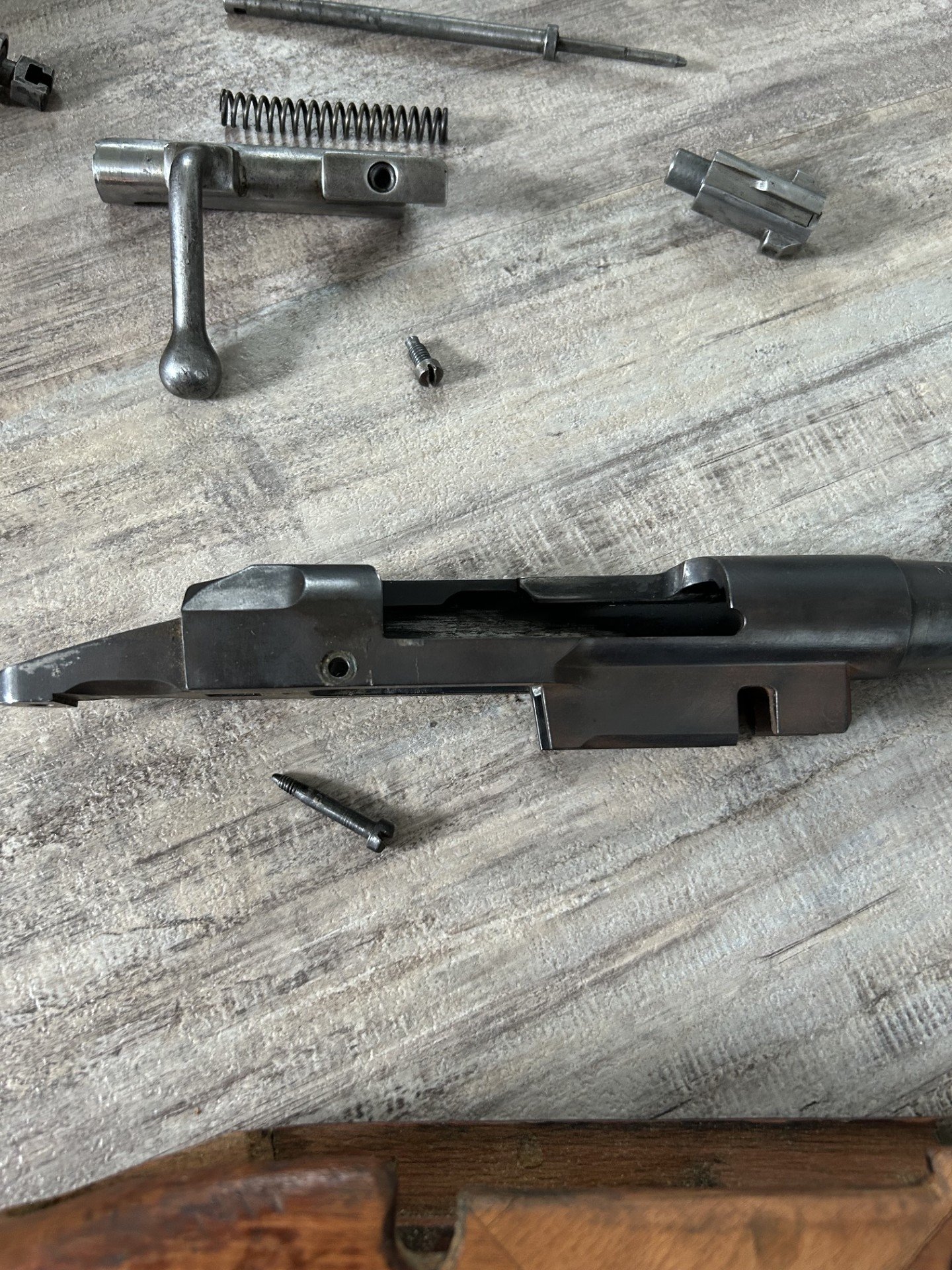
Showing the early Berthier receiver lacking the recoil lug
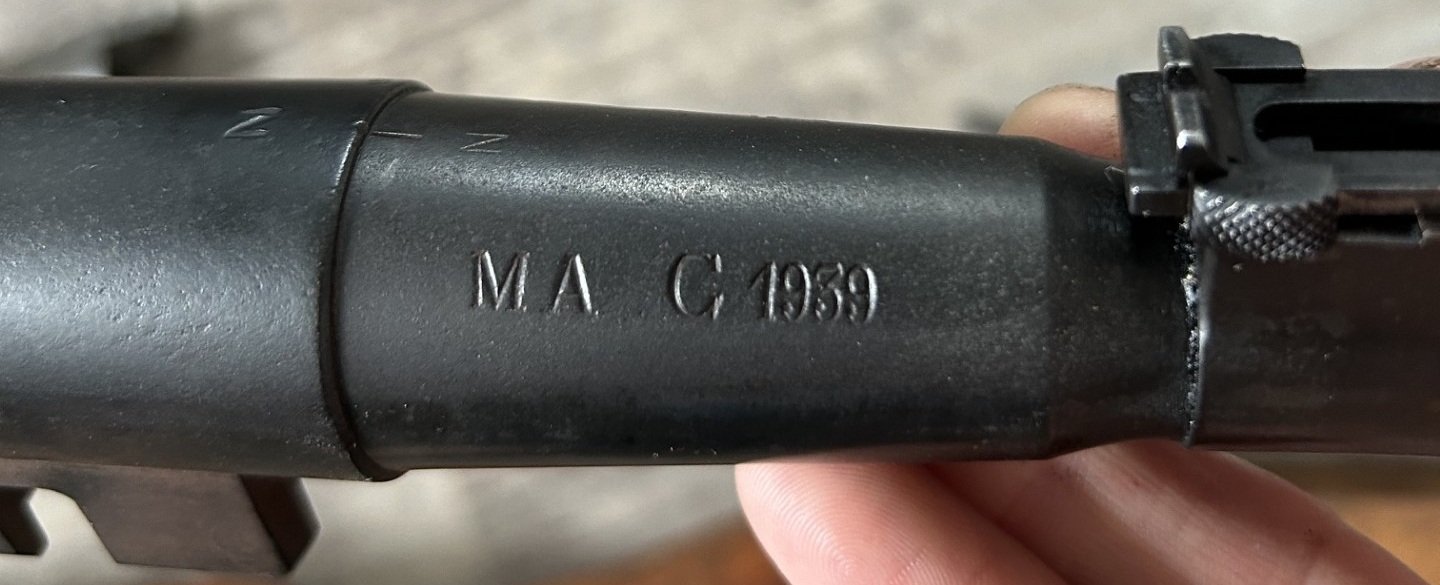
1939 Chatellerault barrel
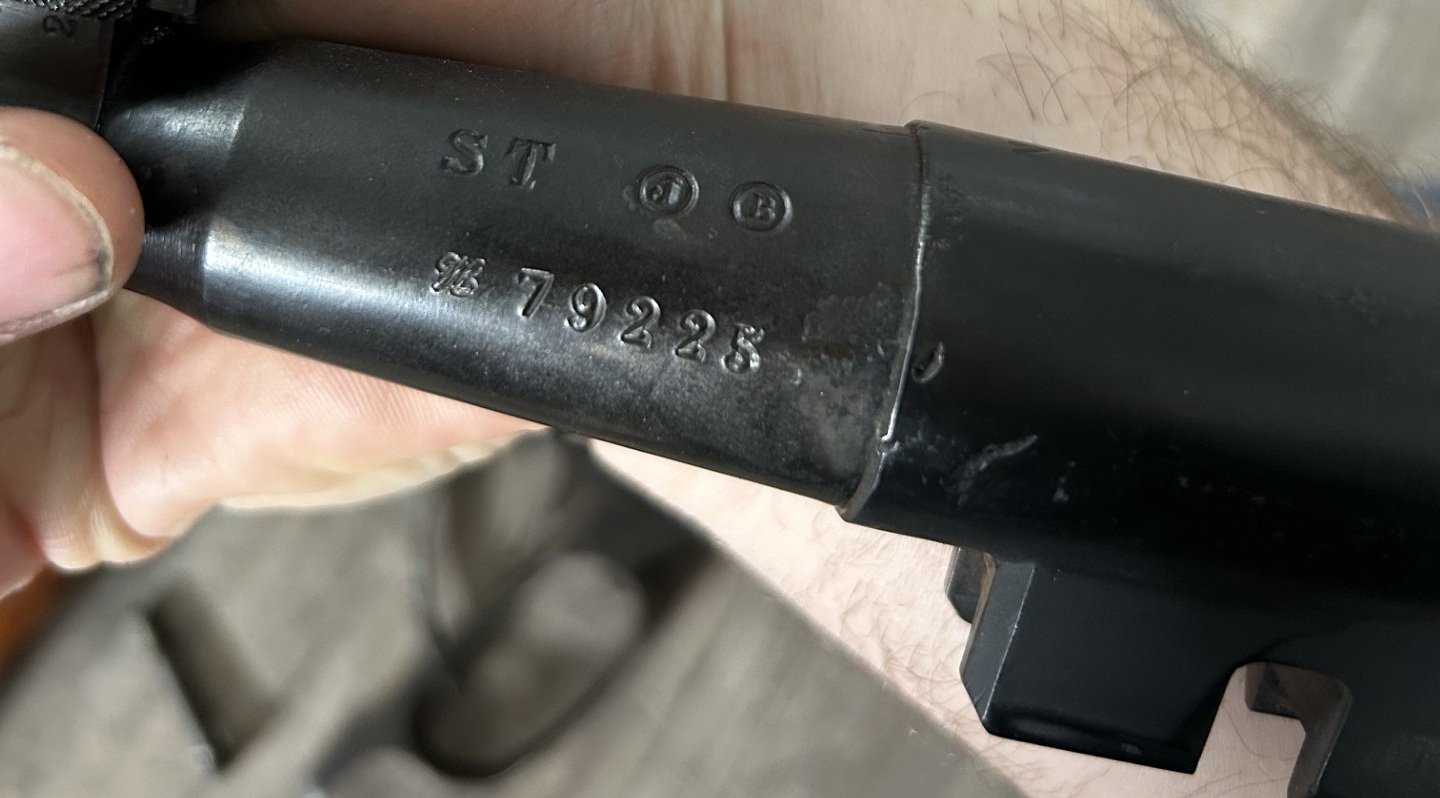
St. Etienne serial number
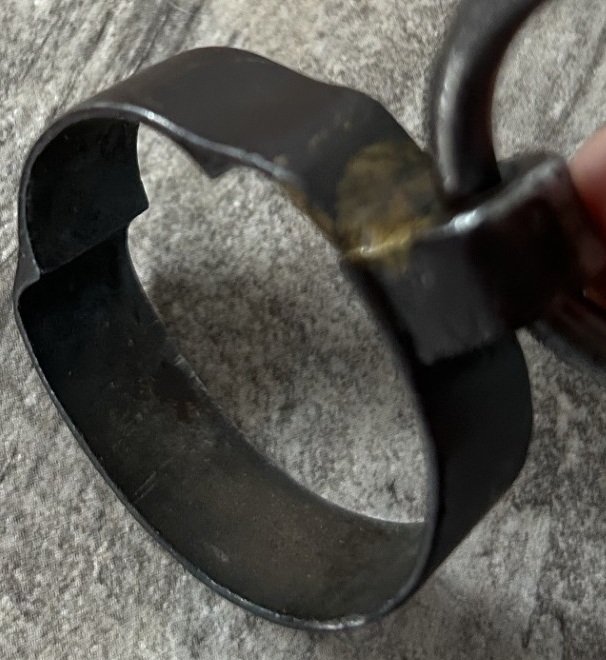
Brazed rear barrel band
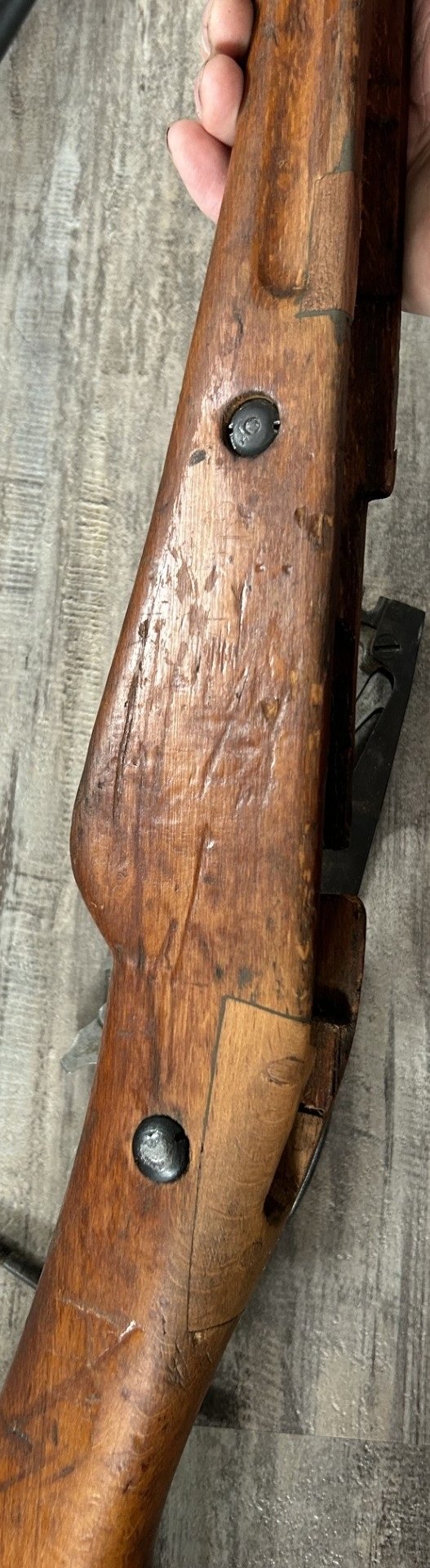
Look at those stock repairs
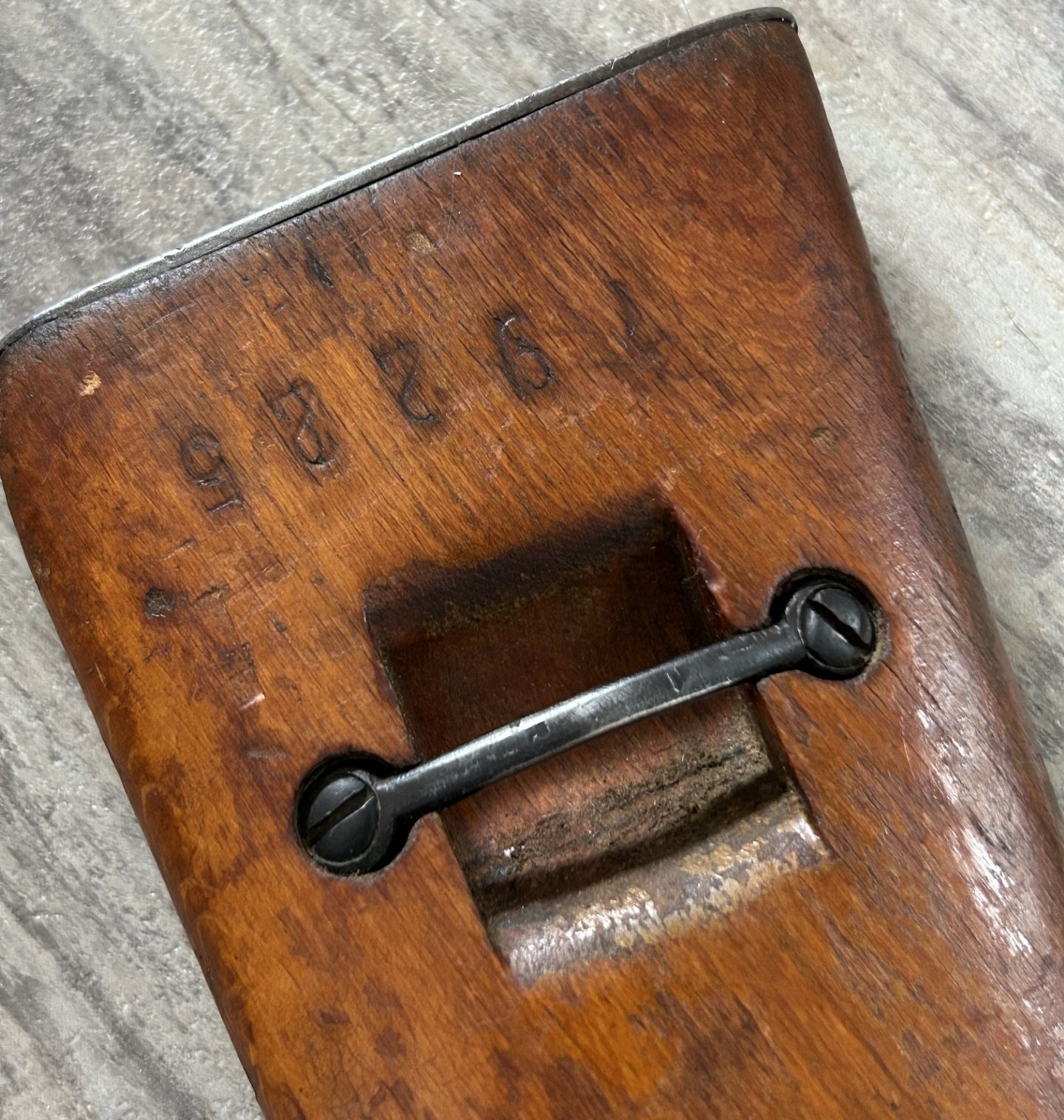
Matching serial number on the stock
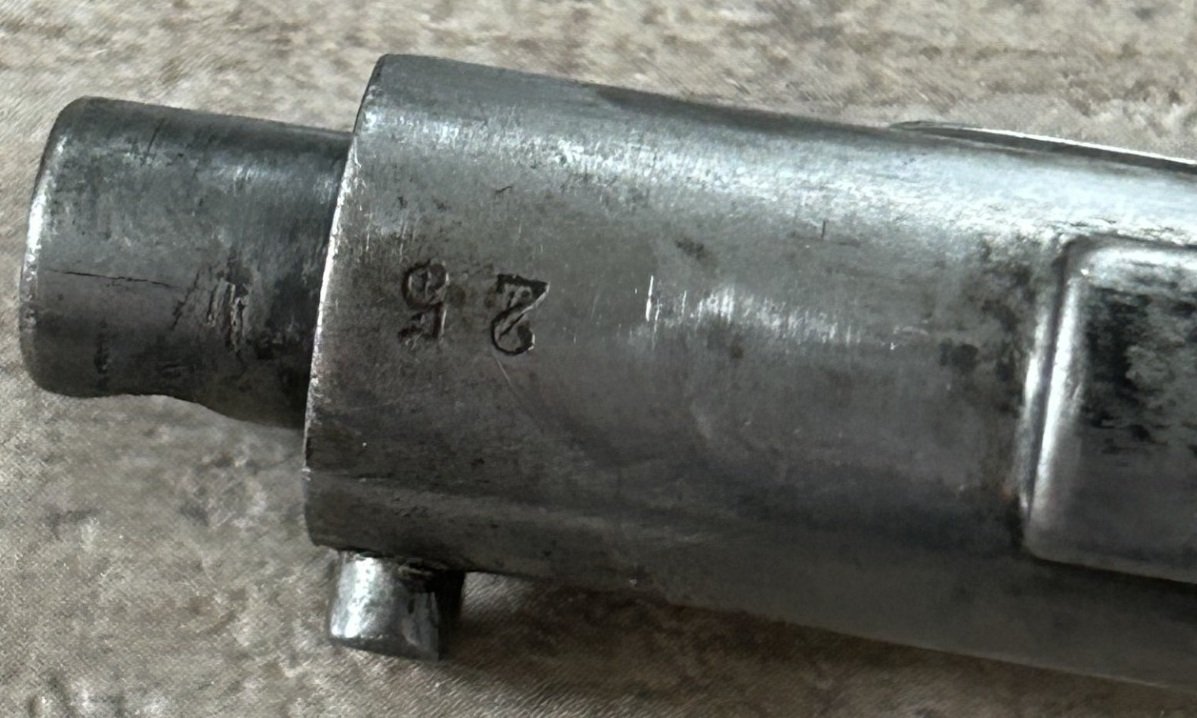
Bolt head serial number
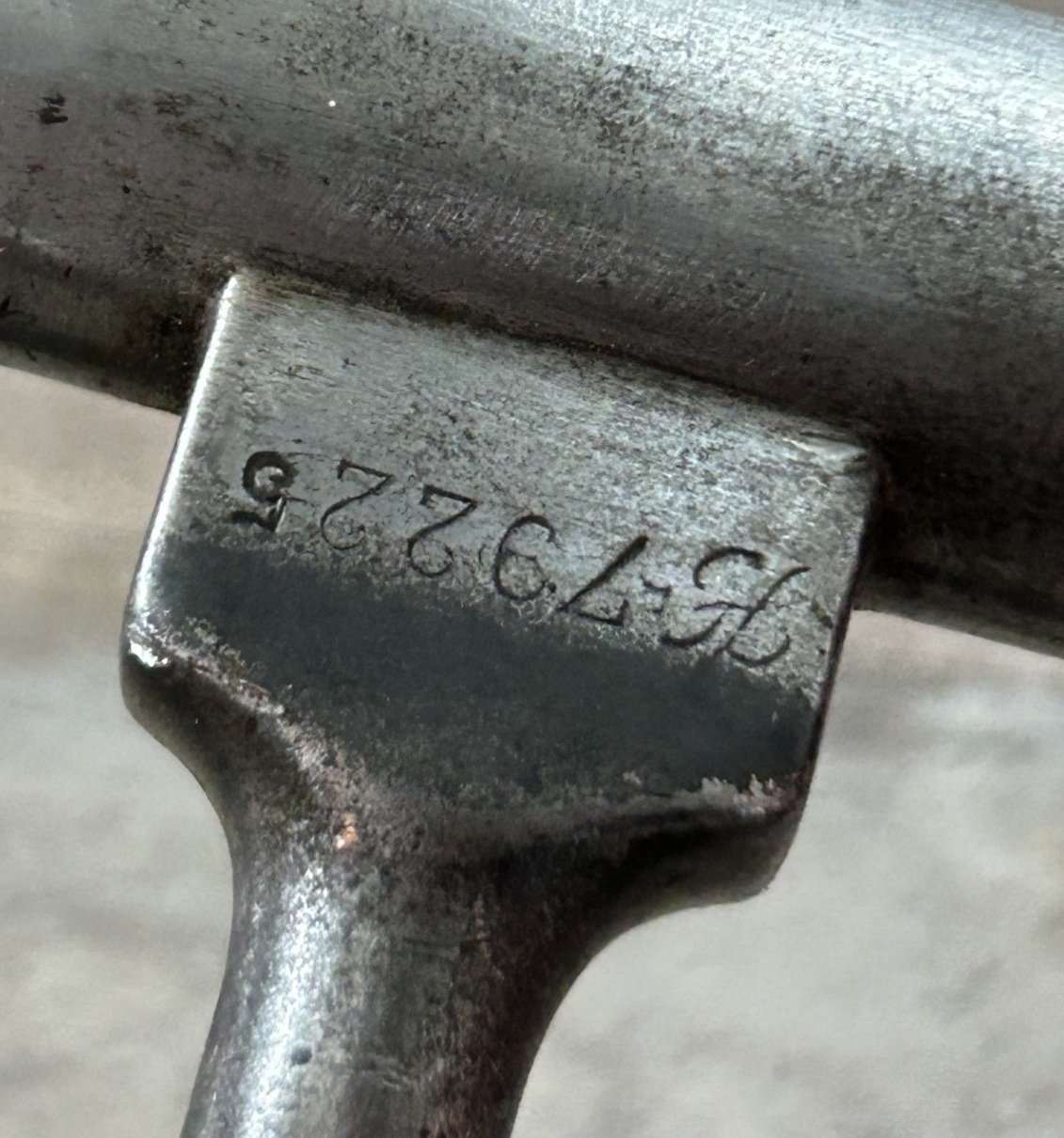
Bolt body serial number
Thought I would share a interesting little 1892 Berthier Carbine I just got. A lot of mixture of new and old, well also showing the differences between numbers matching and factory original.
So the story on this example based off the serial number was made in 1914 by St. Etienne. At some point it likely got blown up/receiver damaged and that was replaced with a early (pre-1909) Chatellerault 1892 receiver (due to missing the extended recoil lug, which is very odd this example does not have). France was interesting in that they didn't consider the receiver to be the serialized part/master part, rather the barrel so the numbered parts were based off the barrel serial number and receivers were considered interchangeable when replacement was needed.
At some point post 1926 the stock was changed, to a newly made M16 style carbine stock (as noted by the sling bar and lack of clearing rod slot) possibly at the same time as the barrel, 1939, the only definitive rebuild date. The front barrel band had the standard stacking rod added to it sometime post 1927 (again only confirmed rebuild being 1939). The barrel was changed in 1939 to the later M16 style with the larger rear sight (not needed on this carbine as it lacks the handguard of a M16 carbine), and the large front post with a tiny notch in the middle for fine aiming. The barrel has been manufactured for Balle 'N' as well, which was standard for French firearms post 1932 (pretty hard to find anything in 8mm Lebel which hasn't received the 'N' on the receiver).
The magazine, bolt, bolt head, stock, and barrel all have matching serial numbers. The only parts which might actually be original to this carbine is likely the bolt, bolt head, and magazine (possibly the barrel bands but no way of actually knowing). Every other part, including the receiver, barrel, and stock was replaced at some point in time. Most the parts aren't even from the original factory this was manufactured at, the receiver and barrel are Chatellerault manufactured, not St. Etienne. Yet it is numbers matching. A 'Ship of Theseus' type question, which when you have replaced every part in something is it still what it was?
This little carbine has certainly been around the block, with three major stock repairs in it as well, on top of brazing the rear barrel band to fix it. Overall it is a neat piece of history that shows how much can be different when collecting and how little things all add to the story. Also testament to how much effort was put into keeping these firearms servicable. Now for some photos
Chatellerault receiver marking
Showing the early Berthier receiver lacking the recoil lug
1939 Chatellerault barrel
St. Etienne serial number
Brazed rear barrel band
Look at those stock repairs
Matching serial number on the stock
Bolt head serial number
Bolt body serial number























