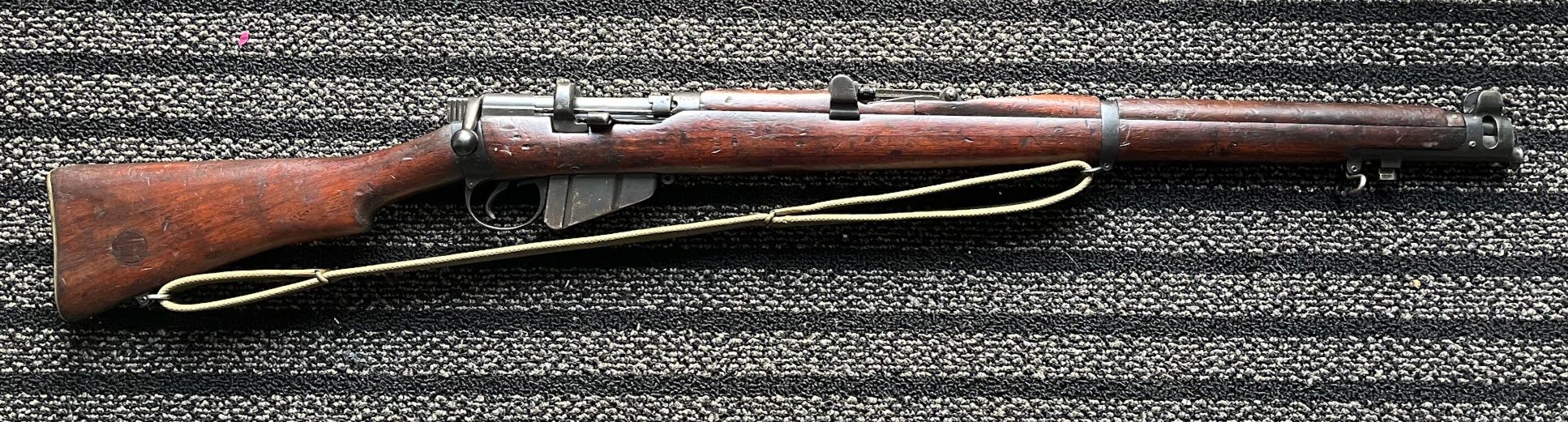
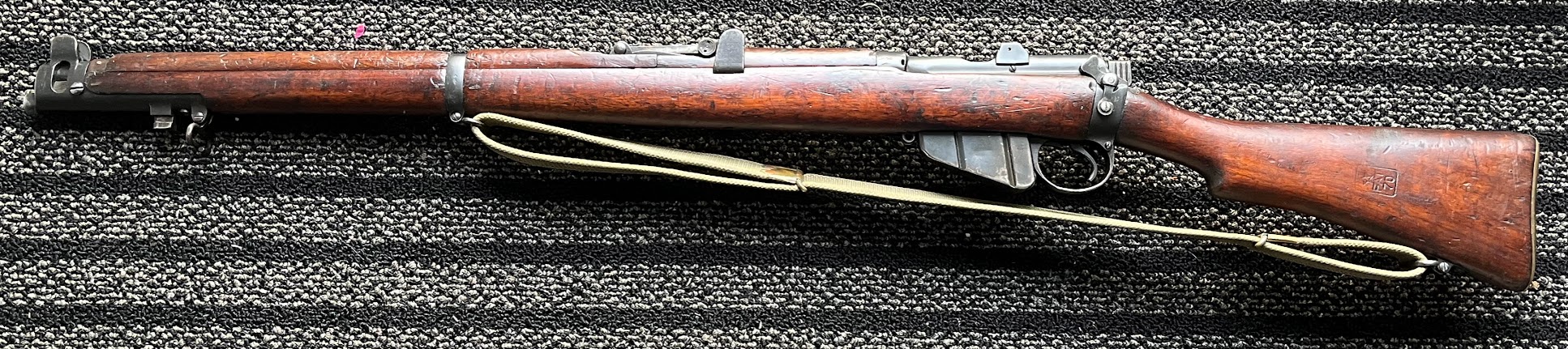
So I spyed this SMLE at a recent auction and when perusing the (poor) photos and even scanter description, I noticed this little sheela was ex-Italian naval service. Something not in the description, but was somewhat evident in a single blurry photo. It still went for too much money (to me), but I had to have it - I did not have an example of several features on this single rifle.
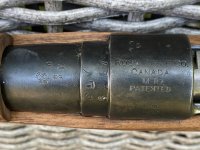
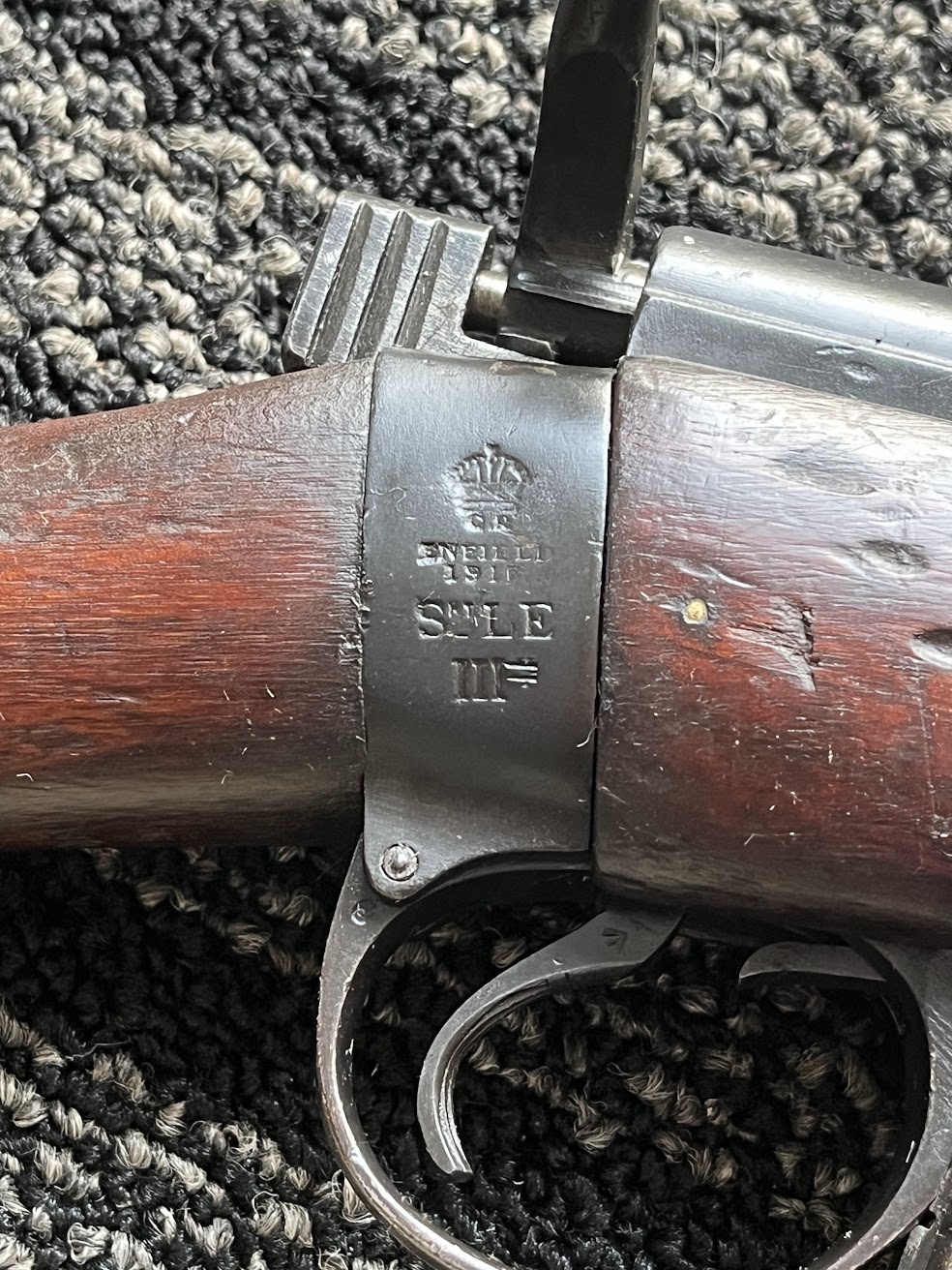
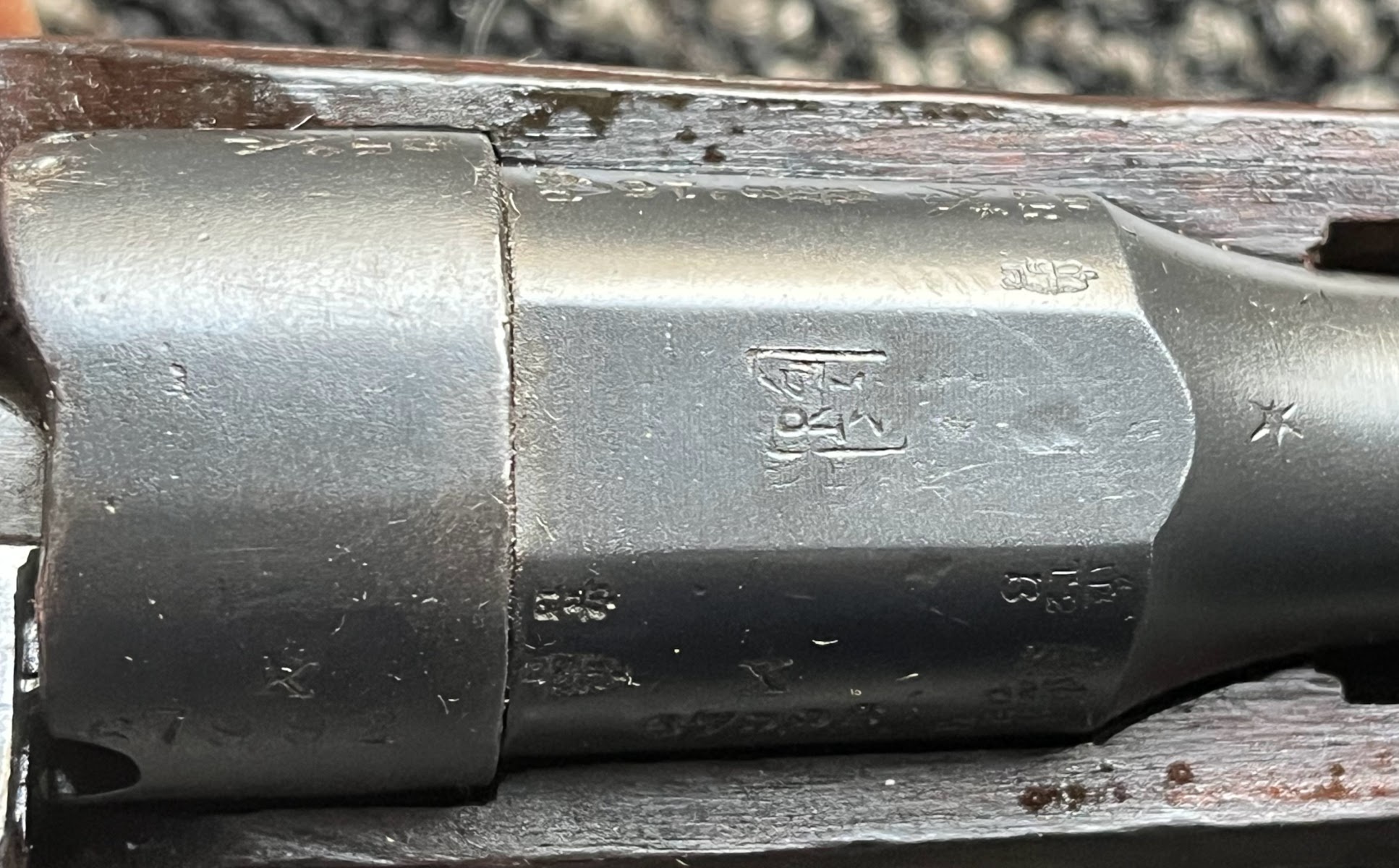
The gun in quesiton is a 1916 made RSAF Enfield Sht LE MkIII* that was overhauled at BSA in November 1923. At that time the receiver was re-machined and turned into a Rifle No.1 MkIII (no star, with the * cancelled out).
When re-converted, they machined a fresh magazine cutoff slot and installed a cutoff. They changed the rear sight to a windage adjustable one, and if it was not there before, they installed a wide piling swivel - one of the last years the wider swivel was used before they narrow piling swivel was adopted. Not sure if it was in 1916 or 1923, but the buttstock marking disc was filled with a walnut plug.
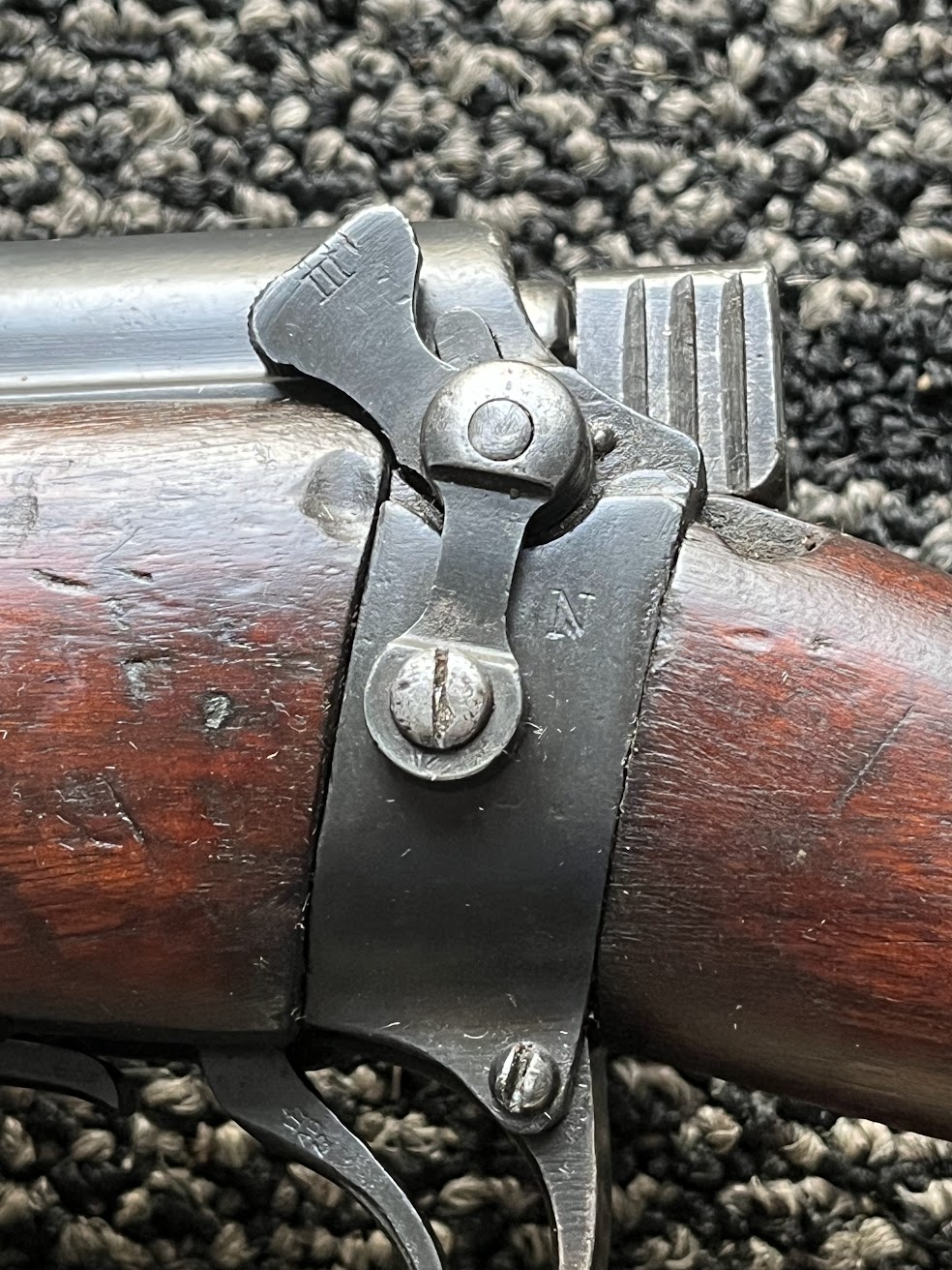
It would appear the rifle was re-built for the Navy, which would explain why it was converted back to a no-star model, and the butt socket was thusly N marked.
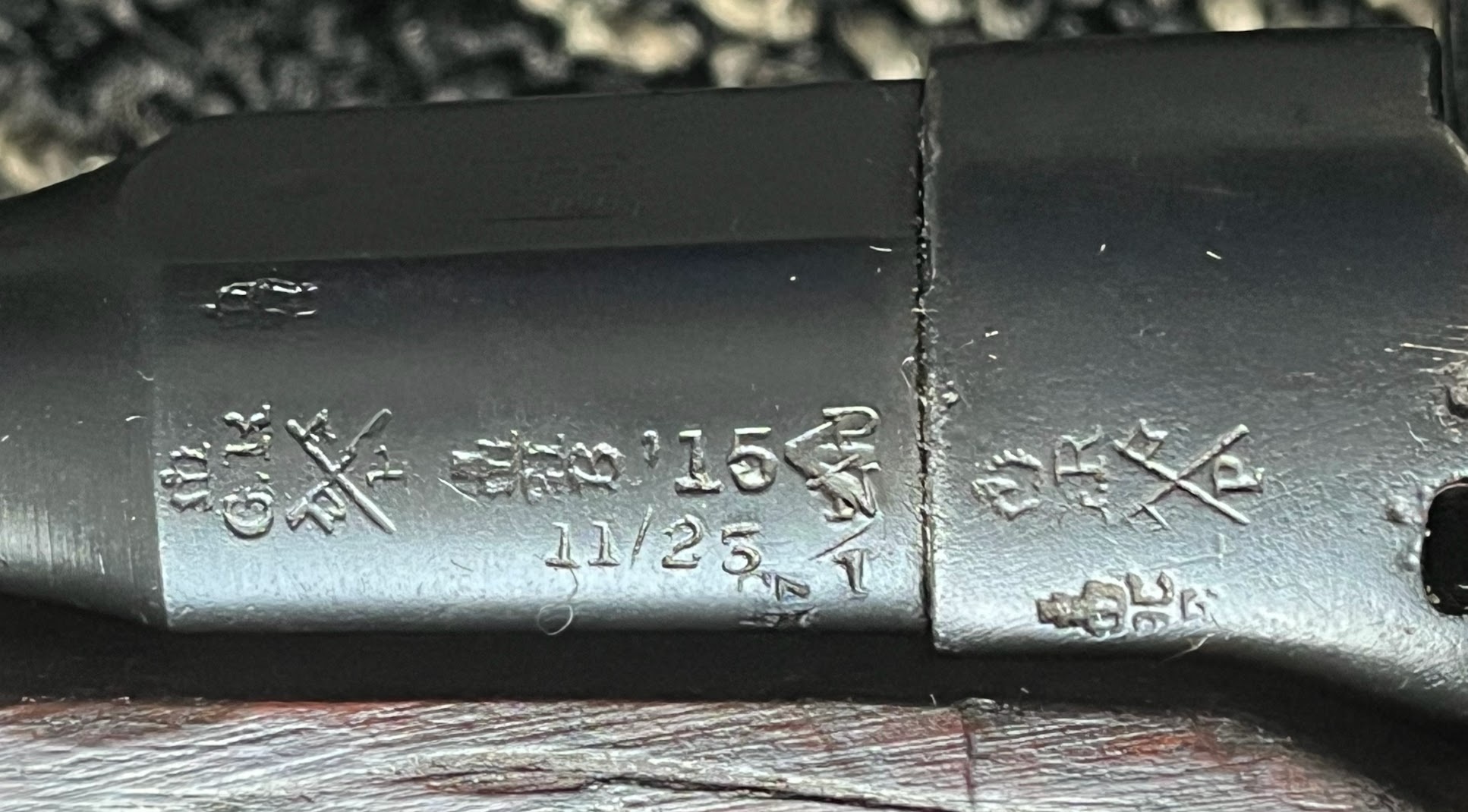
The barrle markings are interesting and not sure what to make of them. I can't find evidence either the receiver or barrel had an older serial number scrubbed and re-stamped, but the receiver is 1916 enfield and the barrel is a 1915 BSA. The receiver is serialized in Enfield "typewriter" font (look at the base of the "2"), while the barrel and rear sight assembly are in BSA typewriter font (again, note the squigly base to the "2"). Nearly all parts of the rifle except the receiver have BSA italicized B inspection proofs. The only thing that makes sense to me is that the gun must originally have been made in December 1915 or January 1916. Enfield must have supplied the receiver to BSA to make up shortfalls at the time, which I believe did happen. Either that, or when BSA rebuilt the rifle in 1925, they pulled a good barrel off an otherwise unserviceable 1915 BSA and re-numbered it skillfully enough that I can 't see where the old number was scrubbed. Either is possible.
The front wood is 1920's era FTR replacement wood, walnut with superimposed EFD cartouches, likely supplied to BSA by the Navy.
Now things get odd. It may not be well known, but when Italy changed sides in WW2 (in September 1943), The British helped re-equip the Italian forces with allied weaponry. This is where a LOT of No.1MkIII series rifles ended up, as they were being replaced by the No.4 rifle in British front line units. After the war, Italy also got a lot of Savage and Longbranch No.4 rifles. It seems that the Italian Army preferred US guns, and adopted the M1 garand (a smart move), and the Lee Enfields were all given to the Marina Militare (the Italian naval forces, headquartered in Venice).
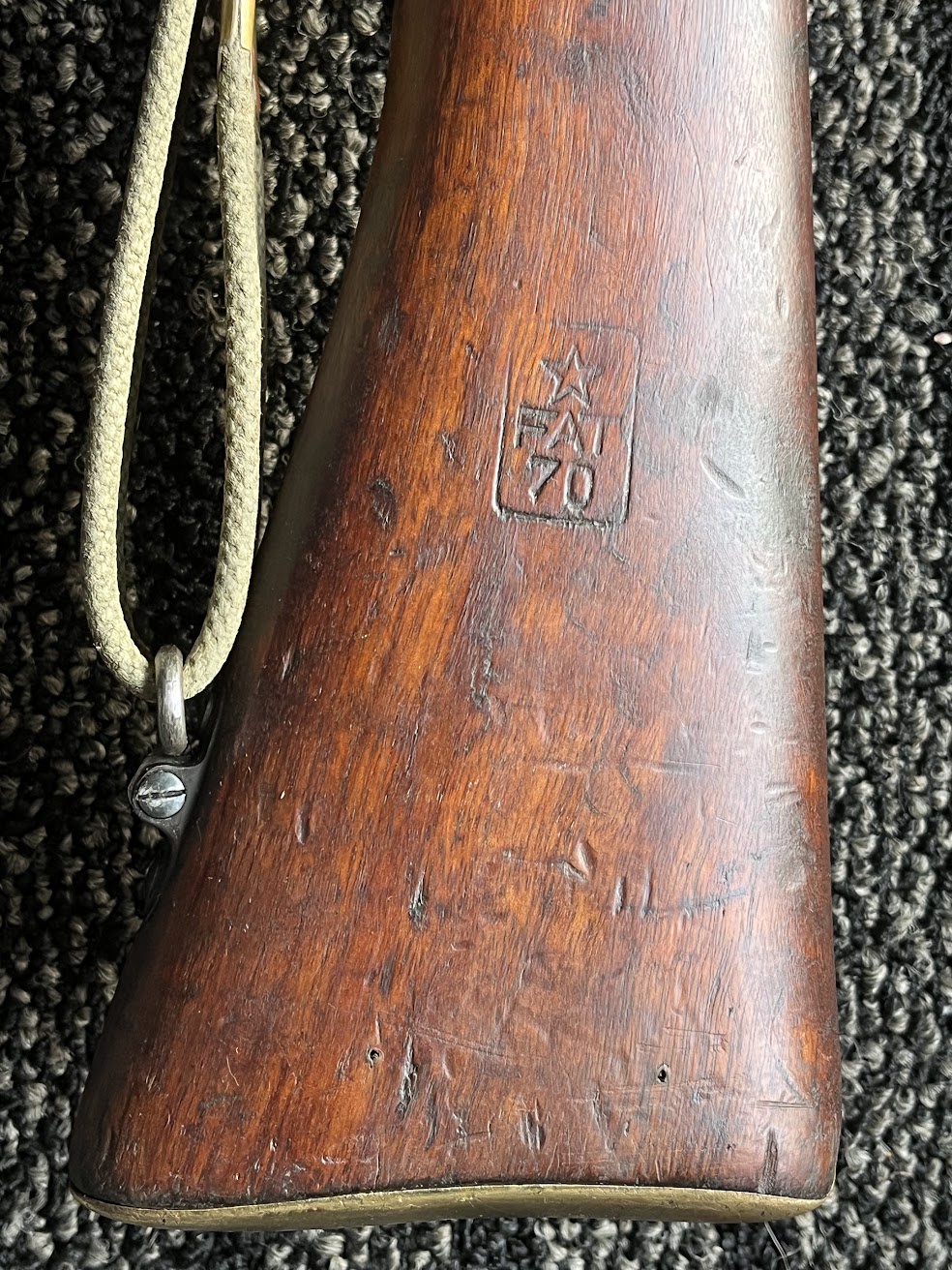
As they needed repairs, these Italian Lee Enfields were sent to Terni for the work (whereas M1 garands went to Beretta or Brescia for reworks). This particular example went to Terni for overhaul in 1970. It's not really clear what they fixed, though the gun was likely reblued at that time (hot dip, and they definitely fixed some rust pitting on the magazine body below the wood line). The bolt and nose cap are serialized in a different font than the Enfield or BSA markings, so likely those parts were changed at the Terni rebuild. For some reason Terni fitted a badly fitting No.4 rifle middle band and No.4 rifle sling swivels at that time. The three parts were badly pitted, sandblasted, reblued, and used on this rifle. It may be blasphemy, but I removed them and installed WW1 era British swivels and a BSA marked middle band. That's how most of these guns would have served in Italy (and how most left Italian service). I figure by 1970, they were likely out of British-supplied No.1MkIII spare parts and were just making do, to do keep guns functional.
Whoever had this gun the last 20 years and sent it to auction likely didn't do much with it when they bought it, there was a lot of cosmolene in the gun when I received it. A bit of a time capsule, really. It had likely not been apart after being surplused.
In the 1990's Italy started scrapping these guns. The story is that an Italian bureaucrat was a history buff and made it his pre-retirement project to save some of them and get them sold on the surplus market to collectors. In 2005 EuroArms stepped in and bought the remaining rifles that had not been scrapped. This gun would have come from that purchase. Euroarms still has the old 2005 era wholesale page for dealers archived on their website here: http://www.euroarms.net/efd/introduction.htm and a few of these would have made it to Canada in the 2006-2007 timeframe. I have not seen any around since then. I vaguely remember when a few were for sale, was the VERY early CGN days. I honestly can't remember who was selling them - maybe Lever Arms or Marstar. It was a long time ago.
Anyhow, pretty chuffed to have picked this one up. Anyone else have an Italian lee enfield?
Terni refurb stamp:
1920's era British naval service marking:
cancelled * markings:
1925 rebuild marks:
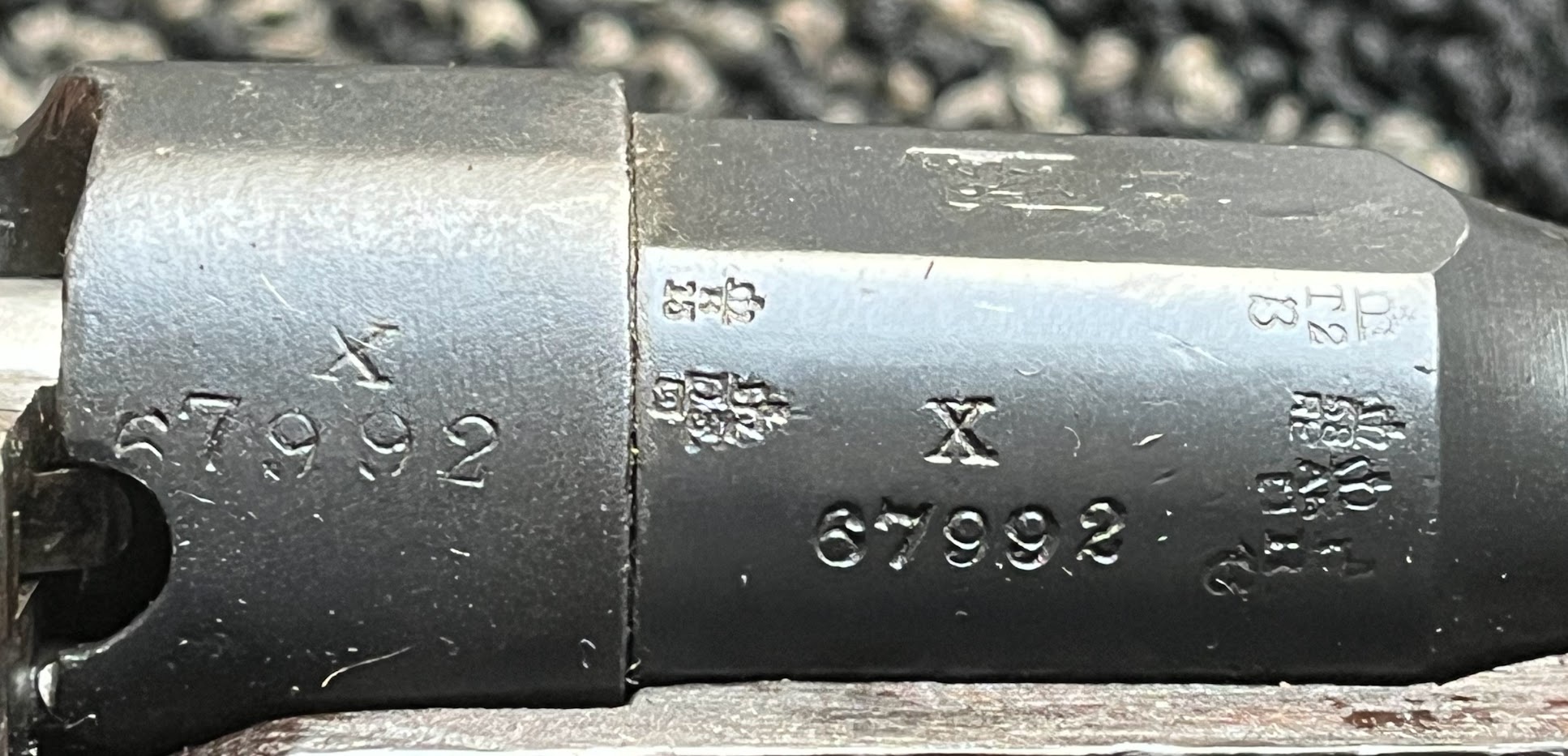
knox form also stamped by Terni in 1970:
The gun in quesiton is a 1916 made RSAF Enfield Sht LE MkIII* that was overhauled at BSA in November 1923. At that time the receiver was re-machined and turned into a Rifle No.1 MkIII (no star, with the * cancelled out).
When re-converted, they machined a fresh magazine cutoff slot and installed a cutoff. They changed the rear sight to a windage adjustable one, and if it was not there before, they installed a wide piling swivel - one of the last years the wider swivel was used before they narrow piling swivel was adopted. Not sure if it was in 1916 or 1923, but the buttstock marking disc was filled with a walnut plug.
It would appear the rifle was re-built for the Navy, which would explain why it was converted back to a no-star model, and the butt socket was thusly N marked.
The barrle markings are interesting and not sure what to make of them. I can't find evidence either the receiver or barrel had an older serial number scrubbed and re-stamped, but the receiver is 1916 enfield and the barrel is a 1915 BSA. The receiver is serialized in Enfield "typewriter" font (look at the base of the "2"), while the barrel and rear sight assembly are in BSA typewriter font (again, note the squigly base to the "2"). Nearly all parts of the rifle except the receiver have BSA italicized B inspection proofs. The only thing that makes sense to me is that the gun must originally have been made in December 1915 or January 1916. Enfield must have supplied the receiver to BSA to make up shortfalls at the time, which I believe did happen. Either that, or when BSA rebuilt the rifle in 1925, they pulled a good barrel off an otherwise unserviceable 1915 BSA and re-numbered it skillfully enough that I can 't see where the old number was scrubbed. Either is possible.
The front wood is 1920's era FTR replacement wood, walnut with superimposed EFD cartouches, likely supplied to BSA by the Navy.
Now things get odd. It may not be well known, but when Italy changed sides in WW2 (in September 1943), The British helped re-equip the Italian forces with allied weaponry. This is where a LOT of No.1MkIII series rifles ended up, as they were being replaced by the No.4 rifle in British front line units. After the war, Italy also got a lot of Savage and Longbranch No.4 rifles. It seems that the Italian Army preferred US guns, and adopted the M1 garand (a smart move), and the Lee Enfields were all given to the Marina Militare (the Italian naval forces, headquartered in Venice).
As they needed repairs, these Italian Lee Enfields were sent to Terni for the work (whereas M1 garands went to Beretta or Brescia for reworks). This particular example went to Terni for overhaul in 1970. It's not really clear what they fixed, though the gun was likely reblued at that time (hot dip, and they definitely fixed some rust pitting on the magazine body below the wood line). The bolt and nose cap are serialized in a different font than the Enfield or BSA markings, so likely those parts were changed at the Terni rebuild. For some reason Terni fitted a badly fitting No.4 rifle middle band and No.4 rifle sling swivels at that time. The three parts were badly pitted, sandblasted, reblued, and used on this rifle. It may be blasphemy, but I removed them and installed WW1 era British swivels and a BSA marked middle band. That's how most of these guns would have served in Italy (and how most left Italian service). I figure by 1970, they were likely out of British-supplied No.1MkIII spare parts and were just making do, to do keep guns functional.
Whoever had this gun the last 20 years and sent it to auction likely didn't do much with it when they bought it, there was a lot of cosmolene in the gun when I received it. A bit of a time capsule, really. It had likely not been apart after being surplused.
In the 1990's Italy started scrapping these guns. The story is that an Italian bureaucrat was a history buff and made it his pre-retirement project to save some of them and get them sold on the surplus market to collectors. In 2005 EuroArms stepped in and bought the remaining rifles that had not been scrapped. This gun would have come from that purchase. Euroarms still has the old 2005 era wholesale page for dealers archived on their website here: http://www.euroarms.net/efd/introduction.htm and a few of these would have made it to Canada in the 2006-2007 timeframe. I have not seen any around since then. I vaguely remember when a few were for sale, was the VERY early CGN days. I honestly can't remember who was selling them - maybe Lever Arms or Marstar. It was a long time ago.
Anyhow, pretty chuffed to have picked this one up. Anyone else have an Italian lee enfield?
Terni refurb stamp:
1920's era British naval service marking:
cancelled * markings:
1925 rebuild marks:
knox form also stamped by Terni in 1970:
Last edited: