













































Londonshooter
CGN frequent flyer
- Location
- SW Ontario
This maker was unknown to me and the following images and text are copied from a 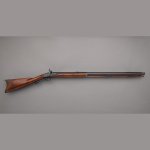
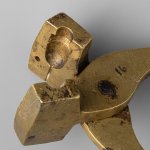
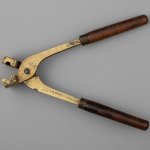
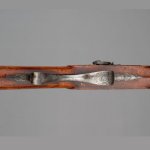
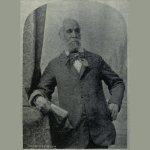
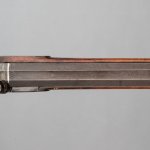
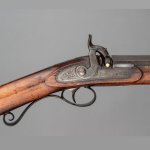 social media post by the MET, NYC. Definitely worth checking out the amazing items featured in their Arms and Armor FB pages
Jones was born into slavery in North Carolina in 1821. His father, a blacksmith, purchased his freedom as well as that of his two brothers and his mother in 1842–43. Jones moved with his family to Ohio, where he earned a BA in classical studies at Oberlin College in 1849, becoming the school’s fourth Black graduate. He then began his career as a professional gunsmith and engraver, working in Ohio, California, Oregon, and Chatham, Ontario. Jones exhibited firearms and received awards at the 1859 California State Fair, the Industrial Exhibition in Montreal in August, 1860, and the Provincial Exhibition held in Hamilton, Ontario in 1864. In 1855, the African American abolitionist Samuel Ringgold Ward (1817–ca. 1866) wrote that Jones “stands head and shoulders above any gun-smith west of London,” and “has not his superior as a gunsmith in Canada, if indeed North America."
social media post by the MET, NYC. Definitely worth checking out the amazing items featured in their Arms and Armor FB pagesDepartment of Arms and Armor at the Metropolitan Museum of Art
This signed rifle and bullet mold were made by James Monroe Jones, one of the few Black gunsmiths and engravers active in the United States and Canada during the mid-nineteenth century—a period when gun ownership by Black people was prohibited in the United States by state “Slave Codes” until the Civil War. The gun features decoration on the lock, barrel, and mounts, including a nature scene on the trigger guard.Jones was born into slavery in North Carolina in 1821. His father, a blacksmith, purchased his freedom as well as that of his two brothers and his mother in 1842–43. Jones moved with his family to Ohio, where he earned a BA in classical studies at Oberlin College in 1849, becoming the school’s fourth Black graduate. He then began his career as a professional gunsmith and engraver, working in Ohio, California, Oregon, and Chatham, Ontario. Jones exhibited firearms and received awards at the 1859 California State Fair, the Industrial Exhibition in Montreal in August, 1860, and the Provincial Exhibition held in Hamilton, Ontario in 1864. In 1855, the African American abolitionist Samuel Ringgold Ward (1817–ca. 1866) wrote that Jones “stands head and shoulders above any gun-smith west of London,” and “has not his superior as a gunsmith in Canada, if indeed North America."






















