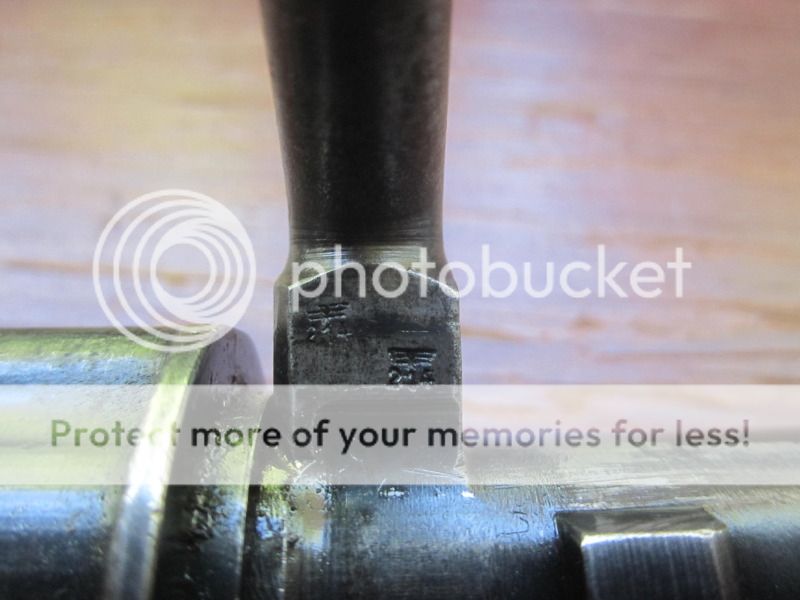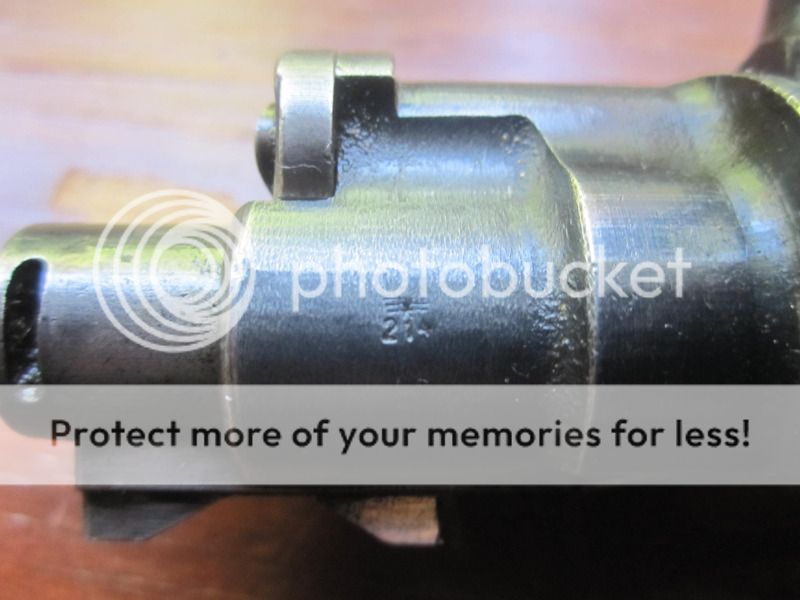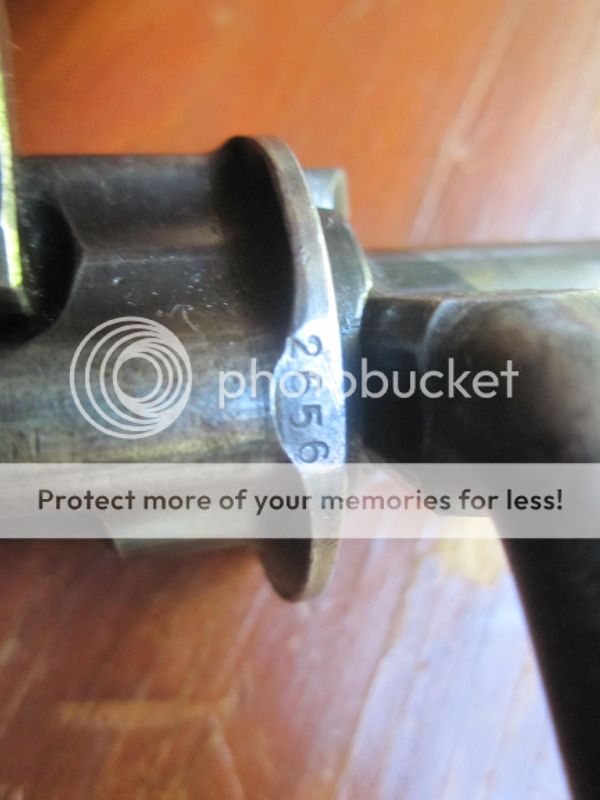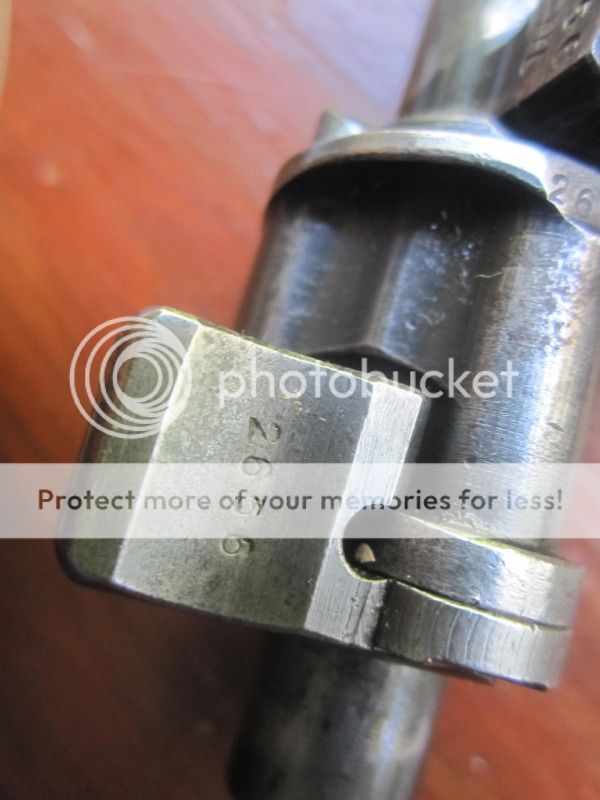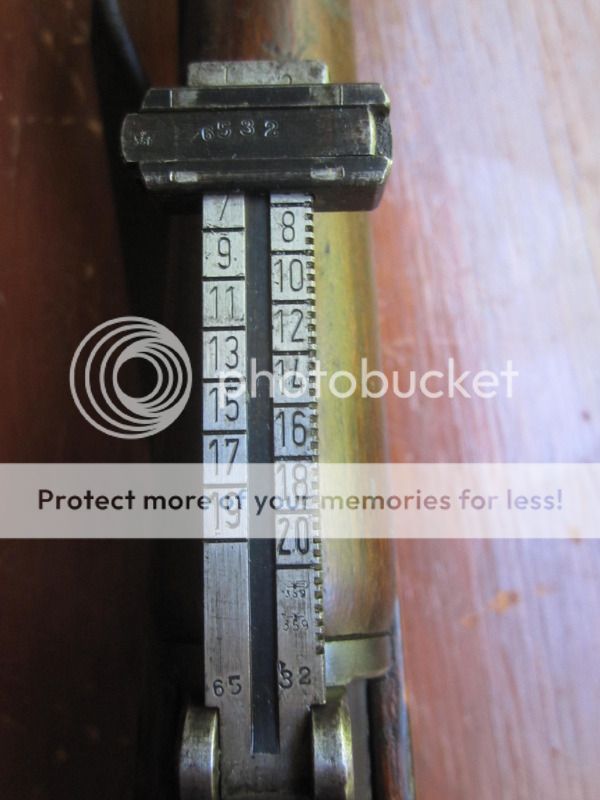































Well, I think I got lucky I think this morning finding this 147 K98k. JP Sauer?
Seller told me it was a Canadian Army vet bring back, and had been sitting in the house for some 60 years. Bore is pristine. Outside has some surface rust, but should easily cleaned up. Just goes to show that there are still some awesome finds out there in original (WW2) conditon tucked away. Either the gun was captued early in the war (Good barrel) or late and did not get used so much, and had a replacement bolt? I don't know. I guess we'll never know.
In 1938 the “S/147” code was changed “147”. The known serial number range of the “S/147” coded rifle is
from 1129 to 9849i. The known serial number range of the “147” coded rifle is from 9663g to 431s. There
was a combined total production run of 195,000 rifles. Weimar and Nazi type eagles continue to appear
together. Waffenamt numbers continue to be “214” and “359”. The entire year's production appears to have
gone to the Army. Solid Walnut stocks and handguards continue to be the norm but the use of laminate
stocks continues to grow. All metal parts continue to be milled and numbered to match the rifle.
During 1939 the Weimar type eagle was phased out. It appears that by the “k" serial number range Nazi style
eagles were being exclusively used. The Waffenamt numbers changed to “37” and “359”.
Stocks and handguards were almost all made of laminate. Sauer produced stocks can not
only be identified by their “214” and “37” waffenamts and also by the use of a smaller
diameter bolt takedown washer in the buttstock. Sauer made K98k's also use smaller
sized proof eagles (as compared to those used by the other manufacturer) on both the
barrels and the receivers. All metal parts continue to be milled and numbered to match
the rifle, and a l2.5 inch-cleaning rod replaced the 10-inch cleaning rod. Flat Buttplates continue to be used.
The known serial number range is from 2106 to 9278t for an estimated production run of 210,000 rifles.
Contract barrels begin to appear, (i.e. “Geco”, “exn”, and “bys” are known examples). ” The entire year's
production appears to have gone to the Army.
The bolt does not match, but it matches it's self. The whole gun is matching otherwise. I would assume that it was a battlefield repair/replace for the bolt as the stock matches perfectly as well. Even the screws match.
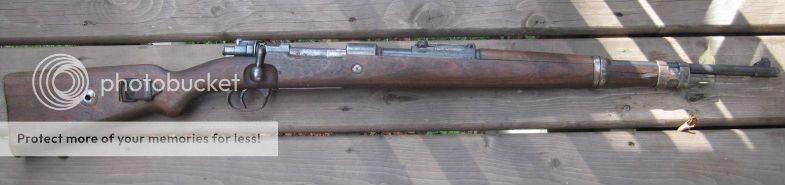
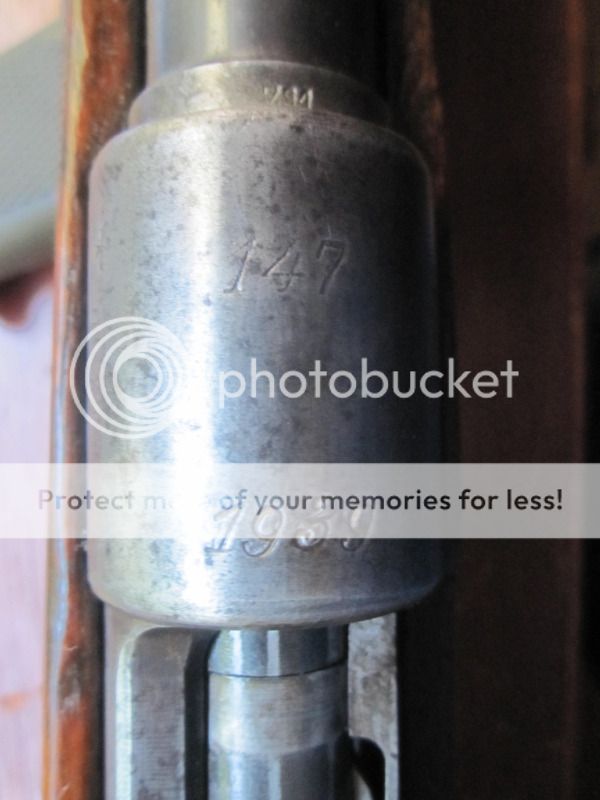
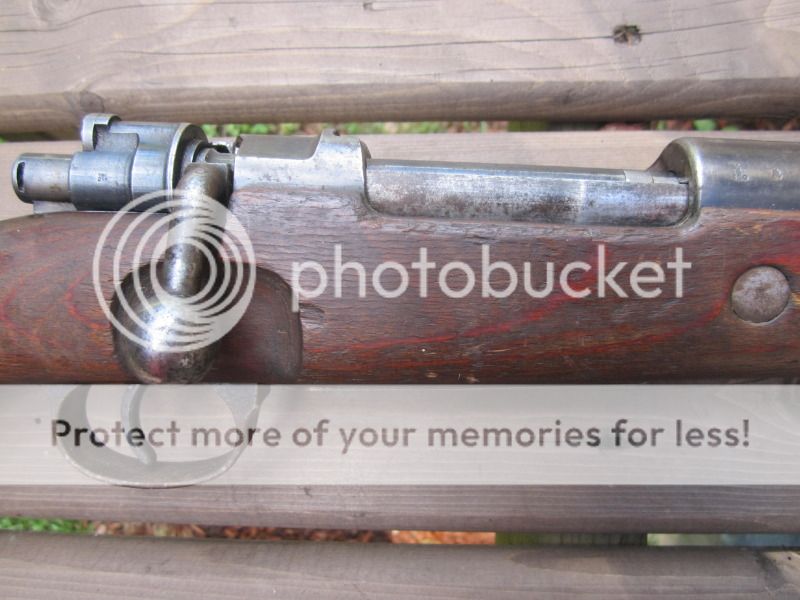
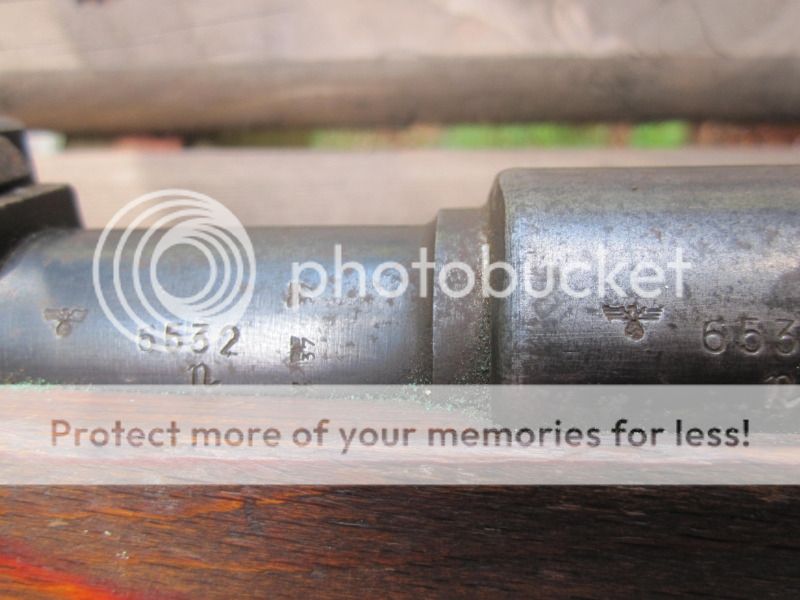
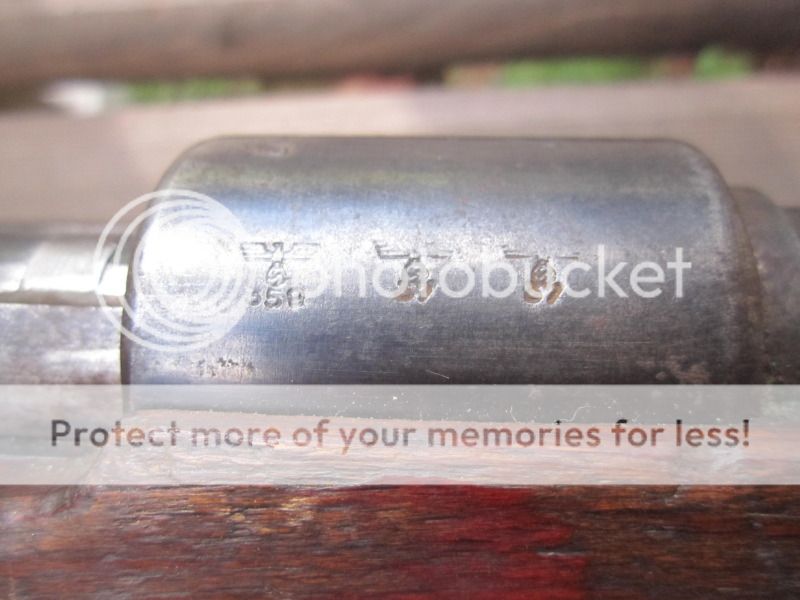
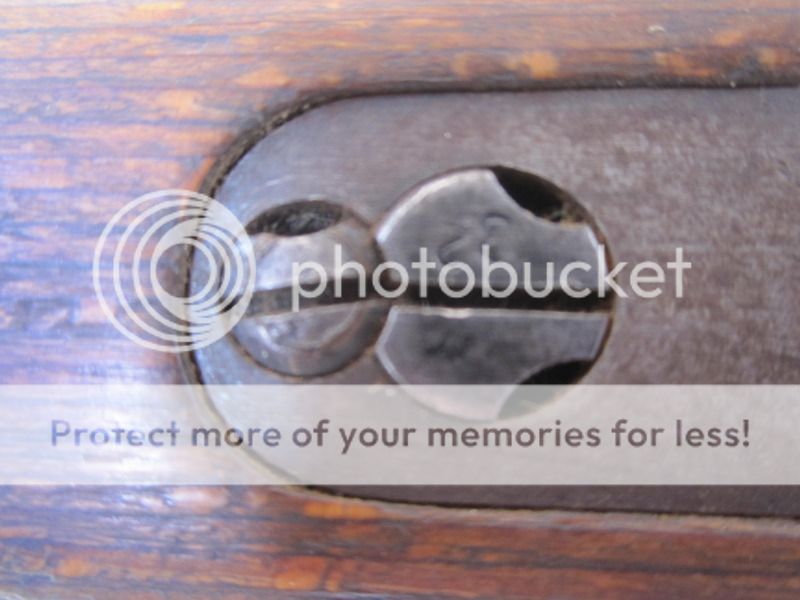
Seller told me it was a Canadian Army vet bring back, and had been sitting in the house for some 60 years. Bore is pristine. Outside has some surface rust, but should easily cleaned up. Just goes to show that there are still some awesome finds out there in original (WW2) conditon tucked away. Either the gun was captued early in the war (Good barrel) or late and did not get used so much, and had a replacement bolt? I don't know. I guess we'll never know.
In 1938 the “S/147” code was changed “147”. The known serial number range of the “S/147” coded rifle is
from 1129 to 9849i. The known serial number range of the “147” coded rifle is from 9663g to 431s. There
was a combined total production run of 195,000 rifles. Weimar and Nazi type eagles continue to appear
together. Waffenamt numbers continue to be “214” and “359”. The entire year's production appears to have
gone to the Army. Solid Walnut stocks and handguards continue to be the norm but the use of laminate
stocks continues to grow. All metal parts continue to be milled and numbered to match the rifle.
During 1939 the Weimar type eagle was phased out. It appears that by the “k" serial number range Nazi style
eagles were being exclusively used. The Waffenamt numbers changed to “37” and “359”.
Stocks and handguards were almost all made of laminate. Sauer produced stocks can not
only be identified by their “214” and “37” waffenamts and also by the use of a smaller
diameter bolt takedown washer in the buttstock. Sauer made K98k's also use smaller
sized proof eagles (as compared to those used by the other manufacturer) on both the
barrels and the receivers. All metal parts continue to be milled and numbered to match
the rifle, and a l2.5 inch-cleaning rod replaced the 10-inch cleaning rod. Flat Buttplates continue to be used.
The known serial number range is from 2106 to 9278t for an estimated production run of 210,000 rifles.
Contract barrels begin to appear, (i.e. “Geco”, “exn”, and “bys” are known examples). ” The entire year's
production appears to have gone to the Army.
The bolt does not match, but it matches it's self. The whole gun is matching otherwise. I would assume that it was a battlefield repair/replace for the bolt as the stock matches perfectly as well. Even the screws match.
Last edited: