












































Hello Musket Lovers,
Here, I will introduce my first acquisition that made me fall in the world of collection. As I already said, I do have a very small collection because it is made of 4 muskets but I think the quality is more important than the quality... and above all, whatever I'm thinking, the best thing for a collector is to be happy with what he has and not with what he could have!
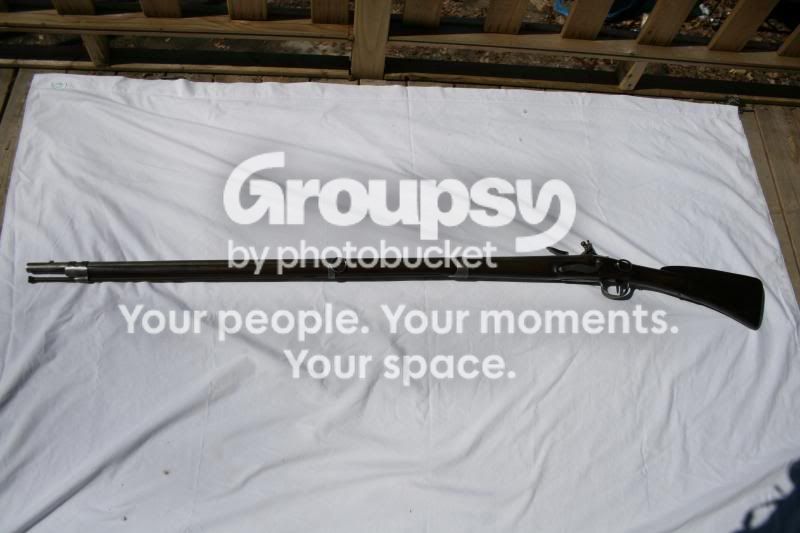
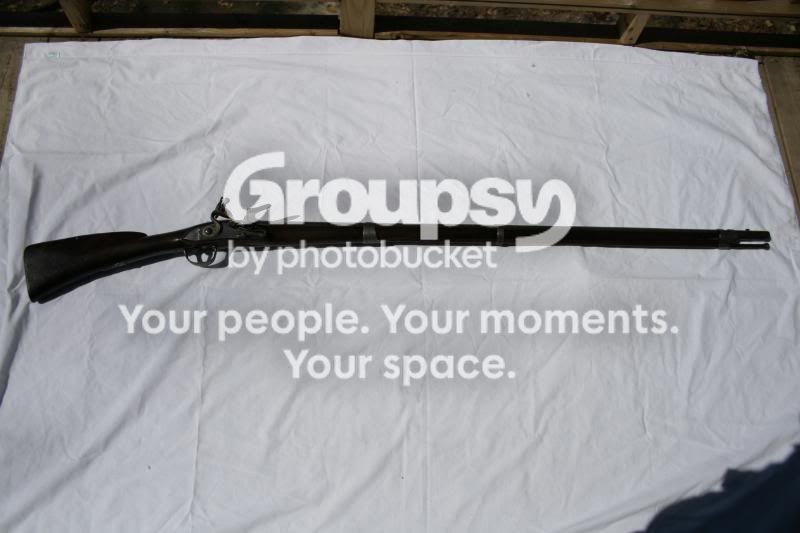
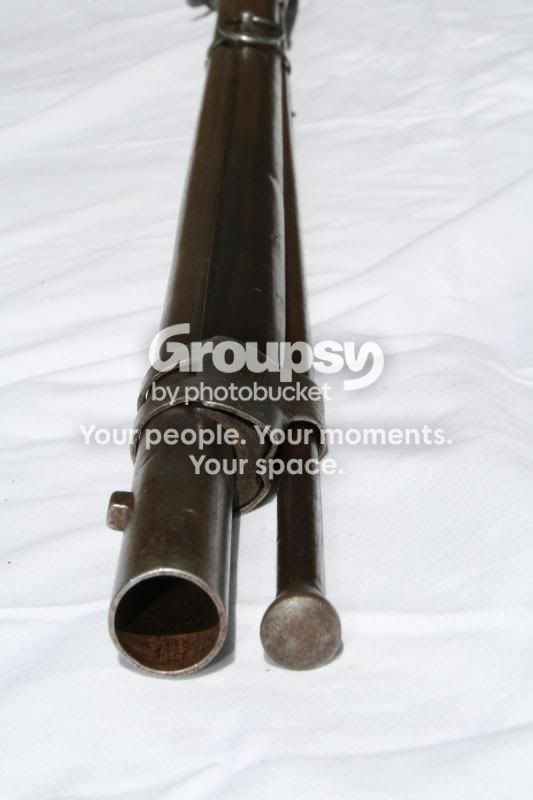
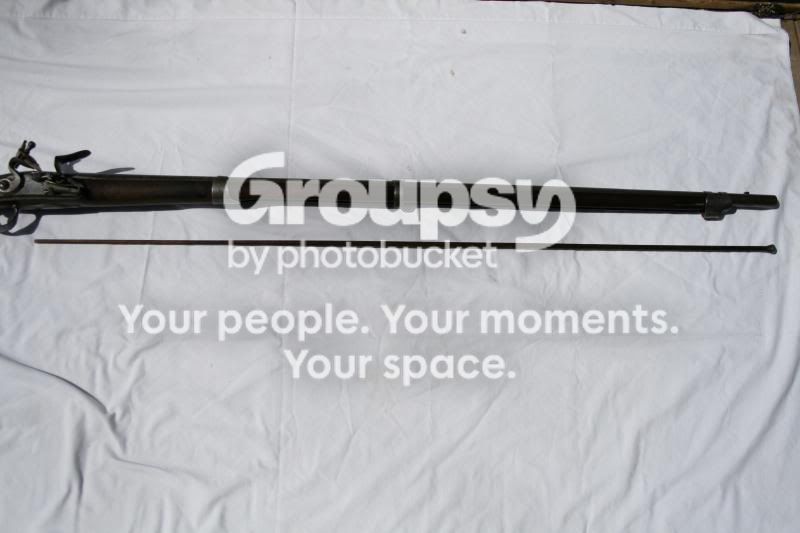
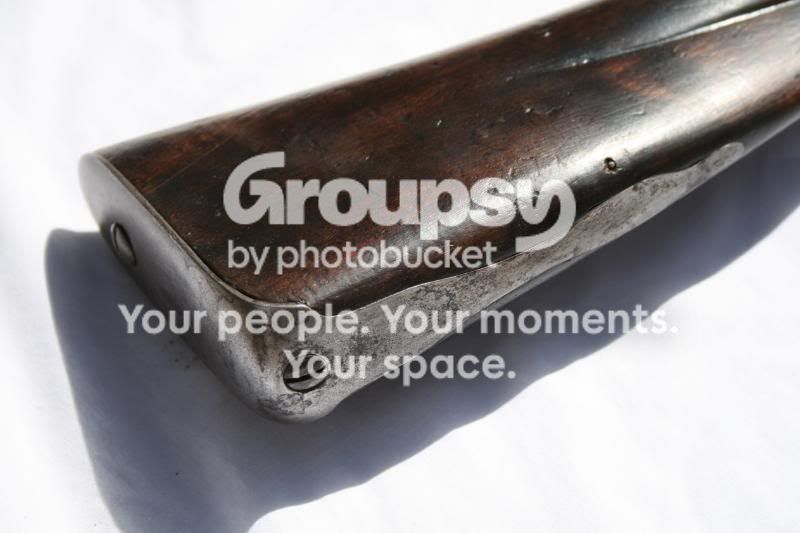
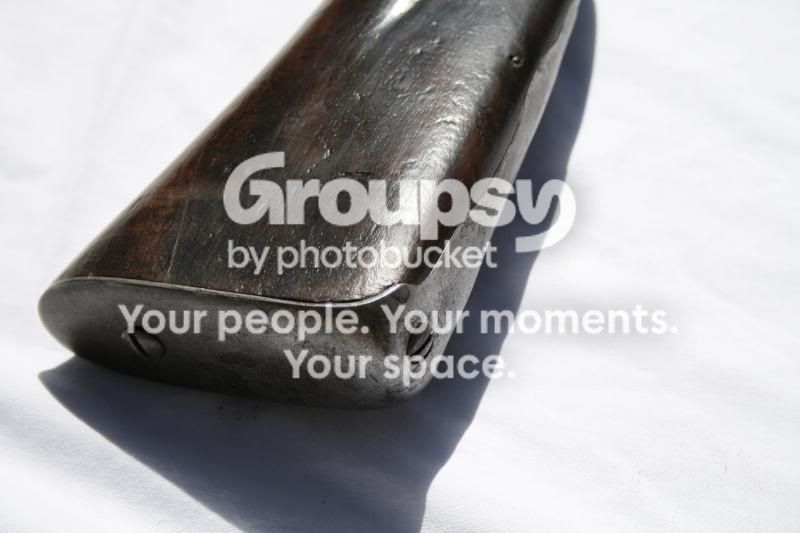
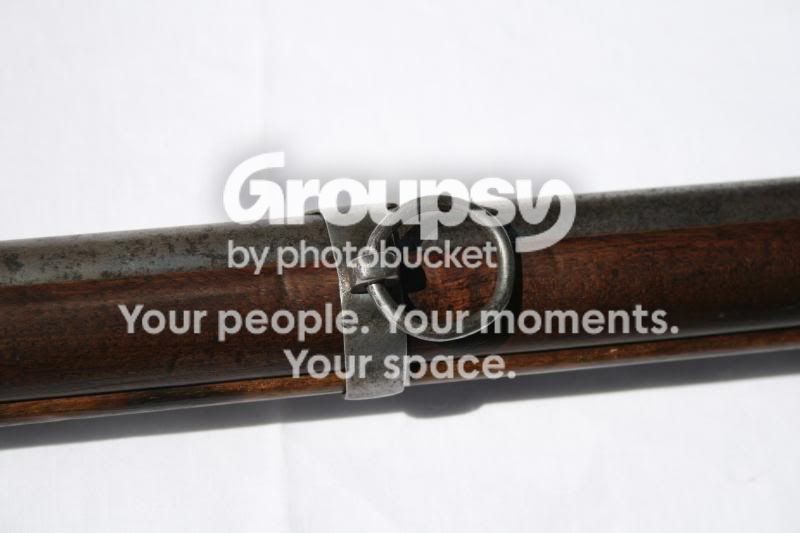
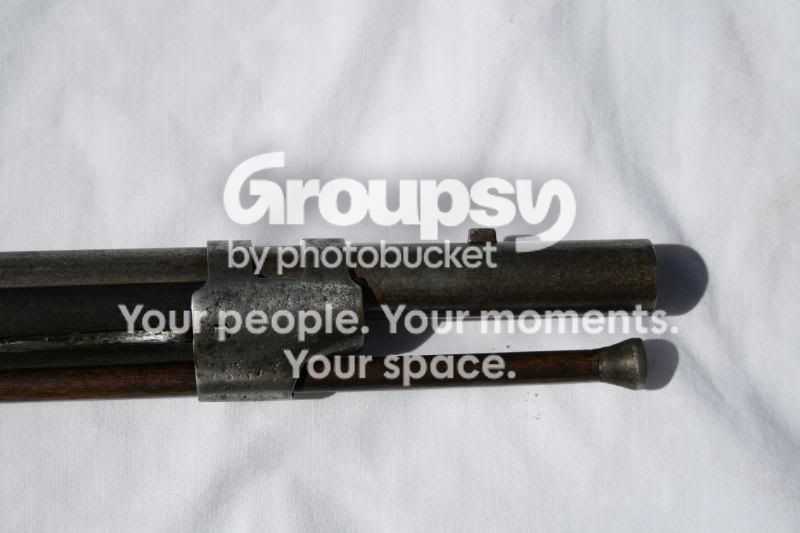
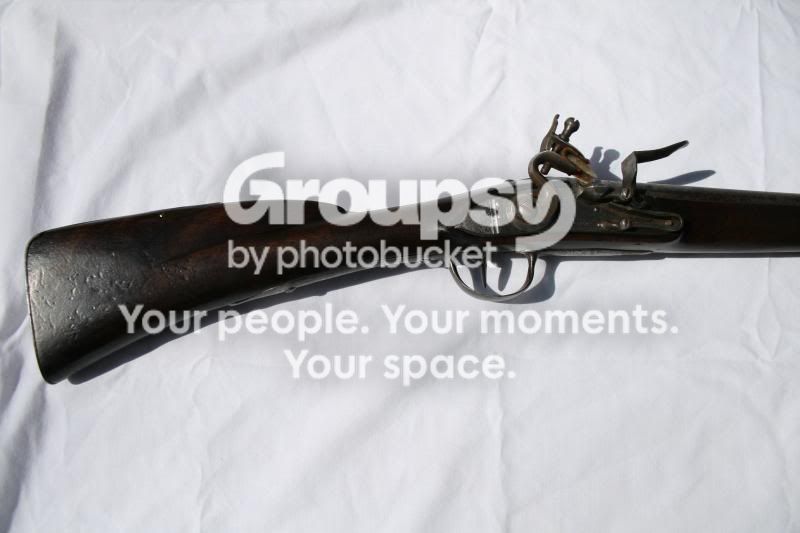
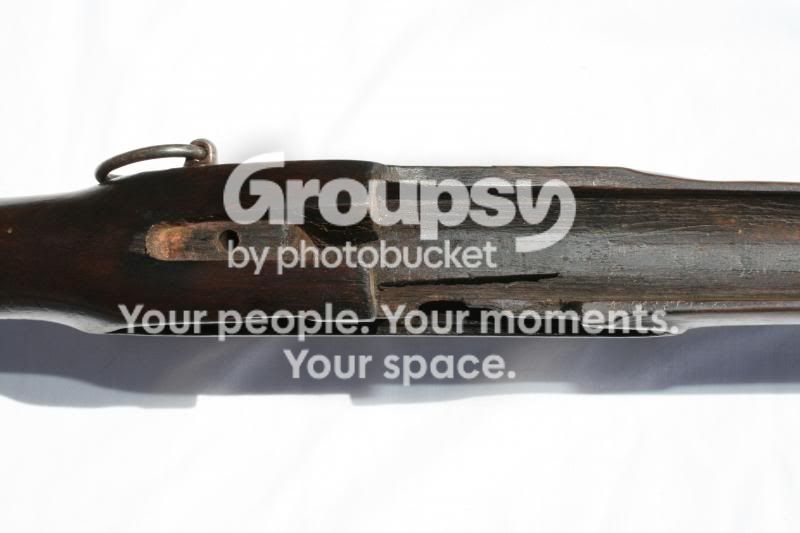
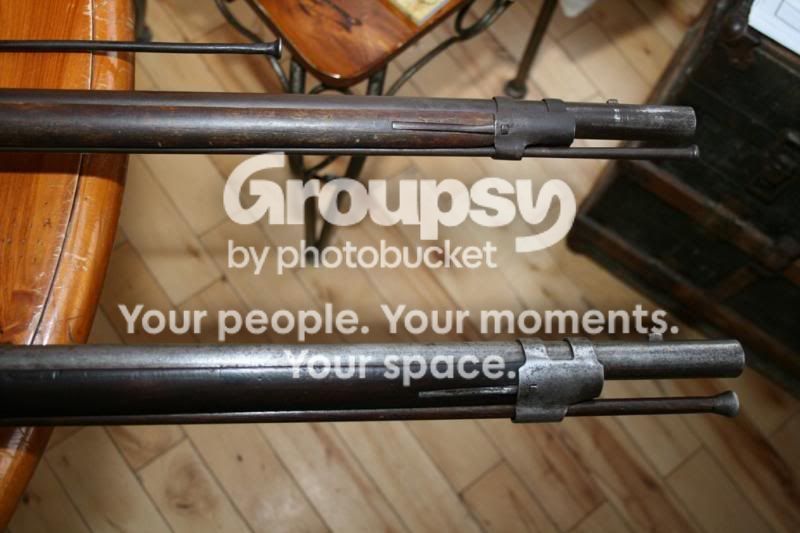
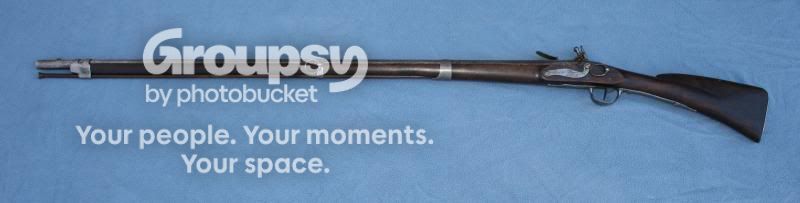
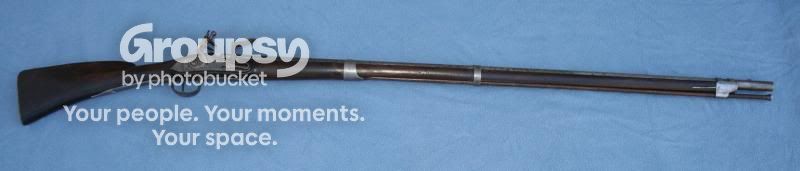
So, the 1728 musket shown in the next pictures is the first model of 1728 musket. It has a wooden ramrod. In 1741, an ordnance was made to change the wooden ramrods for iron made ramrods.
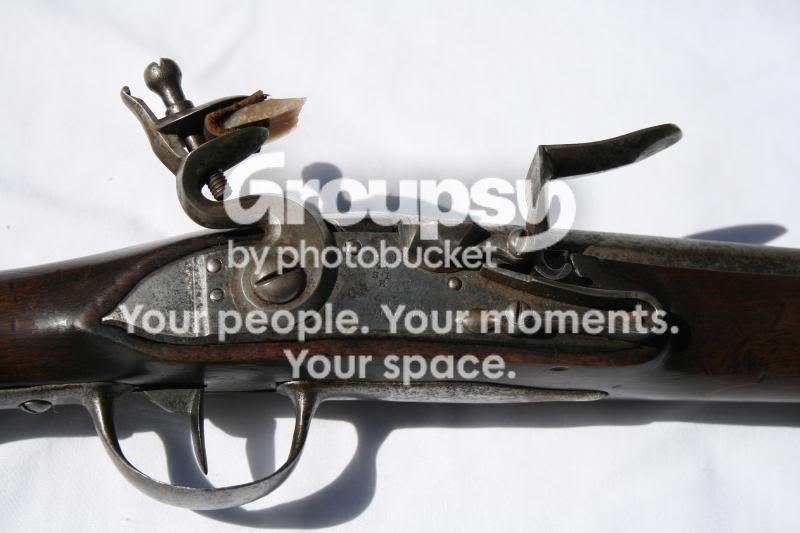
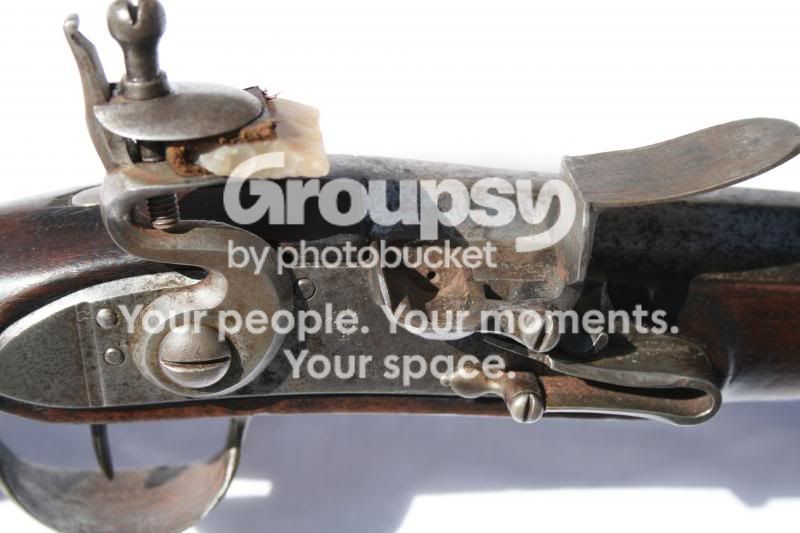
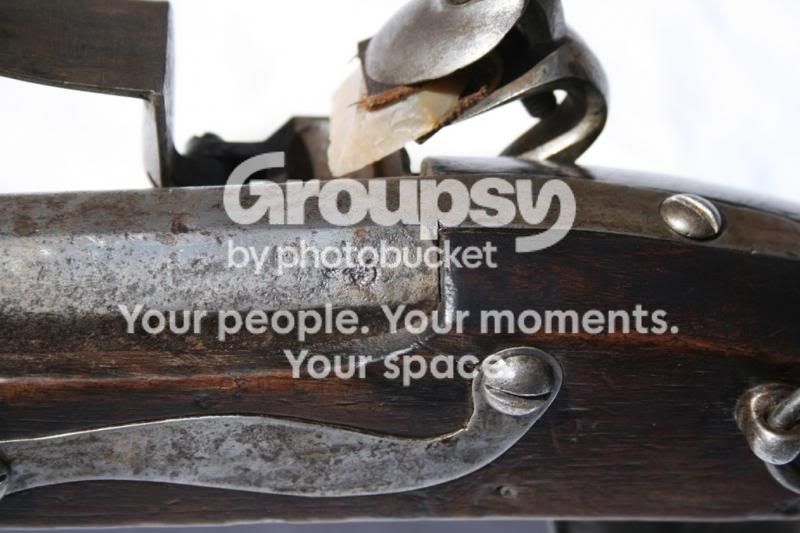
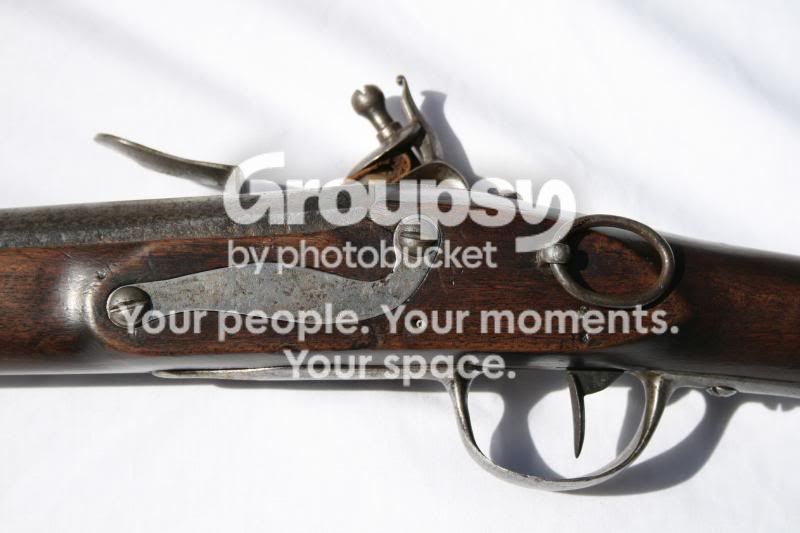
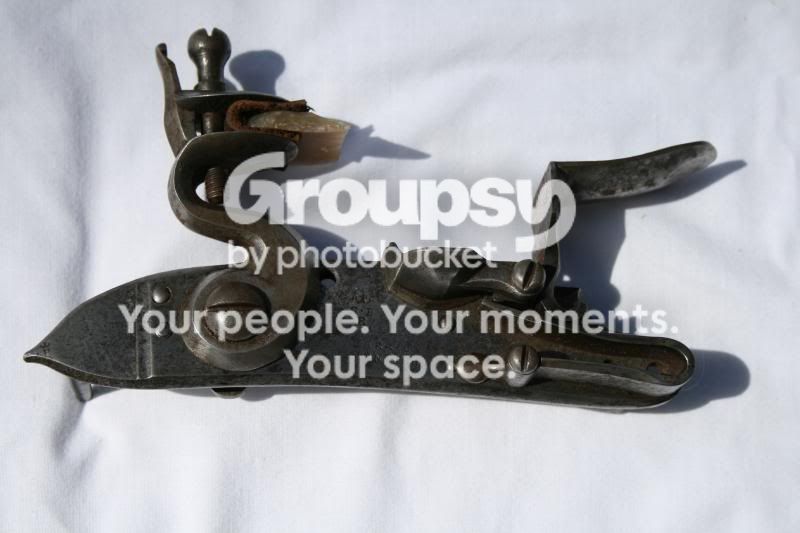
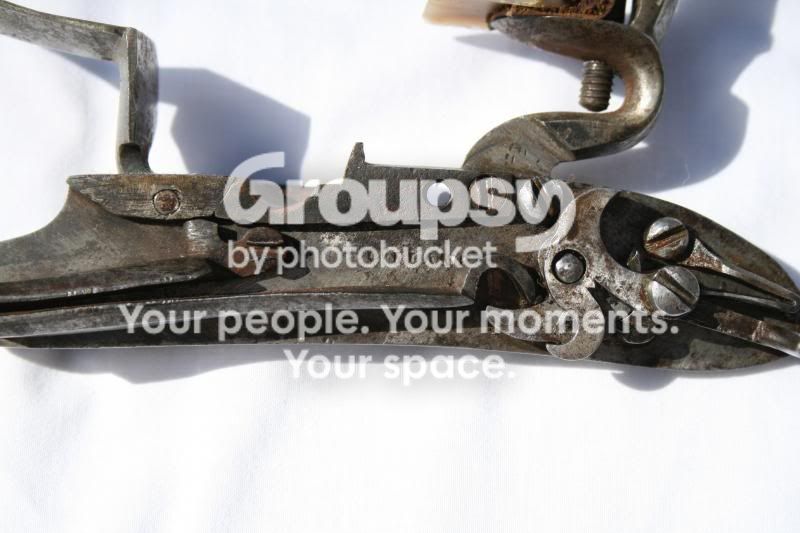
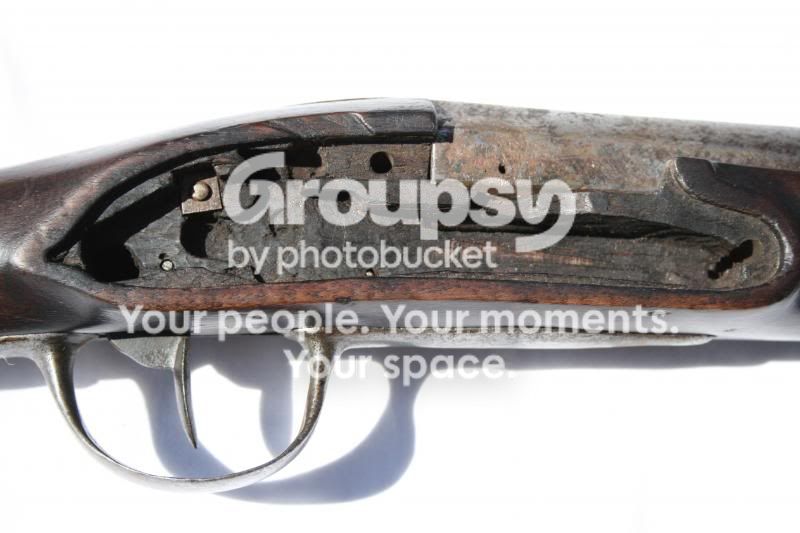
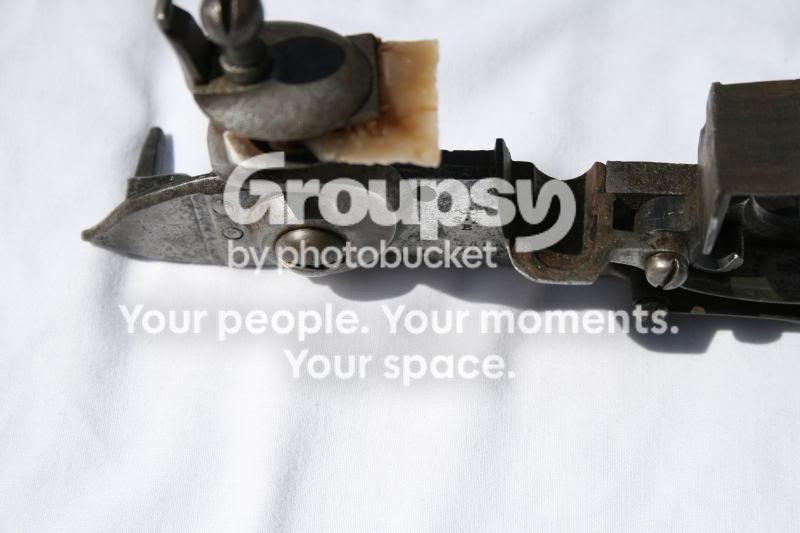
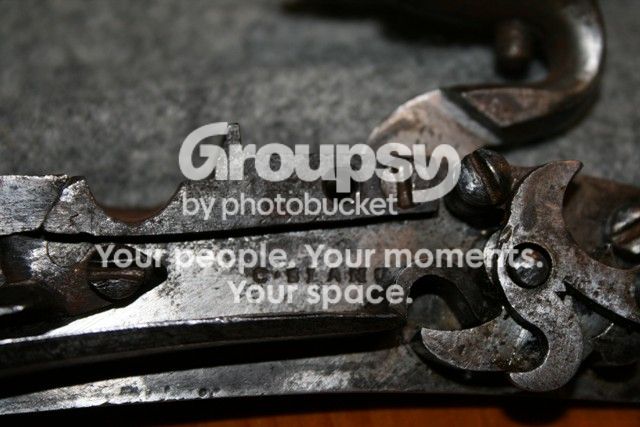
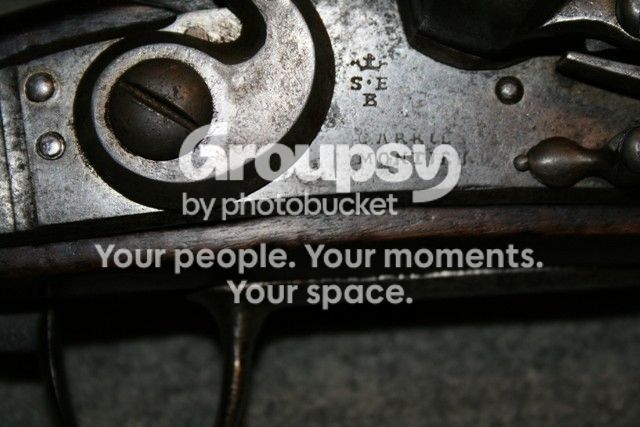
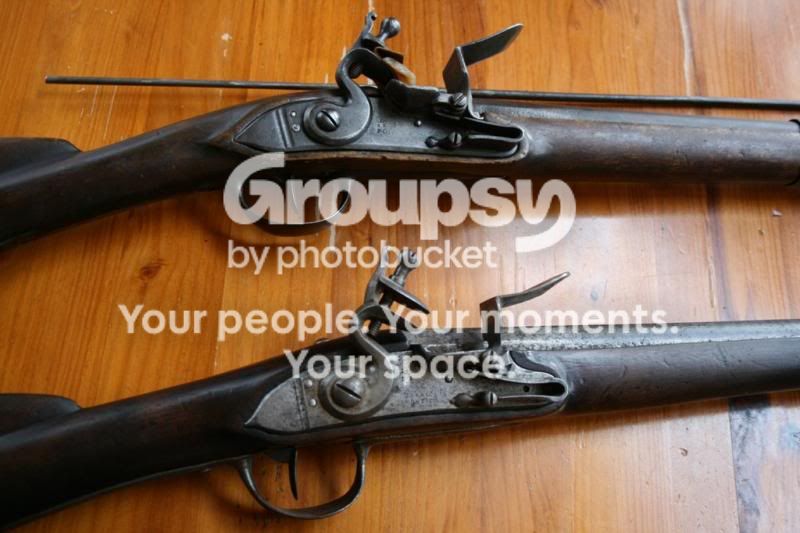
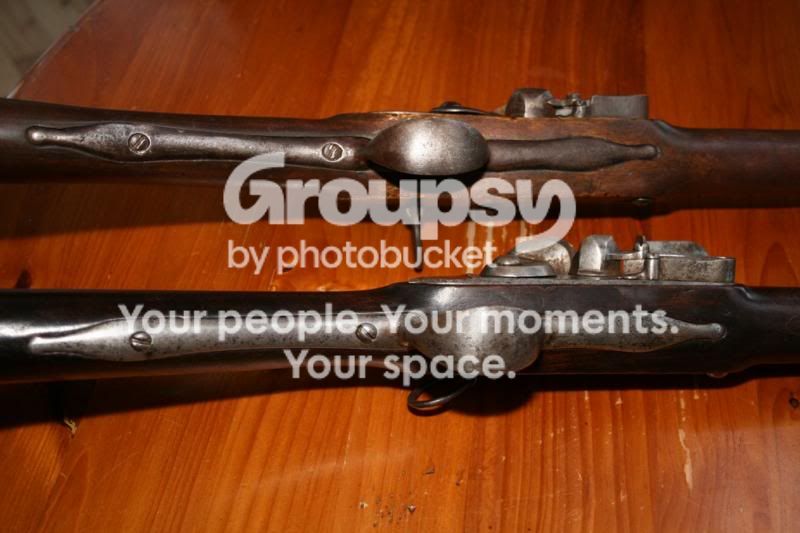
The lock of this musket is engraved with a crowned SE. This mean that the musket was made at the Royal Factory of St-Étienne. Under this mark, there is a "B" for the King's inspector who certified the whole musket. Than, there is the name of the furnisher "CARRIER MONTIEU. It is not the name of the maker. And finally, on the lock's tail, there is a crowned "P". This mark is the lock inspector proof. In France, like many other countries, the muskets were made by many makers and then assembled by others. This lock has the mark "C BLANC" on the inner face, so the locksmith was Claude Blanc. Then, the trigger guard was made by Blaize Brunon.
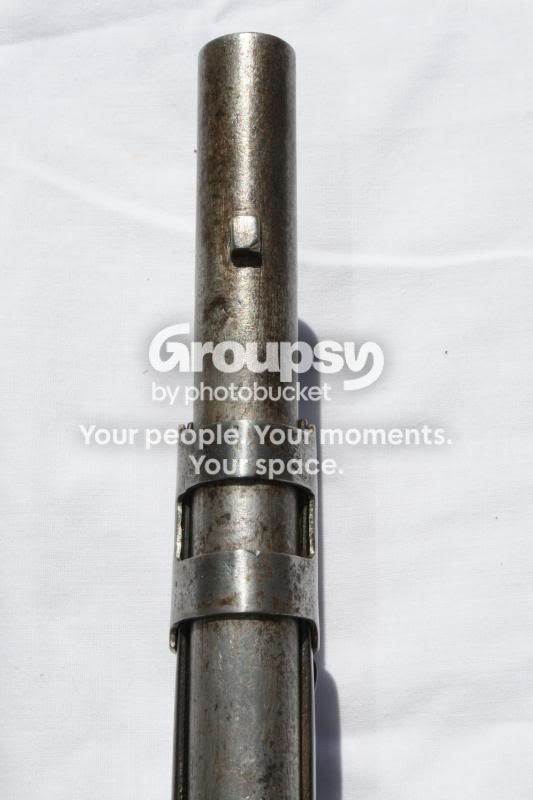
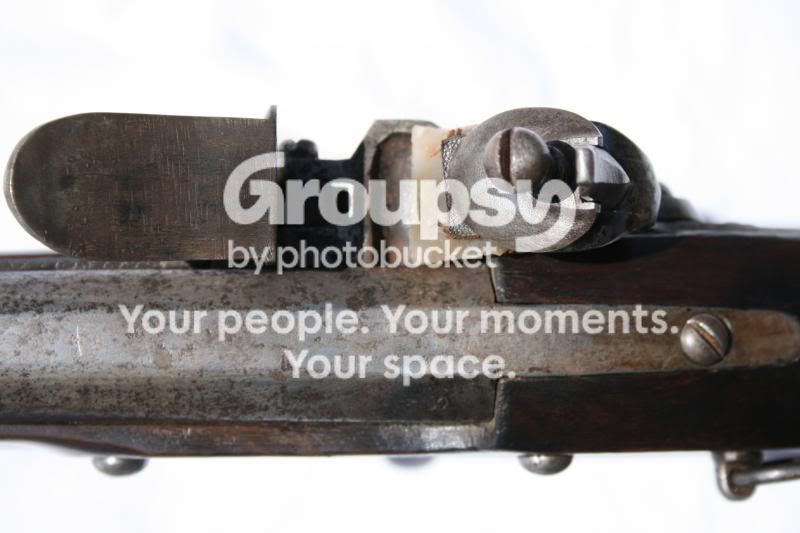
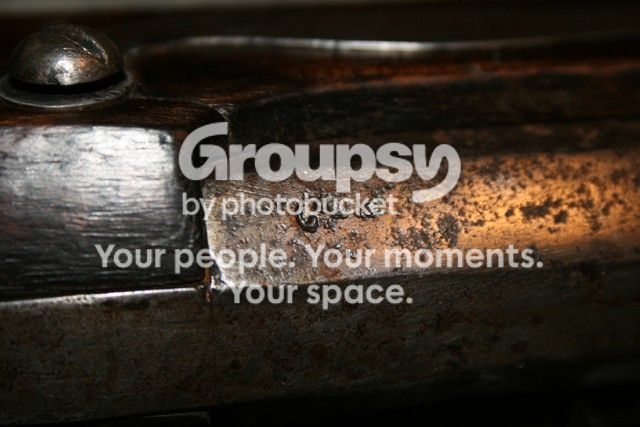
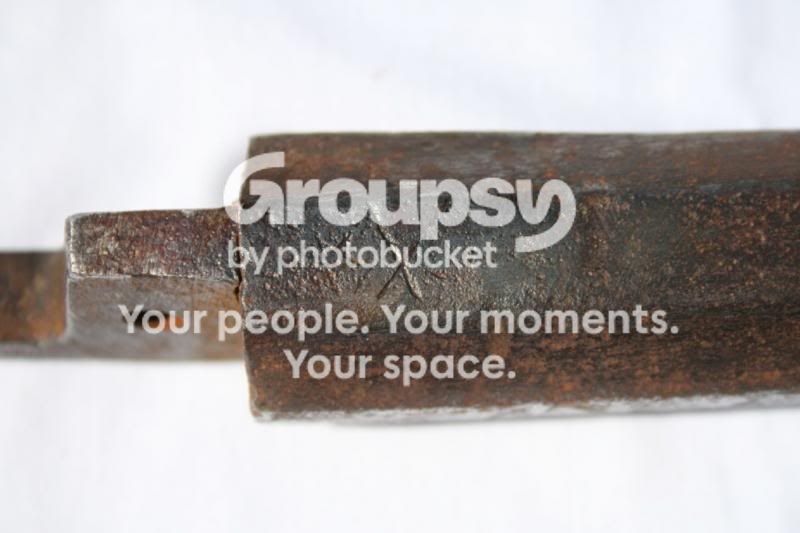
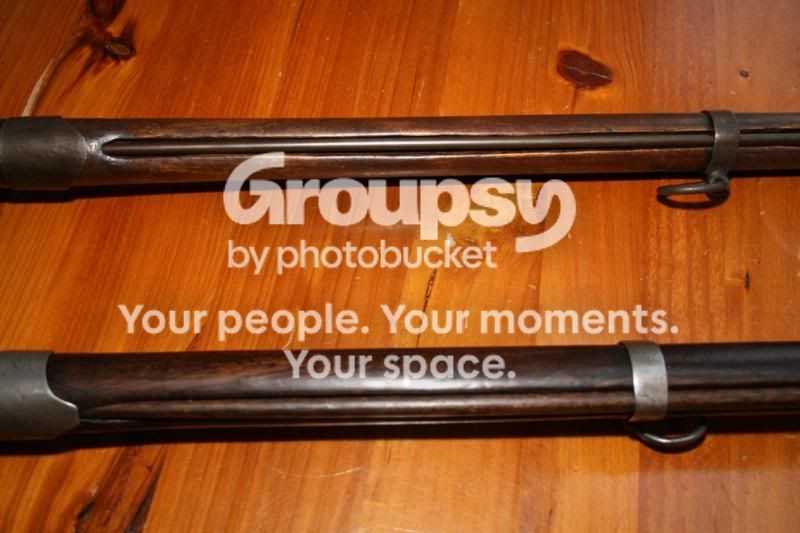
The barrel is the one that gives me some troubles. There is a "X", which can be just a marker to assemble the musket with the proper parts. The little star is the most important one. I would like to know why this star has been stamped but for now, it still a mystery. The proof mark of the barrel is almost gone, so it is hard to guess the time when it was made.
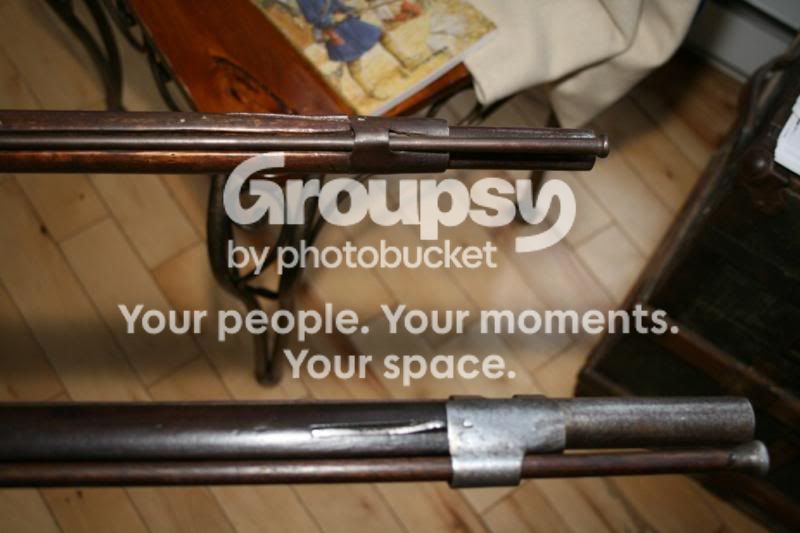
That pretty much it. You will also see my other 1728 but I took those pictures very fast because right now this musket is exposed in the Musée Naval at La Pointe-à-Carcy, Quebec. You'll the differences between a 1728 and a 1728 after the 1741 ordnance where the ramrod and many pieces were modified.
Enjoy. Any comments are more than welcome.
Martin







Here, I will introduce my first acquisition that made me fall in the world of collection. As I already said, I do have a very small collection because it is made of 4 muskets but I think the quality is more important than the quality... and above all, whatever I'm thinking, the best thing for a collector is to be happy with what he has and not with what he could have!
So, the 1728 musket shown in the next pictures is the first model of 1728 musket. It has a wooden ramrod. In 1741, an ordnance was made to change the wooden ramrods for iron made ramrods.
The lock of this musket is engraved with a crowned SE. This mean that the musket was made at the Royal Factory of St-Étienne. Under this mark, there is a "B" for the King's inspector who certified the whole musket. Than, there is the name of the furnisher "CARRIER MONTIEU. It is not the name of the maker. And finally, on the lock's tail, there is a crowned "P". This mark is the lock inspector proof. In France, like many other countries, the muskets were made by many makers and then assembled by others. This lock has the mark "C BLANC" on the inner face, so the locksmith was Claude Blanc. Then, the trigger guard was made by Blaize Brunon.
The barrel is the one that gives me some troubles. There is a "X", which can be just a marker to assemble the musket with the proper parts. The little star is the most important one. I would like to know why this star has been stamped but for now, it still a mystery. The proof mark of the barrel is almost gone, so it is hard to guess the time when it was made.
That pretty much it. You will also see my other 1728 but I took those pictures very fast because right now this musket is exposed in the Musée Naval at La Pointe-à-Carcy, Quebec. You'll the differences between a 1728 and a 1728 after the 1741 ordnance where the ramrod and many pieces were modified.
Enjoy. Any comments are more than welcome.
Martin
























