













































I have been loading ammunition for about 50 years. I have been an active shooter for even longer.
I learned to load as a R &D technician working in the research labs of the ammo division of CIL. This was back in the dark ages when we were developing plastic shells, plastic wad columns and plastic tips for centerfire rifle bullets.
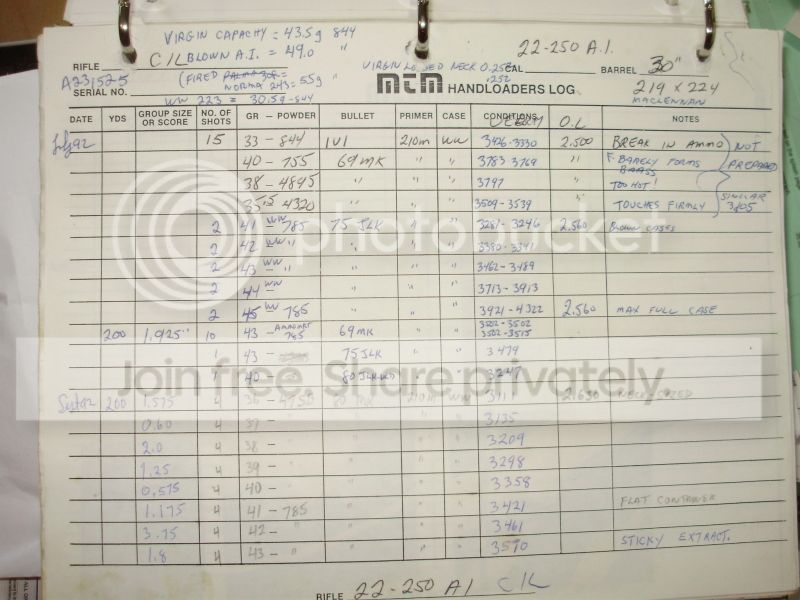
One of things I learned to was to be observant and to make notes. I use a log book system comprising 3 ring binders. I have a dedicated binder for 308 and 5.56 since I have so many rifles in those calibers and a dedicated binder for the popular 4 handgun calibers for the same reason.

I don’t know how many different guns I load for, but it would be several hundred, I am sure. Each gun has its own tab in the binder and pages of load results.
I explain all this as a way of saying I am not new at this.
I own many loading manuals and have enjoyed reading what is in them. I am proud to say that I am (or was) on a first name basis of some of the people who wrote those manuals. One thing that I have tended to ignore over the years was the note in most manuals to use magnum primers when loading ball powders. Until recently I have not had any ignition problem using standard primers. If I anticipated an issue, I used Winchester primers, because they are hotter than Federal.
I have just recently connected the dots and figured out the cause of some problems. The first problem was what I call “click-bang”. The rifle would fire every time I pulled the trigger, but I would hear the firing pin hit and then the bang. Good training to perfect your follow-through… This problem appears when loading a lighter bullet (150 gr in 308 and 8mm) with a Start load of ball powder and a standard primer. This is a load I make a lot of as plinking ammo.
For the last two years I have had a problem in CQB which took a long time to figure out. My rifle would jam with a bullet stuck in the throat and powder dumped in the action. The primer is firing but not igniting the powder. The pressure of the primer blows the bullet out of the case and a quarter inch into the throat. I am lucky the bullet did not go any farther, because in CQB I am in a hurry to fire the next shot. Not a good idea with a bullet stuck in the barrel…
This ammo was loaded with Remington standard primers, Wolf standards and Winchester. The powder is old military surplus similar to BLC2.
The CCI Small Rifle looks like this:

Whereas the CCI Small Rifle Magnum:

I switched over to the CCI small rifle magnum primer (#450) and no more misfires. The books are right. For reliable ignition, ball powder needs a hotter primer.
Once the problem was identified, it was easy to fix. Except I have about 1,000 rounds already loaded with standard primers. I can’t really use it for just practice, because spilled powder in the action is a mess that takes time to clean up. So I bought a Lee Factory Crimp die (never used one before) and crimped a few hundred of my old rounds and tried them at the last CQB. Every one went bang. So the extra pressure created by the increased neck tension was enough to ensure ignition.
This die will be installed in the last position of my Dillon and future 223 rounds will get the magnum primer plus the neck crimp.
My conclusion and advice: When making ammo that is important to go bang (competition or hunting) use a magnum primer with ball powder – just like the loading manual specifies.
I learned to load as a R &D technician working in the research labs of the ammo division of CIL. This was back in the dark ages when we were developing plastic shells, plastic wad columns and plastic tips for centerfire rifle bullets.
One of things I learned to was to be observant and to make notes. I use a log book system comprising 3 ring binders. I have a dedicated binder for 308 and 5.56 since I have so many rifles in those calibers and a dedicated binder for the popular 4 handgun calibers for the same reason.
I don’t know how many different guns I load for, but it would be several hundred, I am sure. Each gun has its own tab in the binder and pages of load results.
I explain all this as a way of saying I am not new at this.
I own many loading manuals and have enjoyed reading what is in them. I am proud to say that I am (or was) on a first name basis of some of the people who wrote those manuals. One thing that I have tended to ignore over the years was the note in most manuals to use magnum primers when loading ball powders. Until recently I have not had any ignition problem using standard primers. If I anticipated an issue, I used Winchester primers, because they are hotter than Federal.
I have just recently connected the dots and figured out the cause of some problems. The first problem was what I call “click-bang”. The rifle would fire every time I pulled the trigger, but I would hear the firing pin hit and then the bang. Good training to perfect your follow-through… This problem appears when loading a lighter bullet (150 gr in 308 and 8mm) with a Start load of ball powder and a standard primer. This is a load I make a lot of as plinking ammo.
For the last two years I have had a problem in CQB which took a long time to figure out. My rifle would jam with a bullet stuck in the throat and powder dumped in the action. The primer is firing but not igniting the powder. The pressure of the primer blows the bullet out of the case and a quarter inch into the throat. I am lucky the bullet did not go any farther, because in CQB I am in a hurry to fire the next shot. Not a good idea with a bullet stuck in the barrel…
This ammo was loaded with Remington standard primers, Wolf standards and Winchester. The powder is old military surplus similar to BLC2.
The CCI Small Rifle looks like this:
Whereas the CCI Small Rifle Magnum:
I switched over to the CCI small rifle magnum primer (#450) and no more misfires. The books are right. For reliable ignition, ball powder needs a hotter primer.
Once the problem was identified, it was easy to fix. Except I have about 1,000 rounds already loaded with standard primers. I can’t really use it for just practice, because spilled powder in the action is a mess that takes time to clean up. So I bought a Lee Factory Crimp die (never used one before) and crimped a few hundred of my old rounds and tried them at the last CQB. Every one went bang. So the extra pressure created by the increased neck tension was enough to ensure ignition.
This die will be installed in the last position of my Dillon and future 223 rounds will get the magnum primer plus the neck crimp.
My conclusion and advice: When making ammo that is important to go bang (competition or hunting) use a magnum primer with ball powder – just like the loading manual specifies.
Last edited:
























