













































Yotarunner
CGN Regular
- Location
- Eastern Alberta
As many of you know I make custom coyote calls and after someone else asked about my process a while back I realized folks here would probably be interested. Being this is the Alberta outdoorsman forum it's only fair I show how I process and use local woods.
The woods I'm using are box elder (Manitoba maple) burl and believe it or not caragana.
Caragana is the tall weedlike shrub that is used for shelter belt around so many old farm sites. The box elder burls I find largely at old farm sites, I look around for the gnarled burl portions of the tree. Fair warning this thread will be picture heavy
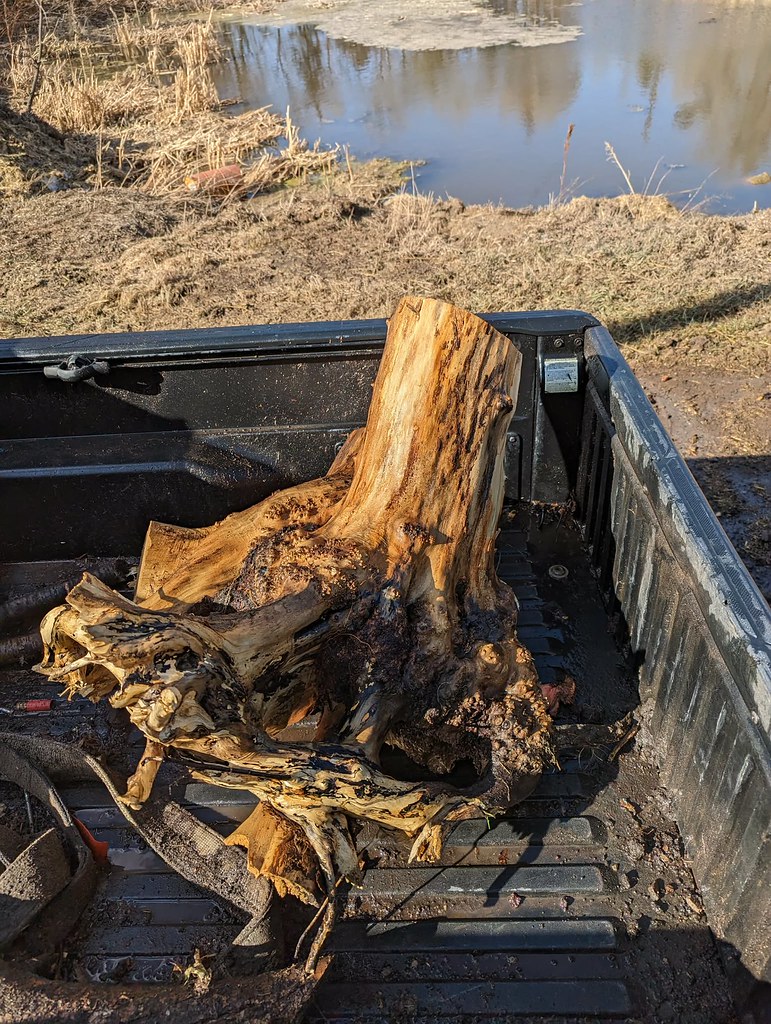 Messenger_creation_B2D1E1FD-BF4A-48FC-B3DD-0D0FEA276EA1 by brad harder, on Flickr
From here il cut out the portions I want with a chainsaw and then stick them in the shed for a year or until they show dry with a moisture meter.
The caragana is cut in long sticks and dried the same.
When dry I use the bandsaw to cut into call size blocks. The caragana gets the bark turned off on the lathe. They look like this
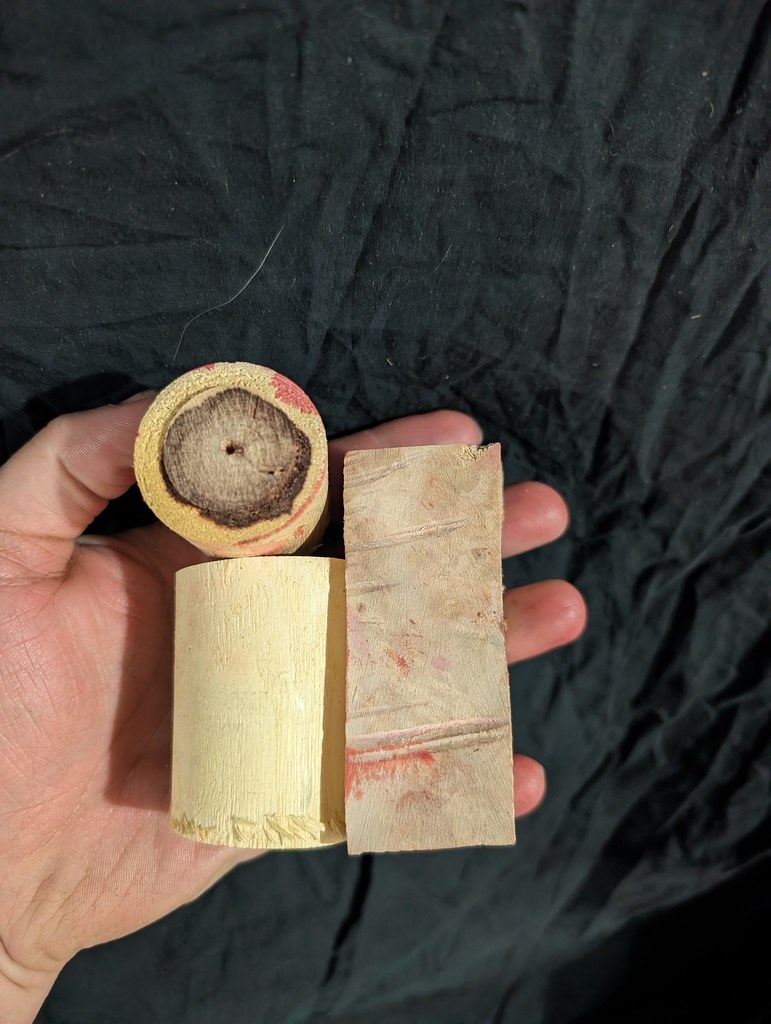 PXL_20260221_235602011.MP by brad harder, on Flickr
From here they are dried for 2 hours at 200 degrees in the toaster oven then into the vacuum chamber for stabilizing.
The stabilizing process is submerging the dried wood in ultra thin dyed resin then putting it under vacuum for 2 days. After 2 days vacuum is released and the wood sits for 4 days to allow the resin to impregnate the wood.
It comes out like this
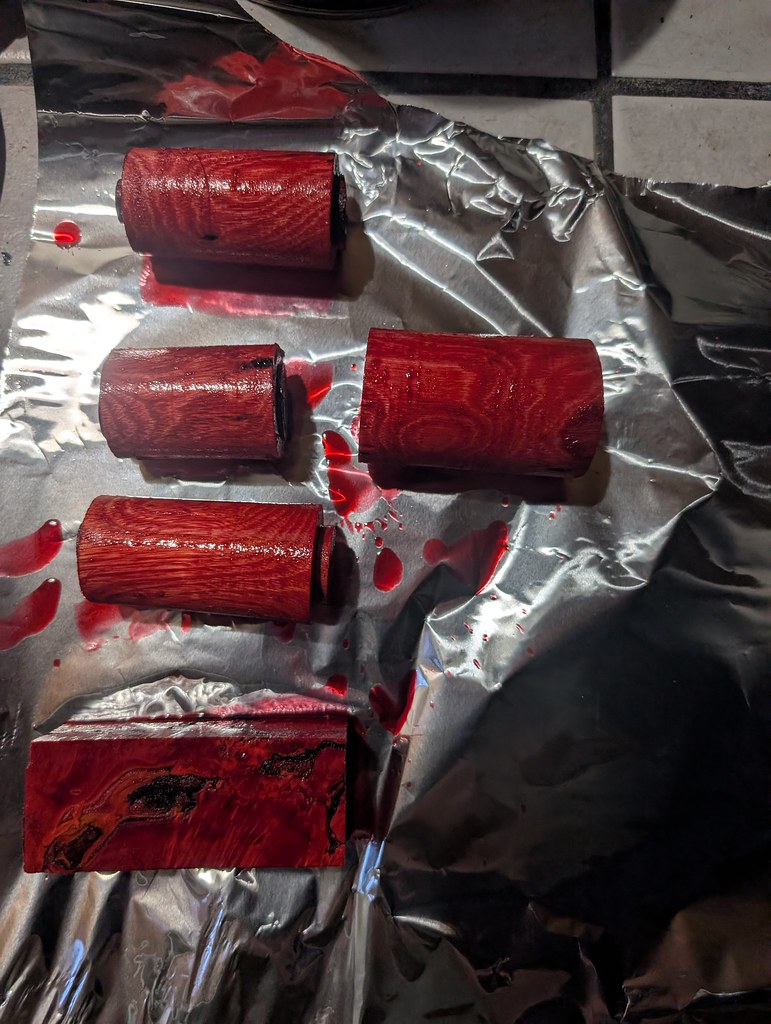 PXL_20260221_235445885.MP by brad harder, on Flickr
From here the wood is set in the toaster oven again to be cured. 210 degrees all the way through is the goal. Too much heat and the resin leaches out, too low it doesn't set.
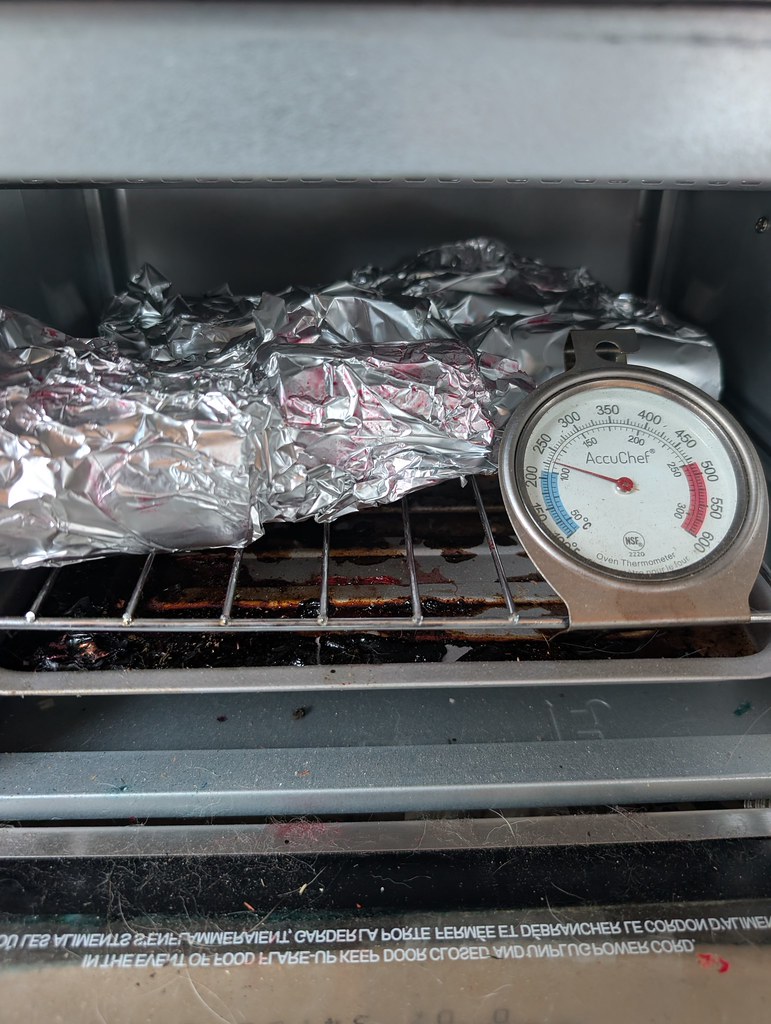 PXL_20260221_235834901.MP by brad harder, on Flickr
Blanks are then drilled on the lathe.
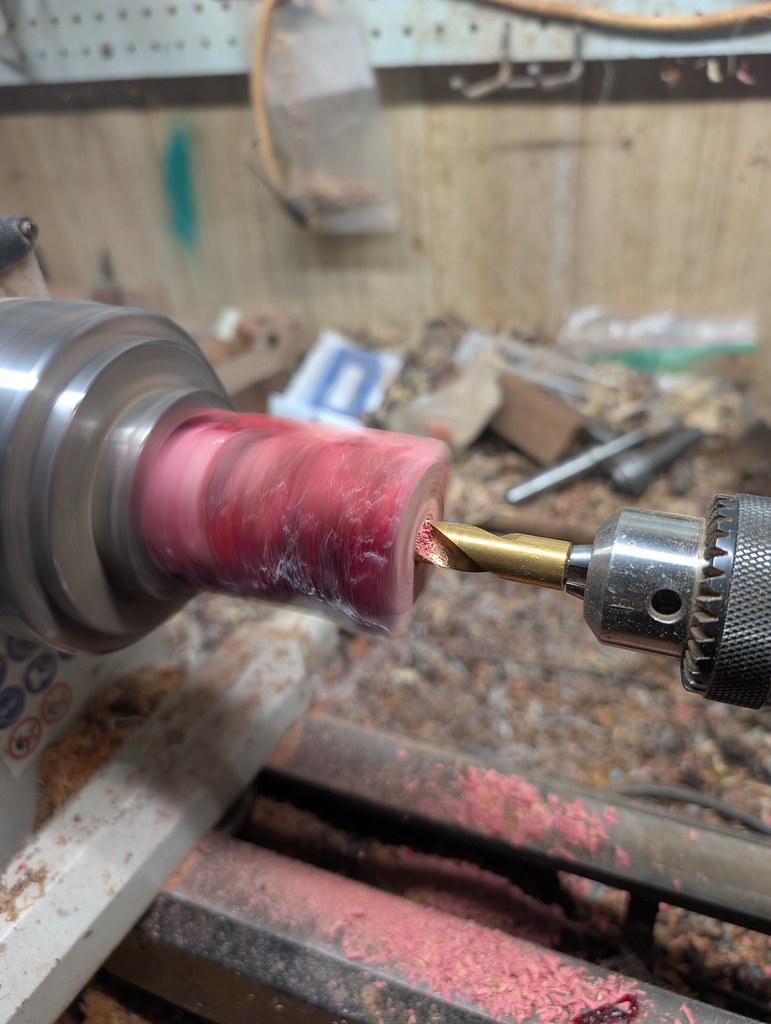 PXL_20260226_032051929.MP by brad harder, on Flickr
The caragana has no cracks so from here it's just shaping on the lathe.
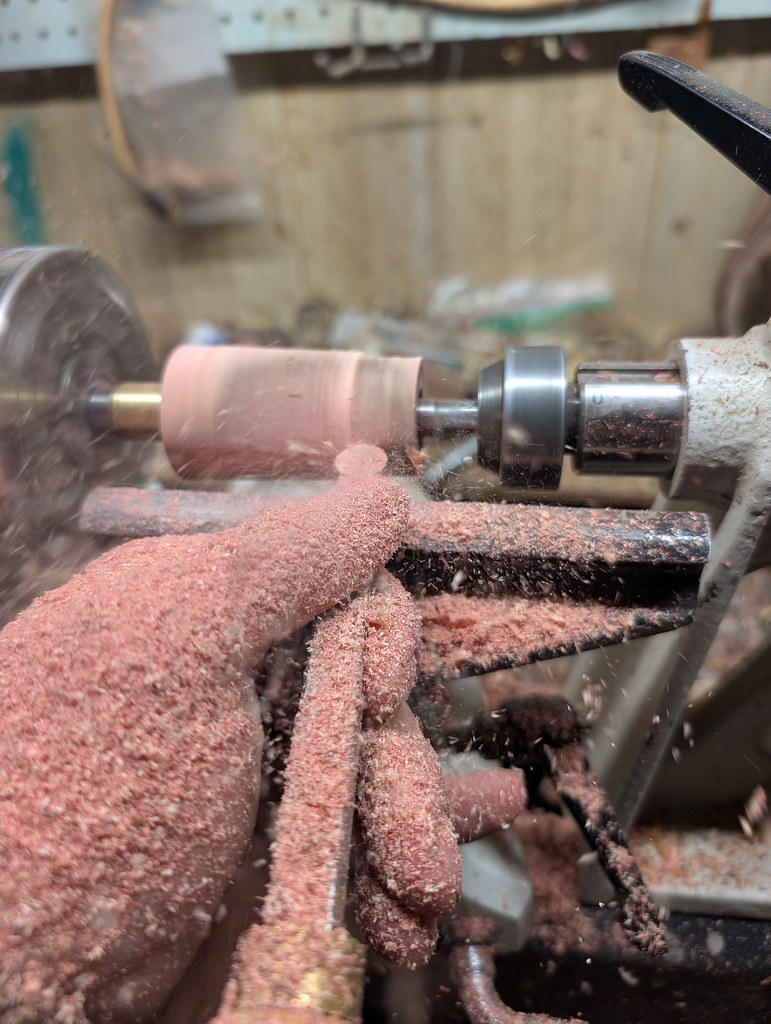 PXL_20260226_033718491.MP by brad harder, on Flickr
The call is finished and sanded from 400-1000 grit and friction polish finish is applied. Ready for toneboard
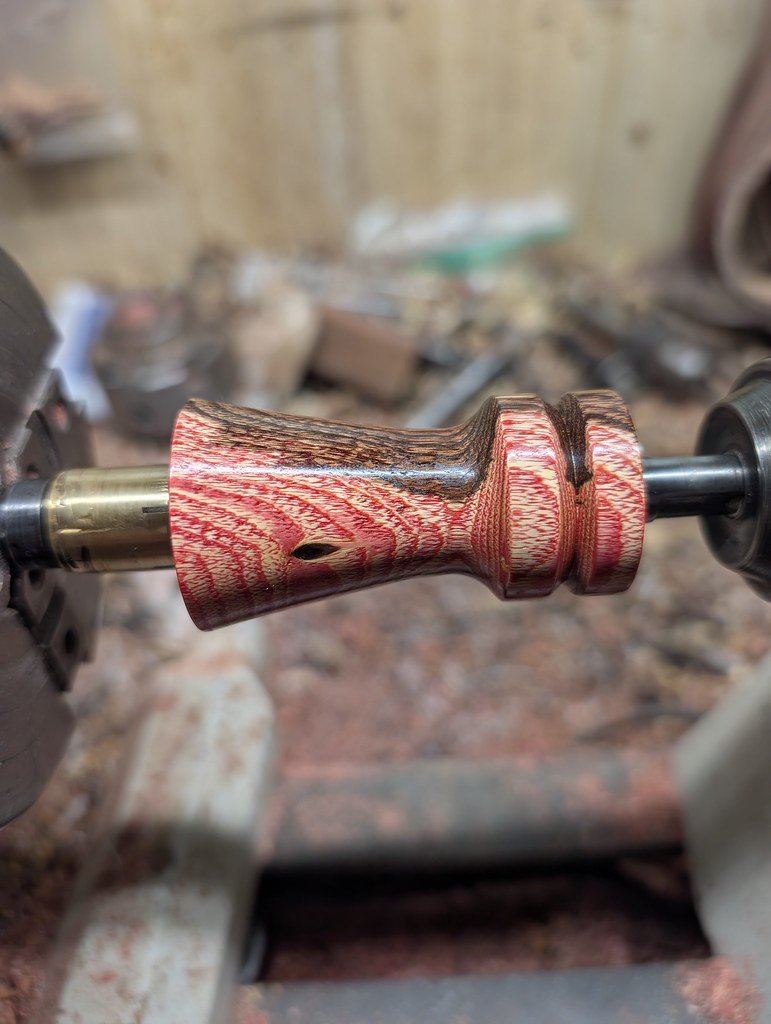 PXL_20260226_034221387.MP by brad harder, on Flickr
Caragana is awesome as the dark heartwood doesn't take colour while the bright yellow outer wood takes it amazing which creates a super cool contrast.
PXL_20260226_034221387.MP by brad harder, on Flickr
This box elder piece had lots of knots so water thin CA glue is applied and set to fill in and solidify the tiny imperfections and prevent tearout when turning.
The call body is shaped and one more round of knot filling is done to make sure no water will ever find its way into the call.
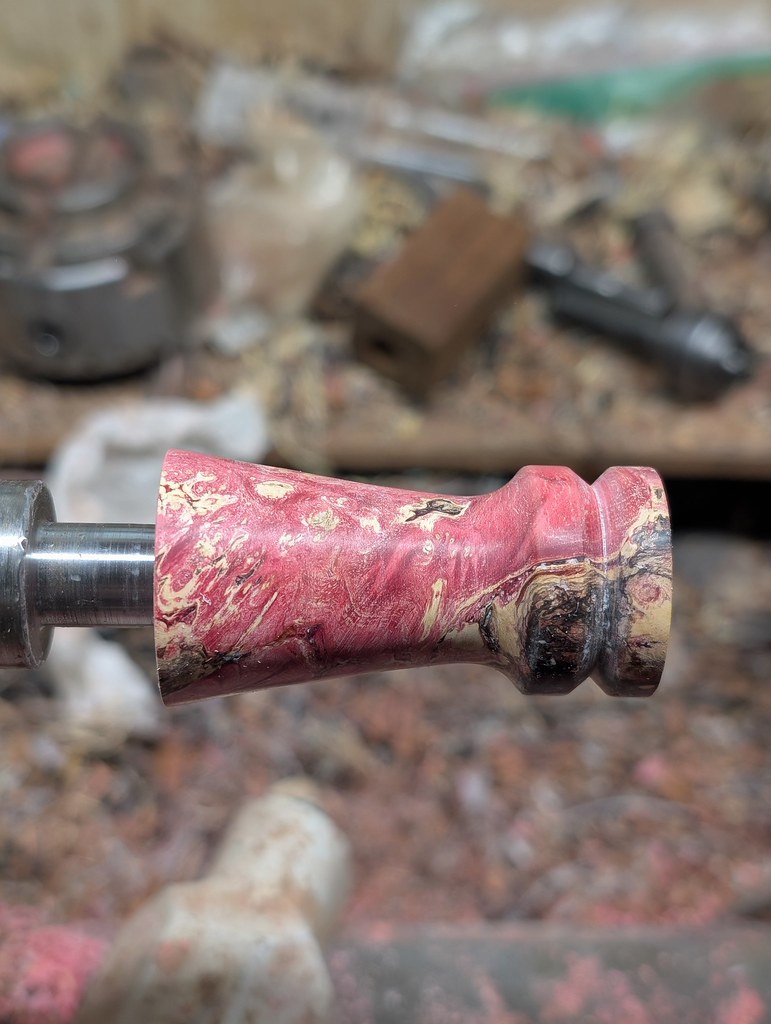 PXL_20260226_035900838.PORTRAIT.ORIGINAL by brad harder, on Flickr
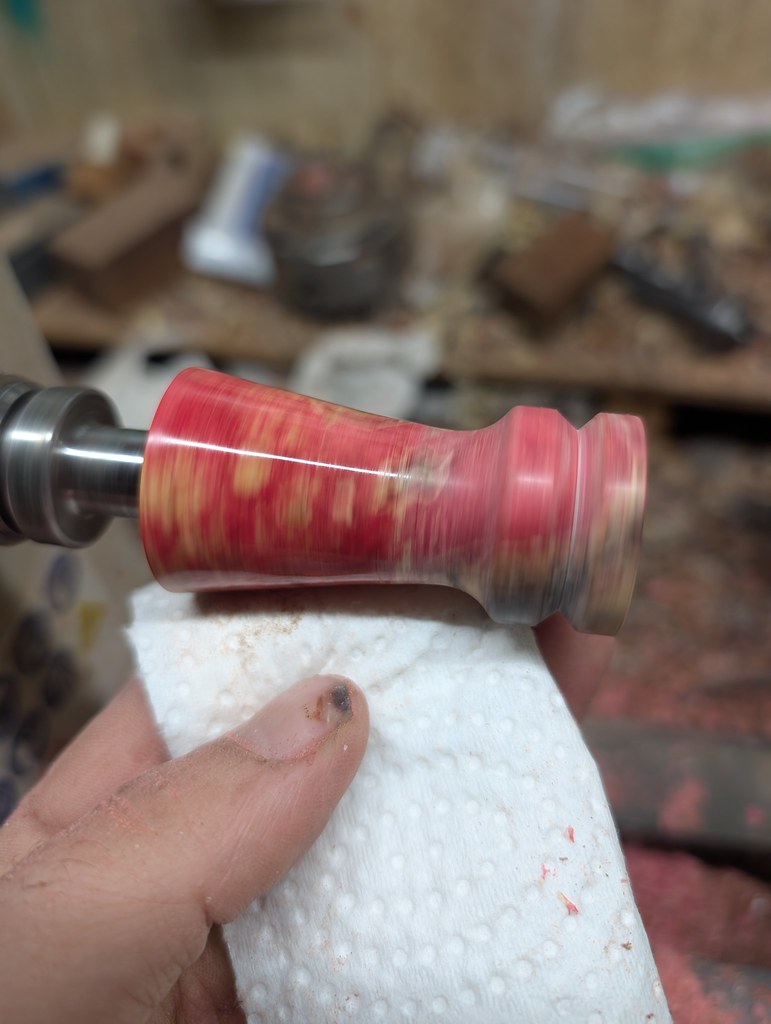
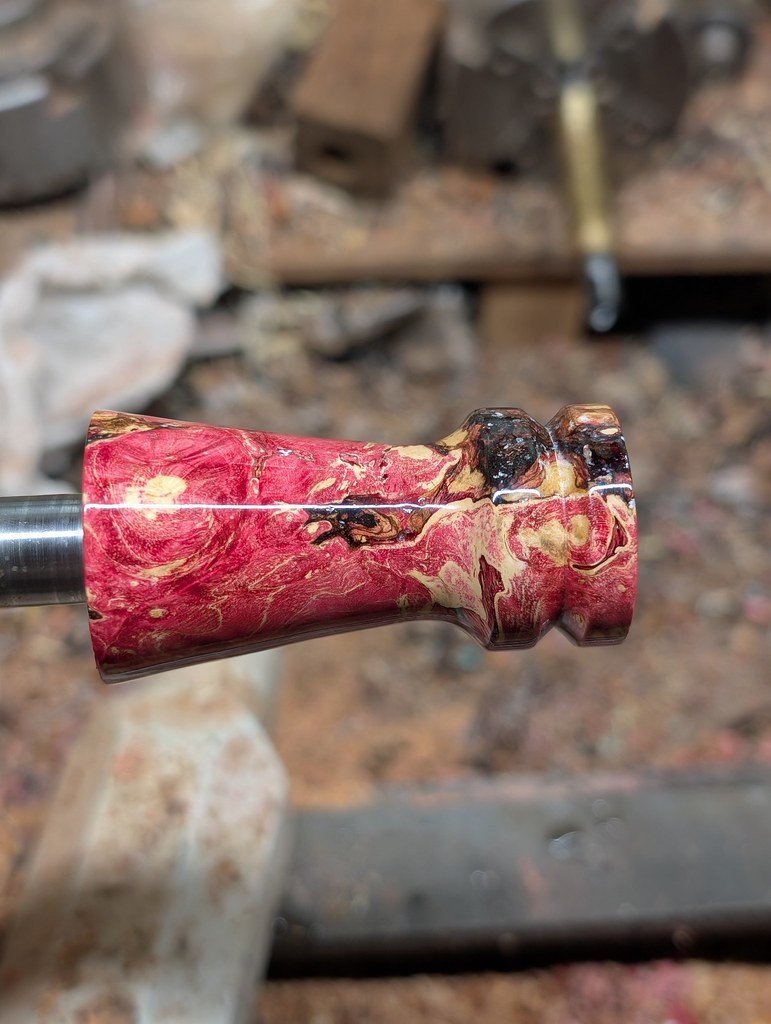
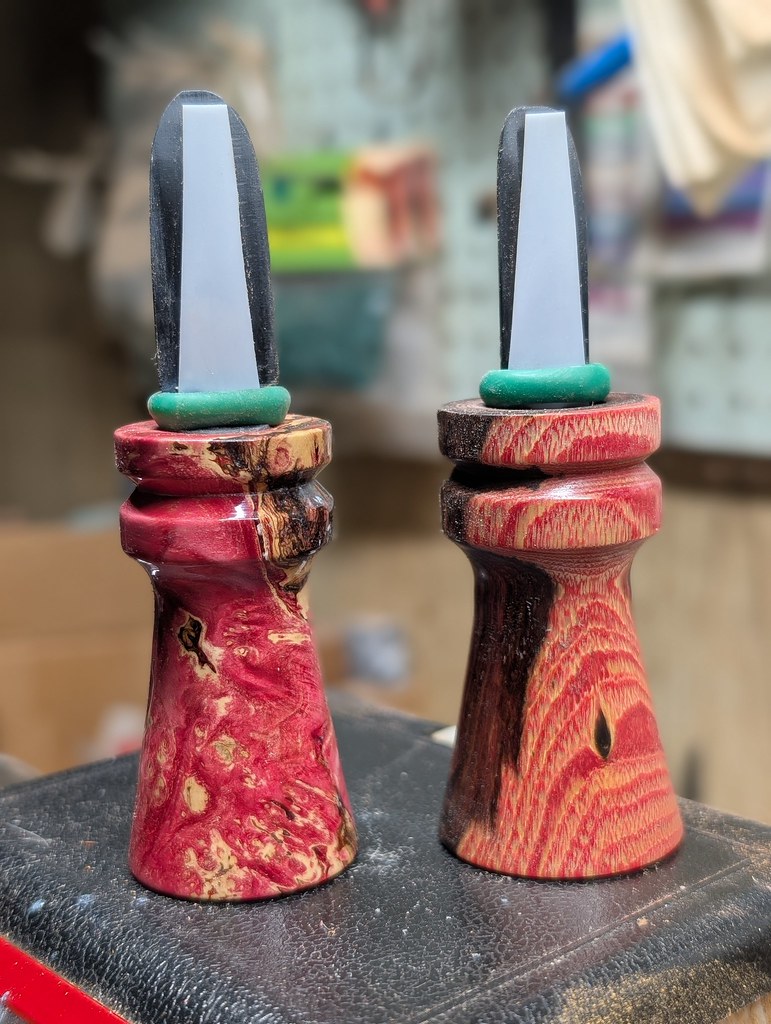
From here I prefer a CA glue finish as it really aids in sealing any of the imperfections and knots that this wood has and it really showcases the beauty of the intricate grains and pattern. The finish involves running the lathe at slow speeds and applying 10+ coats of ultra thin glue
 PXL_20260226_040025937.MP by brad harder, on Flickr
The woods I'm using are box elder (Manitoba maple) burl and believe it or not caragana.
Caragana is the tall weedlike shrub that is used for shelter belt around so many old farm sites. The box elder burls I find largely at old farm sites, I look around for the gnarled burl portions of the tree. Fair warning this thread will be picture heavy
Messenger_creation_B2D1E1FD-BF4A-48FC-B3DD-0D0FEA276EA1 by brad harder, on FlickrFrom here il cut out the portions I want with a chainsaw and then stick them in the shed for a year or until they show dry with a moisture meter.
The caragana is cut in long sticks and dried the same.
When dry I use the bandsaw to cut into call size blocks. The caragana gets the bark turned off on the lathe. They look like this
PXL_20260221_235602011.MP by brad harder, on FlickrFrom here they are dried for 2 hours at 200 degrees in the toaster oven then into the vacuum chamber for stabilizing.
The stabilizing process is submerging the dried wood in ultra thin dyed resin then putting it under vacuum for 2 days. After 2 days vacuum is released and the wood sits for 4 days to allow the resin to impregnate the wood.
It comes out like this
PXL_20260221_235445885.MP by brad harder, on FlickrFrom here the wood is set in the toaster oven again to be cured. 210 degrees all the way through is the goal. Too much heat and the resin leaches out, too low it doesn't set.
PXL_20260221_235834901.MP by brad harder, on FlickrBlanks are then drilled on the lathe.
PXL_20260226_032051929.MP by brad harder, on FlickrThe caragana has no cracks so from here it's just shaping on the lathe.
PXL_20260226_033718491.MP by brad harder, on FlickrThe call is finished and sanded from 400-1000 grit and friction polish finish is applied. Ready for toneboard
PXL_20260226_034221387.MP by brad harder, on FlickrCaragana is awesome as the dark heartwood doesn't take colour while the bright yellow outer wood takes it amazing which creates a super cool contrast.
PXL_20260226_034221387.MP by brad harder, on FlickrThis box elder piece had lots of knots so water thin CA glue is applied and set to fill in and solidify the tiny imperfections and prevent tearout when turning.
The call body is shaped and one more round of knot filling is done to make sure no water will ever find its way into the call.
PXL_20260226_035900838.PORTRAIT.ORIGINAL by brad harder, on FlickrFrom here I prefer a CA glue finish as it really aids in sealing any of the imperfections and knots that this wood has and it really showcases the beauty of the intricate grains and pattern. The finish involves running the lathe at slow speeds and applying 10+ coats of ultra thin glue
PXL_20260226_040025937.MP by brad harder, on Flickr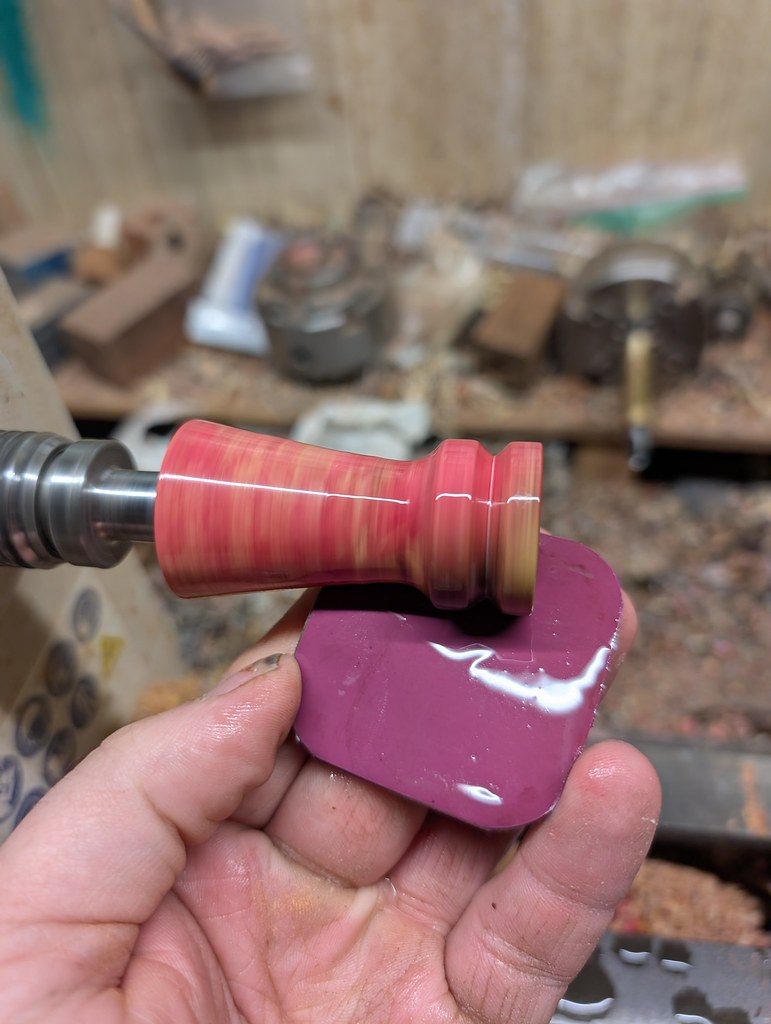


![IMG_E3353[1].JPG](https://www.canadiangunnutz.com/forum/data/attachments/996/996597-a994523028844d76ee0cce8fe09c952a.jpg "IMG_E3353[1].JPG")
























