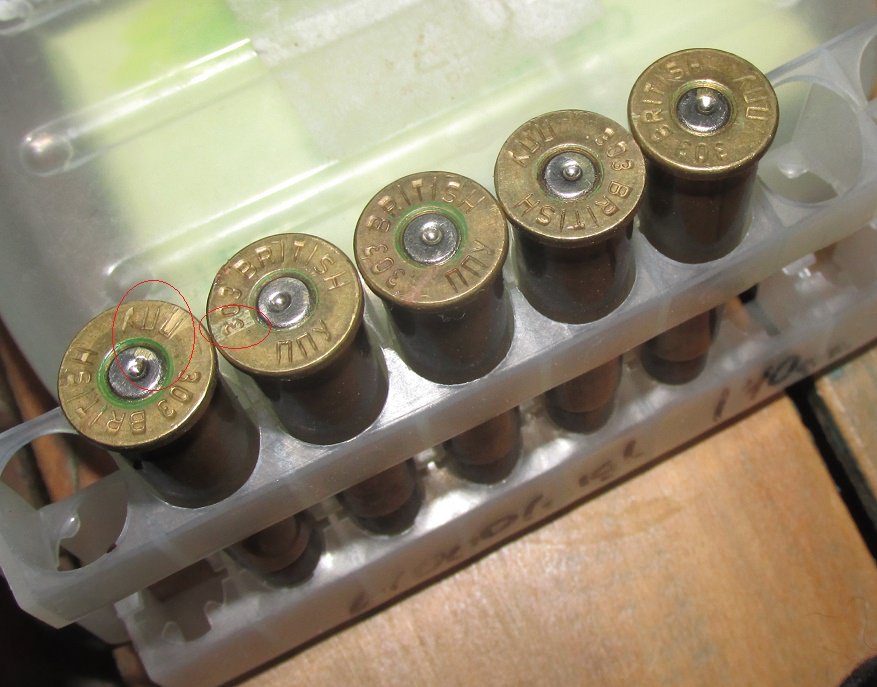
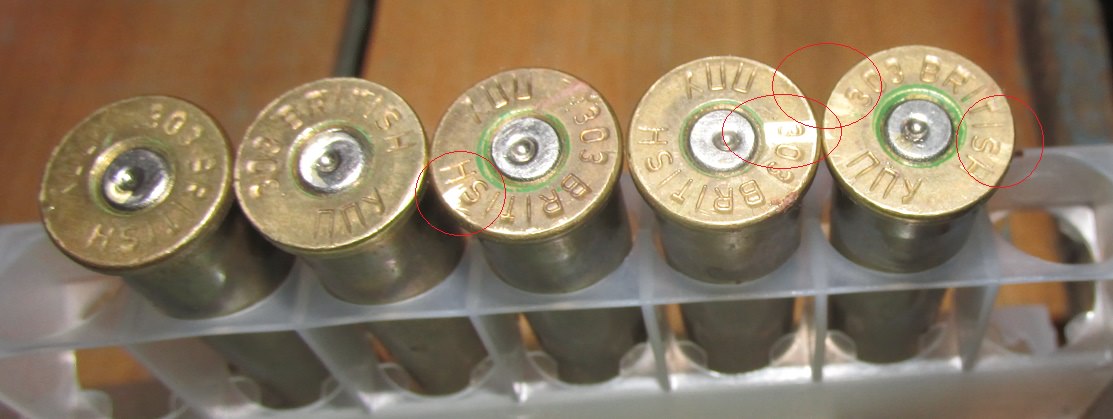
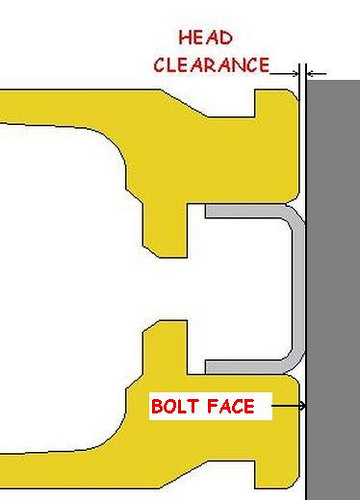
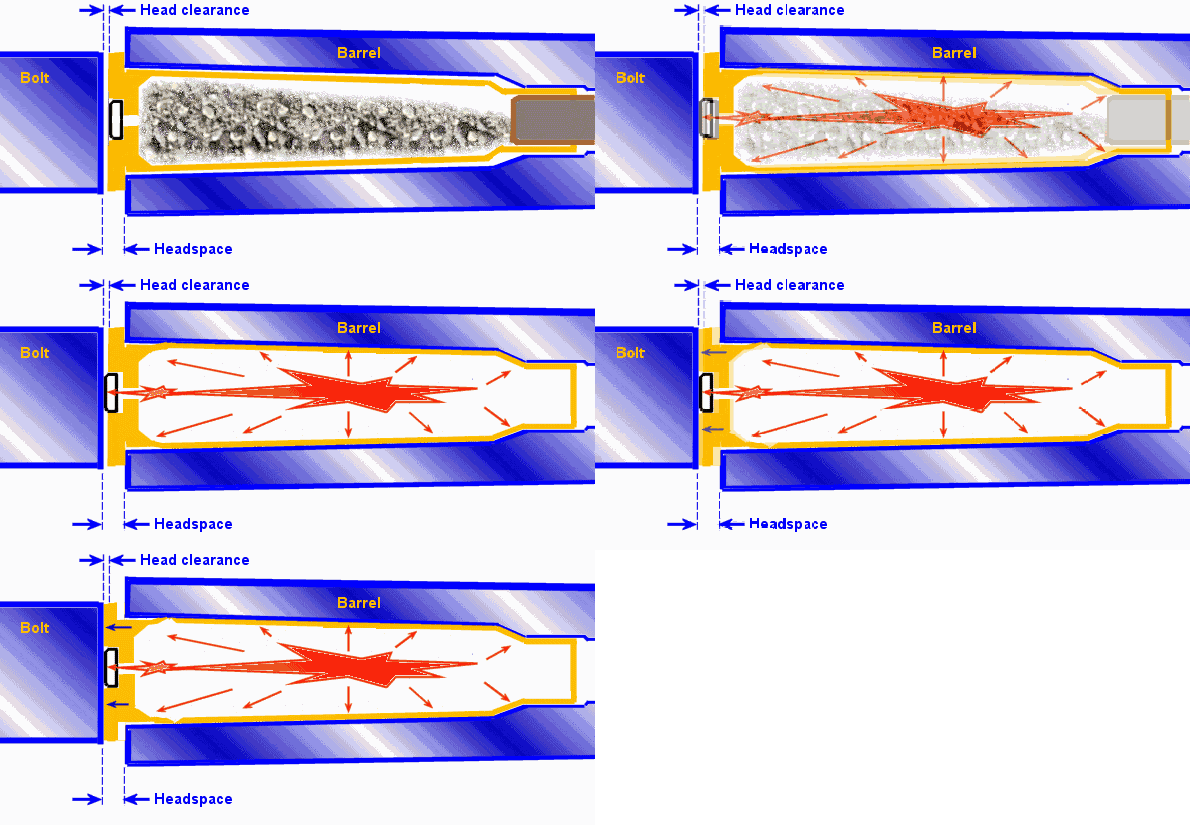
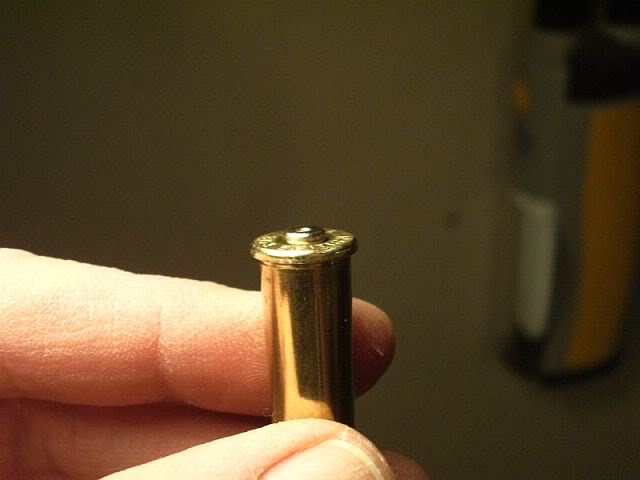
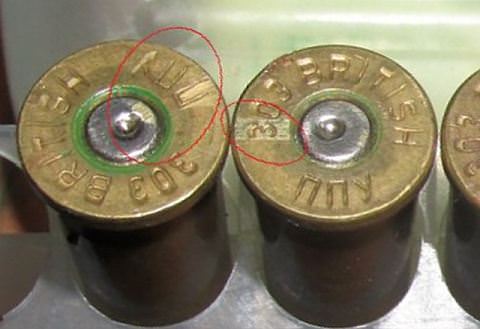
If the primers are flush with the base of the case it means the chamber pressure was great enough to make the case stretch to meet the bolt face.
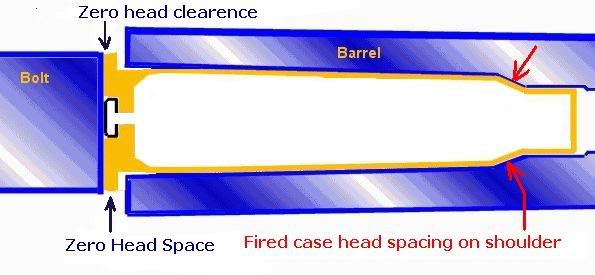
When neck sized only the case will eventually become "longer" than the chamber headspace. And when the action is closed it compresses the case length at the shoulder and the action becomes harder to close. Meaning the bolt or breech block is firmly rubbing on the base of the case. This is why when full length resizing they recommend .001 to .002 shoulder bump and give a very slight clearance at the rear of the case.
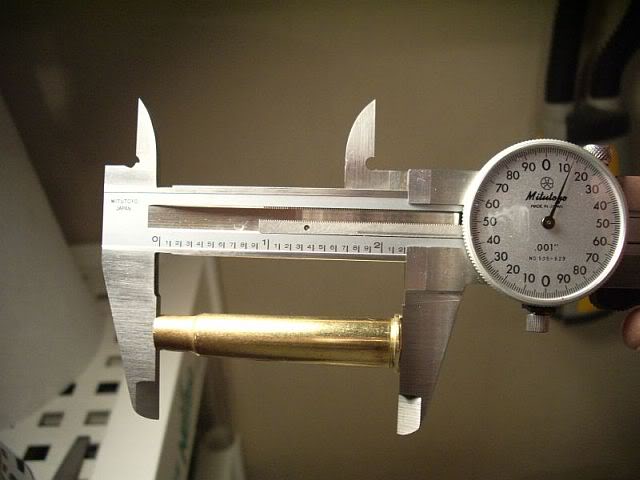
You can find the amount of head clearance if you take a new unfired case and measure its length.
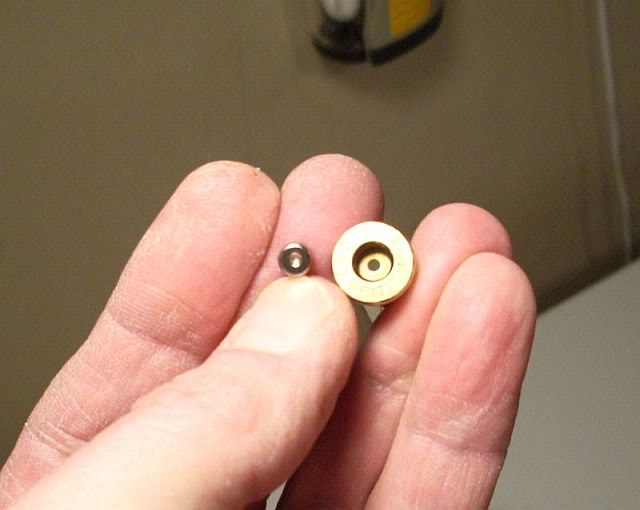
Next take a fired spent primer and start it into the primer pocket with just your fingers. You may need to push it in further depending on the clearance with the breech block.
Now chamber this test case and allow the bolt or breech block to seat the primer and the remove the case.
Now measure the case again from the case mouth to the base of the primer.
Then subtract the first case measurement from the second and the difference is your head clearance. Or the "air space" between the rear of the case and the bolt or breech block.
And if you add your rim thickness to the above measurement you will have your actual chamber headspace length.
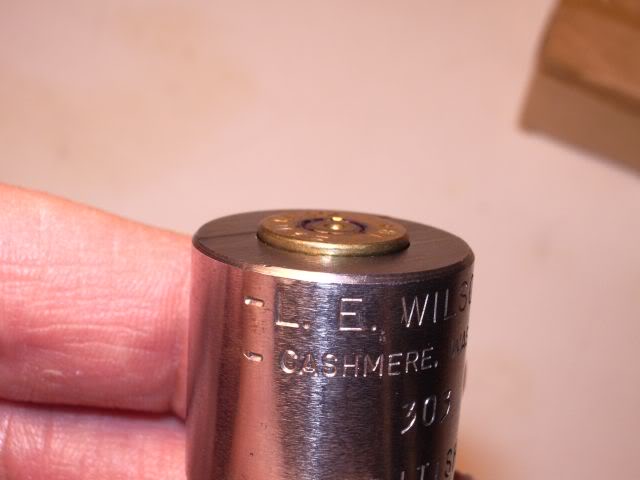
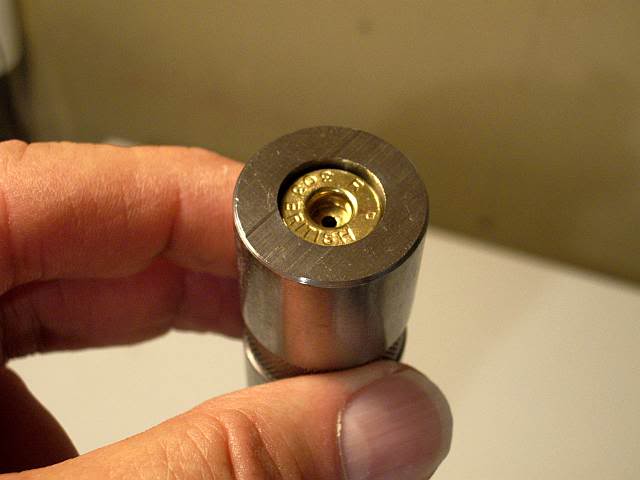
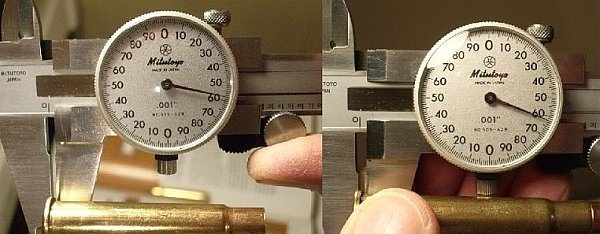
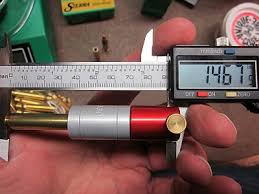
Below I'm measuring a "fired" .223/5.56 case from my AR15 rifle in my Hornady cartridge case headspace gauge. I then set the die up to bump the shoulder back .003 and allow the cartridge to have head clearance when chambered.
Having the Hornady gauge allows you to measure your fired cases and set your die for minimum shoulder bump.