Original snipers were manufactured purposefully for accuracy.
Mosin production involved a series of relatively simple manufacturing steps; to achieve the necessary volume, many lines were run in parallel. Most lines would have been optimized for volume. A few others were optimized for consistency of manufacture aimed at providing rifles suitable for the sniper role (Tula sniper rifles were marked CH or CN).
The main differences would have been the frequency of gauging, tool changes/tool life, and perhaps tool feed and speed. The most critical process for accuracy is broaching the barrel to produce the rifling. In particular, the rate of twist must not change for the length of the barrel. The broach (or work piece) must be rotated in exact timing with the advance of the broach. This timing was controlled by a series of gears. Workers and craftsmen of the time would know which, among hundreds of machines, were the most precise.
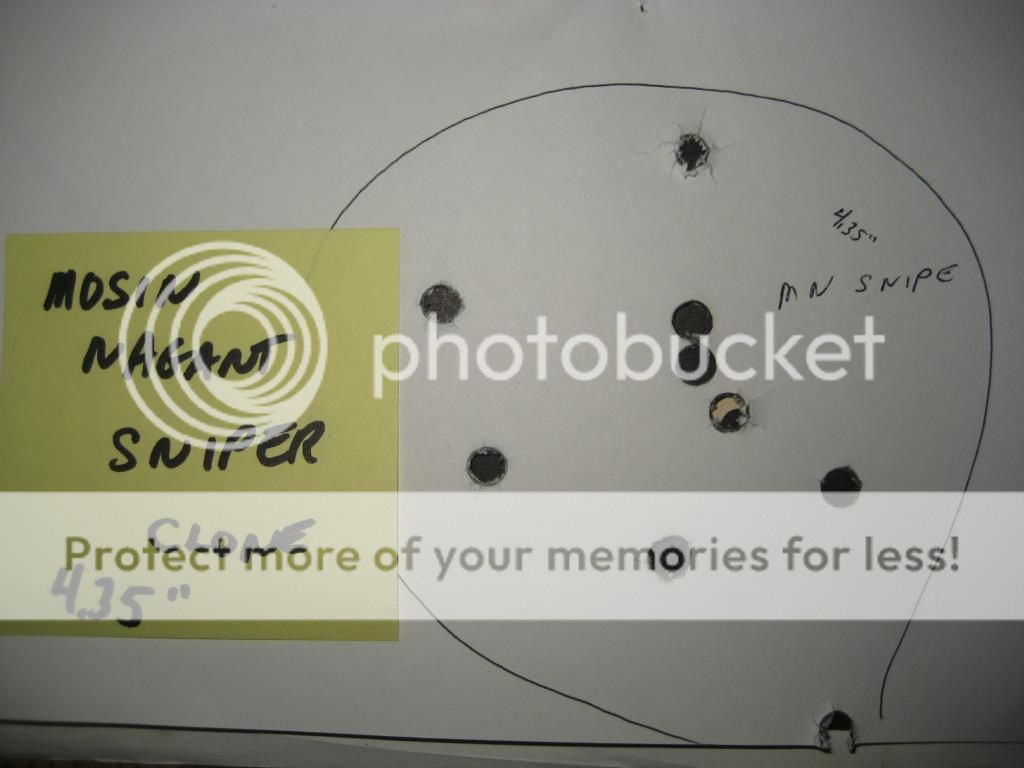
If you buy an original then you know that it was made for accuracy and was subject to testing (and use) after manufacture. It was accurate enough, or it became an ex-sniper (or scrap metal). A "newly made" sniper has no history. It may never be capable of less than 4"@100 regardless of what you do to it, or what ammunition you use. It could outshoot all the original snipers, but it probably won't.
If you pay the $100 premium, the barrel is in good condition, and you find the right combination of shims and ammunition, you should see the 1.5" group at 100. I'm still looking but getting closer.