












































This New Model 1863 Sharps carbine was originally percussion and after the Civil war in 1867 it was converted to 50-70 center fire.
Following the Civil War, the U.S. Government in 1867 decided to convert certain percussion military arms to metallic cartridge breechloaders. The Sharps carbine and rifle muskets were some of those selected for conversion and contracts were given to Sharps Rifle Manufacturing Co. to alter carbines/rifle muskets of their manufacture.
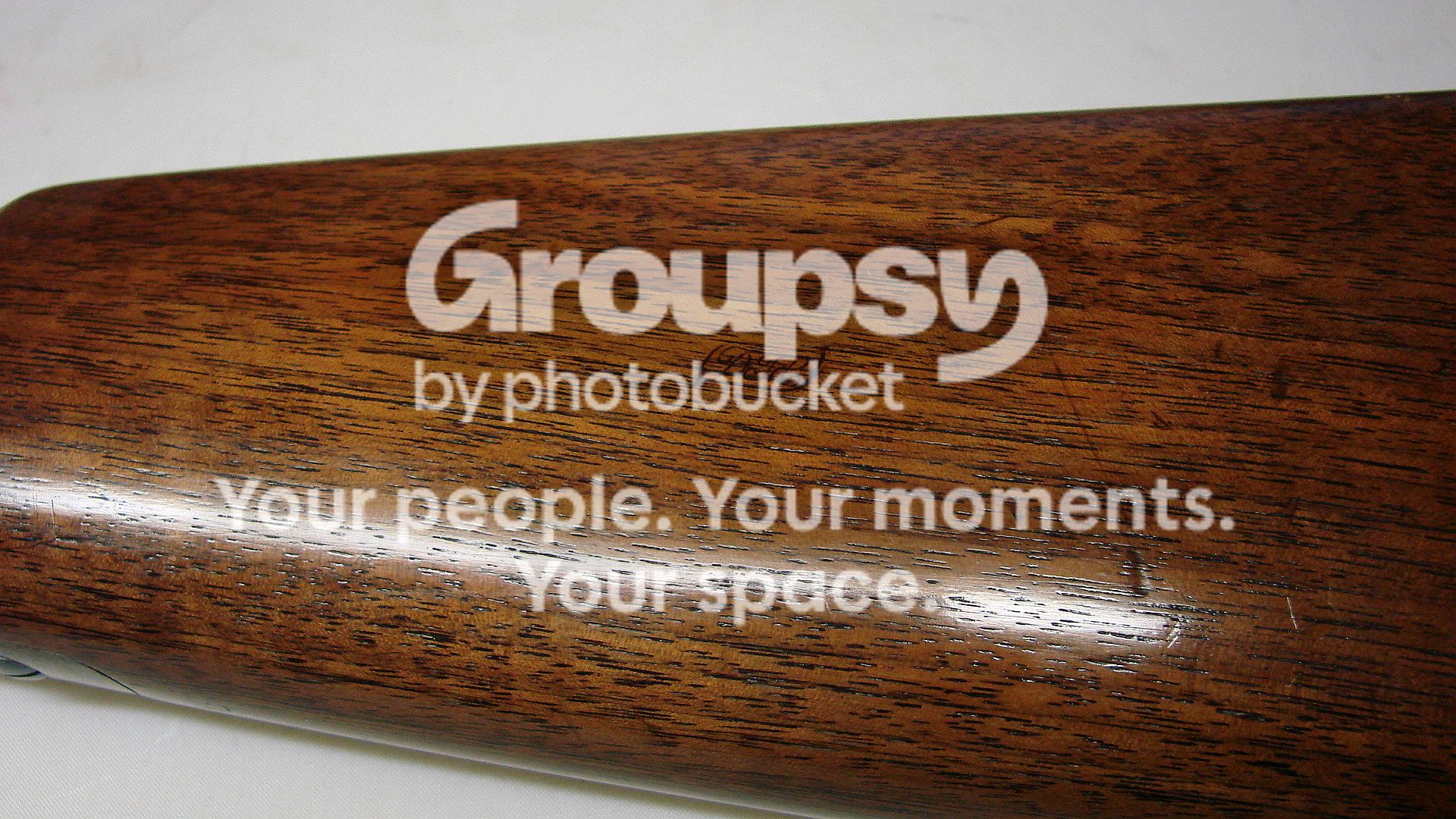
A total of approx. 44,000 Sharps carbines and rifle muskets (of all three styles i.e., New Model 1859, 1863 and 1865) were converted. In addition to the normal inspector markings found on Sharps percussion carbines, an extra inspection stamp (initials DFC in a ribbon cartouche) was marked in the center of the left side of the buttstock.
Conversion carbines are of two major types; (A) Original six-groove bores. (B) Relined bores with three-groove rifling. Conversions were refinished by the factory; when condition of the original stock required that it be replaced, a buttstock with no patchbox was used in all cases, regardless of the original model designation.
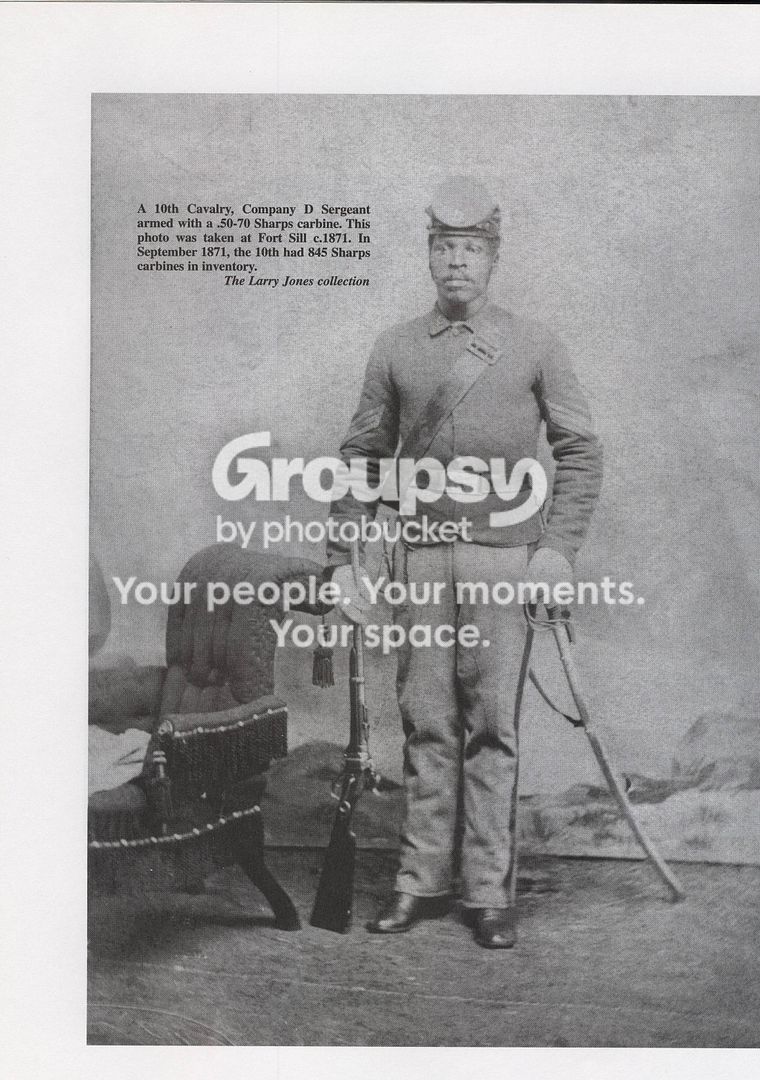
These carbines were re-issued and saw substantial use during the Indian Wars.
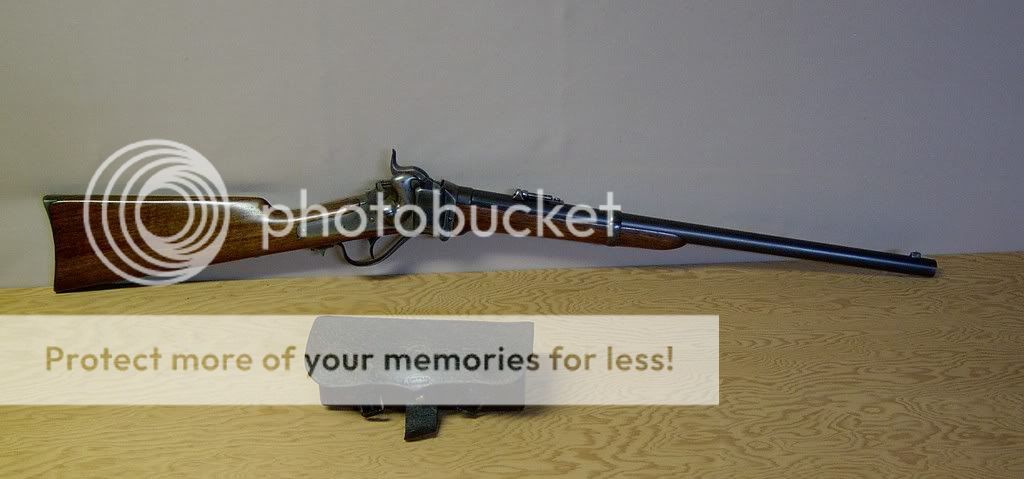
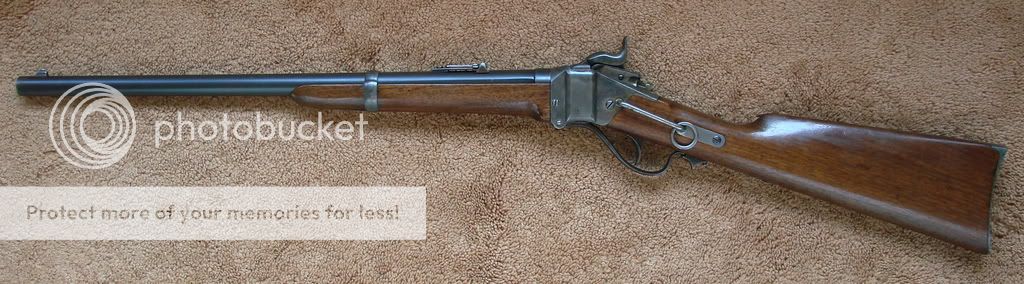
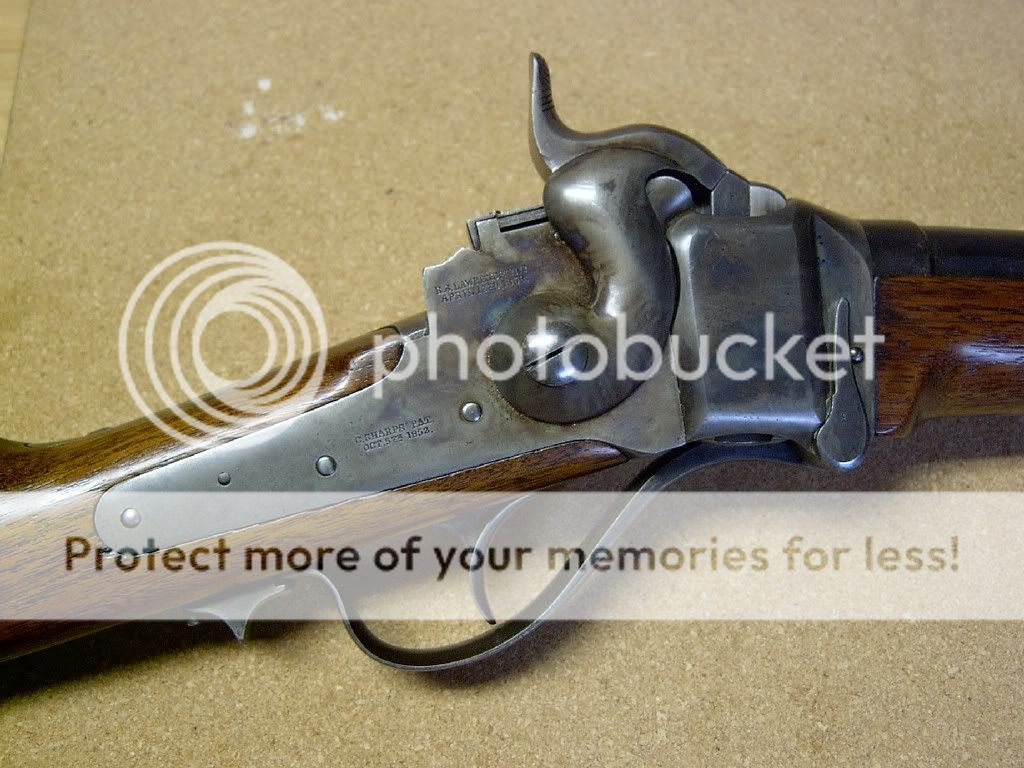
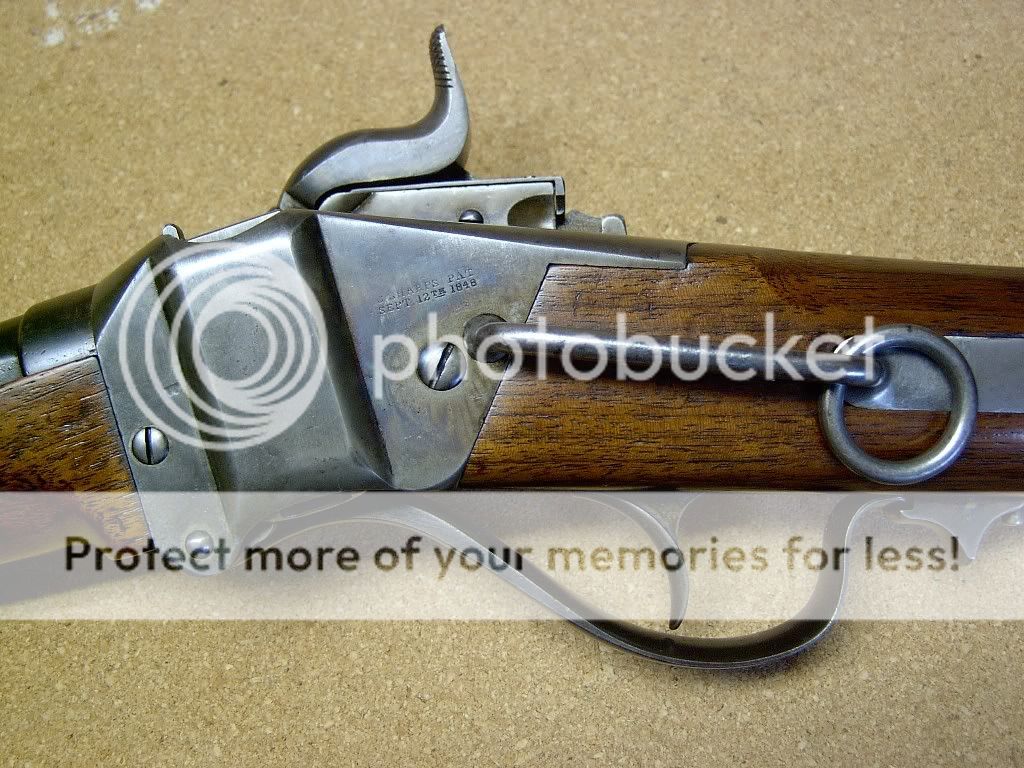
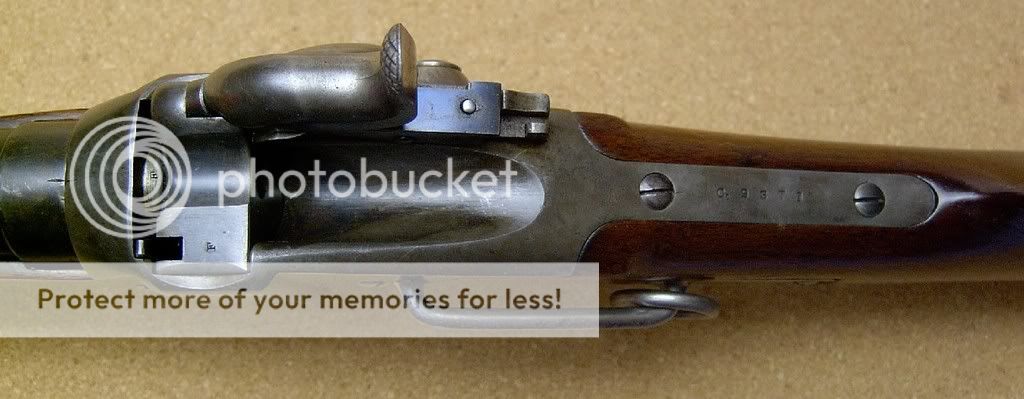
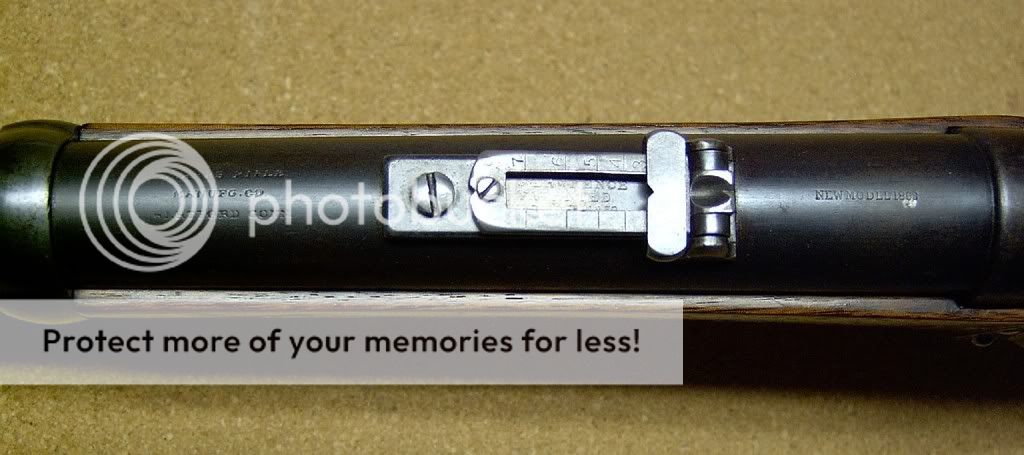
DFC stock cartouche---for David F. Clark.
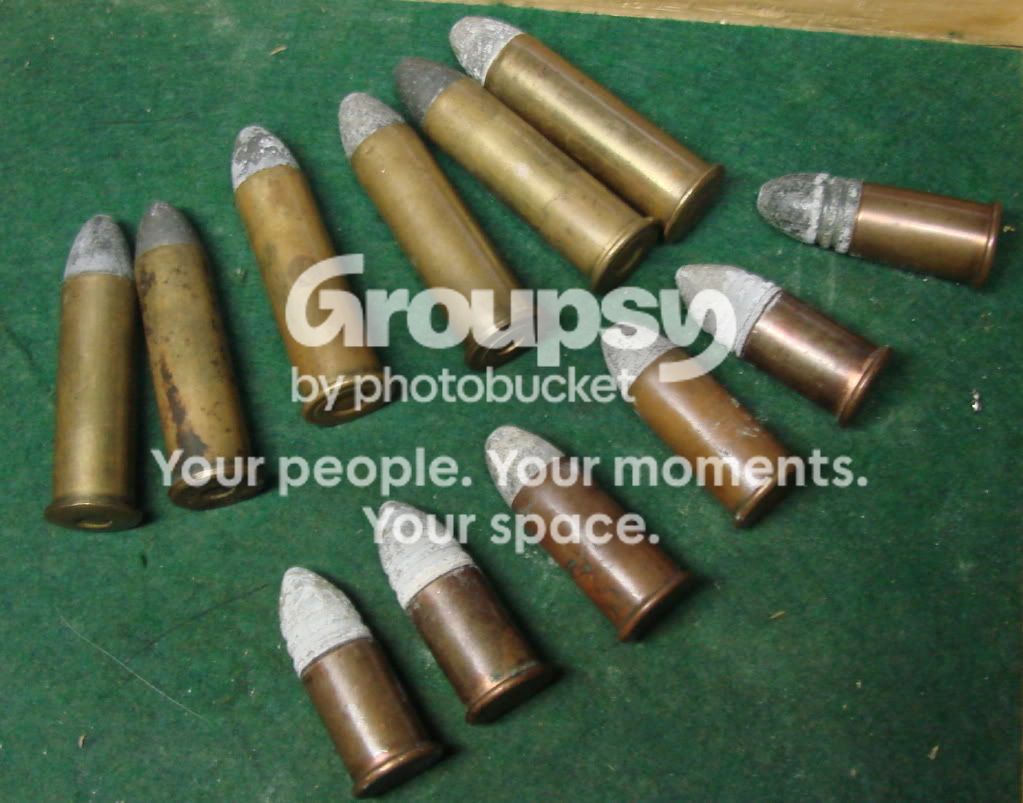
50-70 Sharps cartridges on top.
50-70 Sharps cartridges in a converted Civil War cartridge box.

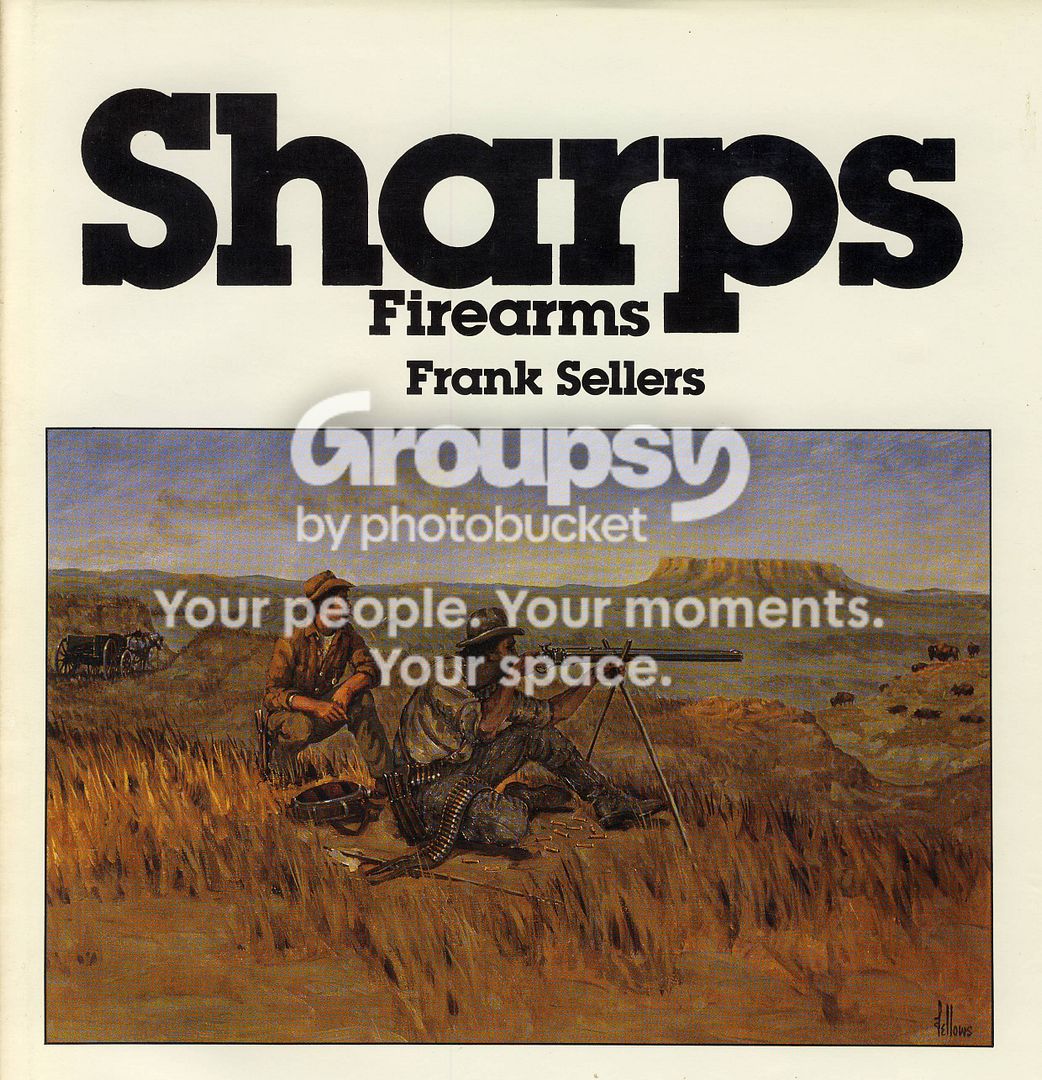
Frank Sellers in his book on Sharps Firearms describes this conversion event in substantial detail.
Published 1978-88.
David
Following the Civil War, the U.S. Government in 1867 decided to convert certain percussion military arms to metallic cartridge breechloaders. The Sharps carbine and rifle muskets were some of those selected for conversion and contracts were given to Sharps Rifle Manufacturing Co. to alter carbines/rifle muskets of their manufacture.
A total of approx. 44,000 Sharps carbines and rifle muskets (of all three styles i.e., New Model 1859, 1863 and 1865) were converted. In addition to the normal inspector markings found on Sharps percussion carbines, an extra inspection stamp (initials DFC in a ribbon cartouche) was marked in the center of the left side of the buttstock.
Conversion carbines are of two major types; (A) Original six-groove bores. (B) Relined bores with three-groove rifling. Conversions were refinished by the factory; when condition of the original stock required that it be replaced, a buttstock with no patchbox was used in all cases, regardless of the original model designation.
These carbines were re-issued and saw substantial use during the Indian Wars.


DFC stock cartouche---for David F. Clark.

50-70 Sharps cartridges on top.

50-70 Sharps cartridges in a converted Civil War cartridge box.

Frank Sellers in his book on Sharps Firearms describes this conversion event in substantial detail.
Published 1978-88.


David
Last edited:


 What a gorgeous piece that is!!
























