












































You are using an out of date browser. It may not display this or other websites correctly.
You should upgrade or use an alternative browser.
You should upgrade or use an alternative browser.
Old Enfield identification
- Thread starter Mangil
- Start date
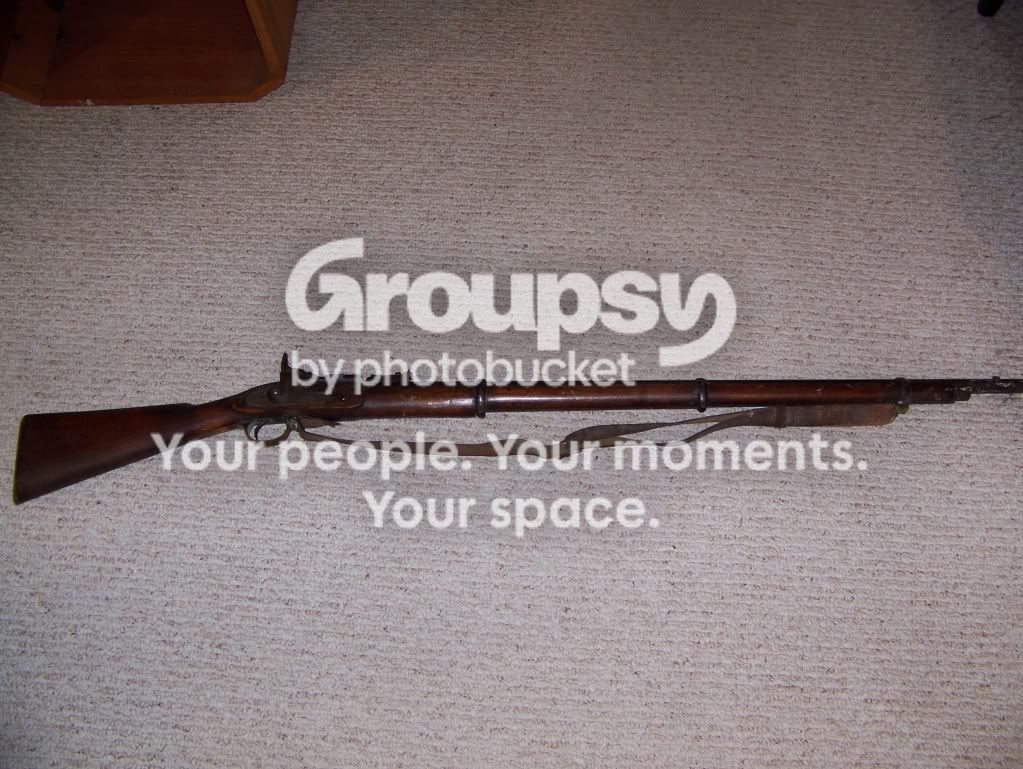
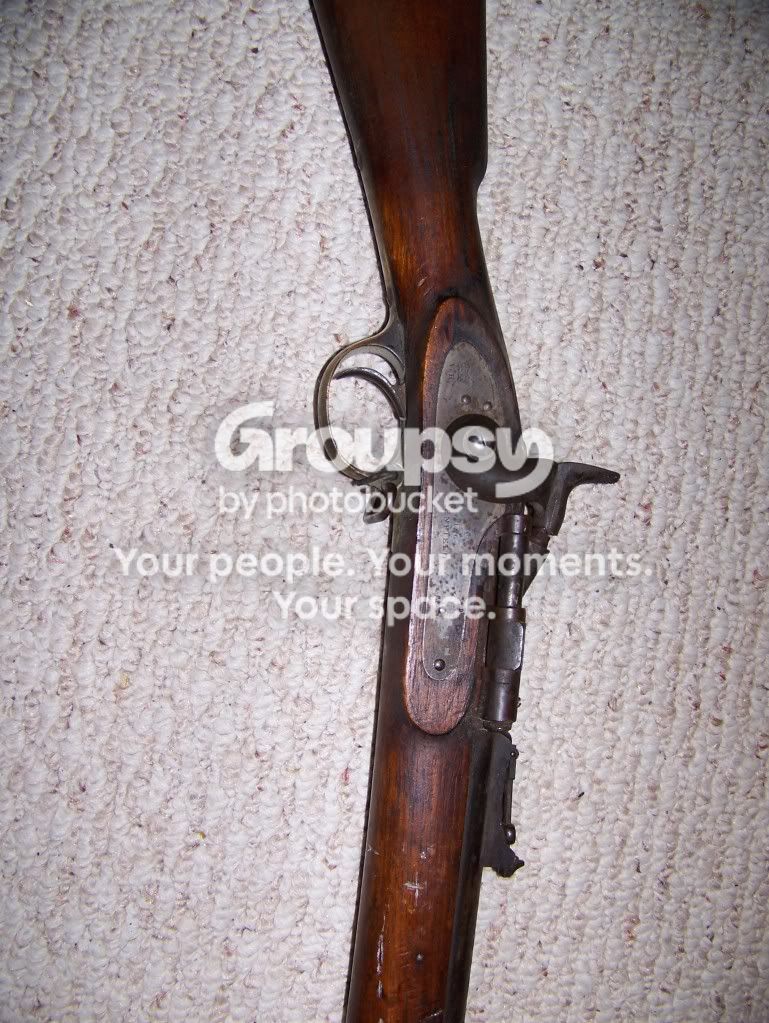
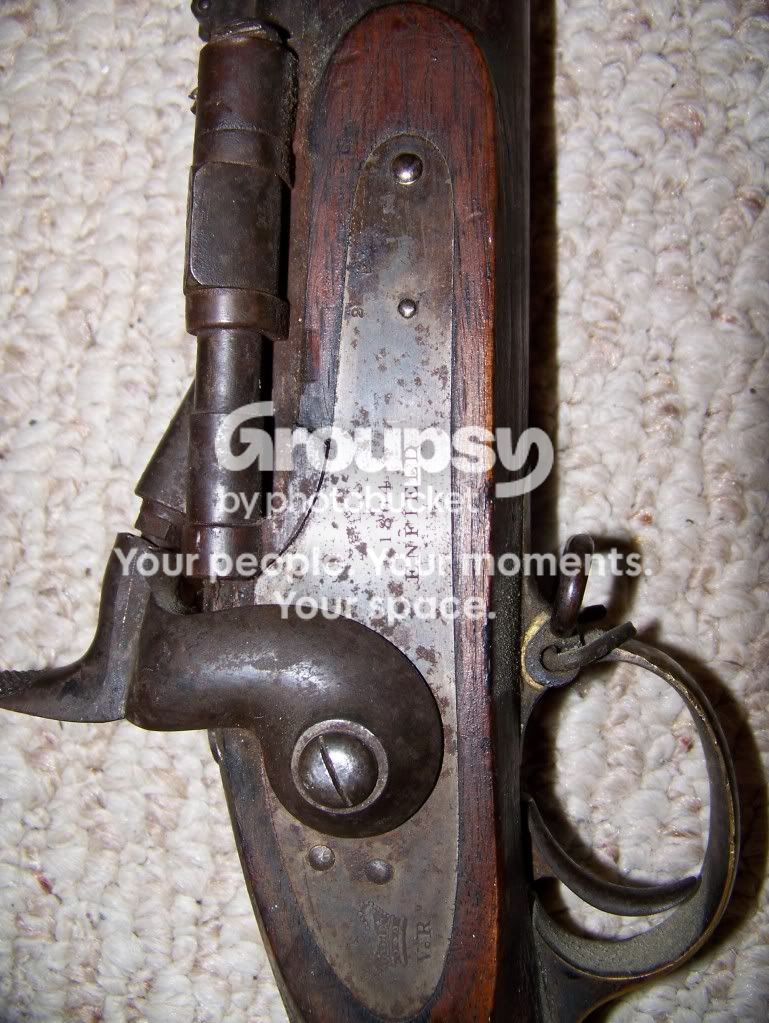
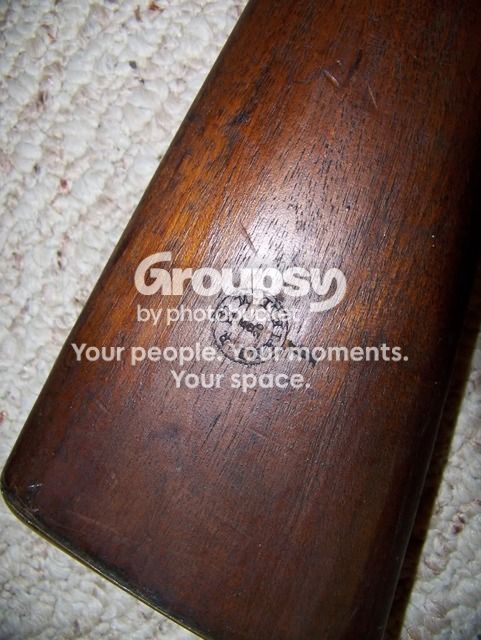

You've just scored a very nice Snider conversion. Not rough at all from what I can see. A persons with the right skills could clean that up very easily. Don't touch it if you don't have those skills, you'll ruin the value. Value is $600.+ IMO. The other one could be worth $50 or $500. We won't know without photos.
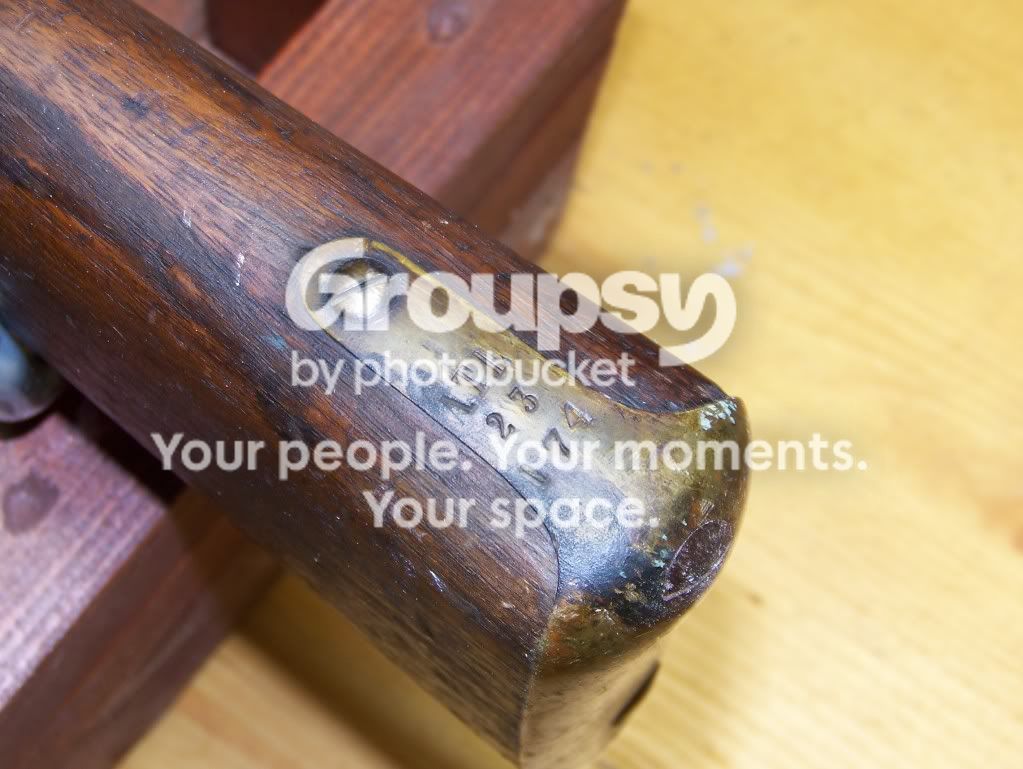
There are probably unit markings on the tongue of the butt plate (brass piece) Those could have a large effect on value also.
There are probably unit markings on the tongue of the butt plate (brass piece) Those could have a large effect on value also.
Known as a Snider Enfield. Usually chambered in .577 Snider. First Brit BP cartridge rifle.
Your's is rough, but I've seen worse. What's the barrel look like?
There are lots of sites with good info.
Ammo and brass is very expensive. Brass runs $139.95 per 20.
Your's is rough, but I've seen worse. What's the barrel look like?
There are lots of sites with good info.
Ammo and brass is very expensive. Brass runs $139.95 per 20.

- Location
- Eastern Ont.
Very nice gift.
Your mothers boss must really "like" her to give that gem.
Your mothers boss must really "like" her to give that gem.
Known as a Snider Enfield. Usually chambered in .577 Snider. First Brit BP cartridge rifle.
Your's is rough, but I've seen worse. What's the barrel look like?
There are lots of sites with good info.
Ammo and brass is very expensive. Brass runs $139.95 per 20.
The inside of the barrel is not looking good (rust)... I am trying to find an extra long cleaning rod to clean it a bit, what should I use patch and oil or something stronger?
You've just scored a very nice Snider conversion. Not rough at all from what I can see. A persons with the right skills could clean that up very easily. Don't touch it if you don't have those skills, you'll ruin the value. Value is $600.+ IMO. The other one could be worth $50 or $500. We won't know without photos.
There are probably unit markings on the tongue of the butt plate (brass piece) Those could have a large effect on value also.
do you know who could clean it ? is it worth it? (cleaning rod and rear swivel screw are missing)
more pics...
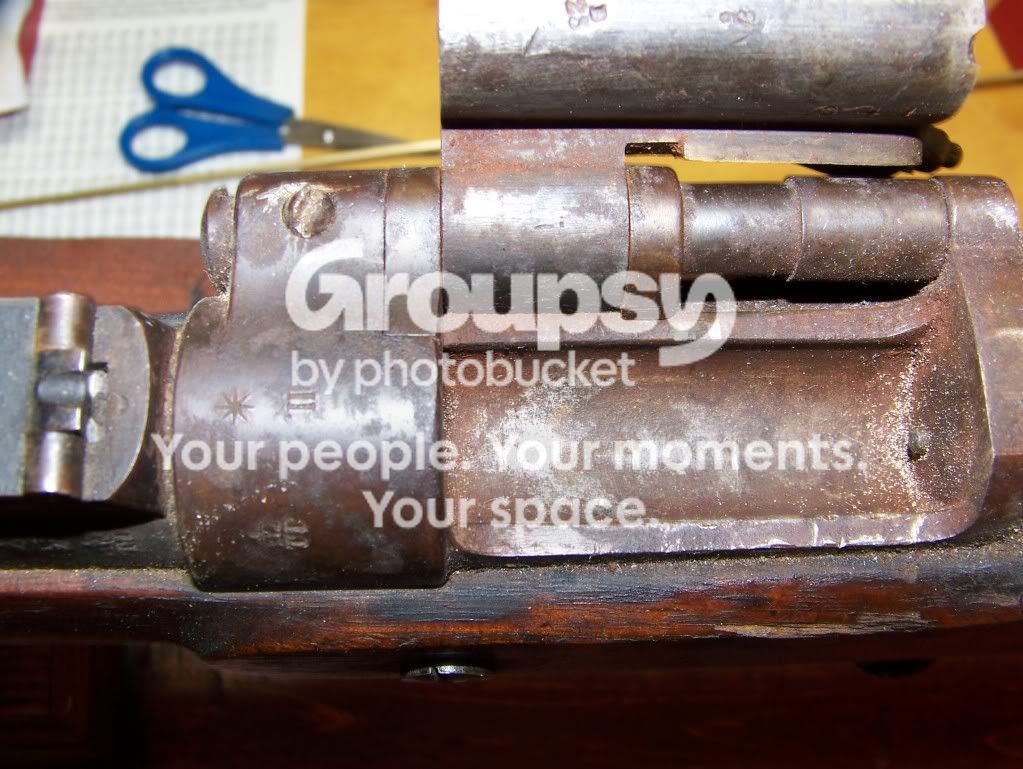
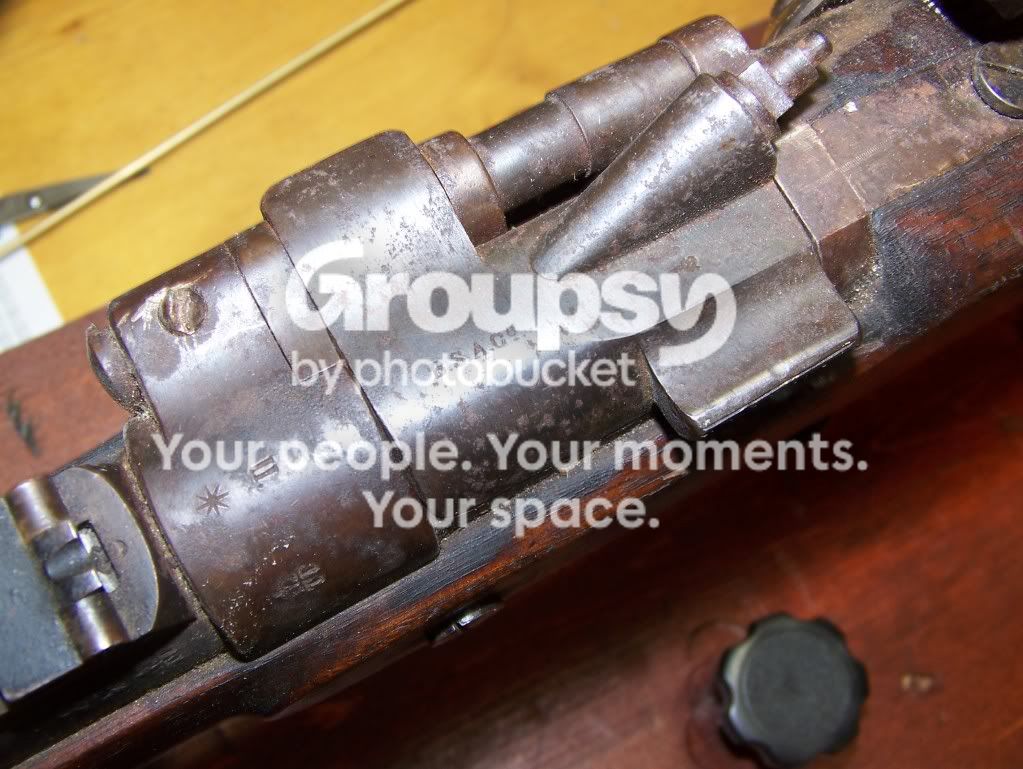
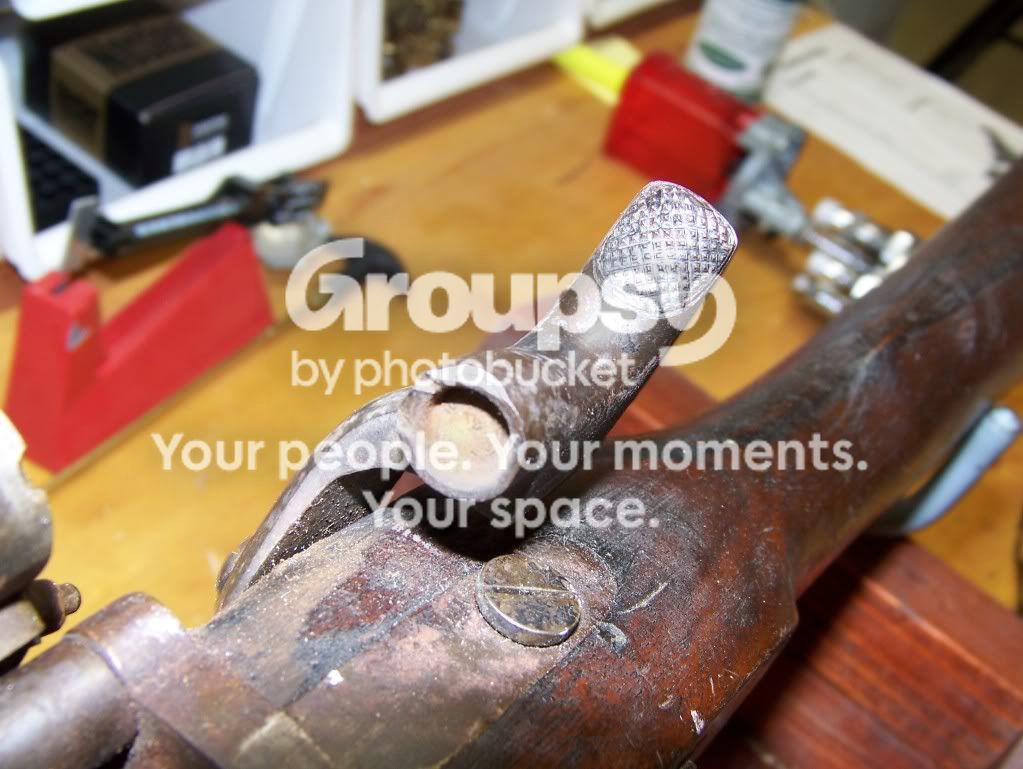
The inside of the barrel is not looking good (rust)... I am trying to find an extra long cleaning rod to clean it a bit, what should I use patch and oil or something stronger?
For now, I would do nothing unless you have experience cleaning/restoring older firearms WITHOUT cleaning them too much, as many people do.
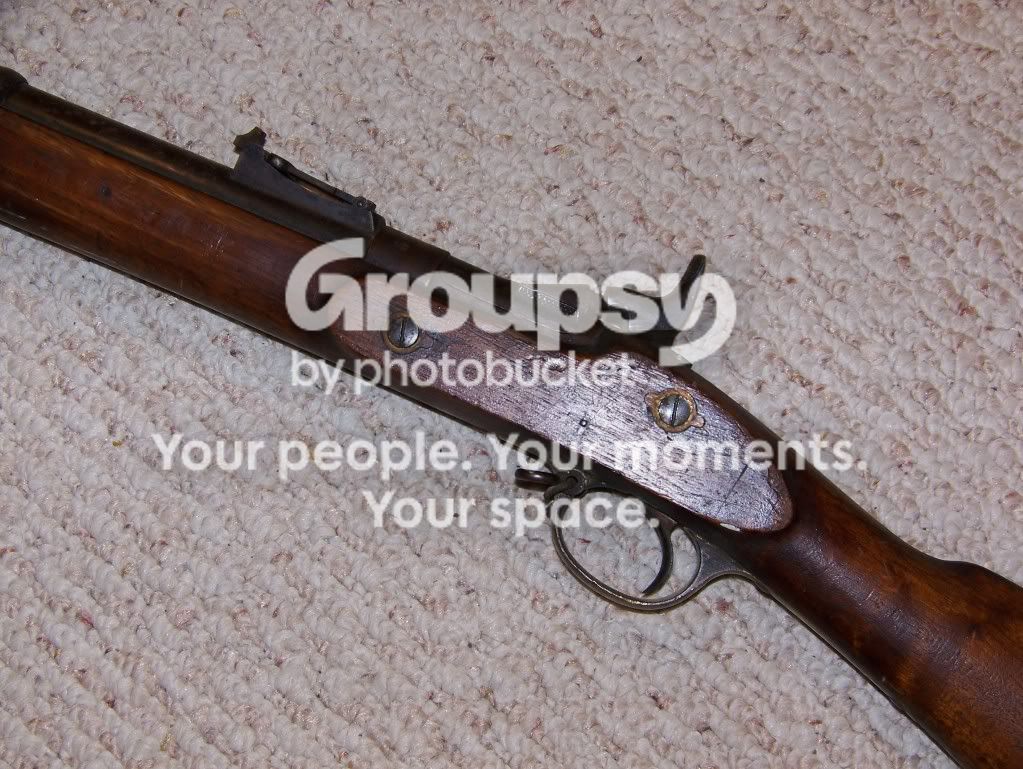
The butt looks like it may have been sanded since the buttplate looks higher/proud of the wood around it and I think I see the scratch marks, but around the lock and breech I don't see any signs of it, so maybe they stopped there.
Rust is never good, but as someone else said, there are much worse ones around. Looks like you even have the original sling.
I can't ID the buttplate tang (not "tongue" as I said before) markings, but someone else will probably.
Depends what you want to do. If you want to sell it or hang it on the wall, just carefully oil the metal and wipe down the stock with a damp cloth and when it's fully dried, rub in some linseed oil, keeping it off the metalwork.

I'd take it apart (separate metal from wood) and work on both separately. The metal parts are best cleaned in an electric bath which will remove all the rust but not the blueing. Easy to do, all you need is a small tank where you can fit the metal parts (preferably plastic) and a 12V adapter (or almost any adapter, for that matter). There are detailed instructions on the net about this (try YouTube). Or go here:
http://www.surplusrifleforum.com/viewtopic.php?f=80&t=62728&start=0
As for the wood, clean all dirt/other stains off it and put some stuff on it to preserve it (see post above as an example). There are various options, the most basic one being oil. Personally, I've had a great result with rub on floor varnish on one of my antique rifles... after rubbing on a very small quantity of it all over the wood, it gave the stock a whole new look, without being noticeable.
If you don't want to do that kind of restoration, then just sell it. One thing's for sure, rust will just keep getting worse and eventually turn the gun into unsalvageable junk, especially if it's going to be kept in a fairly humid environment (such as a house wall). The poor thing deserves better IMHO.

http://www.surplusrifleforum.com/viewtopic.php?f=80&t=62728&start=0
As for the wood, clean all dirt/other stains off it and put some stuff on it to preserve it (see post above as an example). There are various options, the most basic one being oil. Personally, I've had a great result with rub on floor varnish on one of my antique rifles... after rubbing on a very small quantity of it all over the wood, it gave the stock a whole new look, without being noticeable.
If you don't want to do that kind of restoration, then just sell it. One thing's for sure, rust will just keep getting worse and eventually turn the gun into unsalvageable junk, especially if it's going to be kept in a fairly humid environment (such as a house wall). The poor thing deserves better IMHO.

- Location
- Algoma region
Looks to be in actually good shape!
I just recently received one myself that I am slowly cleaning up, it looked a little better then yours is now,
every day I scrub the bore with breakfree and steel wool on a bronze bore brush, and she is really coming back to life.
I feel these old Canadian service arms DEMAND to be celebrated, restored, maintained,cared for and shot!!
If your not interested in ever shooting the old girl and only want her for decoration, then I --highly recommend-- you pack the bore and action in high pressure grease oil the stock and enjoy her as is.
The grease in the bore and action will preserve the old girl for some future person "maybe even you" that wants to bring her back to life!
Cheers to you and to your old Canadian battle rifle!
I just recently received one myself that I am slowly cleaning up, it looked a little better then yours is now,
every day I scrub the bore with breakfree and steel wool on a bronze bore brush, and she is really coming back to life.
I feel these old Canadian service arms DEMAND to be celebrated, restored, maintained,cared for and shot!!
If your not interested in ever shooting the old girl and only want her for decoration, then I --highly recommend-- you pack the bore and action in high pressure grease oil the stock and enjoy her as is.
The grease in the bore and action will preserve the old girl for some future person "maybe even you" that wants to bring her back to life!
Cheers to you and to your old Canadian battle rifle!
- Location
- Algoma region
Nope, same animal Just described differently.
Enfield is the "brand" of the rifle musket, Snider is the name of the smart devil American that designed the cartridge conversion.
Snider Enfield or just plain Snider rifle...A rose by any other name
The ram rod sounds like the proper one, IMA-USA has Nepalese snider ram rods for around 30 bucks, that would fit your rifle musket just right.
I need a ram rod for mine as well, but I'm going to finish cleaning it up before I buy one.
Now that I'm thinking about it.....maybe they have a swivel screw that will fit your rifle musket???
Though for Nepalese to British snider part interchangeability the ram rod may be where you draw the line.
BTW I think your rifle musket maybe from the 23rd battalion "royal Montreal" if your interested in such things....... Its a battalion with a odd history -to be honest-- that may-- also be a offshoot or amalgamation from leftovers of Lady Connaught's Irish rangers or some such thing.....some of the info I have is from during ww1 stating the 23rd was a reserve battalion..... I figure..... very interesting indeed
Its part of the fun and mystery of these old rack marked rifle muskets, with those marks intact you can start digging into the history of the service battalion and its roots.
Battalions were reformed into regiments proper in the early 20th century further complicating things.
Cheers
Just described differently.Enfield is the "brand" of the rifle musket, Snider is the name of the smart devil American that designed the cartridge conversion.
Snider Enfield or just plain Snider rifle...A rose by any other name
The ram rod sounds like the proper one, IMA-USA has Nepalese snider ram rods for around 30 bucks, that would fit your rifle musket just right.
I need a ram rod for mine as well, but I'm going to finish cleaning it up before I buy one.
Now that I'm thinking about it.....maybe they have a swivel screw that will fit your rifle musket???
Though for Nepalese to British snider part interchangeability the ram rod may be where you draw the line.
BTW I think your rifle musket maybe from the 23rd battalion "royal Montreal" if your interested in such things....... Its a battalion with a odd history -to be honest-- that may-- also be a offshoot or amalgamation from leftovers of Lady Connaught's Irish rangers or some such thing.....some of the info I have is from during ww1 stating the 23rd was a reserve battalion..... I figure..... very interesting indeed
Its part of the fun and mystery of these old rack marked rifle muskets, with those marks intact you can start digging into the history of the service battalion and its roots.
Battalions were reformed into regiments proper in the early 20th century further complicating things.
Cheers
Last edited:

- Location
- Algoma region
I.M.I. in the U.S will sell you a cleaning rod and Snider parts...
Yes they will, but remember the parts they have are from ---Nepalese---- made snider clones, they are not ----British----- made parts.
A cleaning rod is one thing, but a barrel or block is something else entirely.
Yes they will, but remember the parts they have are from ---Nepalese---- made snider clones, they are not ----British----- made parts.
A cleaning rod is one thing, but a barrel or block is something else entirely.
They may or may not be Real Snider parts.
There are some of the Nepalese sniders that were made in Britain.

Nice looking gun! Keep in mind, it may look rough for modern standards, but for a gun that was made 130++ years back it's in pretty darn nice shape.
I'd say if you can get a .50 cal brush wrapped in a rag down there with break free or hoppes try that. Your goal is to remove rust and crap, but stop at that. A plastic bristle brush is good for that too. Nothing aggressive, just remove the gunk and dirt. Oil everything up so it's got protection and lubrication and everything is good and functional and you're set.
These old guns had decent rifling in them, you might be surprised how it turns out. Won't be a sub moa sniper at 500 yards, but they never were to begin with.
I'd say if you can get a .50 cal brush wrapped in a rag down there with break free or hoppes try that. Your goal is to remove rust and crap, but stop at that. A plastic bristle brush is good for that too. Nothing aggressive, just remove the gunk and dirt. Oil everything up so it's got protection and lubrication and everything is good and functional and you're set.
These old guns had decent rifling in them, you might be surprised how it turns out. Won't be a sub moa sniper at 500 yards, but they never were to begin with.
I'd take it apart (separate metal from wood) and work on both separately. The metal parts are best cleaned in an electric bath which will remove all the rust but not the blueing. Easy to do, all you need is a small tank where you can fit the metal parts (preferably plastic) and a 12V adapter (or almost any adapter, for that matter). There are detailed instructions on the net about this (try YouTube). Or go here:
http://www.surplusrifleforum.com/viewtopic.php?f=80&t=62728&start=0
As for the wood, clean all dirt/other stains off it and put some stuff on it to preserve it (see post above as an example). There are various options, the most basic one being oil. Personally, I've had a great result with rub on floor varnish on one of my antique rifles... after rubbing on a very small quantity of it all over the wood, it gave the stock a whole new look, without being noticeable.
If you don't want to do that kind of restoration, then just sell it. One thing's for sure, rust will just keep getting worse and eventually turn the gun into unsalvageable junk, especially if it's going to be kept in a fairly humid environment (such as a house wall). The poor thing deserves better IMHO.
By this point, a lot of what was bluing is now browning, from fine rust over time. If you put it in an electrolytic bath there will little finish left probably. If you want to get rust out of the bore, use vinegar, but first you have to get ALL the dirt, oil and grease off or the vinegar will not work. You can also get fancy preparations like this: ht tp://www.evapo-rust.com/testimonials/testimonials.php?content=forensic_gunsmithtestimonials.html but this stuff takes off ALL THE FINISH, just like vinegar does. You end up with metal "in the white".
The bore can be done that way, but you have to be very careful to plug the nipple hole. After all the dirt, oil and grease is removed so the acetic acid in the vinegar can actually get at the rust, a week or two will suffice to convert all the rust. Then you can brush it out, or better, put it back in the ultrasonic and all the rust will blow off as black particles, right down to the bottom of the pits.
I've never heard of an electrolytic bath that doesn't take off all the finish, but I'm interested if someone else has evidence of one that doesn't take off bluing.
There is also a certain amount of cross-over between bluing and browning: "rust bluing" for example.
If you want to clean it, carefully disassemble it and have the parts cleaned ultrasonically. A blind cleaner size machine will do the barrel and breech together. Trouble is, the wrong solution or leave it in too long and you'll have etching and loss of finish.
I would put the metal to soak in penetrating oil for a month or two and then using a piece of brass, carefully scrape off the superficial rust. Gentle use of very fine steel wool, always in straight lines can help too.
There is no quick and easy method and it's very easy to get carried away and do too much: steel wooling the stock for example, which will ruin the patina.
That's why I suggest you leave it alone. With a bit of preservation, you can have a fine looking wall hanger that will not deteriorate any further. In fact regular oilings will soften the rust and improve the wood, so that future cleaning will be easier and more effective.
BTW I think your rifle musket maybe from the 23rd battalion "royal Montreal" if your interested in such things....... Its a battalion with a odd history -to be honest-- that may-- also be a offshoot or amalgamation from leftovers of Lady Connaught's Irish rangers or some such thing.....some of the info I have is from during ww1 stating the 23rd was a reserve battalion..... I figure..... very interesting indeed
Its part of the fun and mystery of these old rack marked rifle muskets, with those marks intact you can start digging into the history of the service battalion and its roots.
Battalions were reformed into regiments proper in the early 20th century further complicating things.
Very interesting thanks
Where did you find this info... is it something available online?
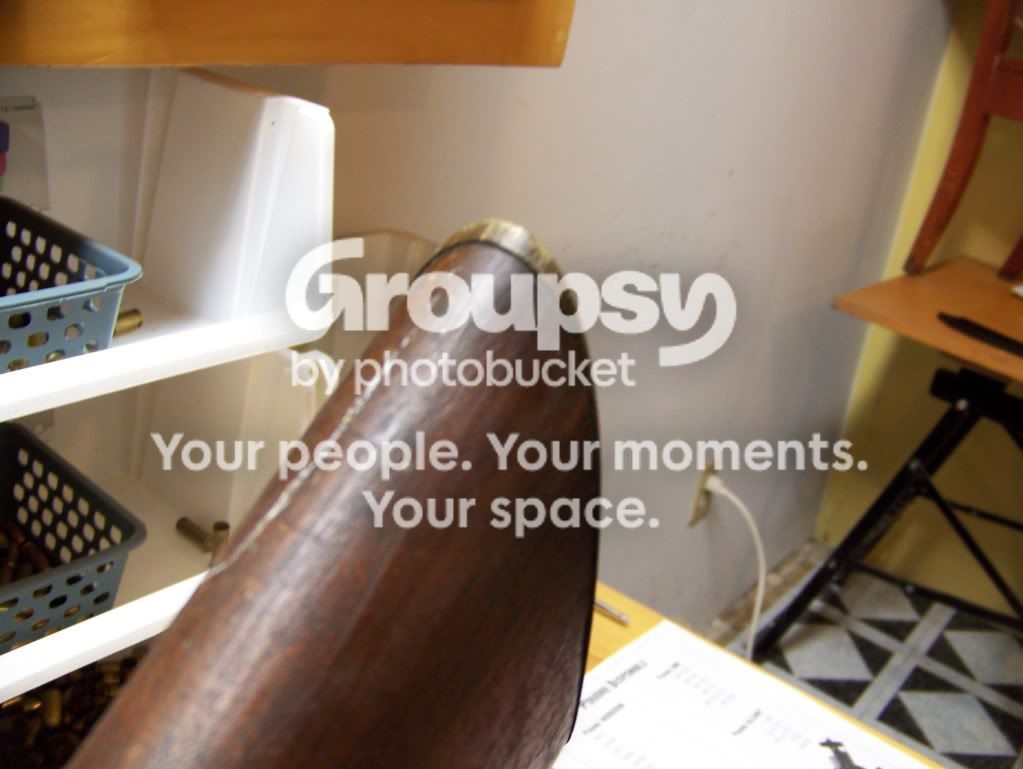
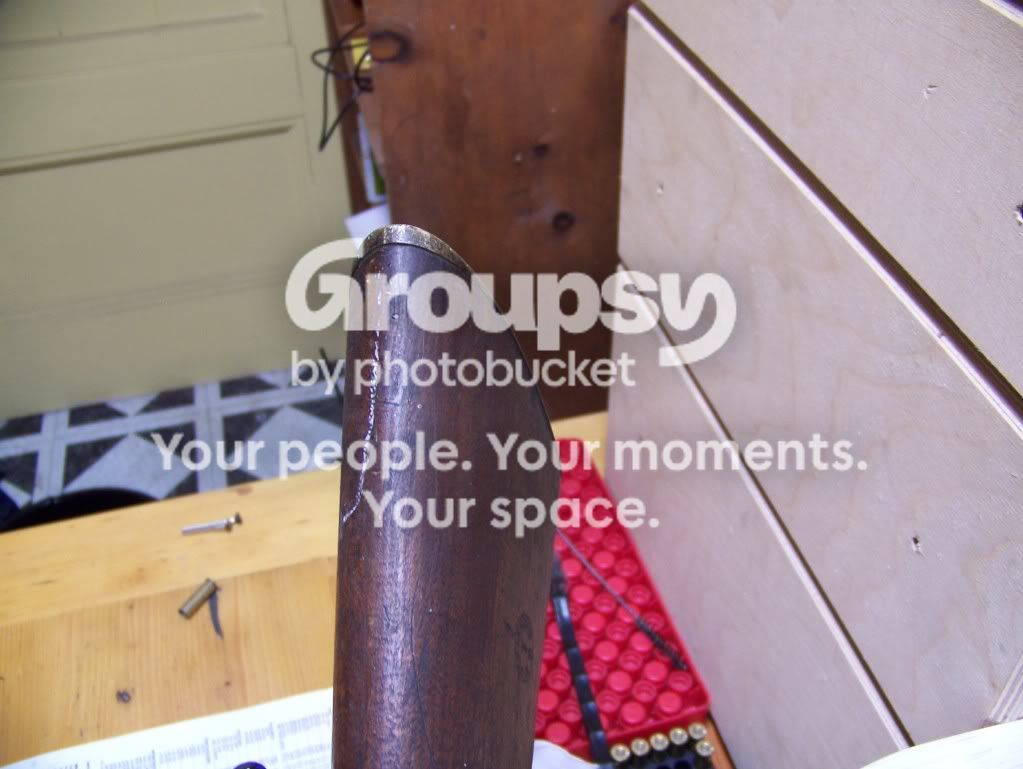
The butt looks like it may have been sanded since the buttplate looks higher/proud of the wood around it and I think I see the scratch marks, but around the lock and breech I don't see any signs of it, so maybe they stopped there.when it's fully dried, rub in some linseed oil
to be honest-- that may-- also be a offshoot or amalgamation from leftovers of Lady Connaught's Irish rangers or some such thing.....
The more I look at it, the more I believe that the buttpad is not original to the rifle... Although probably not replaced last week...It look larger than the stock almost everywhere
ummm....I am starting to feel something for this old lady...lol
I hope I am not developing an other gun addiction....
- Location
- Algoma region
The battalion and rack number is on the butt-plate tang.
I'm not sure what the lettering is but I have not really done more then a basic search.
The 23 is the battalion # the lower number is what I presume is the rack number.
Start by typing into the msn search engine ---- 23 rd battalion Canada,
add appropriate descriptive phrases to widen and adjust the search to your fancy.
-In times like this the internet is a really beautiful tool!!
Cheers
I'm not sure what the lettering is but I have not really done more then a basic search.
The 23 is the battalion # the lower number is what I presume is the rack number.
Start by typing into the msn search engine ---- 23 rd battalion Canada,
add appropriate descriptive phrases to widen and adjust the search to your fancy.
-In times like this the internet is a really beautiful tool!!
Cheers
do you know who could clean it ? is it worth it? (cleaning rod and rear swivel screw are missing)
more pics...
Alot of the value is in the markings. They tell the rifles life story. Don't do a thing to alter them. I've seen Bubba sand down Sniders to 'clean them up before selling them to make them worth more'. NOT!
If you don't have the facilities and know how to clean it, then leave it alone. That rifle has crossed that Atlantic at least once. Probably on a sailing vessel. It may have done time in India or South Africa before ending up in Canada.
If you don't have the facilities and know how to clean it, then leave it alone. That rifle has crossed that Atlantic at least once. Probably on a sailing vessel. It may have done time in India or South Africa before ending up in Canada.






















