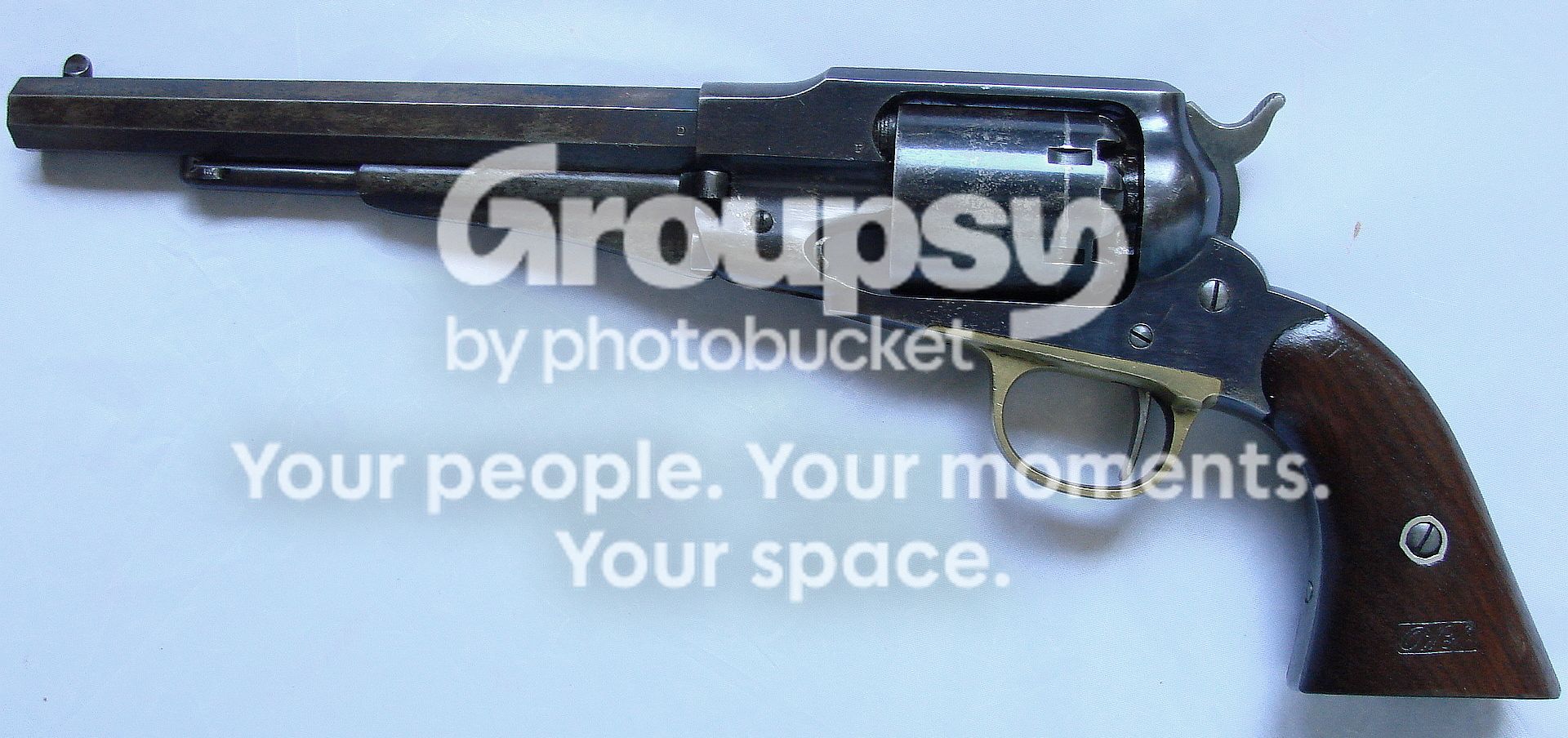
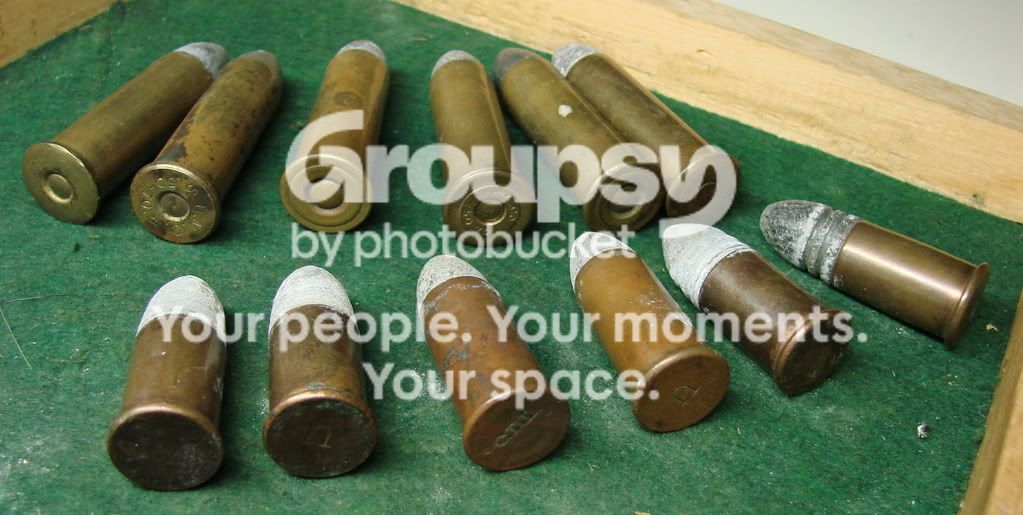
Original New Model 58 Remington Civil War Army Revolver----pics.

drm3m

CGN frequent flyer
Rating - 100%
13   0   0
Location
Montreal Quebec
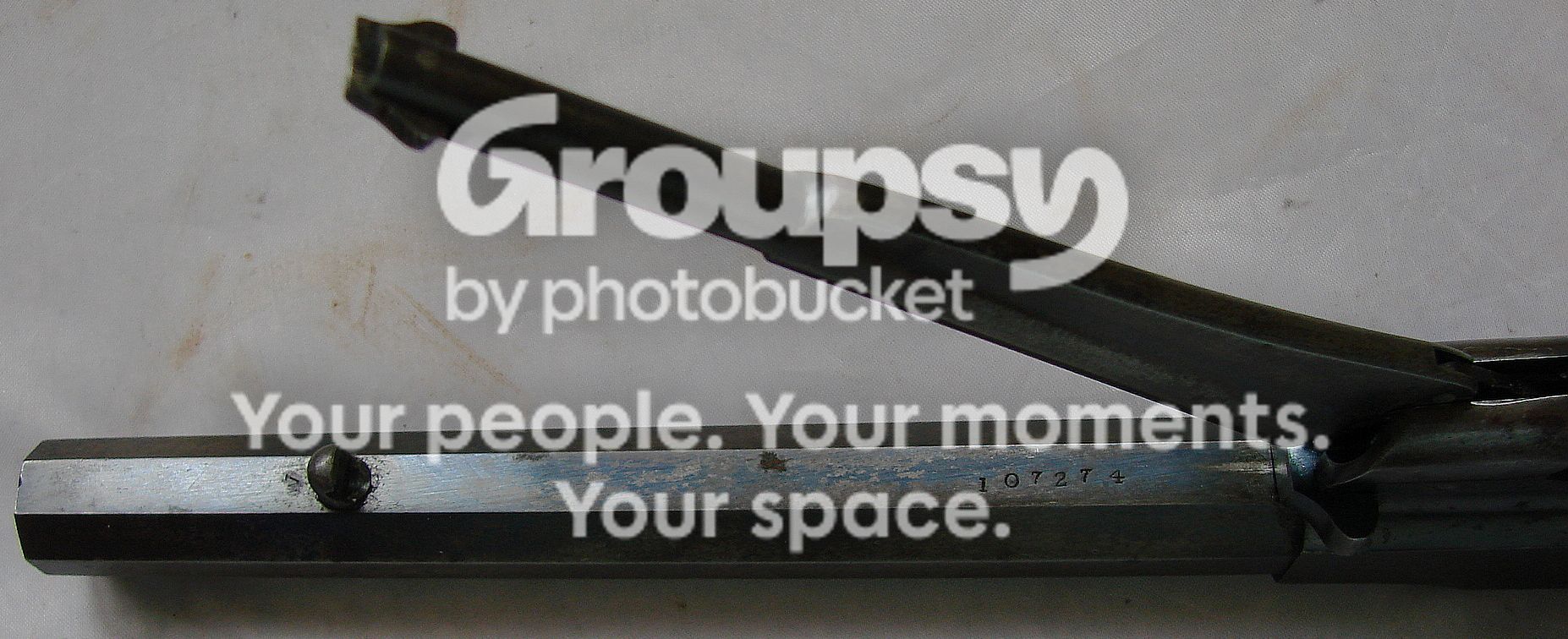
I have been trying to find out when this original Remington New Model Army Revolver s/n 107274 was manufactured.

I have posted stuff on the Remington 1858 .com site and Remington Society Forum…and I am still waiting for an answer.

Apparently Don Ware’s book deals with this subject …but I don’t own it.

Anyway…it caused me to put some photos together that I had in my achieves that might be of interest to some people regarding these guns.

David

NewModel58RemingtonArmyRevolver.jpg


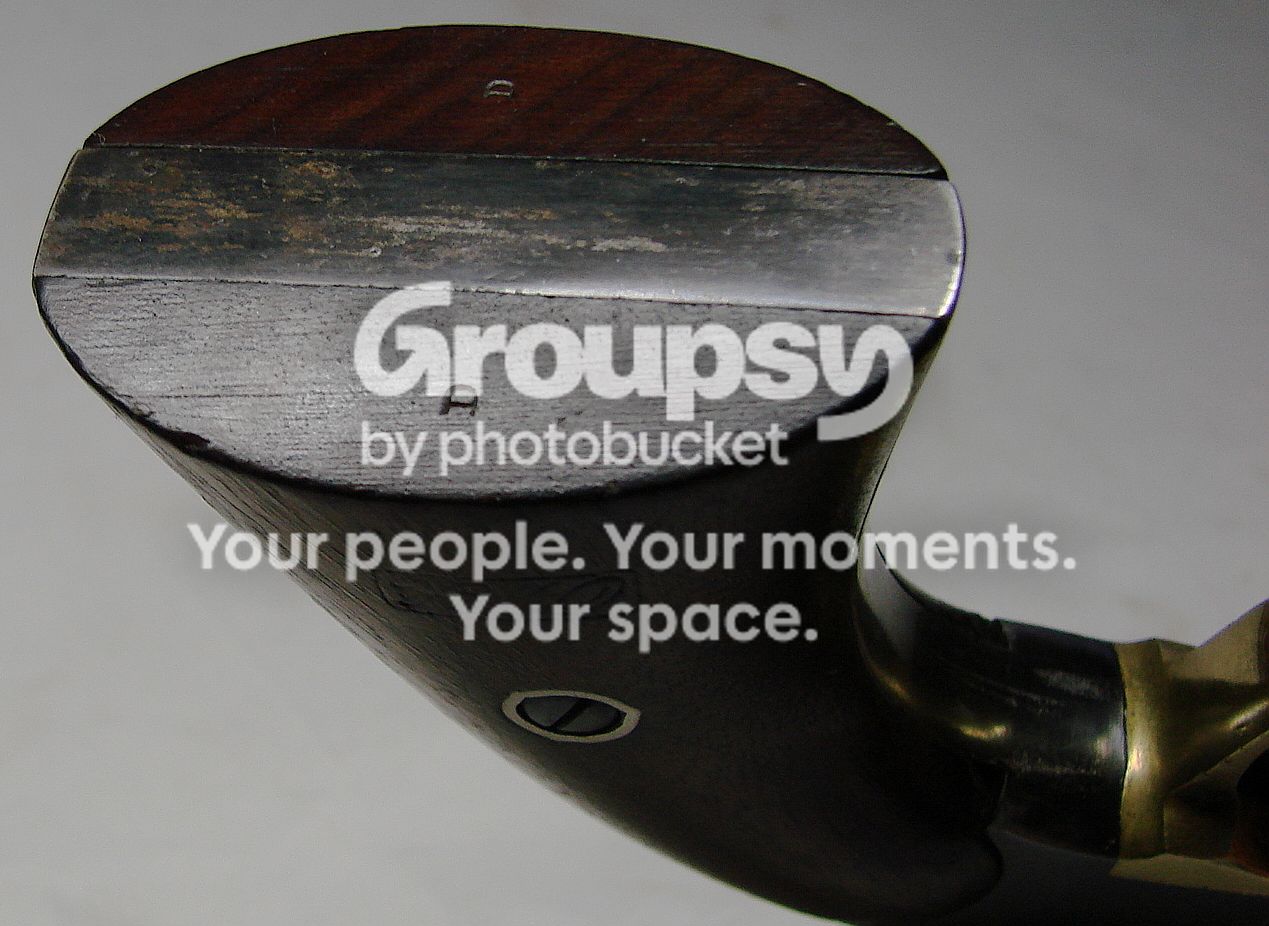
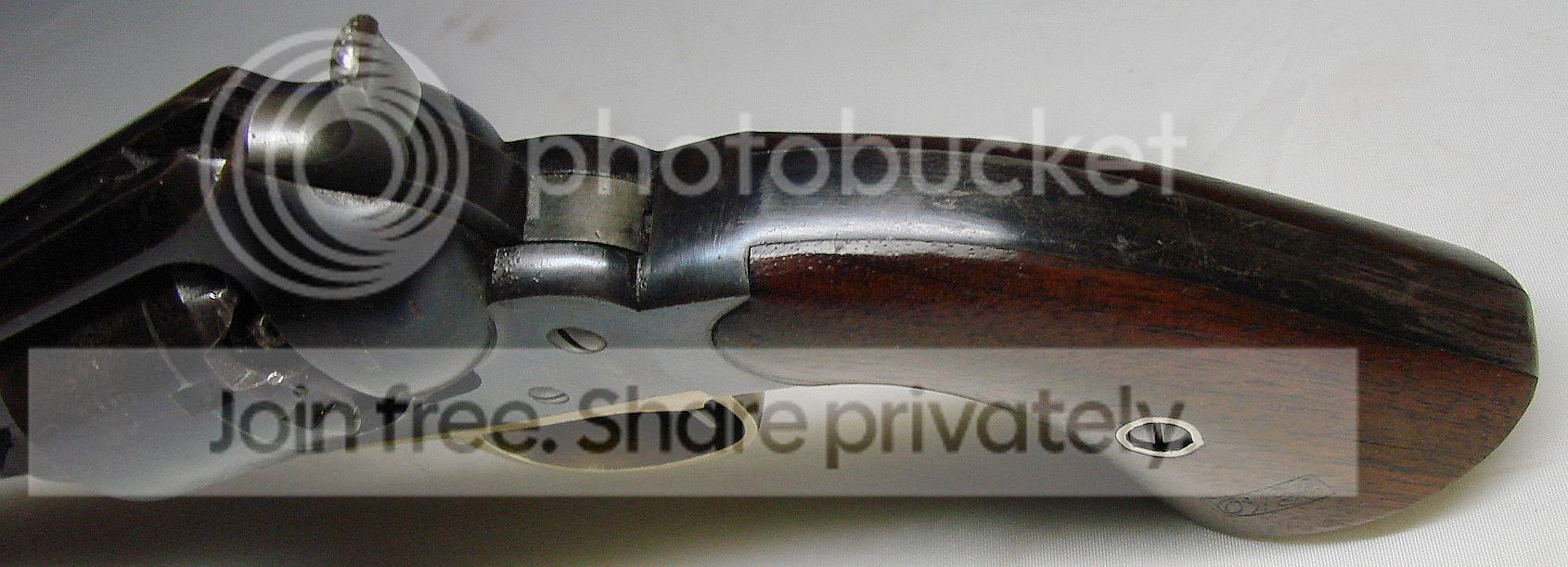
Orville W. Ainsworth (O.W.A.) final acceptance stamp on the left grip of this gun.
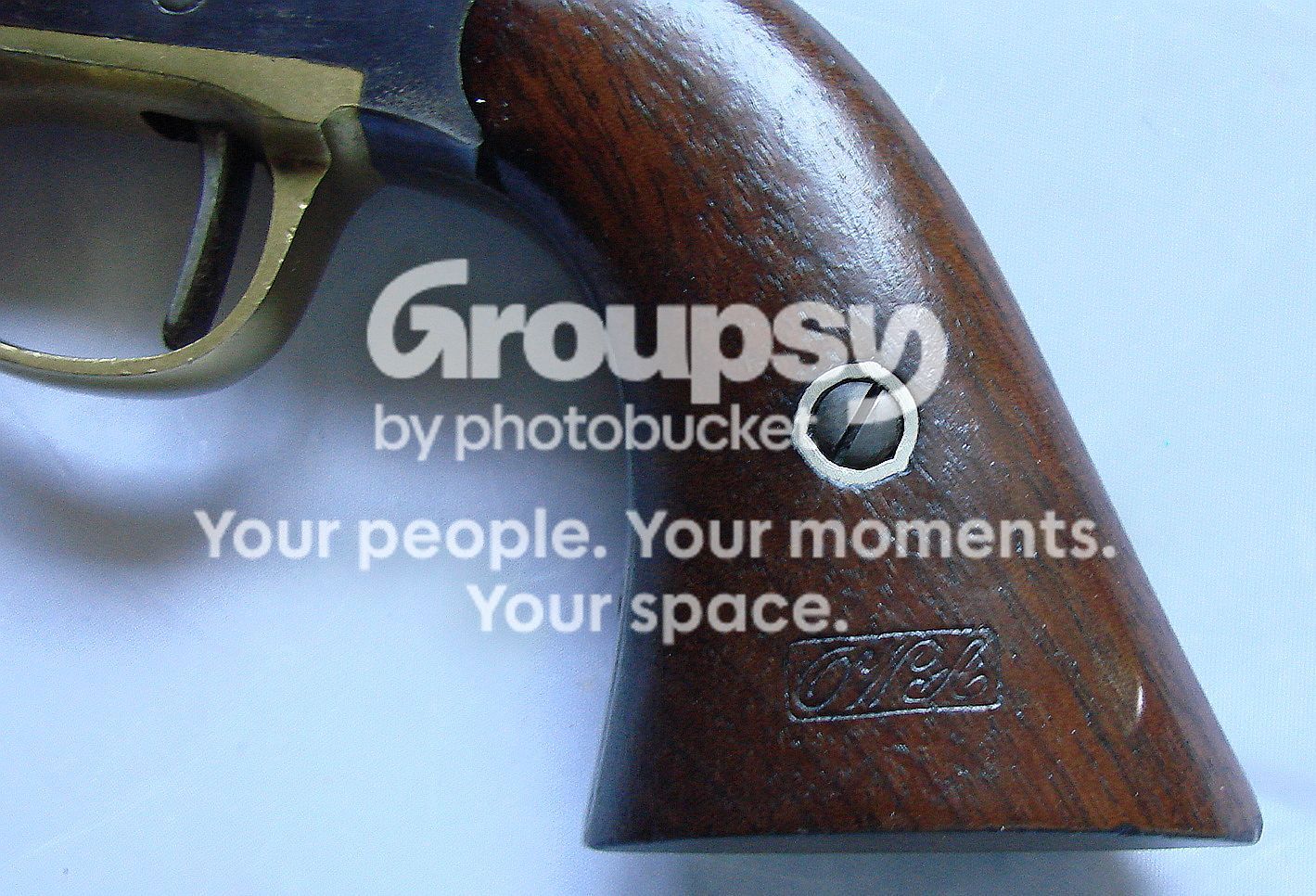
OrvilleWAinsworthcartoucheOWA.jpg


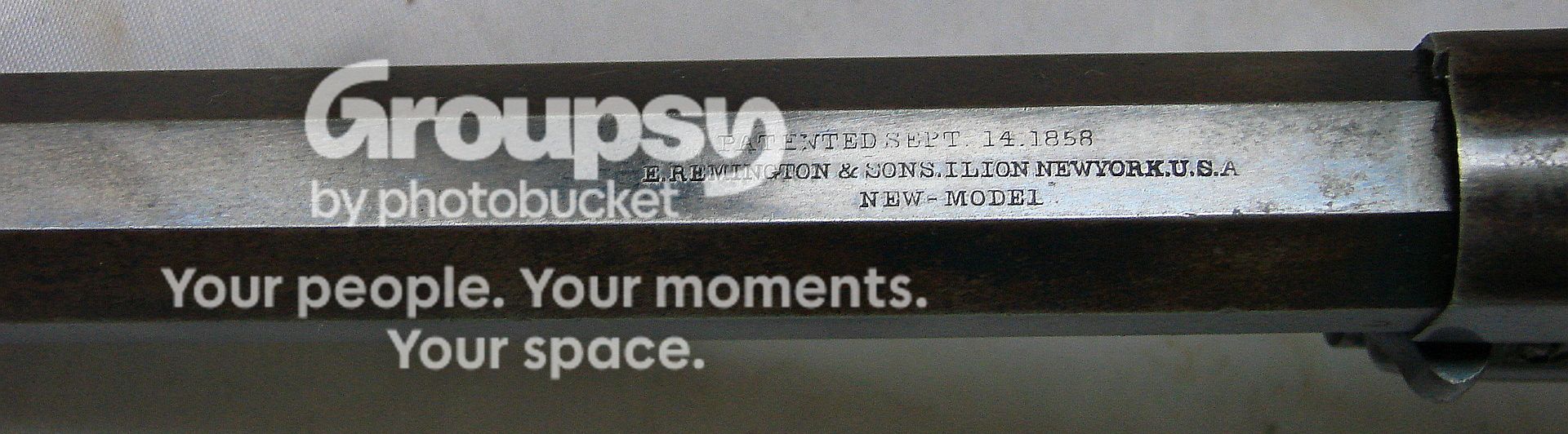
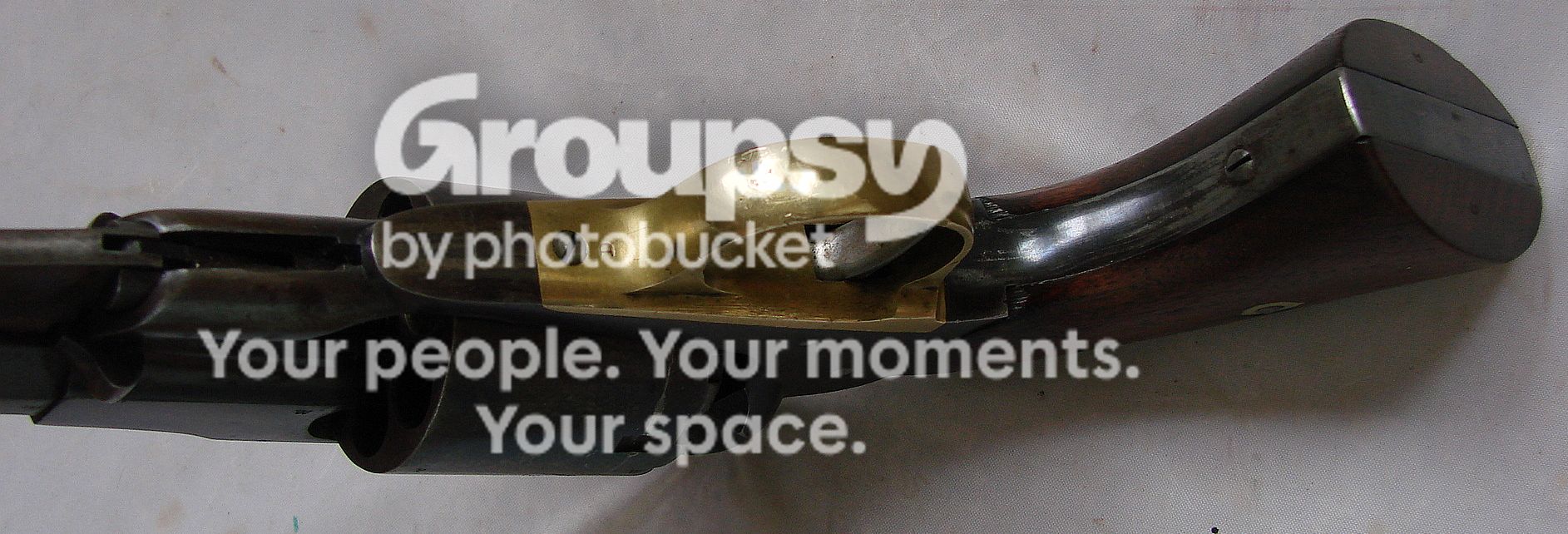
Some of the markings on the revolver and holster.
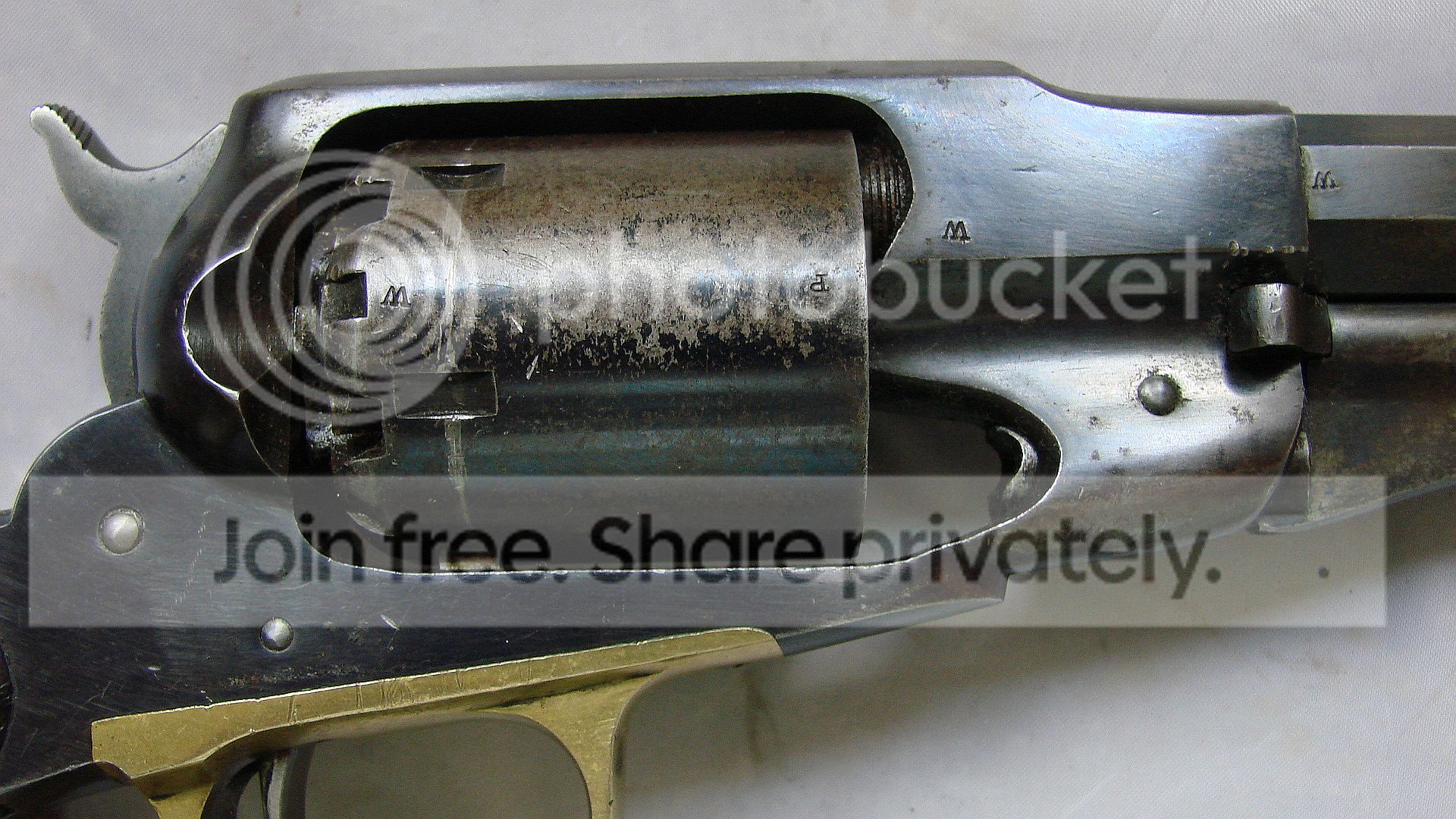
DSC00014.jpg


Serialnumber107274.jpg


Barreladdress.jpg


DSC00025.jpg


DSC00077.jpg


DSC00090.jpg


E. ###lord's manufacturer's marking on the holster.
They were major holster manufacturers during the Civil War.
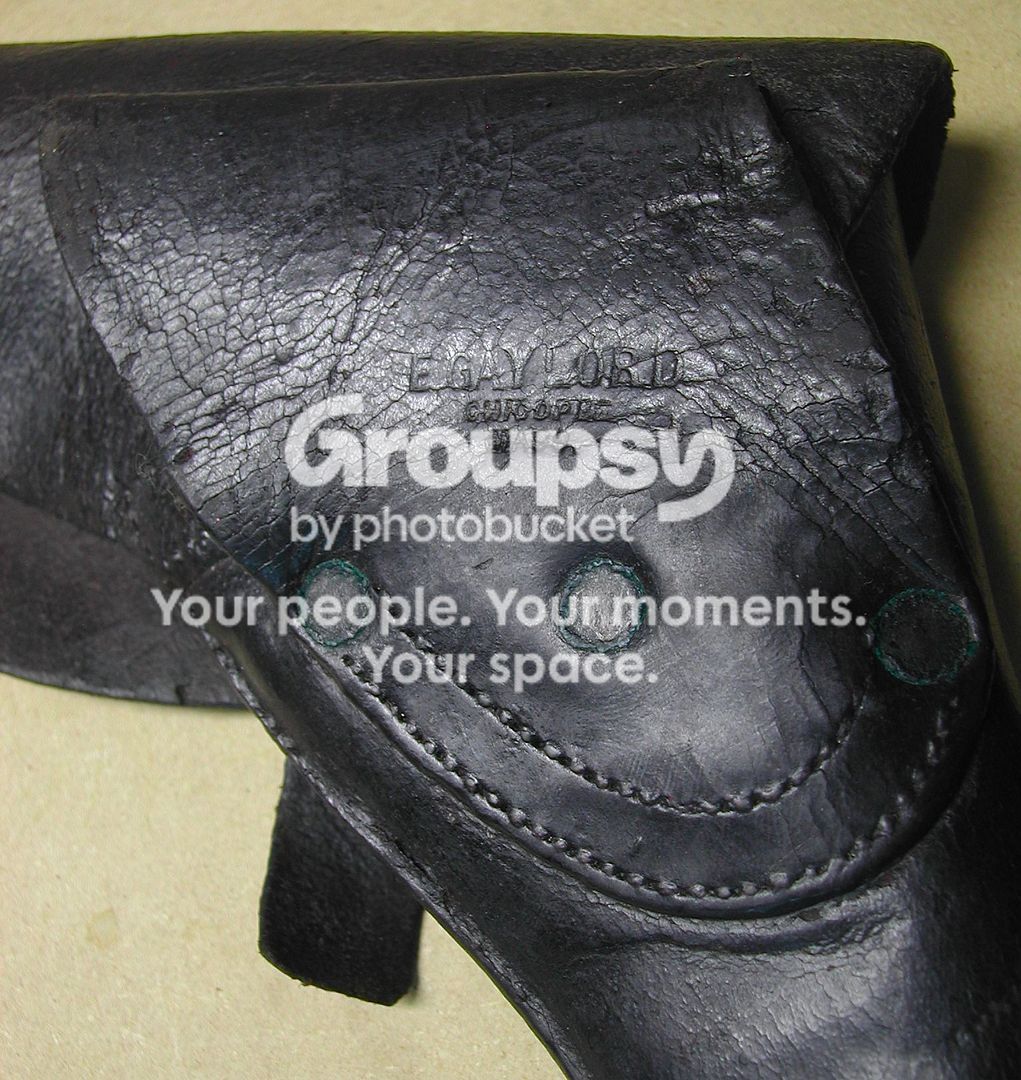
DSCN00642.jpg


The gun by itself. s/n 107274.
DSC08810.jpg
 
There were approximately 132,000 of these guns made between 1862 and 1875. This should get you in the ballpark, the acceptance marks could narrow it down a bit more.
 
Mean Steak.

Good for you for ordering Don's book.

I still have not heard back from anyone.

This is the kind of reference that I saw on the Remington Society Forum.

"Delivery of your revolver was during February of 1865, a part of the contract dated October 24, 1864. The serial number range for this months delivery is estimated to be from 132800 thru 141290."

I suspect that my gun -s/n 107274 was manufactured in mid 1864, based on other references that I saw on the Forum.

You were the fellow that got me curious about this serial number/dating subject.
I did not believe that there was a source for this info until Don Ware did the research for his book.
Before that I understand it was an unknown subject.

Once you get your book perhaps you could let me know what you find.

David
 
My copy of REMINGTON ARMY and NAVY PISTOLS 1861-1888 by Don Ware came in today. According to the book your revolver was made in October of 1864 (found on page 401). The Cartouche on the grip is interesting; according to the book
"O.W. Ainsworth was a principal sub inspector but he is better known for his post war inspection duties at the Colt Armory."(page 354)
I hope this helps.
 
Mean Streak,

Congratulations on getting a copy of Don Ware's book. It has been years since I have seen one.

I have a Remington New Model Army revolver s/n 106489, also with a OWA Cartouche on the grip like drm3m's. Would you be so kind, as to look in your book and confirm my suspicion the my pistol was also manufactured in October 1864.

Regards,
Powderman
 
Mean Streak,

Congratulations on getting a copy of Don Ware's book. It has been years since I have seen one.

I have a Remington New Model Army revolver s/n 106489, also with a OWA Cartouche on the grip like drm3m's. Would you be so kind, as to look in your book and confirm my suspicion the my pistol was also manufactured in October 1864.

Regards,
Powderman

Yes, your suspicions were correct. Remington army revolvers with serial numbers 101,361 to 107,410 were all made in October of 1964.
I found my copy on amazon.ca
Cheers
 
That is a beautiful example of an original Remington 1858. I enjoyed admiring it. Thanks for posting those photos.
 
Mean Steak thanks for your help, and Win 38-55 thanks for your comments.

I did not have access to my computer for a week and when I returned I noticed that Mike Streitbeck from the Remington Society Forum had responded to my question regarding dating.
Mike has responded to many other NMA owners regarding dating.

So Mean Steak now that you have Don Ware's book....you will become the 'go to guy' in Canada on this subject?????

Mike's comment.

NMA serial number 107274---manufacturing date info requested.

During October 1864, E. Remington & Sons shipped 4000 NMA revolvers to the U.S. Government against their contract of November 21, 1863. The serial number of your revolver, 107274, falls in the range of this production lot.

My congratulations on a fine looking revolver.

Mike Strietbeck
Monday July 30 2012

P.S.

Take a look at this beauty that sold on RIA.

http://www.icollector.com/Outstandi...n-New-Model-Army-Percussion-Revolver_i9386694
 
Last edited:
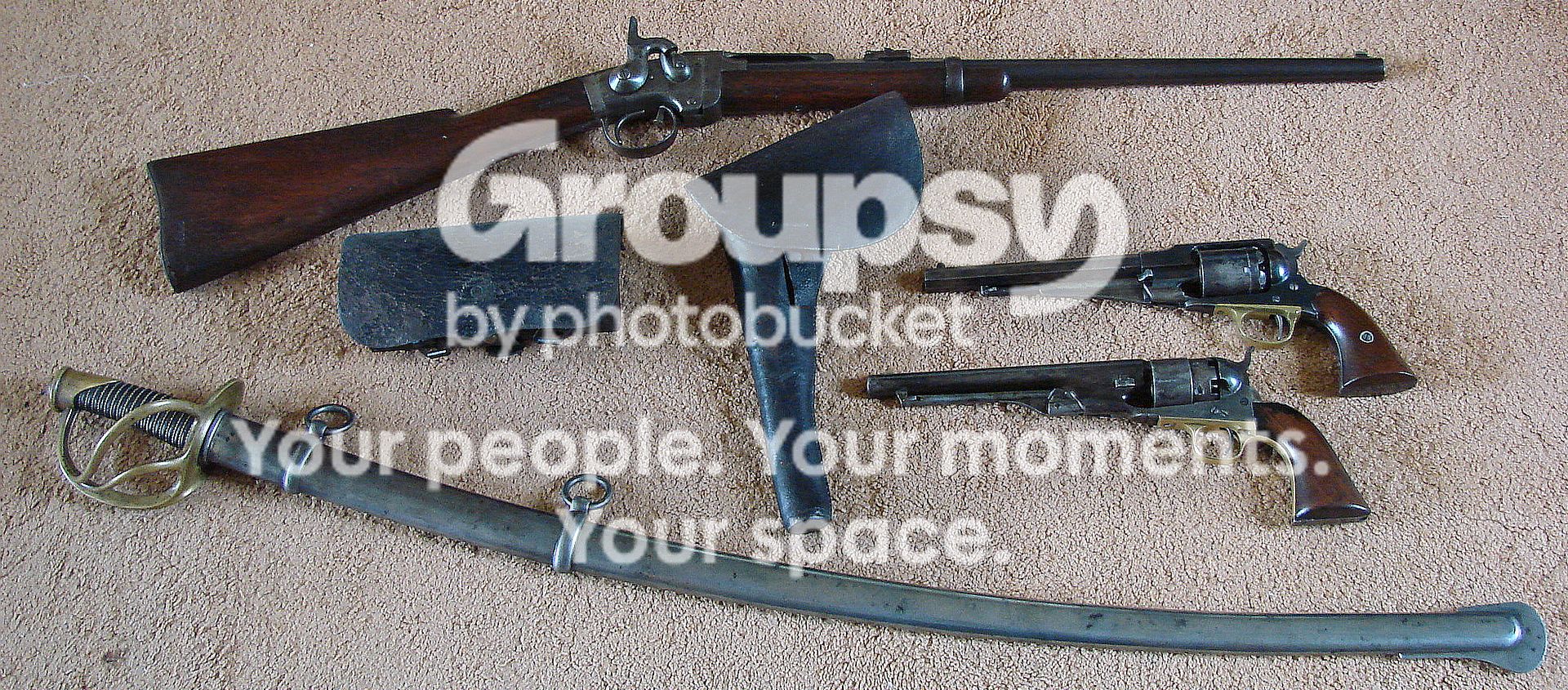
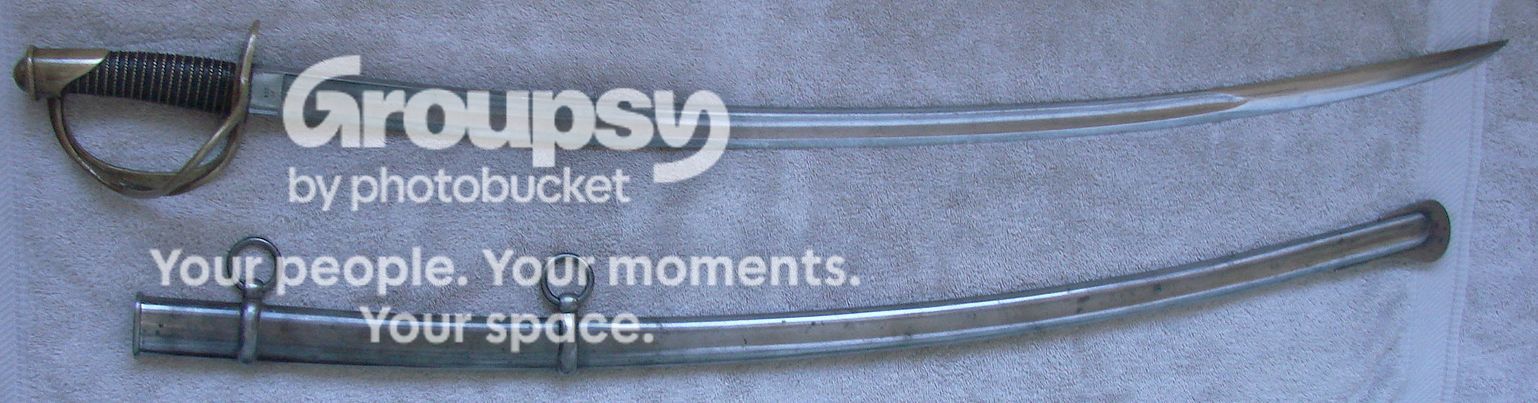
Civil War U.S. Cavalry arms grouping.

CivilWarCavalrygrouping.jpg


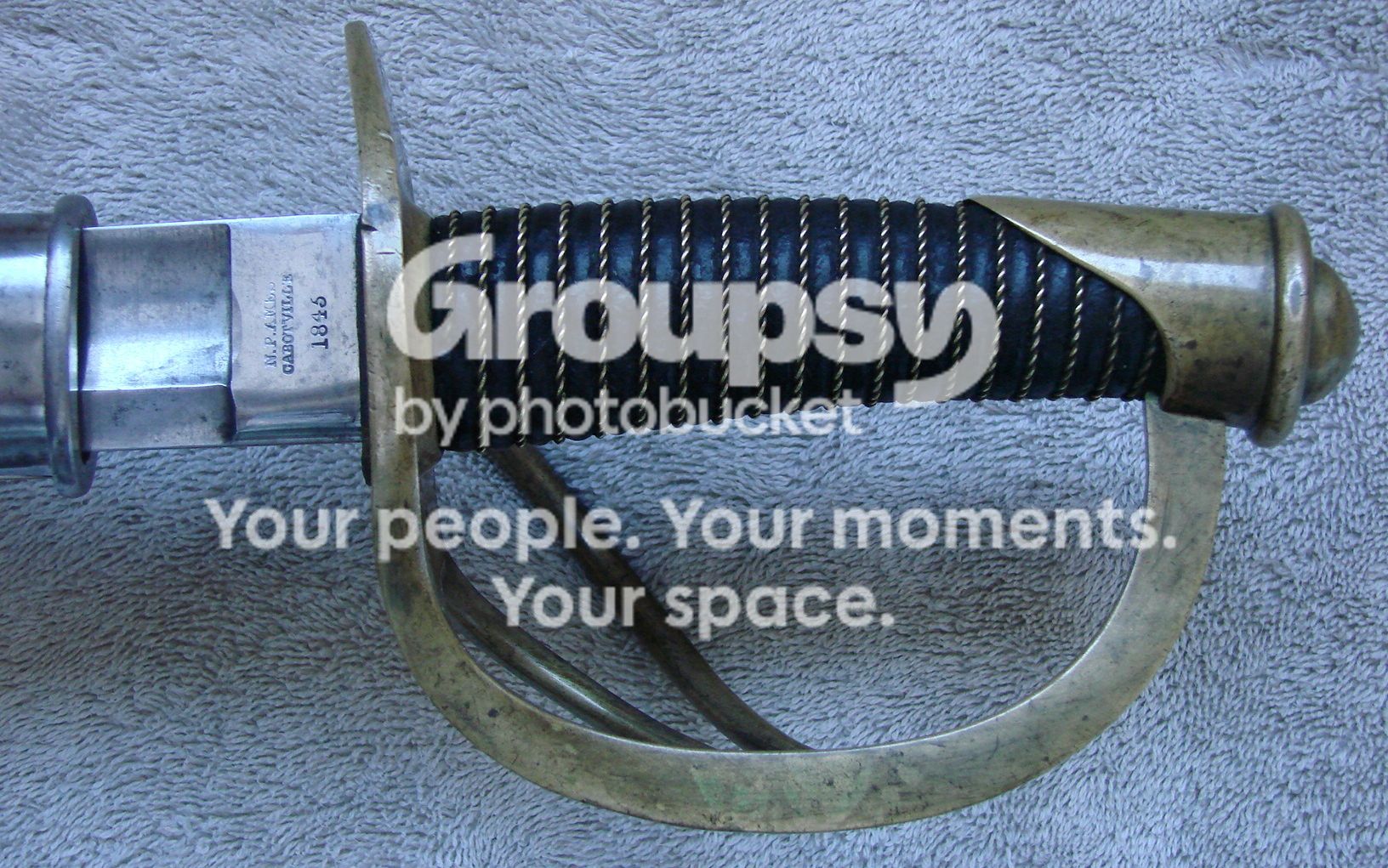
The Model 1840 cavalry saber is rather interesting.
It was manufactured in 1845 by Ames, the first year that they started producing this model.
1845datemarking.jpg


This model was used during the Mexican War as well as the Civil War.

Saberandscabbard.jpg


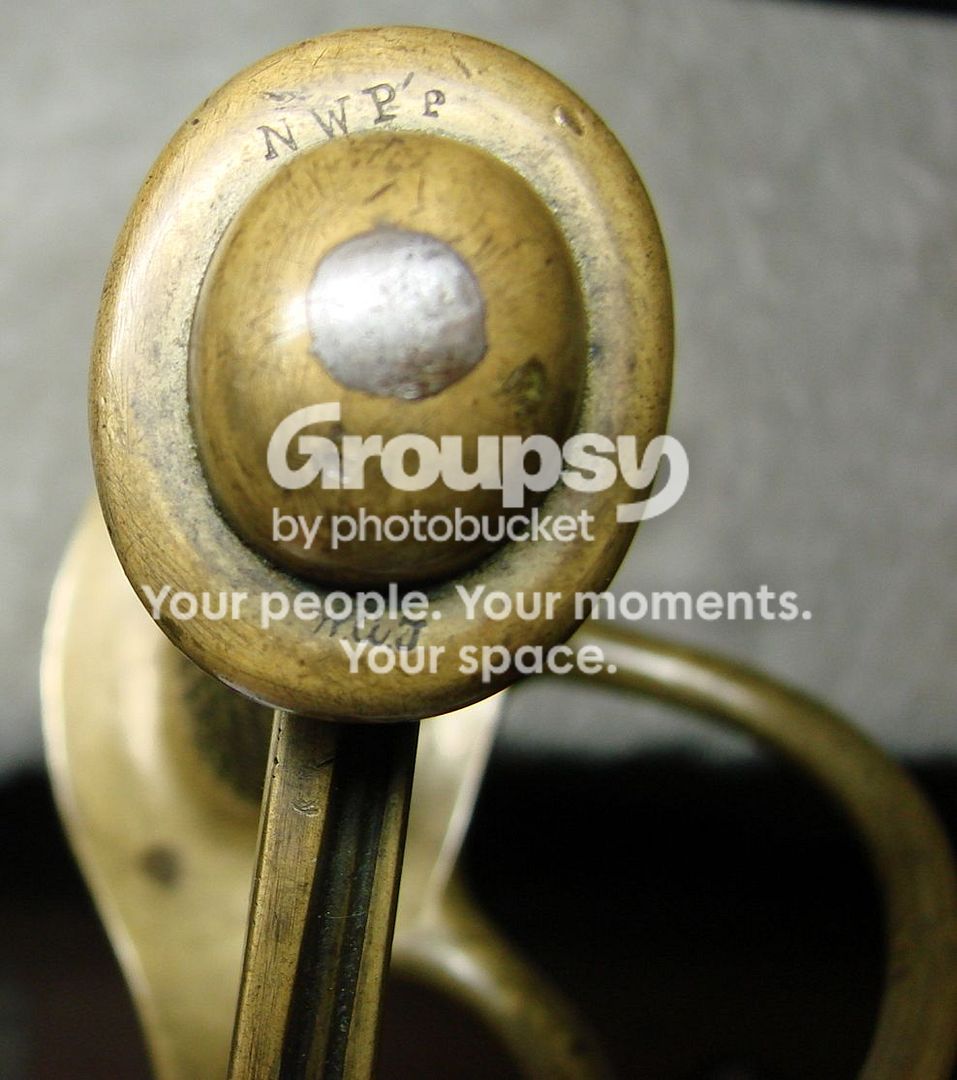
One of the two inspector's acceptance stamps on the pommel is that of William Anderson Thornton. (W.A.T.)

Pommelmarkings.jpg


USJCBInspectorsstamp-leatherwasher-gripwireandleathergripwrap.jpg


Some of the other arms that he inspected.

WAT- William Anderson Thornton Capt., USA Nippes M1840 Musket, Ames, Aston R. Johnson & Waters Pistols and Massachusetts Arms Adams, Remington Beals, Savage, Colt, Paterson, Walker and Dragoon Revolvers, Joslyn Carbines, Colt Revolving Rifles 1840-1861.

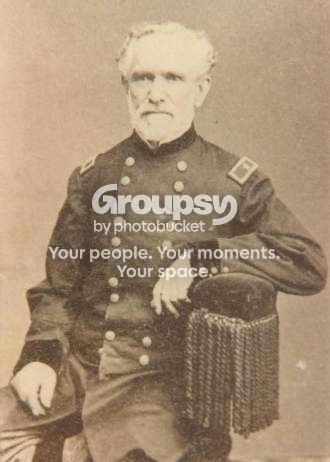
William A. Thornton Brevet Brigadier General, U. S. Army.
wathorntonmed.jpg


William A. Thornton was born in Albany, N.Y. in 1802. He graduated from the U.S. Military Academy at West Point, N.Y. in 1825. He served in the Black Hawk Expedition of 1832 and in Charleston Harbor, S.C. with General Winfield Scott from 1832-33. In 1855 Jefferson Davis, Secretary of War, sent Major Thornton to New Mexico where he served as Chief of Ordnance of the Dept. of New Mexico until 1857. Returning across the plains, he contracted a lung condition from which he never fully recovered. As Bvt. Brig. General he took command of New York Arsenal at Governor's Island, N.Y. where he died April 6, 1866.

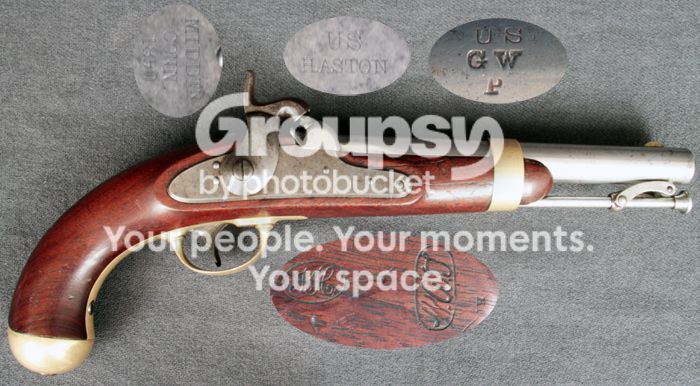
Notice his acceptance cartouche on the pistol below, the same 'WAT' as shown on the pommel of the Model 1840 saber shown above.

FHG-1452-Product.jpg


With the Orville W. Ainsworth (O.W.A.) final acceptance cartouche on the Remington, and the W.A.T acceptance on the pommel of the Model 1840 saber......these were both very well known inspectors from that period.

OrvilleWAinsworthcartoucheOWA.jpg


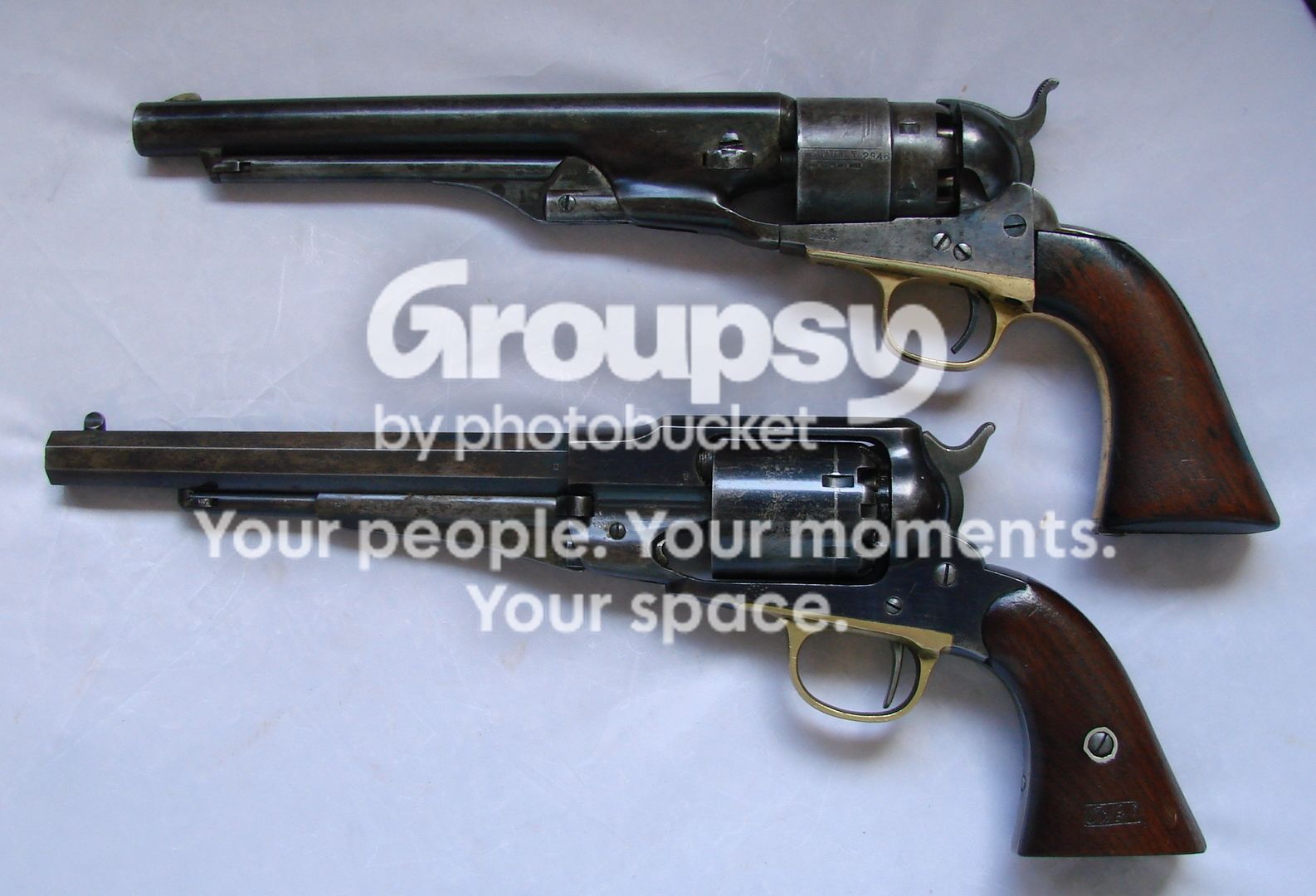
The Model 1860 Colt Army and Model 1858 New Model Remington Army revolver as shown above.

DSC08784.jpg


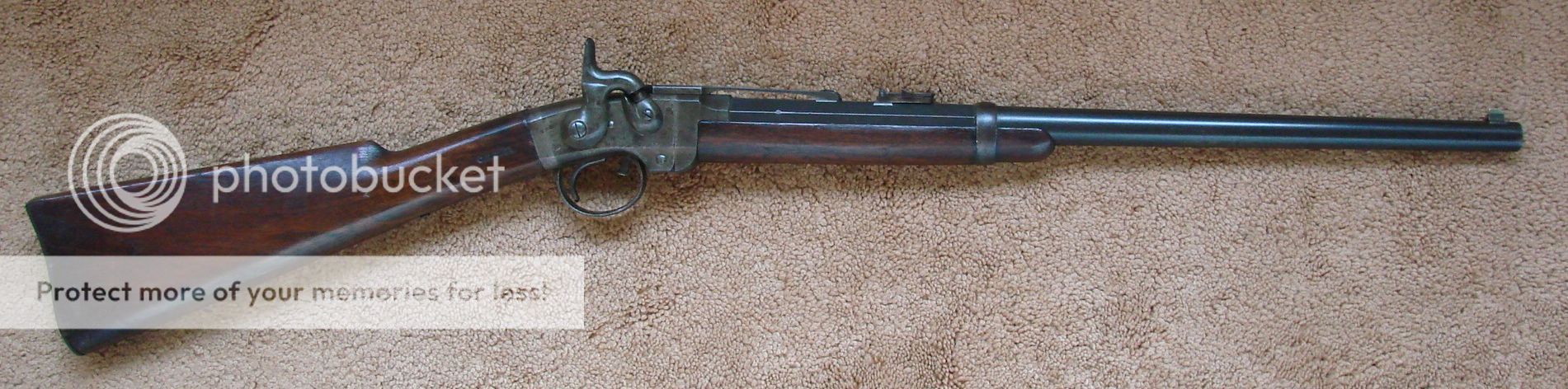
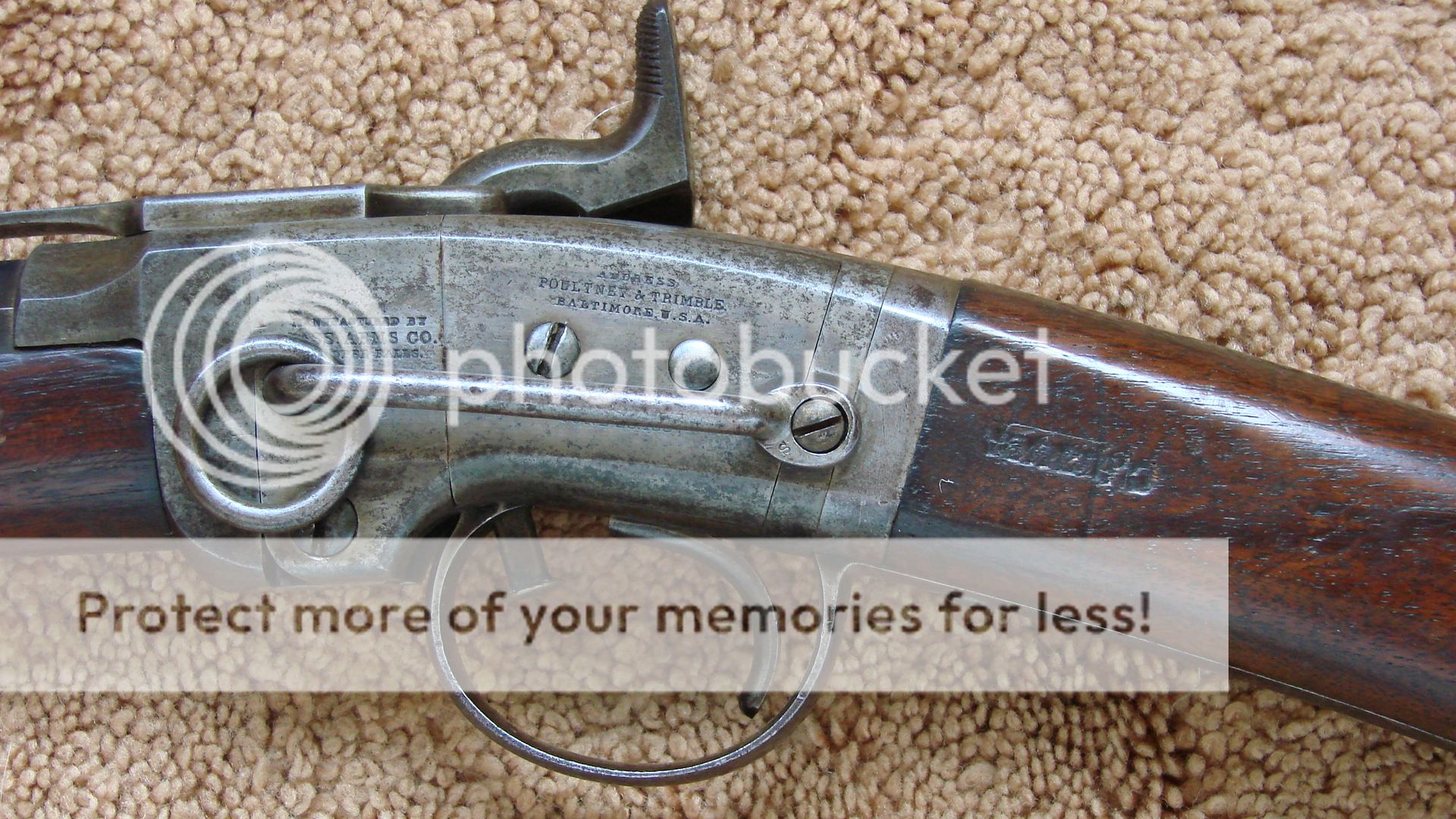
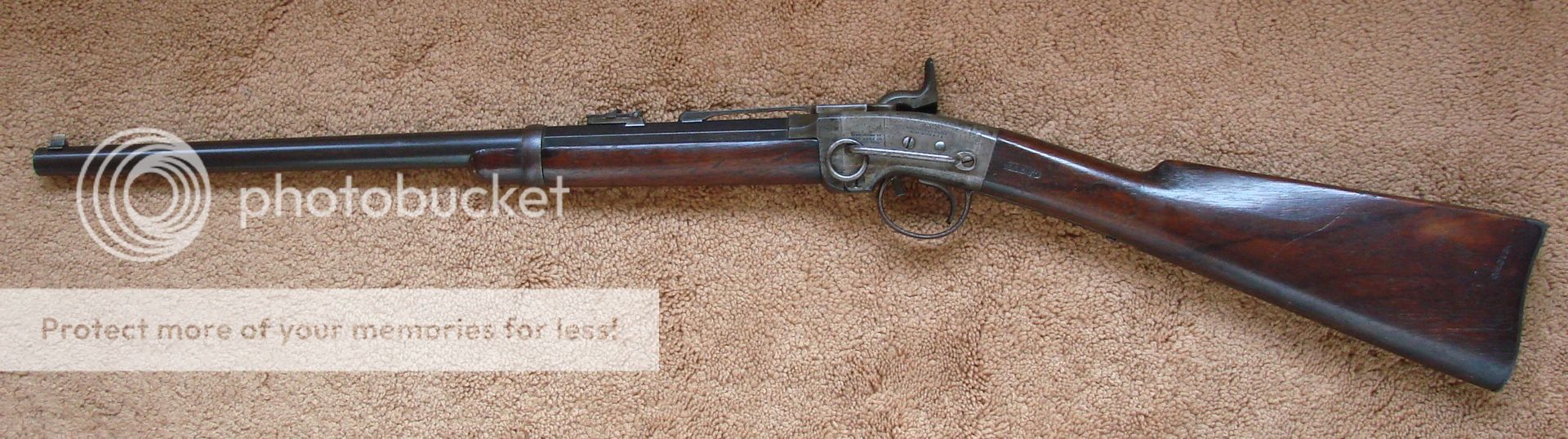
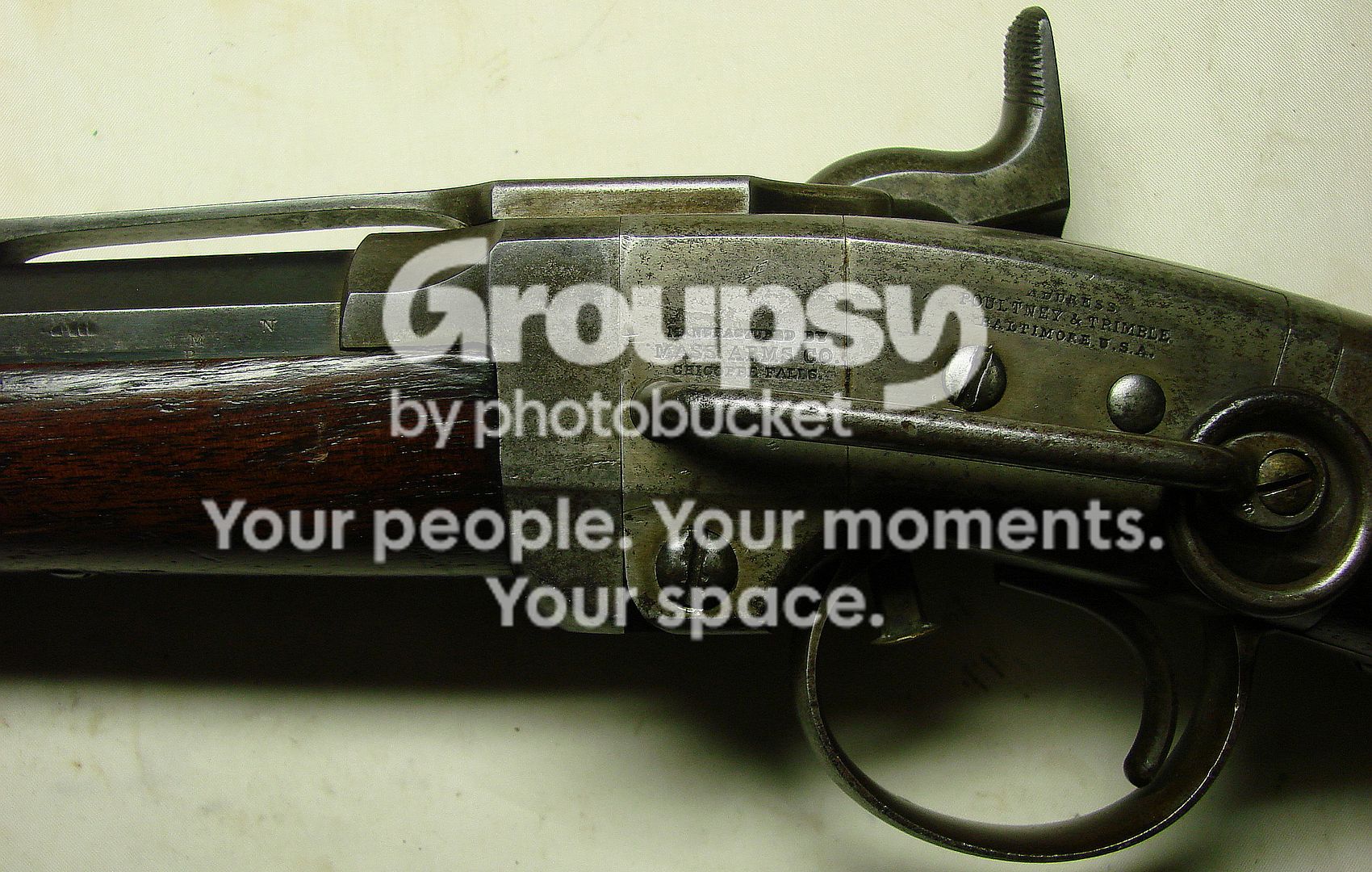
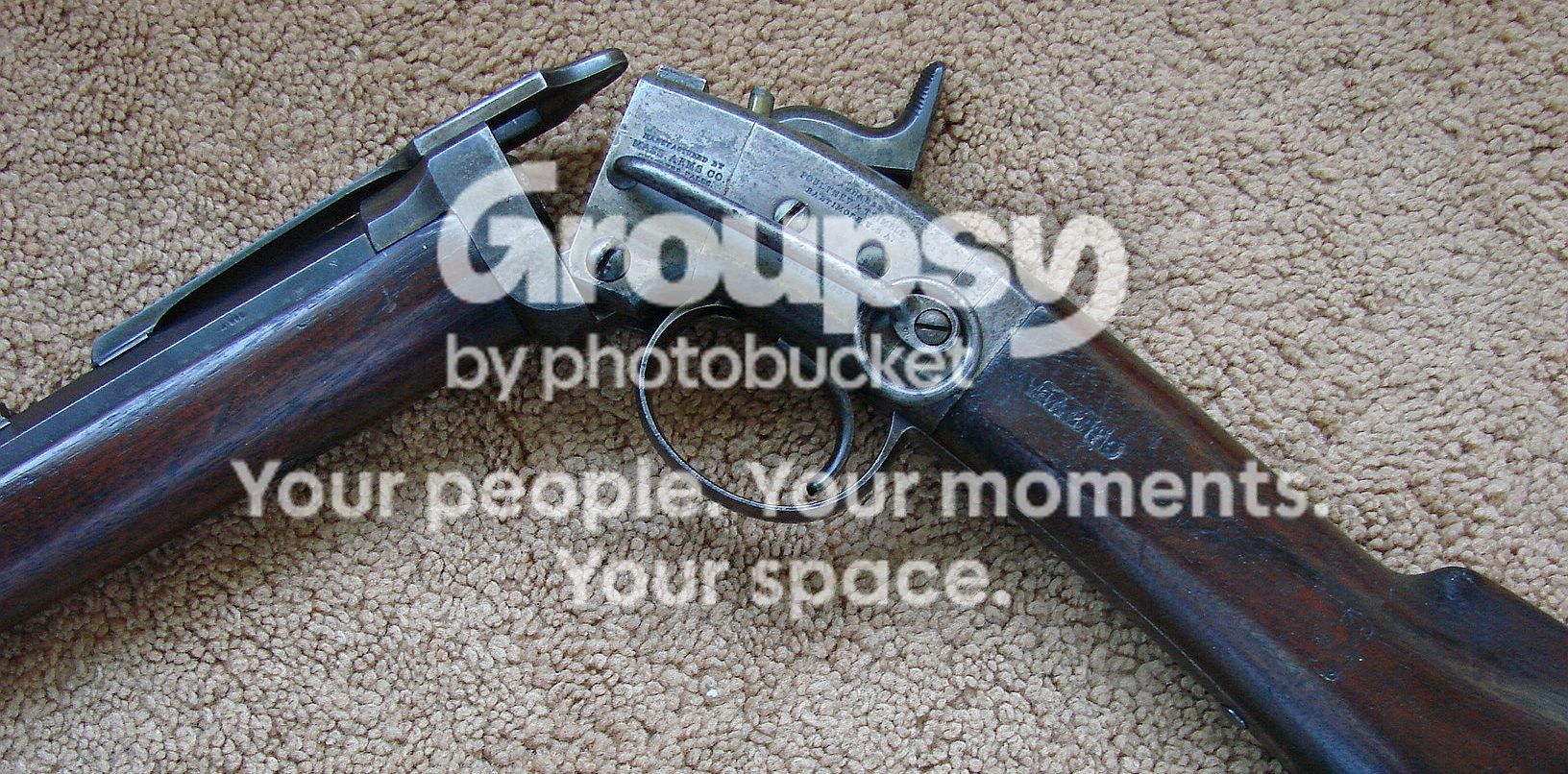
The Smith carbine as shown above.
Smith carbines saw extensive service with the following cavalry regiments: 1st Massachusetts, 6th and 9th Ohio, 1st Connecticut, 7th and 17th PA, 7th and 11th Illinois and the 3rd West Virginia Regiments.

A total of 30,362 Smith Carbines were purchased by the United States during the Civil War.

SmithcarbineSn21198.jpg

DSC08764-2.jpg

DSC08763-1.jpg


The inspector's cartouche on the far right looks like J.M.
Possibly for John Maggs, active in 1862, during the American Civil War, accepted firearms and accessories on behalf of the Federal Army.
DSC03793.jpg


Serial number.
CroppedCopyofSerialnumberSmithCarbinephotos019.jpg


Inspector markings on the barrel 'M' and 'N' with a small 'p' under the 'M'.
DSC02739.jpg


Action open.(See the outline of the cartouche on the far right.)
DSC05792.jpg


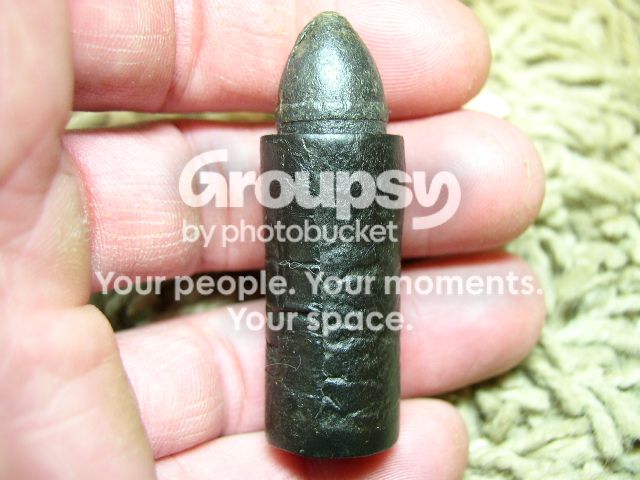
A .50 cal Smith carbine cartridge.(Not mine.)
rubbersmith.jpg


David
 
Last edited:
Thanks for your comments 1861 and NorthCoastBigBore.

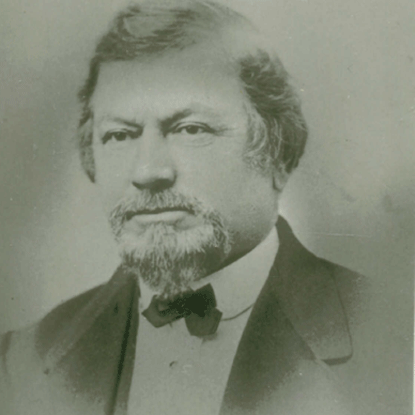
Another well known arms inspector during that period---Erskine S. Allin.

ErskineSAllin.gif


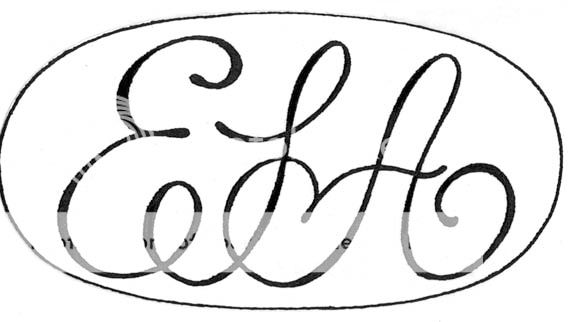
His cartouche.
ESA_cartouche-1.jpg


Allin was born February 3, 1809, and began work at the Armory in 1829 as an apprentice in the Water Shops where his father Diah worked as a foreman. He rose through the ranks, and between October 1847 and May 1848 he served as Acting Master Armorer. In 1853 he was appointed permanent Master Armorer.
Allin’s greatest contribution was the development of the “Trapdoor” breech mechanism which could be adapted to the existing muzzle-loading rifles. In competition his design proved to be the most acceptable, and he was requested to convert 5,000 M1861 rifle-muskets to use the new breech. These were known as the M1865s. The next year, after improvements were made in the extractor, 25.000 rifle-muskets were ordered altered. The first rifles built from the start as Trapdoors – not converted from earlier muzzle-loaders – were completed in 1873. Allin retired five years later and died on September 11, 1879. In tribute, the Armory shut down on the day of Allin’s funeral. It is estimated that 250 of the 3000 Armory workers attended the funeral, a testimony of the esteem in which he was held.


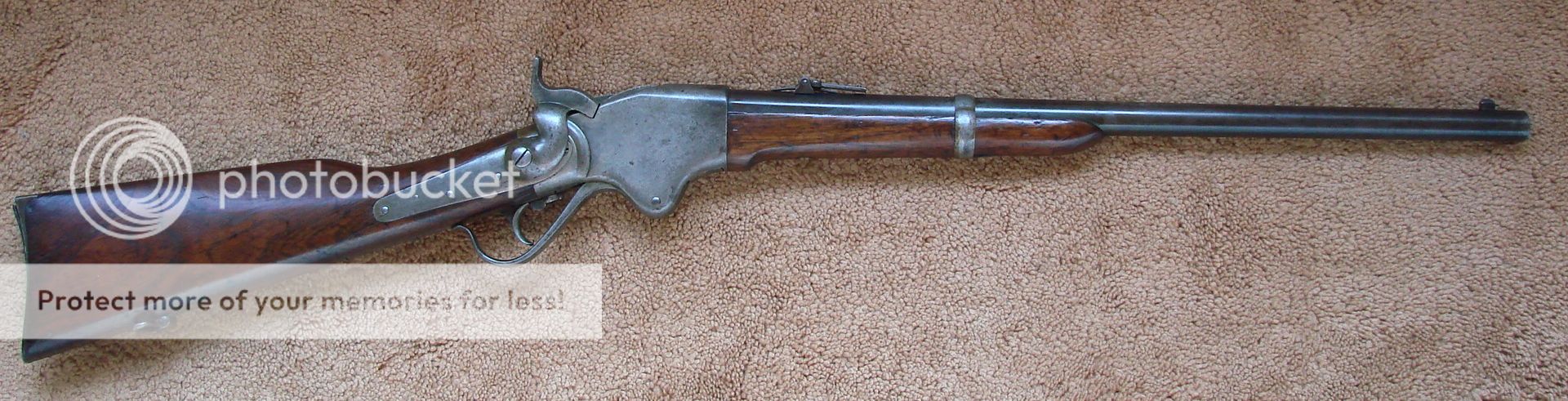
After the Civil War the Spencer carbine was one of the guns that was chosen for alteration by the Springfield Armory between 1867-1874.

Over 11,000 carbines were altered to accommodate the 50-caliber copper cased rimfire (56-52 and 56-50 interchangeable) cartridge.

A small swivel device known as the “Stabler cut-off “was added forward of the trigger to allow for use as a single shot (it keeps the breech from opening completely).
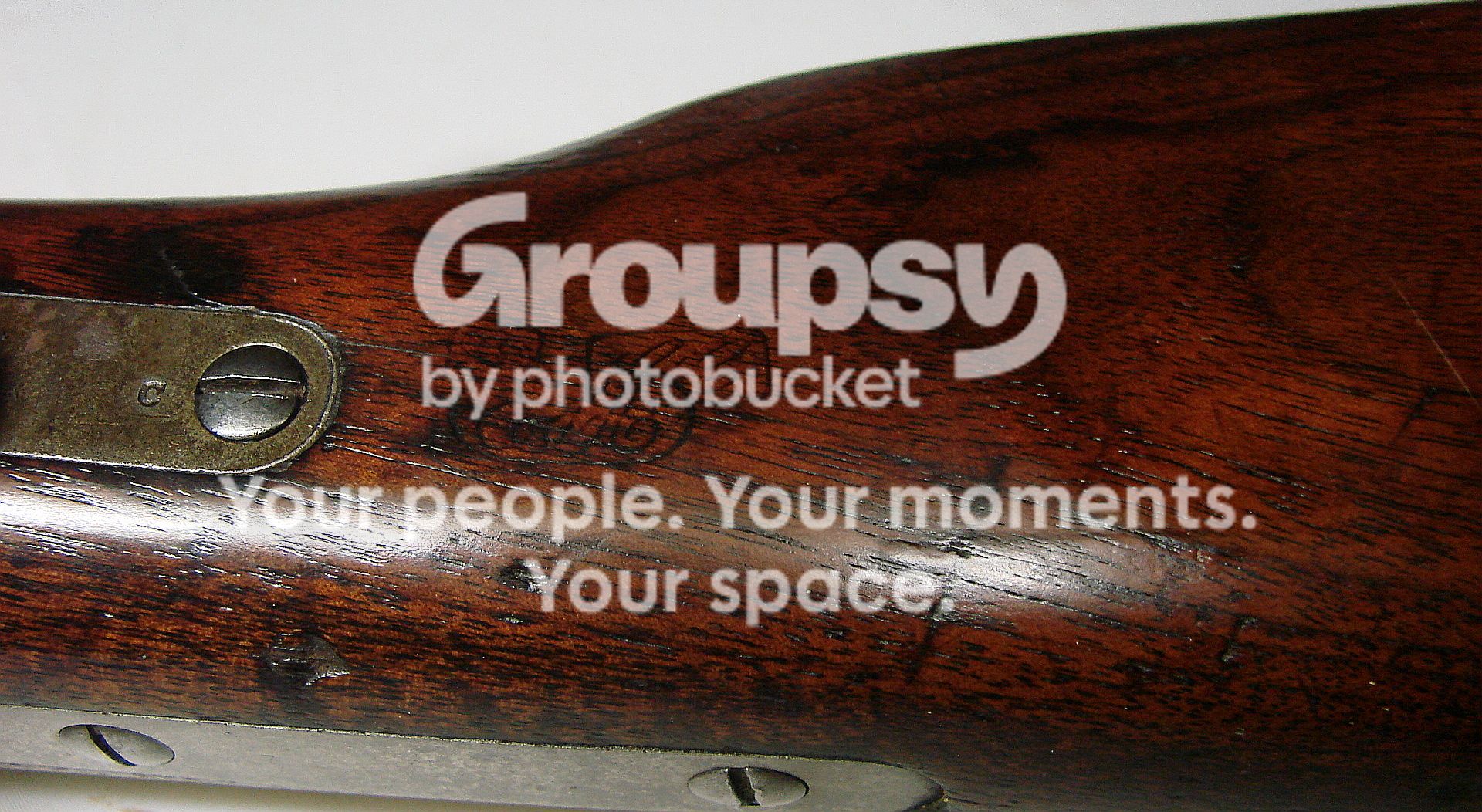
The modified carbines bear an “ ESA” (for Erskine S. Allin) inspectors mark in an oval cartouche on the left side of the stock.

DSC01221-1.jpg


The Model 1860 Spencer carbine was widely used during the Civil War, and also saw substantial duty during the Indian Wars until the arrival of the Model 1873 Springfield Trapdoor 45-70 caliber carbine.

David

Model1860Spencercarbine.jpg


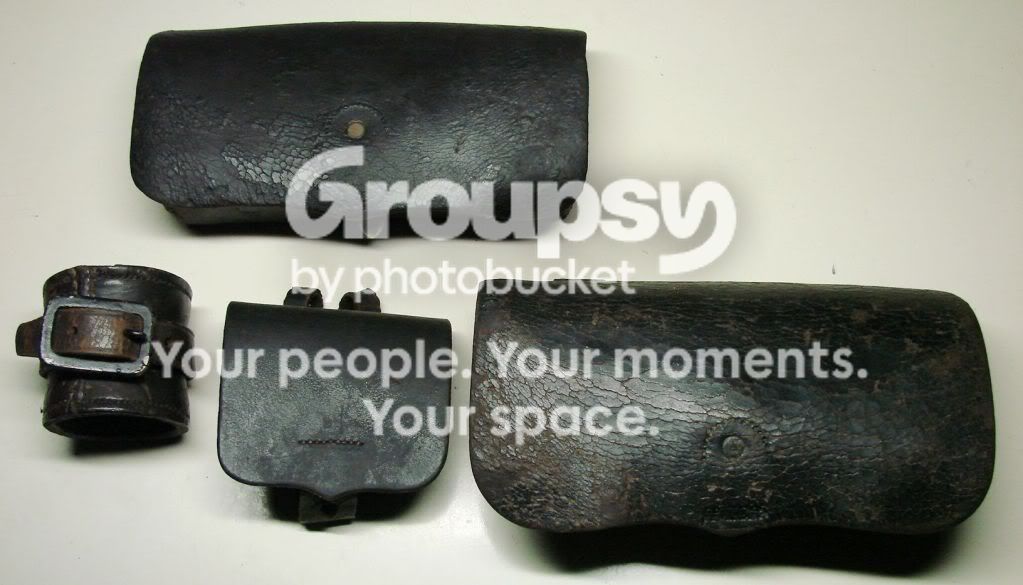
Some of the leather used during the CW and after.
DSC04501.jpg


Spencer rimfire (front) and Sharps 50-70 centerfire cartridges (rear)

DSC08681.jpg
 
Back
Top Bottom