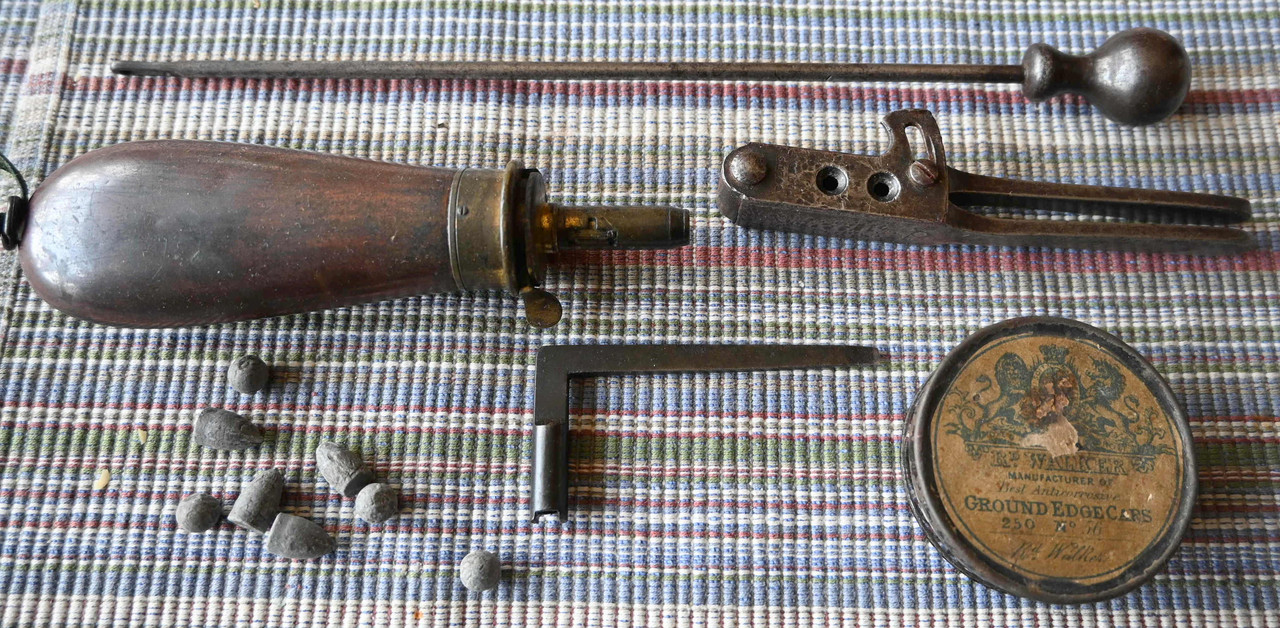
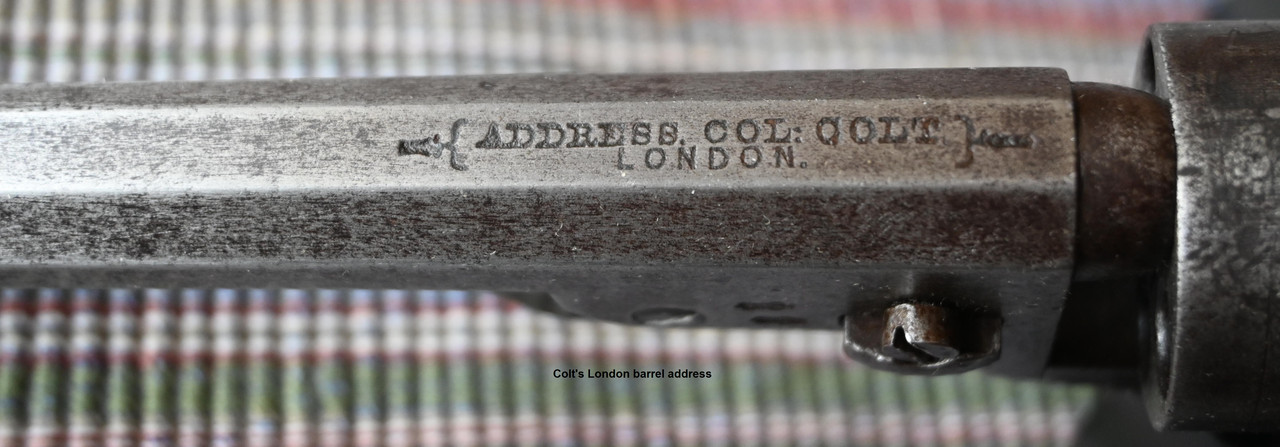
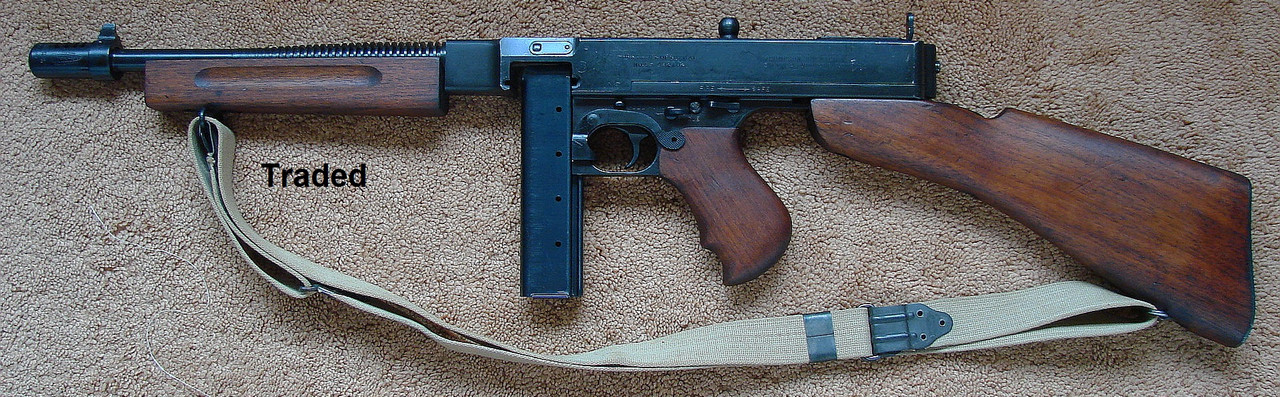
Comments made by a much more knowledgeable fellow than me before I proceeded with a trade for this carbine.
I think that it would be nice to have a P56 cavalry carbine in your CW collection. They are a fine weapon and were very popular with the Confederates. They are excellent shooters. It's very difficult to find one that was actually used in the War and even harder to find one that retains its original sling ring and bar. It seems that many of the carbines were used as barn guns following the War. The P56 was much liked by Jeb Stuart and his ordnance officer John Esten Cooke.
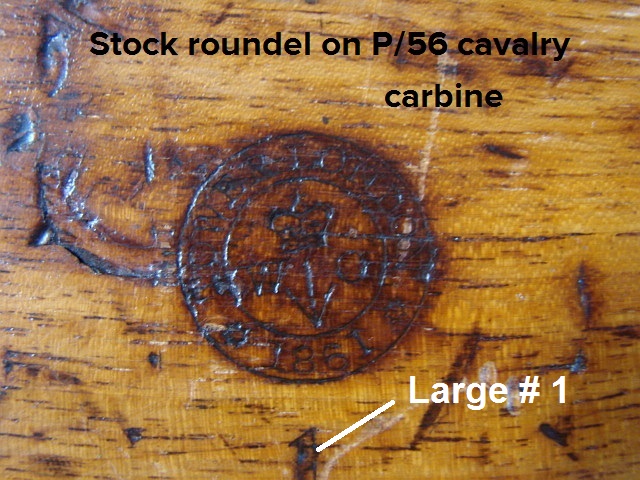
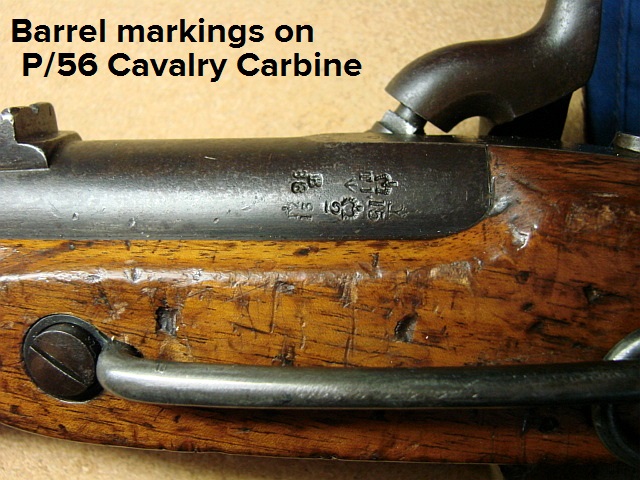
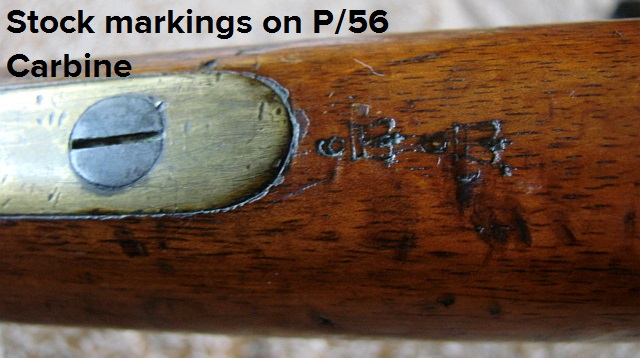
Your carbine is a standard P56 East India Pattern carbine, but was issued to a British regular unit, hence the numeral 1 and the Tower roundel. The 1 signifies issue to a regular Army/cavalry unit.
The large figure beneath the roundel denoted the class of arm. Those in the first class were for issue to regular troops, those in the second for the volunteers and the Militia, whilst the third class was reserved for recruit drilling in regimental depots. Any first class arm which had been repaired to any great extent was regarded as second class and the stock marked with a figure '2' in place of the '1'." - Subsequent repairs resulted in additional figure 2's. It is not uncommon to find a weapon with a 1, sometimes struck through, and also a large 2, but occasionally a piece will have a 1, and two 2's.
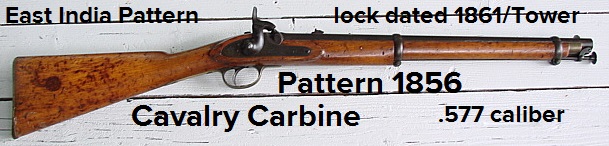
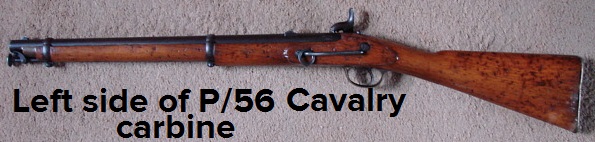
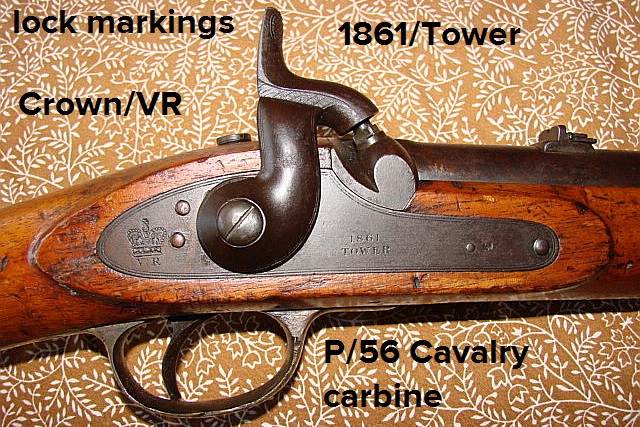
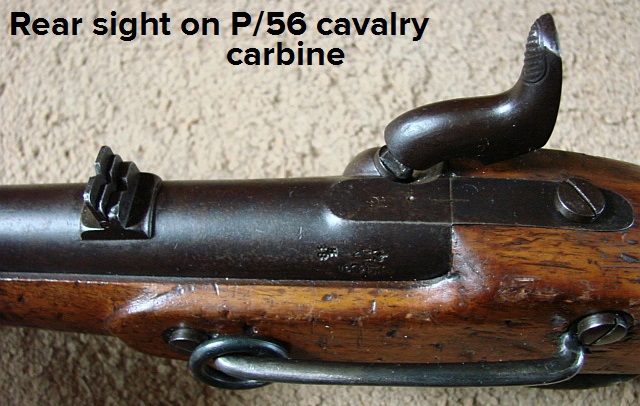
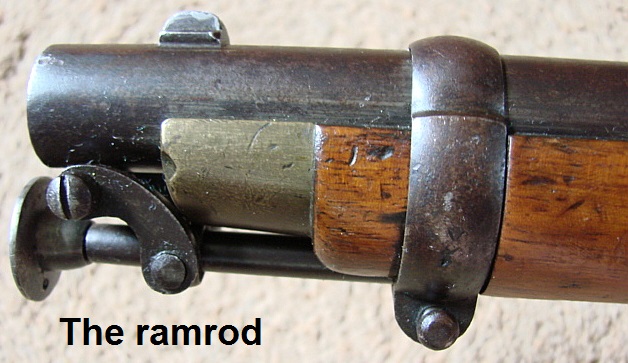
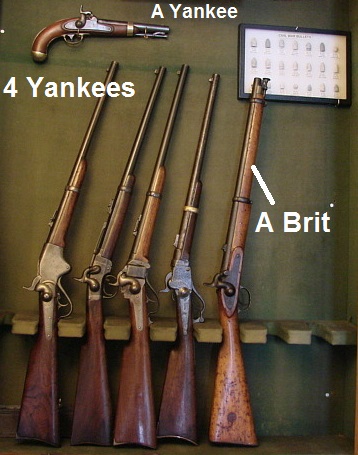
I think that it would be nice to have a P56 cavalry carbine in your CW collection. They are a fine weapon and were very popular with the Confederates. They are excellent shooters. It's very difficult to find one that was actually used in the War and even harder to find one that retains its original sling ring and bar. It seems that many of the carbines were used as barn guns following the War. The P56 was much liked by Jeb Stuart and his ordnance officer John Esten Cooke.
Your carbine is a standard P56 East India Pattern carbine, but was issued to a British regular unit, hence the numeral 1 and the Tower roundel. The 1 signifies issue to a regular Army/cavalry unit.
The large figure beneath the roundel denoted the class of arm. Those in the first class were for issue to regular troops, those in the second for the volunteers and the Militia, whilst the third class was reserved for recruit drilling in regimental depots. Any first class arm which had been repaired to any great extent was regarded as second class and the stock marked with a figure '2' in place of the '1'." - Subsequent repairs resulted in additional figure 2's. It is not uncommon to find a weapon with a 1, sometimes struck through, and also a large 2, but occasionally a piece will have a 1, and two 2's.
Last edited: