Stupid spell checkers, eh?

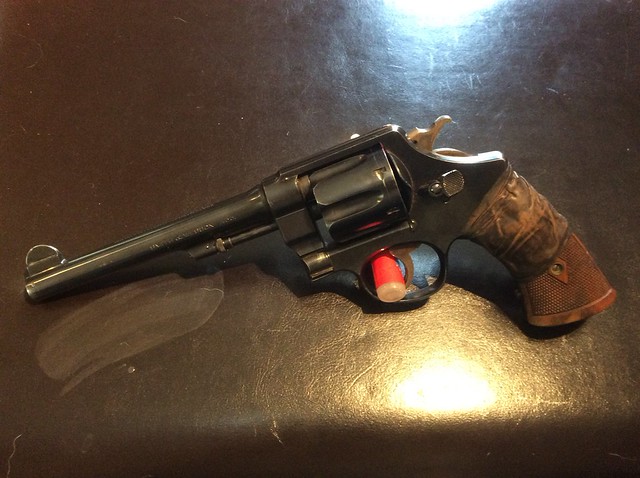
A good way to clean the insides since you're not all that gun savvy is to remove the screw for the wood grips and remove the grip scales. You'll see the mainspring for the hammer and a rather generous size opening into the guts. The trick now is to flush out the old congealed oil, fouling and dirt with a good solvent that will clean and leave behind a light lubrication for protection and operation. A good option is the easy to make up home cleaning mixture called Ed's Red. A quick Google will turn up the recipe. It's a soup of solvents to dissolve and clean with some ATF which will be left behind to protect and lubricate. Best of all when flushed through generously you don't need to disassemble the gun. Just flush, drain, repeat a few times more than drain and allow the solvents to dry away and leave the oil behind. Wipe off the excess on the outside and put the grip scales back on.
It's rather nasty stuff for odor and the solvents used are not good for your skin or internal organs. So do it somewhere with excellent ventilation and wear disposable nitrile gloves. The mix is good to re-use a number of times. So don't toss out the stuff that drains out. Keep it and let it settle out then keep re-using the top liquid for a few more times. When it's done just include it with any waste motor oil you might have. Or take it in an old oil bottle to an oil disposal location. Because you want to use it fairly generously you'll want a bucket to catch the drainings and a squeeze bottle such as a ketchup bottle to suck up and then squirt into all the varioius openings. Work the action a few times while it's soaking to work the mix into and out of all the points.
For the cylinder crane assembly just pour it over the works and operate the ejector and spin the cylinder.
A good trick for cleaning out the chambers in the cylinder is, in your case, a .50Cal brass bore brush on a short cleaning rod extension used in a hand drill to scrub out the chambers. Use a moderate speed so the bristles dig into any crusty fouling more readily.
For the barrel you'll need a cleaning rod, bag of suitable size cloth patches and a .45caliber jag to push through cleaning patches. The little eye loop style jags are only good for putting solvent into the bore. To actually scrub clean you want the round size correct jag so it pushes the cloth patches into the rifling. For extreme cases a few passes with a .45cal bore brush may be needed. But generally only if you notice it's leading up.
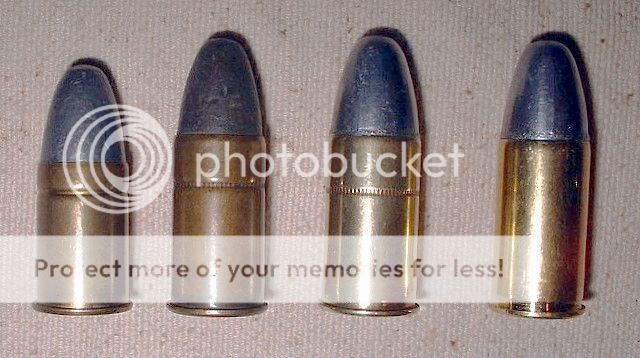
For some odd reason .455 ammo IS hard to buy and just as hard to find supplies of suitable stuff for reloading. The good news is that since it's a low pressure round the brass will just about last forever. And since you likely won't shoot it a whole lot paying the elevated price for the cast bullets won't be all that bad. Rusty Wood Trading has them if you can't find them anywhere else. Or possibly one of the .455 gang here can be talked into casting and lubing up some bullets for you from time to time.
For storage be sure you keep it in a cabinet that is located where it is warm and dry. In particular watch out for humidity in cool basements during the summer when we don't use the heating. That can rust a gun quicker than you can turn around. It sounds odd but it's during the summer when you want to run a low power warmer in the gun cabinet such as a Golden Rod in order to lower the humidity inside the cabinet. Or you can run silica packs or similar. But if you rely on the chemical packs be sure to check them often. Moisture leaks in around seams even if they are a close fit. And not many gun cabinets are actually sealed.
I know shooting revolvers is great fun regardless of the guns. And shooting one with such a strong family and historical connection will be just that much more fun. Enjoy it and take it out often.