Rare 1915 Ross MKIII sniper rifle ....

BadgerDog

CGN Ultra frequent flyer
EE Expired
Rating - 100%
46   0   0
Location
Toronto, Canada
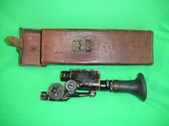
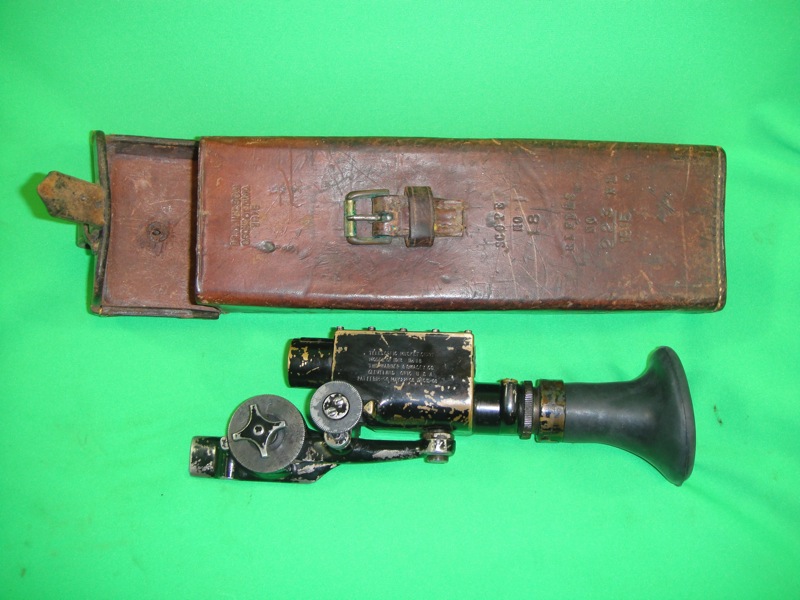
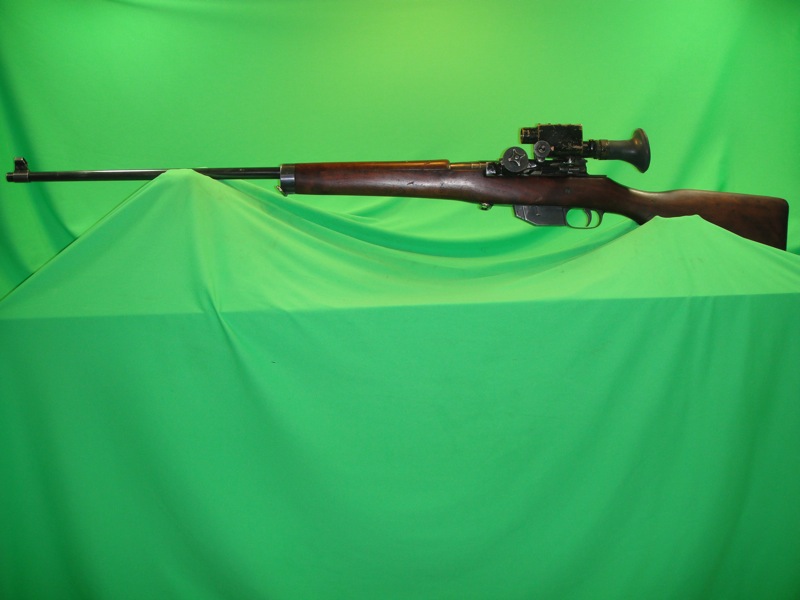
With many thanks to claven2, we were able to locate from an estate sale, a very rare piece of Canadian history with an "all correct" and in superb condition, "all matching" 1915 Ross MKIII sniper rifle serial #223 complete with its matching Warner and Swasey scope No. 18, 1913 patent. The stock is also stamped "SCOPE NO 18" and the scope base on the rifle is also stamped "18". The original tooled leather case for the scope is C-Broad Arrowed marked and stamped with both the scope serial number (18) and the rifle number (223).
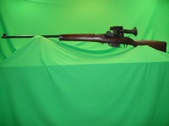
(Click PIC to Enlarge)

This sniper rifle is from the first 250 batch ordered by the Canadian Government and being "SCOPE NO 18", it would have been very early in the production run of these rare rifles, with not very many surviving all these years.

We've taken a few temporary pics, however, in the next month or so, we'll create a highly detailed and more complete photo montage showing all the markings etc., for inclusion within the Canada section of the main Knowledge Library.

For more pics, check this thread titled Rare 1915 Ross MKIII sniper riflehttp://www.milsurps.com/showthread.php?t=24221 in the The Ross Rifle Knowledge Library Collectors Forumhttp://www.milsurps.com/forumdisplay.php?f=134.

Regards,
Badger
 
Wow, congratulations!

I would sell my mother for a rifle like this one.

Ok, maybe just rent her for a while...
 
so was this estate sale of a collector who knew exactly what he had or was this hiding in uncle fred's garage?
 
I note with great interest that this rifle has been Stripped. This was a relatively-common field conversion of the Great War period and, even though it was against Regs, Snipers were allowed to get away with it on the theory that just perhaps they knew what they were doing. Some of their scores definitely tended to add weight to this idea.

There are quite a few Stripped rifles which have survived; I have a couple here. The biggest problem is trying to figure out which ones were Stripped.... and which ones were done by Bubba & Co, in the garage or whatever back alley they were using for a HQ at the time. No trouble with this one, though.

A beautiful piece of very historic equipment.
 
Great find

A fine example of how we firearms owners are preserving history. Congratulations to all who had a hand in obtaining this rifle.

As Smellie pointed out, personal modifications to some of these rifles were not an uncommon occurance. Once the value of the Sniper was realized, and how a few men could dominate a battlefield, many Senior Officers developed a tolerant attitude toward this practice. As much as the Sniper's role in shooting was important, the observation of the enemy positions by the Sniper team was even more value to the Intelligence sections.

In "The Ross Rifle Story," Plate 58 shows Sergeant Bill Carey with a similar stripped rifle in the Trenches of France. In 1975 he demonstrated how he built a sniper hide and the equipment he used. It shows the use of the Telescope for observation purposes.

So, Badger, I don't suppose I could get you to send the Ross along to me here in Manitoba, so I could have it as an accessory for my 1911 Ross Signalling and GS Telescope?

Didn't think so! Besides, Smellie would only pester me so he could fire it and see how it groups with his favorite .303 load. Probably it is better off where it is now.
.
 
I note with great interest that this rifle has been Stripped. This was a relatively-common field conversion of the Great War period .....

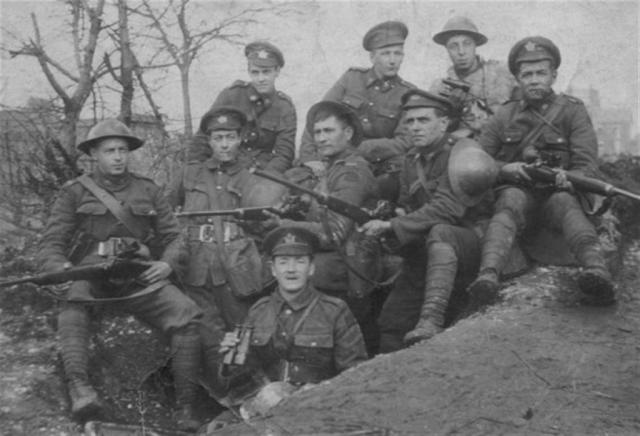
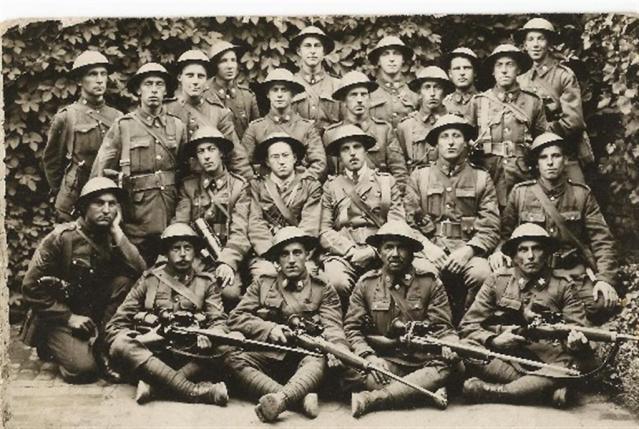
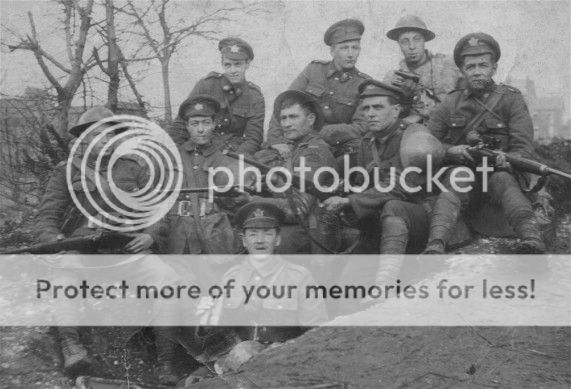
Few, if any operational Ross MKIII snipers were NOT cut-back, as you can see from the pics repeated here, of Canadian Snipers in WW1 with their Ross MKIII sniper rifles, shown in the other thread ...

(Click PIC to Enlarge)

Besides being done at the field armourer level, they were also done at factory. This one is very early and the work seems to be far too good to have been done in the field, however, it it was, the armourer's work was excellent and clean.

Regards,
Badger
 
That is terrific and nice to see one has survived and is in good hands. The rest of us can at least console ourselves by drooling over the extensive photos soon to be posted on the Knowledge Library. Nice save, gentlemen, and does that complete the holy grail collection now?

 
Good one for the team! If somebody ever decides to put together a Ross Rifle show, I want to go. Sold two of mine, but still looking for that original uncut one in the back of Egbert's closet.

Bill
 
I just read a good book, Three Day Road, about WW1 and the Ross Rifle figured prominently with one of the characters, a Native Canadian and his friend who end up as Snipers in the Great War. Nice to see an example of the Rifle in such good shape. Thanks for sharing the pics, look forward to more.
 
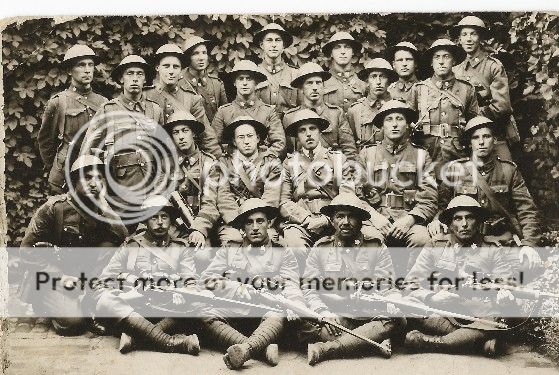
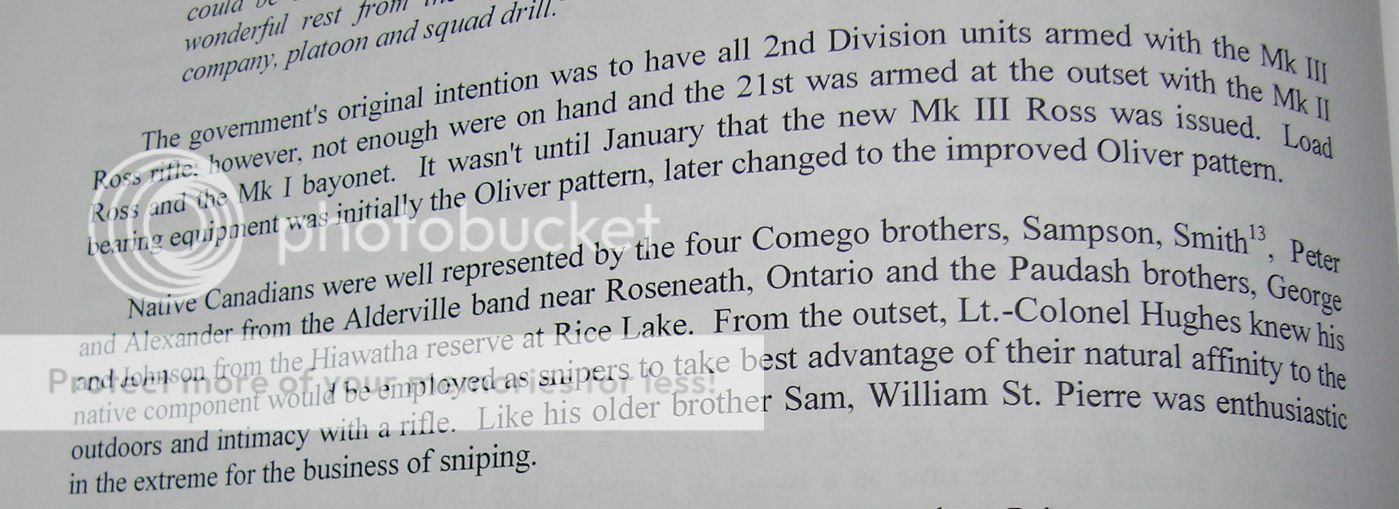
The snipers shown below are from the 21st Battalion.

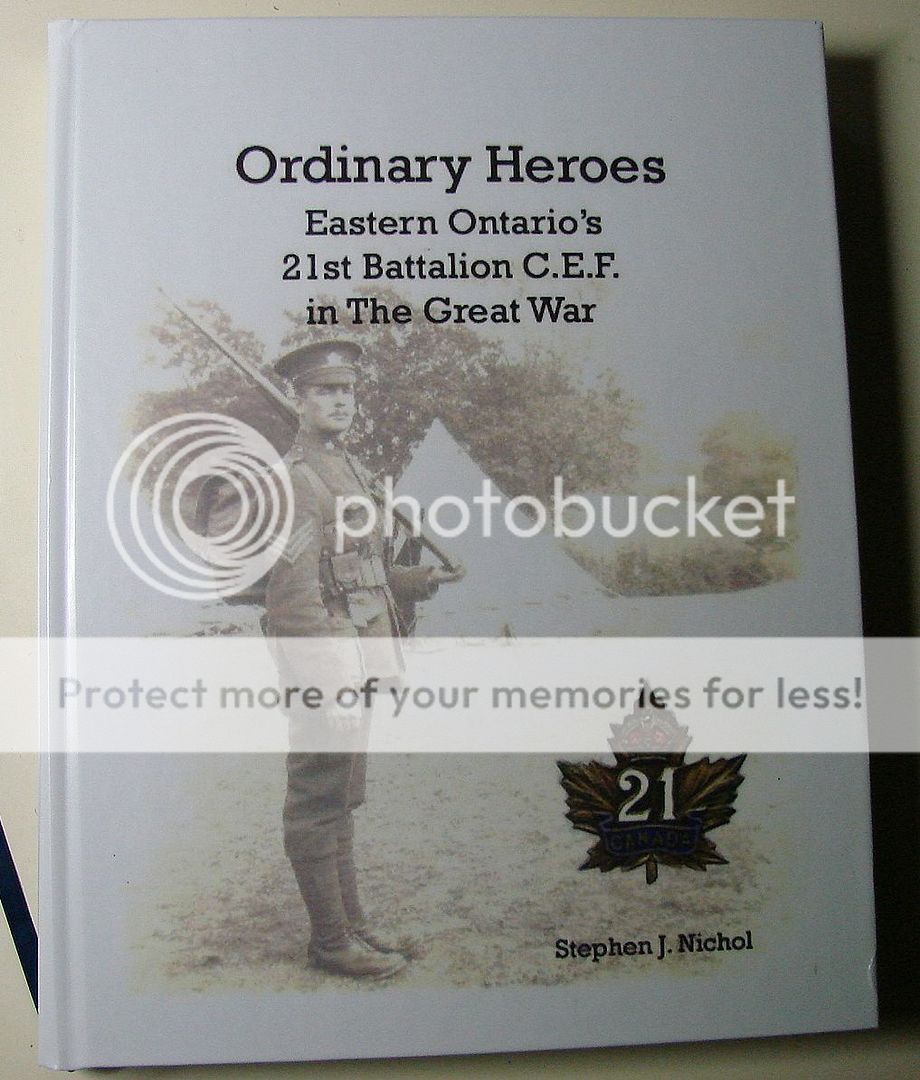
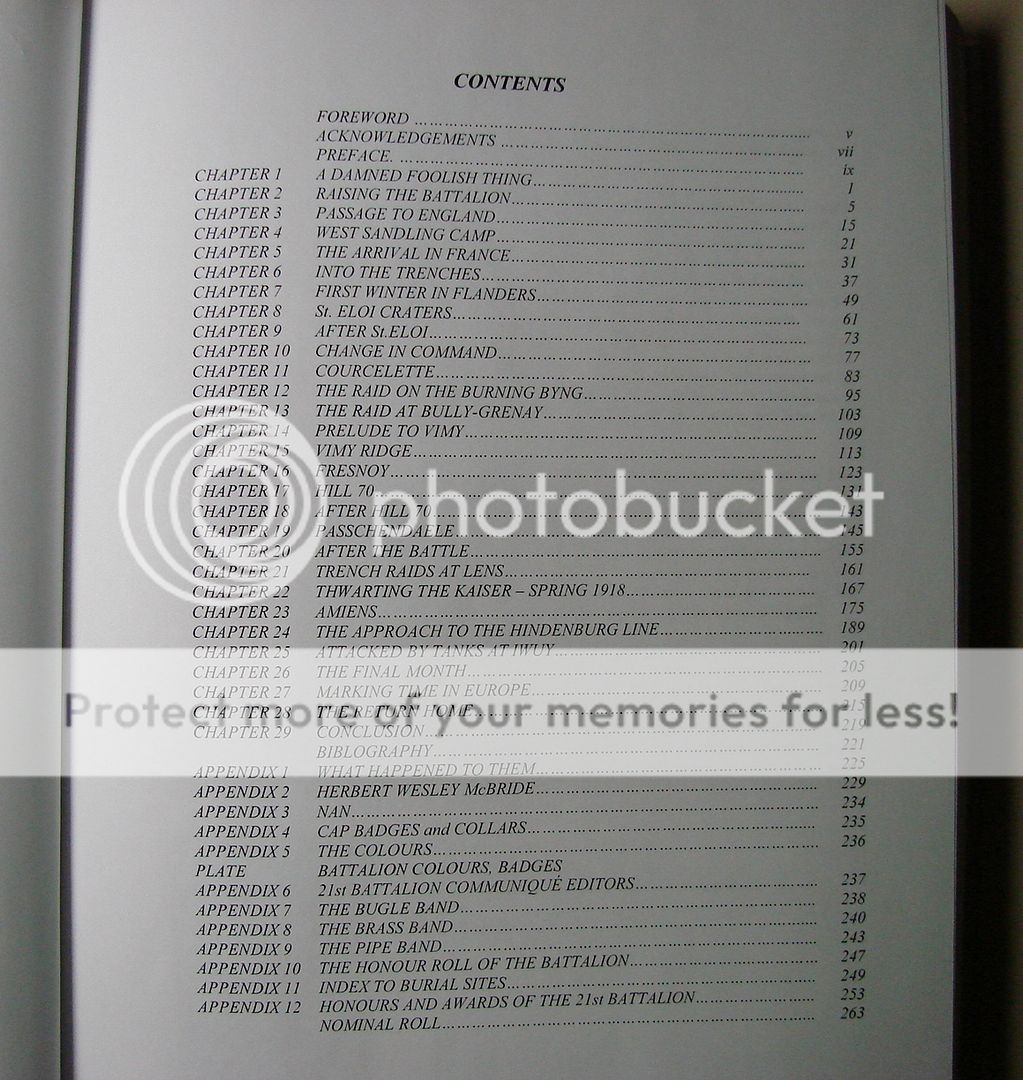
These photos with some interesting anecdotes are included in the very excellent book written by Steve Nichol shown below.

SteveNicholsbookonthe21stBattalion.jpg


snipers-21stBattalion.jpg


snipers-JohnsonPaudashfarright.jpg


DSC03204.jpg


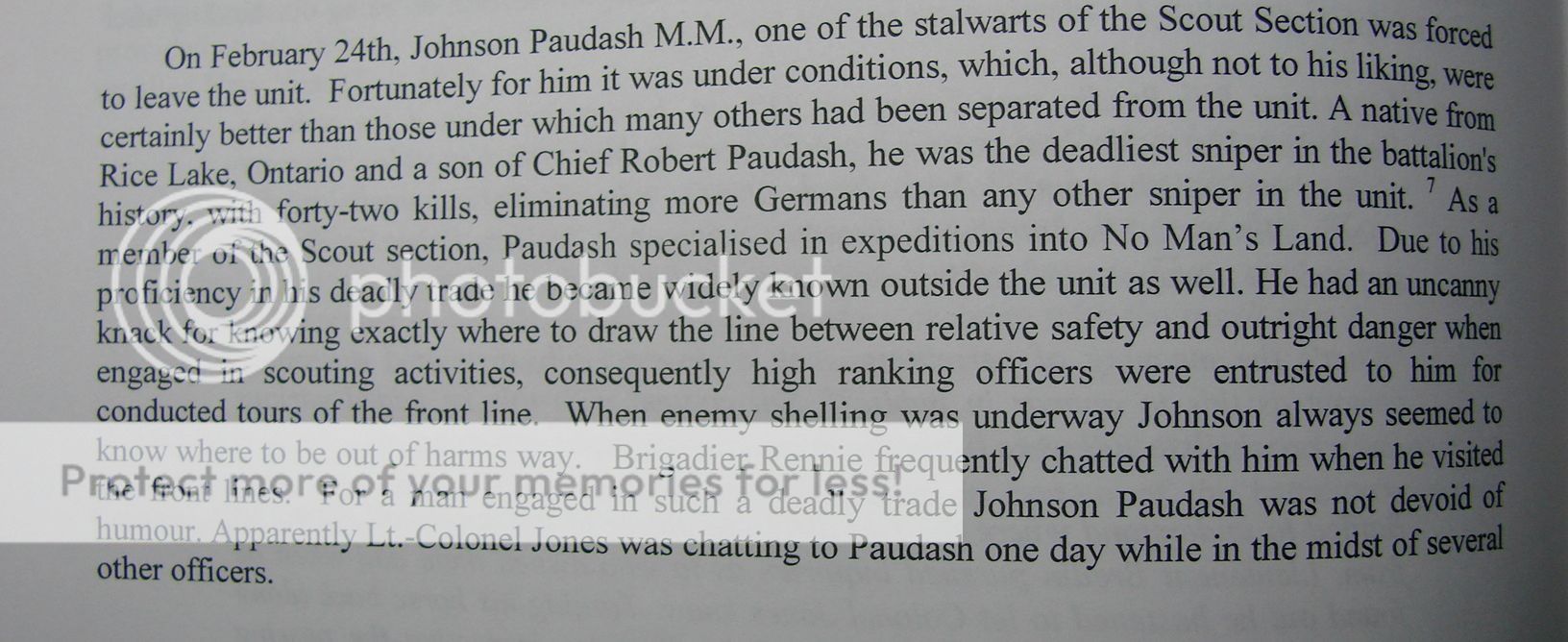
Some excerpts from the book relating to the snipers.

Thesnipersofthe21stBatatalion.jpg


Departureofprincipalsniper.jpg


ConversationbetweenLt-ColJonesandprincipalsniper.jpg


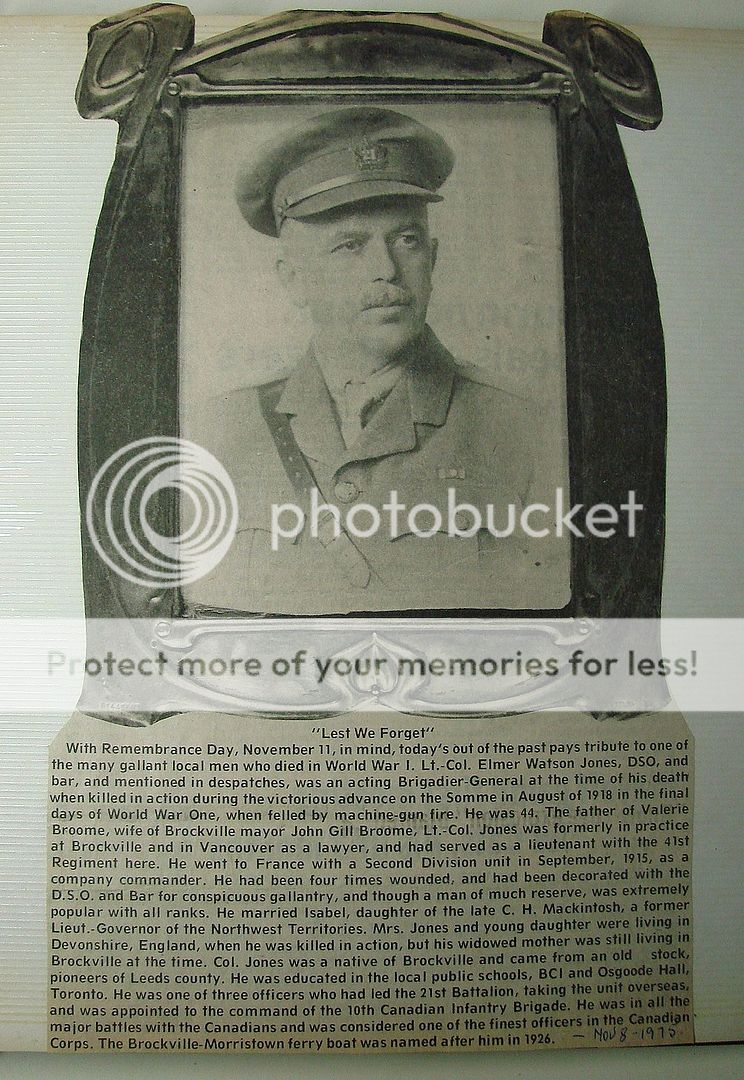
My wife's grandfather was the CO of the 21st, Lt-Colonel Elmer Watson Jones.

I did some research on him as shown below.

He was wounded at the Battle of Vimy Ridge and also commanded the 21st at the Battle of Passchendaele.

Extract from Captain R. J. Renison's (formerly Chaplain) Story of "Battle of Amiens," in "Canada"
"The late Lieut.-Colonel Elmer W. Jones, D.S.O., was one of the most brilliant and beloved officers in the Canadian Army, a man of wide culture, born in Brockville. At the beginning of the war be came over with the Battalion early in 1915. A veteran of St. Eloi, the Somme, and Vimy, he was a father to every man in the Battalion. His influence over his officers was quite extraordinary. He called them all by their Christian names, and his humorous badinage touched the spot with unerring instinct. His last conference with his company officers was a lesson in personality. He sat on a couch in the dug-out, with hand and leg bandaged, for he had not recovered from a painful accident of a week before. In his quiet tone he gave each his final instructions. His confidence in them and their affectionate respect for him were beautiful to behold."

Author Steve Nichol told The Recorder and Times on Monday that Lt.-Col. Elmer Watson Jones commanded the regiment for two years, the longest of any of the battalion's COs, from 1916 to 1918, when he was killed in action.


Lt-ColElmerWatsonJonescommandingofficerofthe21stBatallion.jpg


MemorialarticleregardingLt-ColElmerWatsonJones.jpg


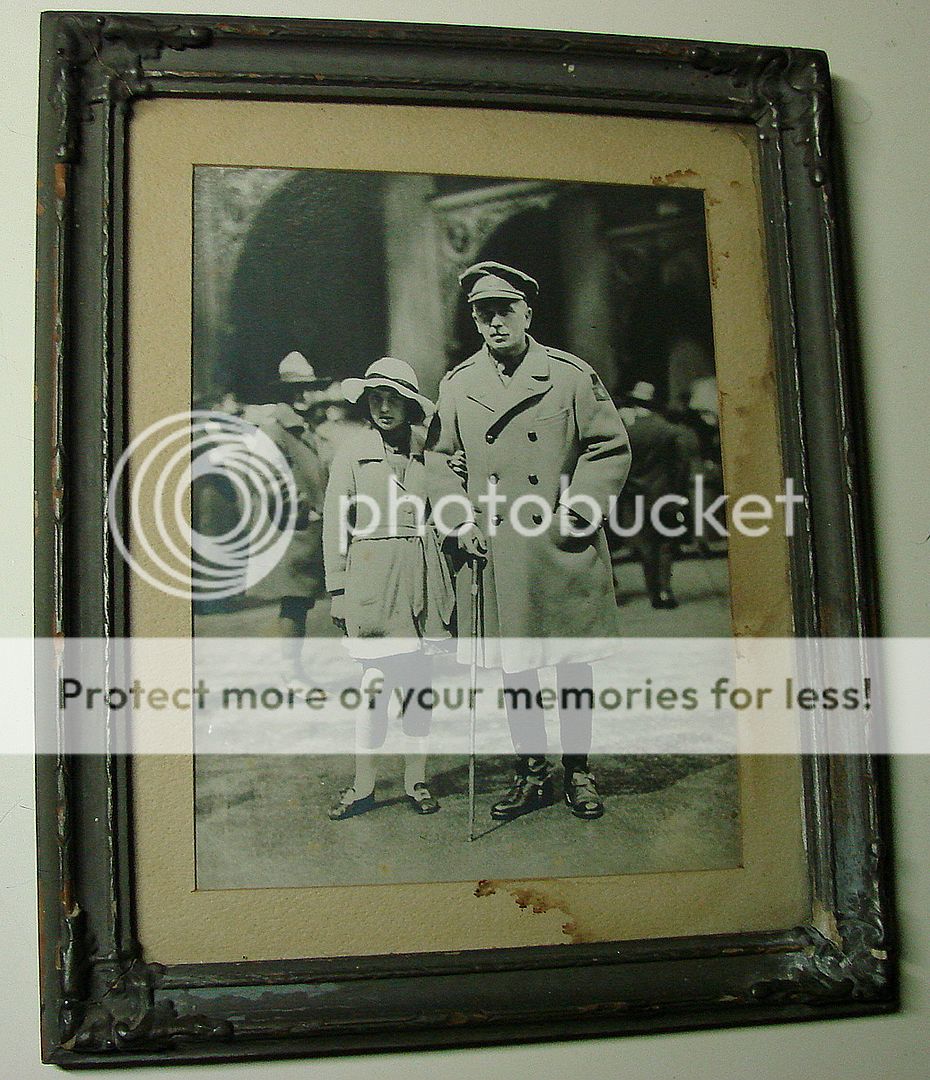
Lt-Colonel Elmer Watson Jones with my wife's mother in London before his death in August 1918.

He was 44 years old when he died...it appears that was considered old at that time.


DSC03188.jpg


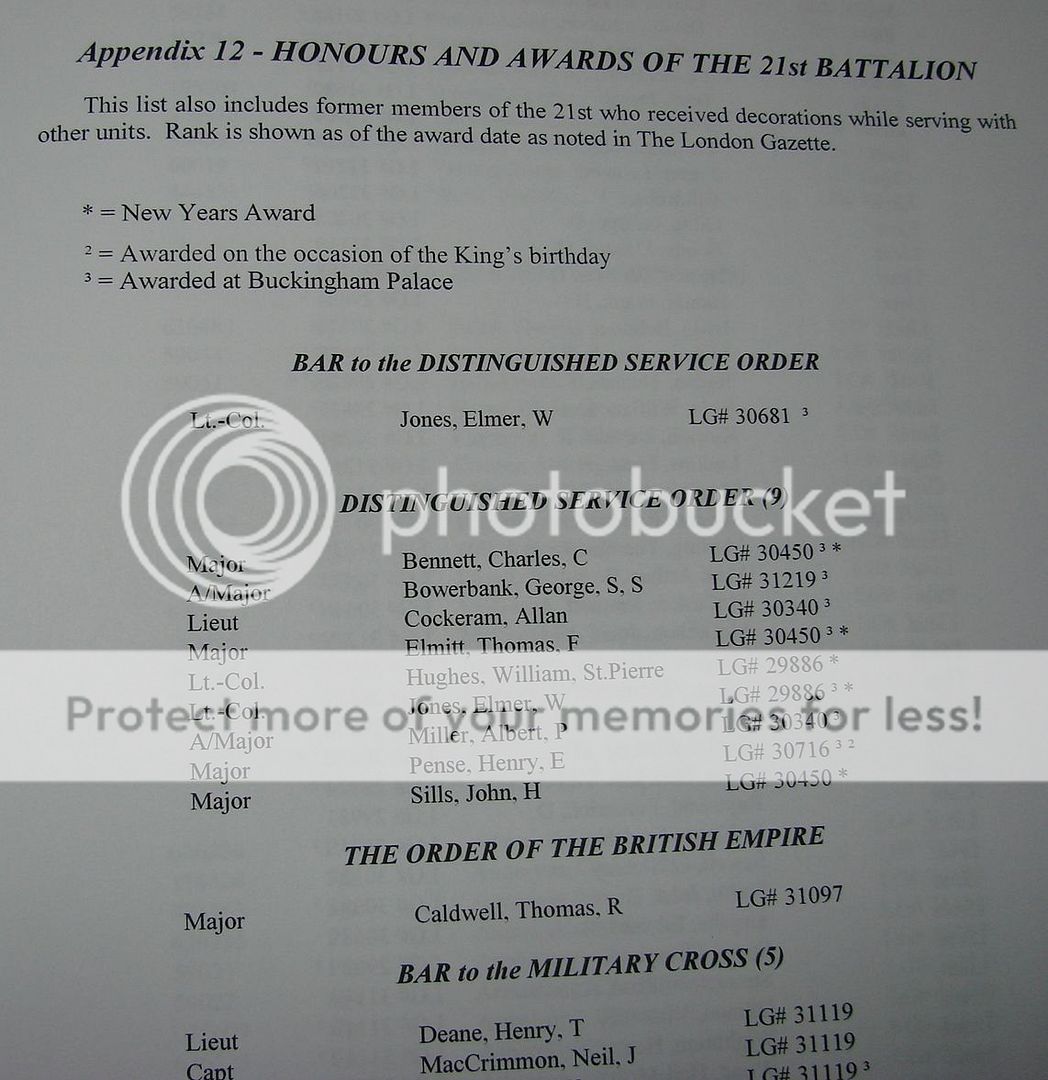
Jones, who had been wounded earlier in the Battle of Vimy Ridge, had received his second of two Distinguished Service Awards from King George V at Buckingham Palace about one month before he was killed

Honoursandawardsofthe21stBattalion.jpg


DSOdocumentfromGeorge5thpresentedatBuckinghamPalace.jpg


HistoricalCalendarofthe21stCanadianInfantryBattalion.jpg


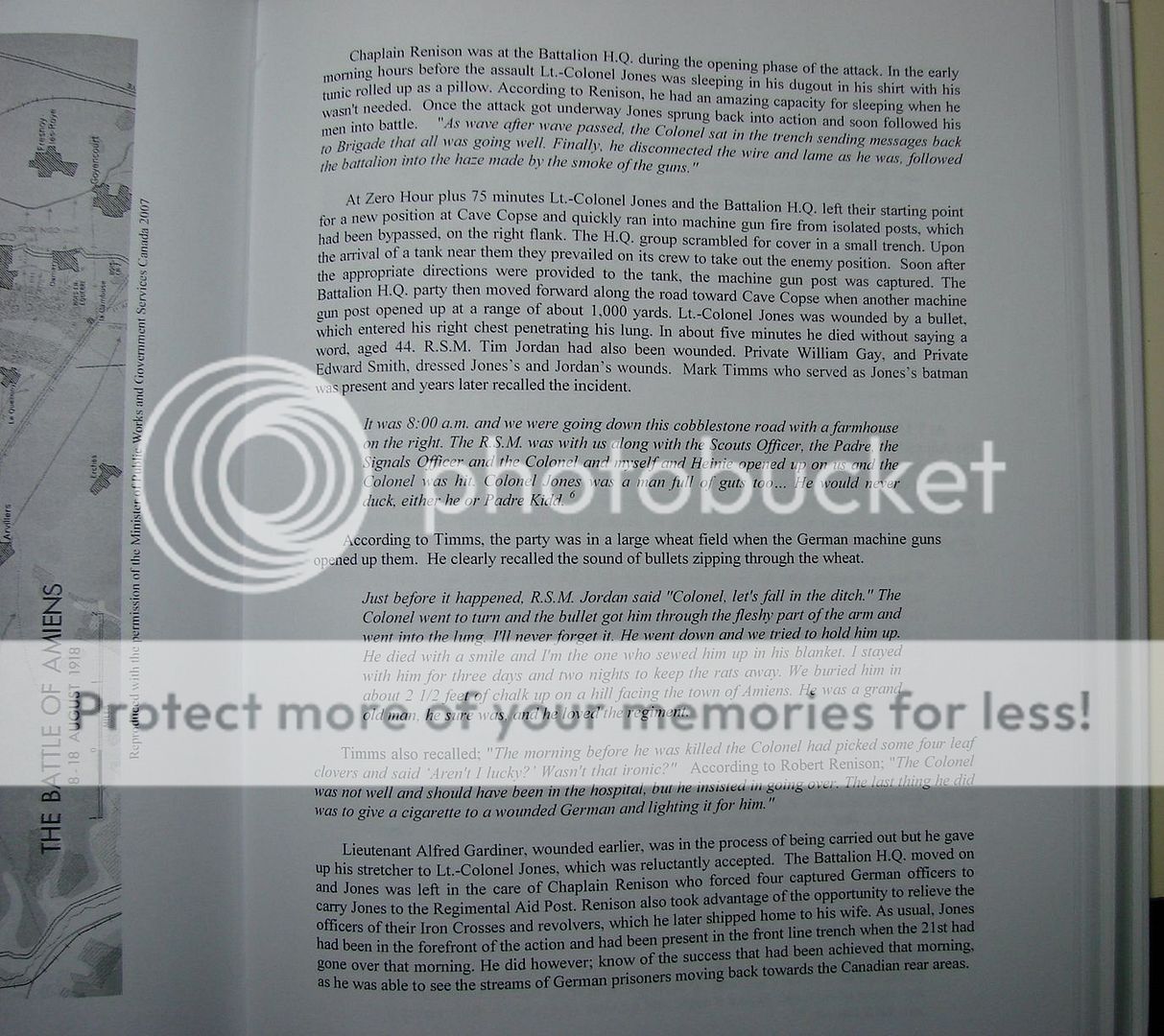
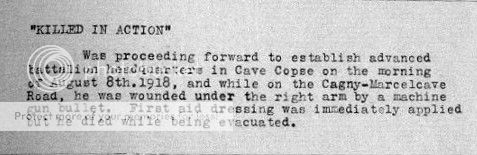
The death of Lt-Col. Elmer Watson Jones.

ThedeathofLt-ColElmerWatsonJonesAugust8th1918.jpg


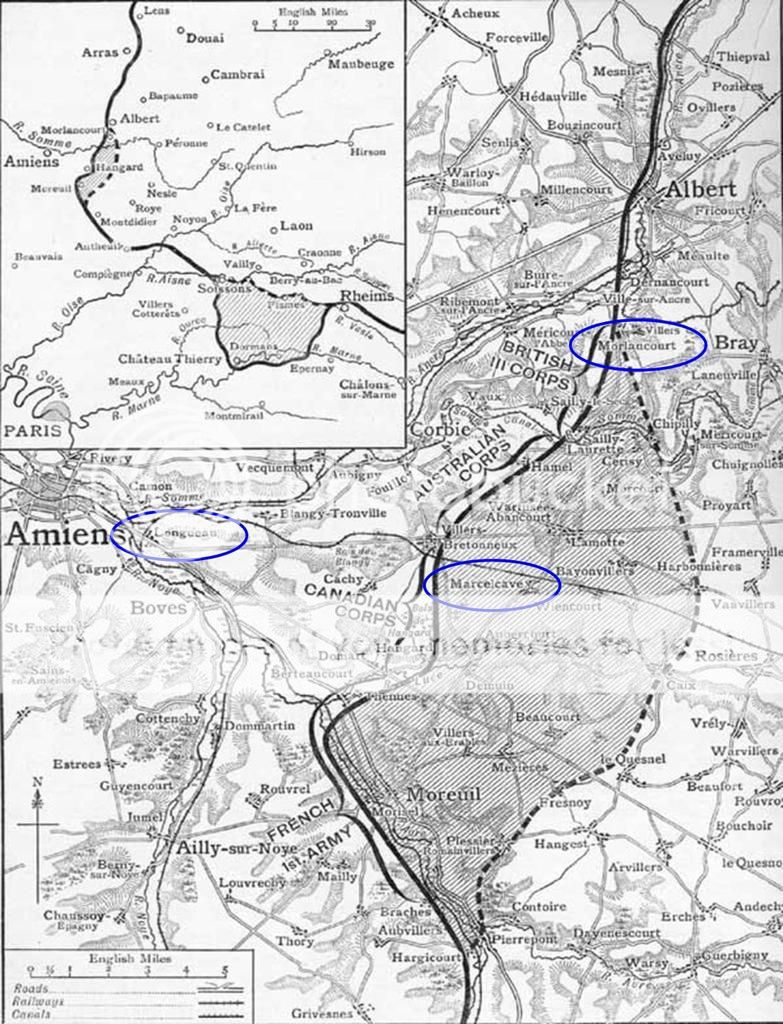
His original grave, he was eventually moved to Longueau.

FirstburialplotwhichwaslatermovedtothecemeteryinLongeau.jpg


jones_cir-of-d-3-1.jpg


Map.jpg


David
 
Last edited:
I just read a good book, Three Day Road, about WW1 and the Ross Rifle figured prominently with one of the characters, a Native Canadian and his friend who end up as Snipers in the Great War. Nice to see an example of the Rifle in such good shape. Thanks for sharing the pics, look forward to more.

Great book!
 
Back
Top Bottom