Hello everyone.so i was happily reloading my 9mm ammo.so far i was using Lellier & Bellot primers, but my shop runned out of it, so i got remington.to set the primer in im using lee loader, so very simple process, you insert metal rod in to the casing which is seating on the primer and gently tap it with hammer.after 30 primers, one went off, i thought it maybe.was anomaly, so i kept reloading, 10 primers more, and booom again! At this point i stop it and here i am asking if anyone know why this is happening?? I also noticed that the anvil sticks little bit above the rim of the cup.is this normal? Maybe this is a peoblem? Thanks.













































You are using an out of date browser. It may not display this or other websites correctly.
You should upgrade or use an alternative browser.
You should upgrade or use an alternative browser.
Remington small pistol primers exploding during reloading
- Thread starter Gunggeek
- Start date


Sounds like you are using one of the early and very basic Lee loading tools. Although tapping the case over the primer has worked , it is prone to primers going off . Ensure you are following Lee instructions too the letter ...
Lee brought out a hand priming tool to get around this problem. The tool was later included with the Lee loading tool kits.
I would suggest you obtain a hand priming tool from Lee or other manufacturer and you will greatly reduce the risk of primers going off .
Lee brought out a hand priming tool to get around this problem. The tool was later included with the Lee loading tool kits.
I would suggest you obtain a hand priming tool from Lee or other manufacturer and you will greatly reduce the risk of primers going off .


vagrantviking
CGN Ultra frequent flyer
- Location
- Southern Alberta
I've done many hundreds of primers that way and never had a bang yet.
Clean out the pockets and use a good surface.
Ideally a priming tool is nice but it's not possible to find for every case. 12ga Magtec all brass cases and 50-70 are what I've done with a hammer lately.
Clean out the pockets and use a good surface.
Ideally a priming tool is nice but it's not possible to find for every case. 12ga Magtec all brass cases and 50-70 are what I've done with a hammer lately.


- Location
- Prince George B.C.
Yeah pistol primers will do that  They have to be fairly sensitive to work in their intended firearms so beating them into place can be a little loud sometimes.
Upgrade your reloading setup and save the Lee Loader to show the grandkids how you 'used to do it'
John
They have to be fairly sensitive to work in their intended firearms so beating them into place can be a little loud sometimes.Upgrade your reloading setup and save the Lee Loader to show the grandkids how you 'used to do it'
John

fingers284
CGN Ultra frequent flyer
- Location
- Alberta Cowboy Ranges
The first 10,000 or so pistol rounds I loaded were with the hammer & pin method...never had one primer detonate...but I've had 4 go off in my progressive presses since then.
I did buy a hand primer years ago but only used it for bottle neck cases that the door hinge pin I was using wouldn't fit in the case. If the OP does buy one, one of the things I noticed and would guard against, when using mine I noticed that lots of times I found the open mouth of the case more or less pointed close to my face when seating the primer, if a primer were to detonate the blast could be harmful. Even tho I had the thing I found hammering primers lots faster.
I did buy a hand primer years ago but only used it for bottle neck cases that the door hinge pin I was using wouldn't fit in the case. If the OP does buy one, one of the things I noticed and would guard against, when using mine I noticed that lots of times I found the open mouth of the case more or less pointed close to my face when seating the primer, if a primer were to detonate the blast could be harmful. Even tho I had the thing I found hammering primers lots faster.

ipscgraz
CGN Ultra frequent flyer
To the OP...
I used a Lee Loader for 9MM and other calibers when I started into shooting seriously. It was a hoot trying to get enough ammo together for a match!
I had some primers go off while the case was being tapped down on top of the primer. It gets your attention, but as long as the powder is not right next to you , no big deal. Eye protection should be worn during any reloading anyway.
Are you using military brass of some sort? If you are, the original primer is crimped in place. Decapping the brass will push the old primer out but the crimp ring is left behind and will require more force to insert the new primer. Try a little bit of different, commercial brass and see if the problem persists.
Plus make sure the primer is perfectly aligned when you tap the case down.
I used a Lee Loader for 9MM and other calibers when I started into shooting seriously. It was a hoot trying to get enough ammo together for a match!
I had some primers go off while the case was being tapped down on top of the primer. It gets your attention, but as long as the powder is not right next to you , no big deal. Eye protection should be worn during any reloading anyway.
Are you using military brass of some sort? If you are, the original primer is crimped in place. Decapping the brass will push the old primer out but the crimp ring is left behind and will require more force to insert the new primer. Try a little bit of different, commercial brass and see if the problem persists.
Plus make sure the primer is perfectly aligned when you tap the case down.
Even tho I had the thing I found hammering primers lots faster.
So hammering in primers is faster than using a hand primer with a feeder tray? I find that hard to believe.
fingers284
CGN Ultra frequent flyer
- Location
- Alberta Cowboy Ranges
So hammering in primers is faster than using a hand primer with a feeder tray? I find that hard to believe.[/QUOT
I'm old and what's this "feed tray" you talk of grasshopper....LOL
My hand primer was made before they were part of the equation. Really, I think the hammer/tap method would be as fast as a hand primer even with a feed tray. I used to just drop 3 or 4 hundred primers on a 6" square heavy steel plate and start pick'n & tapping until they were all gone
So hammering in primers is faster than using a hand primer with a feeder tray? I find that hard to believe.[/QUOT
I'm old and what's this "feed tray" you talk of grasshopper....LOL
My hand primer was made before they were part of the equation. Really, I think the hammer/tap method would be as fast as a hand primer even with a feed tray. I used to just drop 3 or 4 hundred primers on a 6" square heavy steel plate and start pick'n & tapping until they were all gone
You simply open the primer box, lay the tray over the open box, and turn the primer box over and you have 100 primers in the tray. A few taps on the tray and almost all of the primers even flip themselves right side up for priming. Flip the last few primers right side up, place the cover on the tray, and every squeeze of the handle seats a primer. The jaws are spring loaded so no shell holders are required. Best of all, you can feel every primer seat properly. I would gladly bet $100, that I can seat 100 primers quicker with this tool, than you can by tapping them in.
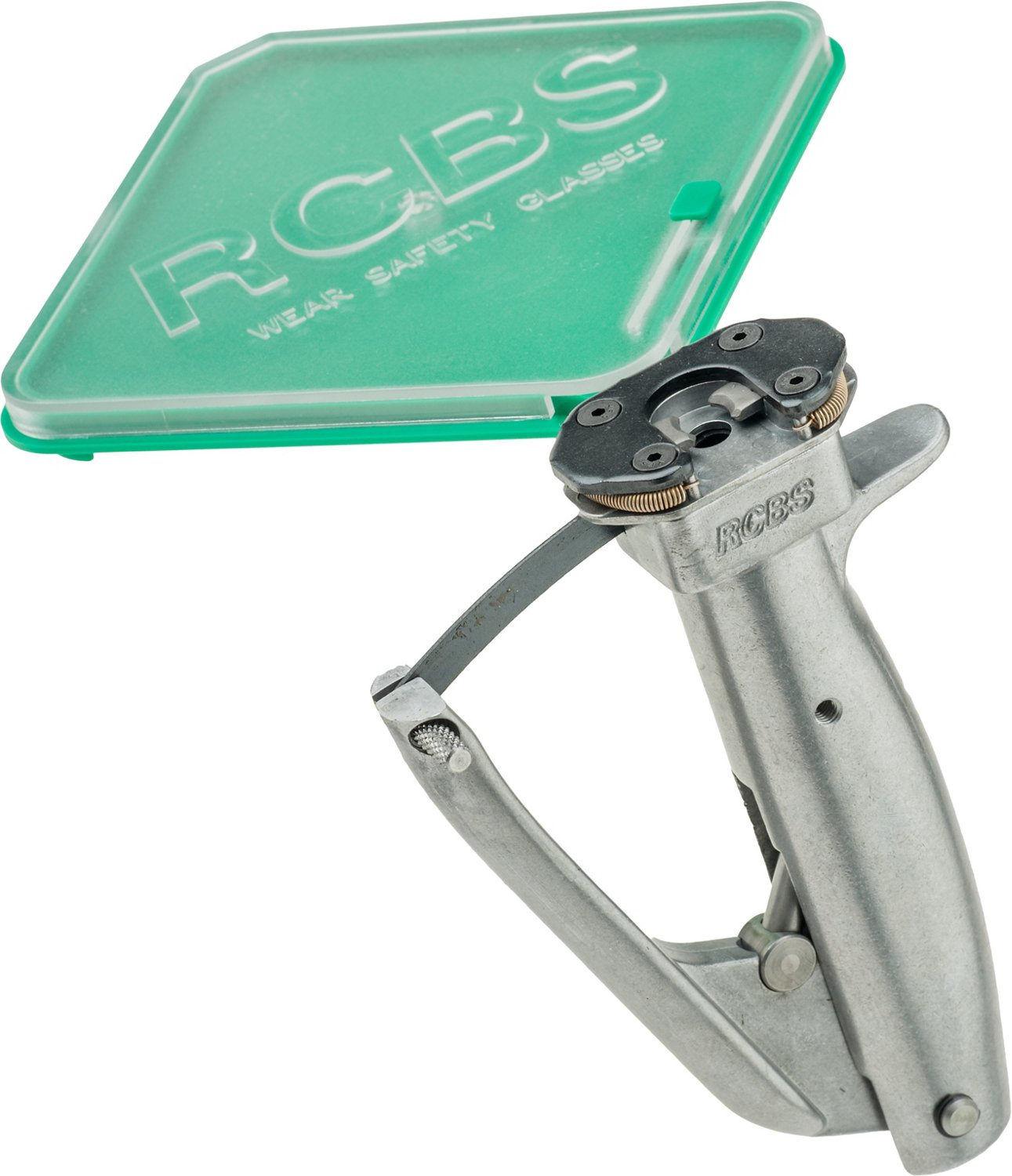

To the OP...
Are you using military brass of some sort? If you are, the original primer is crimped in place. Decapping the brass will push the old primer out but the crimp ring is left behind and will require more force to insert the new primer. Try a little bit of different, commercial brass and see if the problem persists.
Plus make sure the primer is perfectly aligned when you tap the case down.
Yup
Years ago, I had a couple primers go off the first time I used a Lee Classic Loader for 30-30. Most 30-30 primer pockets are heavily crimped and need to be opened up a bit. The Lee chamfer tool is perfect for the job :
Just set it on your bench/table as it appears in the pic and turn the case a couple revs with enough pressure to bite the brass - doesn't take much to put a bevel on the edge of the pocket. There are swages available if you move onto a press, but the chamfer tool is just as quick.





















