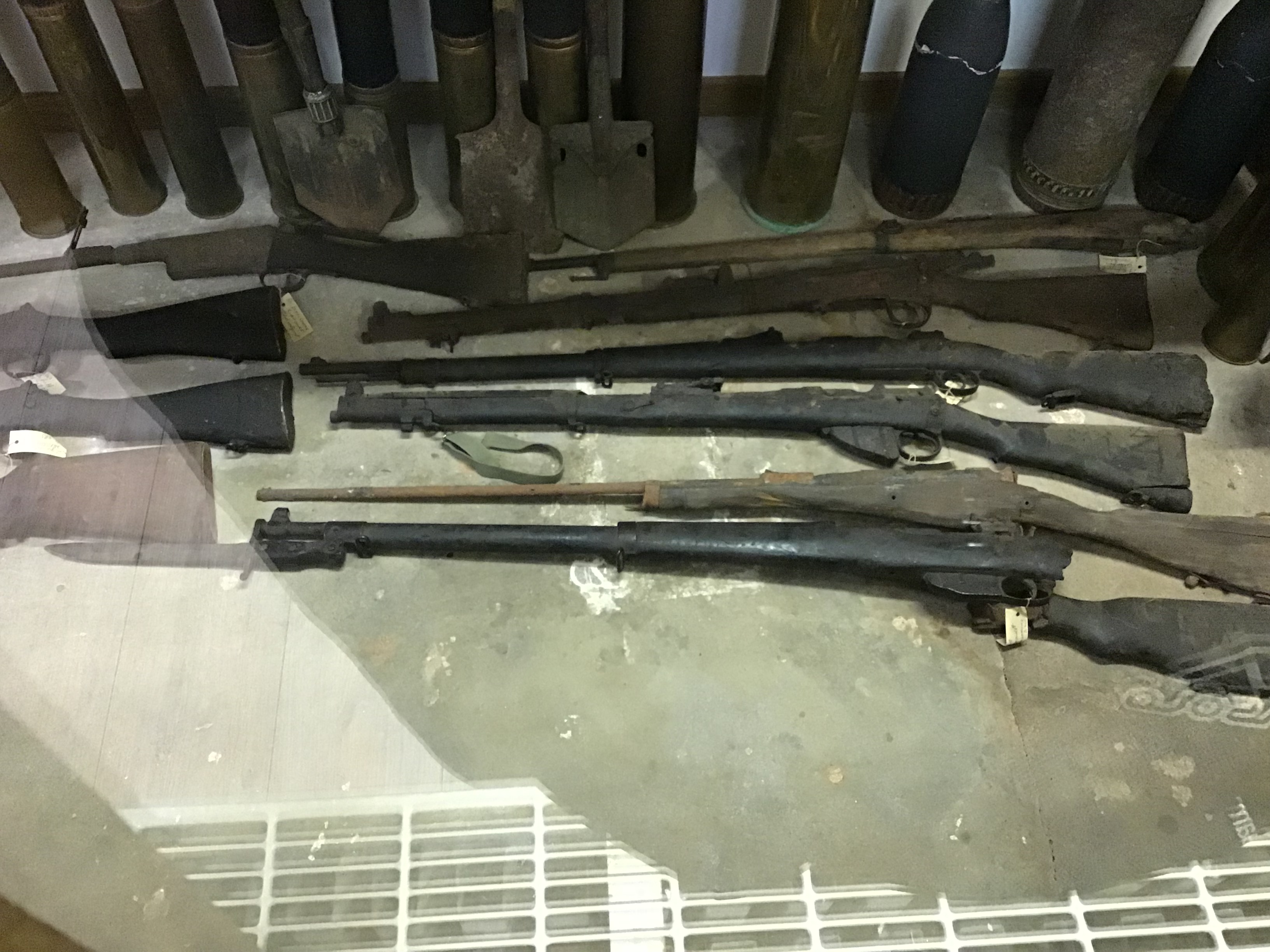
Feed a Ross Mark III decent ammo and it will go halfway to forever.
I thought I had proved this to myself when a friend and I entered a 2-man Iron Sight match at CFB Shilo a number of years ago. We fired 75 rounds in 8 minutes and had a pair of very hot Rosses and NO problems.
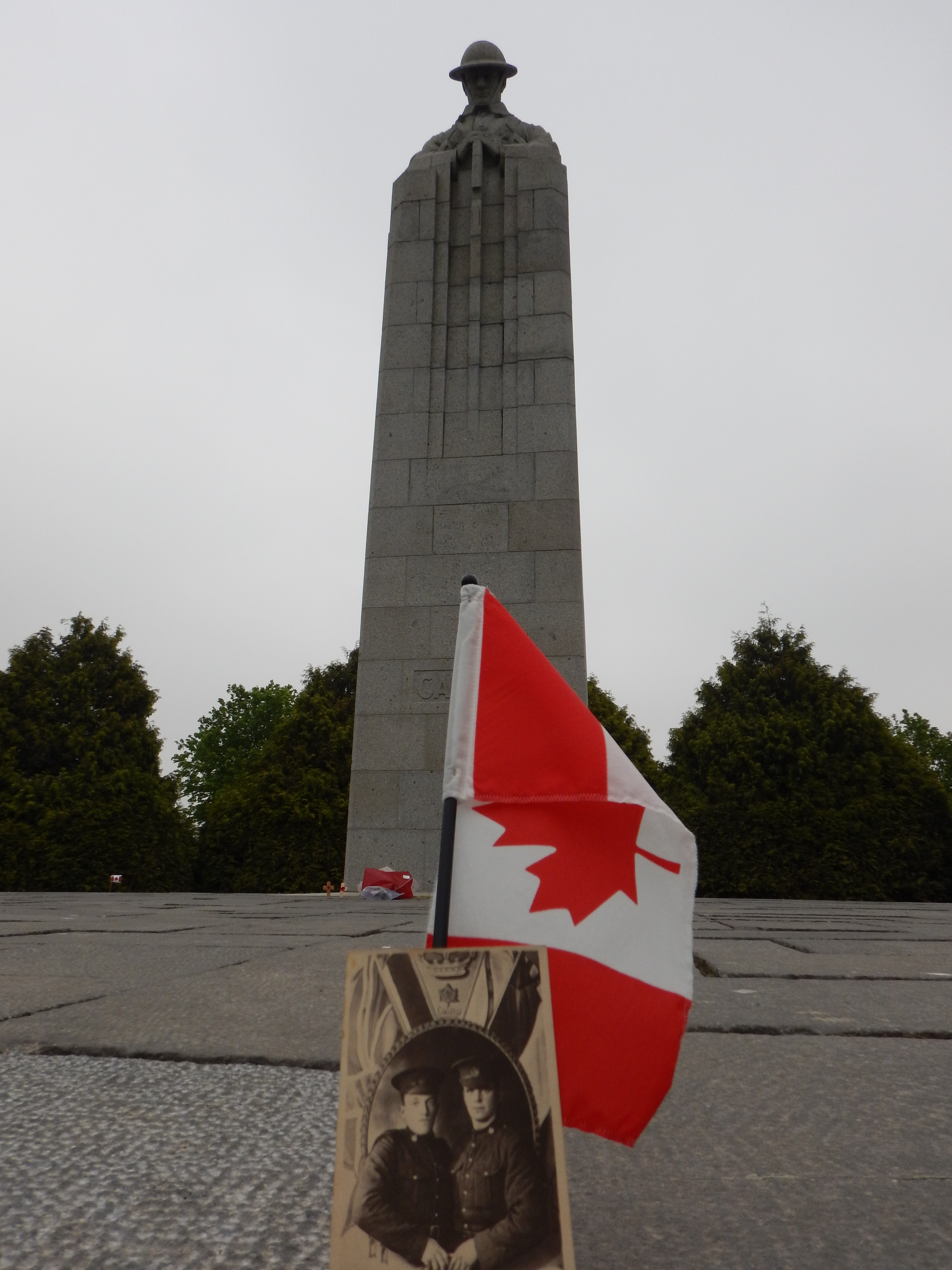
Further, I once-upon-a-time knew two men in Brandon who had used the Ross in what was likely the single most horrific rifle engagement in history: the battle at St. Julien in April of 1915 when the gas came through. Both men were in A Company, 8th Battalion, which was reserve company on that day. When the gas came through and the French Colonial line broke, they ran up through the gas, wearing field dressings which had been thoroughly wetted with urine. Contact with Urea makes gaseous Chlorine condense on the surface of the improvised mask so, as long as they kept breathing through the improvised mask, they were relatively safe from the Chlorine which Doktor Haber and his boys were releasing. The crumbling of the French line was noted carefully and a DIVISION was attempted to be pushed through the gap; this is where A Company went with their Rosses.
Pte Alex McBain and L/Cpl Robert Courtice both told me that they fired their Rosses until the rifles were too hot even to reload; the danger of serious burns was too high. Each man then put his rifle down and, re-armed with another Ross from a Canadian casualty, continued fire. When that rifle was too hot to touch, they reverted to their first rifles, now somewhat cooled. Each man fired ALL his personal ammunition load-out PLUS a large quantity scavenged from casualties. Interestingly, the odds in this fight were in the order of 120-to-1 with the German forces on the thick end of that stick. The Canadians did NOT break, although they were forced slowly backward as the Line was straightened.
The German breakthrough which was to END the War on April 23, 1915, was stopped in its tracks. The 120 men of A Company, 8th Battalion, STOPPED the German advance..... and the War continued another 3-1/2 years.
Extensive research on the "jamming" problem with the Mark III Ross was conducted both at the time, and again following the War. The defective ammunition which SOME of the Canadians had been issued was traced to TWO separate lots, both made in England, and both lots which SHOULD have been condemned because it was too large even to fit an SMLE chamber. I have Canadian .303 rounds from all manufacturers for all years of the Great War and have measured it. Canadian ammunition was NOT made to a different dimension to the specification; it simply was made strictly TO the specs. The Canadian Official History published an Addendum to (iirc) Volume 38 on this problem; it has been reproduced in pamphlet form and is available at this time.
I interviewed more than a dozen men with extensive experience at the Front in that war and was unable to find a single one who had anything bad to say about the performance of the Ross. The closest I heard to criticism was the careful and considered evaluation of Capt. George Dibblee DCM, a personal friend, who stated that "The Ross Rifle was .... unpopular.... due to its length and weight. You couldn't get into a dugout with your rifle slung." Asked if he had seen any incidents, he stated, "We had NO problems in our outfit with the Ross Rifle, but we kept our equipment CLEAN, unlike SOME outfits which never cleaned their equipment!"
I think that about sums it up, although I will mention that L/Cpl Courtice was emphatic regarding the rifle, Private McBain began cursing horribly and very nearly became violent when I asked about Ross problems..... and Ellwood Epps himself began screaming, "It's LIES, just LIES! There's nothing wrong with the God-damned Ross Rifle! I've worked on HUNDREDS of them!"
Point made, I think, in favour of the Ross.