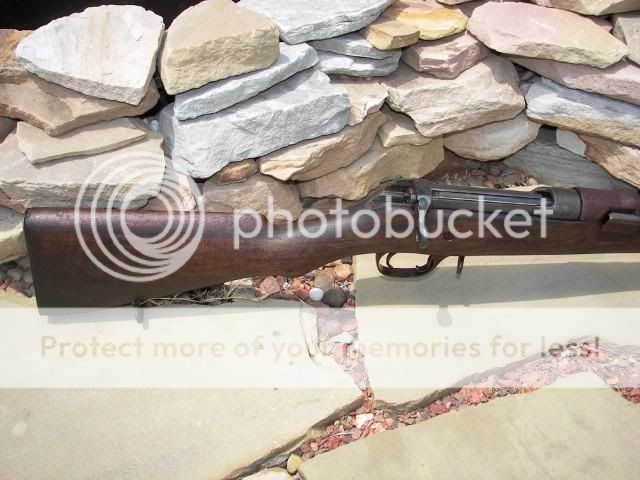
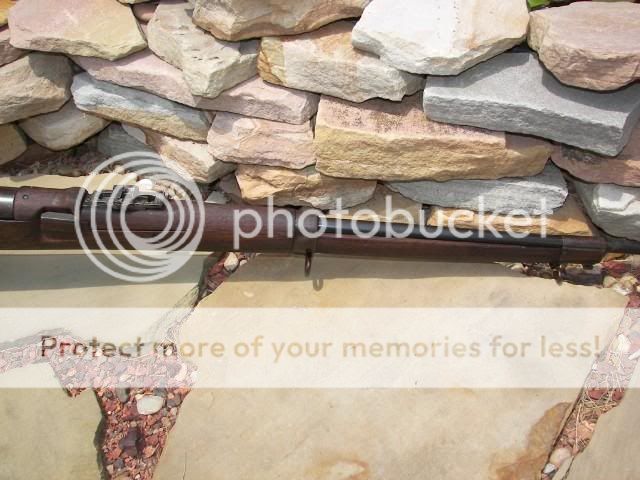
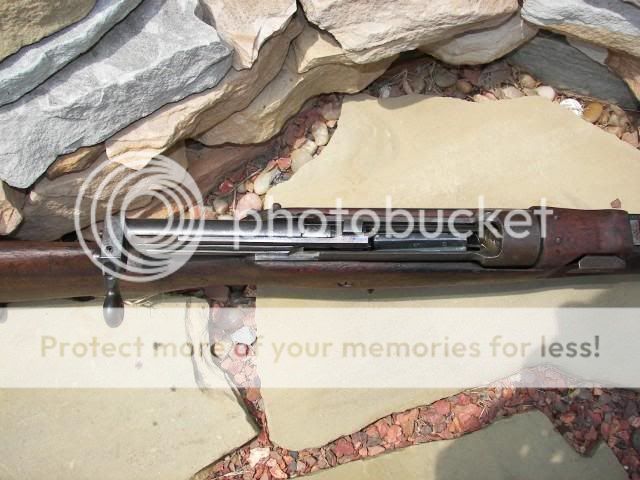
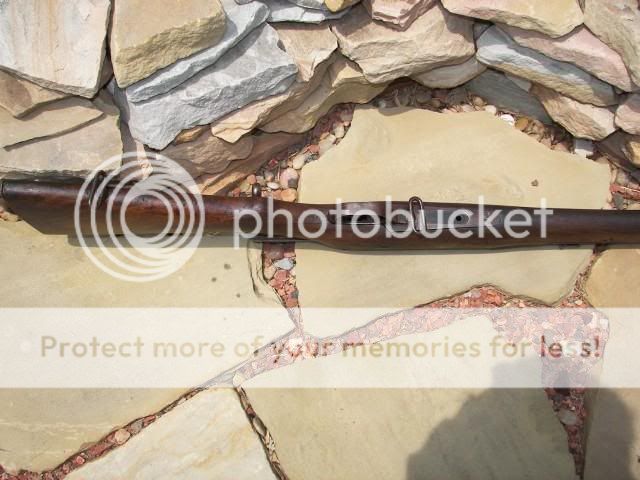
There may have been a variety of reasons for the reported problems with the Mk. III Rosses. The chambers were originally cut to a tighter dimension than the Lee Enfield; ammunition from two British ammunition contractors tended to be sloppy. There were oversized cartridges, both in diameter and rims. The chamber specs. were revised for both the Ross and the Lee Enfield. This ammunition gave problems in the Colt/Browning machine guns used by Canadian troops as well. Many Rosses had their chambers reamed out in workshops. The oversized chambers would accept anything, although the oversized fireformed cases resulting may not have aided extraction. There were boltheads made using the incorrect steel alloy. The rear left lug would be upset by contact with the boltstop, and the deformation would cause jamming. The improvised remedy was to caseharden the bolts in workshops using blowtorches and cyanide, using only eyeball judgement. Some bolts which were rehardened were made of proper alloy steel and were left brittle; the rear left lugs would then crack against the boltstop. A larger boltstop was fitted which eliminated the problem. The Mk.III bolt could be reassembled in a manner that resulted in a dangerous situation. Rather than train troops thoroughly in the mechanism, troops were not allowed to disassemble bolts. This made it difficult to keep rifles clean when exposed to mud, gas, etc. The locking recesses in the receiver were also more difficult to keep clean, compared to a Lee. The few reported mishaps resulting from incorrectly assembled bolts resulted in a general feeling that the Ross was dangerous to use. As a straightpull rifle primary extraction was not as positive as with a Lee. Interestingly, there are no widespread reports of dissatisfaction with the 1895 Mannlicher straight pull rifle. There were also those who did not want the Ross at all, and used any and all reports of problems as justification for withdrawal of the rifle from front line service.
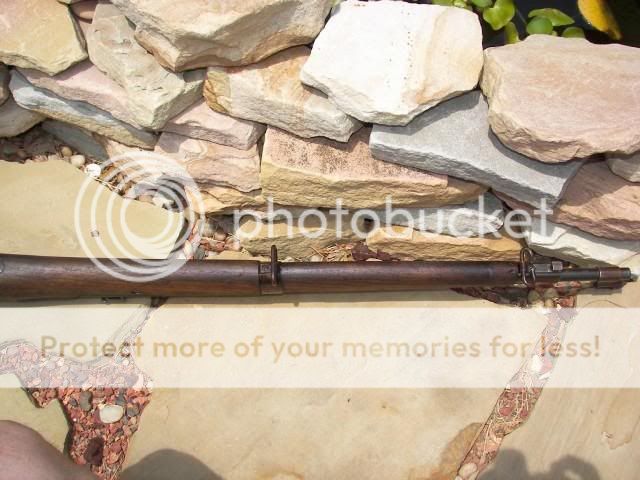
The Mk.II rifles also had problems. They were not particularly rugged. The sights were flimsy. Look at the notched stocks in the Mk.II*** rifles illustrated in this thread (at the rear of the handguard); this design promoted cracking. The vertical position of the locking lugs during cycling contributed to feeding problems. Some rifles never did feed properly. There was no attempt made to issue Mk.II rifles on the Western front. Oddly, even the fine MK.II** target rifles were not used as sniper rifles.
The Rosses are classic examples of designs that were rushed into production without being debugged before widespread issue.