You are using an out of date browser. It may not display this or other websites correctly.
You should upgrade or use an alternative browser.
You should upgrade or use an alternative browser.
Ross MKIII B
- Thread starter Molesto
- Start date

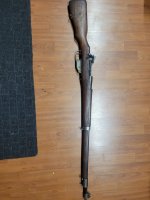

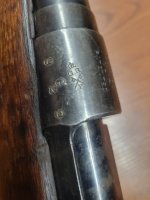
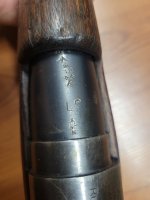
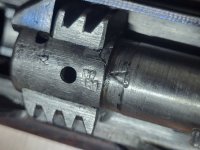
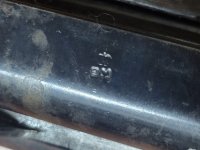
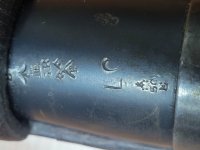
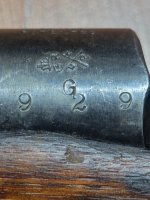

None ...Or barely visible patina is thick im going to take a better look with different lightingWhat markings are on the stock?
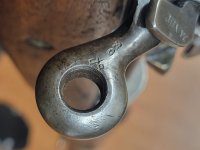
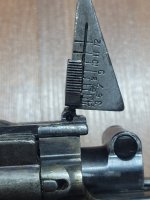
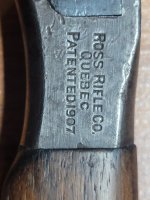
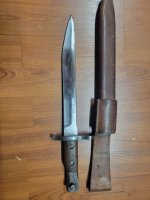
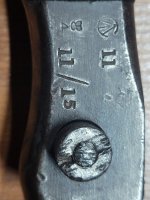
Hello Molesto. Your Ross Mk IIIB (serial 929 series G) is one of the near 72K rifles made on British contract. First rifle is 1 series A so you do the math. One of the last ones made. Rifles went to some Home Guard units but mostly replaced the Japanese Arisaka that was in service by the British Navy. Enfield actually sent Efd viewing personnel over to Quebec to inspect and stamp each rifle. Yours has additional markings indicating it went thru the Birmingham nitro proof process in order to be sold as surplus. It also has LC stamped on the breech end indicating factory manufacture to large Chamber. There were no markings put on the butt. Bayonets were unmodified Mk II bayonets which also had no info stamped on the left side. Your bayonet is 100% Canadian. Most of these rifles were tossed into the North Channel after WW2 and few came to Canada as surplus goods. Your rifle was made in 1916 as it has all the late Ross features appropriate for the late serial. Both front and rear sights are original and correct. Cheers. John T.
Wow thank you for this fabulous description sirHello Molesto. Your Ross Mk IIIB (serial 929 series G) is one of the near 72K rifles made on British contract. First rifle is 1 series A so you do the math. One of the last ones made. Rifles went to some Home Guard units but mostly replaced the Japanese Arisaka that was in service by the British Navy. Enfield actually sent Efd viewing personnel over to Quebec to inspect and stamp each rifle. Yours has additional markings indicating it went thru the Birmingham nitro proof process in order to be sold as surplus. It also has LC stamped on the breech end indicating factory manufacture to large Chamber. There were no markings put on the butt. Bayonets were unmodified Mk II bayonets which also had no info stamped on the left side. Your bayonet is 100% Canadian. Most of these rifles were tossed into the North Channel after WW2 and few came to Canada as surplus goods. Your rifle was made in 1916 as it has all the late Ross features appropriate for the late serial. Both front and rear sights are original and correct. Cheers. John T.
 Cheers
 Yan P
Hello Molesto. Your Ross Mk IIIB (serial 929 series G) is one of the near 72K rifles made on British contract. First rifle is 1 series A so you do the math. One of the last ones made. Rifles went to some Home Guard units but mostly replaced the Japanese Arisaka that was in service by the British Navy. Enfield actually sent Efd viewing personnel over to Quebec to inspect and stamp each rifle. Yours has additional markings indicating it went thru the Birmingham nitro proof process in order to be sold as surplus. It also has LC stamped on the breech end indicating factory manufacture to large Chamber. There were no markings put on the butt. Bayonets were unmodified Mk II bayonets which also had no info stamped on the left side. Your bayonet is 100% Canadian. Most of these rifles were tossed into the North Channel after WW2 and few came to Canada as surplus goods. Your rifle was made in 1916 as it has all the late Ross features appropriate for the late serial. Both front and rear sights are original and correct. Cheers. John T.
What would be the value you think? I'm planning to sell it.Hello Molesto. Your Ross Mk IIIB (serial 929 series G) is one of the near 72K rifles made on British contract. First rifle is 1 series A so you do the math. One of the last ones made. Rifles went to some Home Guard units but mostly replaced the Japanese Arisaka that was in service by the British Navy. Enfield actually sent Efd viewing personnel over to Quebec to inspect and stamp each rifle. Yours has additional markings indicating it went thru the Birmingham nitro proof process in order to be sold as surplus. It also has LC stamped on the breech end indicating factory manufacture to large Chamber. There were no markings put on the butt. Bayonets were unmodified Mk II bayonets which also had no info stamped on the left side. Your bayonet is 100% Canadian. Most of these rifles were tossed into the North Channel after WW2 and few came to Canada as surplus goods. Your rifle was made in 1916 as it has all the late Ross features appropriate for the late serial. Both front and rear sights are original and correct. Cheers. John T.

As mkiii rifles go, it’s a rare variant. No doubt people are already sending you PMs with offers. But the truth is not enough of these trade hands to give an accurate estimate.
My guess is somewhere between $2k and $4k.
A well advertised auction is maybe your best bet. Maybe contact Switzers or Landsborough to see who will charge you the most reasonable seller’s fees and consider auctioning it.
My guess is somewhere between $2k and $4k.
A well advertised auction is maybe your best bet. Maybe contact Switzers or Landsborough to see who will charge you the most reasonable seller’s fees and consider auctioning it.
Not a single pm...I'm gonna contact Switzers this week.As mkiii rifles go, it’s a rare variant. No doubt people are already sending you PMs with offers. But the truth is not enough of these trade hands to give an accurate estimate.
My guess is somewhere between $2k and $4k.
A well advertised auction is maybe your best bet. Maybe contact Switzers or Landsborough to see who will charge you the most reasonable seller’s fees and consider auctioning it.
Mk. III rifles in unmolested condition are not all that common. IIIBs less so. Essentially all were exported, and many (most) were disposed of not long after the First War.
A particularly interesting IIIB is one of the ones supplied to Britain, then to the Whites during the Russian Civil War. Captured by the Reds. Subsequently sent by the Soviet Union to Spain, to arm the Canadian Mac-Paps of the International Brigades during the Spanish Civil War. Captured by Franco's Fascists. Sold off surplus by the Spanish Government in the 1950s.
A particularly interesting IIIB is one of the ones supplied to Britain, then to the Whites during the Russian Civil War. Captured by the Reds. Subsequently sent by the Soviet Union to Spain, to arm the Canadian Mac-Paps of the International Brigades during the Spanish Civil War. Captured by Franco's Fascists. Sold off surplus by the Spanish Government in the 1950s.
How can you possibly trace an example back thru the ownership? JohnMk. III rifles in unmolested condition are not all that common. IIIBs less so. Essentially all were exported, and many (most) were disposed of not long after the First War.
A particularly interesting IIIB is one of the ones supplied to Britain, then to the Whites during the Russian Civil War. Captured by the Reds. Subsequently sent by the Soviet Union to Spain, to arm the Canadian Mac-Paps of the International Brigades during the Spanish Civil War. Captured by Franco's Fascists. Sold off surplus by the Spanish Government in the 1950s.
The Spanish arsenal marks. There are also Mosin Nagant rifles which were supplied to the International Brigades and subsequently sold off as surplus by the Spanish Government.
When the Mac Paps received the Ross rifles, they were not pleased, having heard the stories about Ross rifles during WWI. They were subsequently issued Mosin Nagants.
When the Mac Paps received the Ross rifles, they were not pleased, having heard the stories about Ross rifles during WWI. They were subsequently issued Mosin Nagants.

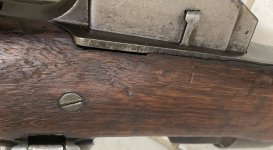
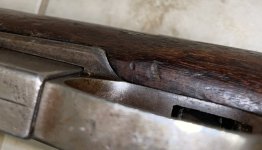
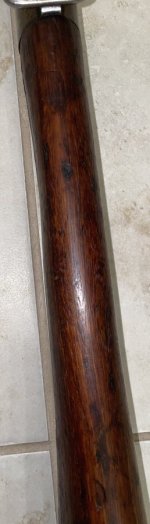
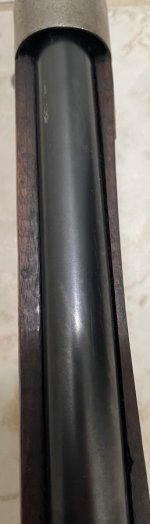
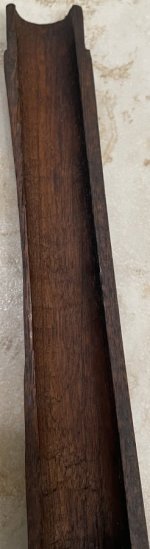
Hello - I ended up picking up this rifle and was quite disappointed that there were 2 distinct areas where there was some deep sanding performed, likely to hide some imperfections, but were undisclosed even though questions were asked. I'm wondering how this new information would affect the value of the rifle based on the original estimates provided above. Pics attached for review.
Attachments