Sheesh - Since you are new to shooting and reloading, I would suggest you save the fine tuning like seating depth, and detailed powder charge investigations until you get a handle on the basics, including learning how to shoot reasonably well. Learn to be concise and repeatable, keep written records, etc. Avoid newby mistakes like using different brass within the same load batches....
FWIW - Most sporting rifles will preferentially tune to a given bullet weight, so that should be the first investigation. Once you get a bullet your gun likes, try another powder if you have one. Otherwise, you can ramp up the powder charge, say 4 rounds per 1/2 grain increments. Give yourself some margin away from max published load until you can recognize overpressure. Keep the same coal during these trials - use the cannelure as a guide if possible. When you've got a load that you like, and some more experience, then you can start playing with seating depth. Bear in mind that it takes considerable metrology skills to get close to the lands (say less than 1/32 in), and good reloading technique to hold that tight clearance from round to round, bullet lot to bullet lot, etc. Inadvertently jamming the lands can be bad news, particularly in a hunting situation - ask me how I know...
As far as the scope is concerned, once you get on paper at say 100 yards, try to avoid making adjustments to zero the rifle between groups or trials. Changing bullet weights may take you off the paper, but otherwise the groups shouldn't move substantially. Cheap scopes, and even some half decent ones, can track poorly and jump between shots after an adjustment. Do your zeroing at the end when you've got your "go to" load.
This ^^^
-Learn the basics.
-Don't get caught up trying to prep brass for long range competition when you're just starting out and only shooting at 100 yards.
-Read the front section of your manuals that talks about reloading
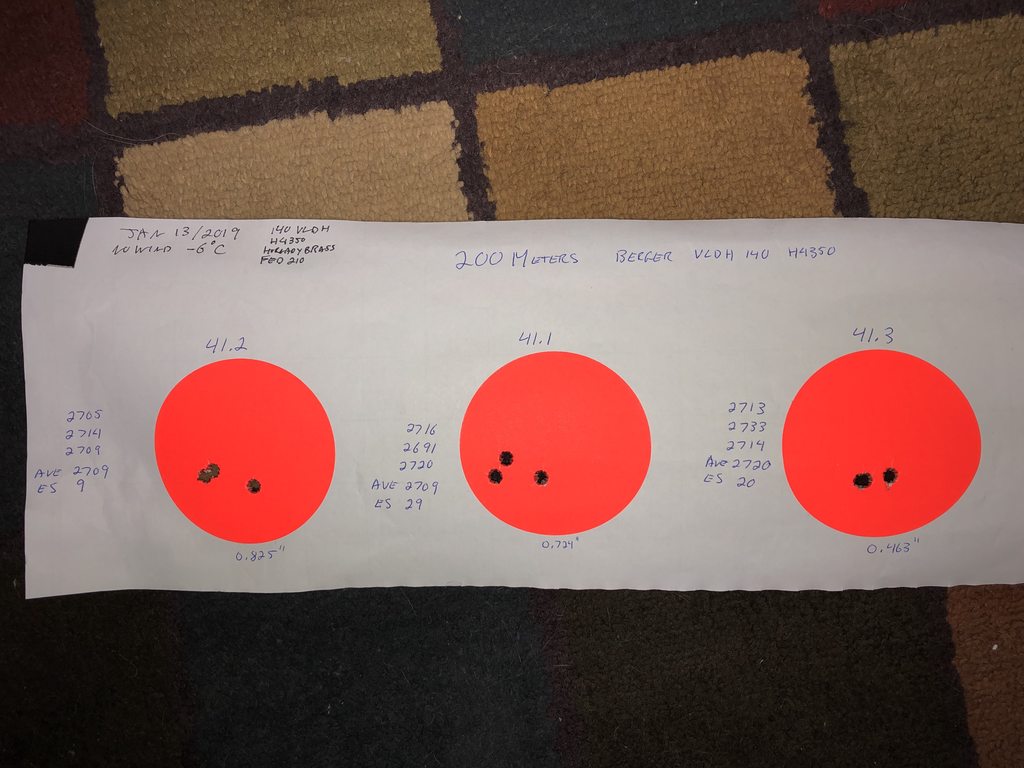
-Document everything including the ambient temperature when you're testing your loads.
-Stick to one bullet and one powder until you're convinced that it will not give the results you're looking for. If you keep switching powders and projectiles you'll never find a load.
-Try to pick the most temperature stable powders to use.
-Try to pick one projectile that will cover all of your intended needs of the rifle. No point developing an accurate load with a bullet that isn't designed to expand and hold together if you also want to hunt with your rifle
-Find someone experience in reloading in your area to come and give you a hand getting started and to walk you through your first batch of loads.
-There are no shortcuts in reloading, it takes time and it takes attention to detail, if you're sloppy and have a close enough is good enough attitude you'll likely have problems in the future with your loads.
-Once you've got your basic load safely shooting and the scope is sighted in at 100 yards move your testing to 200 yards if possible. The longer the range you test at the more it will tell you about your load. Don't go too far though or you'll start fighting ambient conditions which will throw off your results.
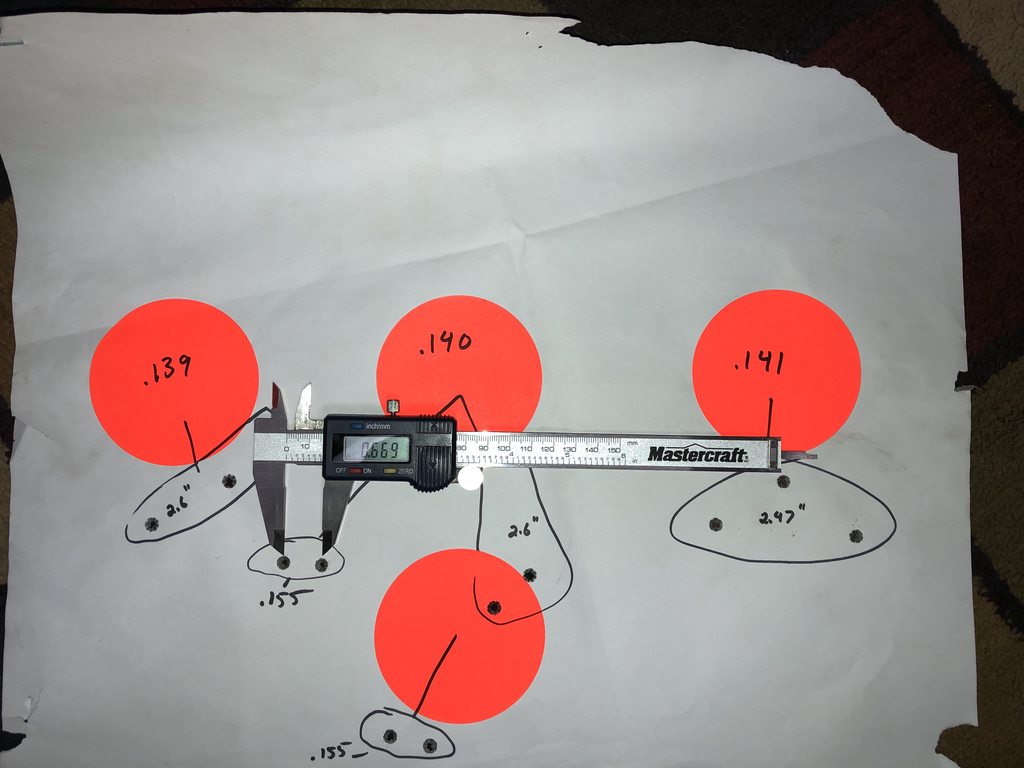
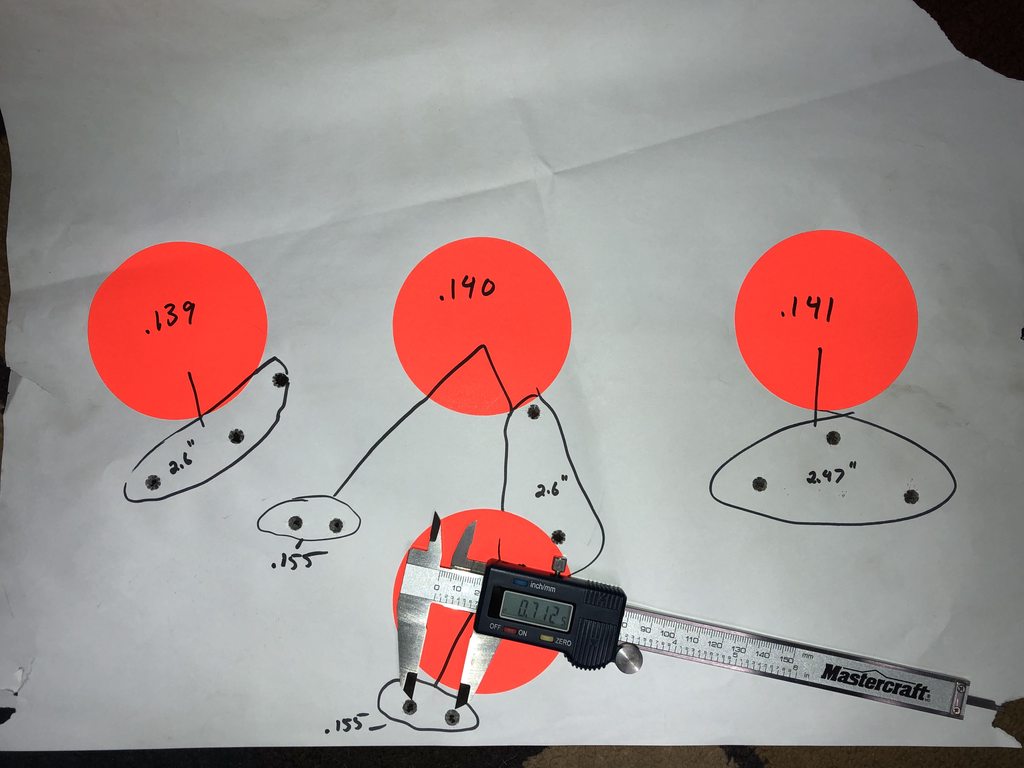
-Be reasonable in your expectations, if you are new to shooting the chances of you printing 1/2 moa groups is pretty slim, it's not always the ammo that's messing up your groups, some days it will be you. Learn to recognize those days and put aside the load testing and pull out your pistols or your fun gun to play with on days like that.
-Be safe, there's a lot riding on the quality of your loads, your life and the lives of those around you.
-If you're not doing your load testing shooting off of sandbags or a lead sled or some other means of removing the human factor out of your results you're wasting your time, barrel life, and money.