While you are on the site, in your browser find and click "Add to Home Screen" A CGN beaver app icon will then be created to your phone that is directly link to the site.
Note: This feature may not be available in some browsers.
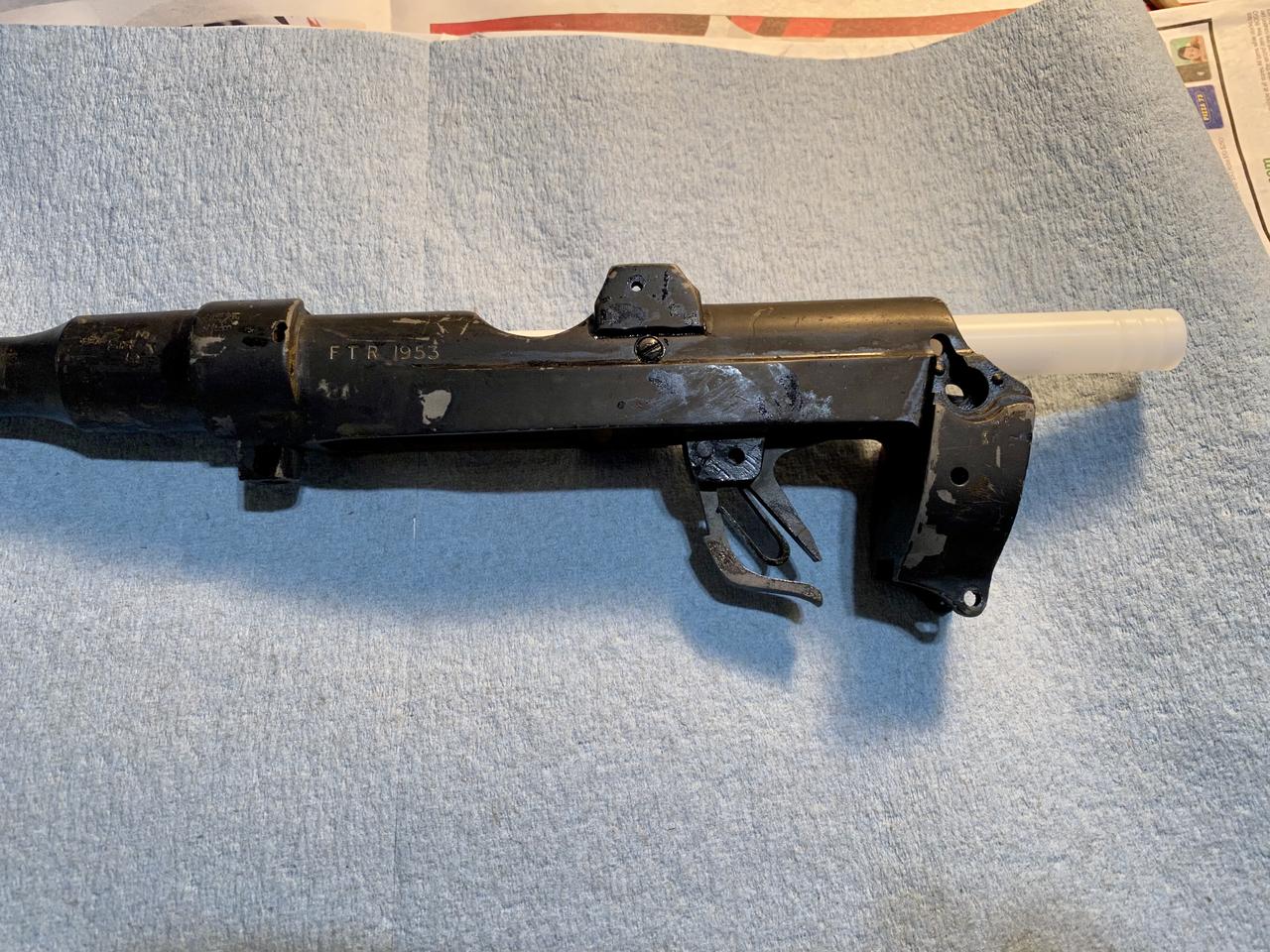
I bought this 1918 (FTR 1953) No1 Mk3 rifle earlier this year. It was covered with lacquer, not really cleaned in a while, bit rusty and missing the magazine. From under the lacquer I could see that the wood furniture was marked with the BSA stamps and everything was matching including the nose cap. Obviously it has no collector value due to the decisions taken by someone in the past...but I decided to work on it. It was impossible to take it apart as the action and top wood was reassembled when the lacquer was still drying, so it was glued together solid. Challenge to say at least
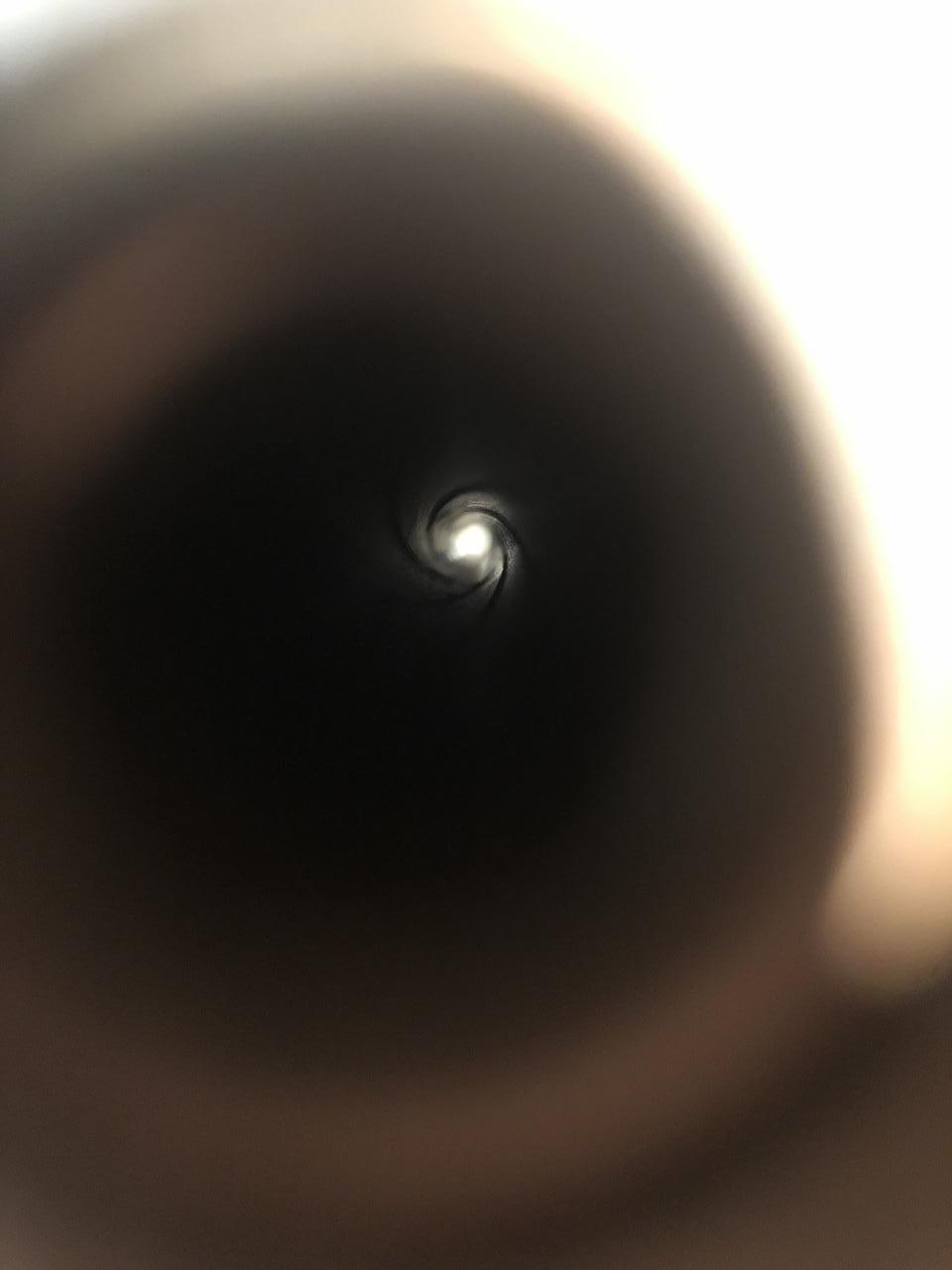
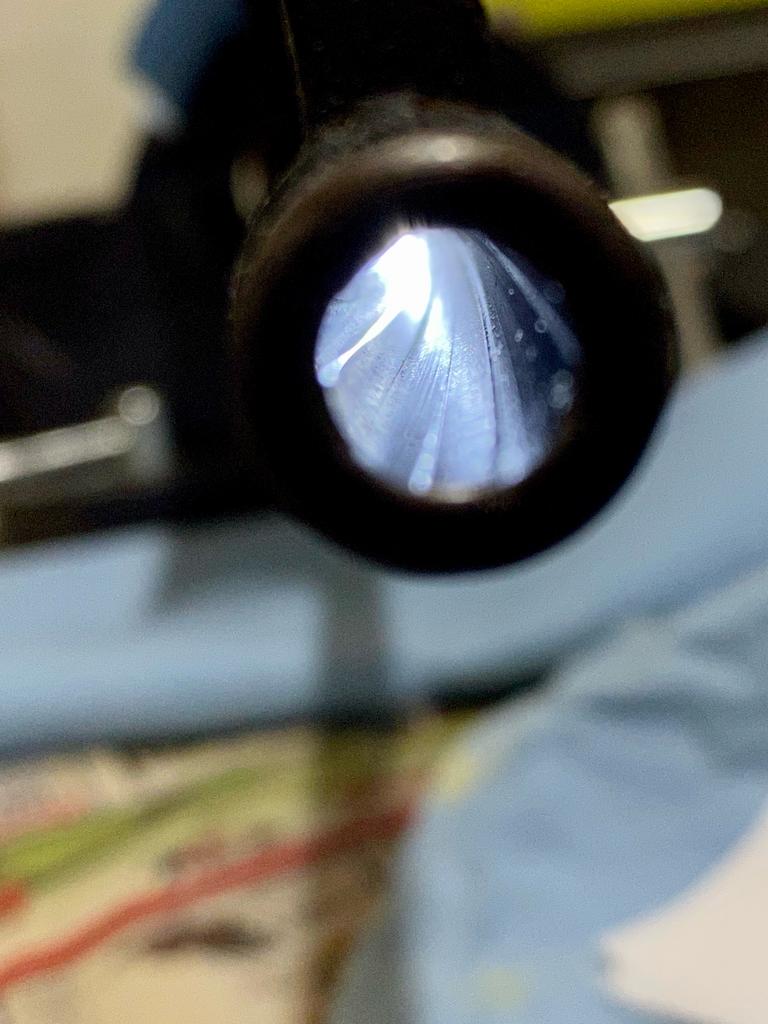
Bore
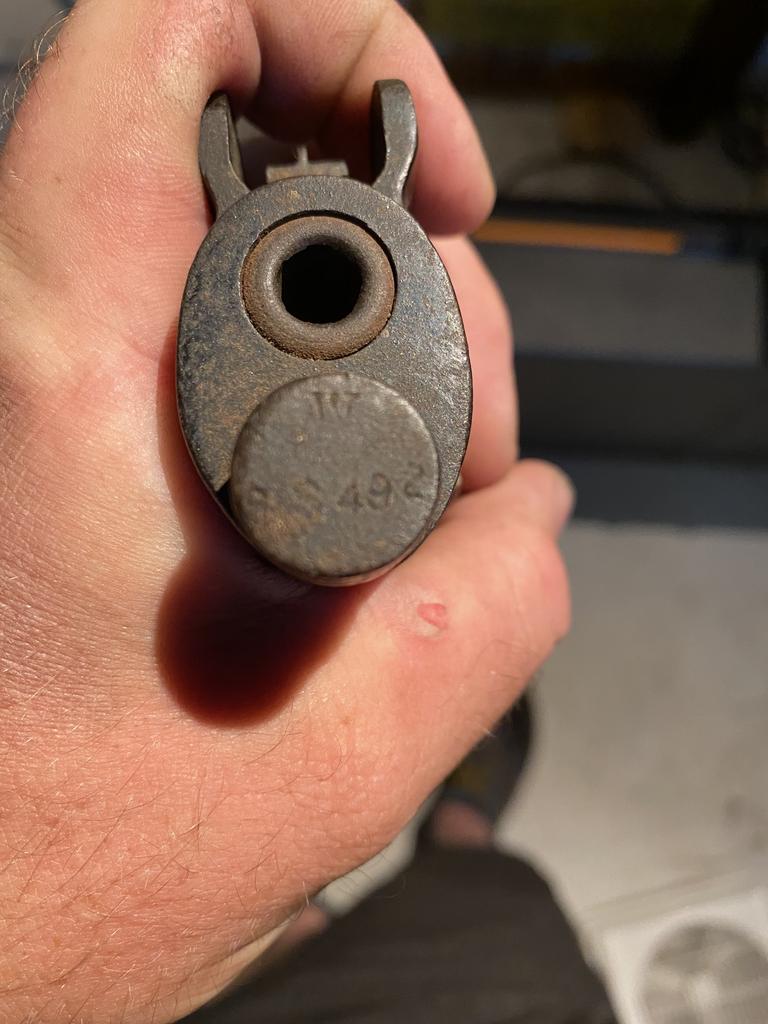
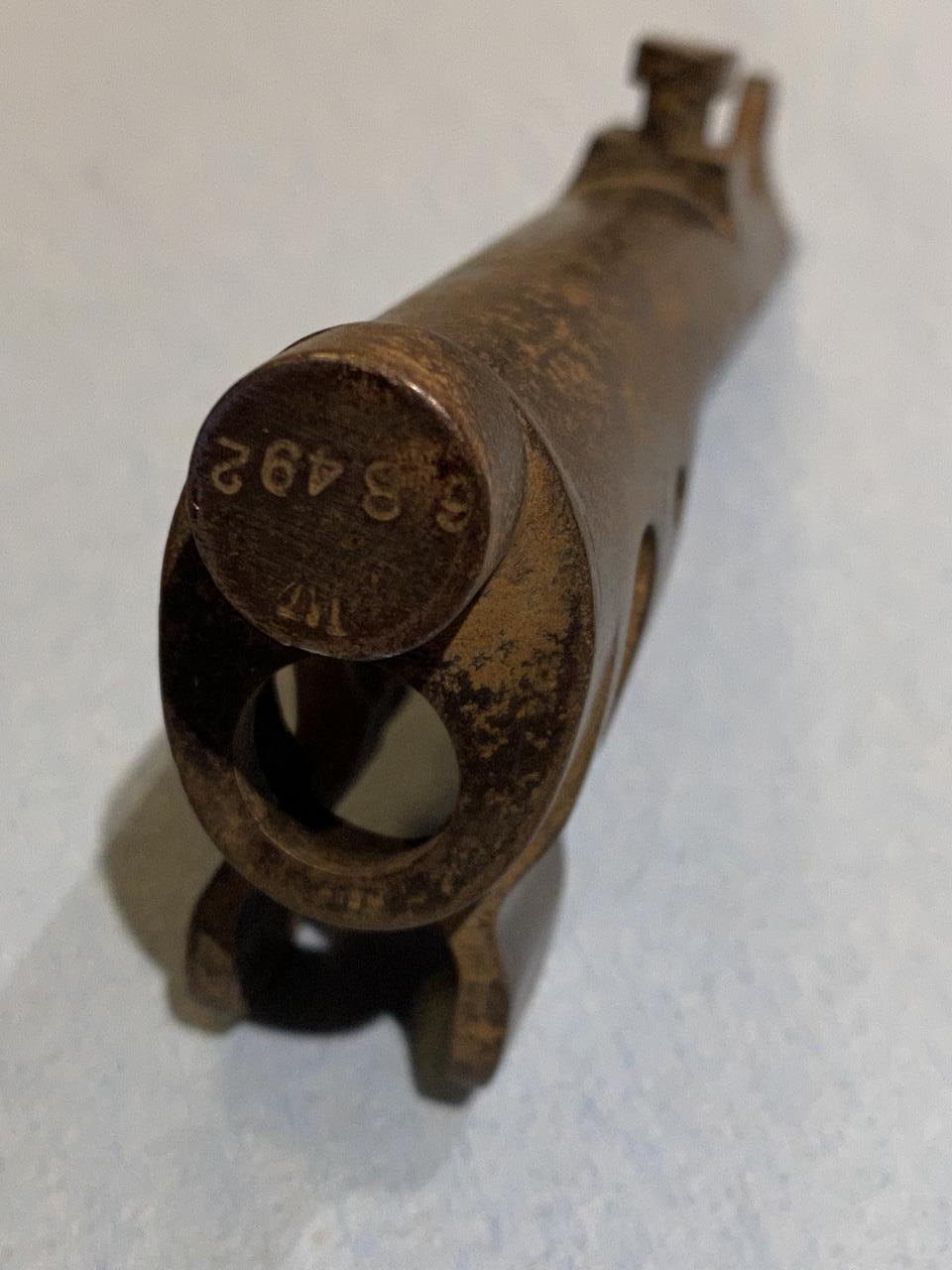
Nose cap
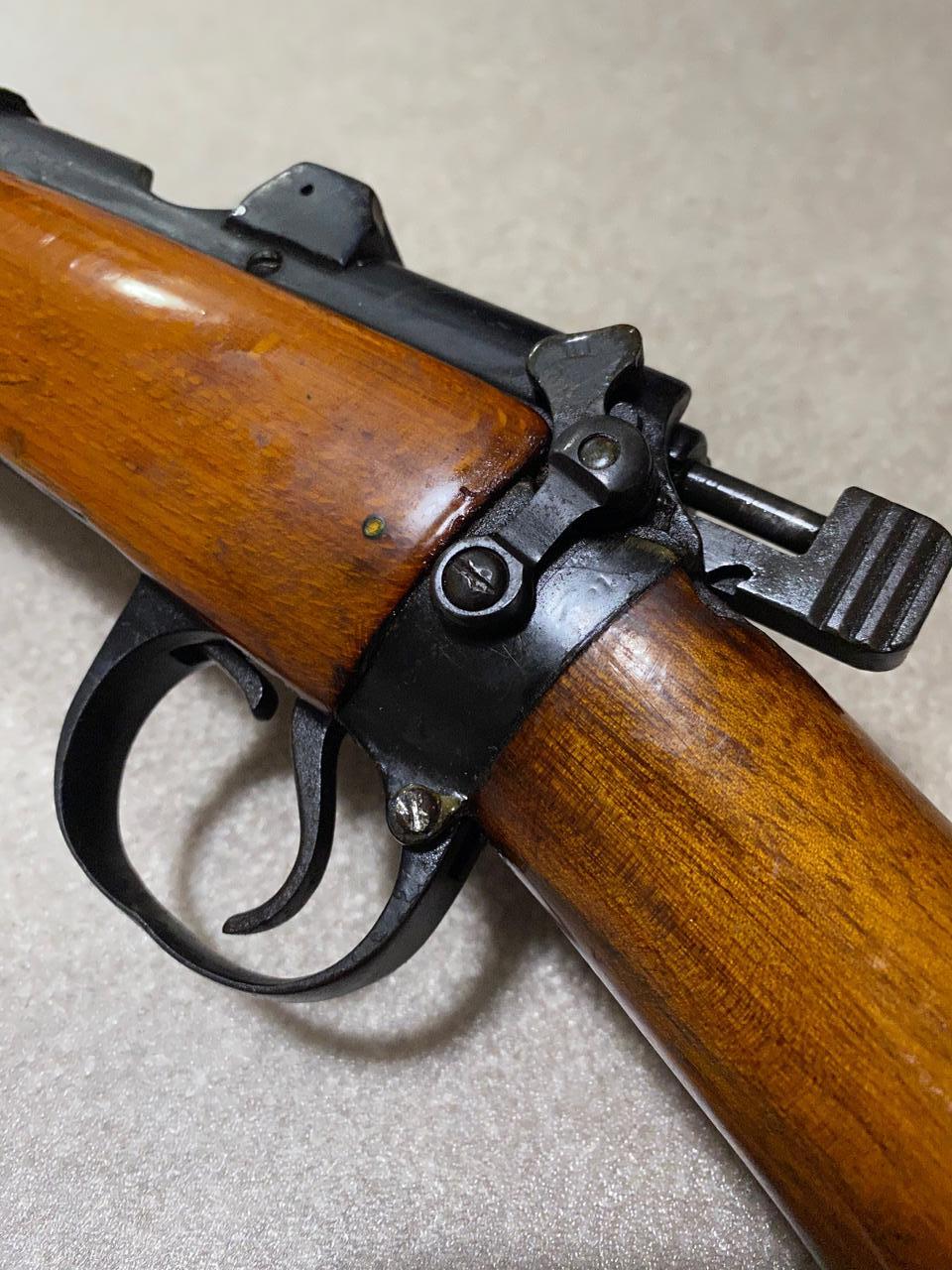
Frozen rear trigger guard screw
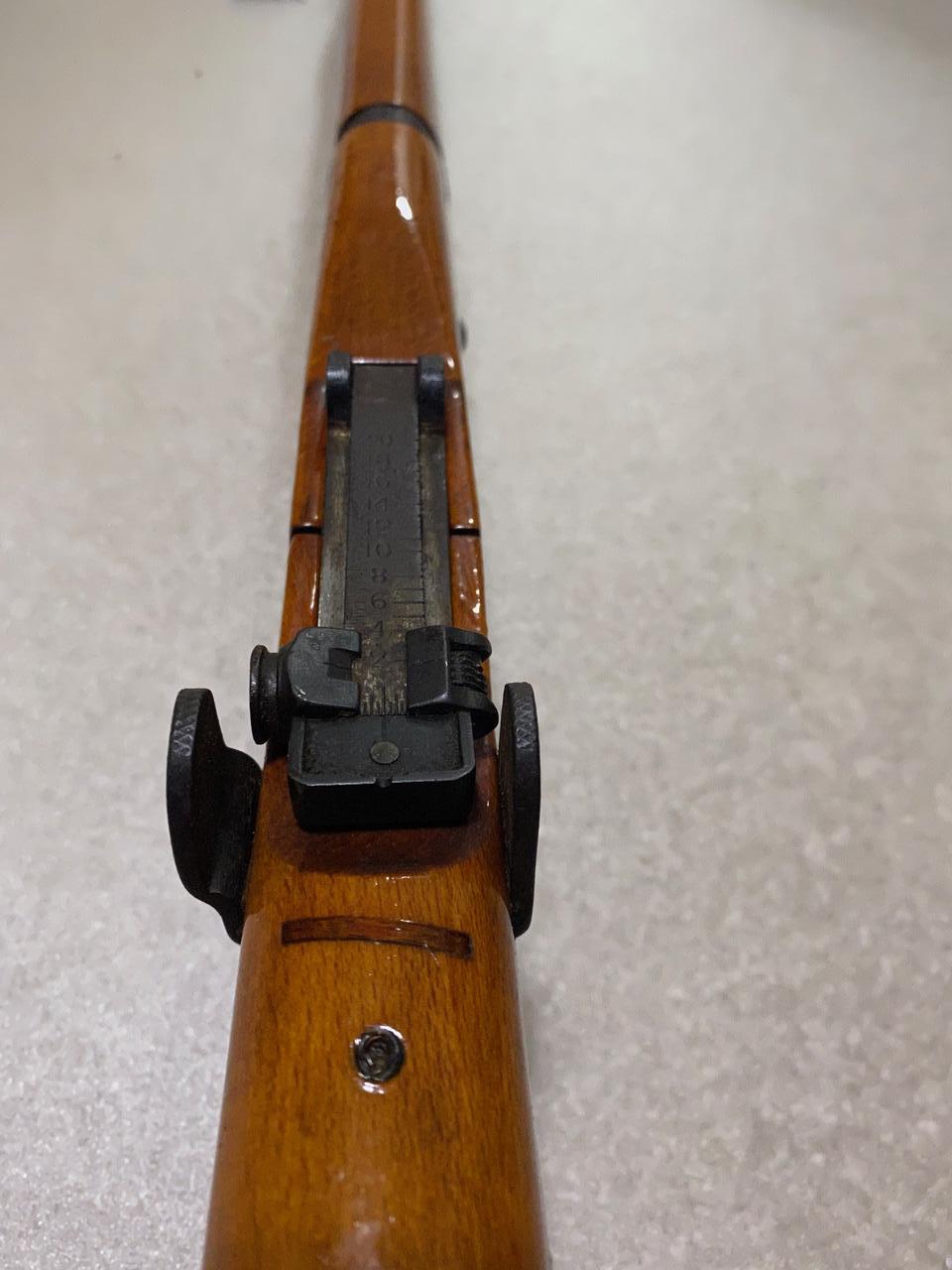
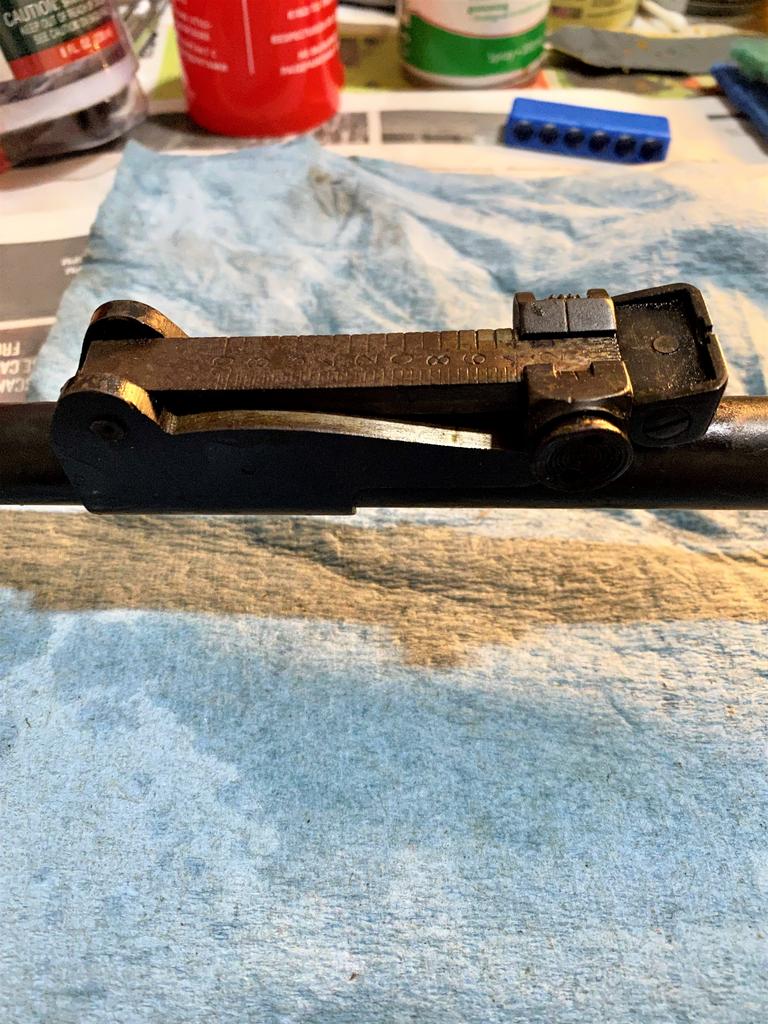
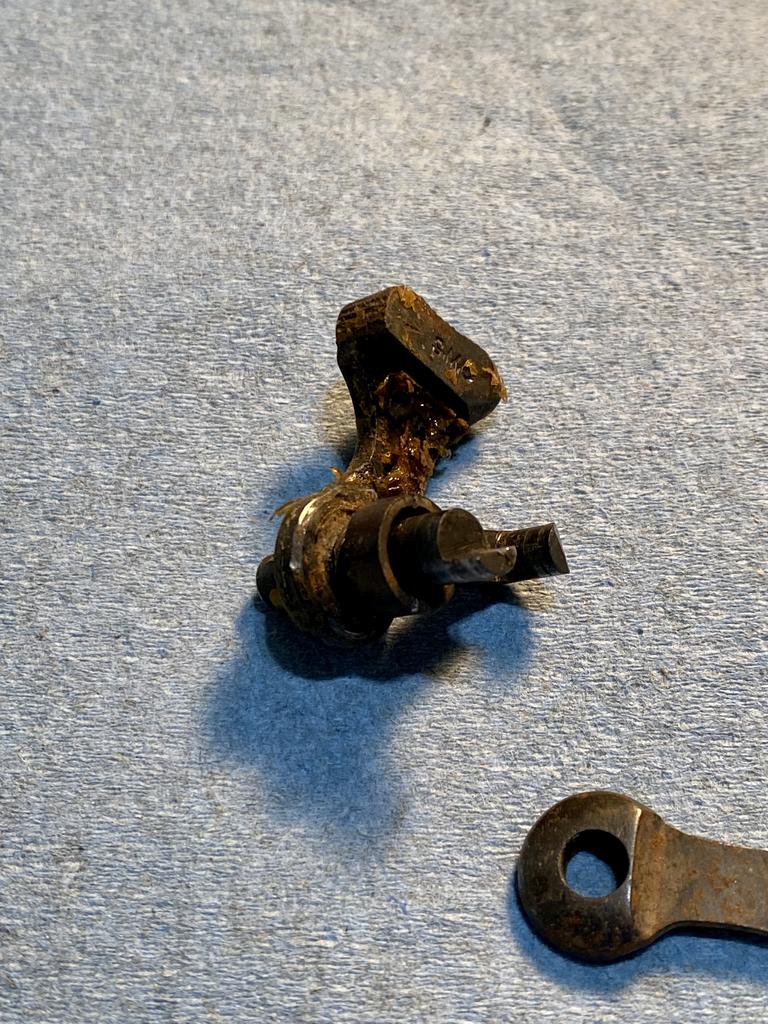
Rear sight was quite rusted and I had a hard time to lift it up. Also the rear sight protector was installed incorrectly...
Surface rust on the bolt
After 3 days of struggle I was able to separate the wood from the action.
The bore after 10 cycles of cleaning (brass brush, bore cleaner and dry patches). Patches are still coming out dirty, but I sure have time. Some corrosion in the groves (or gunk), but nothing terrible really. Looks like it's going to be perfectly serviceable.
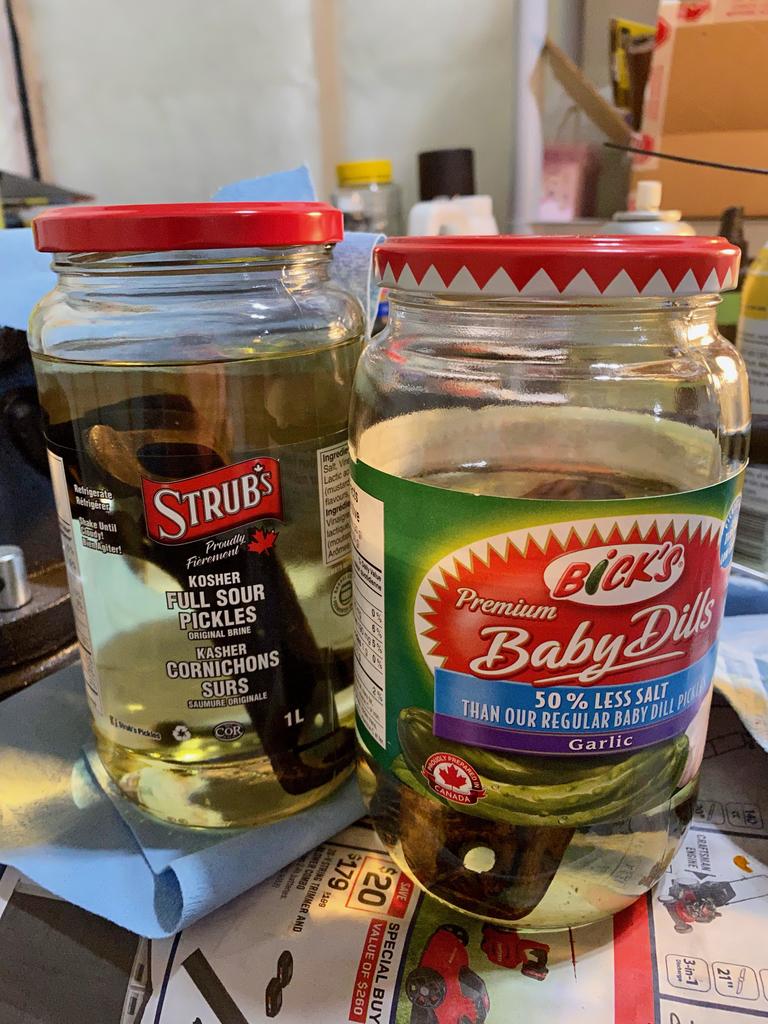
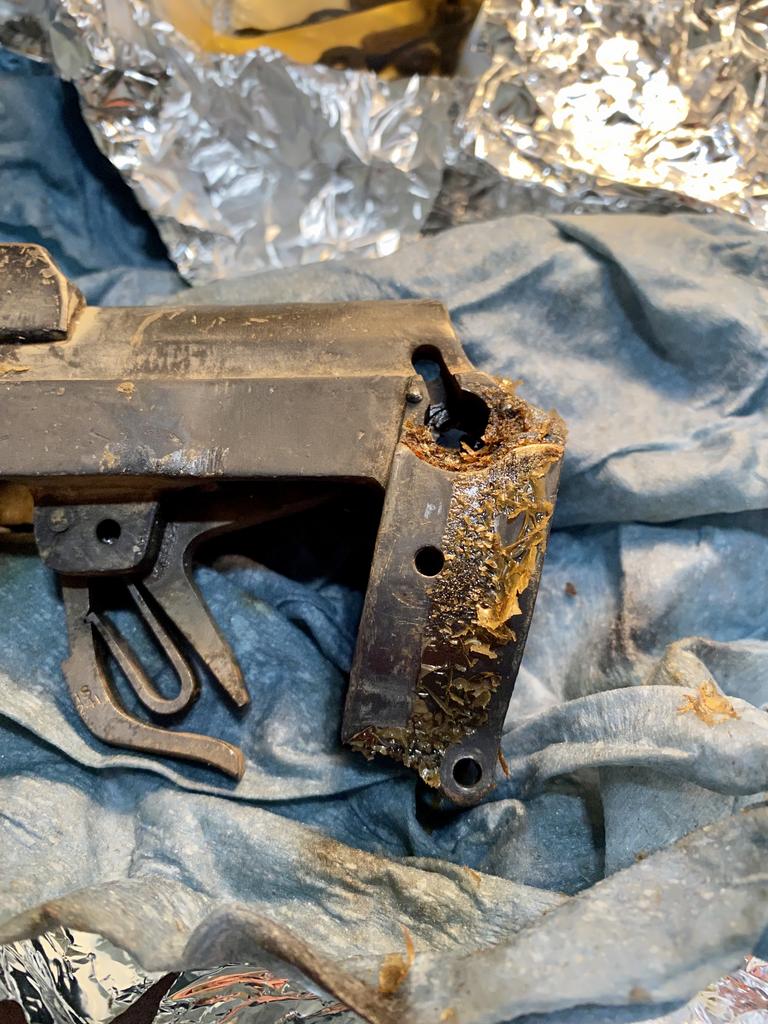
Basement pickles. Full sour nose cap and garlic butt plate. Tomorrow all the crap accumulated on them should become fairly soft (I hope).
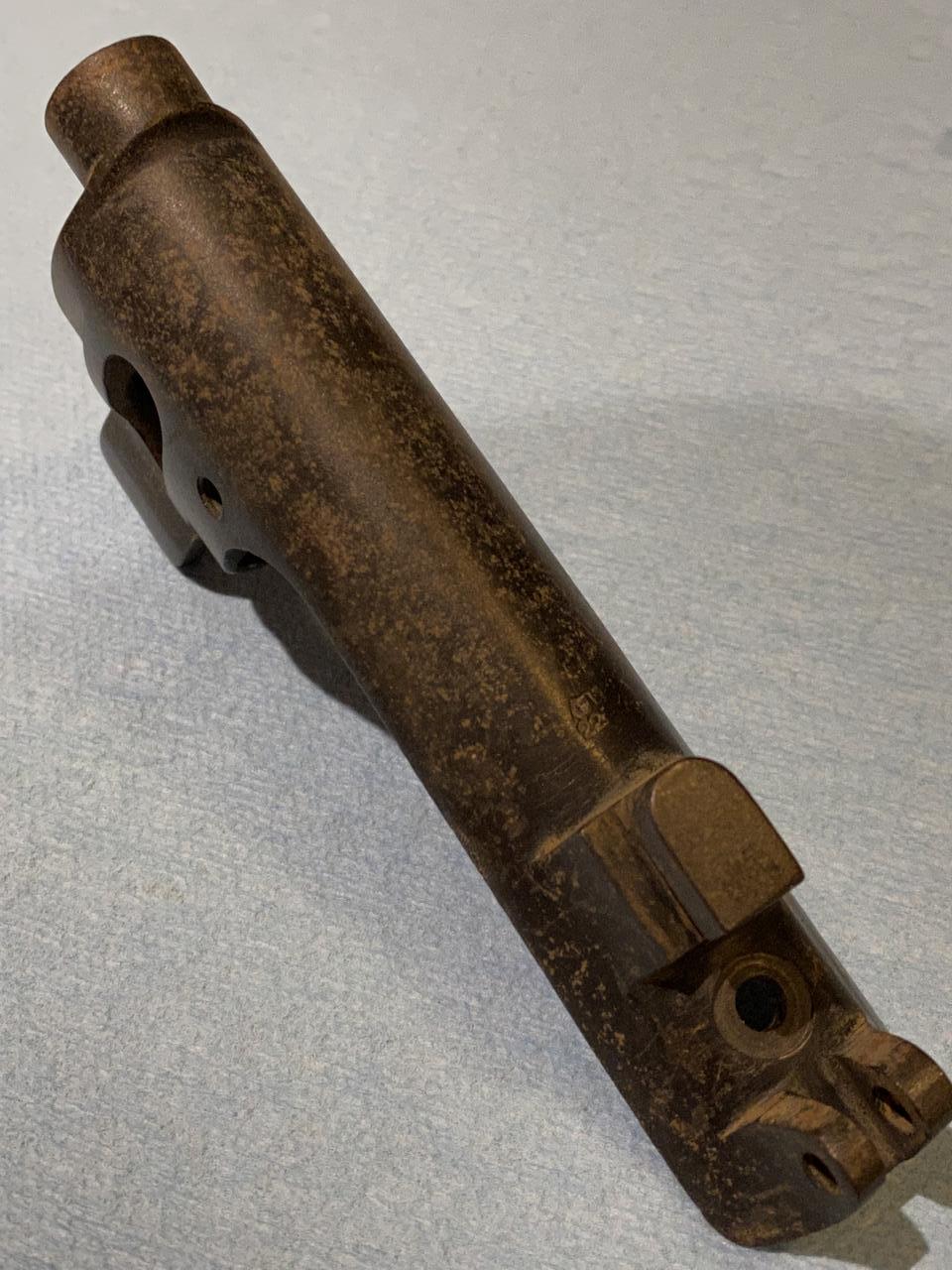
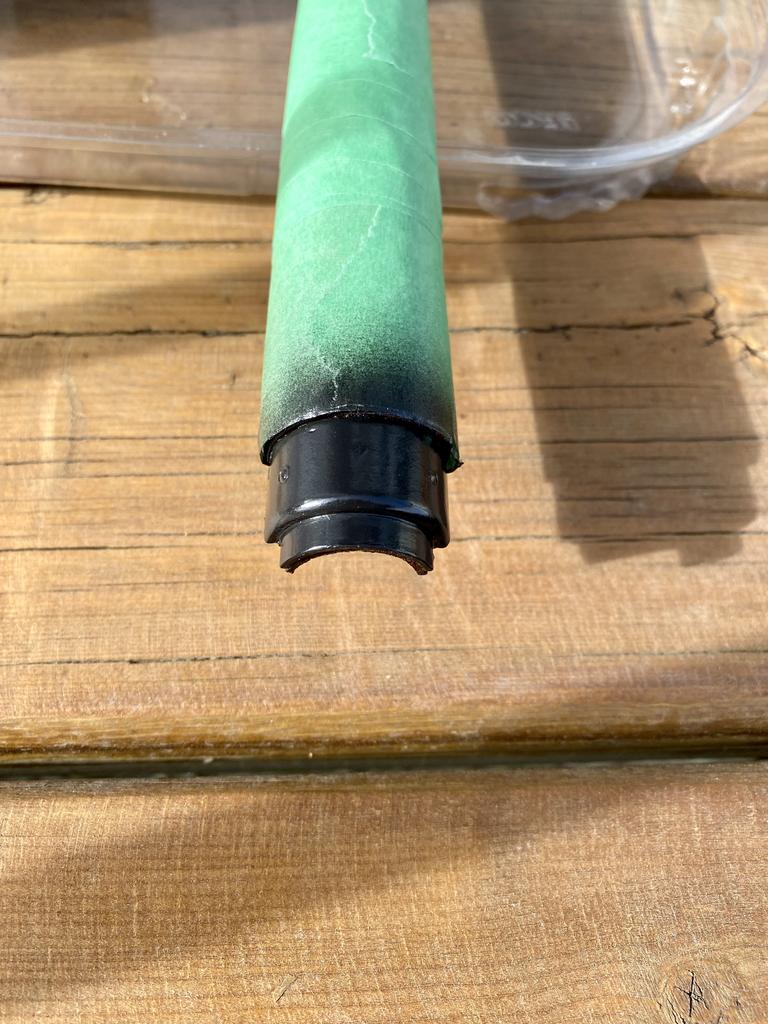
The nose cap was pulled from the mineral spirit bath and cleaned from the gunk. There was quite a lot of soil inside it, so I removed all of that plus some flaking paint exposing even more surface rust.
Now it's time for a bath in rust cleaning solution that may possibly damage the remaining blueing...but I suspect that it's going to get painted anyway, so it's ok. We don't want that rust there.
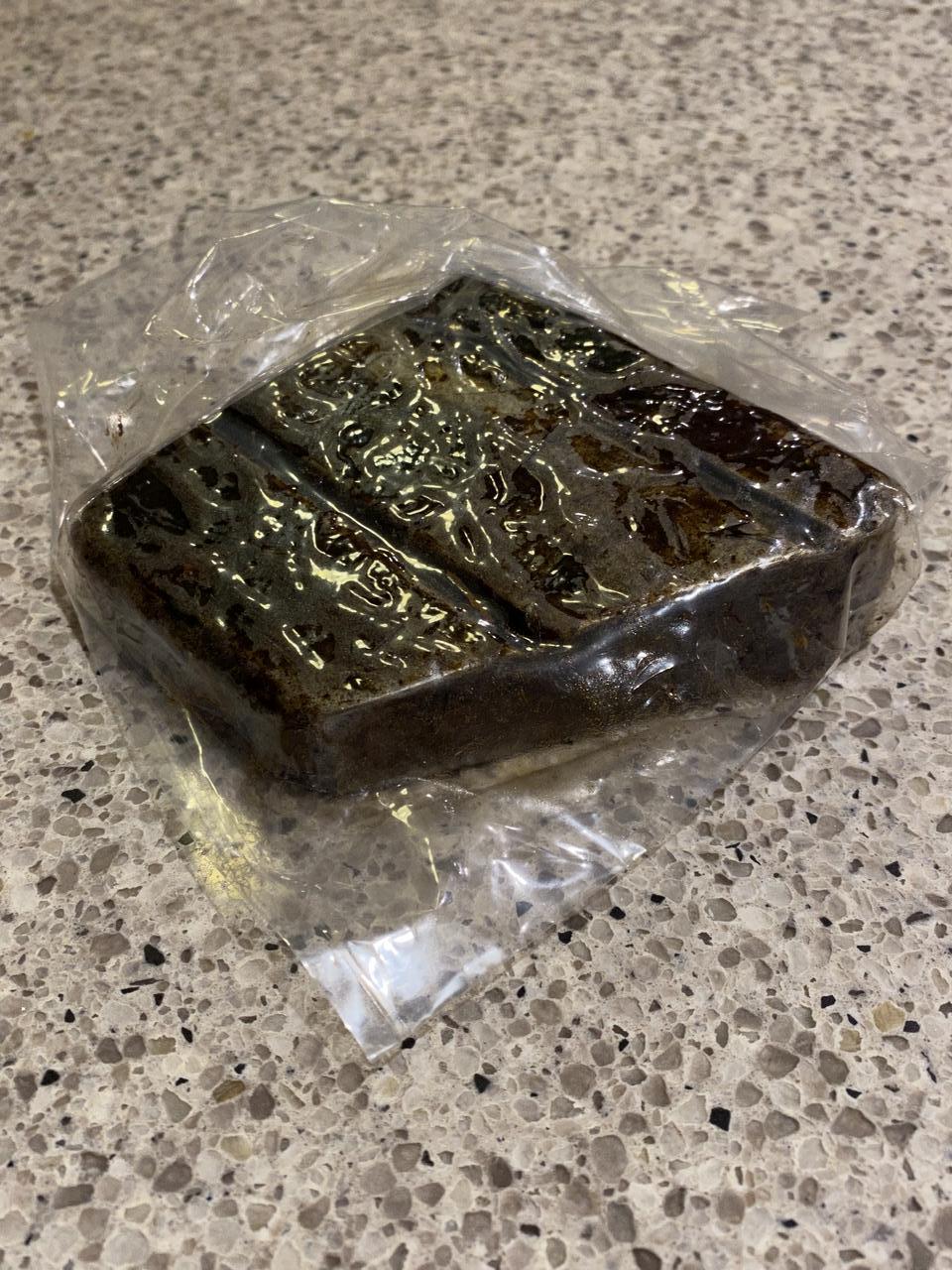
Rifle was missing the magazine, so I ordered one. Came covered in Cosmoline. Good
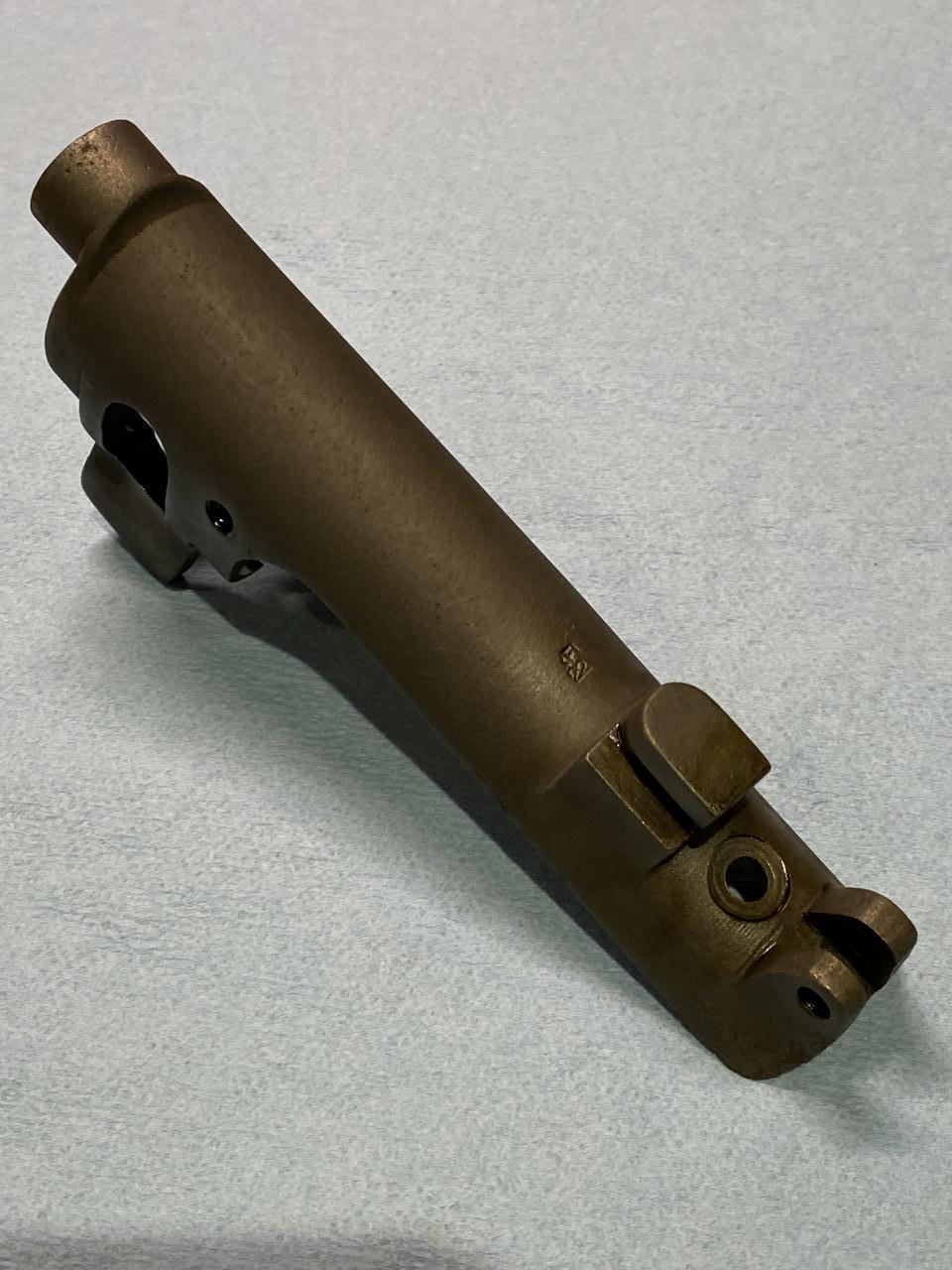
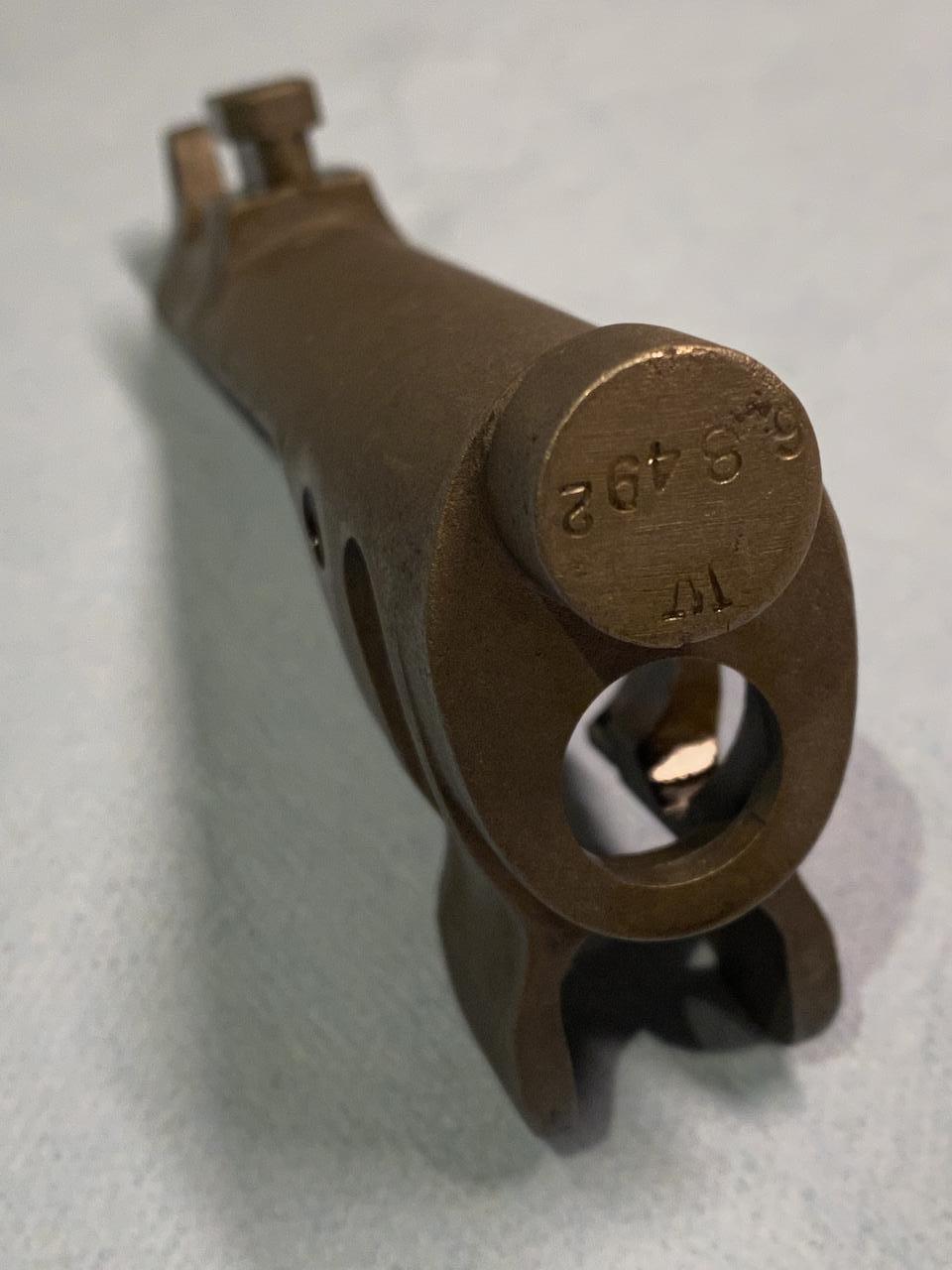
Out of the rust cleaning solution and out for painting with the high heat bbq spray paint. The parts were not blued, but painted from the factory, so the flakes of the paint are sitting at the bottom of the jar now. All the small, metal parts (magazine, nose cap, trigger guard, sling swivels, screws) will receive exactly the same treatment...which more or less would be in line with the original finish.
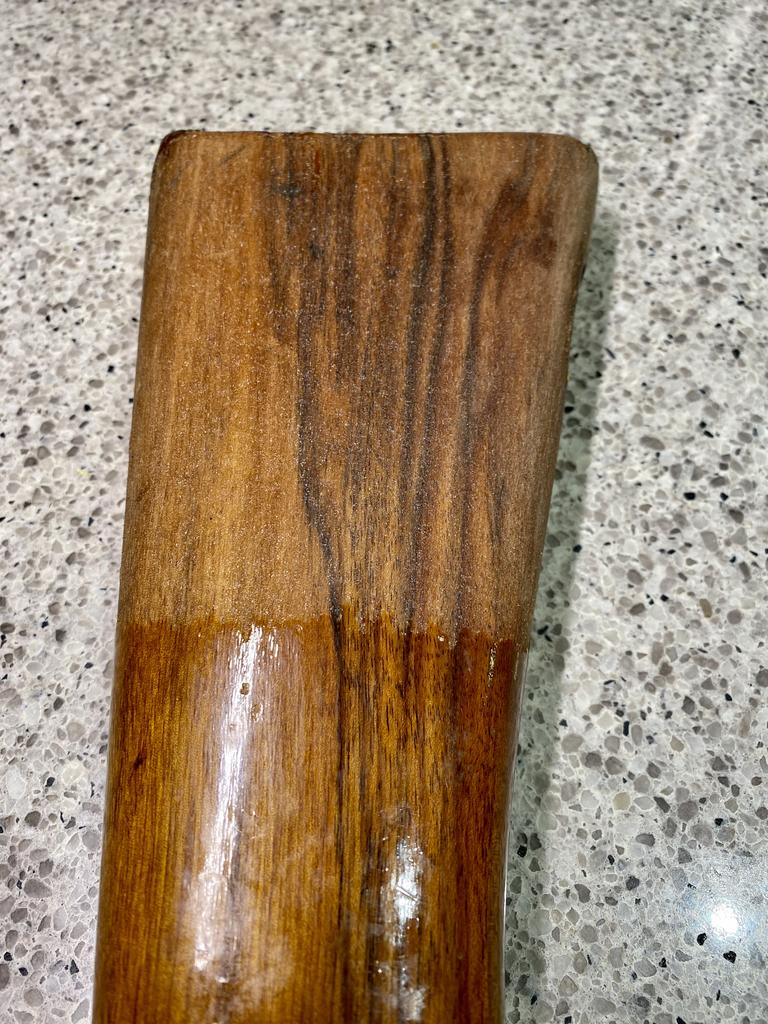
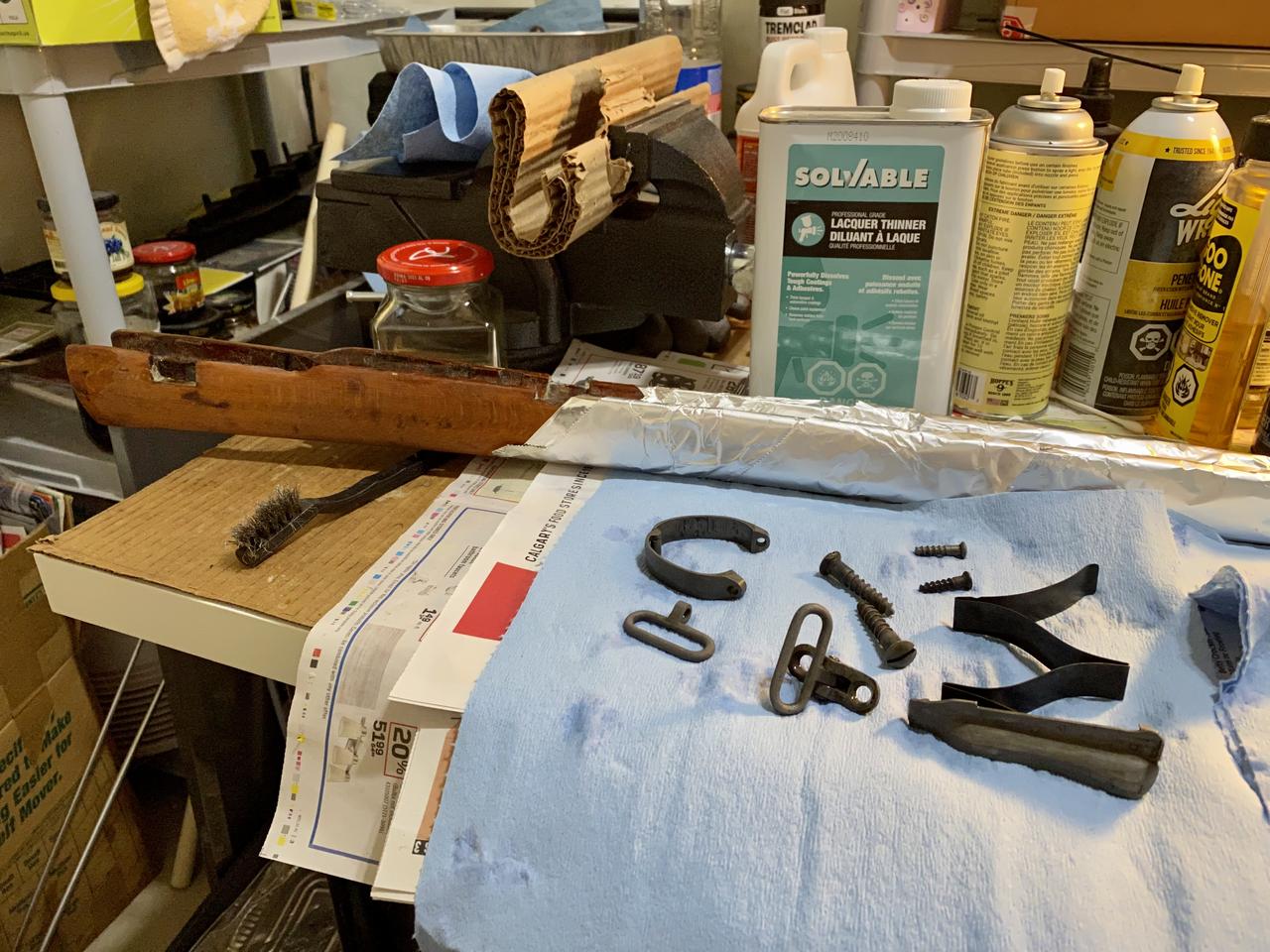
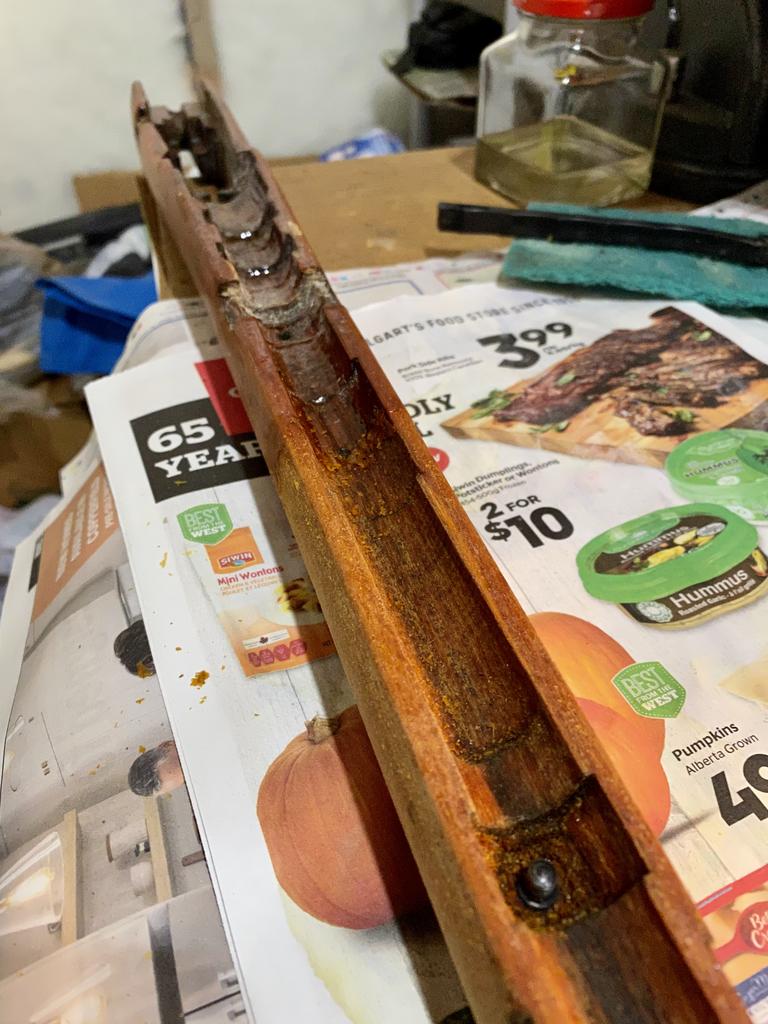
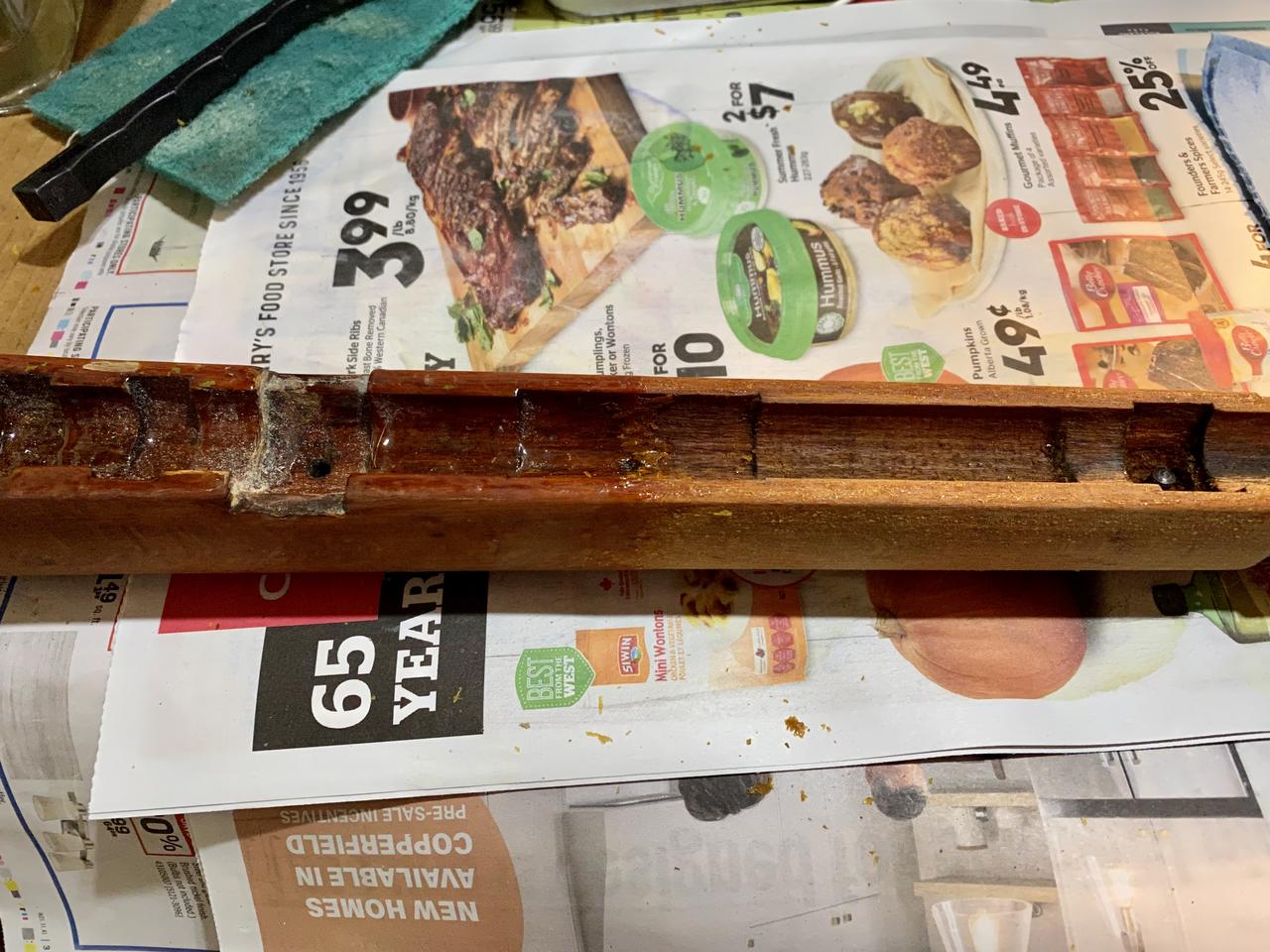
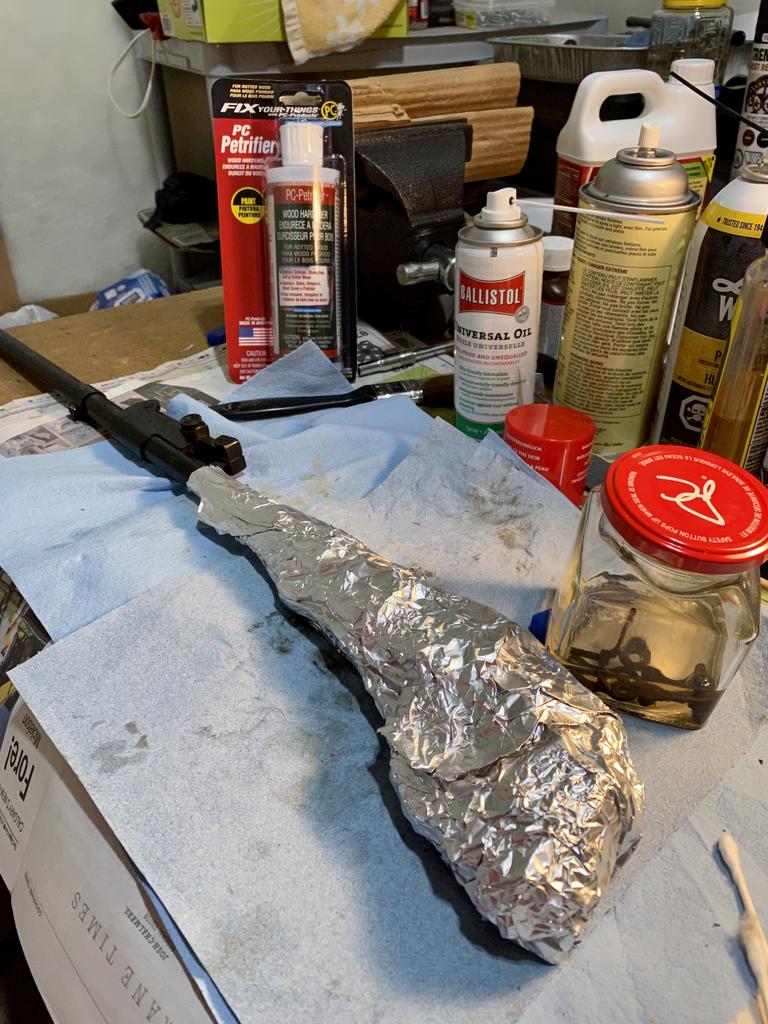
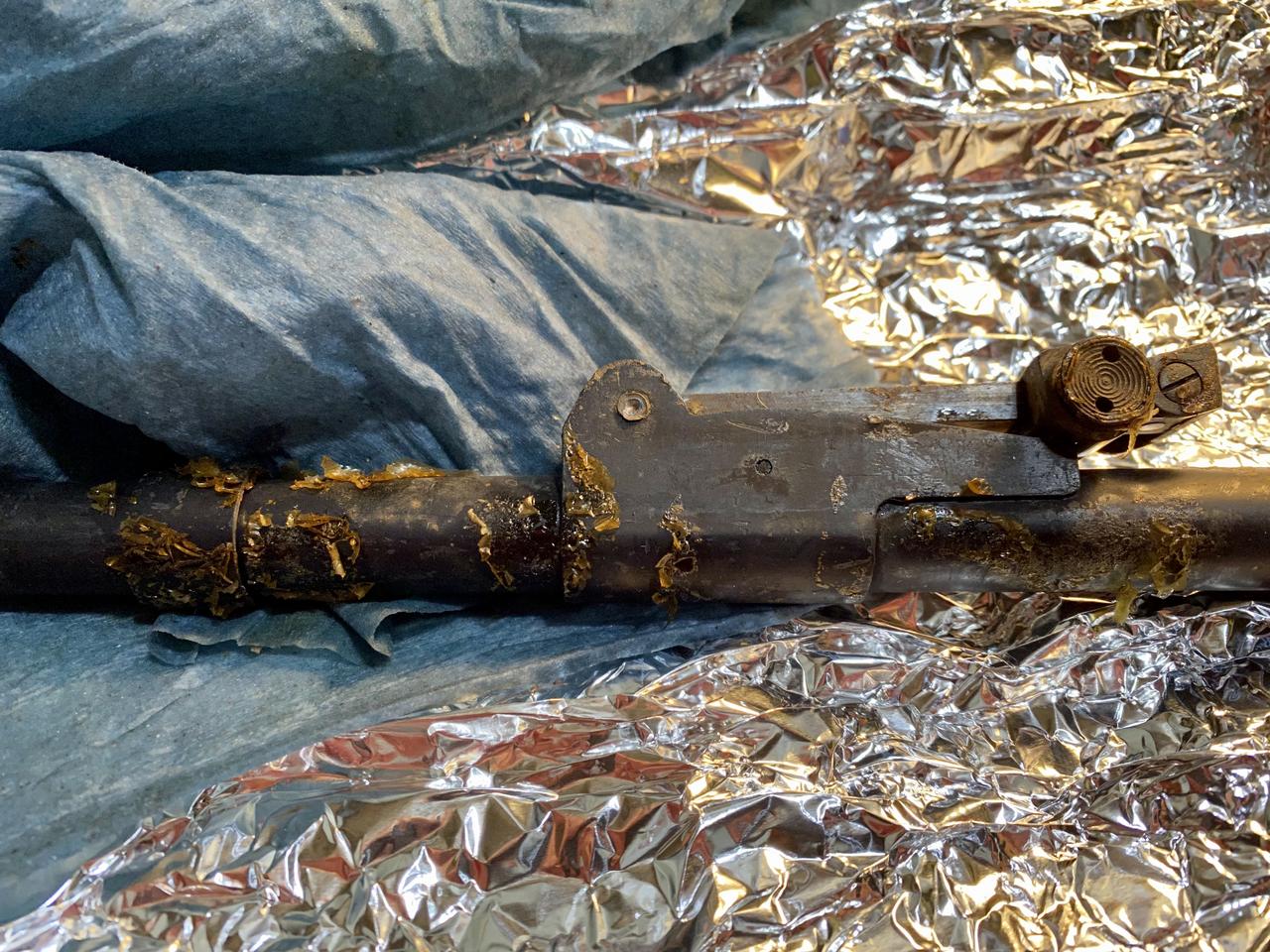
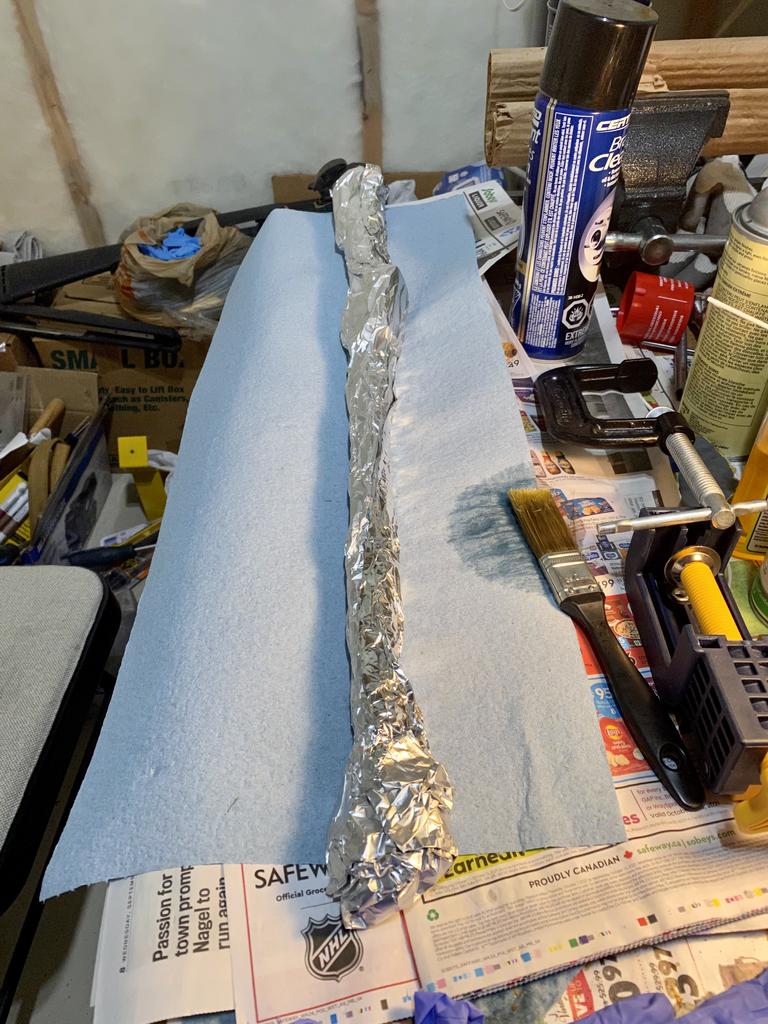
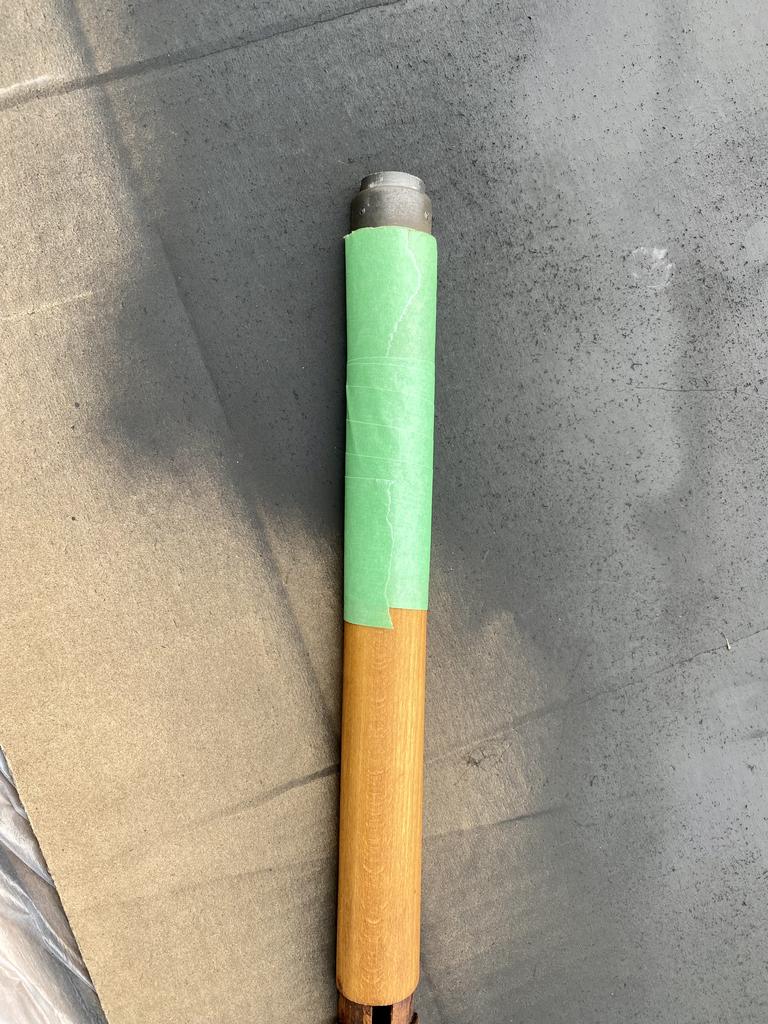
Over the last couple of days I did try nearly everything with no success. Well, till today. Lacquer thinner mixed with the denatured alcohol in 50/50 proportion. Problem is that this fluid is evaporating very quickly and can't engage the lacquer. I wrapped the wood in the paper towels, saturated them with the mixture and wrapped everything immediately in aluminum foil. I checked the stock after 90 minutes and that's what I've seen...
Needless to say I'm leaving half of the forend wrapped for the night now.
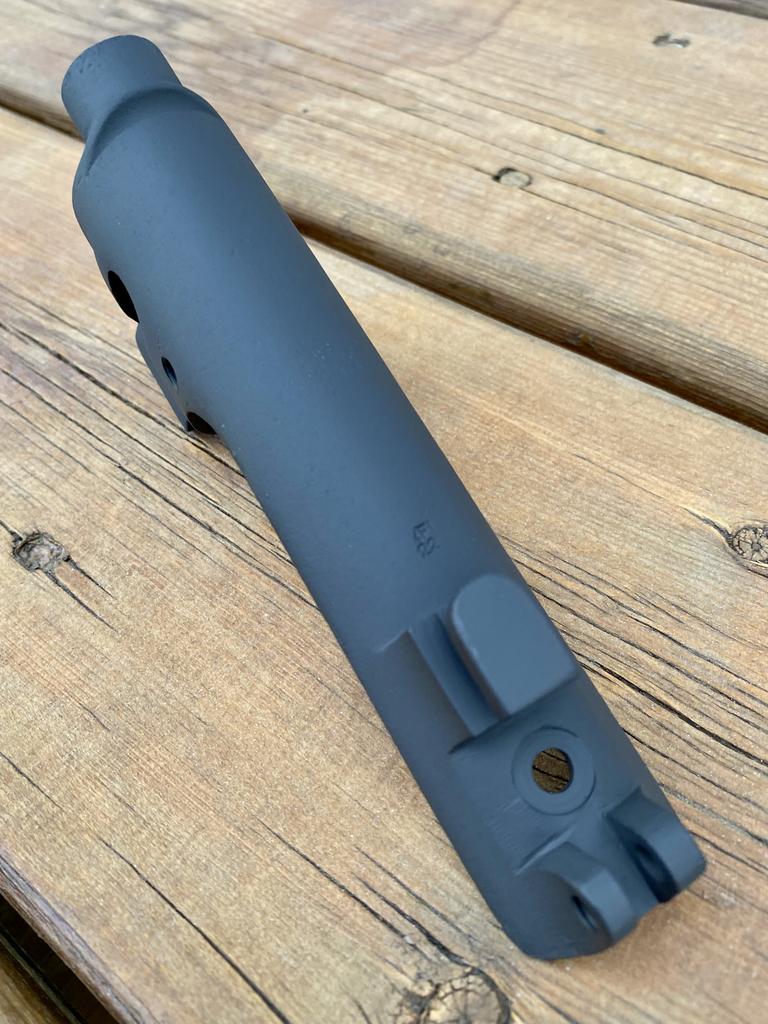
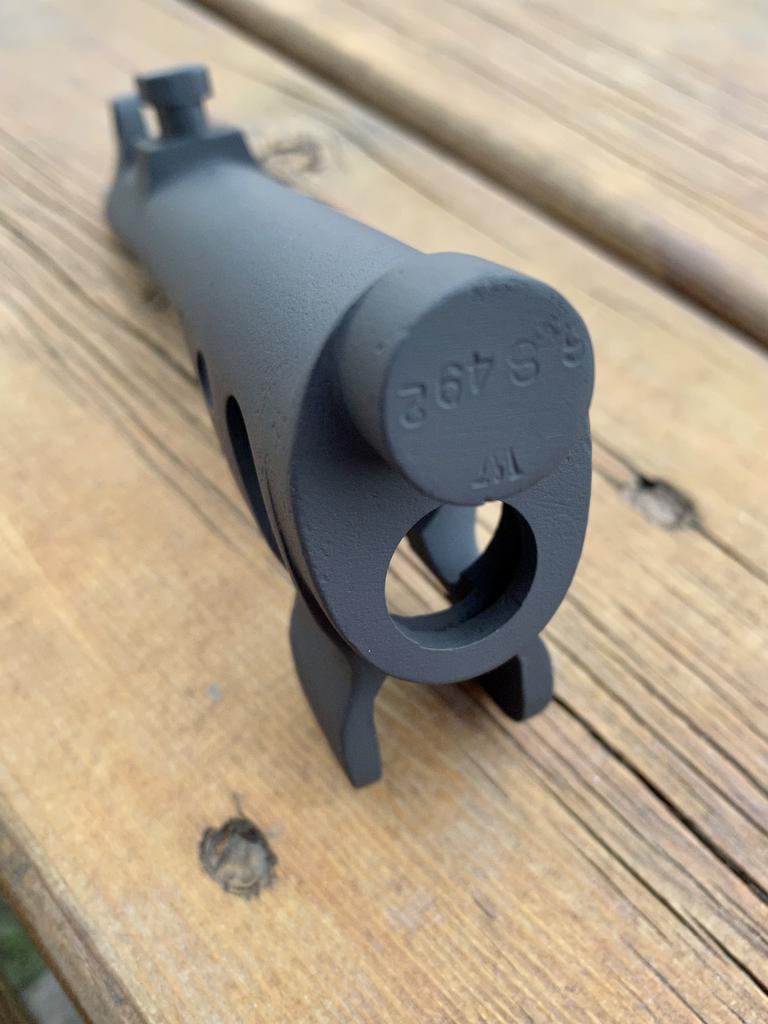
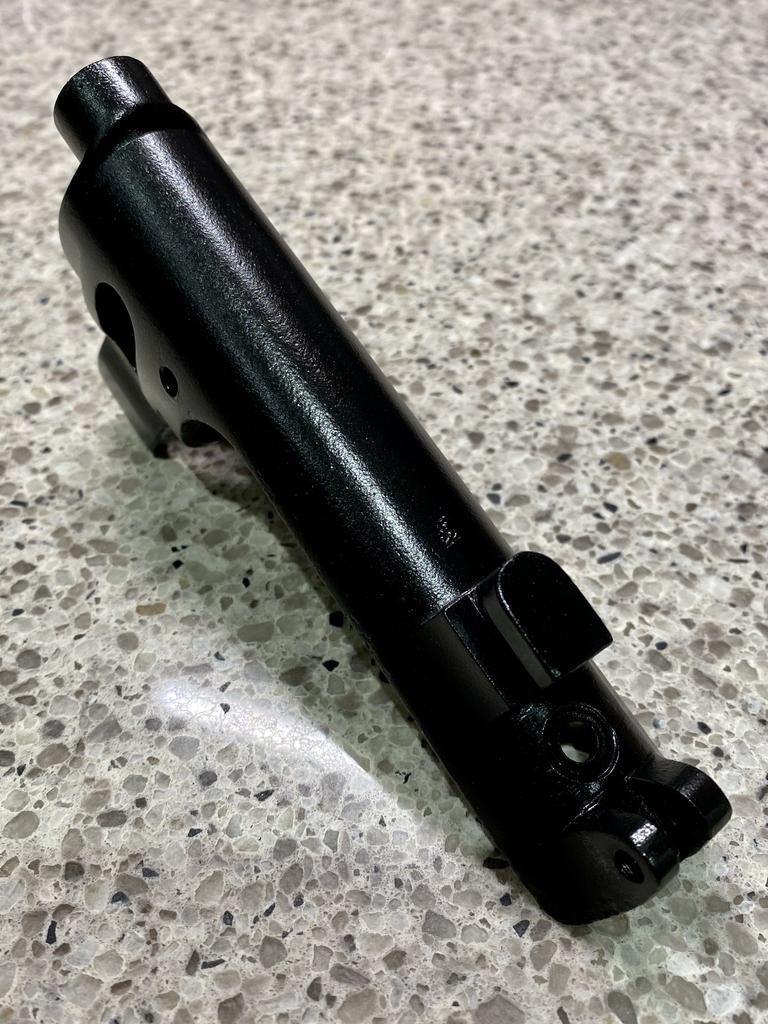
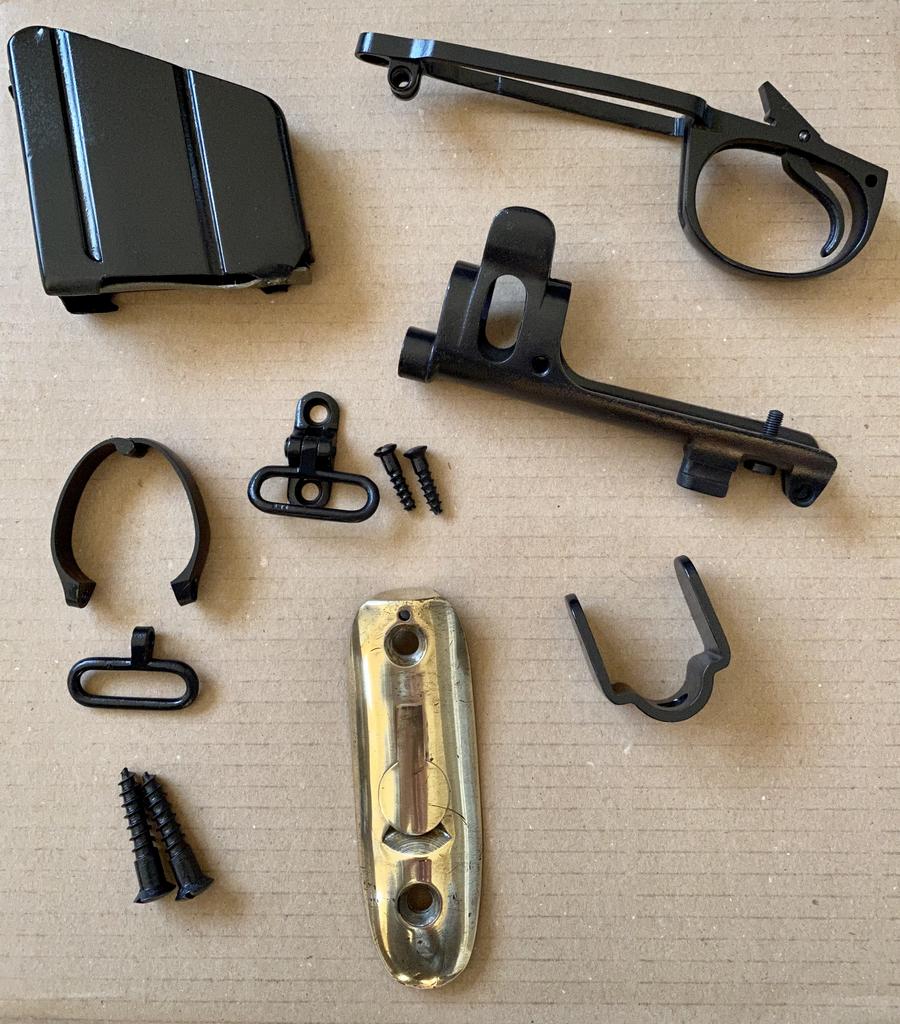
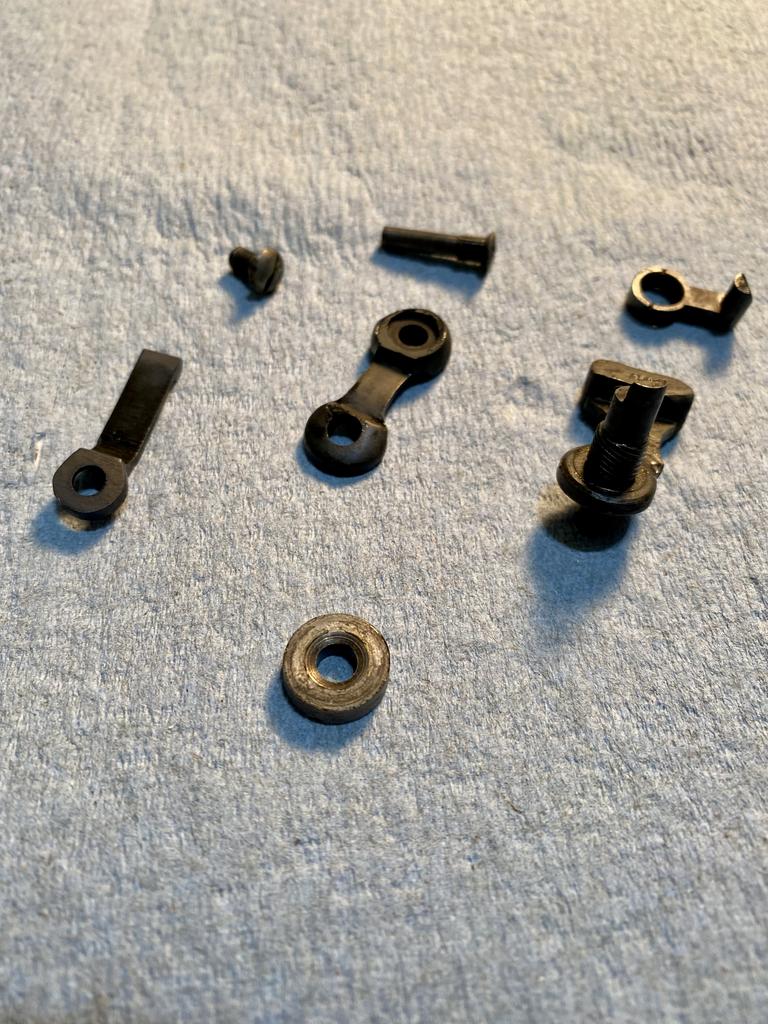
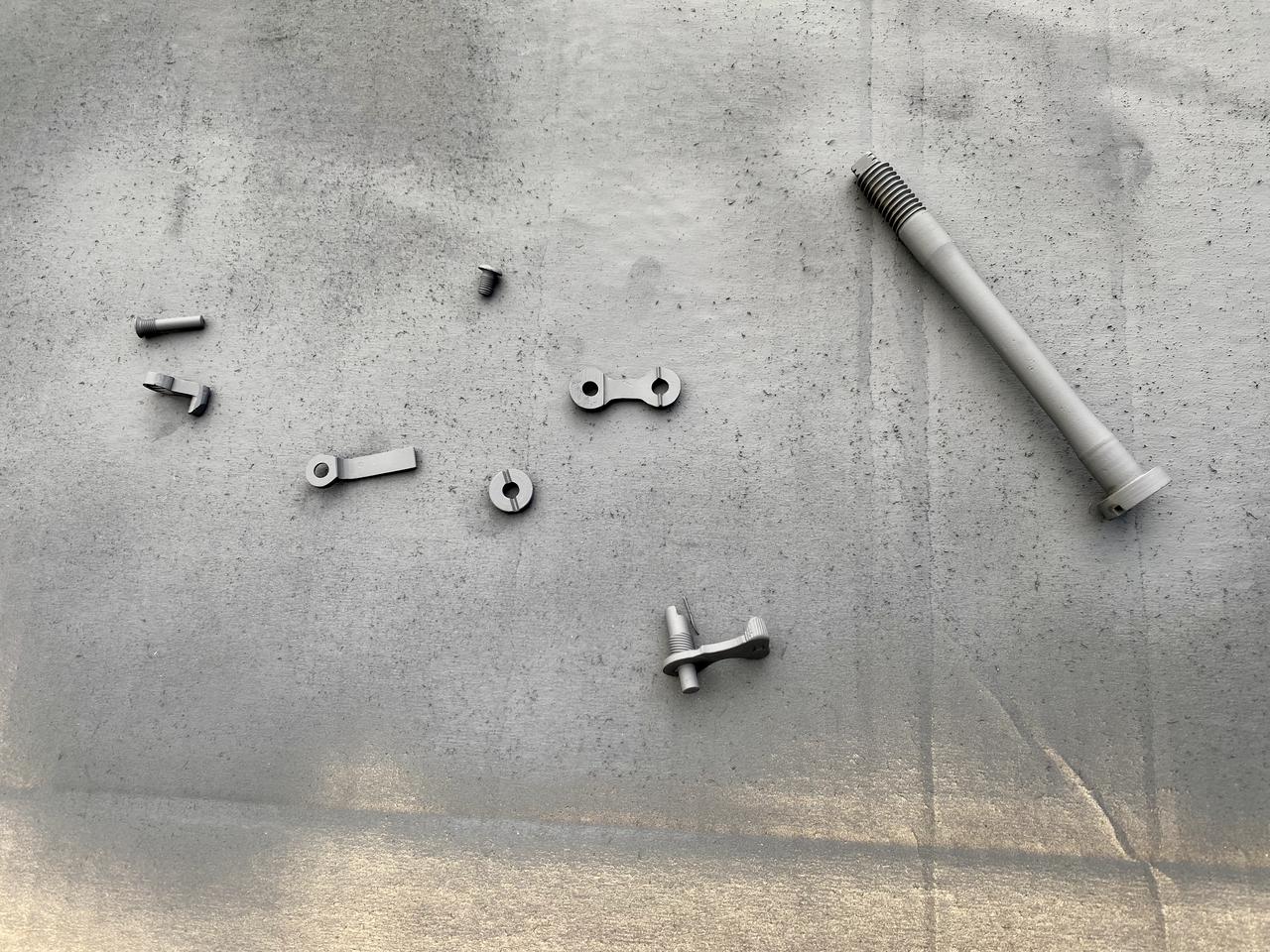
All the small parts are showing a lot of surface rust. They all are getting degreased, bathed in the rust cleaning solution, dried and painted. Now, another problem arises. The BBQ paint after drying up is changing the color to grey. It's also very sensitive to most solvents. Not ideal on the rifle. I decided to cover the grey BBQ paint with hard, clean, satin spray paint. My tests are indicating that it should address the issue of solvent sensitivity. This is how the metal parts will look after painting with the BBQ paint and two layers of clear, satin rust paint. Not a fan of the final effect, but I'll worry about that later.
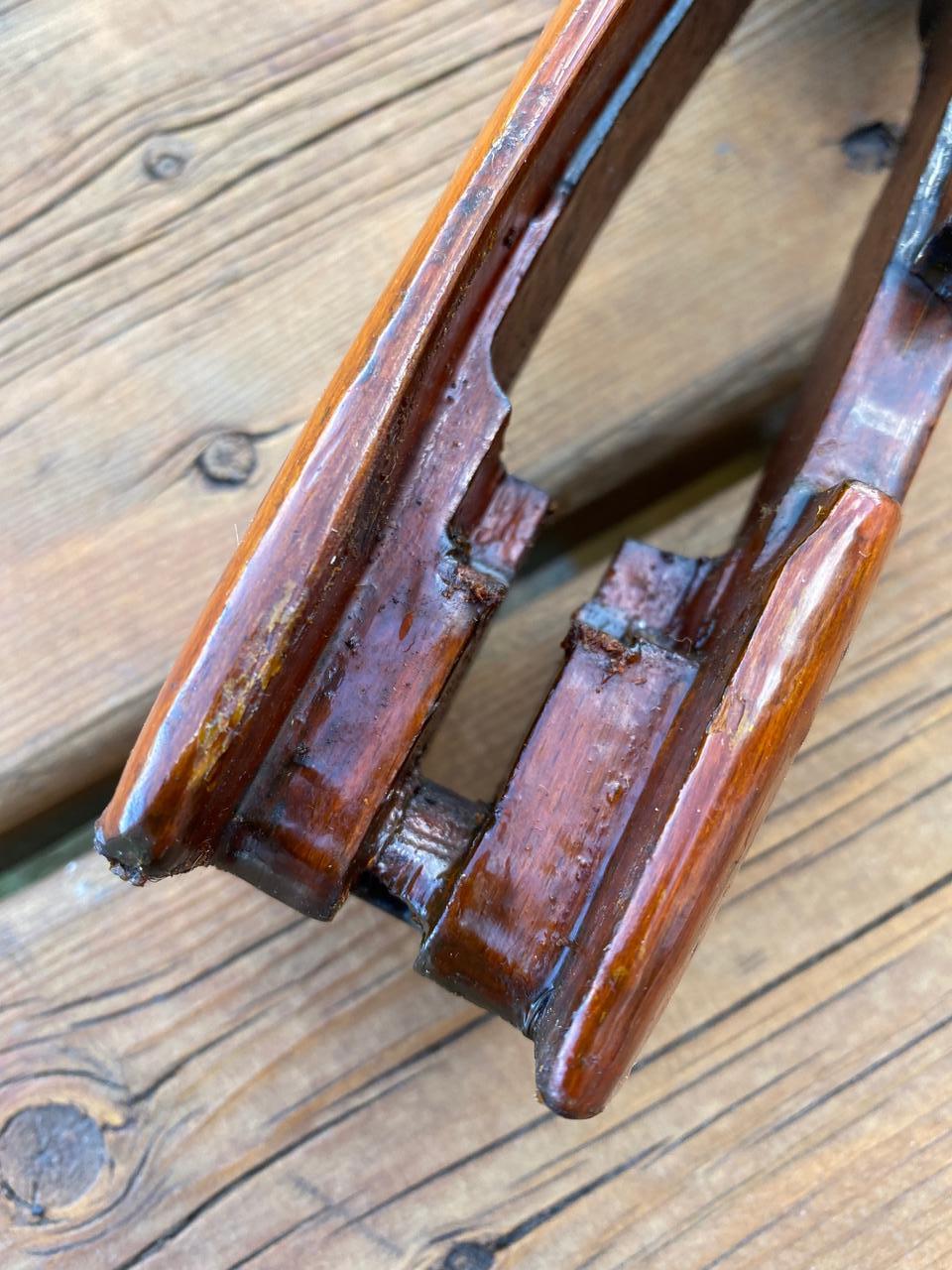
It looks very promising in the morning. Still some cleaning left to do, but very little it seems. Wood is dry and will require a lot of slow drying oil...which is the task for weeks, but that's ok. I have a lot of time on my hands here. Trying to get with the sandpaper into all the small and tight spaces inside the stock and forend would be an impossible task to accomplish. So, I'm very happy with the results.
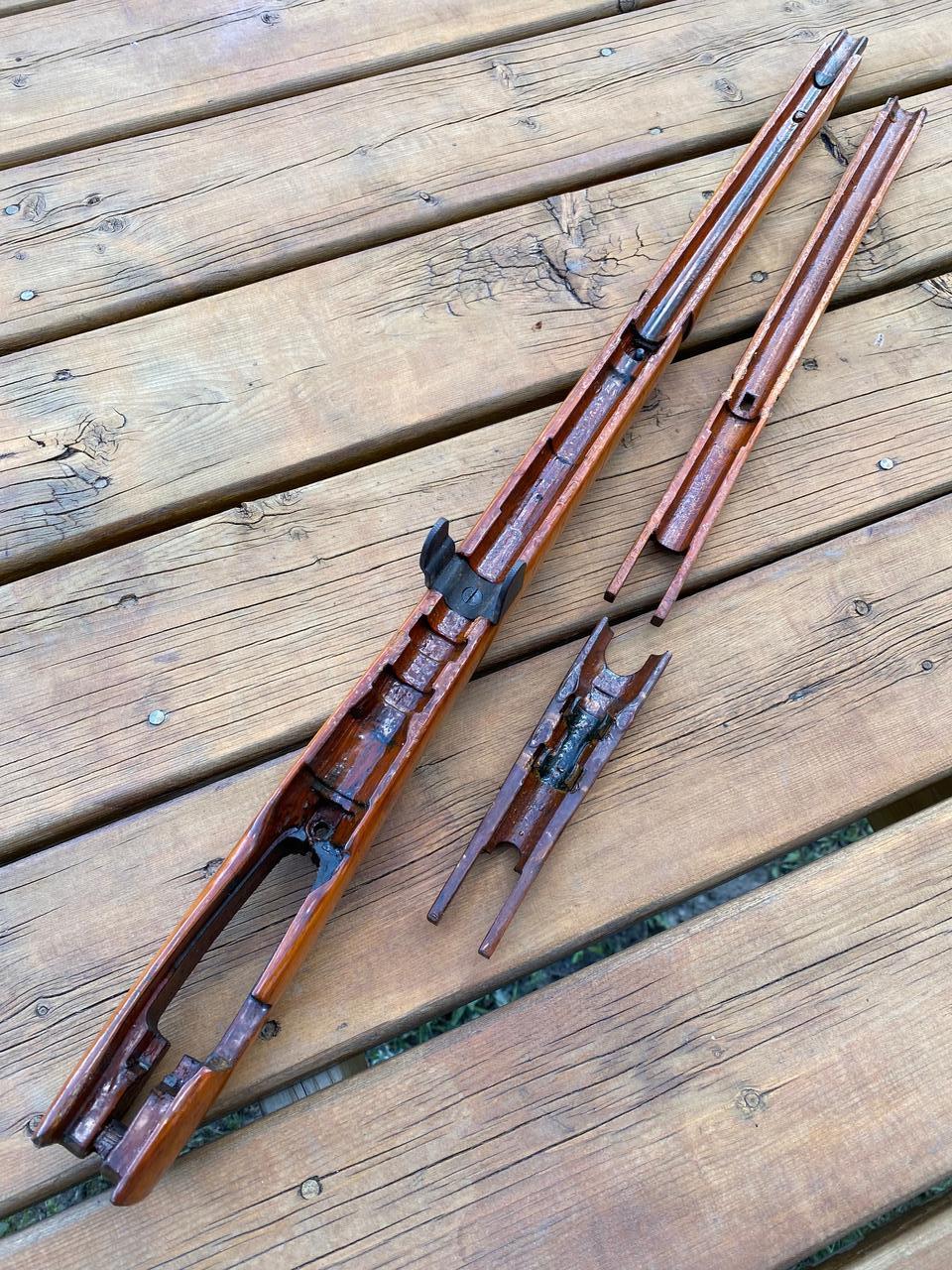
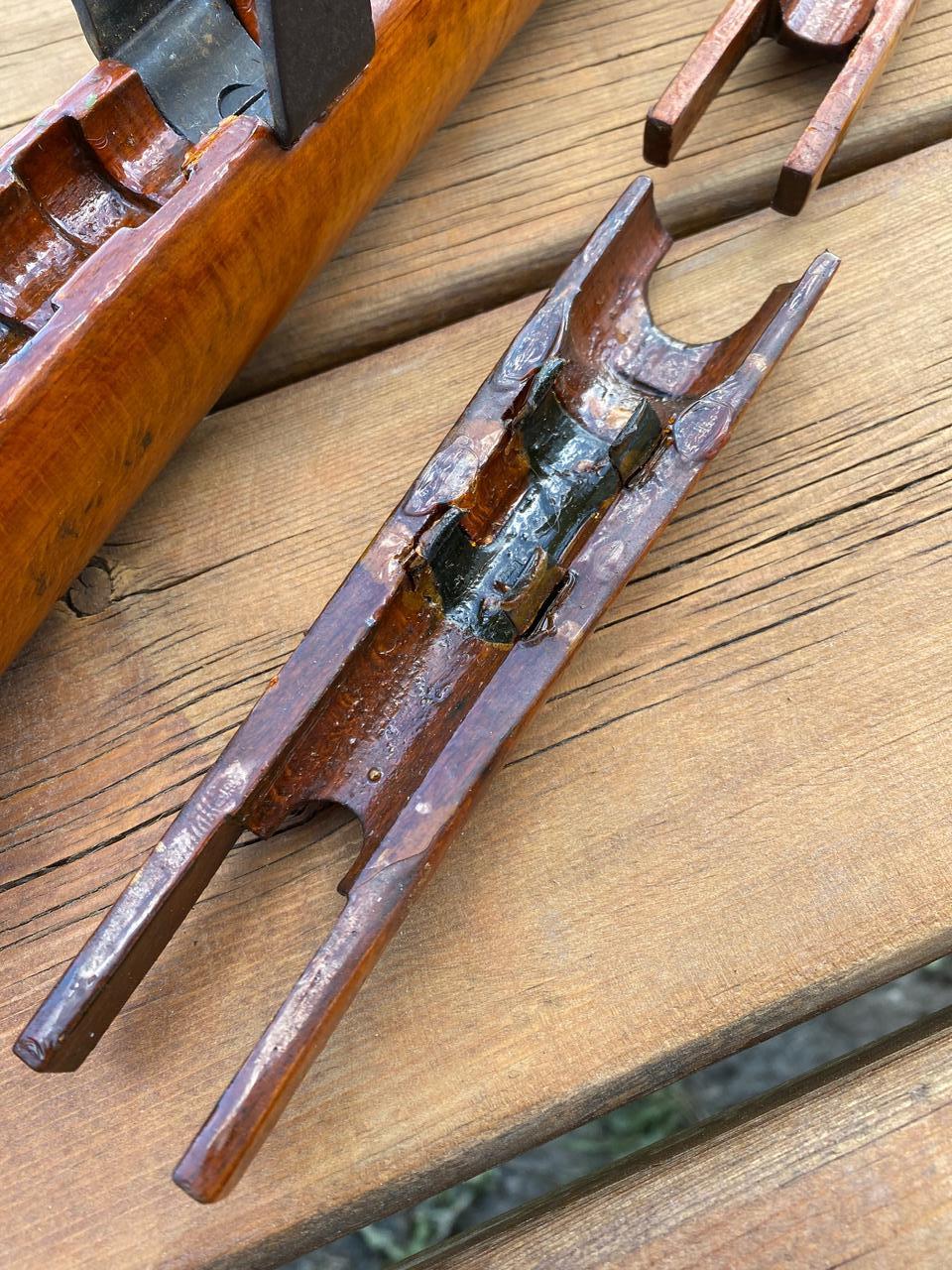
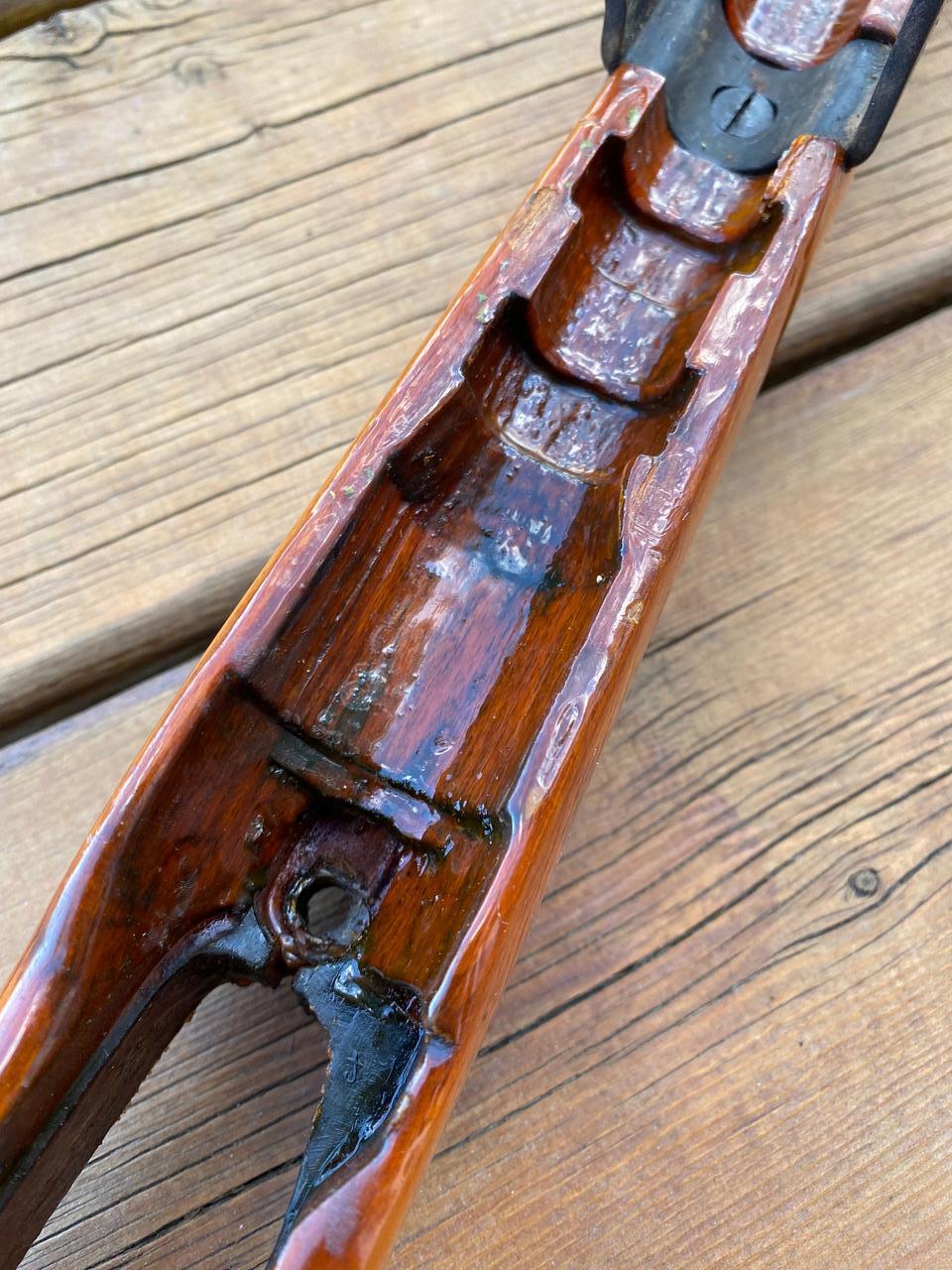
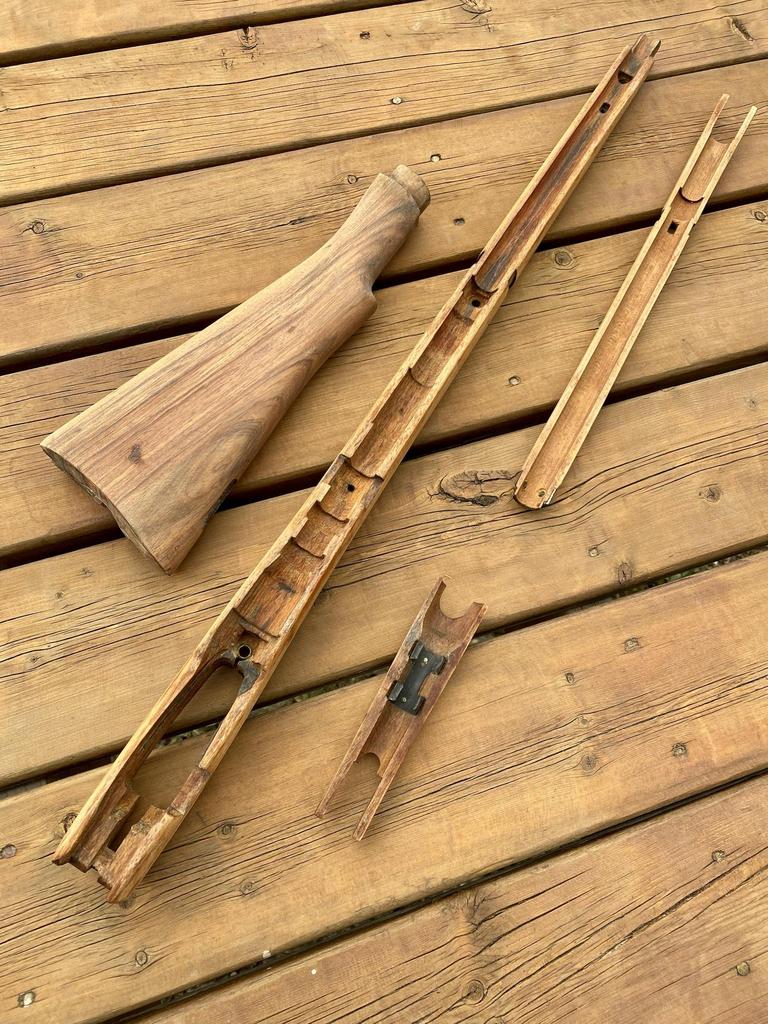
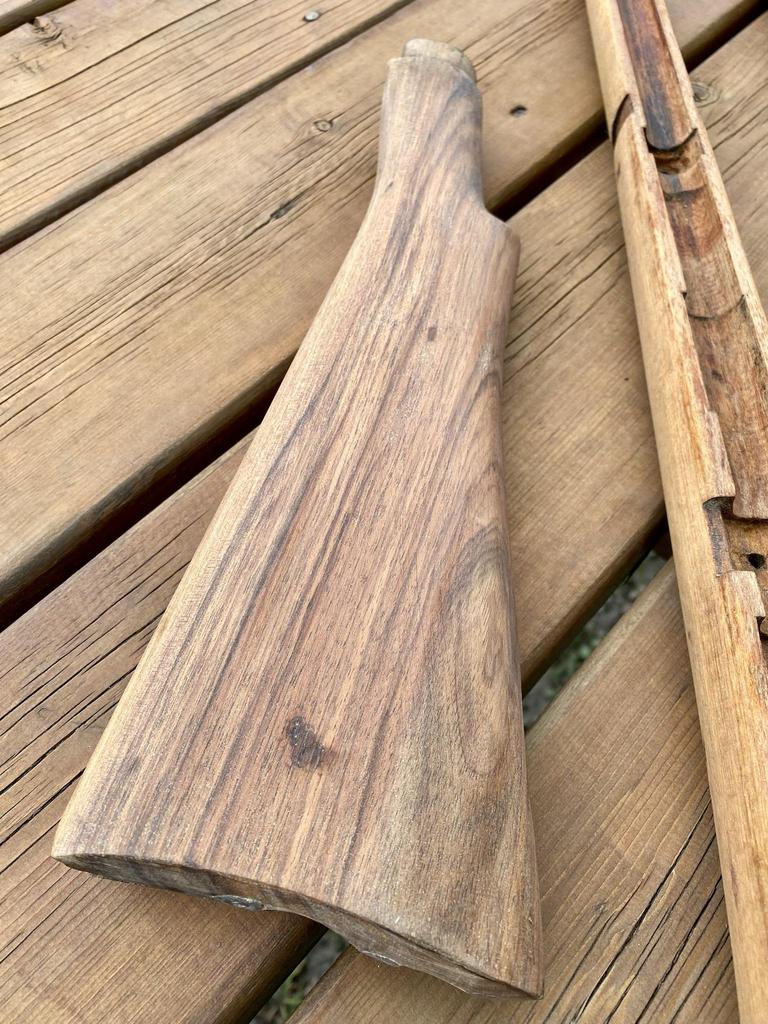
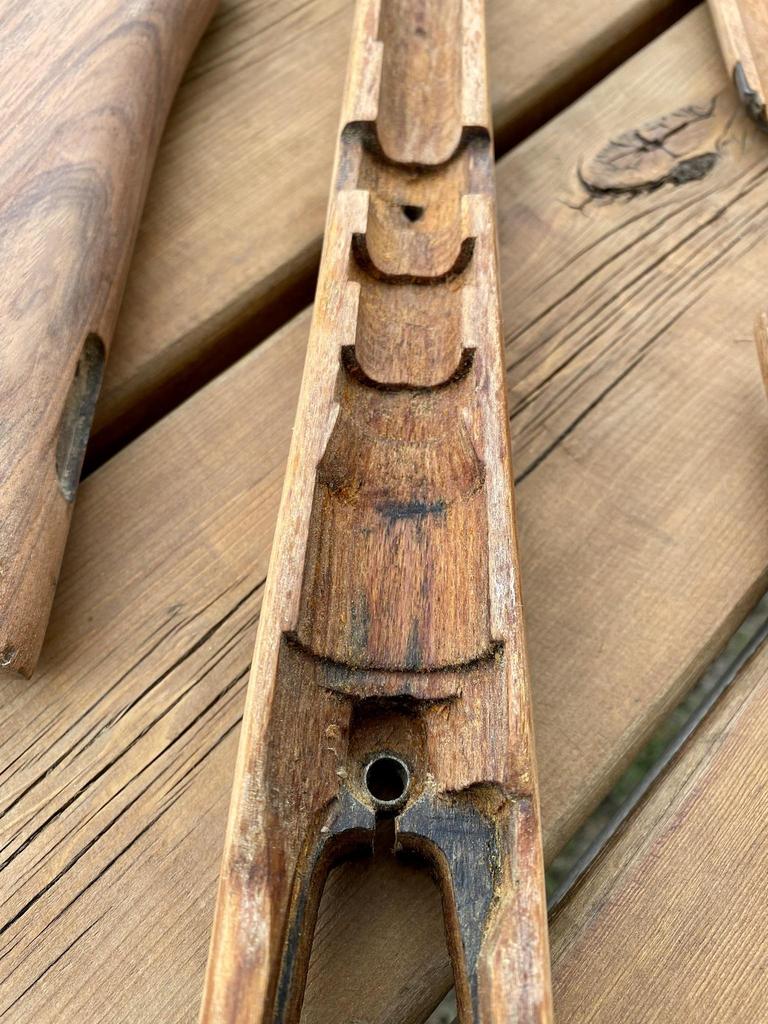
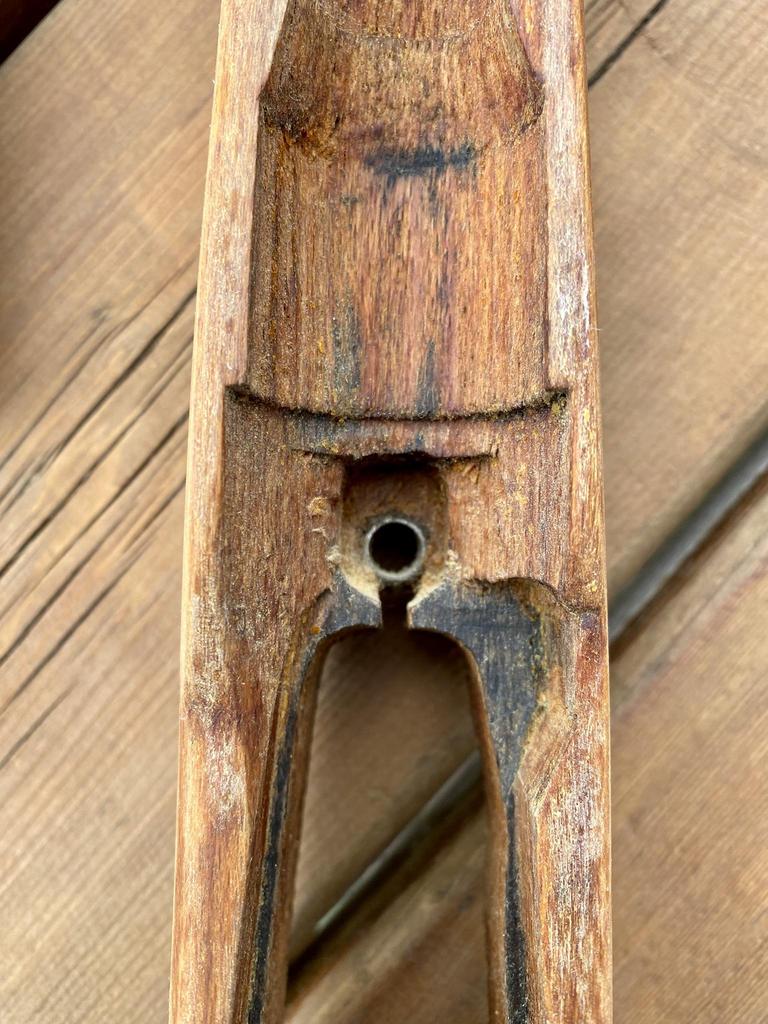
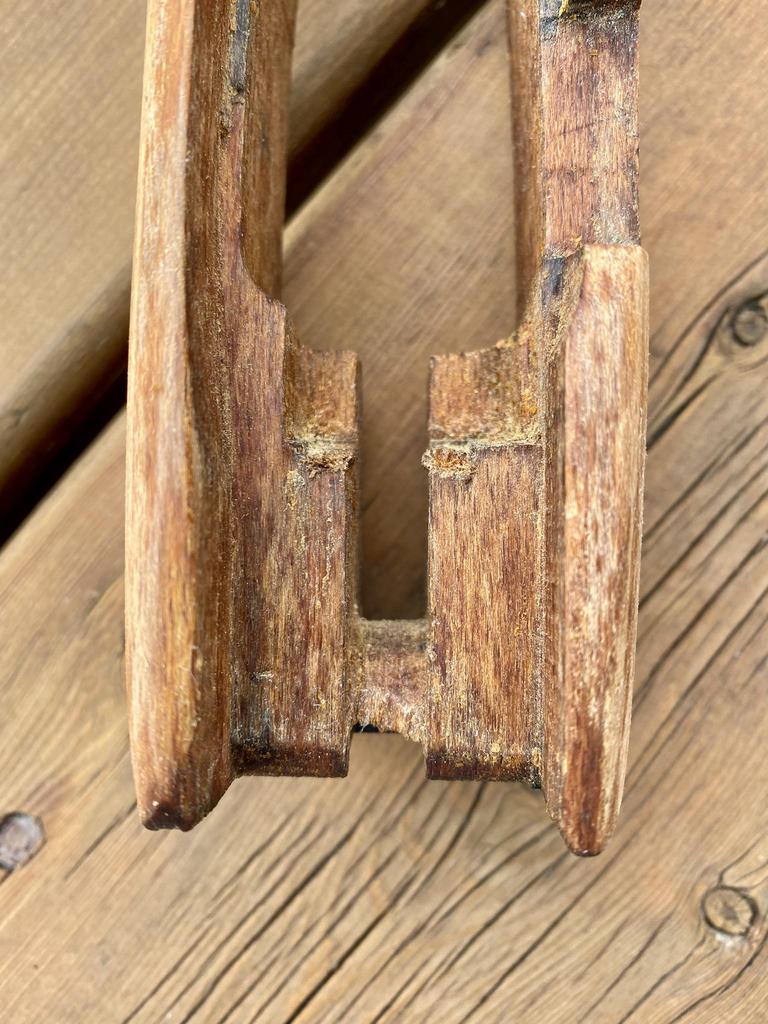
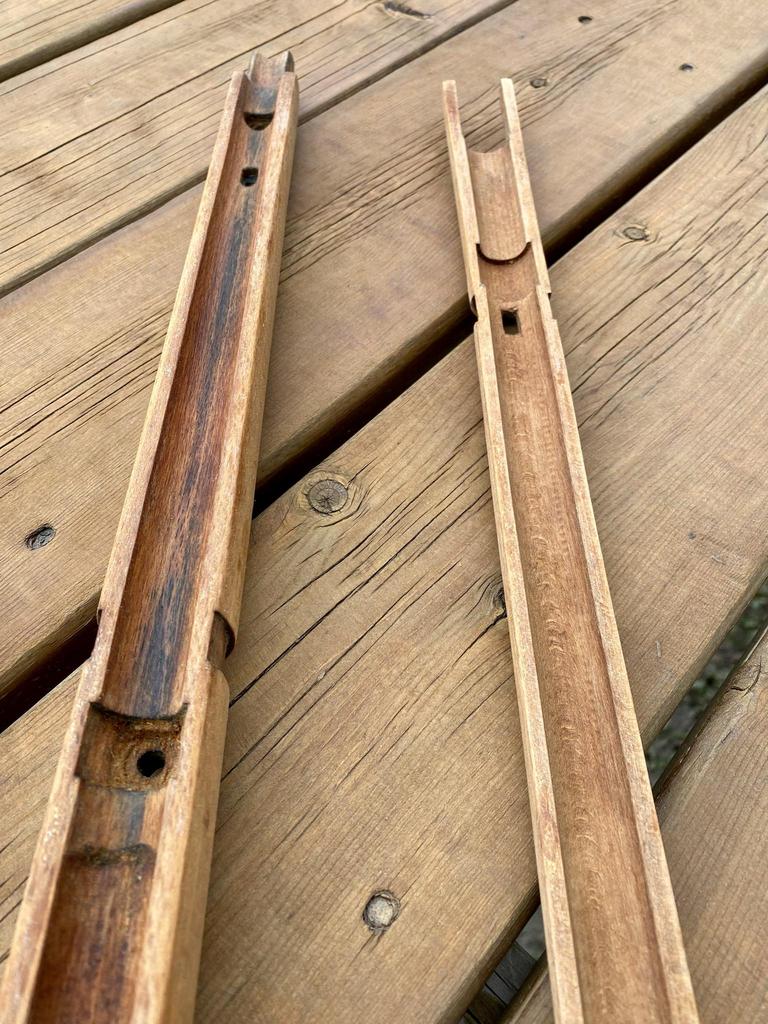
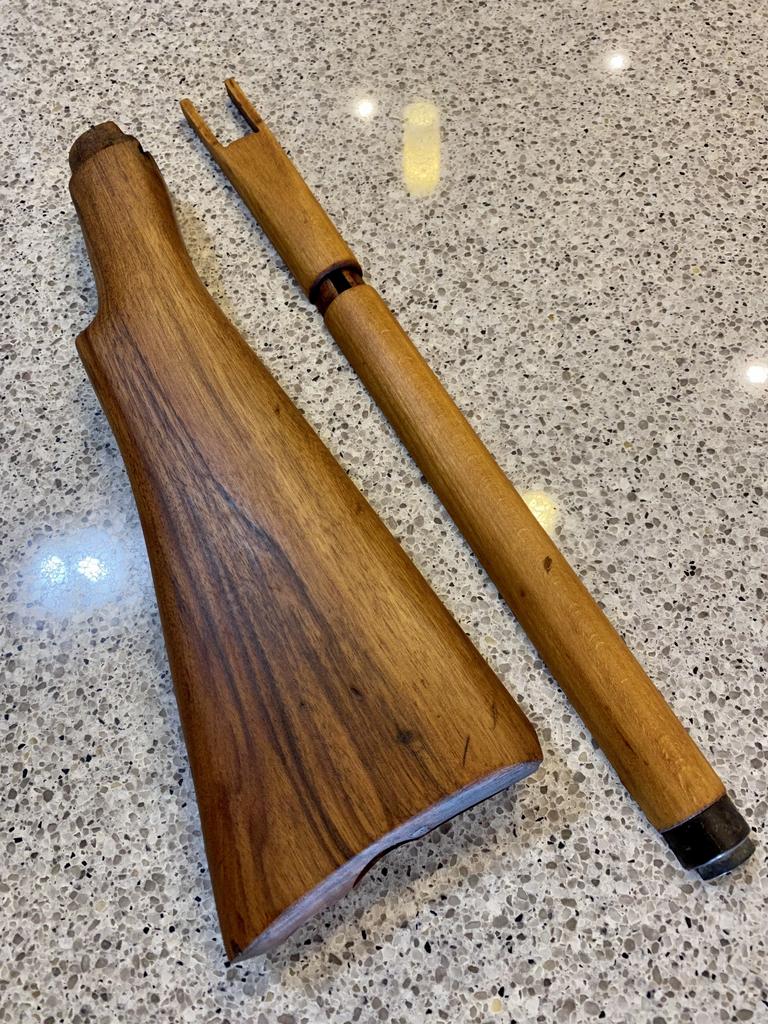
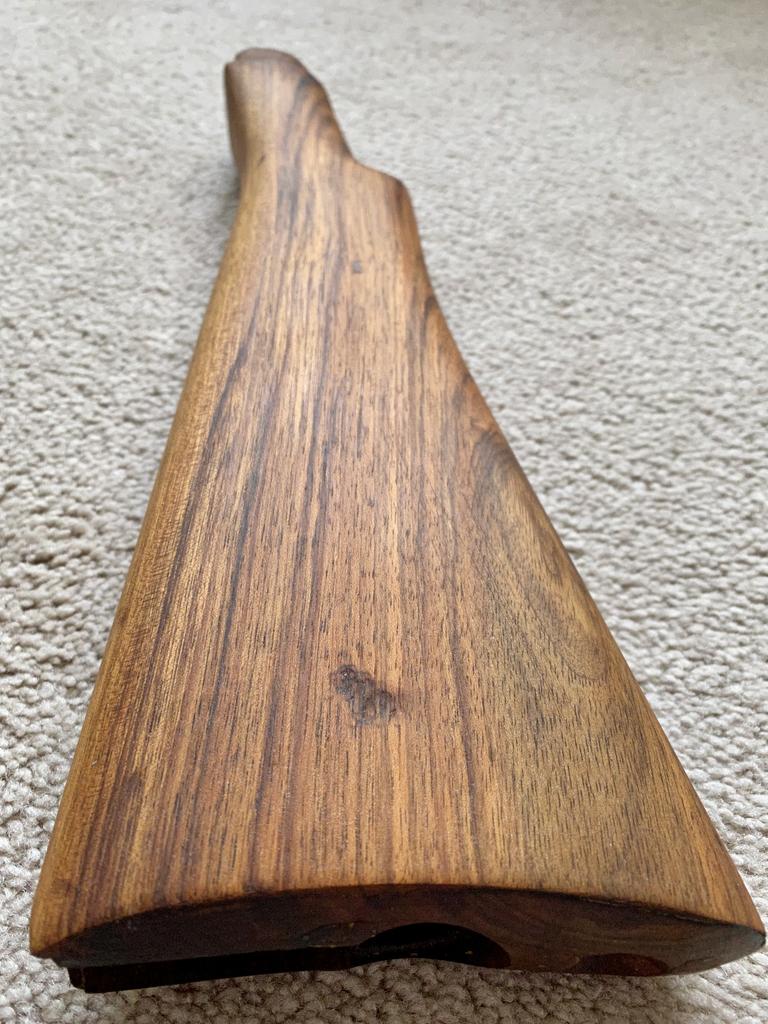
The wood is clean. Very little if any lacquer left. The mixture worked wonders, but raised the grain of the wood due to the alcohol content (it contains some water). I knocked it down with the 60 grit sandpaper that will also help to open the grain to absorb more oil eventually. None of the stamps were lost, but some are barely visible to start with. Thanks to them I know that all the wood pieces were fitted at the BSA though. I'm going to let it dry for a couple of days first and then address the small crack in the forend with the JB Weld. Oiling may take anything between 2 weeks to 2 months (depending on how "thirsty" the wood is). It looks dry, so likely the later...which is ok. It's very dark and cloudy today, so I took the pictures outside against the deck (not the best background). Cheers!
Wood is still drying and tomorrow I'll check all the pieces for presence of the old oil, cosmoline and small cracks. Till then I may focus my attention on the barreled action and start to remove the lacquer from there. All the small, metal parts were painted. If I'll ever get filthy rich I may just Cerakote them one day in Midnight Blue. Paint should be sufficient for now.
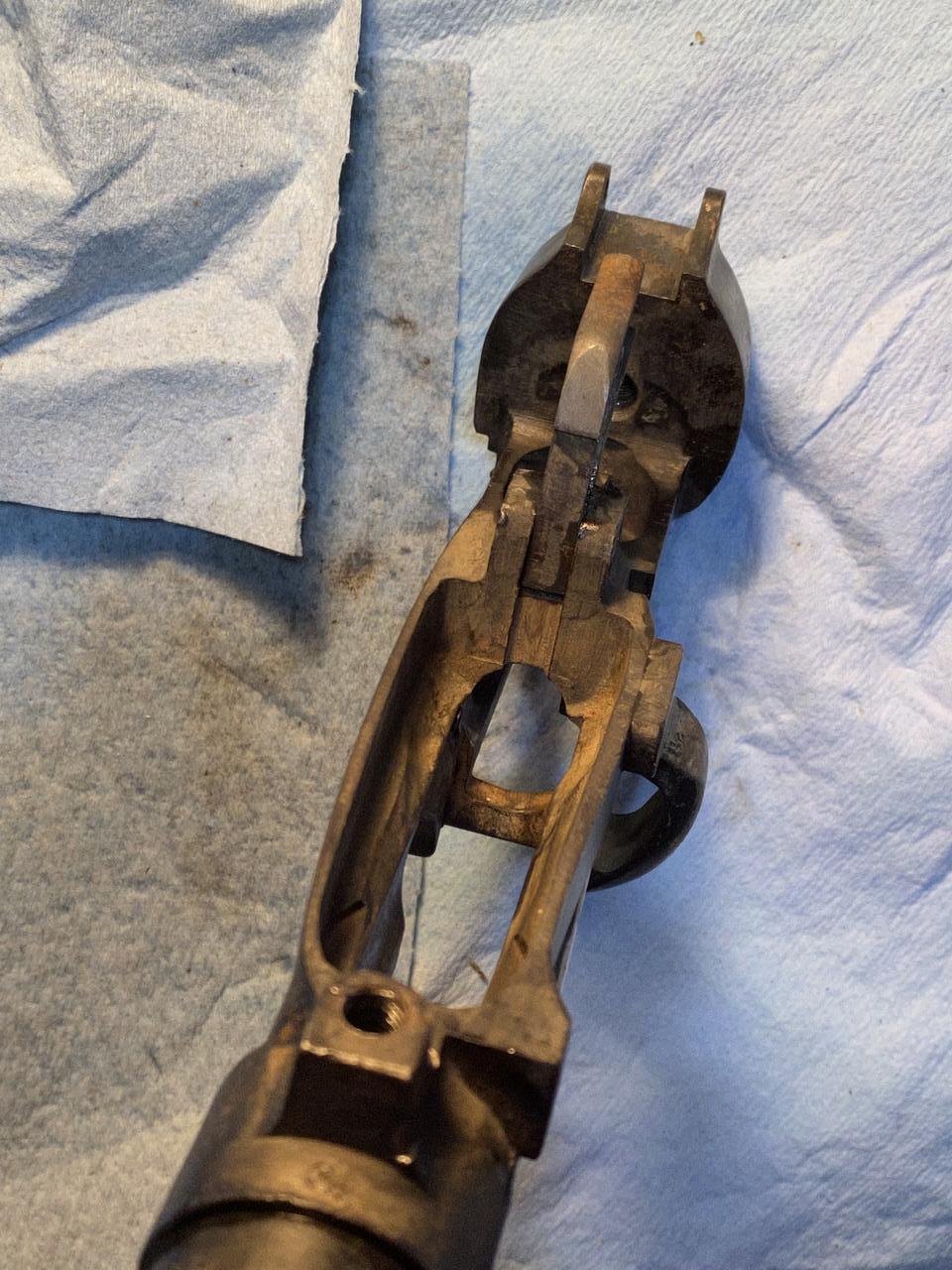
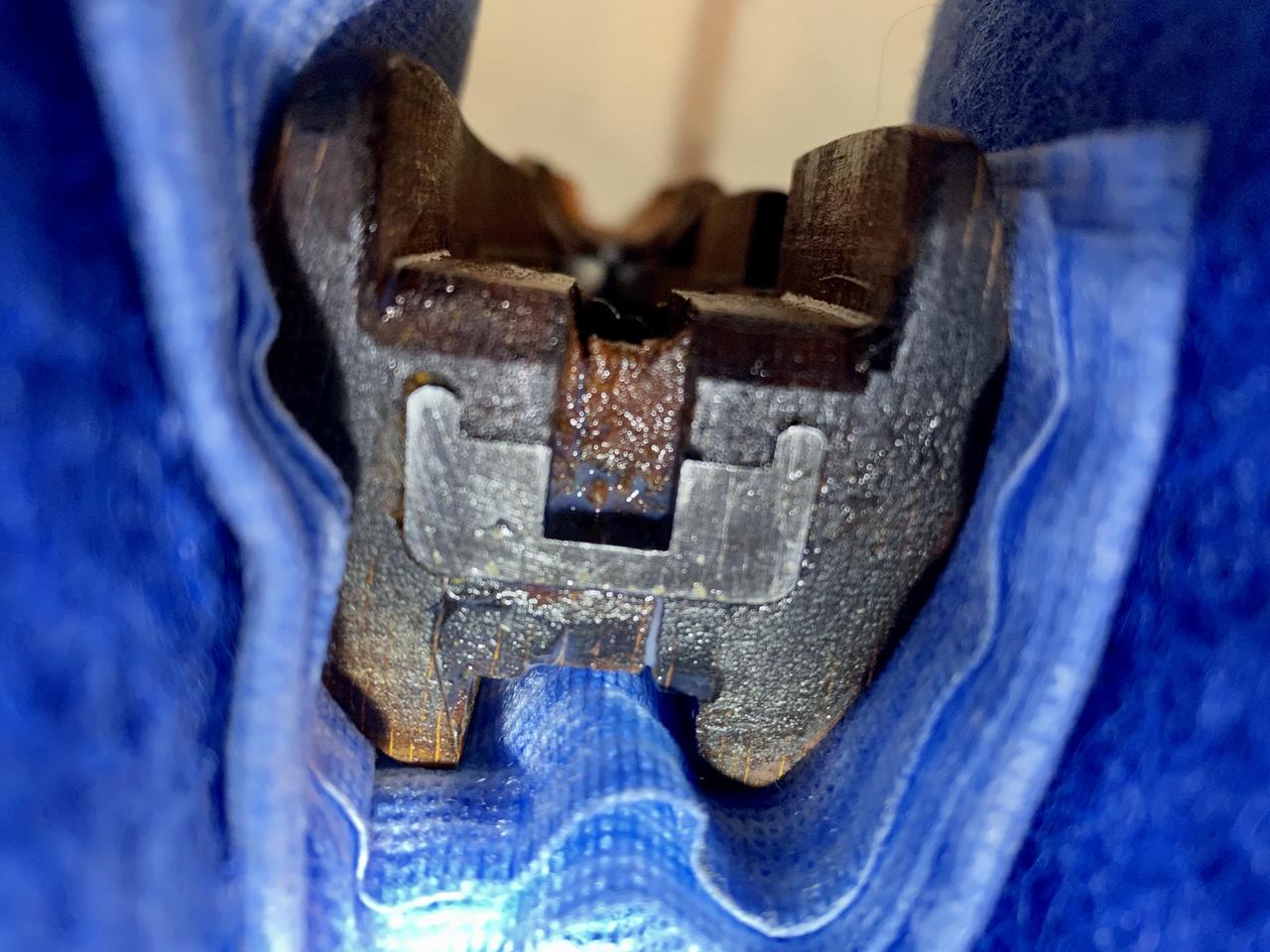
Whoever decided to splash the lacquer around the receiver didn’t pay much attention to safe function. After stripping the receiver I have found the dried curds of lacquer in the safety channel, on the safety and inside the receiver. Only because of its robustness that thing was still working ok. There is a lot of surface rust all over the receiver too. I packed the whole receiver in the lacquer thinner/denatured alcohol solution and will leave it overnight hoping to remove the lacquer from all the crannies. That’s the end of the work for today. More to come soon.
Spent some time in the evening with the rifle after I decided to unwrap it before heading to bed. This is what I was talking about.
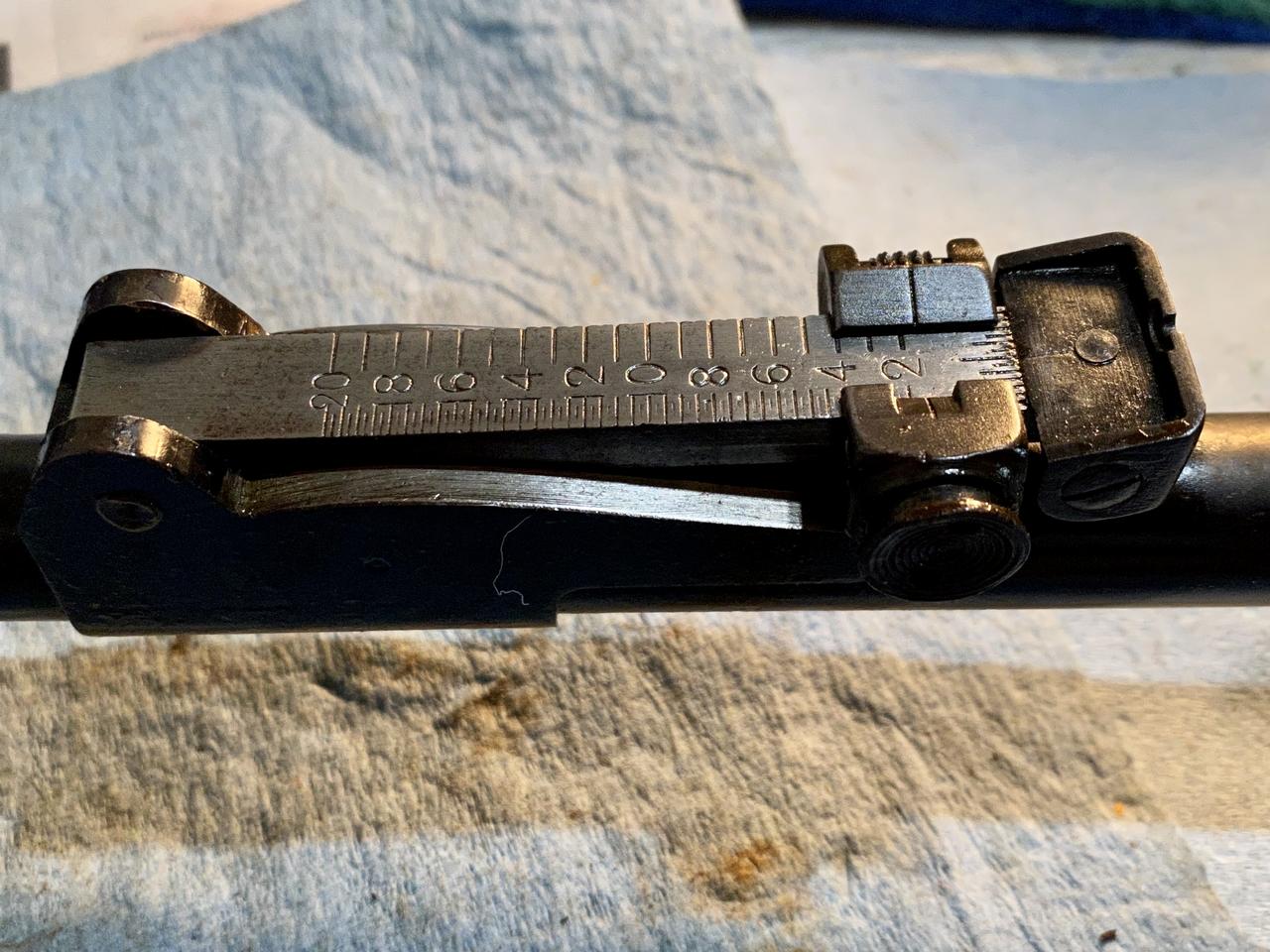
There were even some small pieces of the lacquer inside the action...but they all are gone now. I'll work on the rust tomorrow. Like here, on the rear sight for example...one can barely see the numbers there.
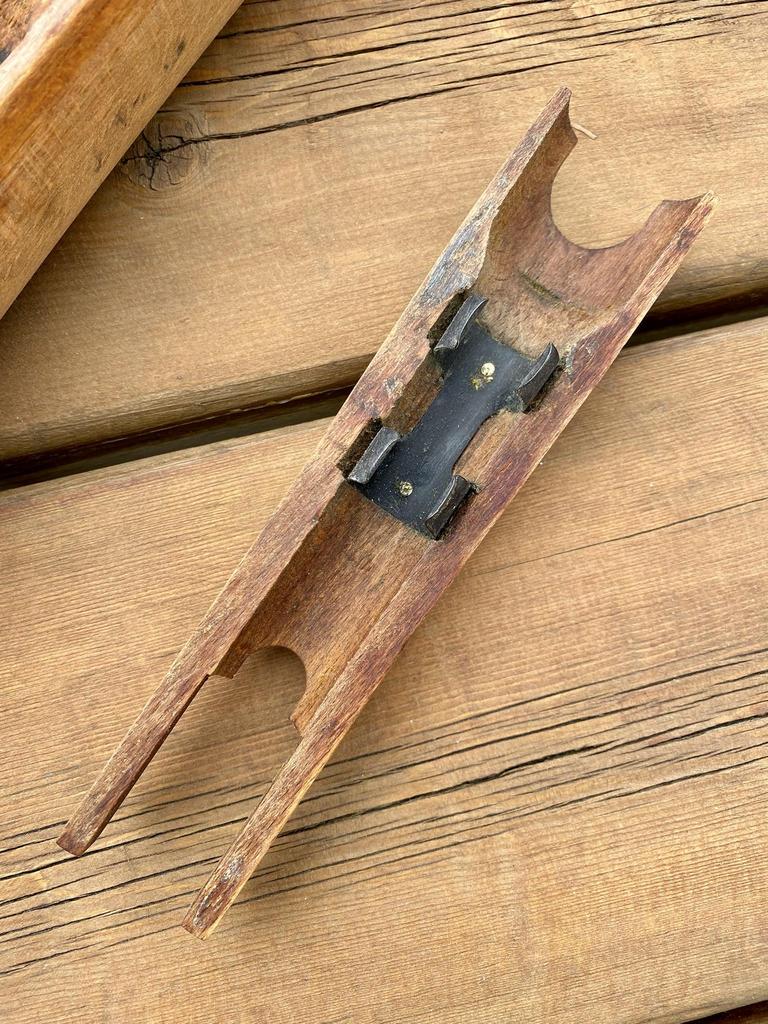
To address the cracks I'm going to use the wood hardener (low viscosity fluid sinking deep into the wood and reinforcing it internally) and JB Weld on the outside.
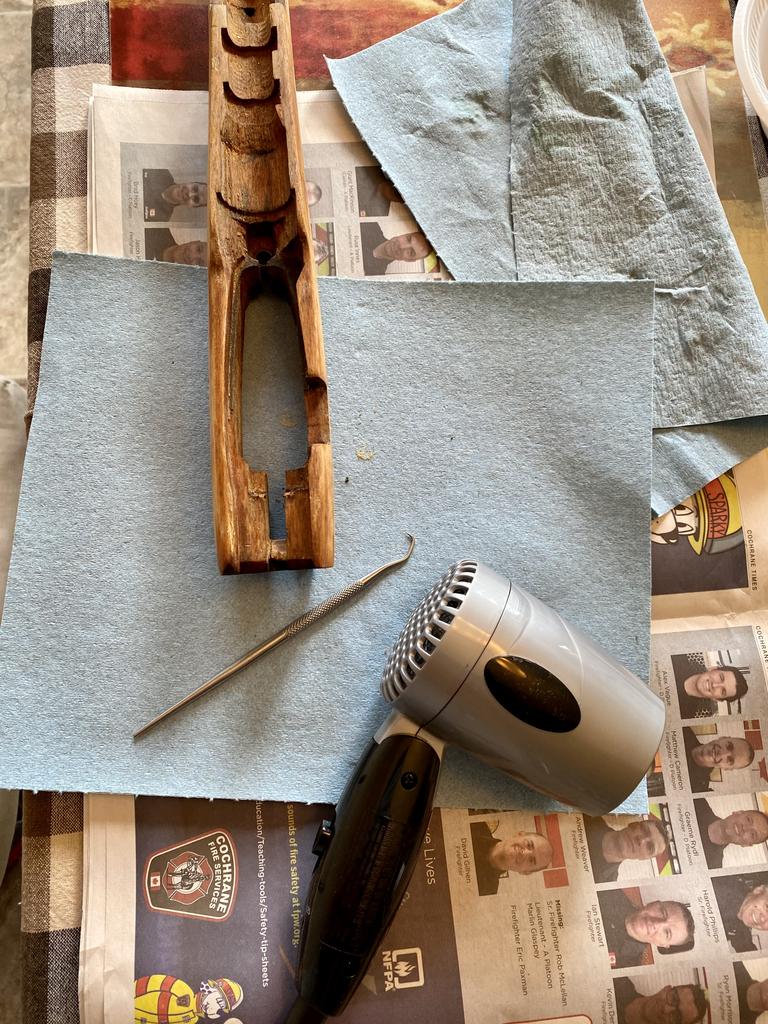
That maybe a plan perhaps, but the wood was full of cosmoline in this area. That's no go, so I warmed it with the hair dryer and use paper towels to wipe the bleeding cosmoline from the surface of the wood.
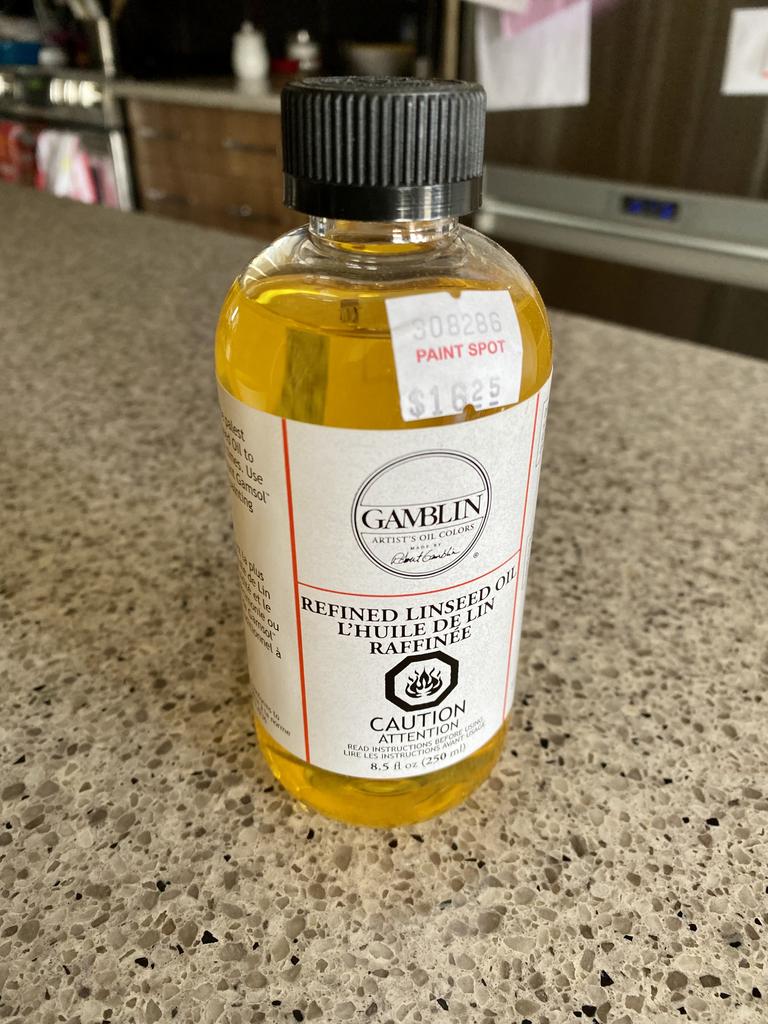
Two pieces of the furniture had no cosmoline inside, so I put the first coat of oil on them. Initially I'll be using the refined linseed oil. It contains no proteins who are present in regular linseed oil and are acting like a food for fungi. After couple of thin coats I'm going to switch to the pure, 100% tung oil (not the one you can buy in the hardware store). 4-5 coats should improve the water protection of the wood.
First coat is on...no stains on this rifle as I want to keep it close to the original look (walnut butt stock and beech forend plus handguards).
Within 2 hours the wood absorbed the oil. It looks dry again, but I'm going to wait 2-3 days before applying another coat. It sure is "thirsty". Lacquer removal was concluded. Whatever else is left is not affecting anything. No wonder I had such a hard time to initially lift up the rear sight. Not only was it corroded, but also full of lacquer.
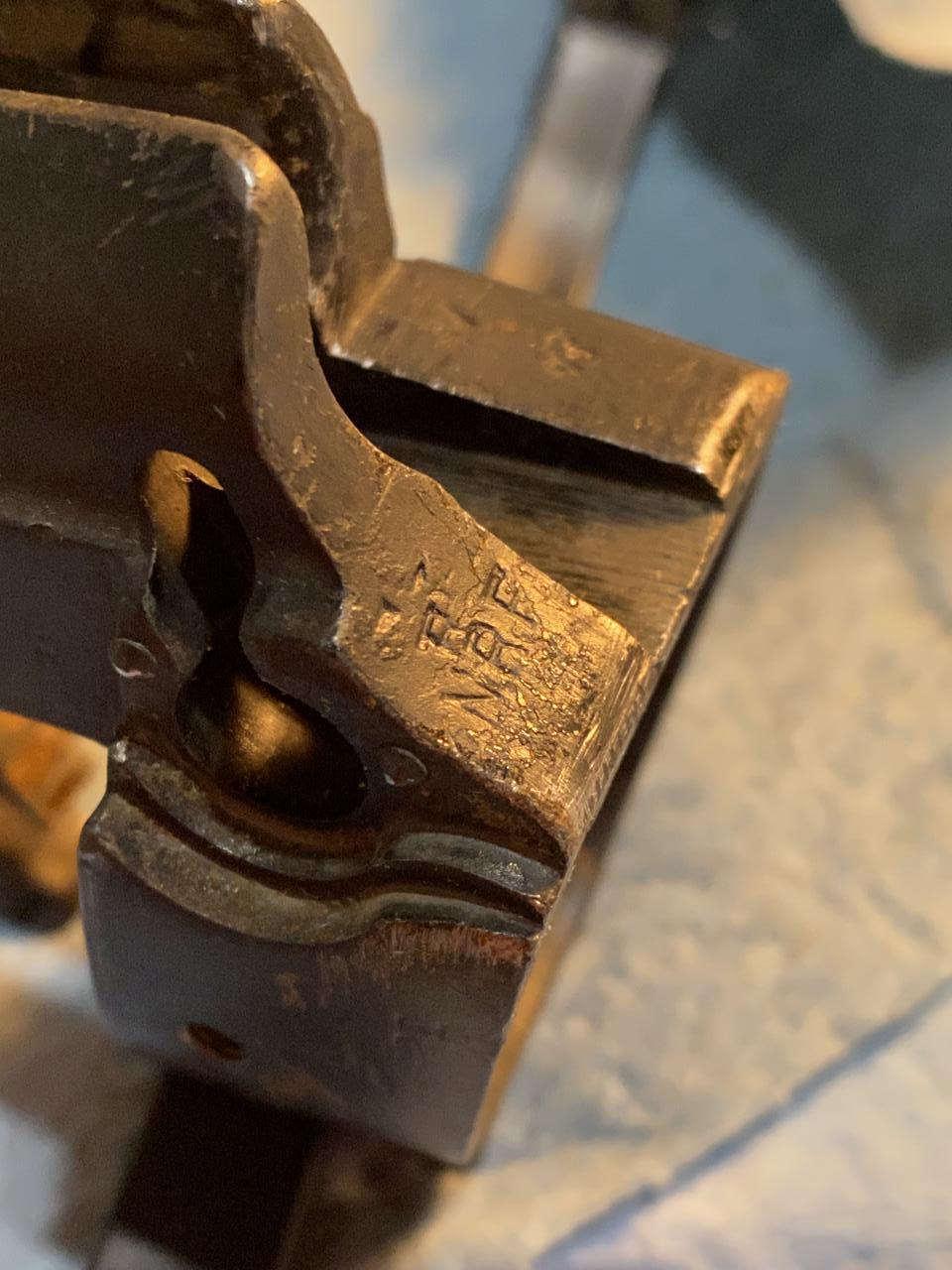
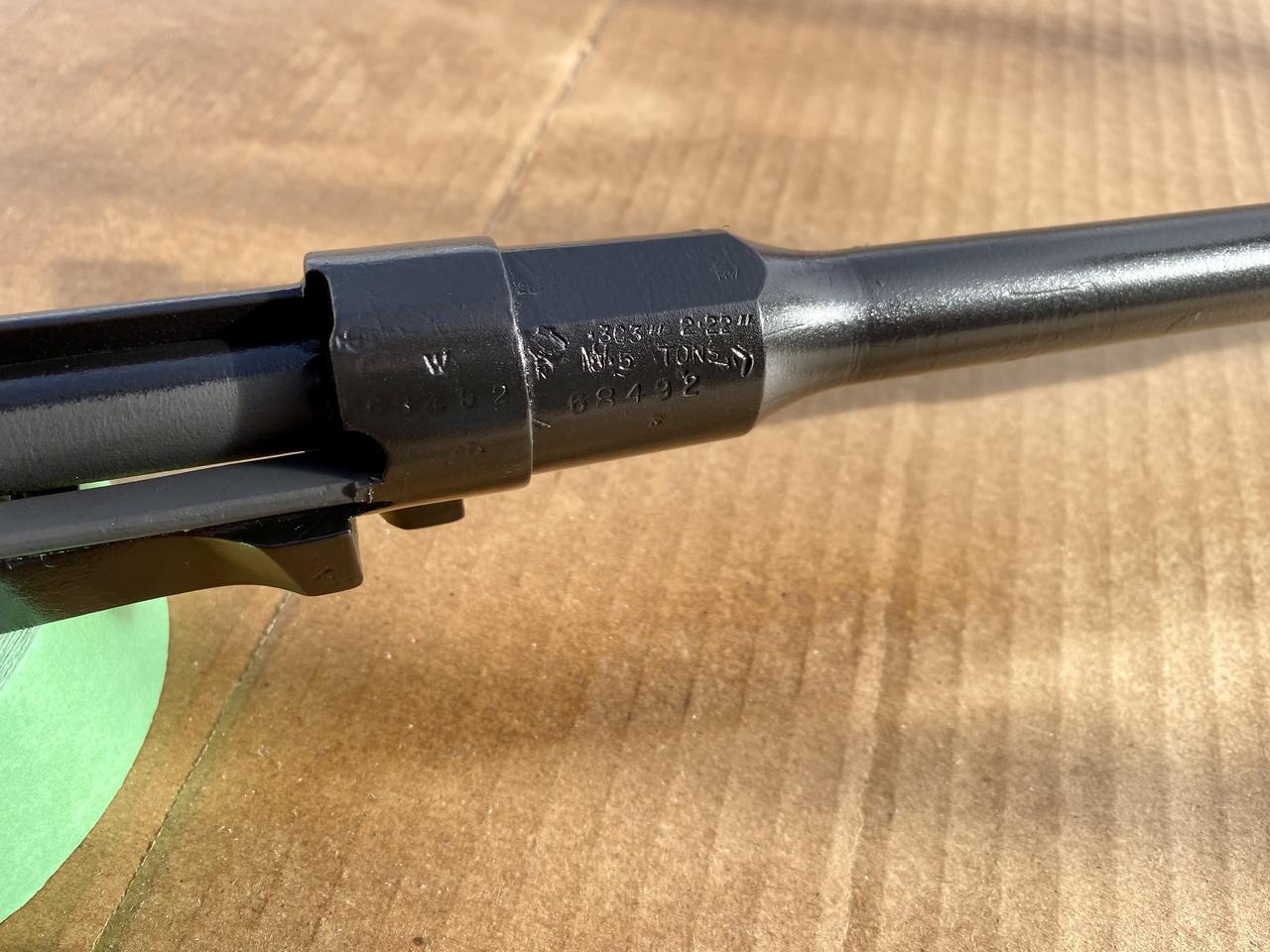
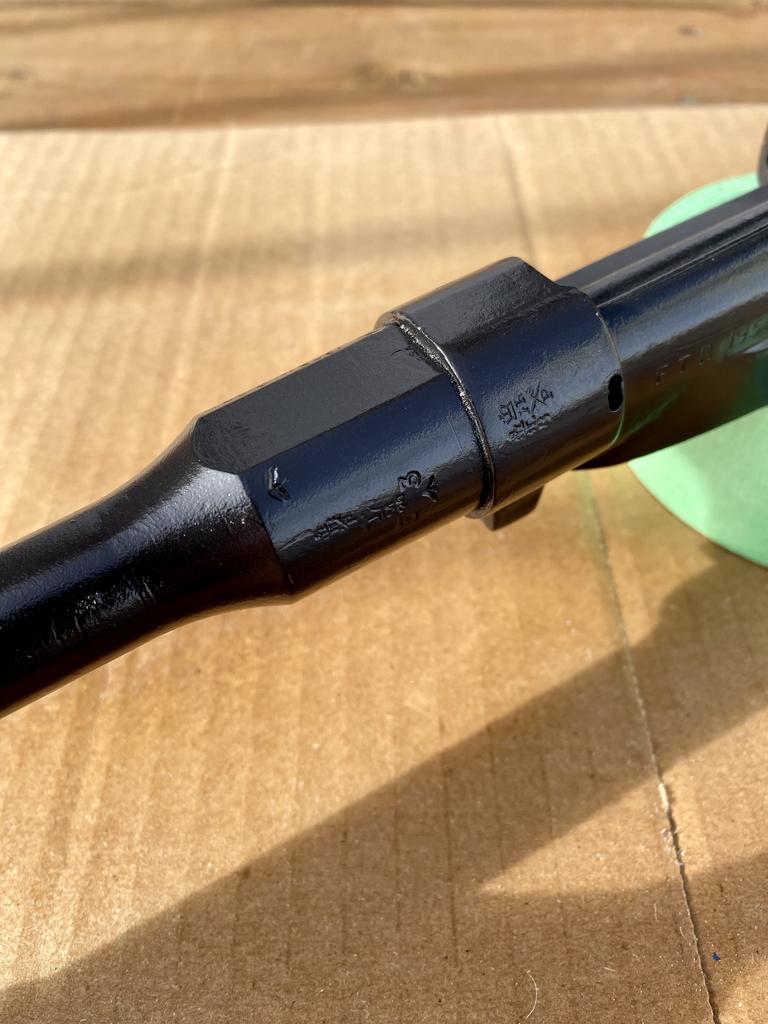
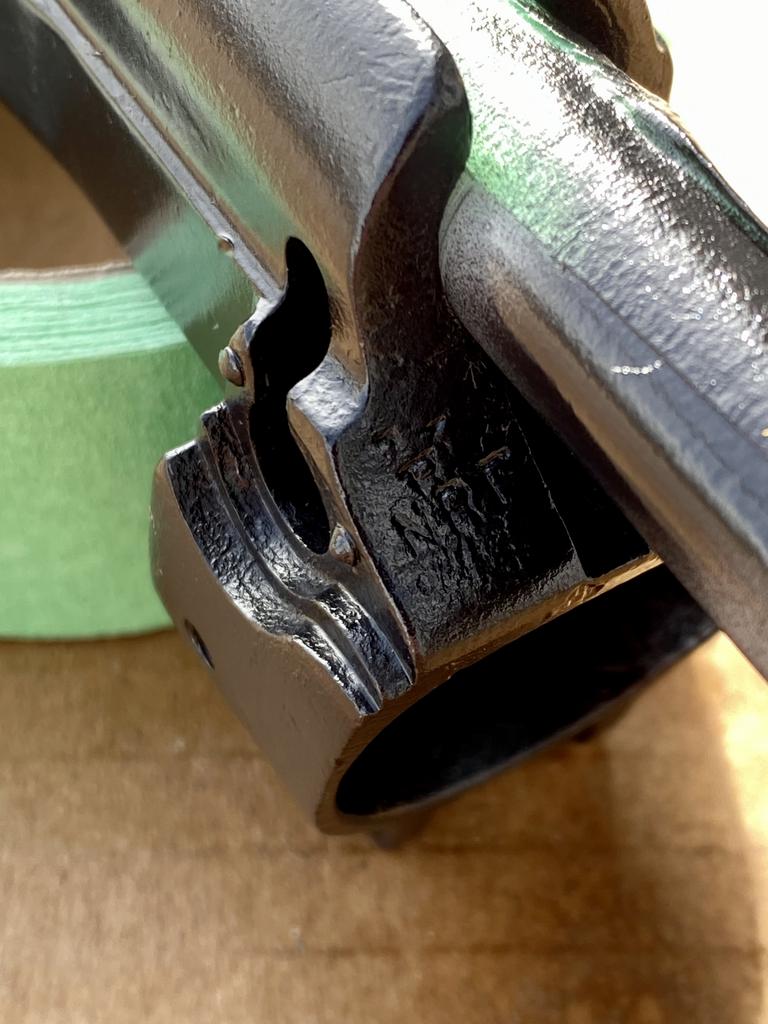
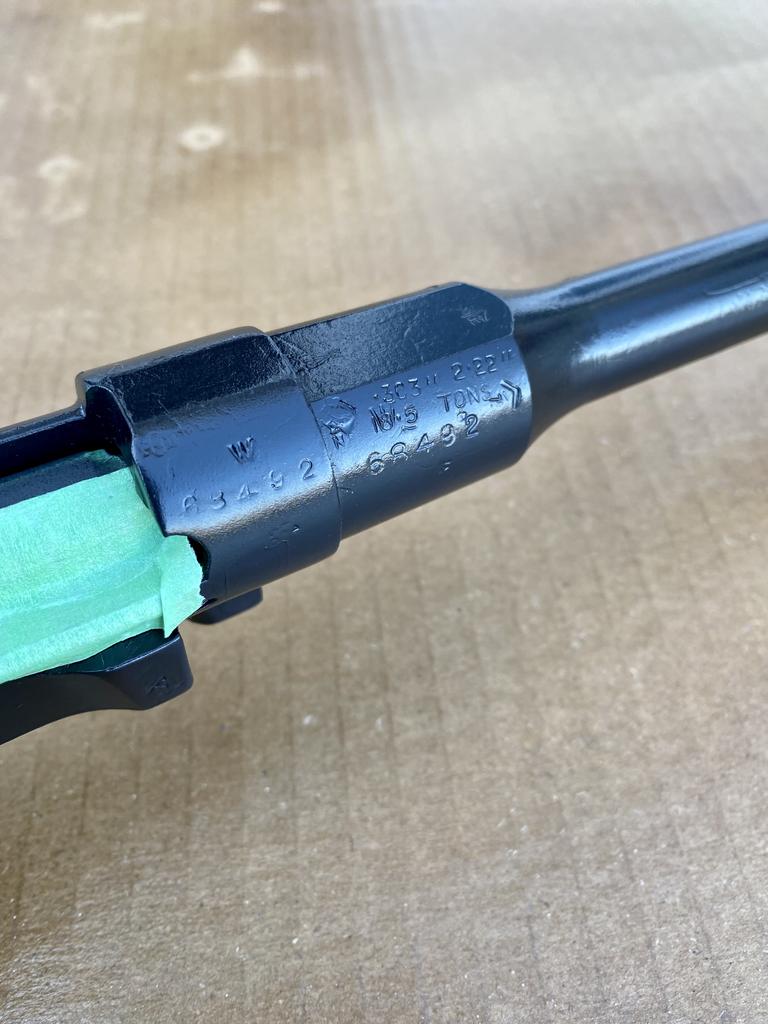
During the process of cleaning I discovered who made the rifle in 1918. National Rifle Factory No1. It's paddled scheme rifle than. If you interested in history just google "NRF Lee Enfield SMLE". It's nice bonus as these are not super common.
Everything inside the receiver is surface rusted. Like it's reddish inside...the picture doesn't do the justice here really.
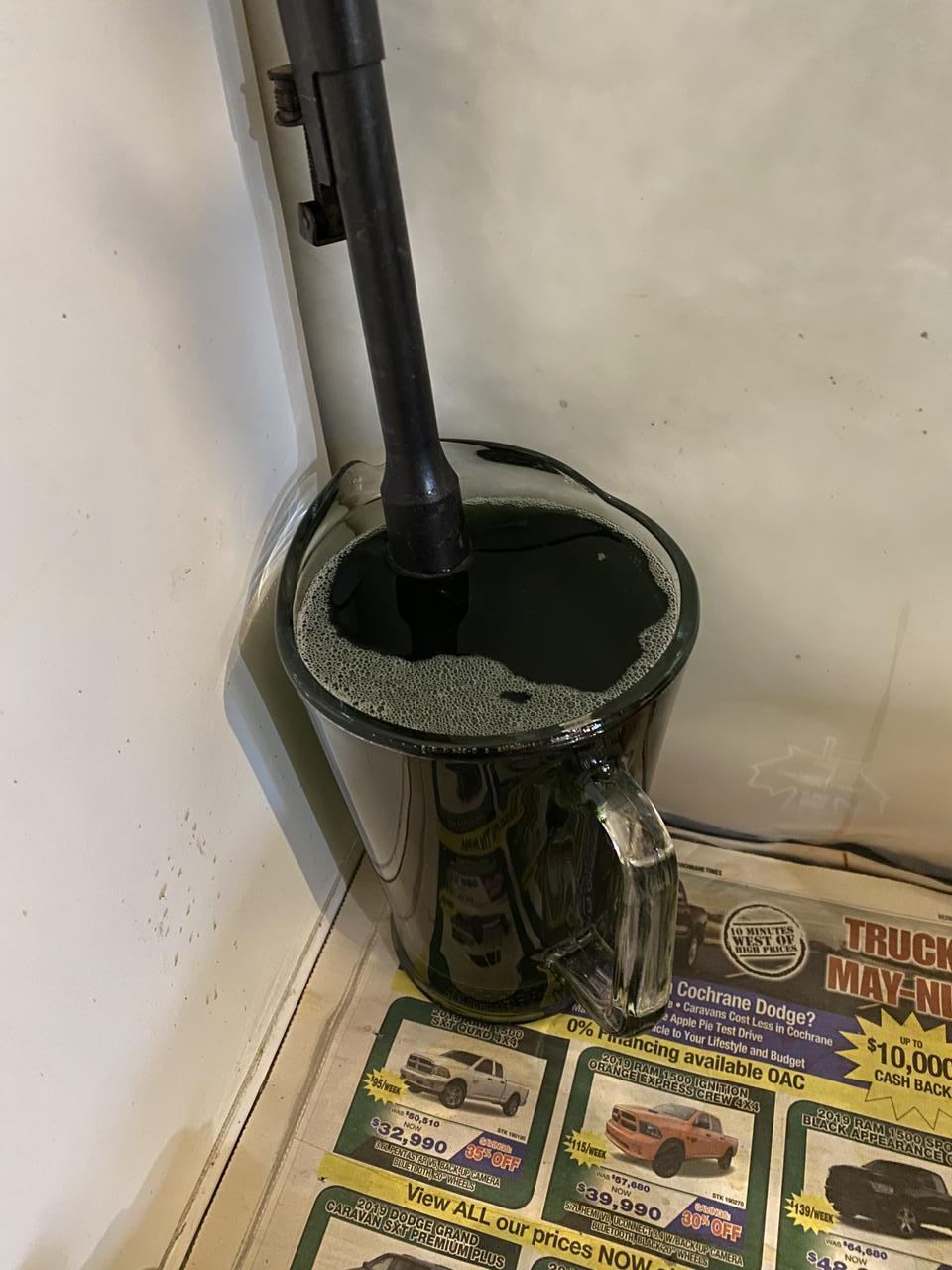
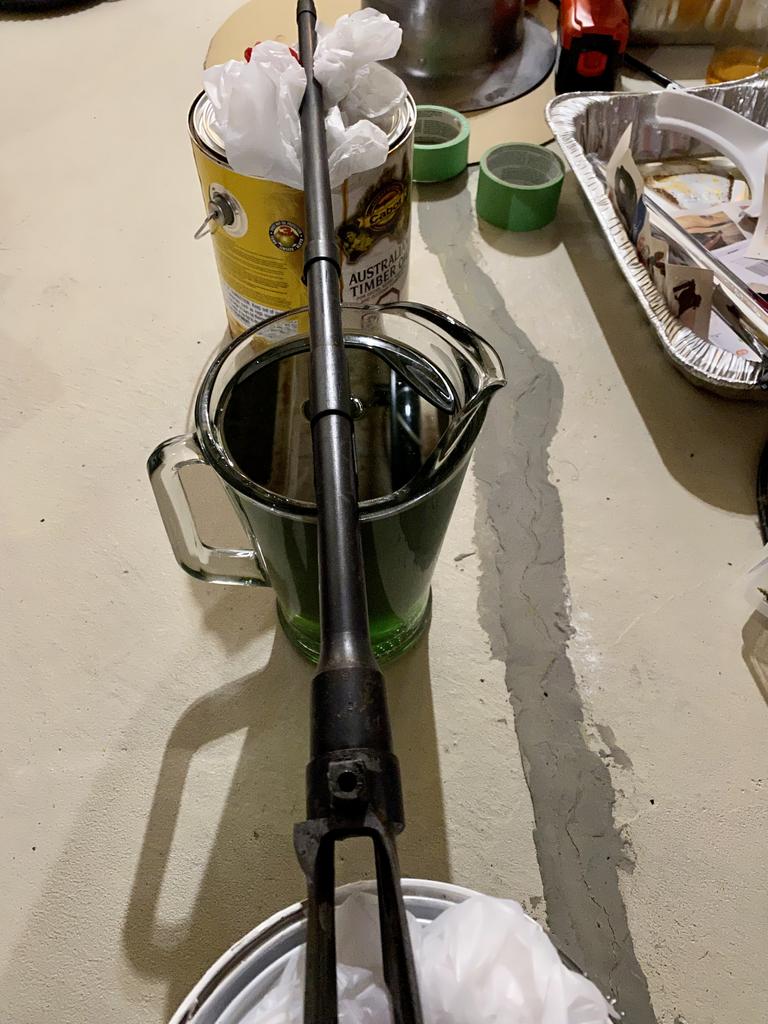
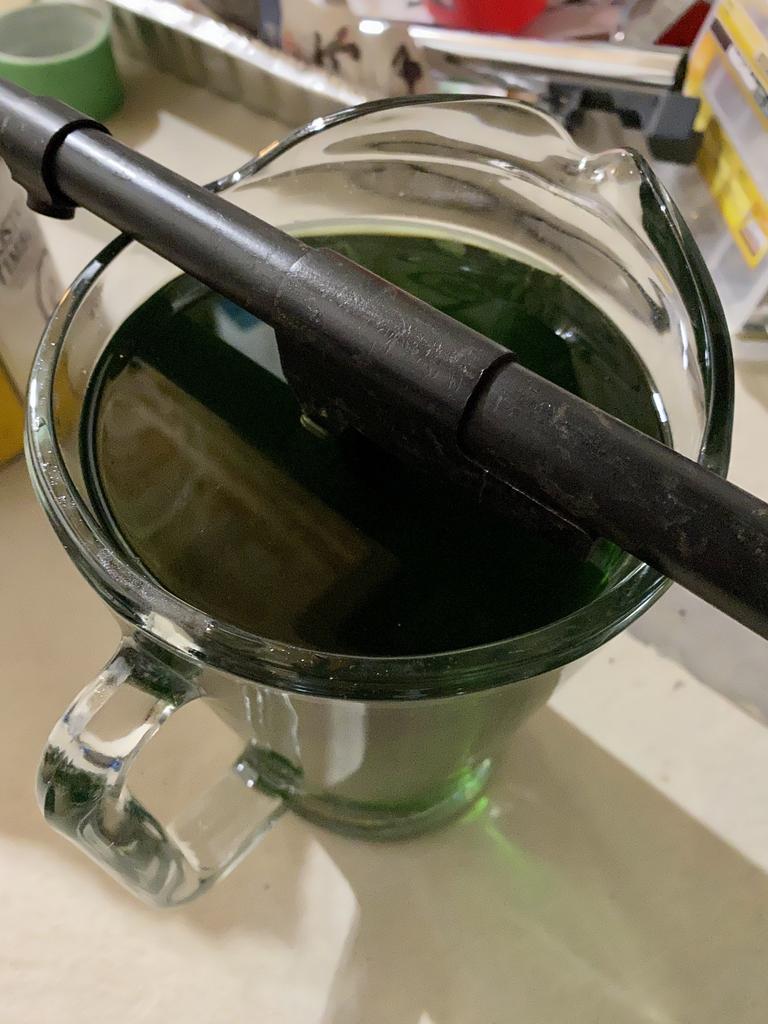
I decided to give the receiver the rust solution bath for 2 hours. It shouldn't affect anything and may prevent pitting in the future. Chamber and the bore are just above the level of the fluid.
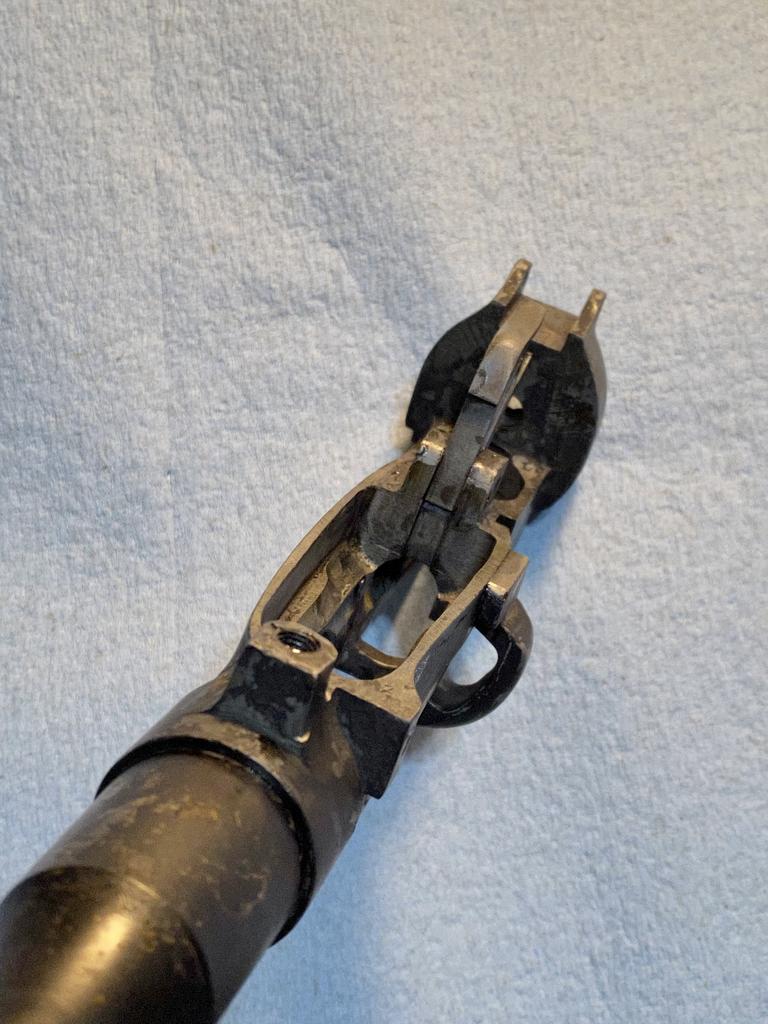
The receiver is rust free. The black spots are actually transparent and effect of the dried rust solution fluid. I'll be painting the receiver soon, just to match other parts and prevent rust from coming back. All the small receiver parts are also lacquer and rust free and ready for painting job. I'm oiling the bore using the specific bore guide for SMLE at this stage, just in case.
Before ending the day I'm going to de-rust the rear sight. That should be the last de-rusting job except for the muzzle.
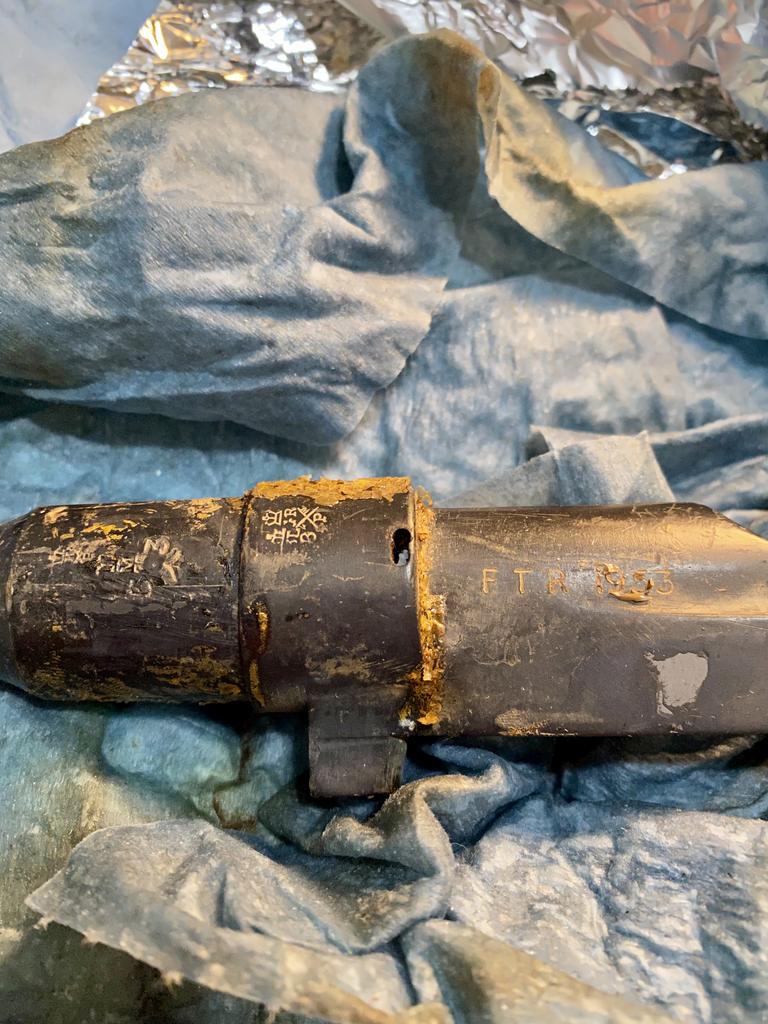
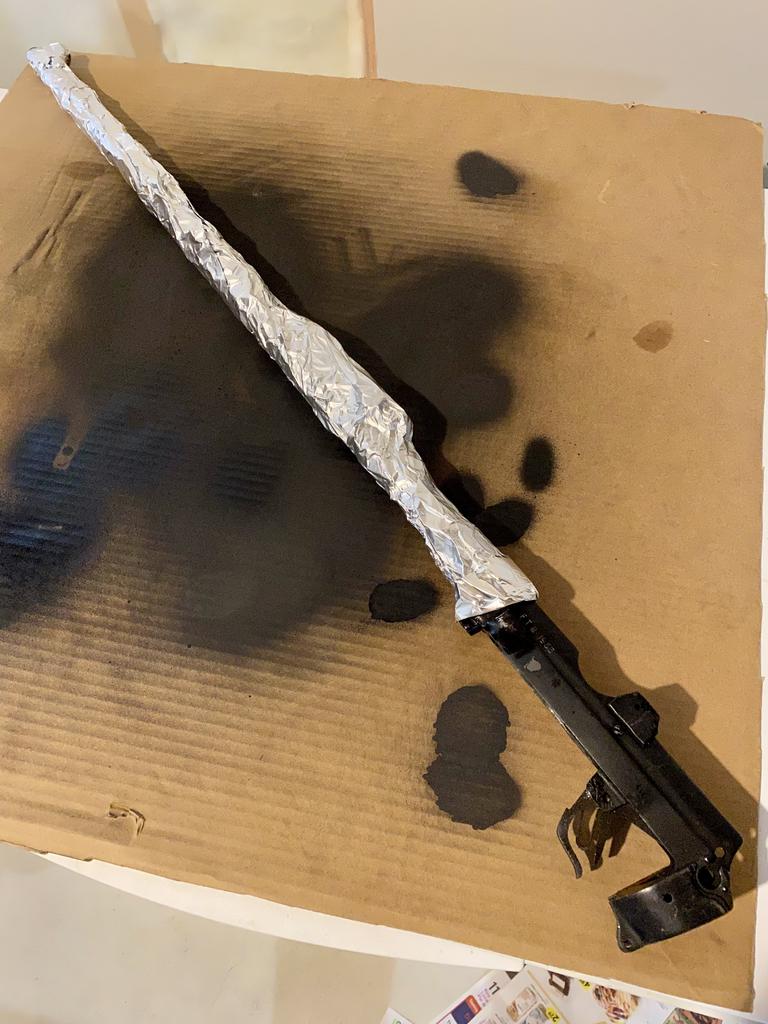
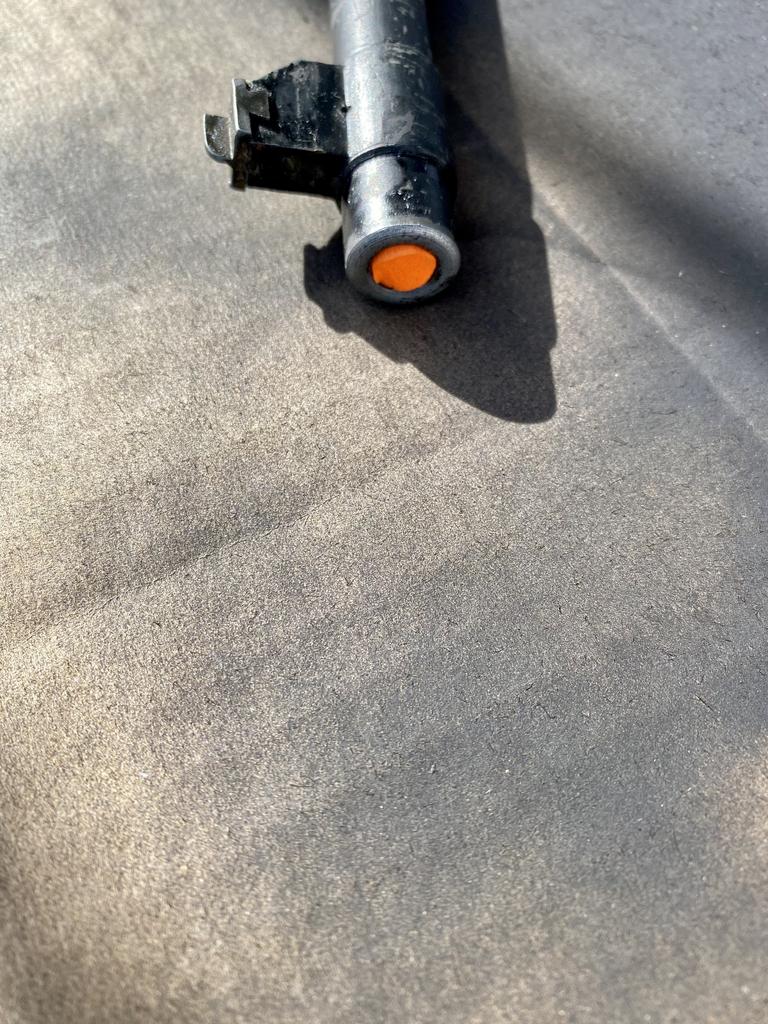
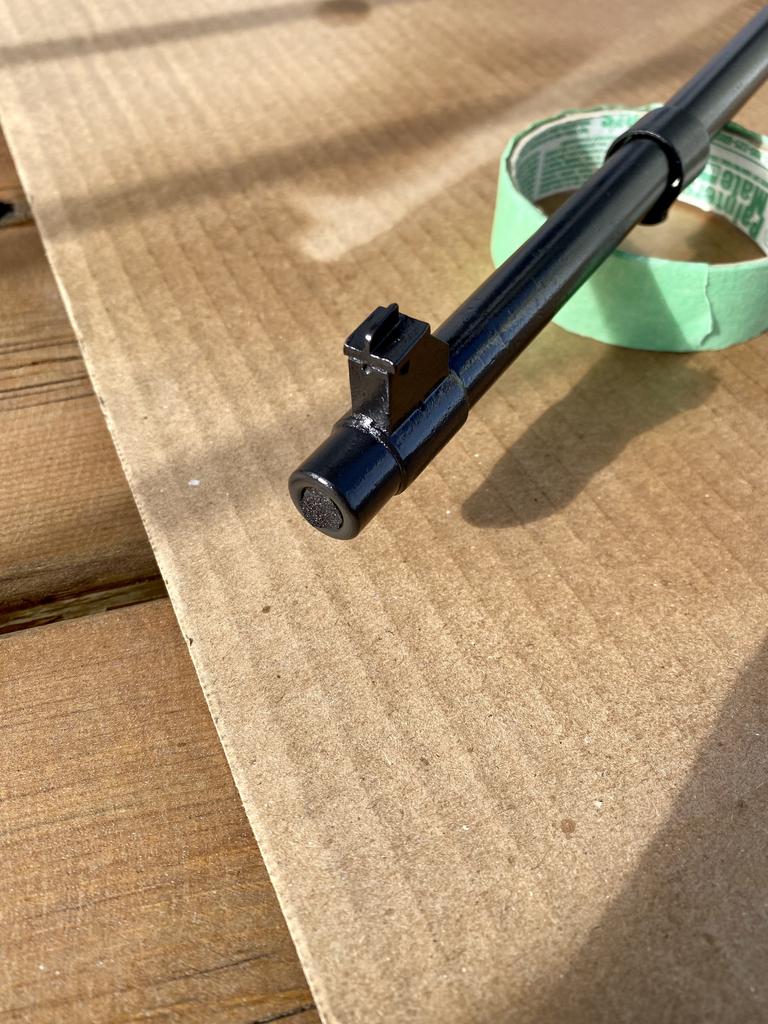
The outside of the barrel is in the best condition so far with just a few, remote rust spots. The muzzle part around the crown however is a bit rusted (as seen on one of the first pictures). I can't nor do I want to submerge the barrel into the rust cleaning solution, so instead I plugged the muzzle and the chamber with the ear plugs and wrapped everything in the paper towels, soaked them with the solution and wrapped all that in the aluminum foil. Bore got some oil as well, just in case. All that will sit there for 3-4 hours or so. That should conclude the de-rusting process for good.
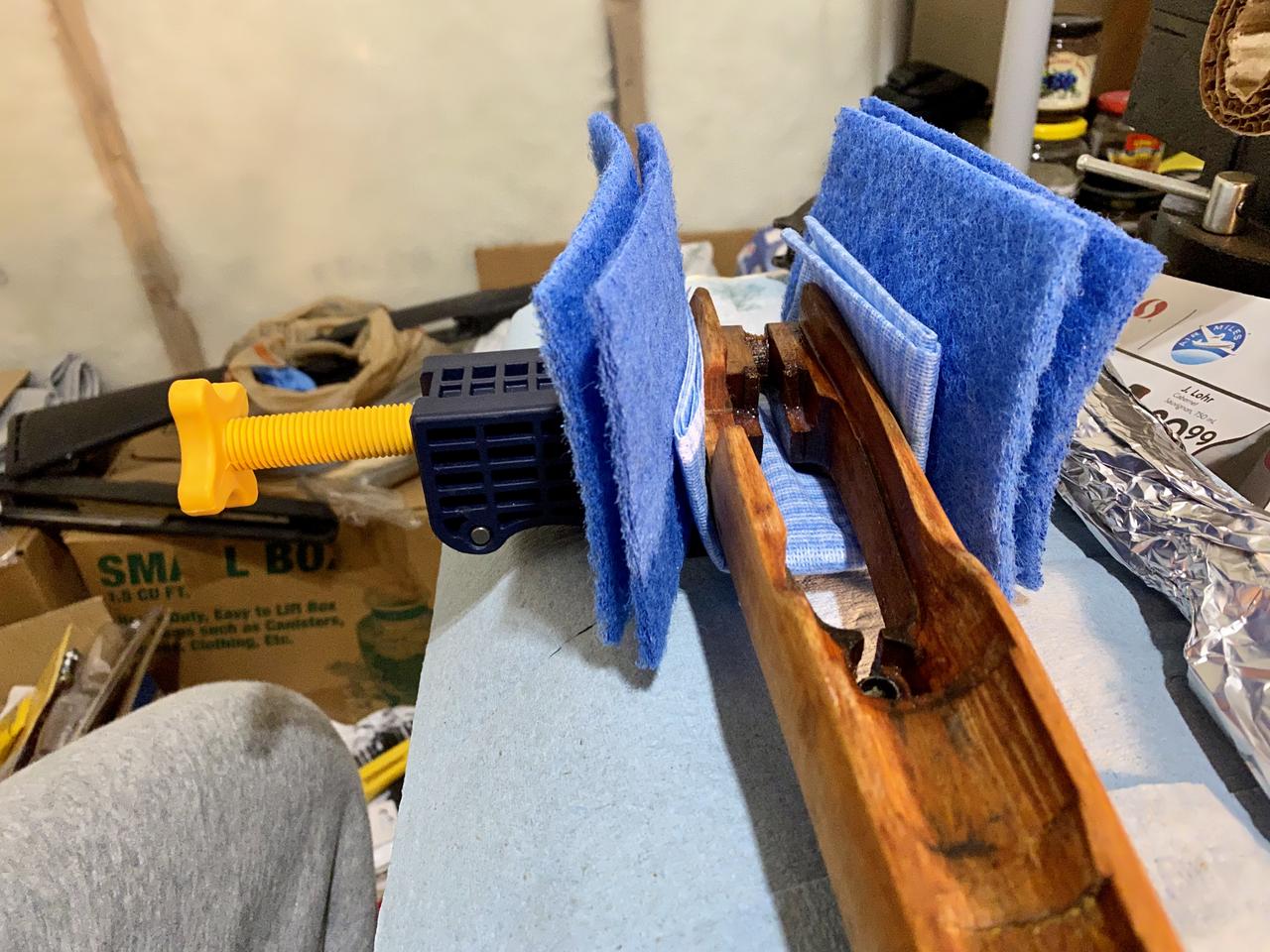
The rear hand guard is getting first coat of the linseed oil today and the small crack in the forend is getting the first coat of the wood hardener. Once that will happen I'll place the forend in a simple vice to keep everything tight.
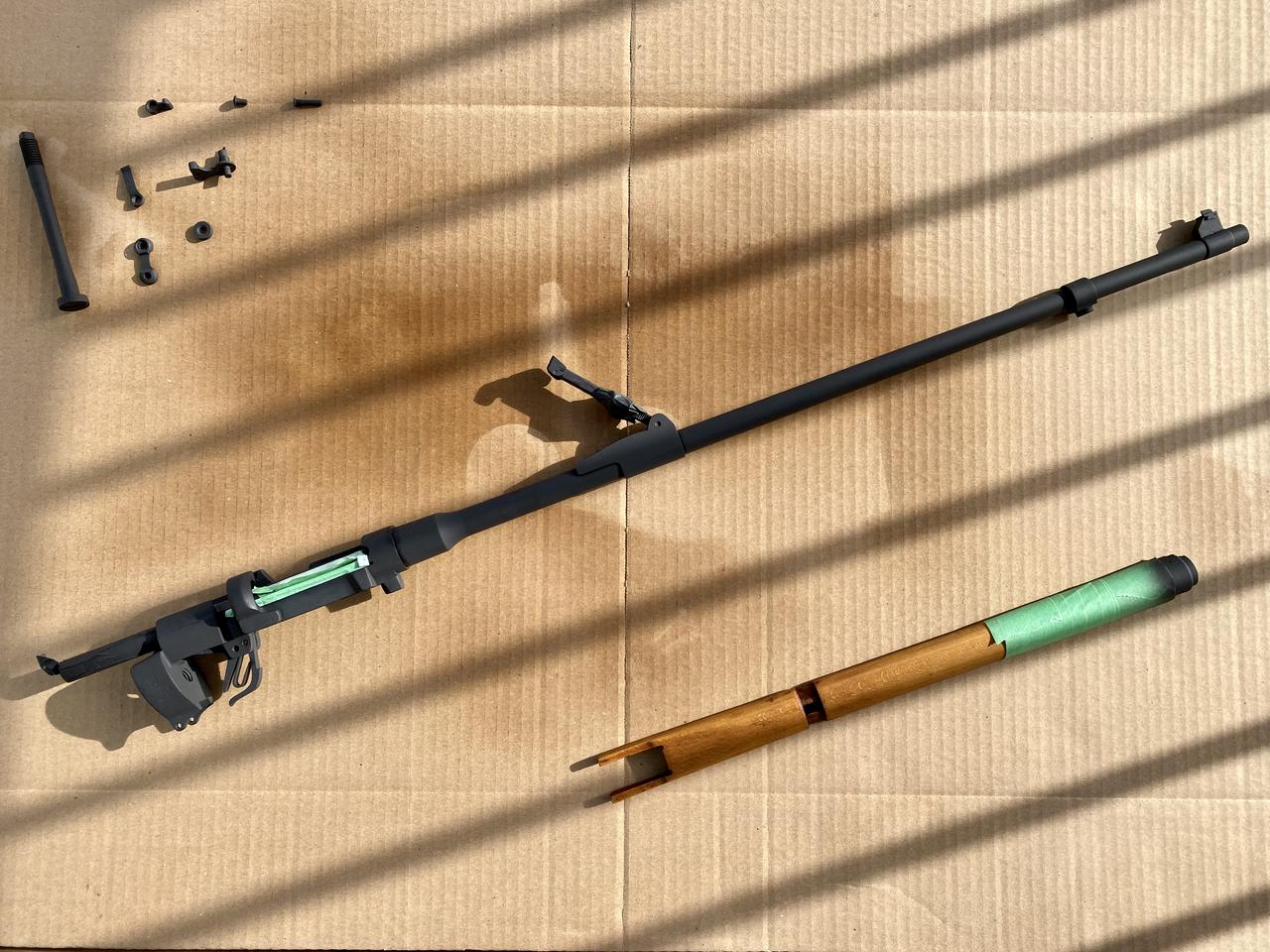
I should be able to paint the barreled action soon, but it's weather dependent process as the winter already arrived here.
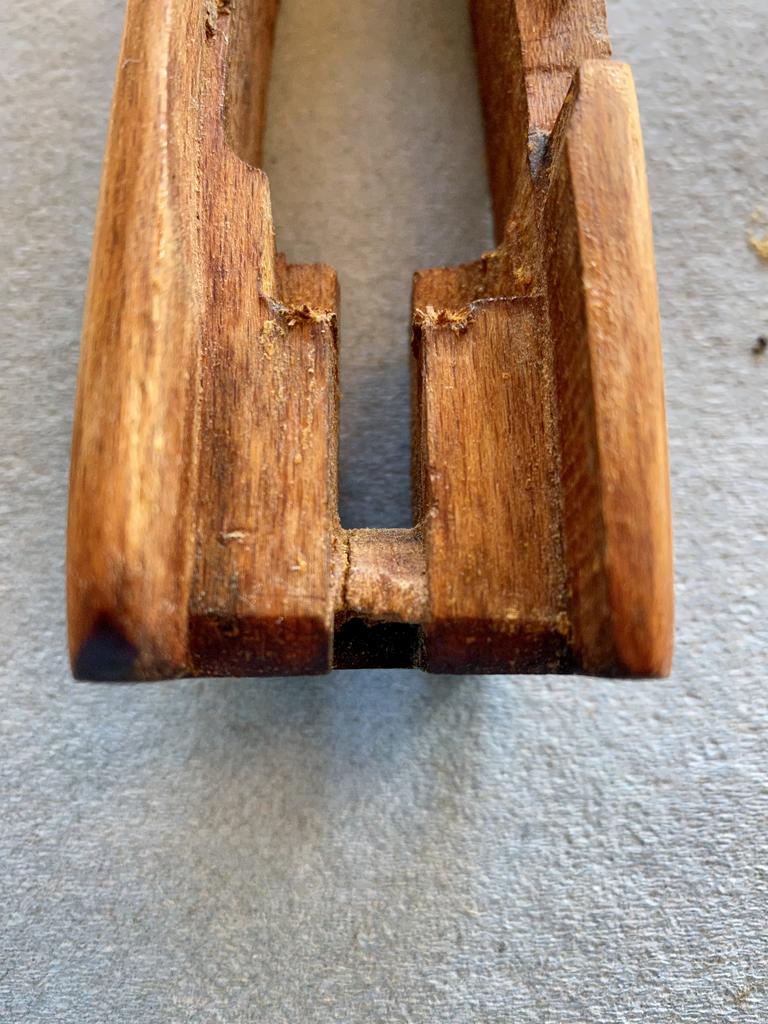
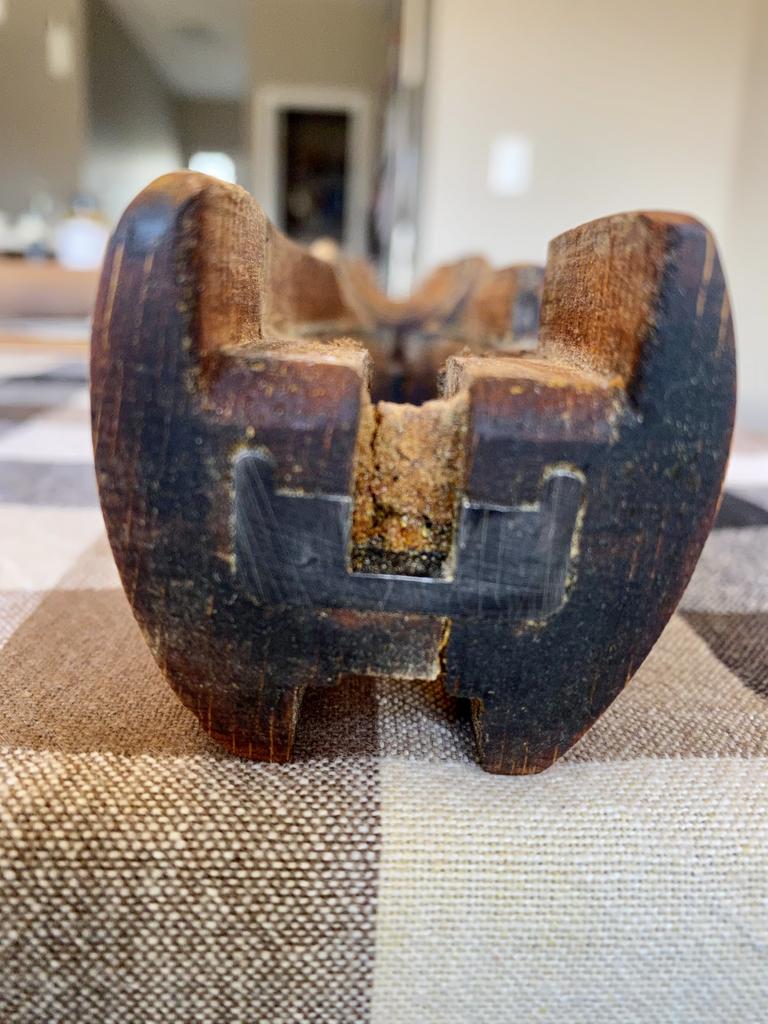
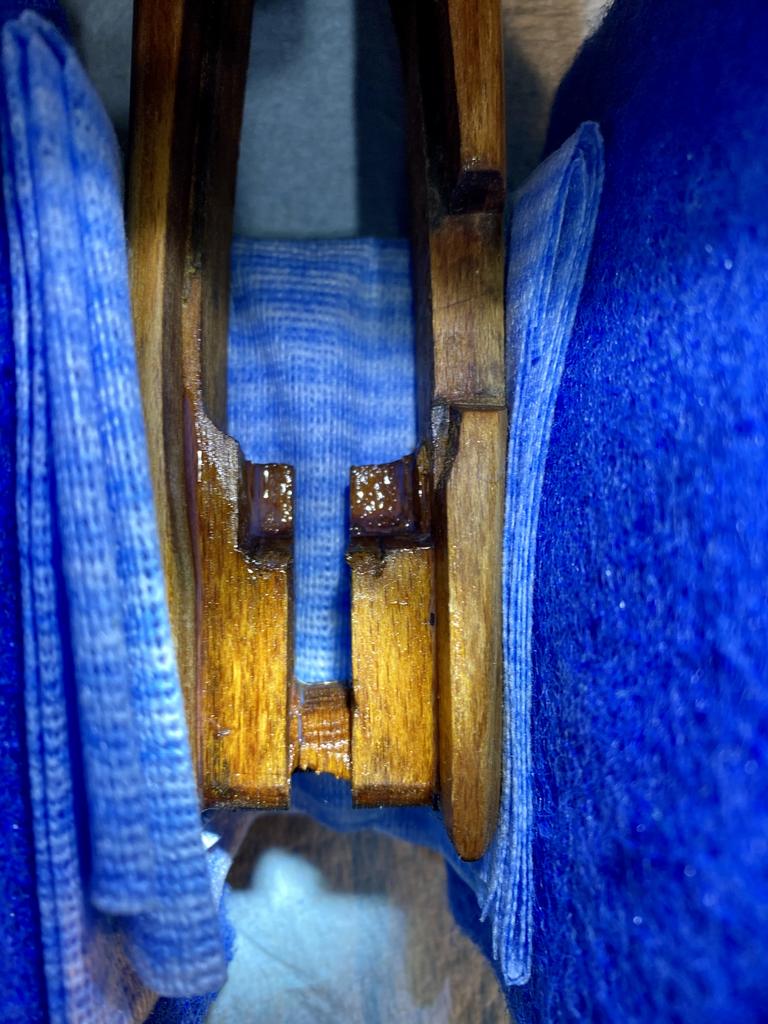
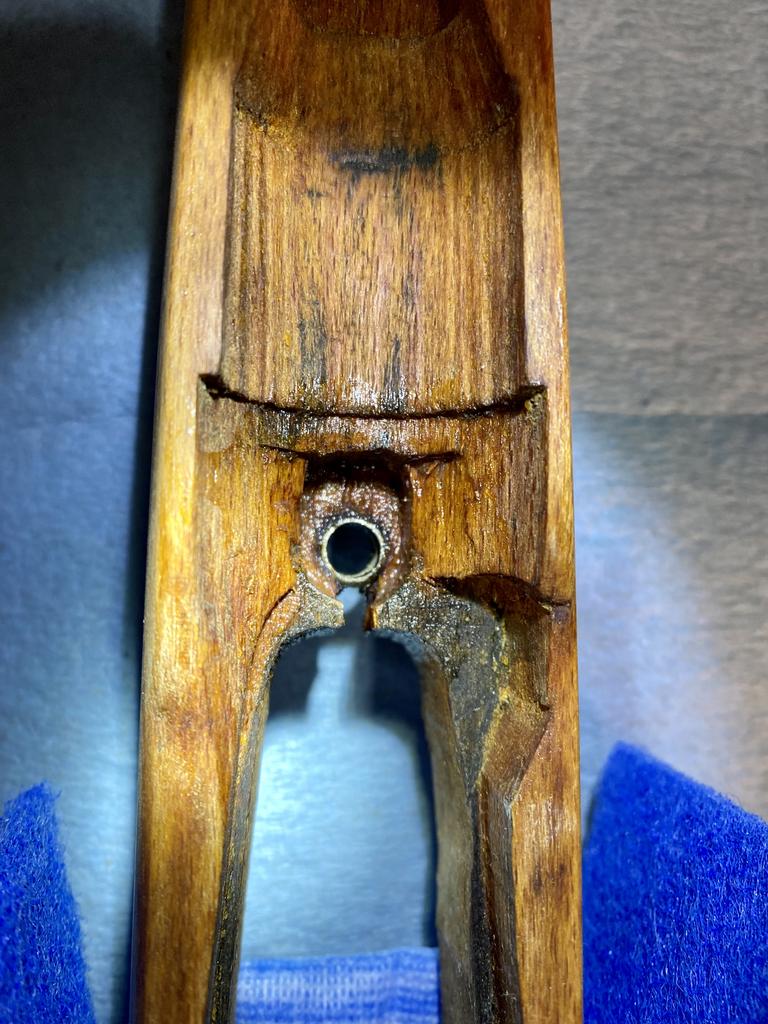
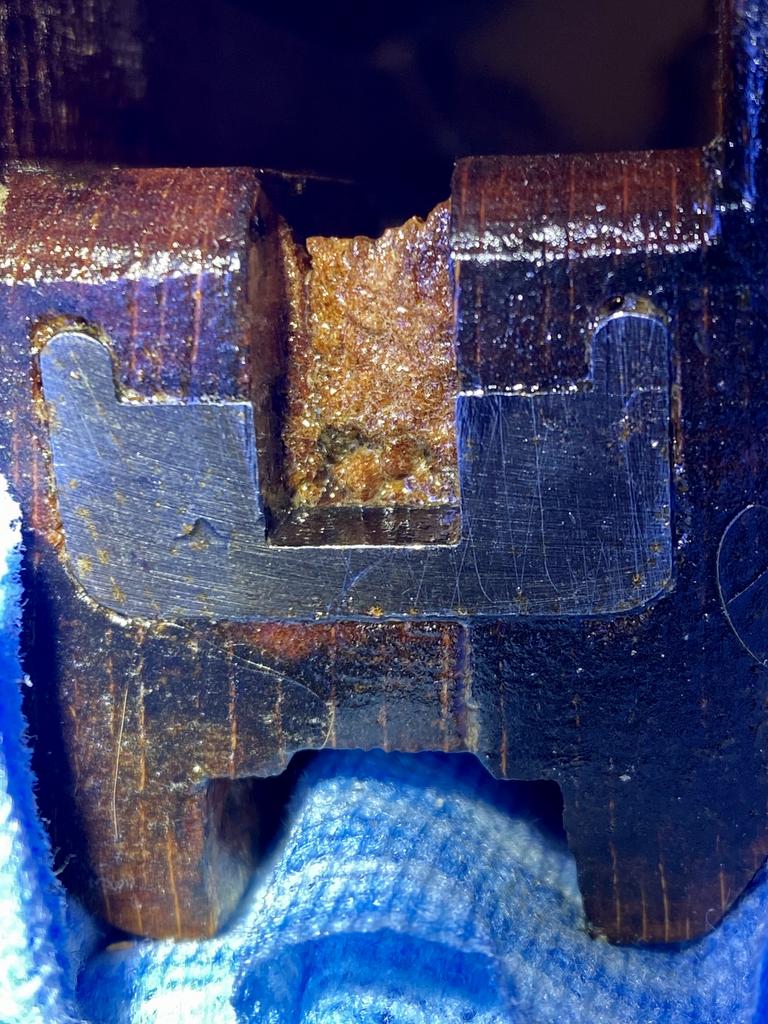
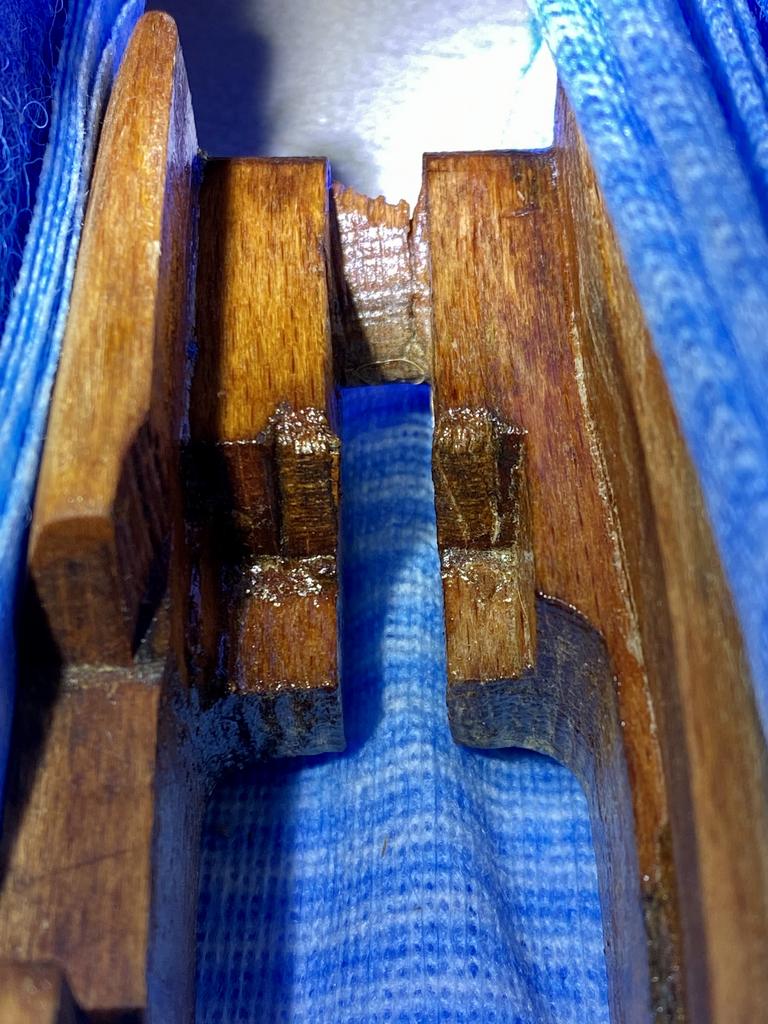
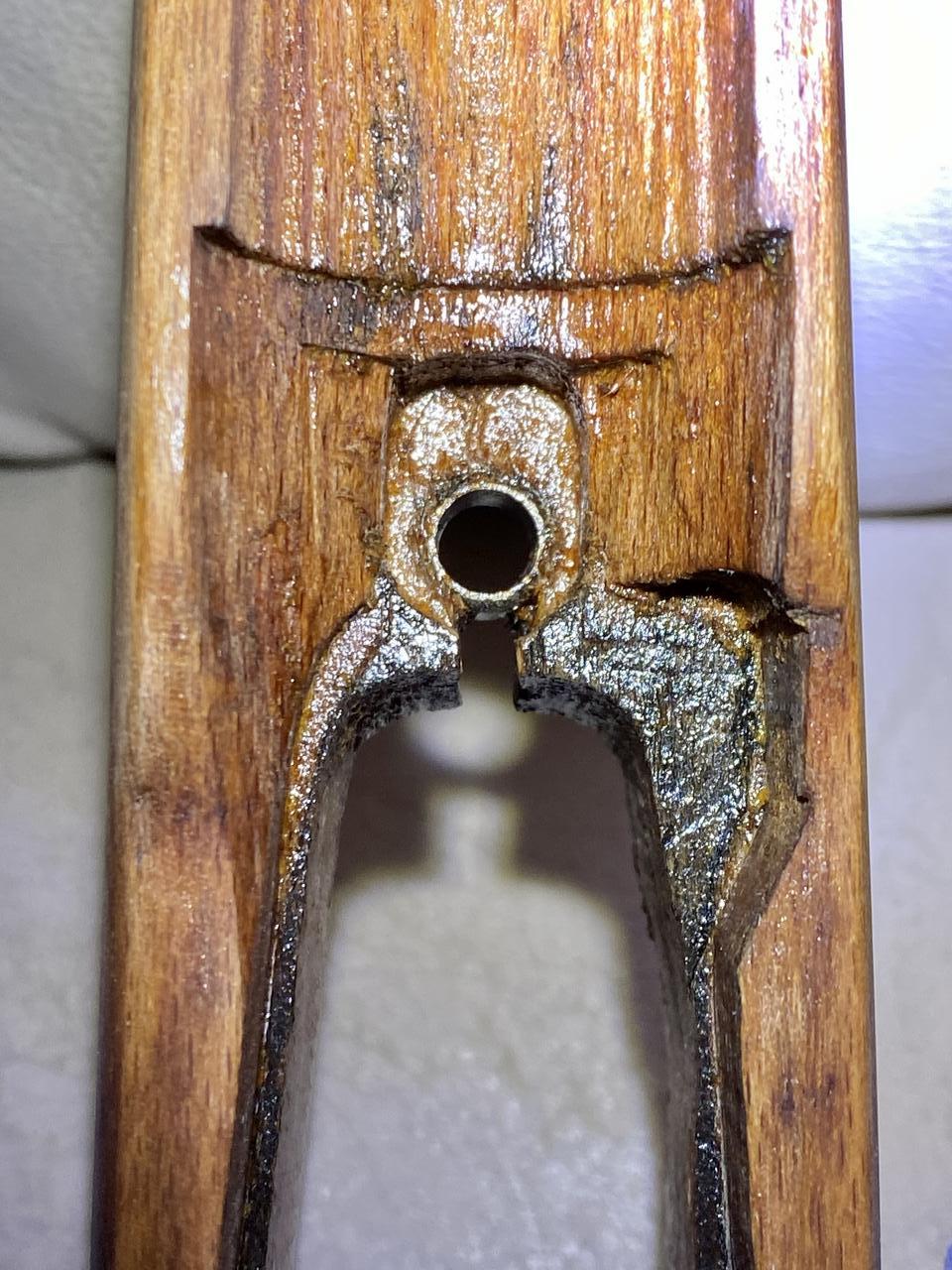
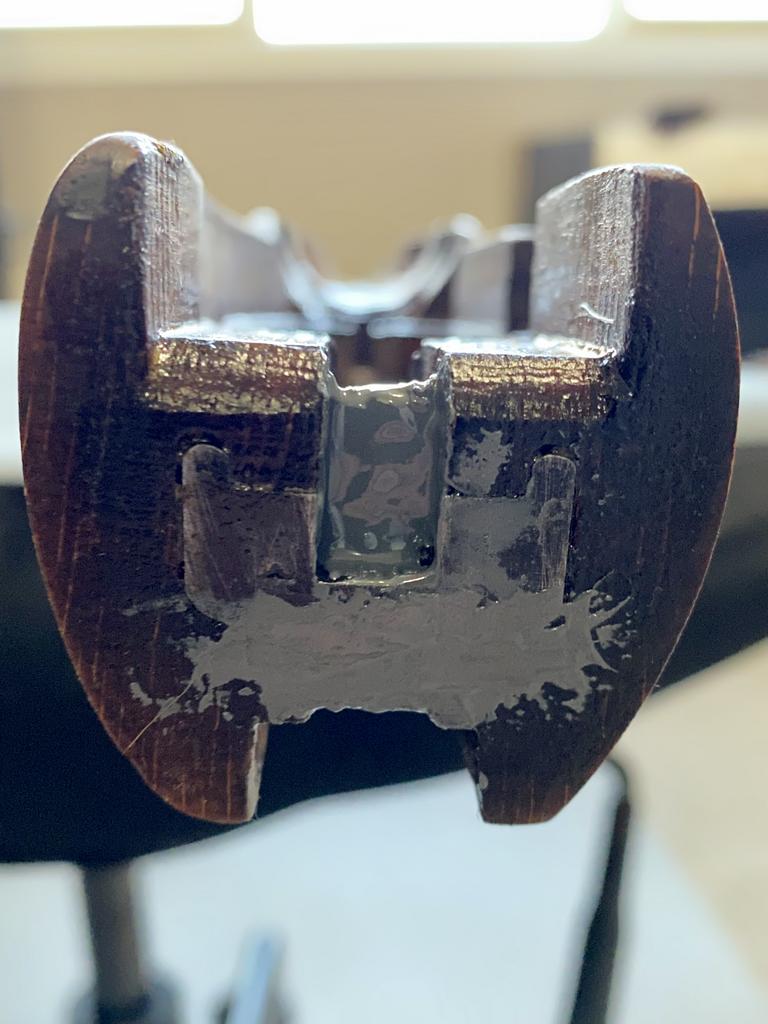
You can see how the watery, white epoxy is making its way into the cracks. I also saturated the wood around forward action screw (top and the bottom) and the recoil draws to limit the chances of any, future damage and cracks there. Tomorrow I'm going with the coat #2 and will continue to add more till the weekend with 24 hrs between each coat. A bit of JB Weld will be used in the end to add strength to the repair before I'll be oiling the forend for the first time.
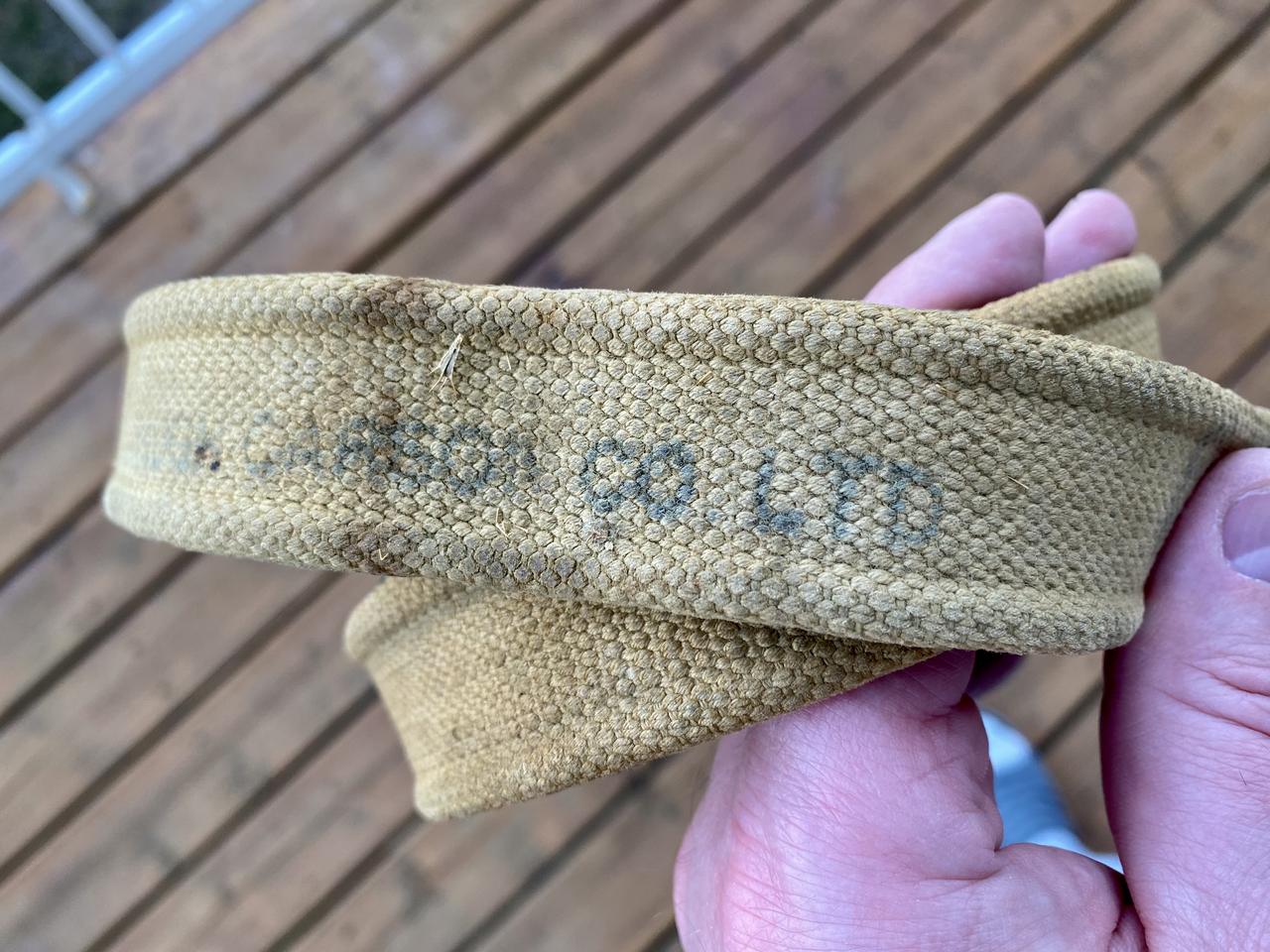
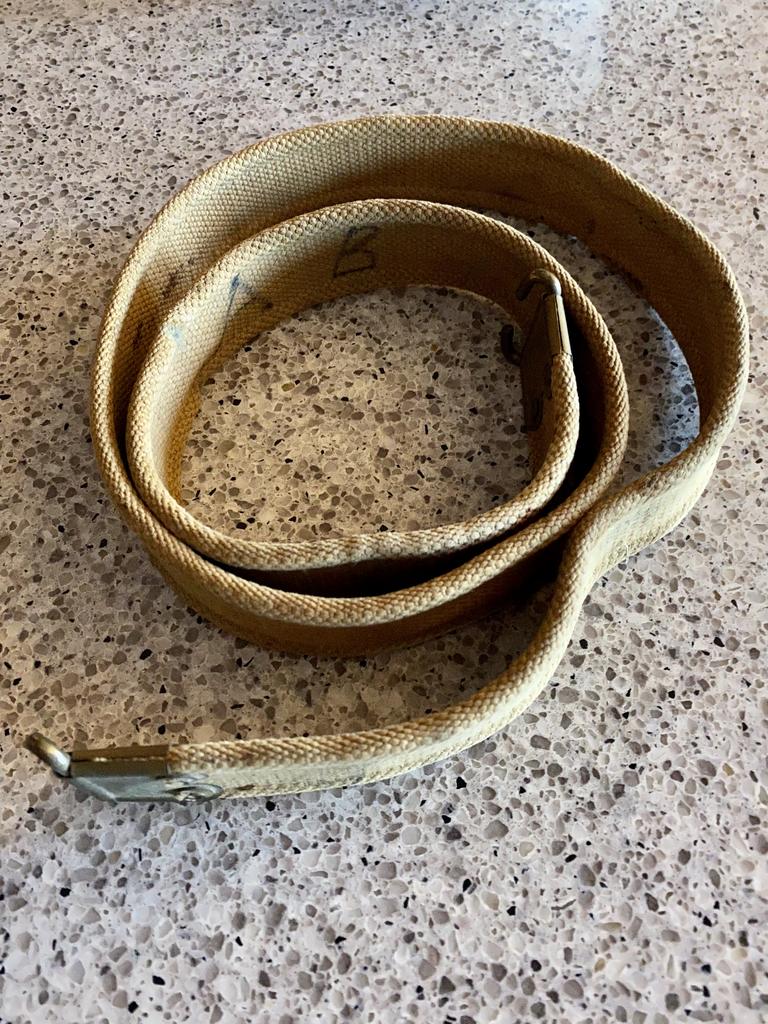
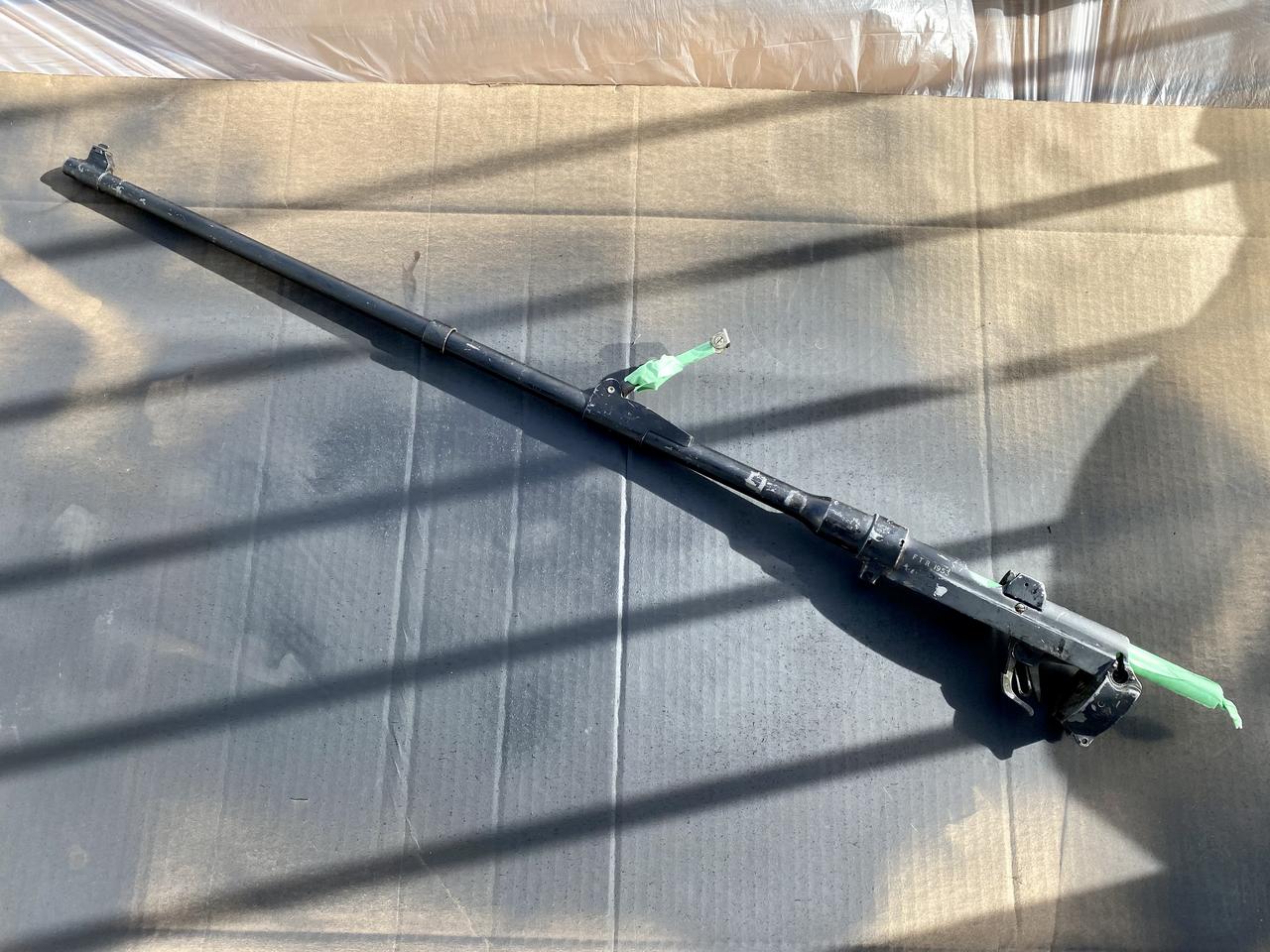
The barreled receiver is ready for the paint job. The weather must start cooperating though. There is no rust left on it and I did all the metal preparation already. Second coat of wood hardener will be added today to the same areas of the forend as yesterday. Here is a little cool factor. The rifle came with the original Canadian WW2 era sling. Made by Hugh Carson Co. Ltd. It appears that it has the initial of the soldier written on it. Weirdly enough I have the very same initials as the original user I'm going to clean it up nicely and re-use of course.
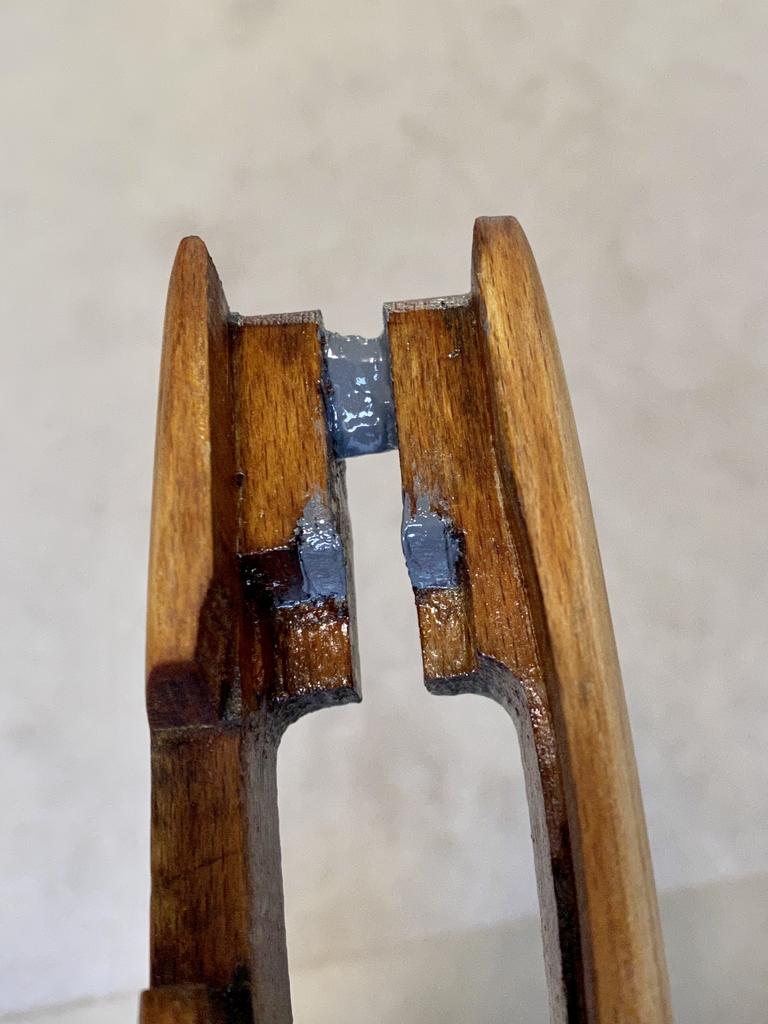
Three coats of wood hardener were applied. In a couple of hours I'm going to patch up the crack with JB Weld, even though the hardener filled these thigh spaces pretty well it seems. The front action screw area is also pretty hard now and hopefully won't develop any cracks.
Painting day 1/3. BBQ paint to start with (suppose to be flat black, but it's grey actually). It really serves as a base for the clear satin spray that will be used tomorrow and day after.
JB Weld is drying now. I'm pretty happy with the way it worked. I reinforced that thin piece is wood and the recoil shields.
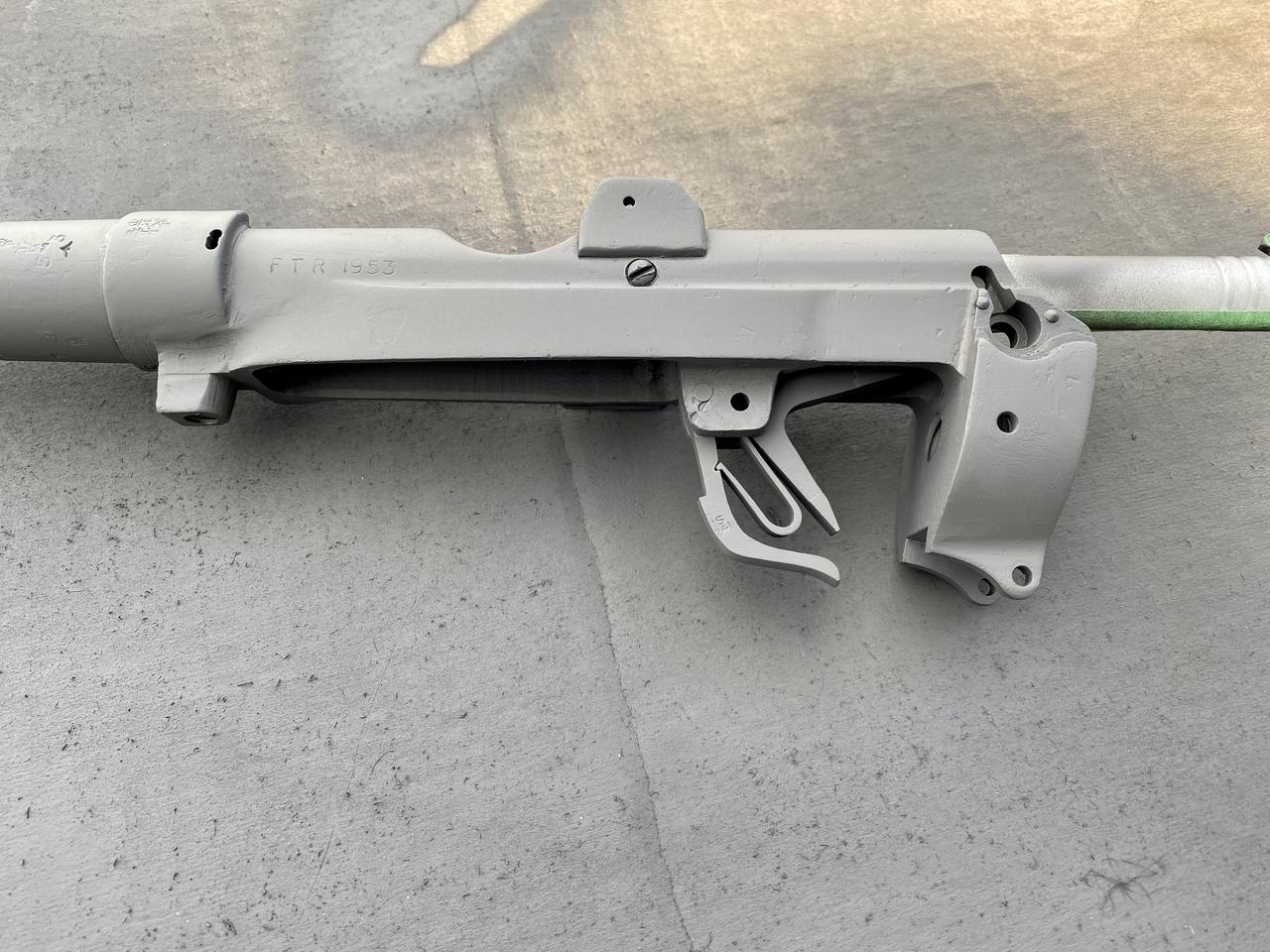
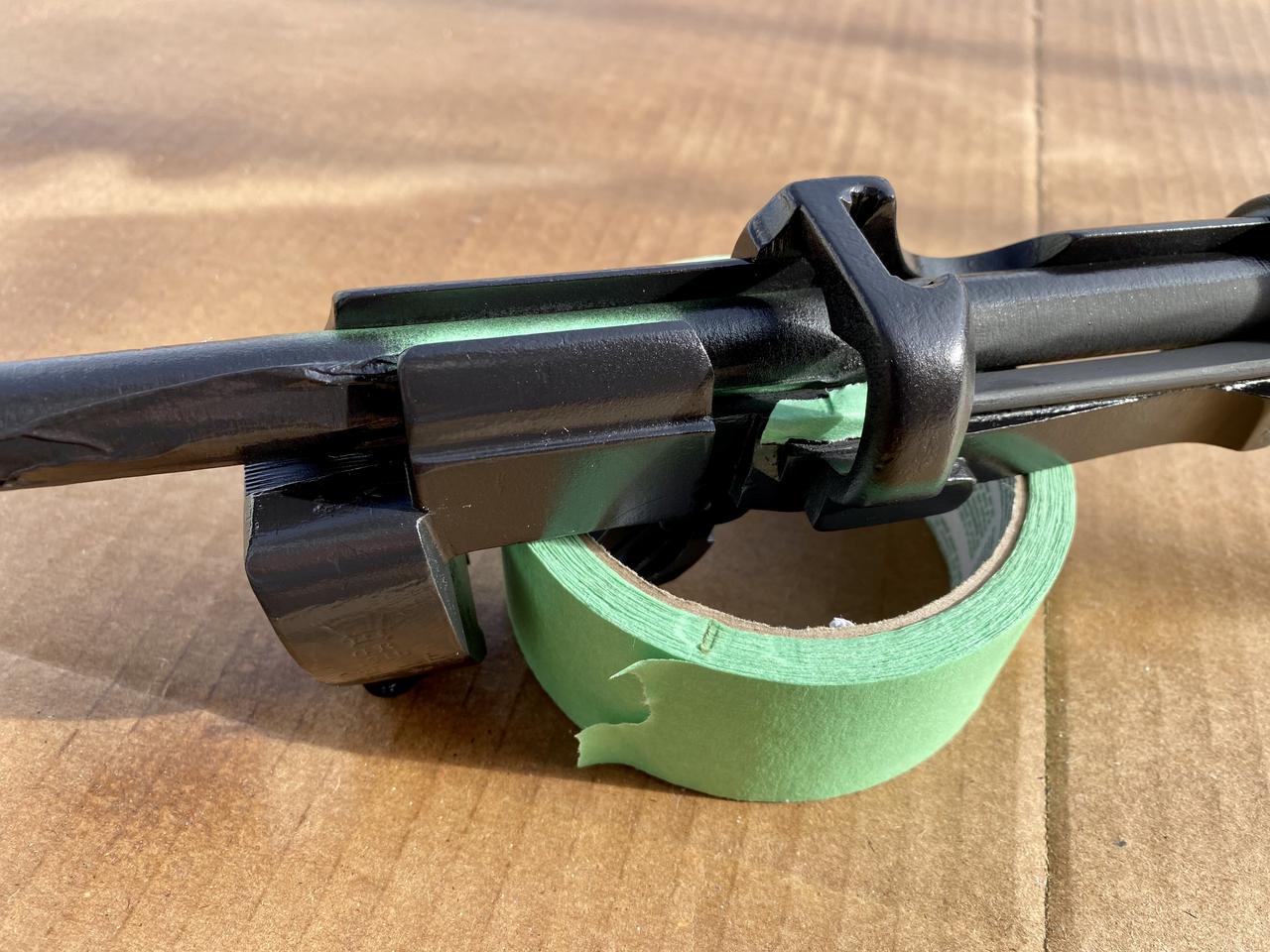
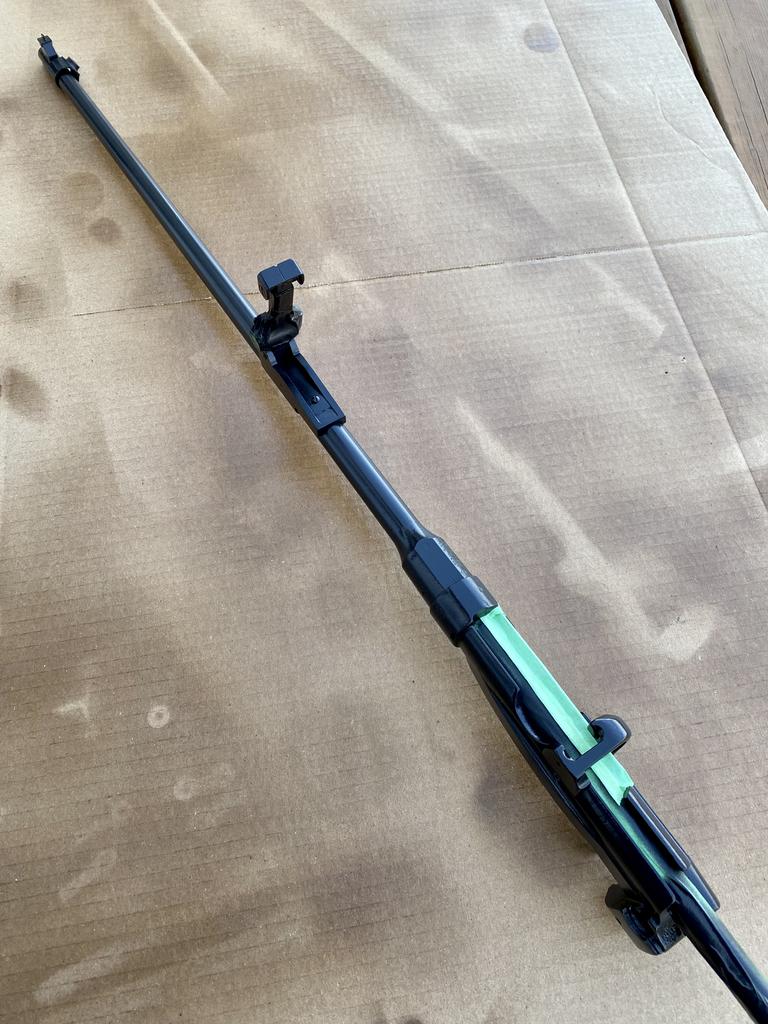
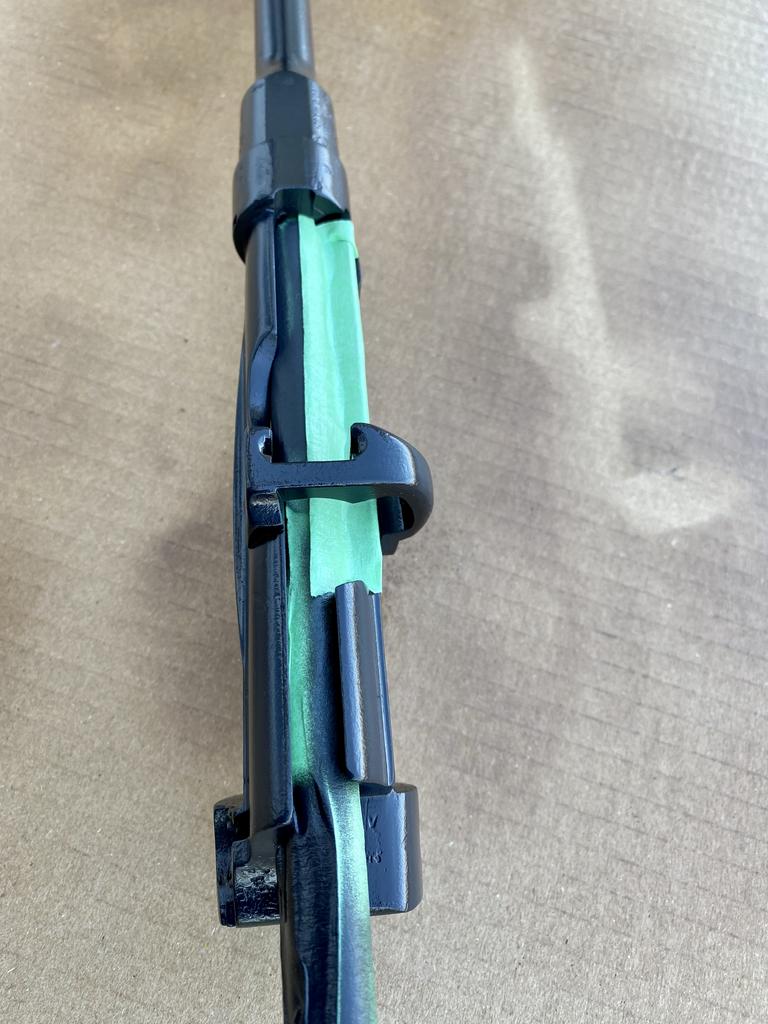
My least favorite part of the project. Clear coat. Days are warmer, but windy and it's very difficult to spray paint on a deck...on a windy day. Anyway, it's drying now. Not perfect, but should be ok. I decided not to paint the rail on the right side of the receiver and that's where the bolt is riding back and forth. I'll actually remove the BBQ paint from this area eventually to maintain smoothness of the action. The wood stock is getting dry, but I'll give it another, couple of days. The forend is still drying after JB Weld application, but I'm going to put the first coat of oil on later today. It won't hurt anything. Touch ups with the clear coat will have to wait 48 hrs as per instructions on the can. Ohh…well. I am not in rush.
Before
Wet clear coat (you can see the action rail on the left not being painted)
Touch ups (as I missed couple of spots earlier on). Eight days ago I started with the first coat of the linseed oil on the stock and handguard. I'm going to go with the coat number two today. I also have some small parts left to paint and I didn't touch the bolt yet (which will require some serious cleaning). Other than that I'm starting to see the end of this project. The other day I cleaned the bore the best I could and now it looks like a solid 8/10.
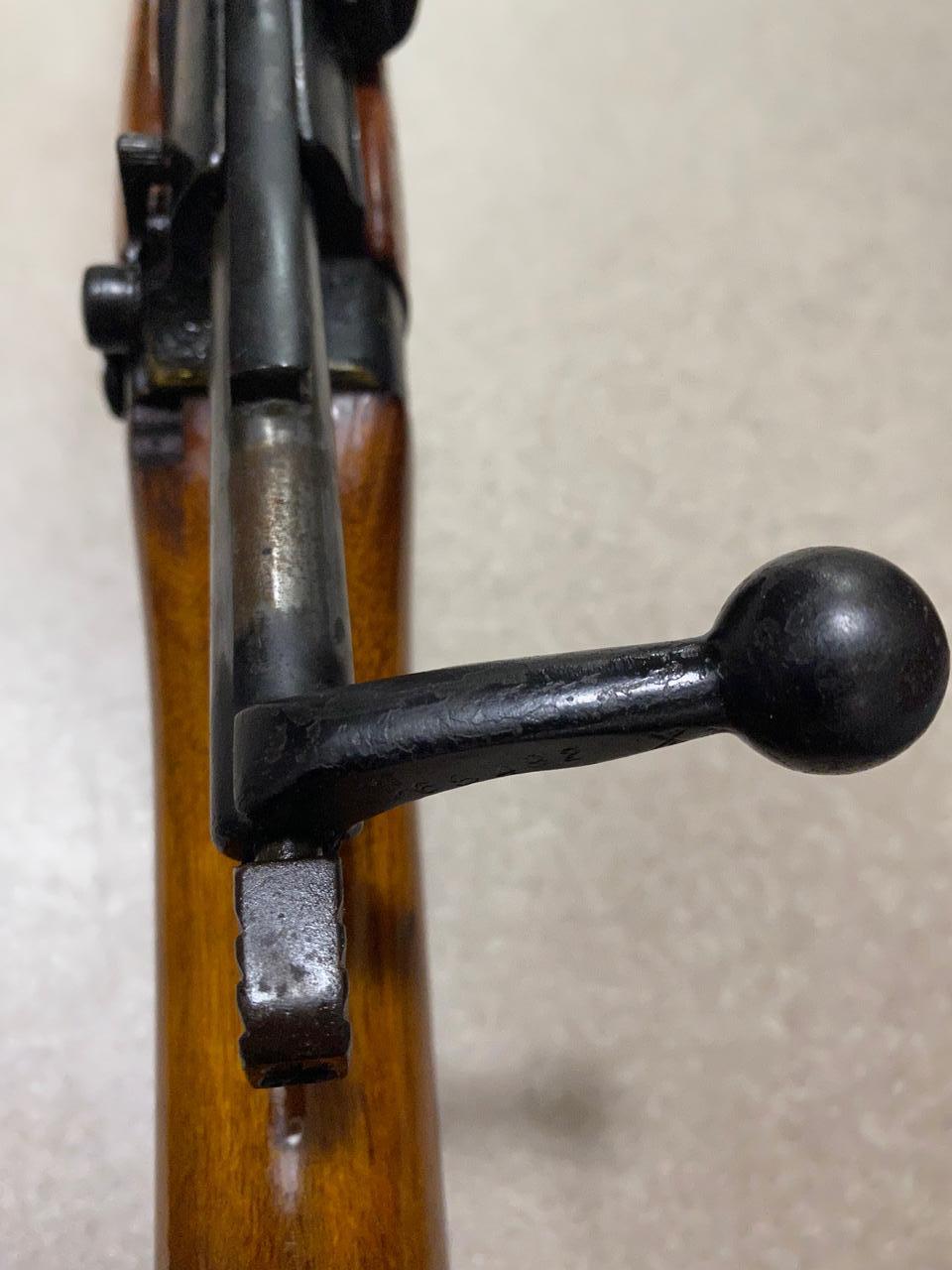
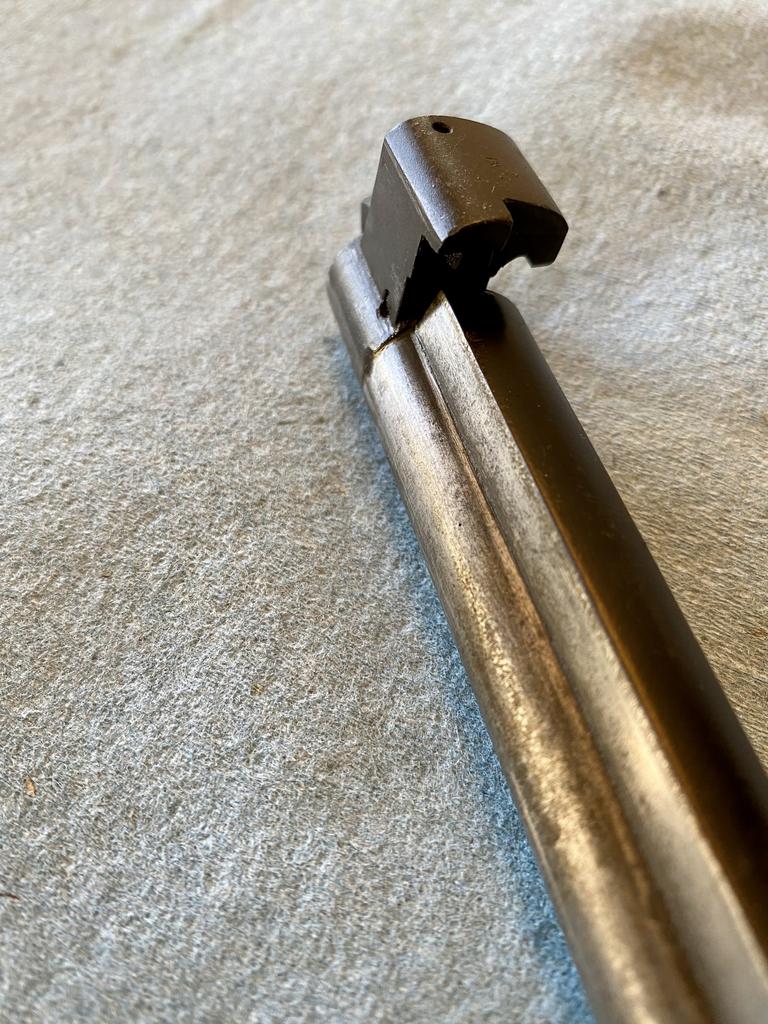
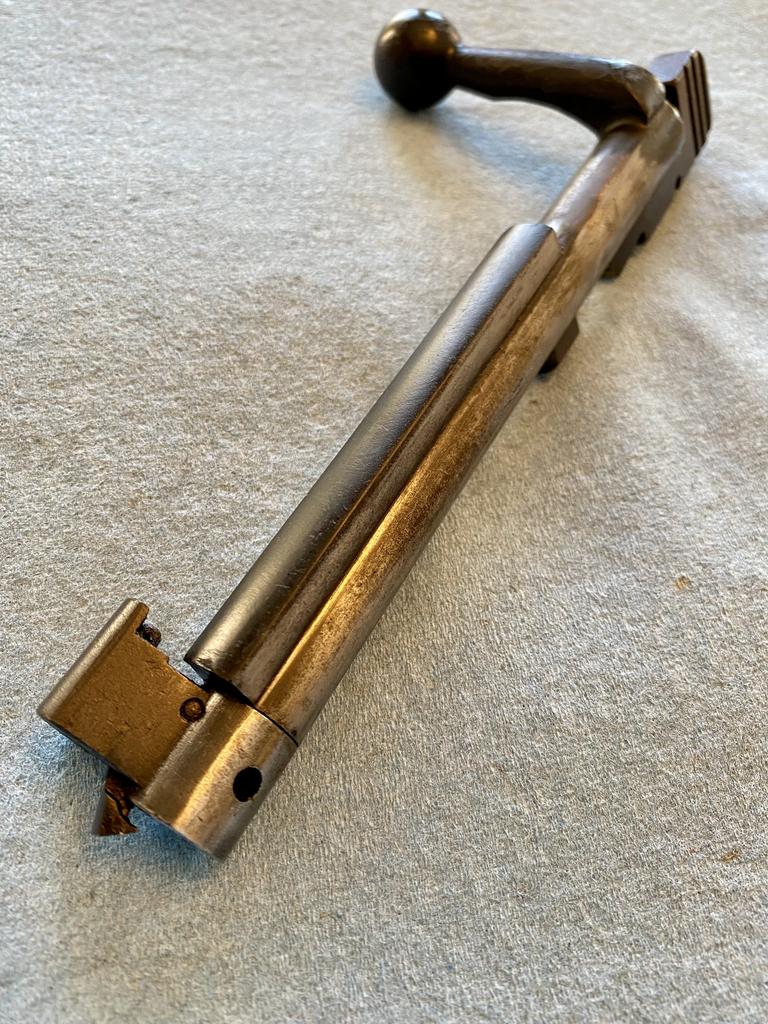
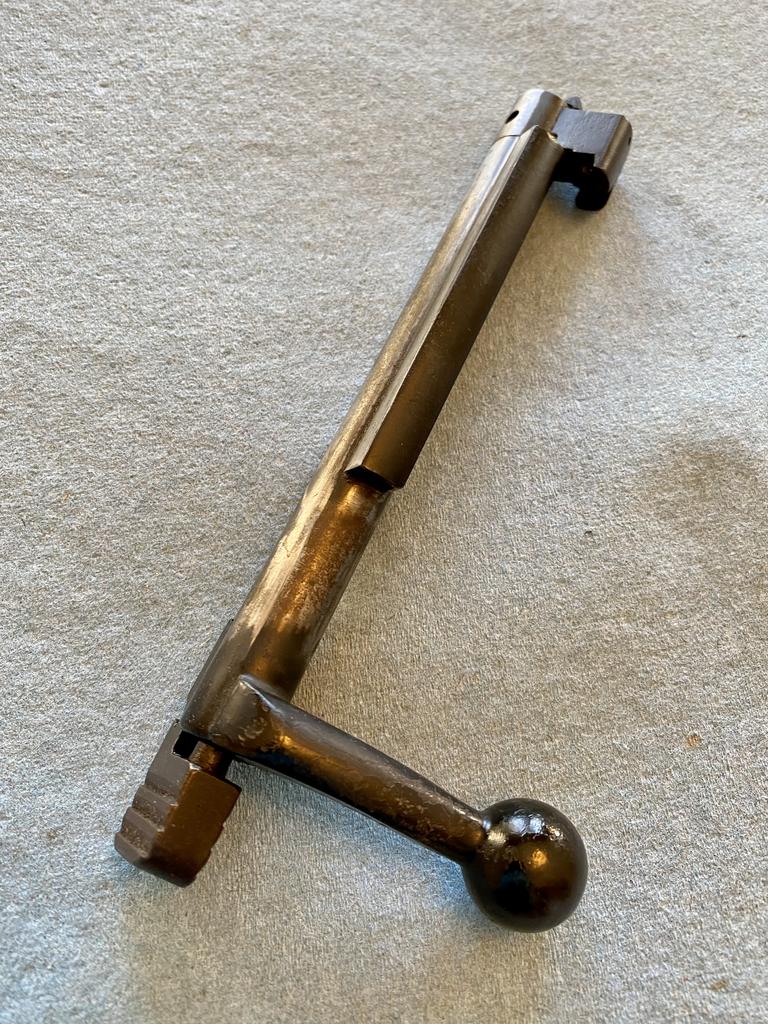
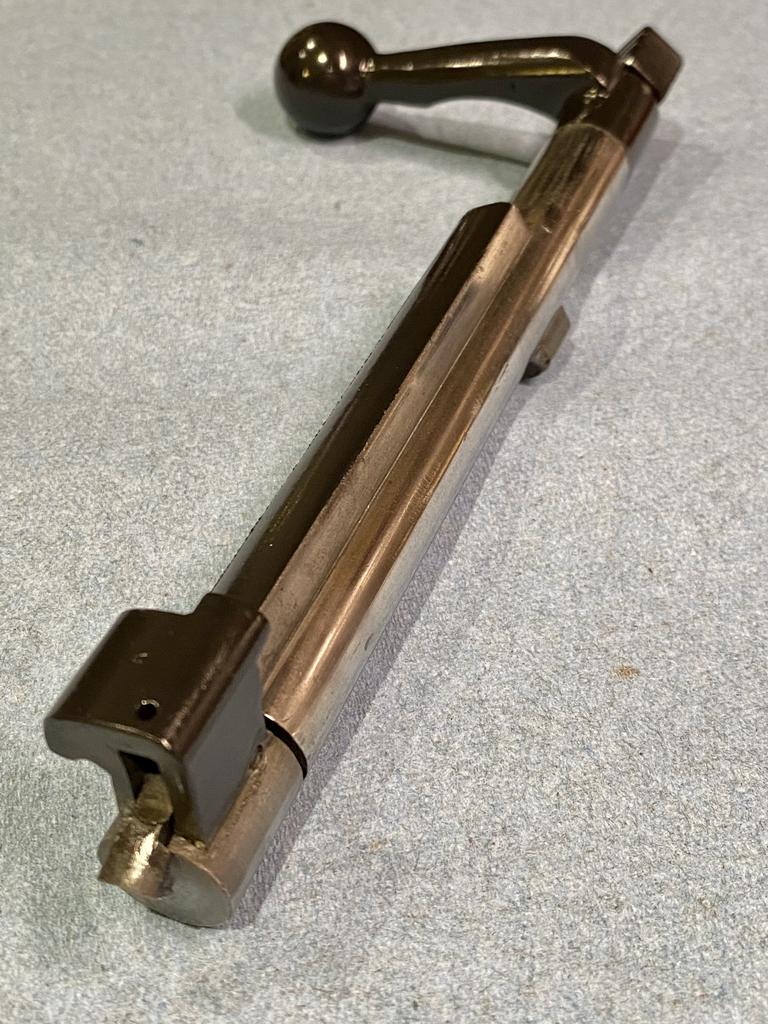
I'm taking care of the bolt now. Pretty rusty with some gunk stuck here and there. Even the bolt face has a slight corrosion going, but not too bad. It's all on the surface. I have to be careful not to remove any metal while cleaning it. Otherwise it's a very healthy bolt with matching serial number. If the bolt head stops at 11:00 and won't go any farther on the threads it's a good sign for sure.
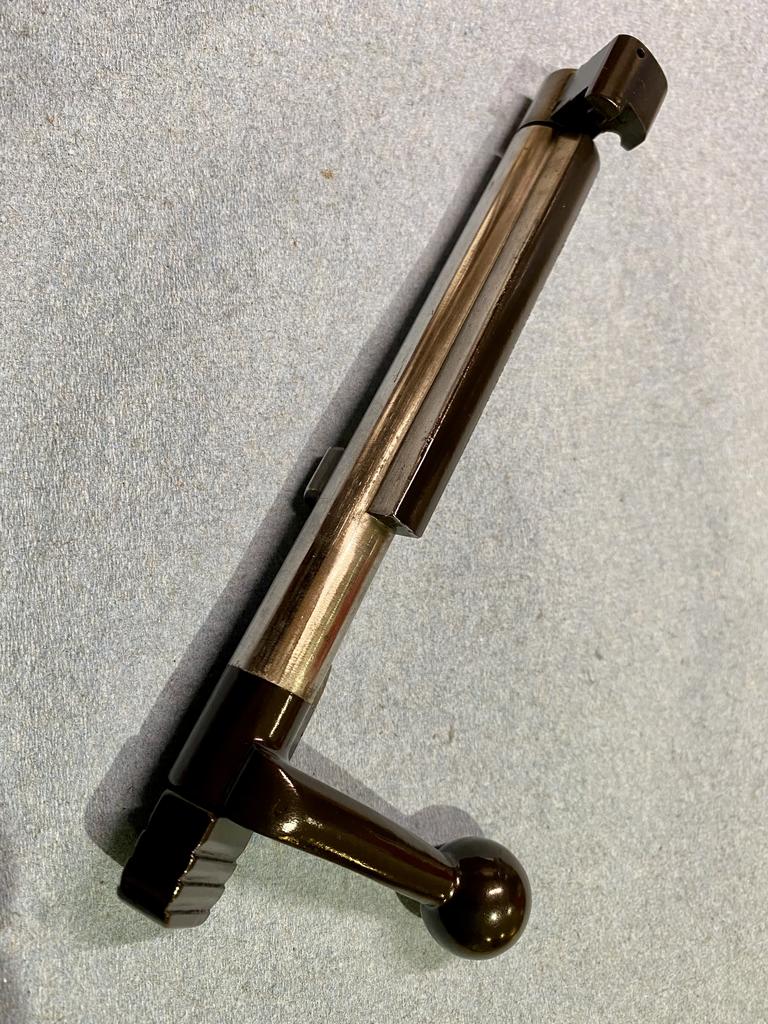
Three days later and the bolt is almost ready. I'm going to finish it with the oil coat on the painted areas and lubricate. I was able to paint it nearly in the last moment. That was the last part to be painted and we expect snow on Friday