Somebody clarify for me what the Inglis/BHP difference is.

We'd have to see decent pictures of the pistol to be able to give a decent estimate of value ....

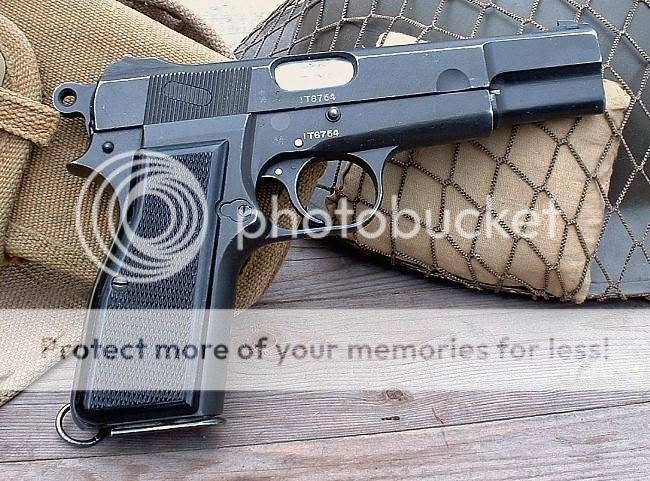
"Apparent" condition on these pistols can be deceiving - most of them which are described as having a "very good" or "excellent" finish have actually been re-finished (frequently in military service) which reduces their collector value considerably. The pistol in the first post, although worn, still has its original "parkerized" finish, which would make it more desirable to a collector than a similar pistol which "looks" a lot better due to having been refinished.

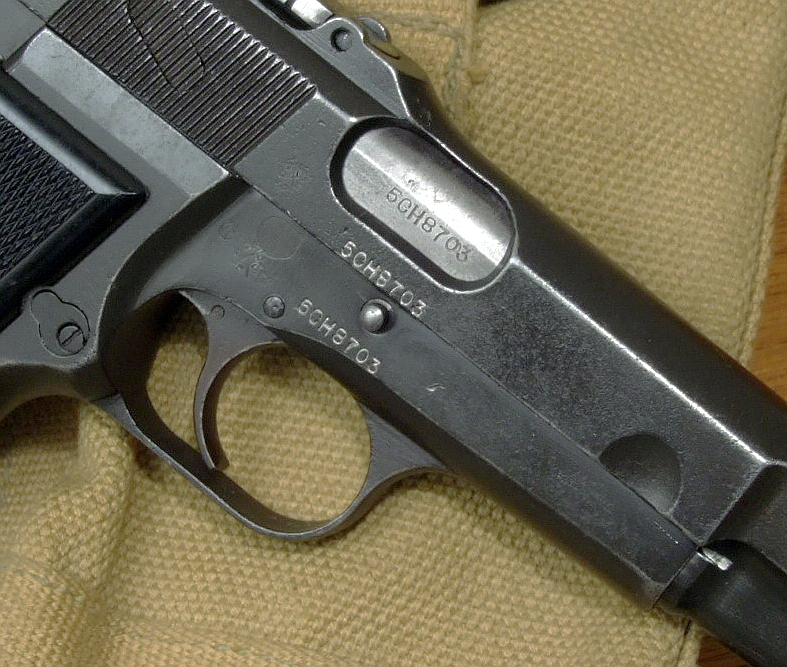
The way you can tell the pistol in the first post hasn't been refinished is the fact that the serial numbers on the slide and frame are "in the white" - i.e. engraved through the original finish into the raw steel, since Inglis pistols were fully finished and assembled and before their serial numbers were engraved on the barrel (through the ejection port), directly below that on the slide, and directly below that on the frame. If the slide and frame serial numbers have been covered with finish, that is a sure sign the pistol has been refinished.

Wooden grips are not correct for an Inglis pistol in original military configuration, by the way, and the absence of the lanyard ring is also unfortunate as that also reduces collector value (and original lanyard rings are scarce ....)
 
This is a very interesting post, and increases my desire to own an Inglis-made pistol, but I think the quibling about whether they are "real" "Browning HP's" is silly. Obviously the Nazi's wouldn't issue a licence to Inglis, but it is equally obvious that the company under Nazi control is even less legitimate than the expatriate directors of the company issuing a licence.
 
..... the quibling about whether they are "real" "Browning HP's" is silly....
Agree fully with that statement, Bushwhacker .... which is why I have ended my participation in that exchange. :rolleyes:

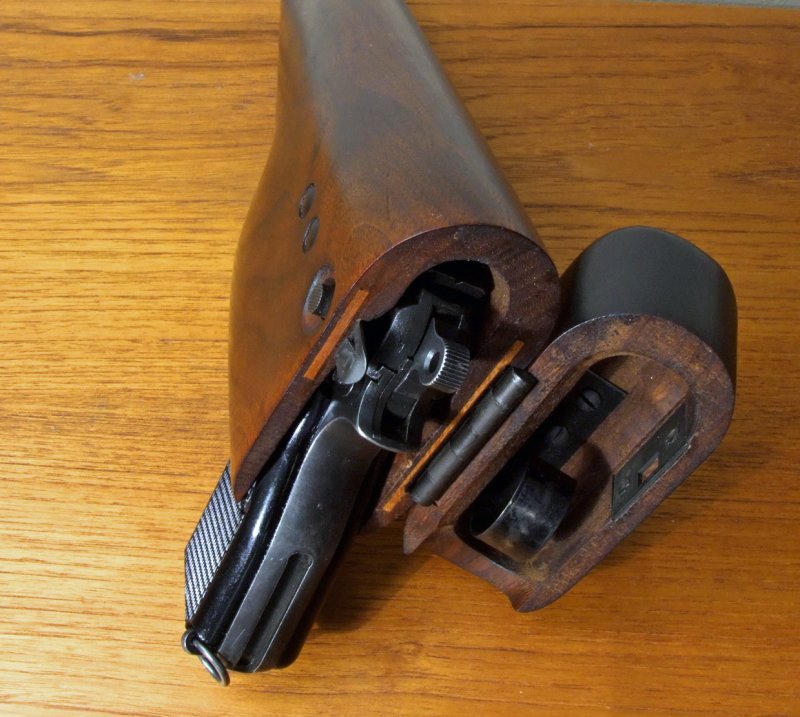
My No. 2 pistol (in private hands since the end of WWII, having been acquired then by an officer whose son I bought it from) has the original finish in quite good shape - and even a fragment of the original decal in place - is a good illustration of the slide and frame serial numbers being "in the white", as produced at the Inglis factory.......

Inglis7aa.jpg


SerialNumbersNo2.jpg


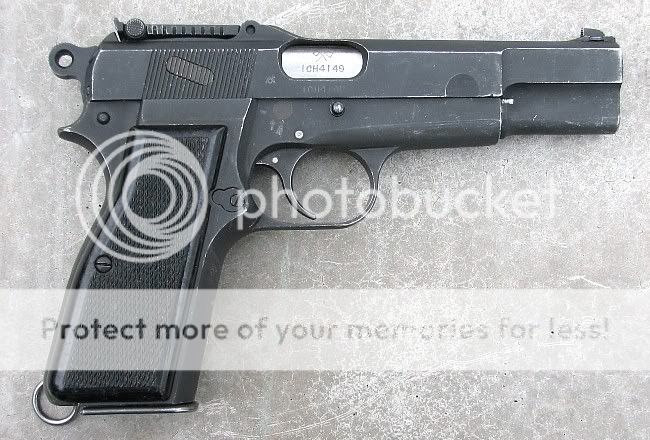
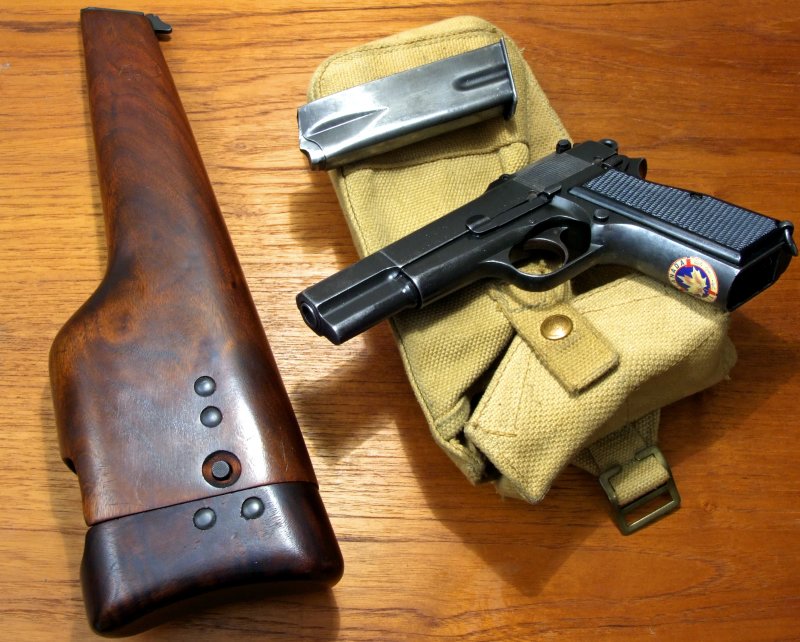
however, my No. 1 pistol has been re-parkerized, so that those two serial numbers on it are covered by the finish .....

1ch_05sm.jpg


SerialNumbers.jpg


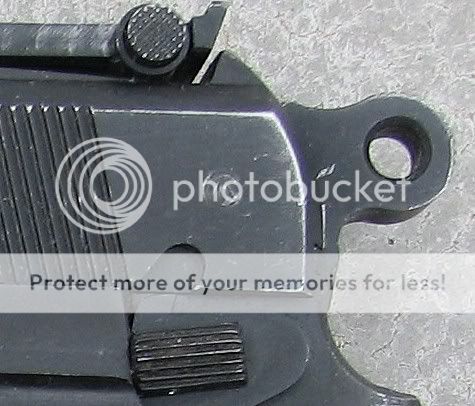
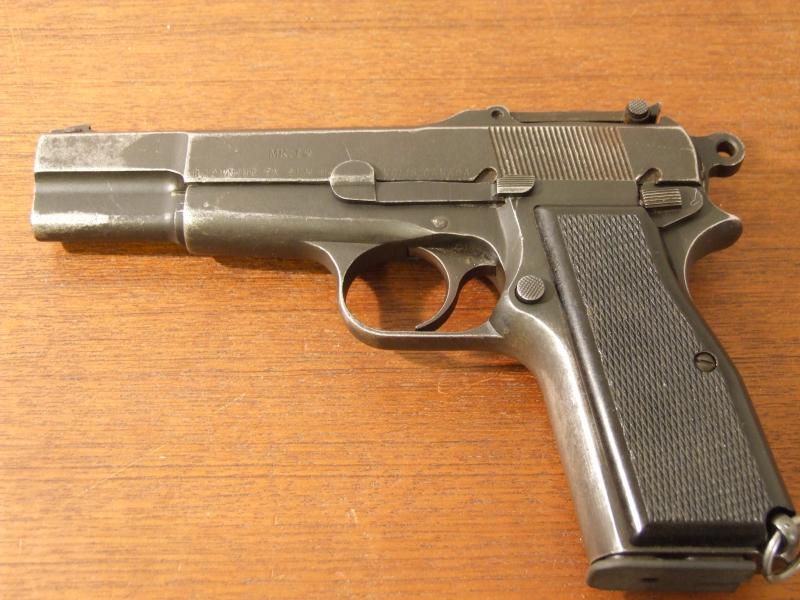
Notwithstanding the refinish of this pistol, I am pleased to have it in my collection, because it is one of the few (of either pattern) which actually received the C-broadarrow Canadian acceptance/ownership stamp on the left side of the slide, at the rear .....

C_broad02.jpg


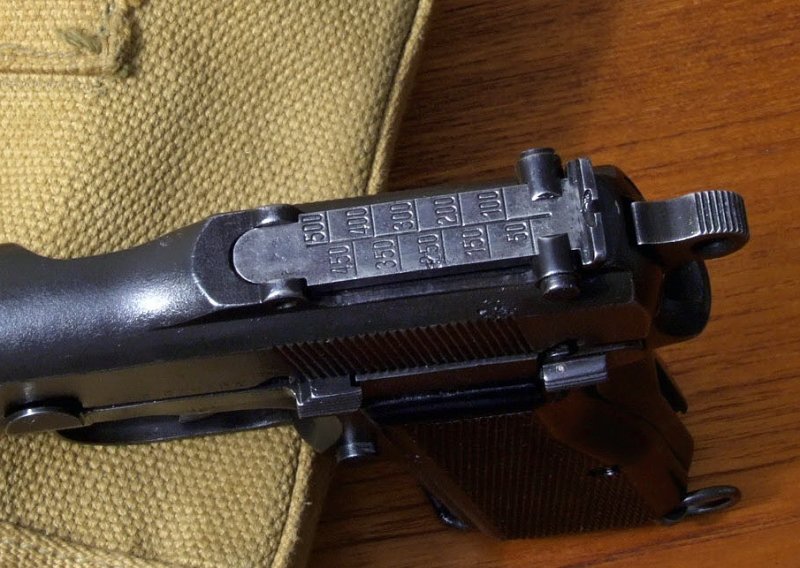
Canada ended up with quite a few No. 1 pistols in its military stores during the war. That was the result of it having proven too difficult to actually deliver the pistols made for China past the Japanese blockade, so production of the No. 1 pistols was discontinued in October 1944, until production resumed in June 1945. The many No. 1 pistols which had been made by then, but not yet shipped, were diverted to Canadian and British use.

After the war, Canada disposed of quite a few Inglis pistols from its military stores, as post-war aid to several nations .... notably The Netherlands and, of all places, Belgium! It was official policy to try to standardize on the No. 2 pistol for Canadian use, so it was No. 1 pistols which were given away. This is one of 1,578 such pistols supplied to Belgium in 1950.

 
Back
Top Bottom