Sometimes good things do happen to bad people! (question, restoration & range pics)

AdrianM

Regular
Rating - 100%
38   0   0
Sometimes good things do happen to bad people! (question, restoration & range pics)

On the weekend I was at an Antique shop checking out a small military display after a friend tipped me off that they had some nice stuff. Turns out it was on consignment from a gentleman that lived nearby. I called but got no answer.

Today at work my phone rang. It was the gentleman who I had called; he took the time to call a strange number back. We talked rifles and he had nothing for me but told me about a guy that had offered to sell him a Long Branch not the day before. Turns out he lived 10 mins from my work! I got his number. I called him and he still had it for sale among other things (Mosin, 1867 Snider-Enfield, couple of Winchester lever guns) and the price was good.

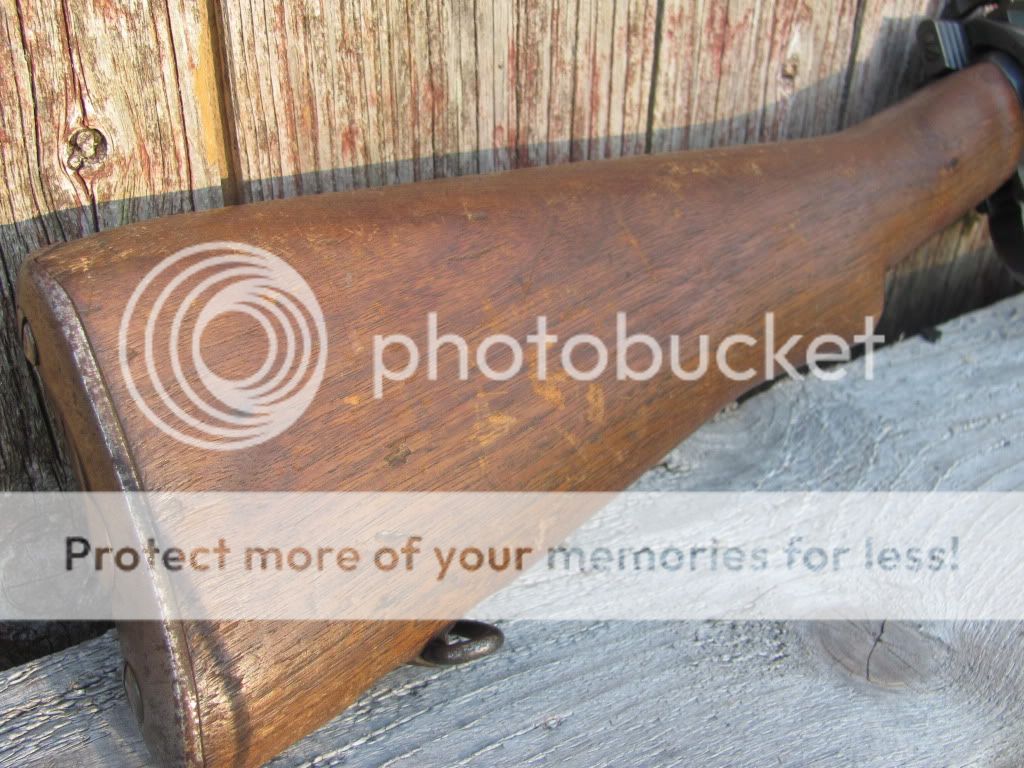
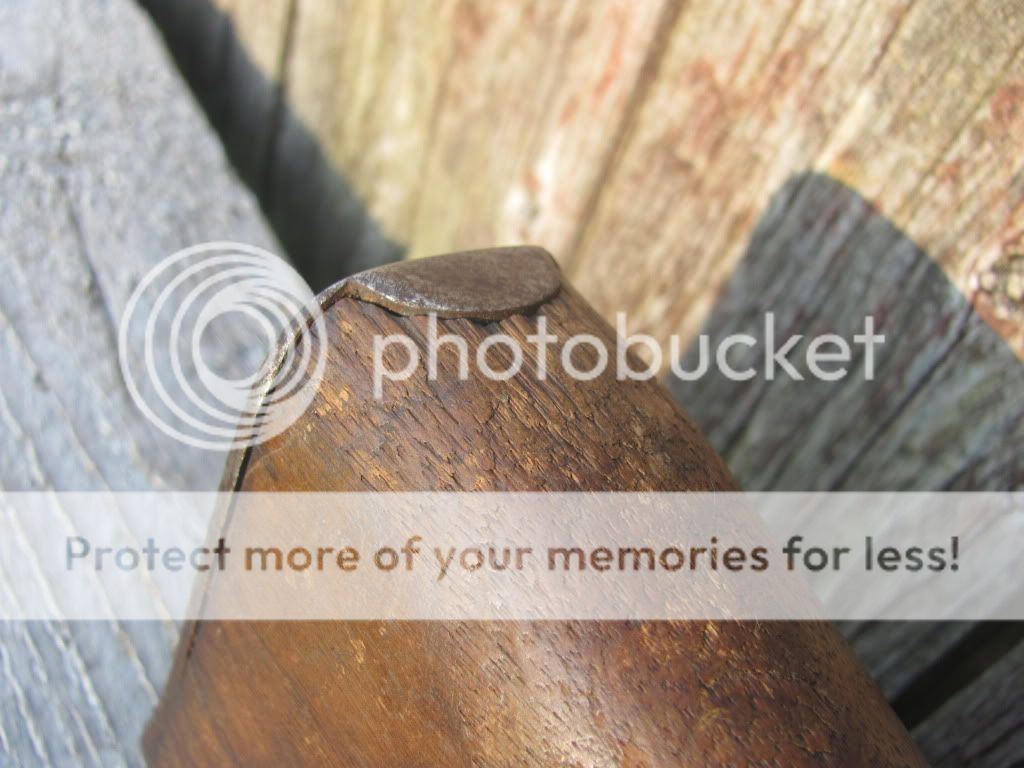
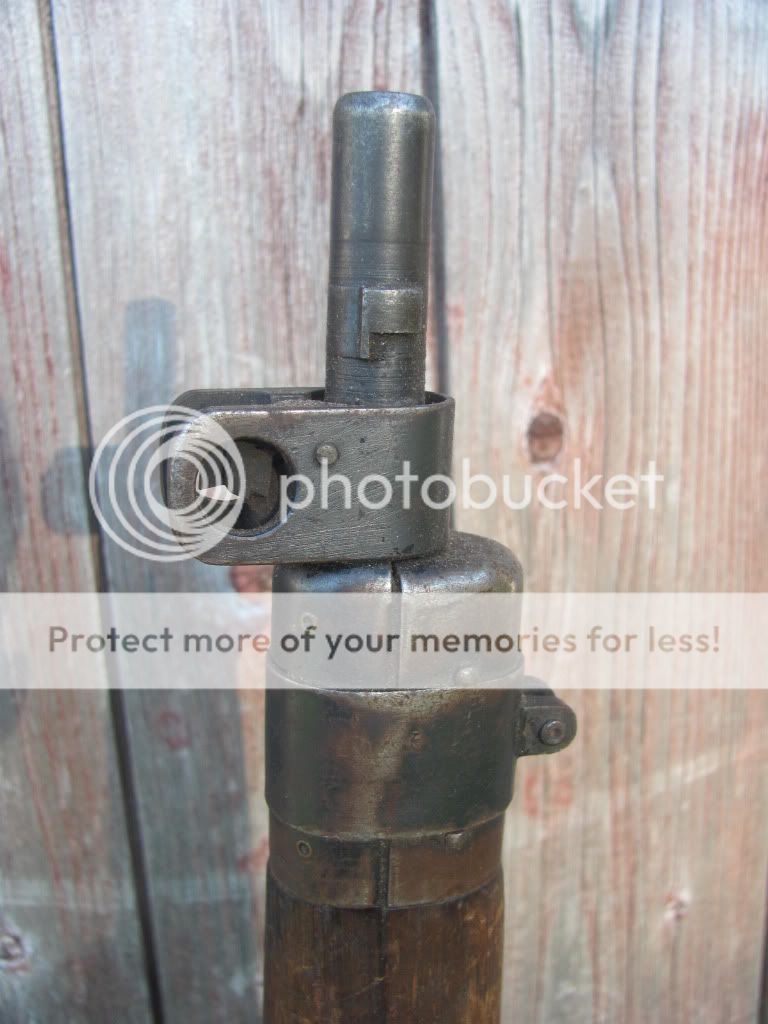
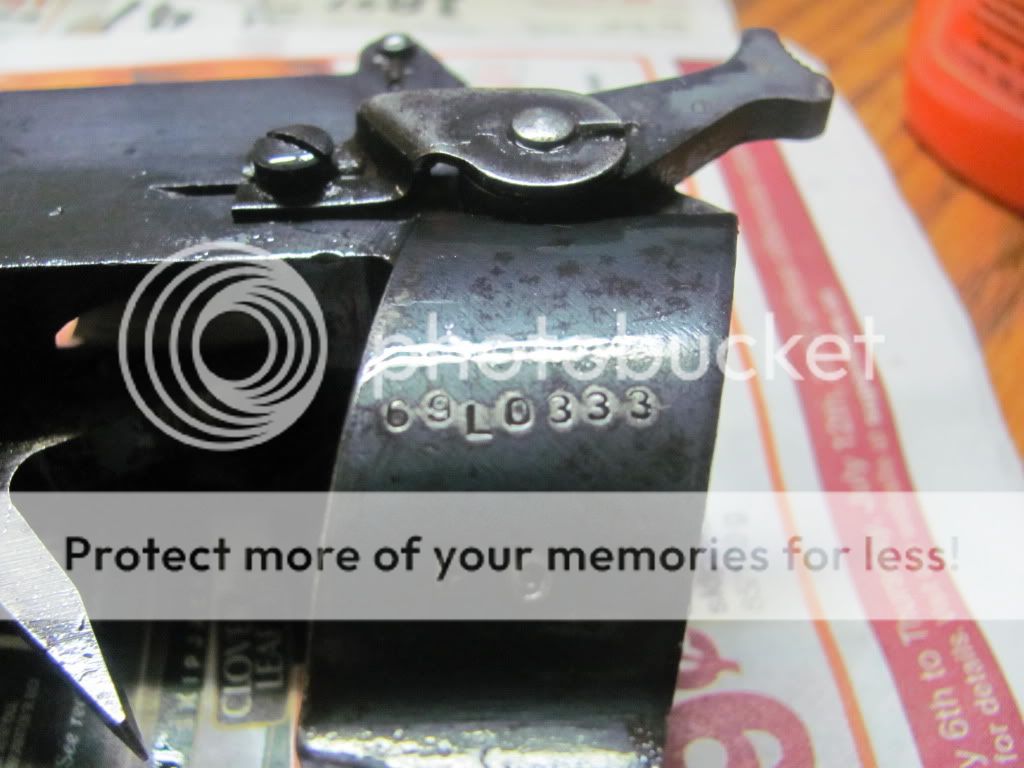
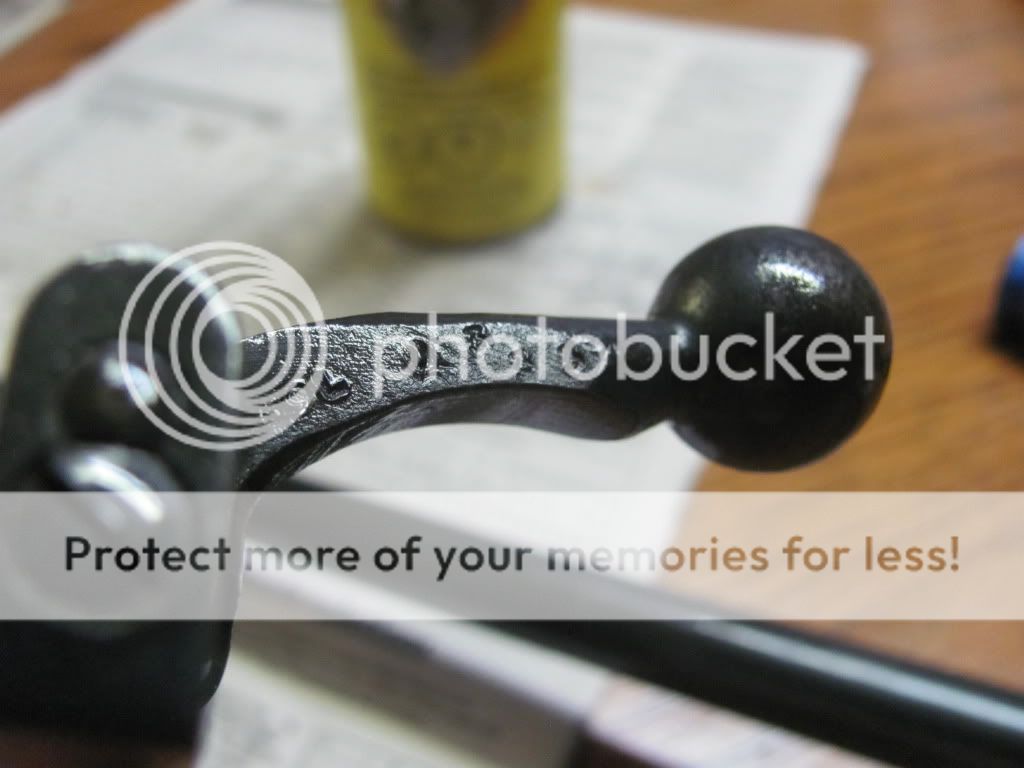
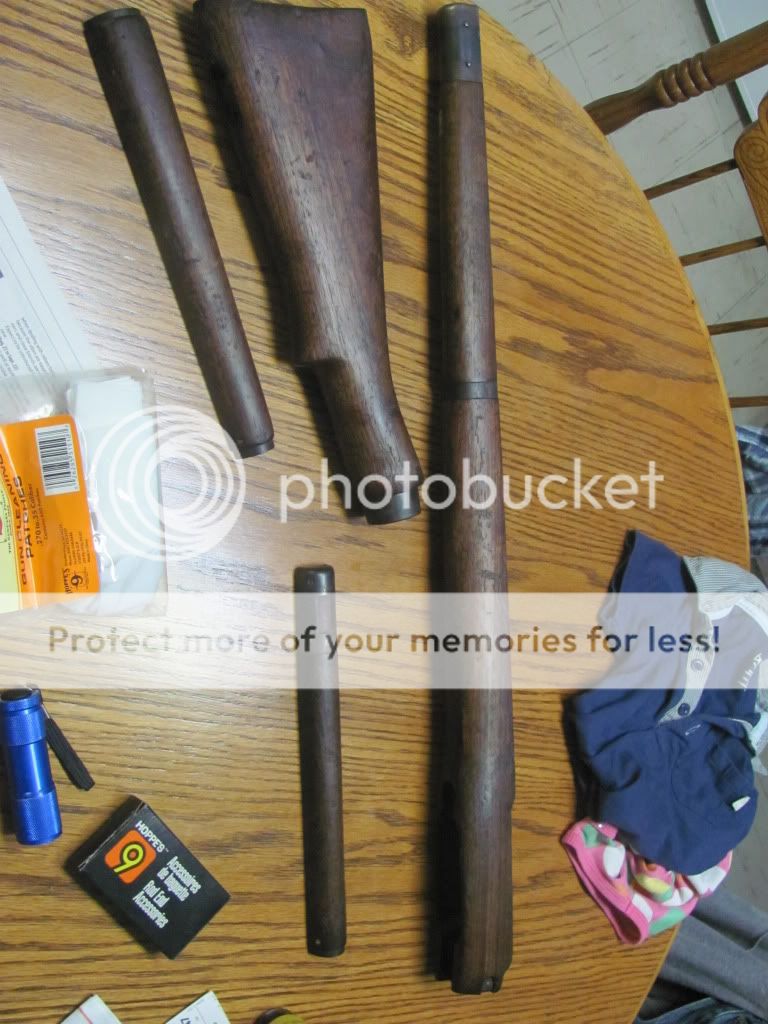
As it turned out the barrel was filthy, the wood was really dry and beat up...but it's matching, the finish on the receiver is okay, and I'm going to clean up the bore and then have another look. The wood has character...okay, maybe a little too much character. But I'll wait on some advice from here on how best to deal with it and go from there.

What can I say...I had to have it. :D

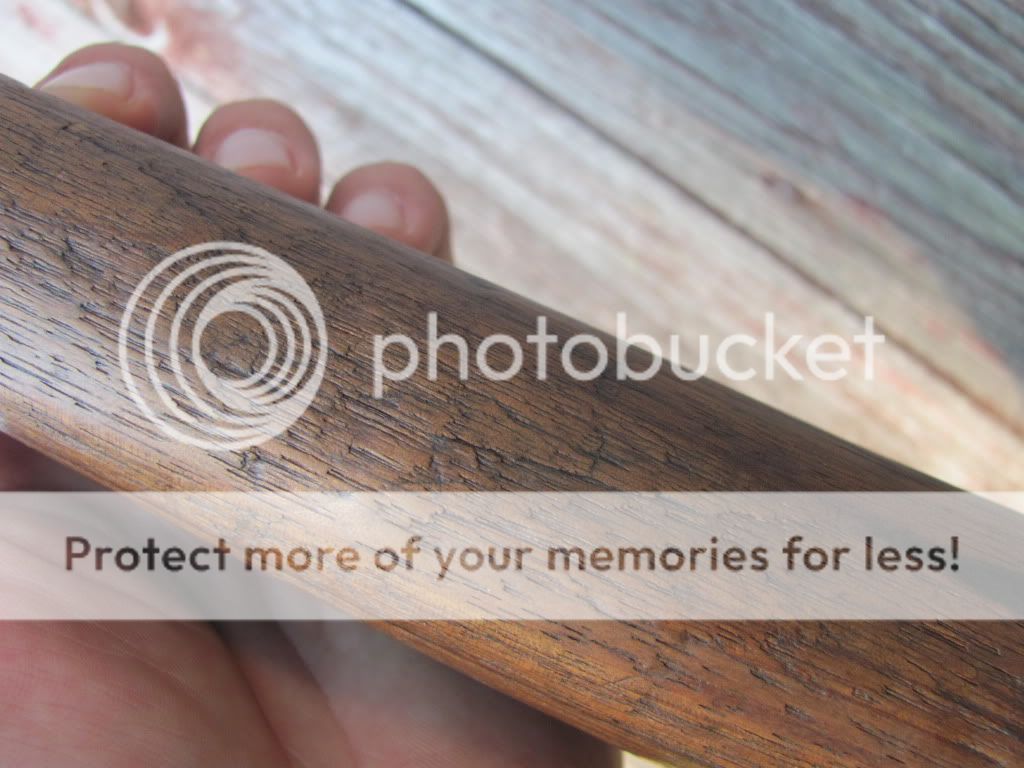
So what should I do with it? A complete tear down and cleaning is a given. How should I best deal with the bone dry wood that is worn to the point of being splintered in some areas? Raw linseed oil for a couple coats and then a coat of BLO?

It's not much compared to some but it's my first and it's just what I wanted...if it shoots.
008-6.jpg

009-5.jpg

010-5.jpg

011-5.jpg


Very rough under the foreend

012-4.jpg

013-3.jpg


An added bonus for me

014-2.jpg


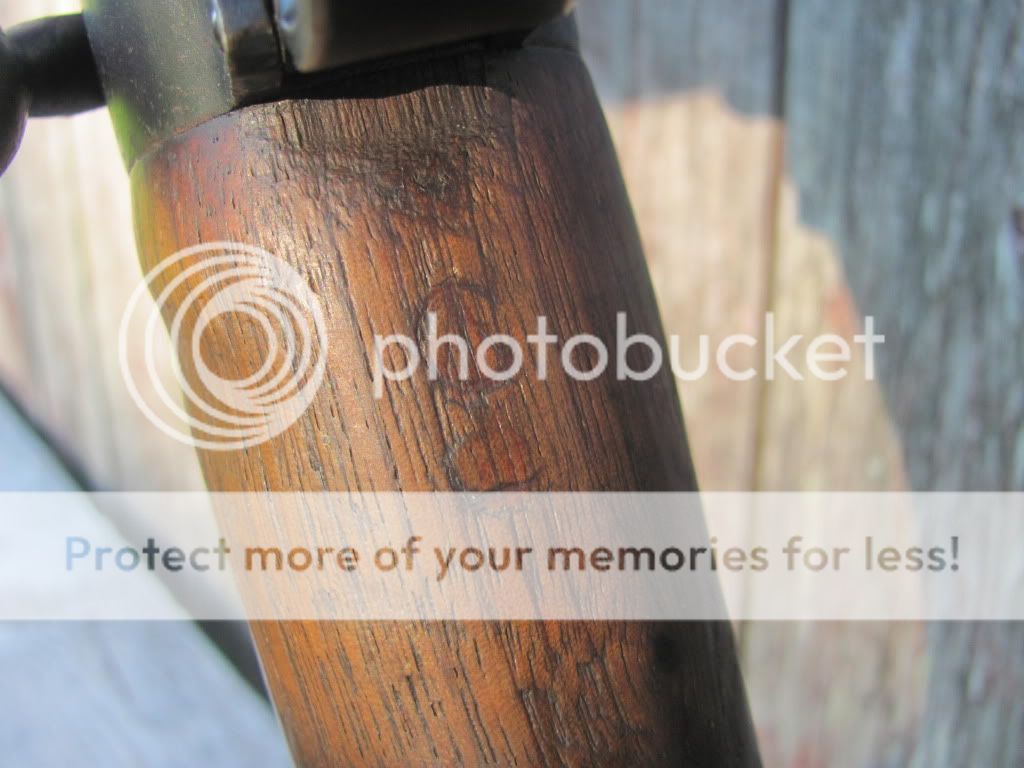
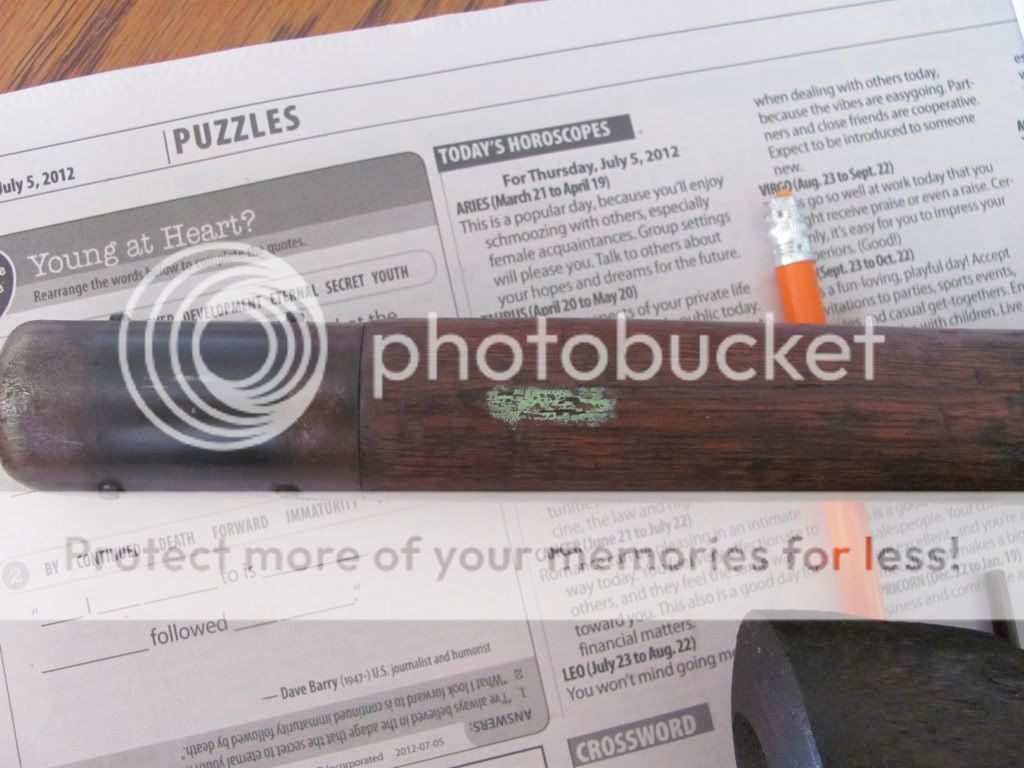
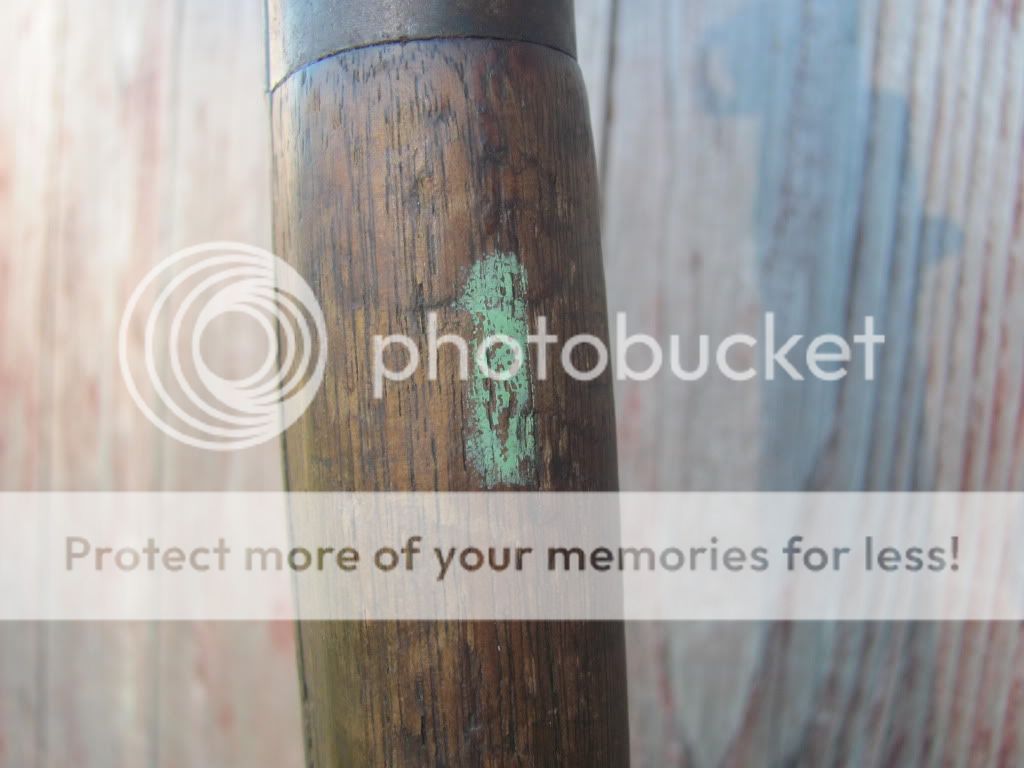
Does this means anything to anybody? It's under the fore end at the muzzle.
016-3.jpg


018-3.jpg
 
Last edited:

Nice score, there's a lot of character there. A gentle clean, a little 0000 steel wool on the naughty bits.

Did the seller tell you when/where he got the rifle?

Peter Laidler wrote a good post on dealing with damaged furniture over on milsurps.com - one of them involved rubbing the rough bits down with a hardwood dowel to smooth out the snags before (during?) oiling. I might have the context wrong but you should check it out.
 
Get some boiled linseed oil and apply a coat a day for a week and a coat a week for a month. Let it sit on the wood for about 15 minutes per application, then buff it off. After the first 3 or 4 coats, only apply sparingly - just enough to wet the wood - and buff it in with your palm. Then re-evaluate. It will likely look good enough.

I would not smooth that wood any - it's got honest wear and doesn't look rough enough to hurt your hands.
 
I would not smooth that wood any - it's got honest wear and doesn't look rough enough to hurt your hands.

It isn't rough enough to hurt the hands. Just very dry.

The seller told me he got it a few years ago when a widow offered him first crack at her husbands rifles. Where the husband got it, he didn't know.
 
Before you oil the wood any actual cracks that go deep into the wood or any of those little chipped out areas that have a loose and "liftable" flake of grain should be glued down. As in if you can carefully put the blade of a knife gently under the edge of the flake and lift it then you have a potential for a very NASTY sliver. Any such should be glued down first to secure them.

The stock has clearly been dragged over some nasty stuff or "benched" on rather rough edges to gain all that wear to the wood. But unless a rag pulled over the areas snags you are not in any danger of getting any slivers. If a rag DOES grab in ways that suggest you'll get slivers if you did the same with your hand I would suggest that a light "de-burring" with very fine sandpaper such as 400 grit would be advisable. I'm not talking about removing the look, I'd suggest you retain as much of the roughness as you can as this is the history of the firearm. But you don't want to be picking pieces of the stock out of your palms every time you shoot it either. So the practicality of the situation is that making it useable takes some priority over keeping it strictly as it is now. Just use the sandpaper as little as you can to make the rough areas JUST smooth enough that you can't pull a sliver from the wood. At least that is what I would do. I know that some will consider even this sort of minimal smoothing to be sacriligious. But I don't want to need to wear leather gloves to save my hands when shooting my rifles. Besides, the history of a firearm did not stop adding up just because it has survived up to now. Rifles of this sort still require proper maintainence now just as they did back when they were new. So doing some repairs to restore the firearm is valid unless you're keen on keeping it locked into a specific day in history. 50 or 100 years the things we do now will be part of the patina then. The key is to do these repairs in a sensitive manner that does not mask over what has gone on before.

Once any gluing and smoothening is done THEN it's time to do the oiling of the wood thing. From the suggestions I gather that LE's were done with boiled linseed. If that is period correct for this particular birth date then great.

On the idea that wood dries out. That simply is not the case. The areas that look like they dried out and "rotted" away are plain and simply due to physical wear and damage over the years. The wood simply chips away with this sort of look. The only thing that "dries out" is the old oil finish. Feeding the wood with new oil on a regular basis will both bind to and restore the old tired existing finish and add a new coat of resistance where needed. As someone posted above an oil finish is never "finished". It's apply then buff off once a day for a week, once a week for a month, once a month for a year and then once a year forever after. Because your rifle is already finished I'd suggest you jump on at the "once a week for a month" to restore and get a nice base and then go with the "once a year for ever after" following the first month. If you will use the rifle under harsh weather conditions then you want to apply feeder coats of the same BLO or whatever more often. When the rain no longer beads on the surface is a wise time.

Folks that don't know about wood always point at damage and call it "dry rot". But dry wood does not rot. Wood that gets wet and then dries frequently DOES rot. And when we find "dry" wood which is damaged we nod knowingly and call it "dry rot".... which is itself a lot of rot... :D It's just possible that your rifle sat in humid conditions for a hunk of it's life and that is the source of the rough areas. But if it had the metal would have become VERY badly rusted. So far more likely it was simply used roughly and suffered from mechanical damage to the surface of the wood in the wear areas.
 
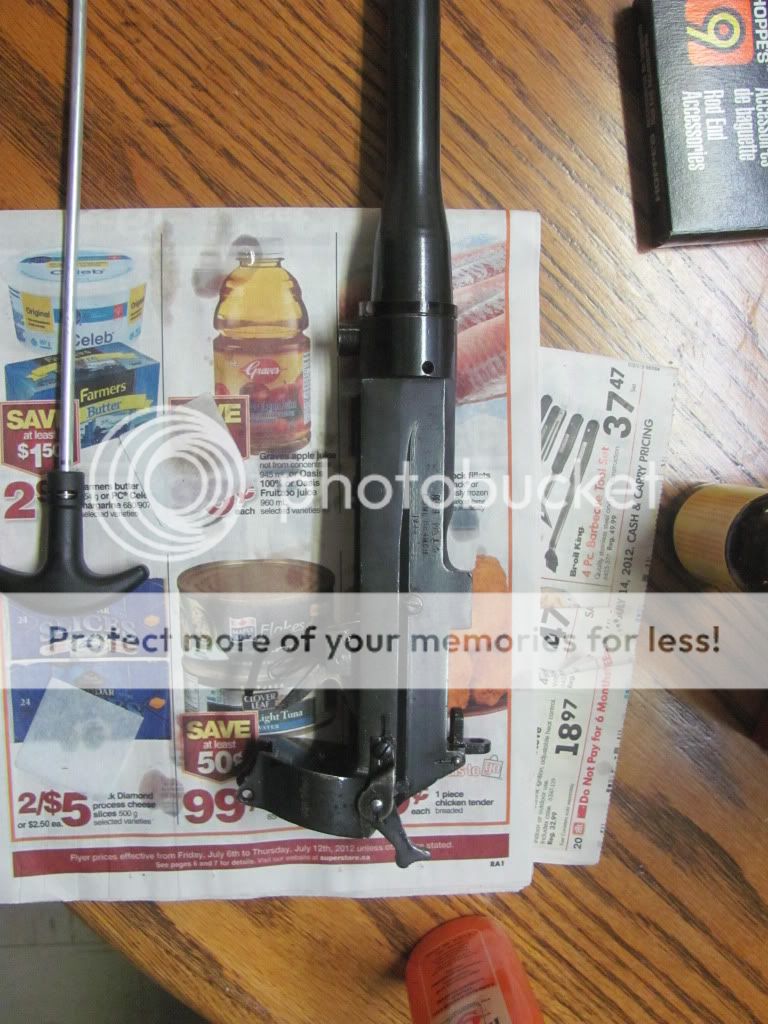
Clean up Pics. It's matching!

006-8.jpg

007-7.jpg


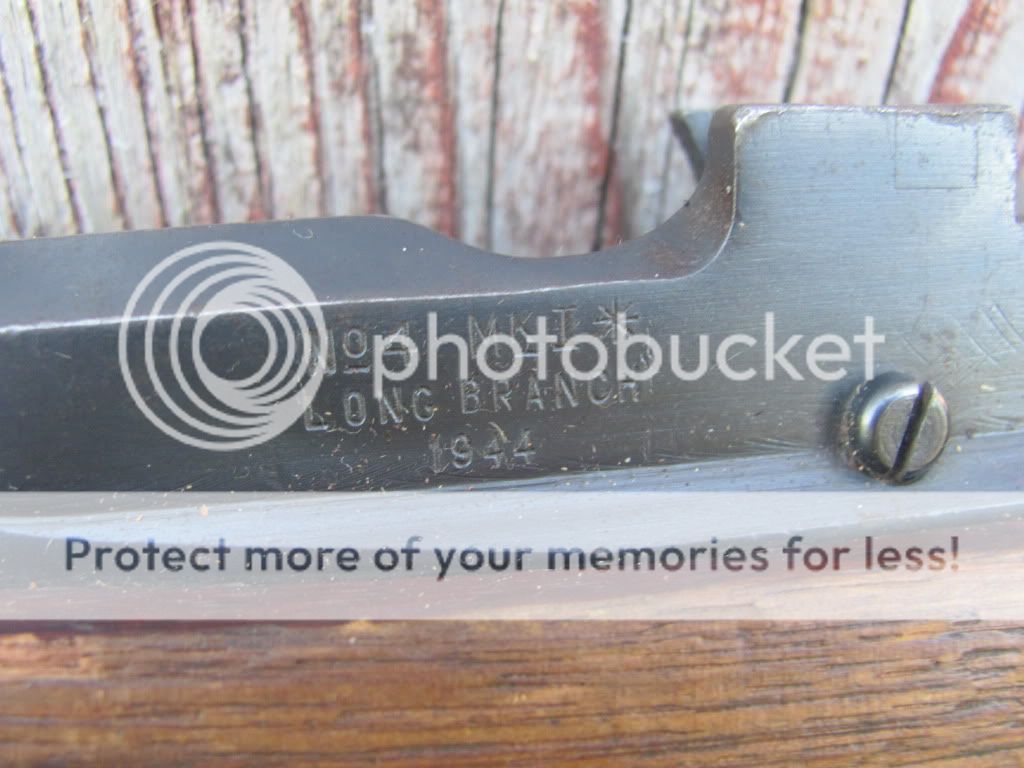
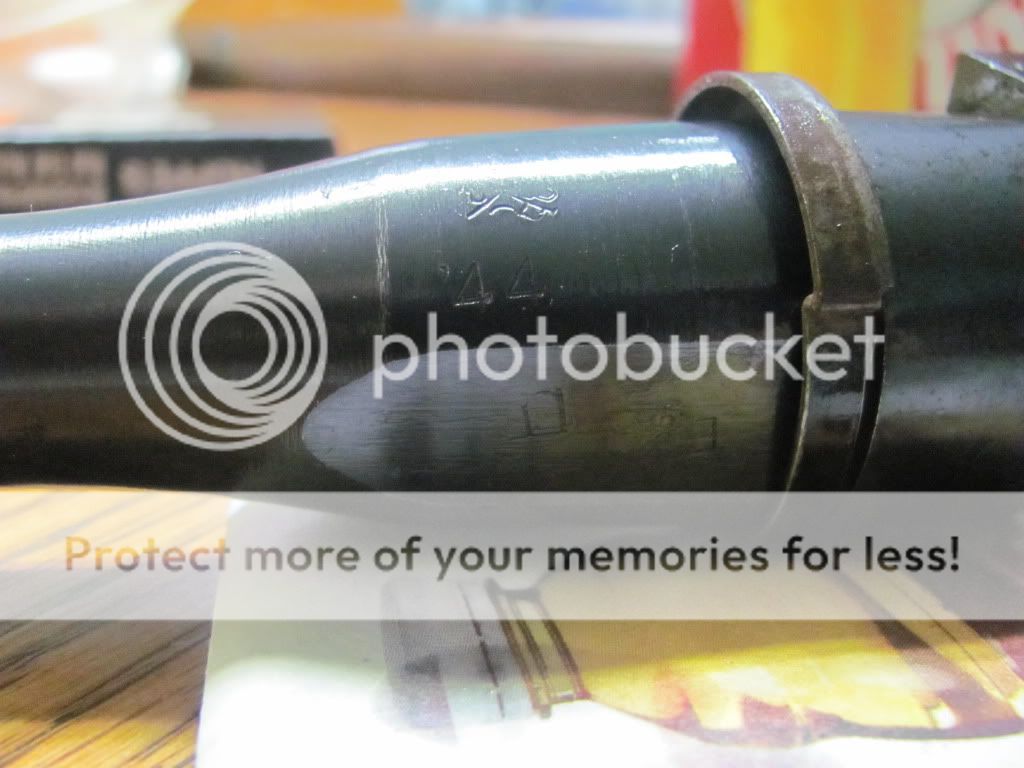
Receiver and barrel cleaned up nice. Barrel is '44 dated.

008-7.jpg

009-6.jpg

012-5.jpg

013-4.jpg


Wood took the first coat of BLO pretty good. One more before I put it back together.

014-3.jpg
 
Wow...a great project you have there!

I actually have some feelings for that rifle!

You're doing a nice job on it and you definitely have something there!

What would be nice is a LB Mk III stamped rear sight for it. Never was partial to the Mk II flip sights, as common as they are. Either would be correct.

How is the bore after cleaning?
 
Does this mean anything to anyone?

This looks like it's pretty old. Does it have any significance?

It looks like a 1 to me.

016-4.jpg


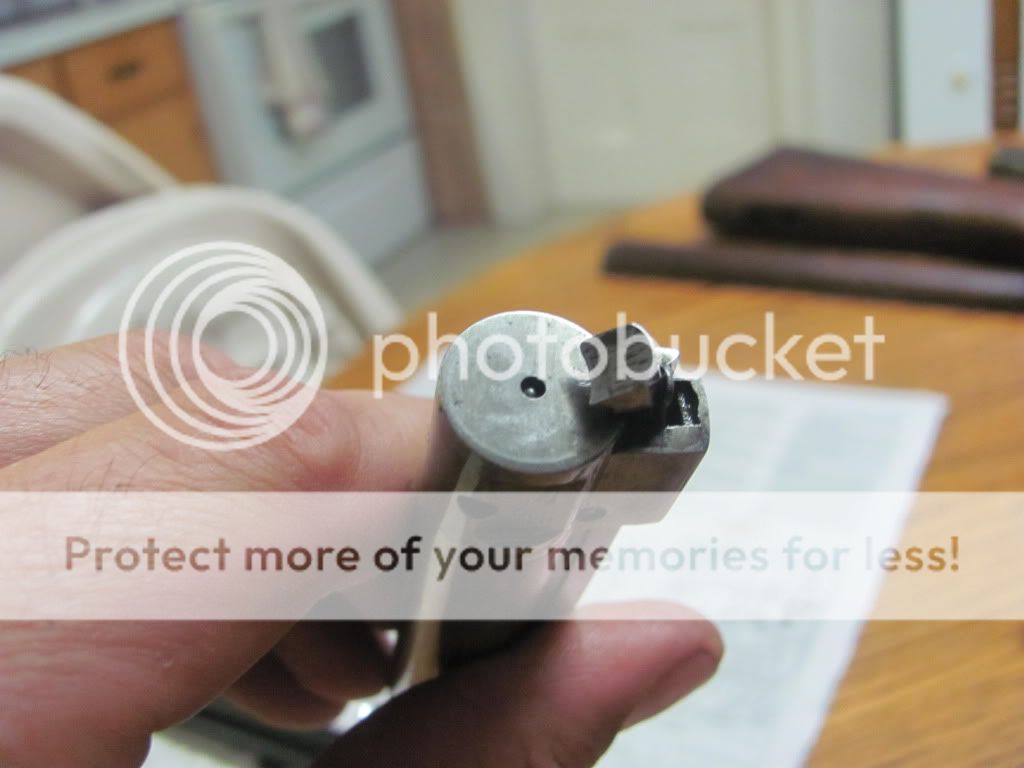
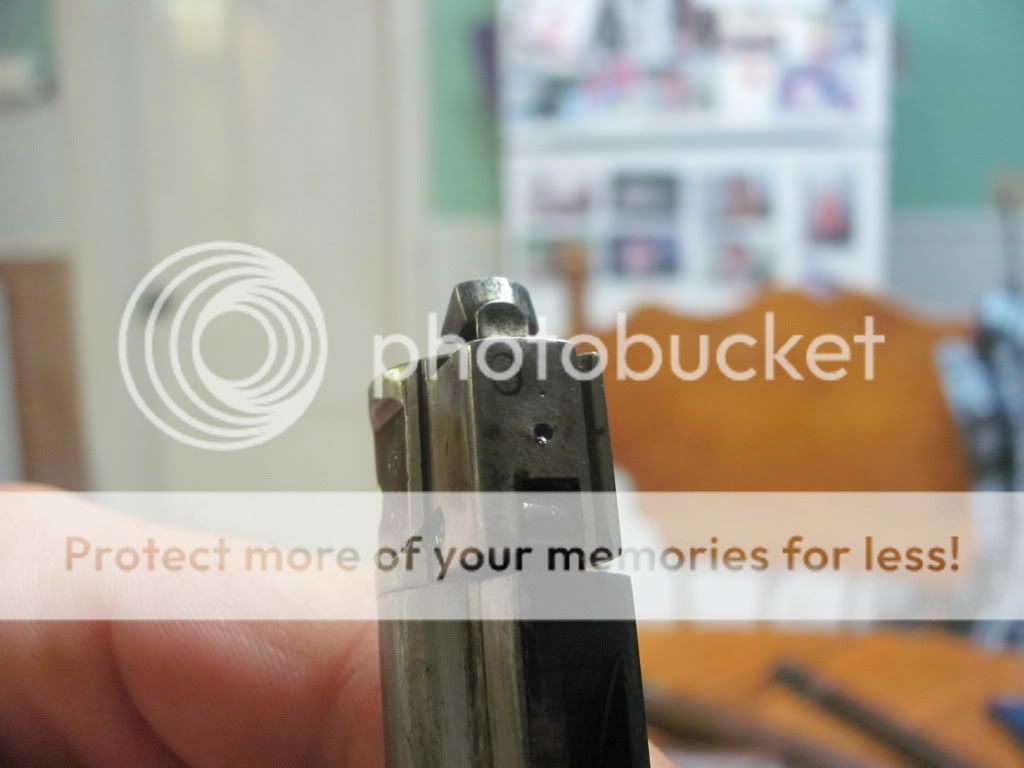
I'd love to know the story behind this rifle. It's beat, matching, but the bolt face is so clean and smooth, it makes me think it hasn't been shot a ton.
 
Restoration Complete / Range Report

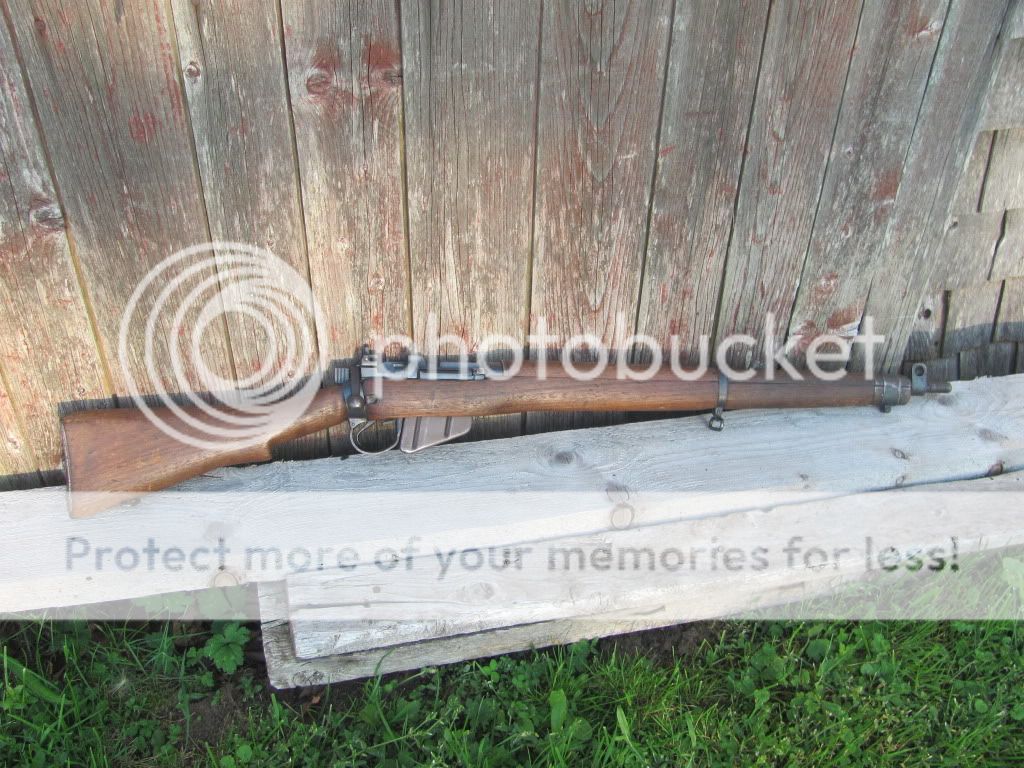
I cleaned it up over the last 3 nights. It came out nice.

017-3.jpg


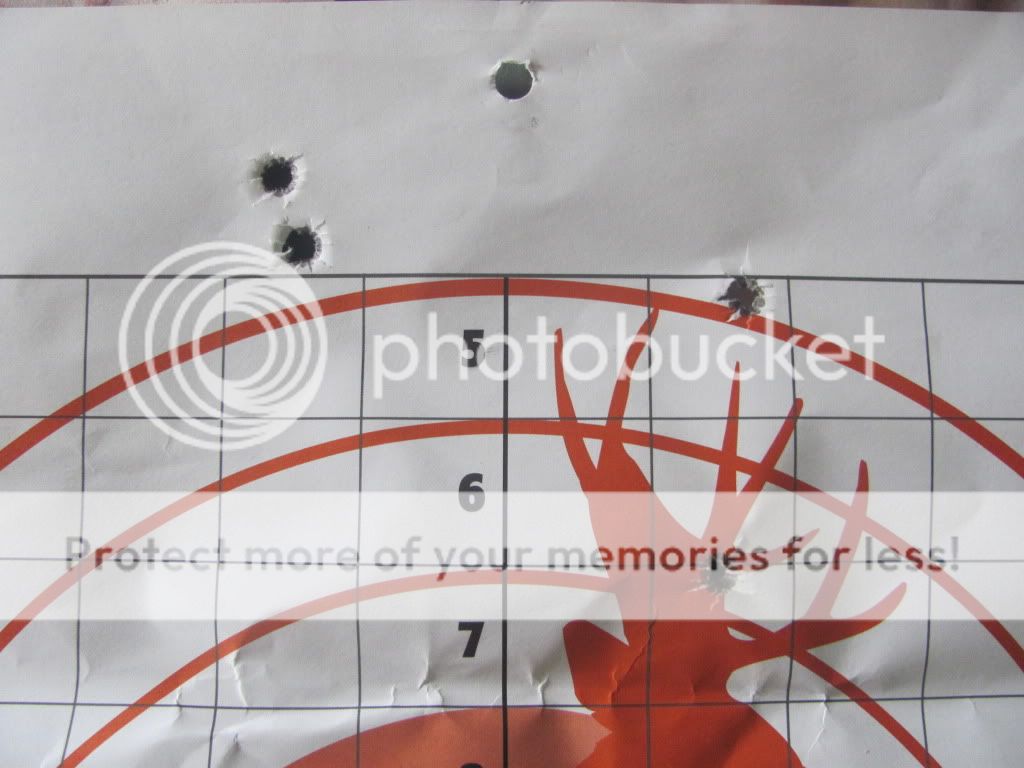
The bore was still rough and dark in the grooves after a lot of brushing, solvent and patches. So I took it out and shot 4 rounds though it and produced this 4 1/4" group at 80 yards. Not bad for my shooting, cheap factory hunting ammo and a nasty bore.

018-4.jpg


Got it home and low and behold...the bore looks great. Not crazy shiny, but smooth with sharp rifling and now the grooves are as clean as the lands.

I'm very pleased with what I consider a very cheap LB that turns out to be matching, a shooter, and a looker!
 
Wow...you got very lucky...shooting it cleaned up a dark bore?? I've heard of it but never seen it.

Got it home and low and behold...the bore looks great. Not crazy shiny, but smooth with sharp rifling and now the grooves are as clean as the lands.

I'm very pleased with what I consider a very cheap LB that turns out to be matching, a shooter, and a looker!
 
.
Try cleaning the bore with "wipe-out" or a similar foaming type bore cleaner. The shooting has loosened up the crud, and you need something that will really get down into the nooks and crannies and get a lot of the rest of the gunk out.

FOLLOW THE DIRECTIONS on the can. I usually plug the chamber with some old rags cut to size or cleaning patches packed fairly tight, then give the bore a shot from the muzzle end. Wrap an old towel or shirt or whatever around the muzzle end so that if you over fill the bore and it starts to foam out, it does not run down the stock.

Good find. You really got bit by the Milsurps Bug. Accept it, there is no know cure, but buying more interesting Milsurps will help easy the feelings. It does have a tendcy to reduce the weight of your wallet though.
.
 
Anyone know where I can get some Wipe-out online?

I haven't seen any at the town gun shops I've been to lately. I live a good ways from everything. :D
 
Looks great

Nice looking rifle you found, I often wonder how many are standing in closets or basements, waiting for a relative to pass them on- hopefully to somebody who will enjoy and respect the history!
 
.
I use "wipe-out" because it is available locally and it seems to work well, especially on dark and cruddy bores. However, there are other products that probably work as well, made by different manufacturers. Most of these are in aerosol spray cans, so shipping can cost money if you order them online.

Try your local gun shops to see if they have anything similar. If not, get them to order some.
.
 
Nice man. I just scored a an LSA NO.1 MKIII (bubba'd), for free from a mate who's joining the army and trying to clean the bore up. I tipped a jug full of boiling water down the tube to open up the pores, then smeared autosol on a nylon brush and gave it a good scrubbing. Washed all the crap out with brake clean, now I'm letting it sit with kroil in the bore. Might have to try shooting it like you did.
 
Back
Top Bottom