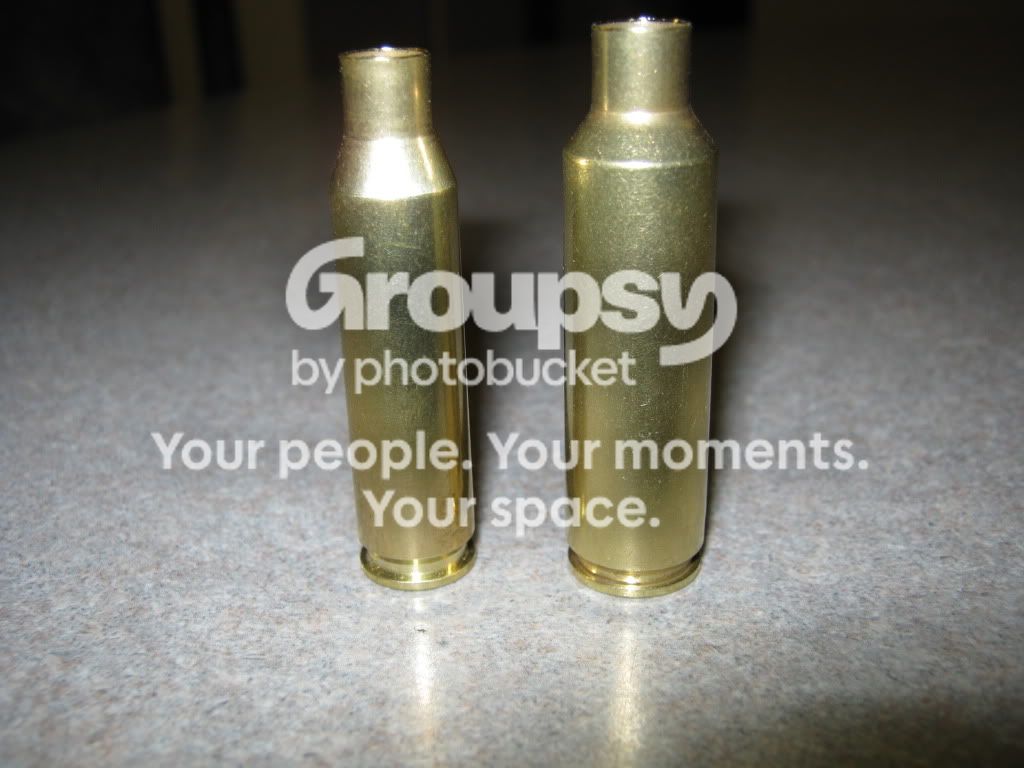
Strange problem here. Need advice

Did some thinking on this while I was bluing a barrel this afternoon ...

What is your cleaning process? Is there a chance that the inside of the shells is contaminated somehow (either cleaning media or resizing lube), thereby "fouling" some of the powder and in essence causing a reduced load in the once fired brass?
 
Did some thinking on this while I was bluing a barrel this afternoon ...

What is your cleaning process? Is there a chance that the inside of the shells is contaminated somehow (either cleaning media or resizing lube), thereby "fouling" some of the powder and in essence causing a reduced load in the once fired brass?

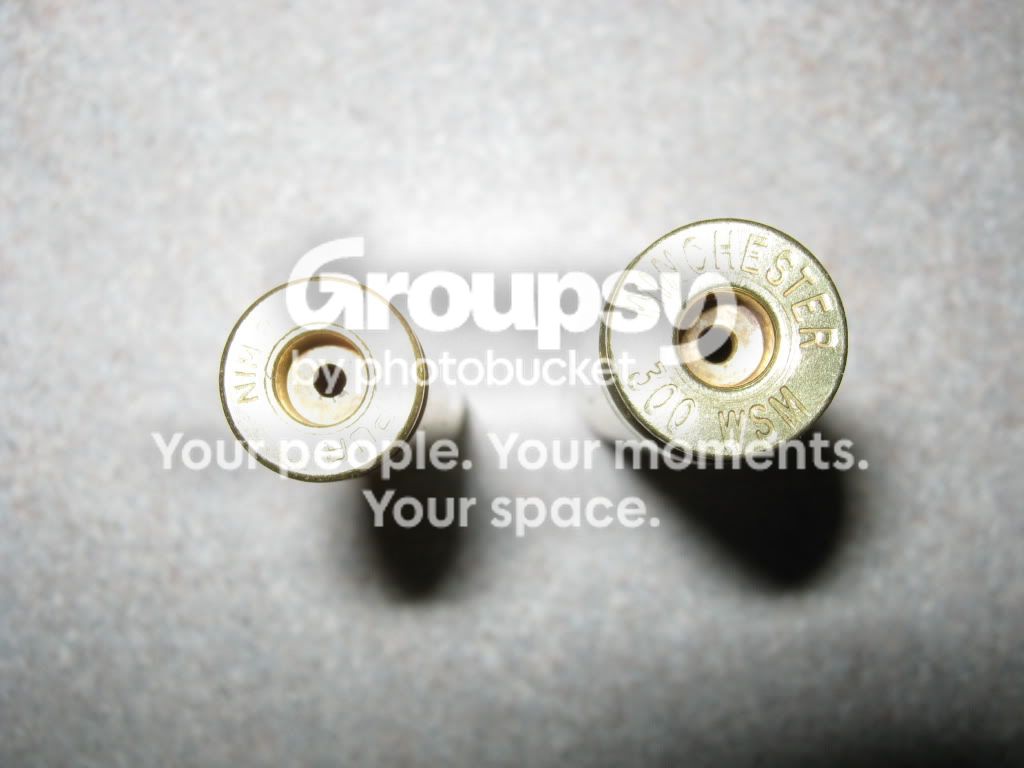
I put my brass through a sonic cleaner then a rock tumbler with rcbc walnut shells for polish. I will share my sonic cleaner recipe if anyone wants it. It so cheap and works very well.http://i1107.photobucket.com/albums/h384/mycrf450/Picture001-1.jpghttp://i1107.photobucket.com/albums/h384/mycrf450/Picture005.jpghttp://i1107.photobucket.com/albums/h384/mycrf450/Picture003.jpg
 
Picture003.jpg
[/IMG][/IMG]

Try this picture thing again.
 
cdn shooter

What are you trimming cases with? If trimmed case mouth is uneven bullets cannot seat straight. Bullets with base scrapes and scratches will shoot poorly. Avoid trimmers that use a case mouth pilot to align case to cutter, and use a case collet to hold cartridge.
 
What are you trimming cases with? If trimmed case mouth is uneven bullets cannot seat straight. Bullets with base scrapes and scratches will shoot poorly. Avoid trimmers that use a case mouth pilot to align case to cutter, and use a case collet to hold cartridge.

I use the lee trimmer. I'm sure you know how these work but they have a collet that aligns in the case mouth and a pin that goes through the flash hole and bottoms on the shellholder.
 
I would check the run out on a loaded round and compare with both types of brass, although usually it's a bullet and/or seating depth problem, but it must be something related to brass prep, what make of dies are you using?

Case run out can be horrible after passing your brass through the resizing process. If you are using the same load with both fresh brass and resized brass, my bet is your case neck is being tilted by resizing. I had to return my RCBS die to get a replacement (which they did gracefully and promptly)
 
Measure new bras neck diameter before and after seating a bullet. This will tell you how much thousands of an inch neck tension you have.

Set up your dies how ever you need to so your once fired brass have the same neck tension after being sized.

Your problem should be solved untill the brass work hardens.


Neck tension is much much more likely to make differences in accuracy than, neck thickness, bullet run out, flash hole deburring, weight sorting, tumbling, neck uniformity...all added together for your average hunting rifle.
 
Back
Top Bottom