












































You are using an out of date browser. It may not display this or other websites correctly.
You should upgrade or use an alternative browser.
You should upgrade or use an alternative browser.
The Outfitting Year in Pictures on the Wild Coast
- Thread starter Ardent
- Start date

buckbrushoutdoors
Regular
- Location
- fort saskatchewan AB/Edson AB
Thanks for sharing, look forward to hunting with you in the near future.

pete dobinson
CGN frequent flyer
- Location
- Courtenay BC.
Excellent post as usual Ardent. Beautiful pictures, thanks for sharing. Cheers!


- Location
- Brant County, Ontario
Some of us would be interested in a gear list for this hunt...
Good idea!

Ardent
CGN Ultra frequent flyer
Thanks guys for the kind words, and buckbrush look forward to it too. Will drop you guys in some deep wilderness, have a few spots in mind.
Sure ruger22 good idea, I'll post the list shortly.
Sure ruger22 good idea, I'll post the list shortly.
Ardent
CGN Ultra frequent flyer
Gear list for mountain goat (bear in mind I'm packing most of the gear, this is the client's personal items and limited as there's no camp / food / cooking etc).
Fly in hunts, do what you can to limit pack with rifle to 40lbs and 30 is better, small and light is critical! Just remember this is mountaineering but harder, you can't use trails and you come back heavier, when far more tired. Ounces matter and your physical condition is critical to success, the easiest pounds to shed from your load are on the waist line.
Rifle - Don't feel compelled to over gun! A 6lb .270 will bring you more opportunities than an 8lb .300. Ideal rifles for this hunt are Kimbers, or other rifles that come in at 5 1/2-7lbs range all up. My personal mountain guns are a pair of Kimber 84Ms and a Sako Carbonlight, the lightest of which is under 5lbs pre-scope, for reference. When choosing a scope, don't sweat large magnification, I use a 2-7x; weight is again the #1 consideration. A 300 yard shot is easy at 7X, the next 5X to a 4-12X often isn't worth the weight penalty. If you don't own a rifle under 6 1/2lbs ask about loaners, I have several suitable guns, a Mountain Goat hunt is unfortunately not the place to take a rifle for sentimental reasons, both for the damage the rifles incur and the weight of typical favourite rifles.
When we are buying titanium sporks to save an ounce, pounds off the rifle are hugely important. The importance of light weight gear will quickly be impressed when on the rocks. Flat shooting, fast chambering's with a premium bullet (TTSXs, Swifts, GMXs, Partitions, etc) like the .243 (only premium bullets), .257 Weatherby, .270 Winchester and WSM, .280 and .280 AI, the various 7mm Mags, .300s only if the rifle is very light are my recommendations. On sight ins, with flat shooting guns I recommend a 300 yard sight in, most fast cartridges with reach this without rising more than 3 1/2" above bore. This puts you on for a dead hold right to 350 yards, no thought required.
This all said: Not all budgets are unlimited, and some folks are most comfortable with a rifle they are extremely familiar with or have memories with. If so there will be no judgement! Number one we just want to see you with a gun you've shot a lot, ideally to 300 yards. We hope for shooters to be proficient at 300 yards, and this is the longest shot there would be any expectation of a client taking. If you can shoot further, that's fantastic, but we'll work to put you inside 300, and anticipate shots of 100-250 typically. Pack twenty rounds, and take 10 rounds up the mountain, and purchase a gun tube sock if you want to protect your rifle on the plane.
Outer Wear
I've found the Sitka and Kuiu stuff to be excellent. Wear it as your outer clothes, and it's fairly weather resistant. Have it on as your clothes when boarding the float plane. Generally you'll wear this outer layer, a breathable waterproof suit, as your one outfit for the whole hunt and change layers underneath.
Also pack a rubber solidly waterproof rain jacket, Kuiu / Sitka doesn't hold up perfectly in North Coast rain, and saturates. I recommend green Helly Hansen Impertec. You can bring the HH pants too, it's a 1/2 pound worth having, but if your torso is protected I trust good hunting / mountain pants to hold up on the lower half.
-Proper mountain boots with some miles put on them before arrival to break in, Scarpa, Lowa etc recommended. The plastic hard shell boots are wonderful, leather isn't at all recommended it gets waterlogged and heavy, no amount of oil can keep up it seems.
-Goretex gaiters.
-Rifle, lightweight(!)
-One box ammunition, premium bullets in a lighter grain selection for trajectory.
-Good impermeable raincoat, lightweight (Helly Hansen Impertec)
-Kuiu / Sitka / Mountaineering outerwear, I like Kuiu they understand lightweight.
-Pack with a frame or one you don't mind getting bloody having animals inside it (we have to split it up and share the load). Kuiu Icon 7200, Mystery Ranch, etc are great, lots of good mountaineering options out there too.
-Backpack rain cover.
-Three large garbage bags. Used for everything from sorting laundry, to keeping stuff dry, to keeping blood off your pack.
-Six large ziplock freezer bags.
-Small bundle of paracord / utility string.
-Water bladder / bag with Nalgene style wide mouth. Actual Nalgene bottles are great but quite heavy.
-Lifestraw water filter straw (awesome, about $30, eliminates need to carry water and / or water treatment).
-Light skinning knife, like a Havalon, and blades.
-Leatherman / multi tool.
-If your scope rings use an Allen or Torx key / wrench, have a way to tighten them if they loosen off.
-Space / Emergency blanket.
-Pocket sized first aid kit with moleskin etc for blister treatment.
-Camera, cards, batts.
-Headlamp, LED / quality preferably for battery life, with spare batts.
-Trekking poles are great and recommended, but not necessary, I personally don't use them but for many clients they are indispensable.
-Bic lighter as backup.
-Synthetic or fleece toque (not as important in August)
-Warm Merino wool or synthetic underlayers x1.
-Shirts, synthetic x2 (worn as undershirts or in unusually warm weather, can happen in August).
-Fleece pullover / sweatshirt, or other good insulator for wet conditions.
-Long johns, one pair, synthetic.
-Quality hiking socks x5 pairs.
-Underwear x5.
-Sleeping bag, synthetic fill (down can be dicey in wet conditions), good to -15C.
-Ultralight sleeping pad, the air fill / no foam inner style, 2/3rd or full length. Don't be afraid to opt for the slightly thicker models, you'll sleep better, just keep an eye on the weight.
-Small, ultralight nylon fly sheet (paper thin tarp that stuffs in a pouch the size of your fist generally), this is a safety item and if everyone has one, good. Can be propped up with trekking poles to form glassing shelters, can bivvy with it on the rocks, keep your gear dry, yada yada.
-Ultralight camp stool if you have the weight capacity left in the pack, and room. This is a luxury like no other up there. But only purchase and bring if getting a true ultralight, premium model- the buggers are pricey!
-Some emergency energy bars (half dozen), to be kept in your pack.
-Fiber supplement (mountaineering food causes issues).
-Synthetic gloves for comfort in camp, luxury item on early hunts, necessary September on. Kuiu gloves are good.
-Sunglasses on August / September hunts.
-Binos, quality and lighter models recommended (this helps so we can both be glassing while discussing a stalk plan etc).
-Rangefinder if you own one, only one per group required so if you have a partner, pack just one. Your guide will have one too, but this is a useful backup.
-Micro / airplane sized toiletries for the mountain, TP, and small pack of wet wipes.
-Advil or substitute, personal medications as required.
-Spork, titanium or plastic, and eating bowl / plate (high sided plastic plate / bowl combo), and a cheap light plastic hiking mug (or aluminum / titanium if feeling spendy).
-Small bottle insect repellent (non-spray, liquid type) for early hunts (August, first half of Sept). Odds are you won't use this, but you may be glad to have it.
-Old pillow case to stuff with dirty clothes / make a pillow / cushion etc.
-Clean set of clothes for going home, your mountain stuff will be ripe, we'll stash these clothes at base before leaving for the territory.
-Satellite devices if desired, we use Delorme Inreaches, through which you are welcome to text friends and relatives or send short emails (the system limits them to 160 characters) to update home. First preference is to save the weight but many people enjoy having their own link and I understand, sat phones are very useful.
-If you own an excellent quality spotting scope (Swaro, Zeiss, Leica, etc) talk to us about packing it, it can be worth the weight. Two sets of eyes glassing in different directions only helps. If not, don't set out to buy one by any means.

BigUglyMan
CGN Ultra frequent flyer
- Location
- New Scotland
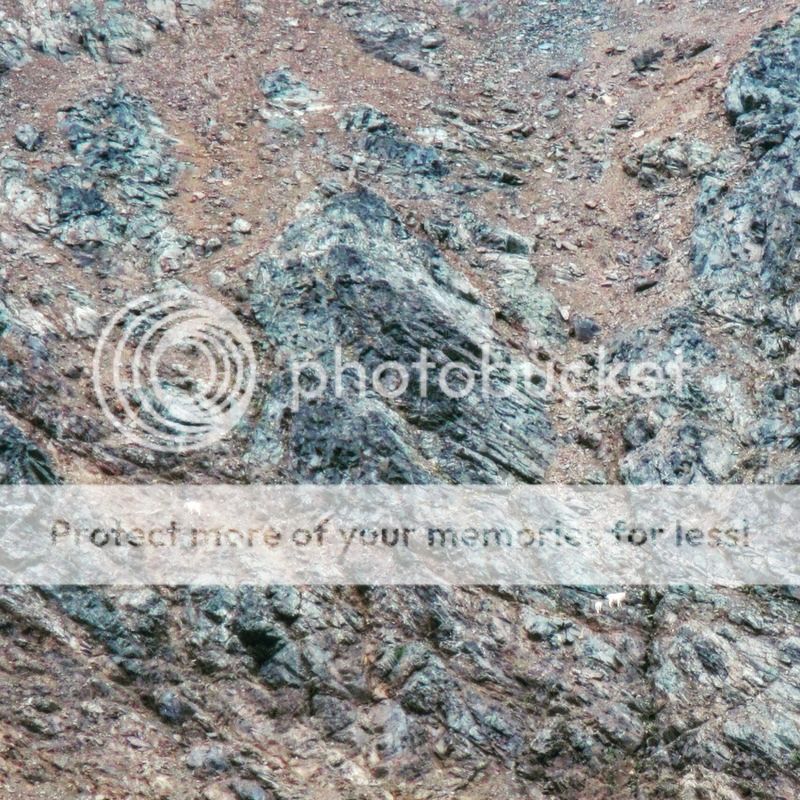
You evil ####...you tried to get me to hunt in that ####?
Gear list for mountain goat (bear in mind I'm packing most of the gear, this is the client's personal items and limited as there's no camp / food / cooking etc).
Ha! I read through your whole post here trying to see if you would mention that very cool little scalpel knife that is in your pictures....would love details. I should add the pictures are spectacular and really make me miss where I grew up, people say the prairies have their own beauty, those people don't know any better

Ardent
CGN Ultra frequent flyer
That's a Tyto 1.1, really nice handle and light, takes any standard scalpel blade.
And thanks! It's beautiful as you well know but severe, the prairies or woods of the east seem like they must be pretty pleasant sometimes when you're chasing Grizzlies out of camp at night or spending the night at an angle on sleet covered rock. Much to be said for comfortable hunting.
And thanks! It's beautiful as you well know but severe, the prairies or woods of the east seem like they must be pretty pleasant sometimes when you're chasing Grizzlies out of camp at night or spending the night at an angle on sleet covered rock.
Much to be said for comfortable hunting.That's a Tyto 1.1, really nice handle and light, takes any standard scalpel blade.
And thanks! It's beautiful as you well know but severe, the prairies or woods of the east seem like they must be pretty pleasant sometimes when you're chasing Grizzlies out of camp at night or spending the night at an angle on sleet covered rock.
Thanks, I think I may get one of those, never really cared for the Havalon knives as they seem bulky to carry, that is a minimalist beauty. The prairies offer some of the best waterfowl hunting in the world, which I do enjoy, so that is an upside, still miss the West Coast however.


Wen I was working for quantum helicopters up at galore creek project Nova gold had environmentalists flying around counting goats And tacking samples of goat poo for testing making sure the goats were not getting stressed by all the helicopter traffic
I so wanted to be a environmental monitor it had to be the best job on the clame
I so wanted to be a environmental monitor it had to be the best job on the clame
Ardent
CGN Ultra frequent flyer
Thanks Gate indeed we got a few doozies. My unabashed goal is to get a top 10 B&C for the outfit, likely won't happen, but goals oughta be lofty and I'm in the right place for them. Gotta shoot for something.
That it is MiG it's just mean is the downside to the beauty. Galore creek area is solid goat country carver.
That it is MiG it's just mean is the downside to the beauty. Galore creek area is solid goat country carver.






















