












































You are using an out of date browser. It may not display this or other websites correctly.
You should upgrade or use an alternative browser.
You should upgrade or use an alternative browser.
The restoration of Kettenkrad 116714
- Thread starter XRCD011
- Start date


Gas tank refurb
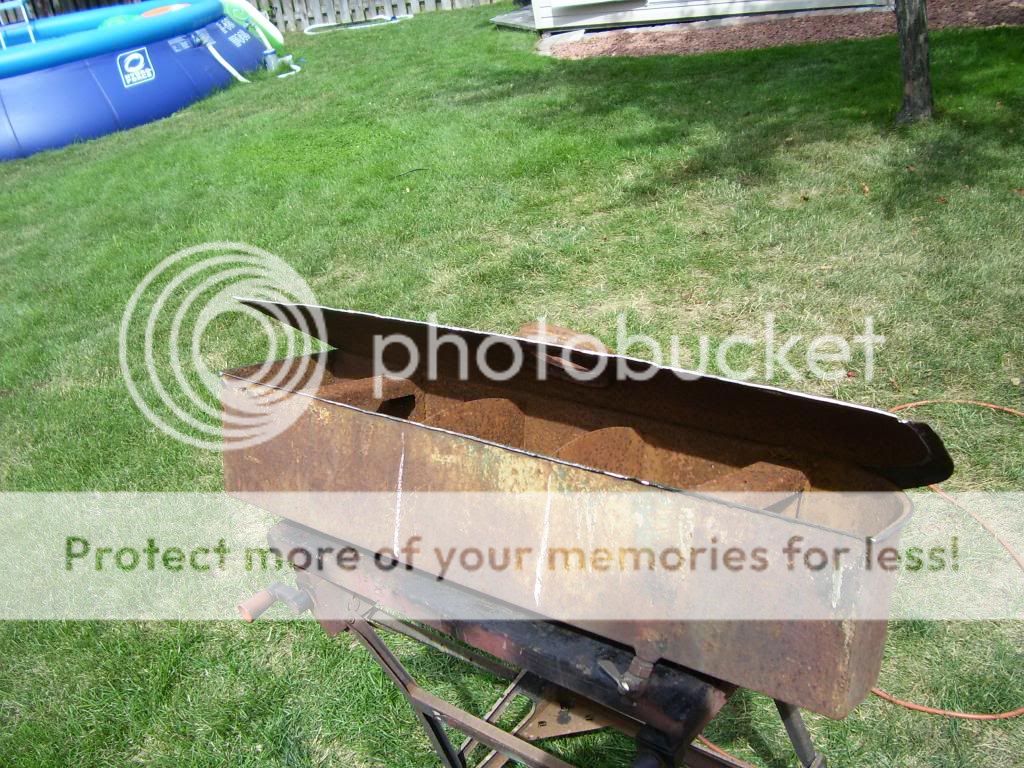
The kettenkrad has to 21L gas tanks that will give it a 260 Km on road range and 160 off road. As the two tanls had a large amount of scale, rust and dirt inside and are impossible to shake this out due to the interenal baffles and braces I had to cut the tanks top off to expose its inside for sandblasting. Cutting the tanks along the inside weld is fair straight forward but cutting the weld under the flange is less so. Note the bullet strike on tank flange behind the strap.
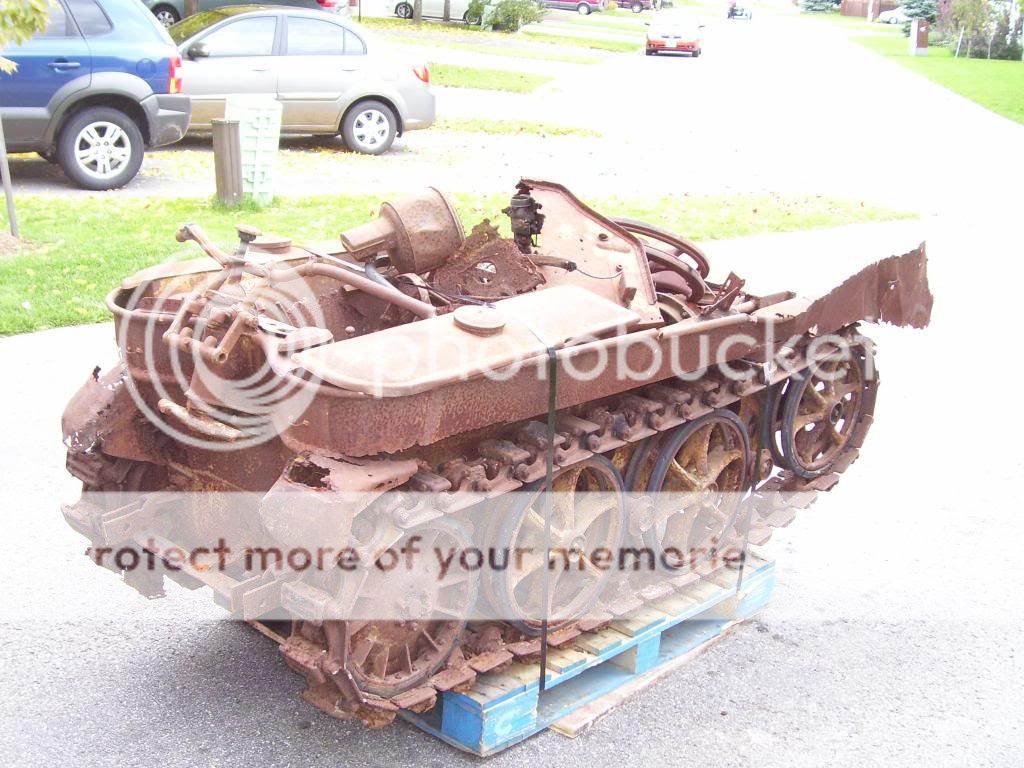
Cutting the tanks open.
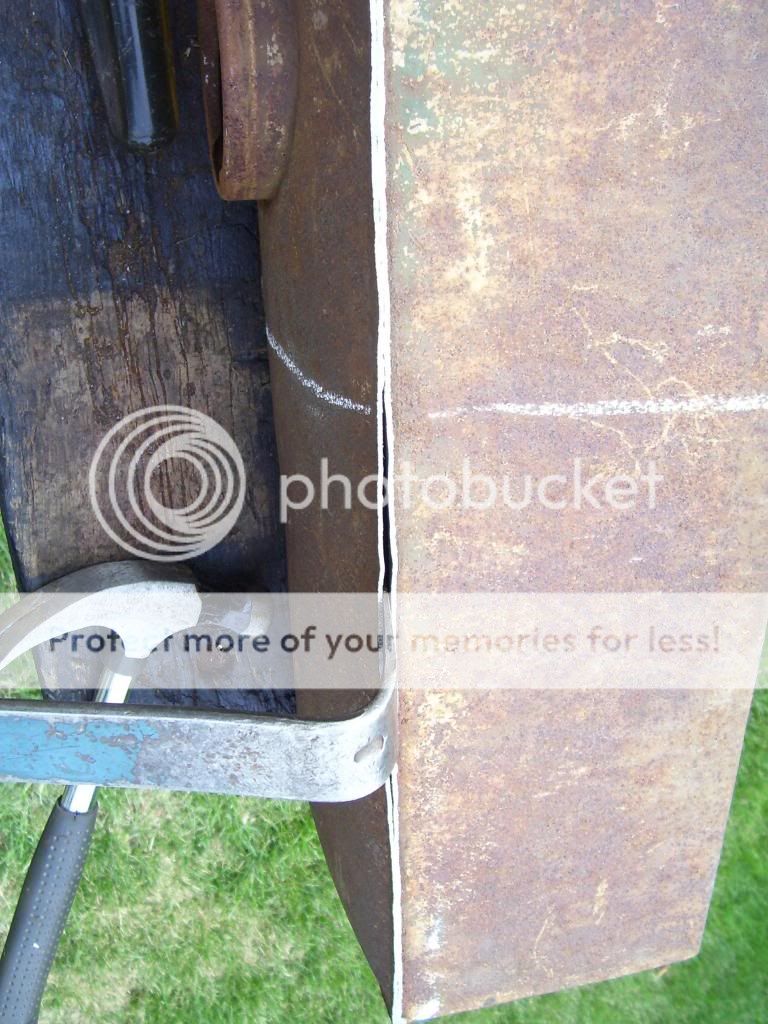
The easy side.
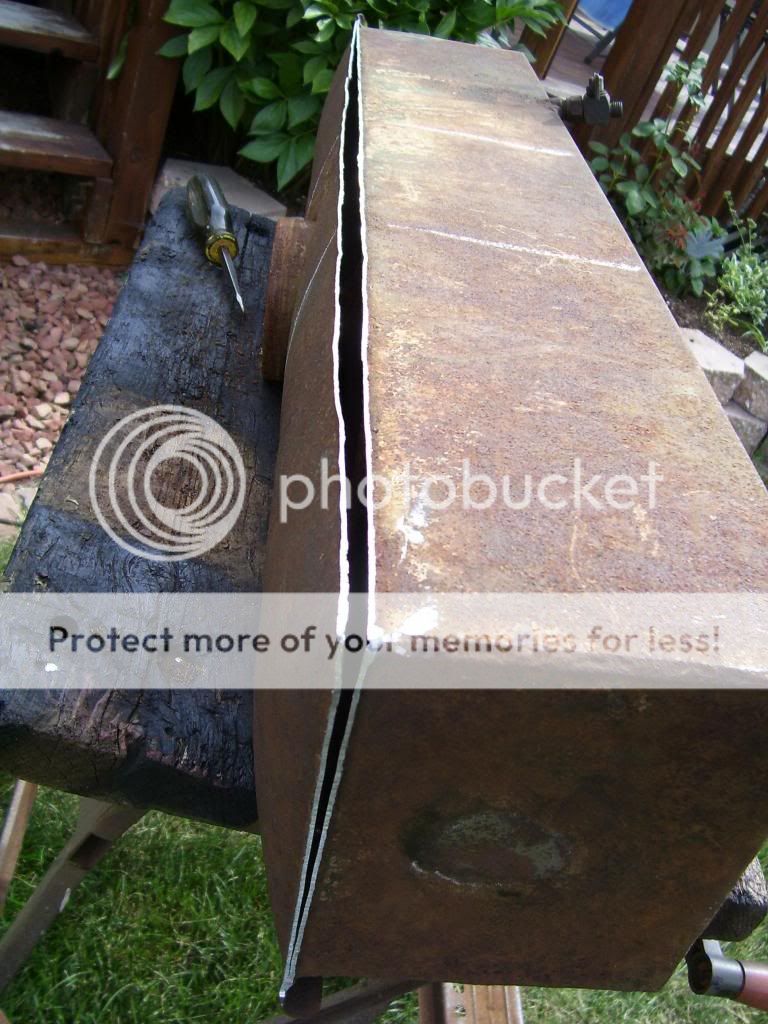
The not so easy side.
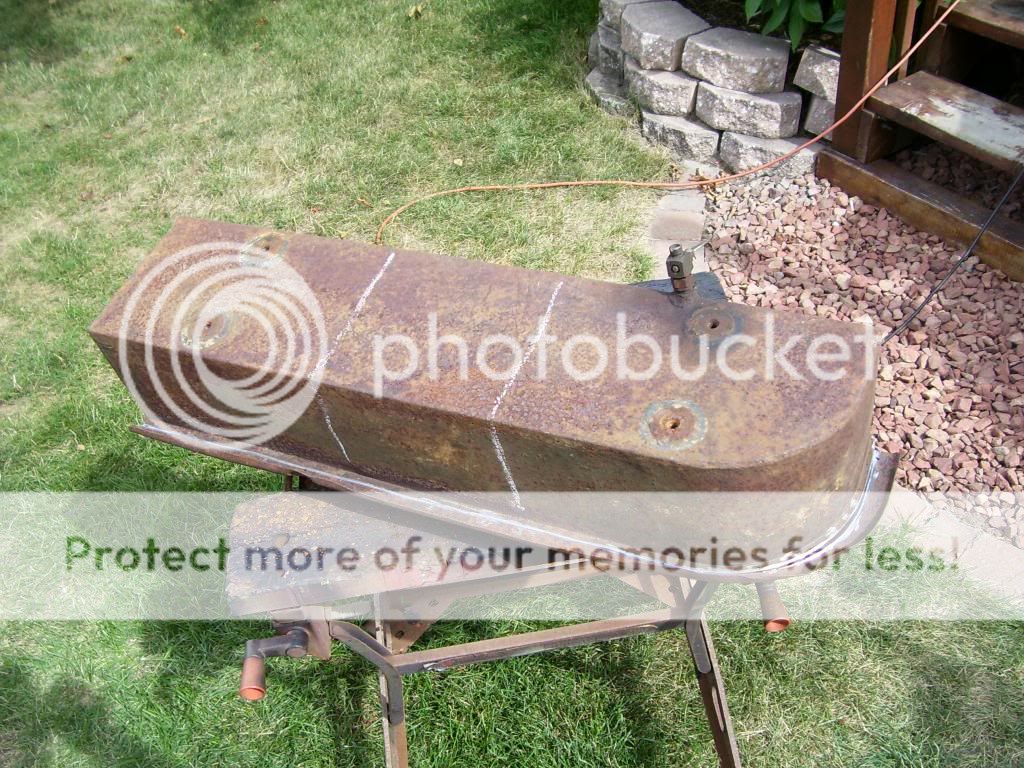
And what mysteries will I find inside the tank?????
HOLY-H-CHRIST !!! I Don,t believe it!!!!
note bullet strike on sheet metal.
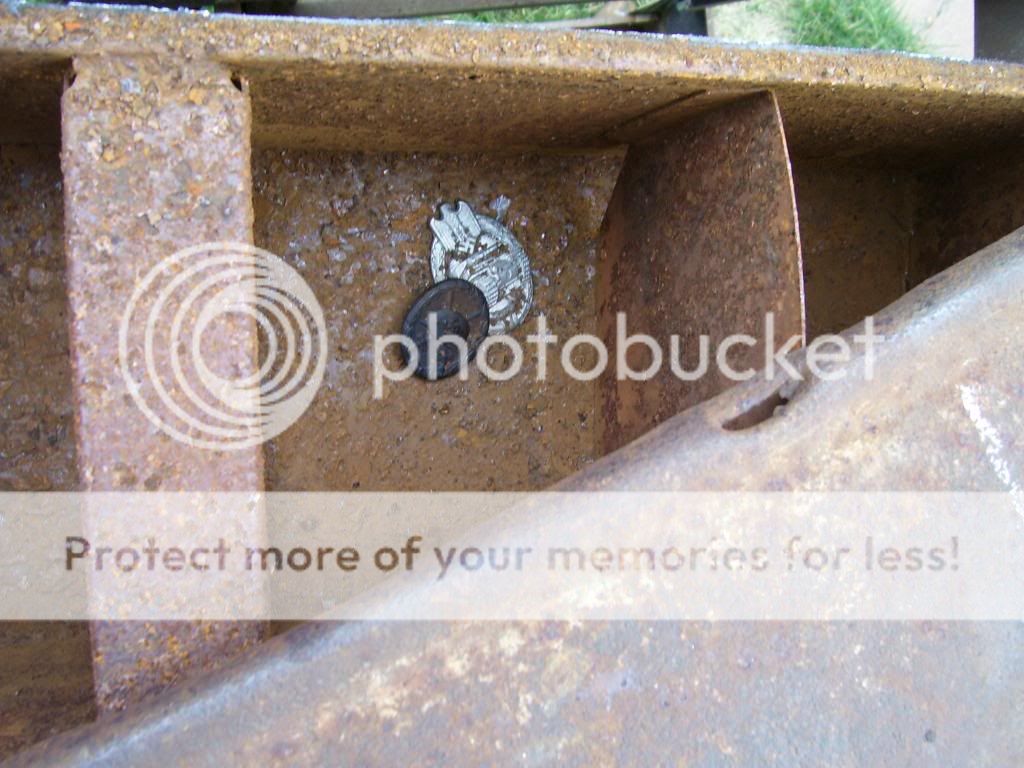
Actually this is a little inside joke between my "restoration mentor" David Crompton of Clio MI as he keeps asking me if I have found any Iron Crosses yet. He restores German wartime vehicles and finds all manner of "stuff" in the nooks and crannies of vehicle, coins, spent casings, bit of equipment, even a BMW motorcycle grip lever that was driven into a Kubel door sill, And then patched over, now theres a story lost to time and history. So what I do now is "salt" a vehicle with war dated coinage and casings in the semi captive areas or spots that things may hide in.
After dollying out dents and sandblasting I painted on POR15 rust treatment/tank sealer, suprisingly the tanks where very solid and no holes what so ever. Note to self, wear gloves next time as POR15 on the hands takes 3-4 days to come off on its own, till then you walk around looking like the tin man from the Wizard of Oz.
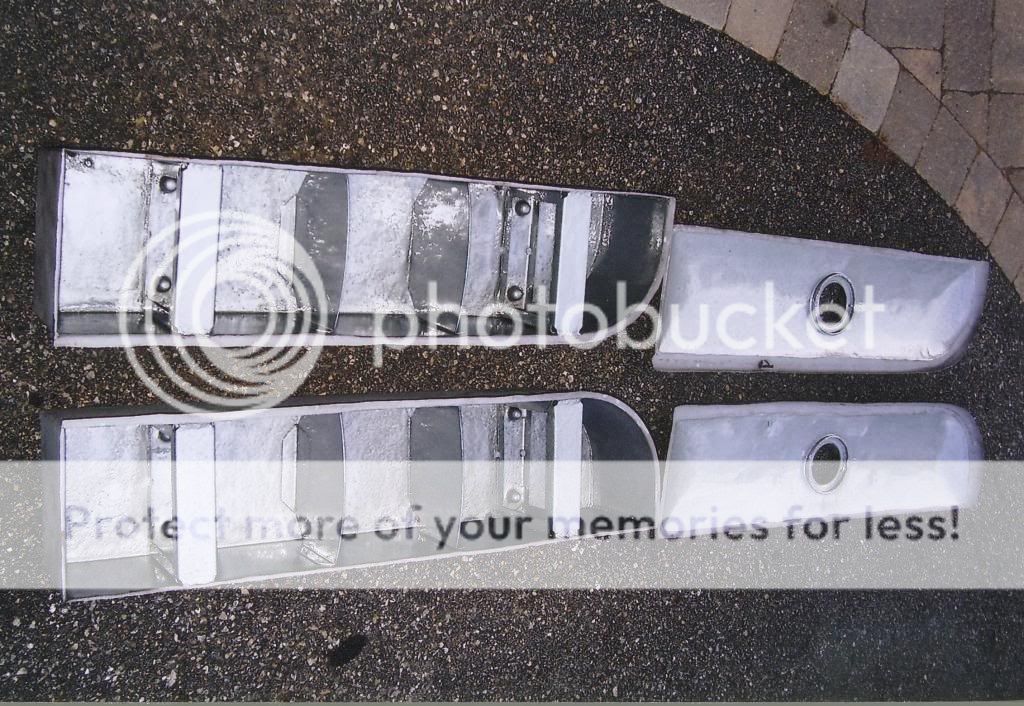
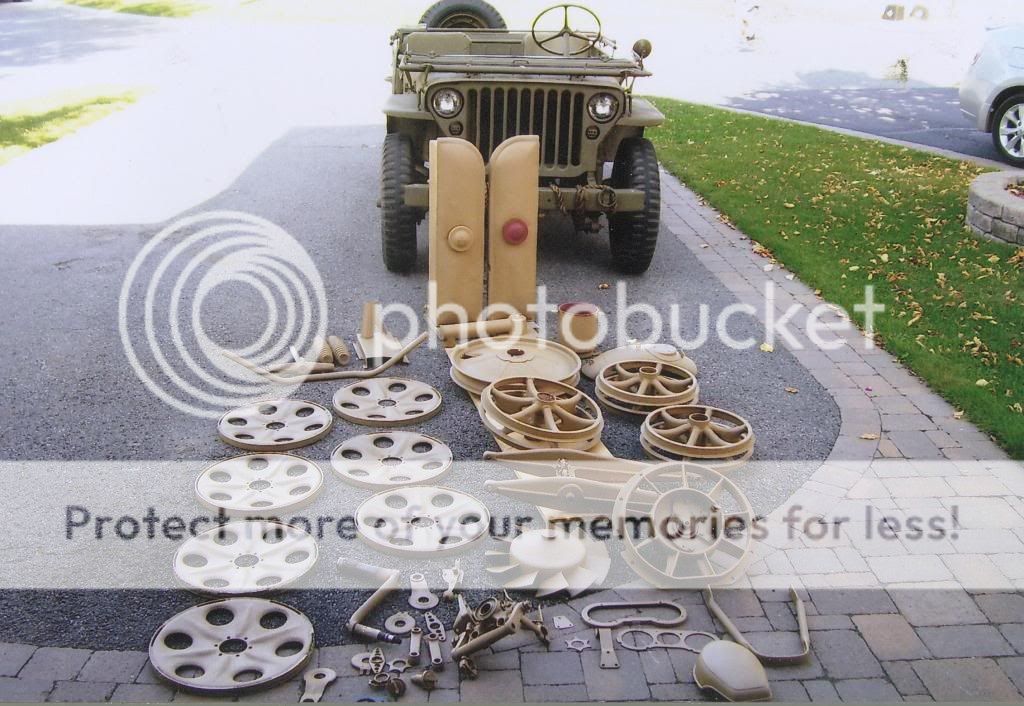
I had some left over paint that I wanted to shoot on before winter so I had at her.
The kettenkrad has to 21L gas tanks that will give it a 260 Km on road range and 160 off road. As the two tanls had a large amount of scale, rust and dirt inside and are impossible to shake this out due to the interenal baffles and braces I had to cut the tanks top off to expose its inside for sandblasting. Cutting the tanks along the inside weld is fair straight forward but cutting the weld under the flange is less so. Note the bullet strike on tank flange behind the strap.

Cutting the tanks open.

The easy side.

The not so easy side.

And what mysteries will I find inside the tank?????

HOLY-H-CHRIST !!! I Don,t believe it!!!!
note bullet strike on sheet metal.

Actually this is a little inside joke between my "restoration mentor" David Crompton of Clio MI as he keeps asking me if I have found any Iron Crosses yet. He restores German wartime vehicles and finds all manner of "stuff" in the nooks and crannies of vehicle, coins, spent casings, bit of equipment, even a BMW motorcycle grip lever that was driven into a Kubel door sill, And then patched over, now theres a story lost to time and history. So what I do now is "salt" a vehicle with war dated coinage and casings in the semi captive areas or spots that things may hide in.
After dollying out dents and sandblasting I painted on POR15 rust treatment/tank sealer, suprisingly the tanks where very solid and no holes what so ever. Note to self, wear gloves next time as POR15 on the hands takes 3-4 days to come off on its own, till then you walk around looking like the tin man from the Wizard of Oz.

I had some left over paint that I wanted to shoot on before winter so I had at her.

Last edited:

Speaking of things tucked into nooks & crannies of MV's ....
A friend of mine bought a WWII vintage Jeep and found a GI 1911 .45 and box of ammo for same tucked into just such a cranny under the dash. It was wrapped in an oily cloth so it was well preserved. He did the right thing and registered it.
A friend of mine bought a WWII vintage Jeep and found a GI 1911 .45 and box of ammo for same tucked into just such a cranny under the dash. It was wrapped in an oily cloth so it was well preserved. He did the right thing and registered it.
I just stepped back in from looking under the dash of my jeep and am sad to report in that no 1911 or ammo was found, I must have bought the wrong jeep, damn.Speaking of things tucked into nooks & crannies of MV's ....
A friend of mine bought a WWII vintage Jeep and found a GI 1911 .45 and box of ammo for same tucked into just such a cranny under the dash. It was wrapped in an oily cloth so it was well preserved. He did the right thing and registered it.


Well that was dumb of him.
Speaking of things tucked into nooks & crannies of MV's ....
A friend of mine bought a WWII vintage Jeep and found a GI 1911 .45 and box of ammo for same tucked into just such a cranny under the dash. It was wrapped in an oily cloth so it was well preserved. He did the right thing and registered it.
Steering knuckle plate and dash pod
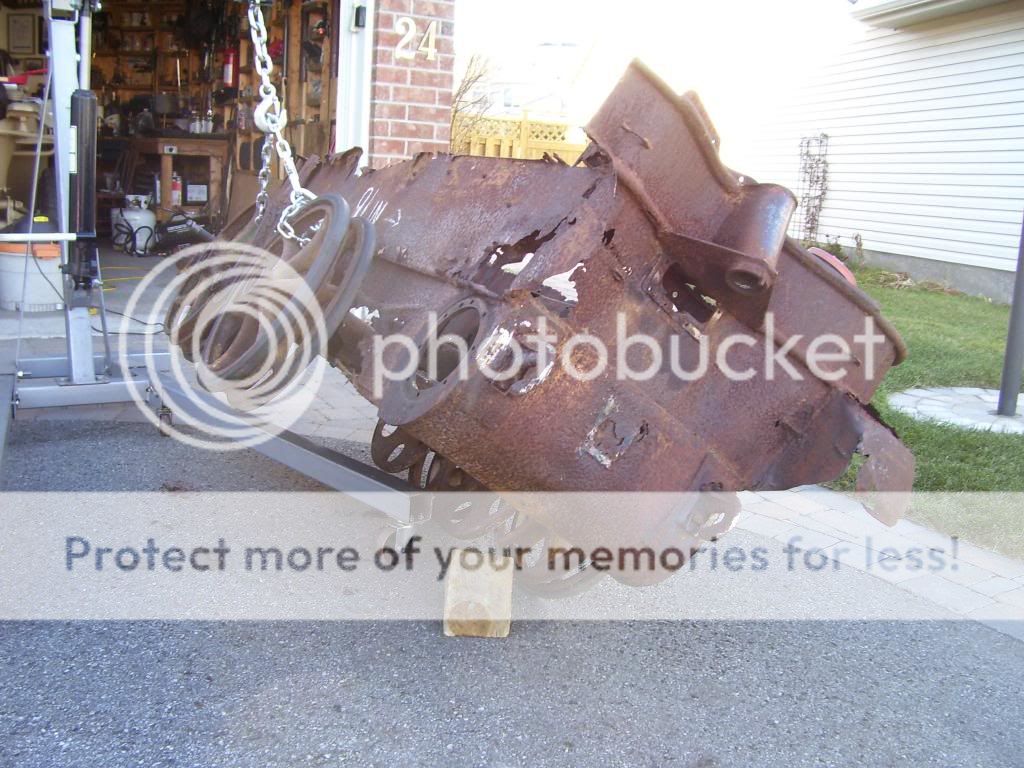
All work was of a "concurrent activity" nature and it seemed that everything was on going and over lapping work wise so it was not a case of finish A then on to B then on to C, etc. there where three areas or sections I felt where of some importance and hoped they where not to far gone, they are lower rear and front and the steering knuckle (with the vehicle serial number) and the plate it was mounted to. In this pic it does not look "to bad" all things considered.
^ the square hole with the framed area is where the steering linkage for the steering brakes passes through a leather boot to steer the kett
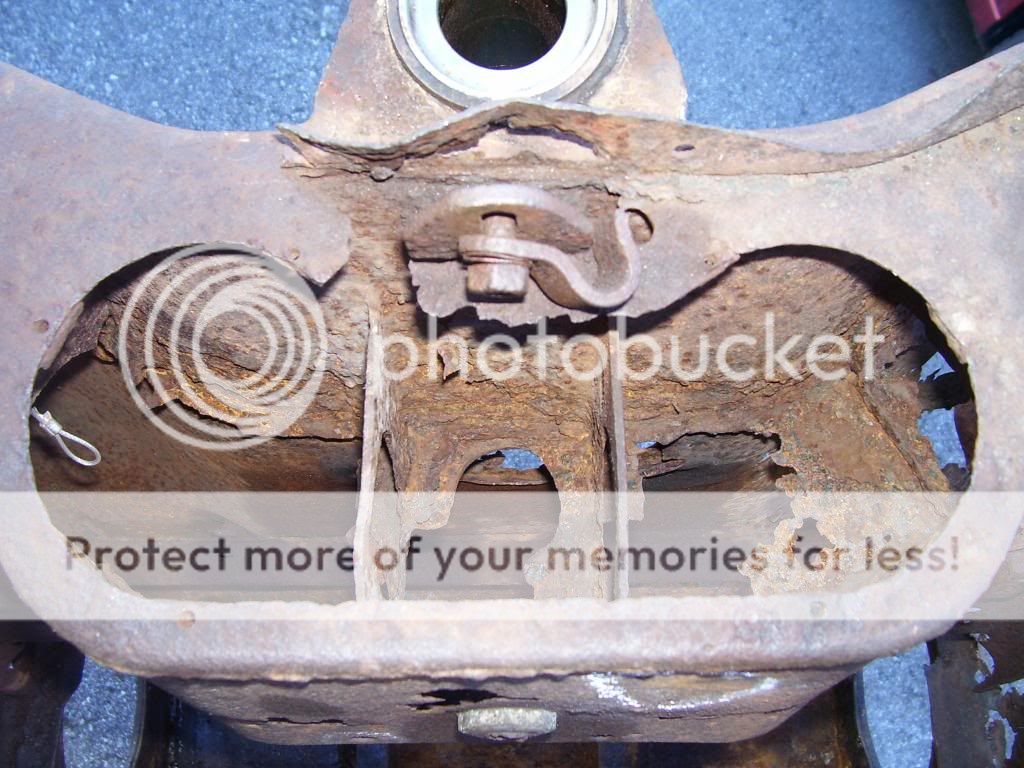
Inside of the dash pod, seems that to has a few issues, go figure.
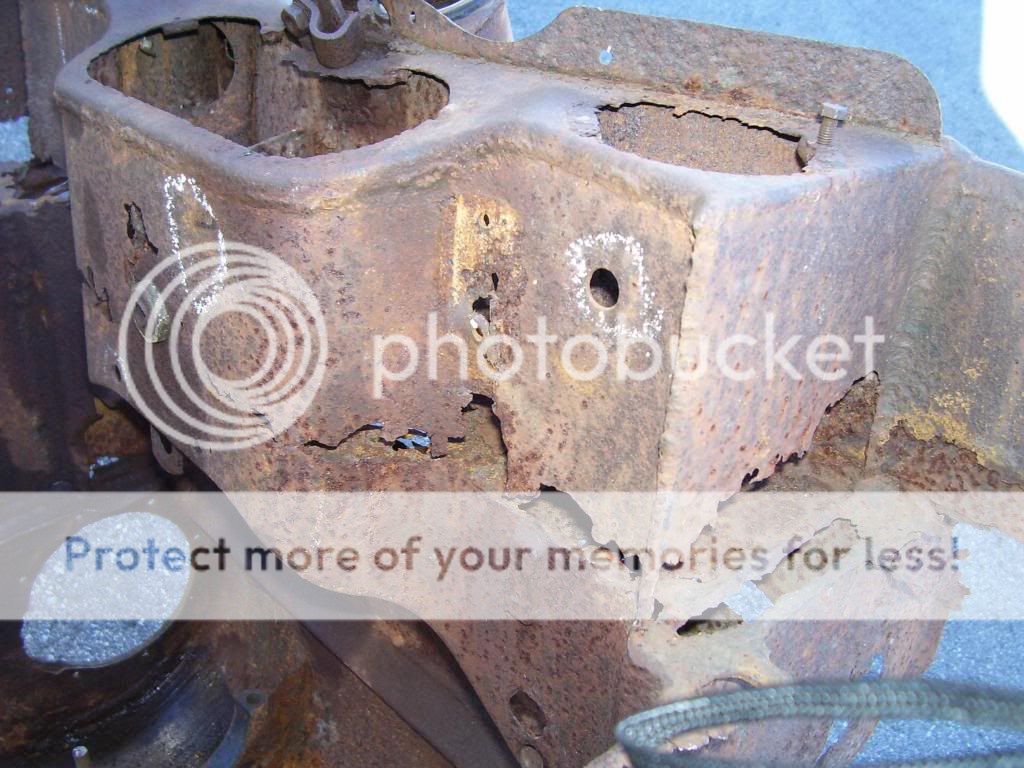
Outside of dash pod, the years (and Euro Bubba) where not kind to this vehicle.
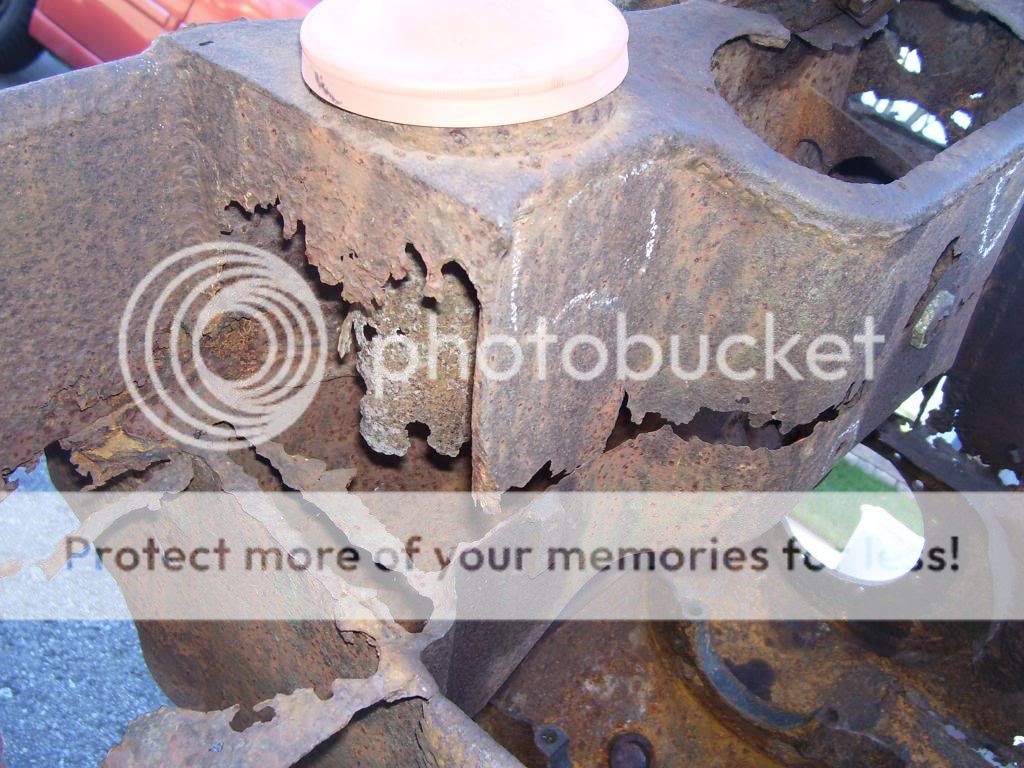
More rust.
Pod on and ready to be cut off, will the cutting and rust ever end?
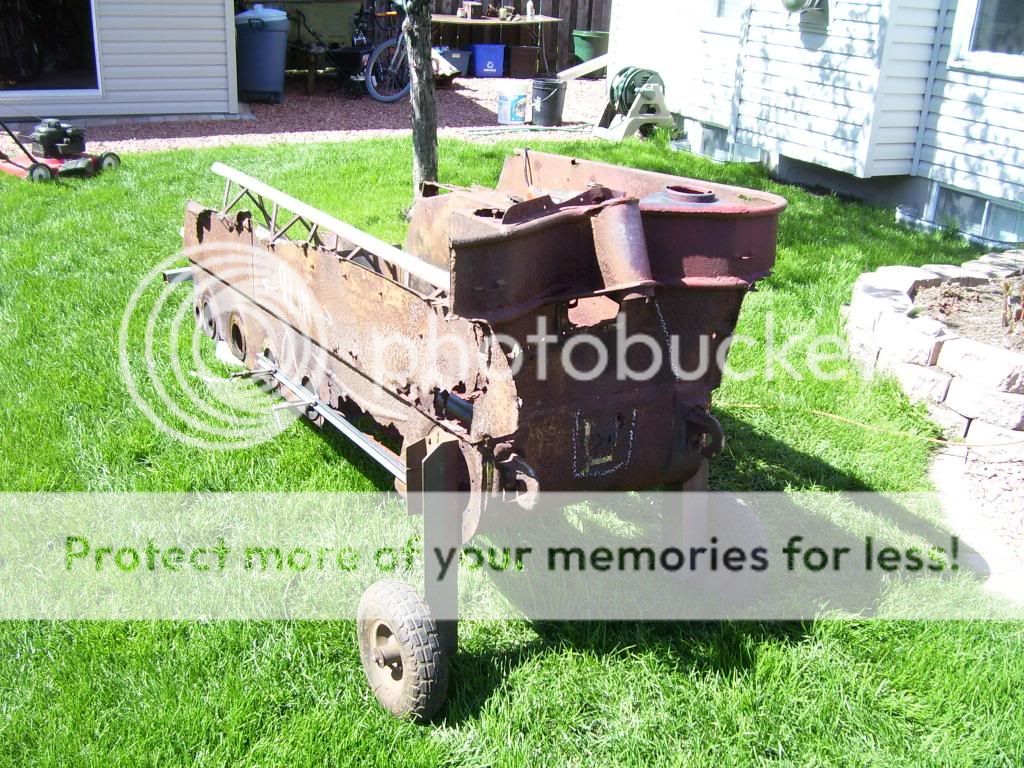
Steering knuckle plate and pod cut off, now to delaminate the plate further to make new.
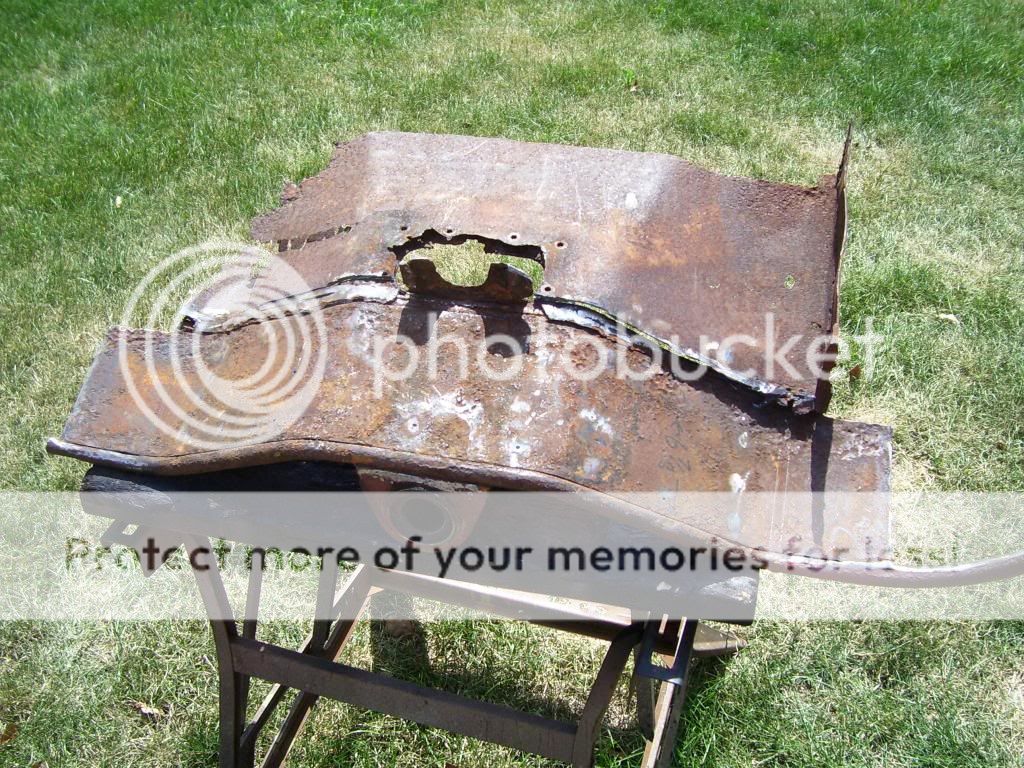
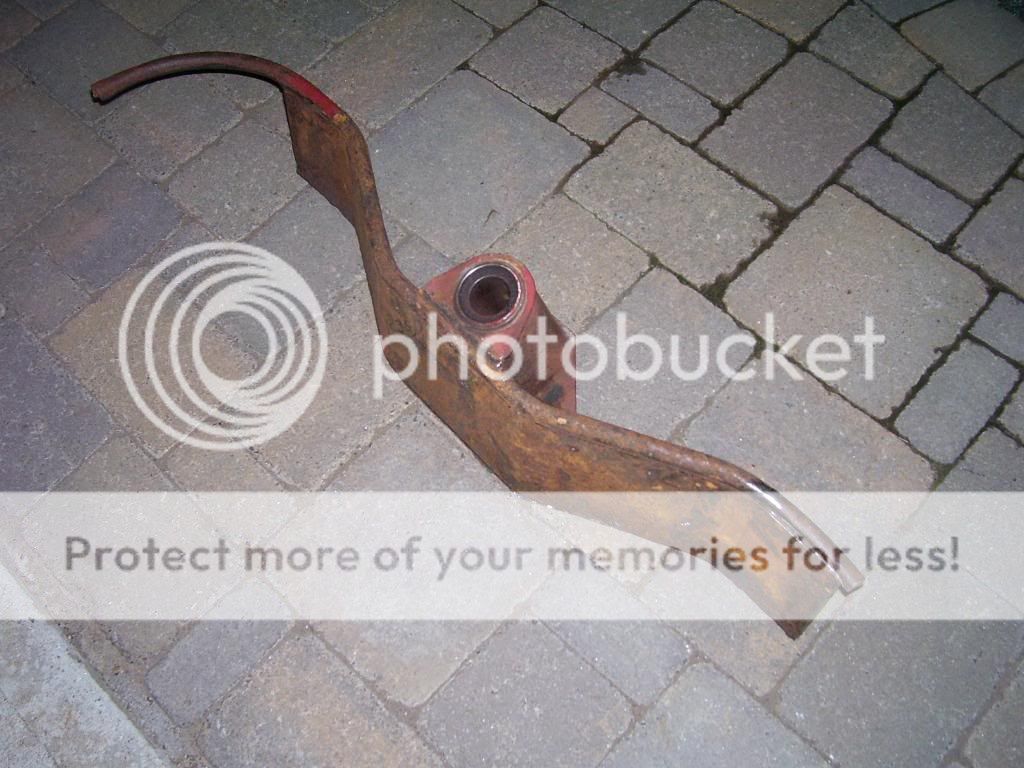
This shows the bottom pipe I had to cut out, make new and replace and the plate on plate to be delaminated. The upper pipe had enough remaining for me to repair the missing end and replicate a new bottom to the correct profile. That was alot of work.
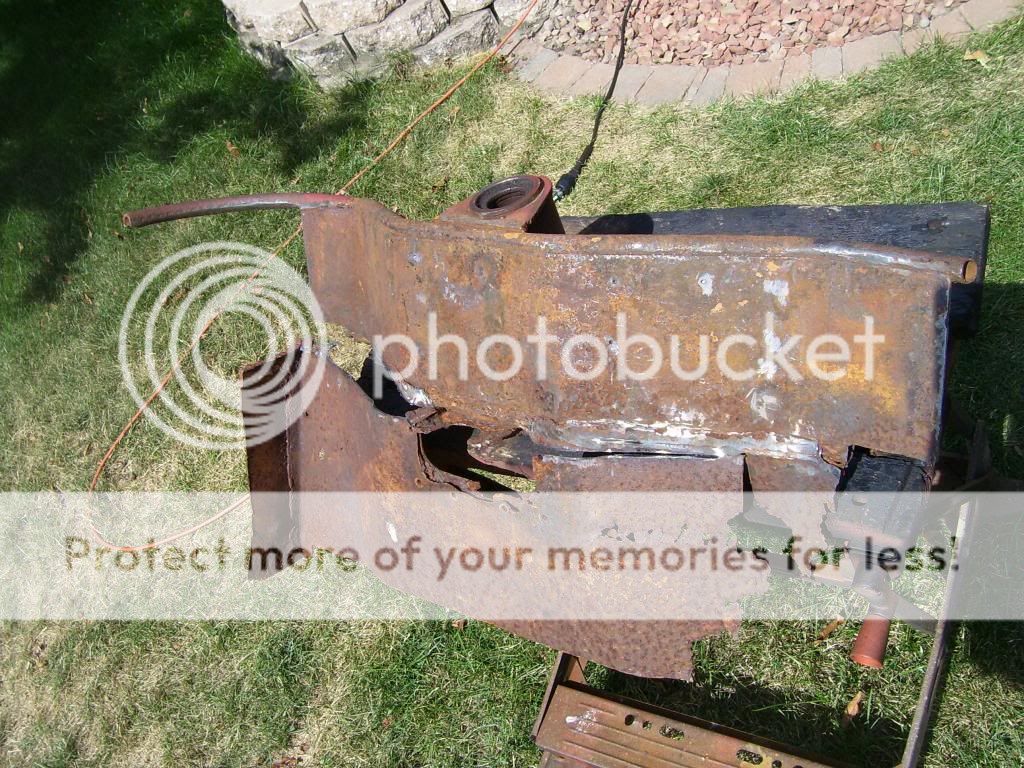
Whats left to work up from.
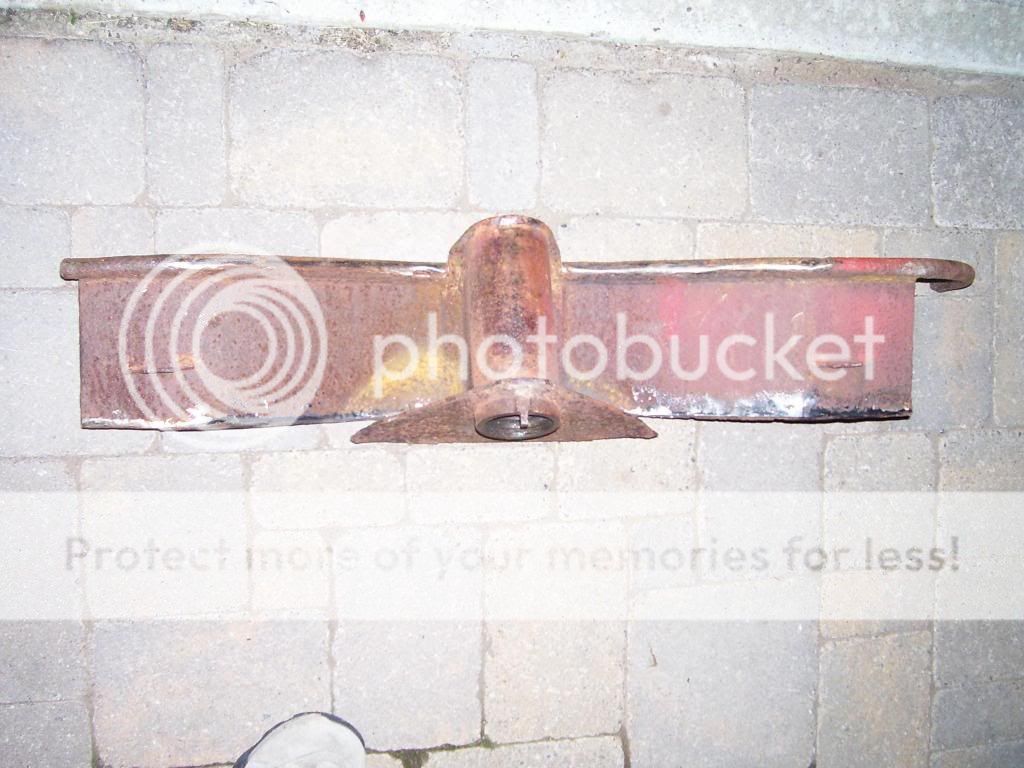
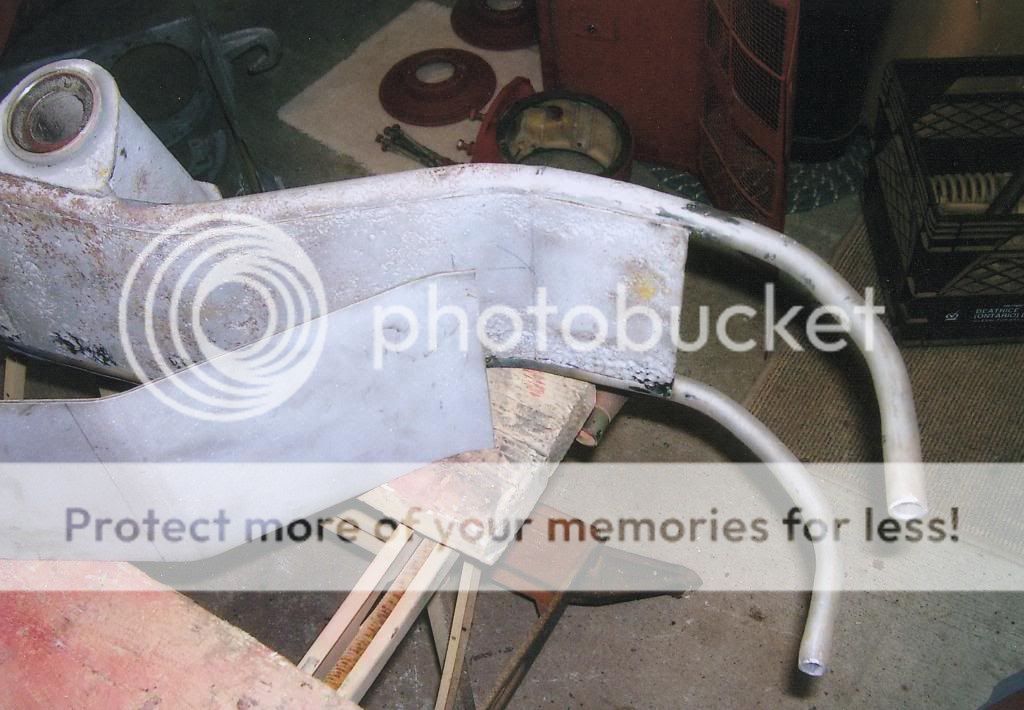
Relaminating plate to steering knuckle plate, new end to upper pip installed and all new lower made (after about ten trys to get that profile right.
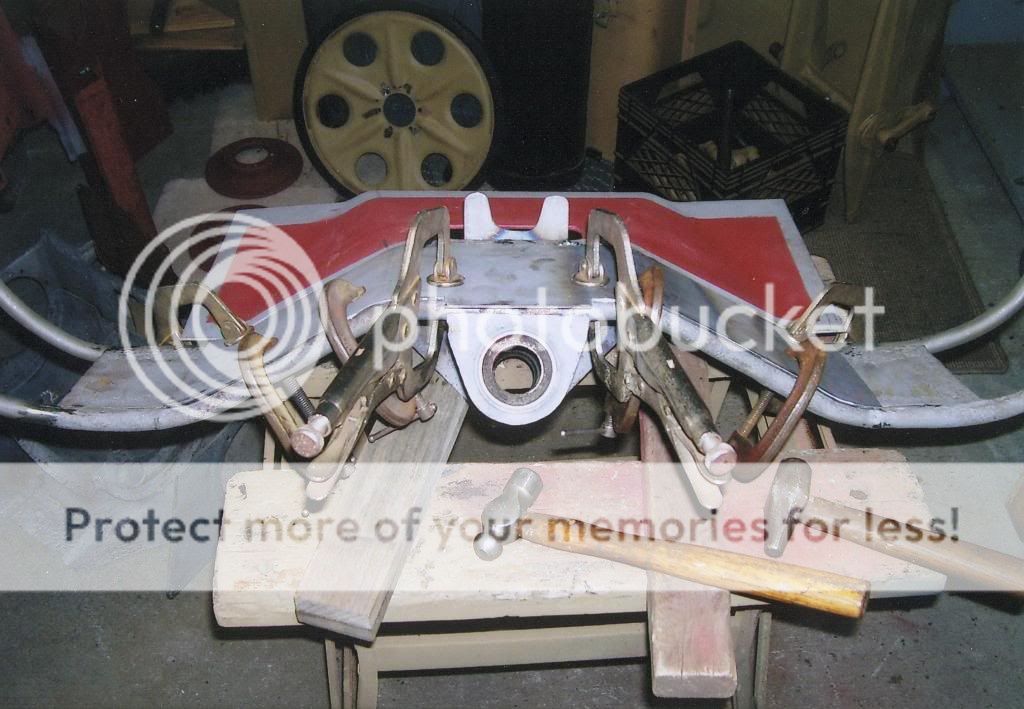
More clamps, more hammers, starting to come together now.
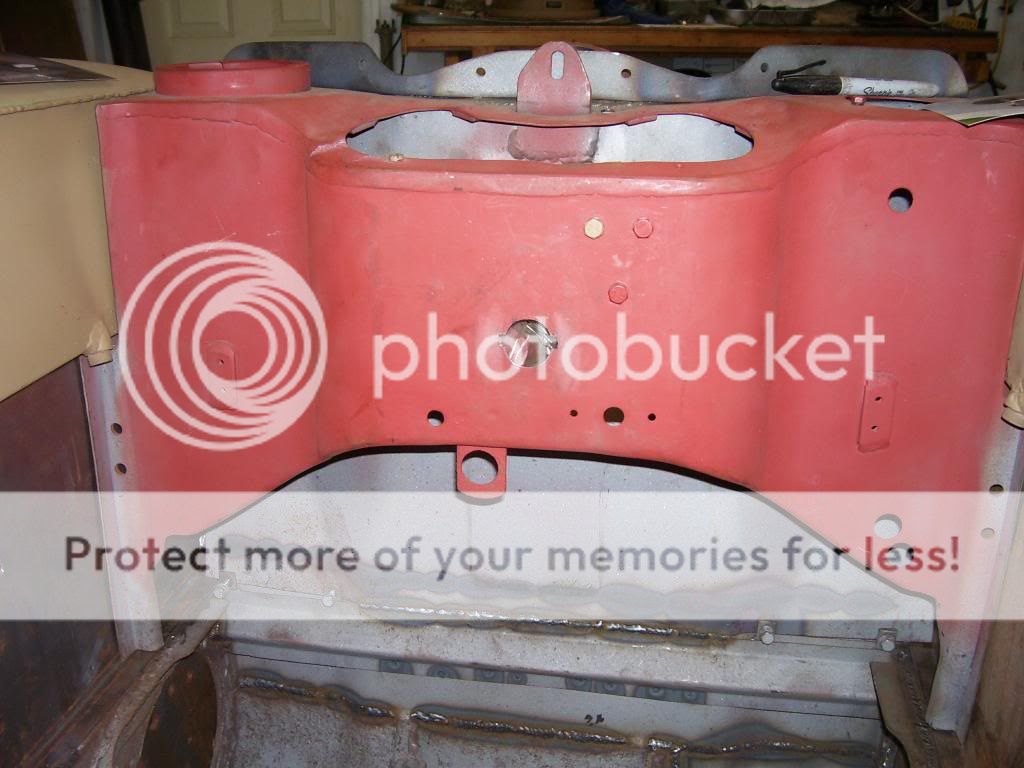
New dash pod installed and front lower plate (where steering linkage hole is) test fit of fork parts.
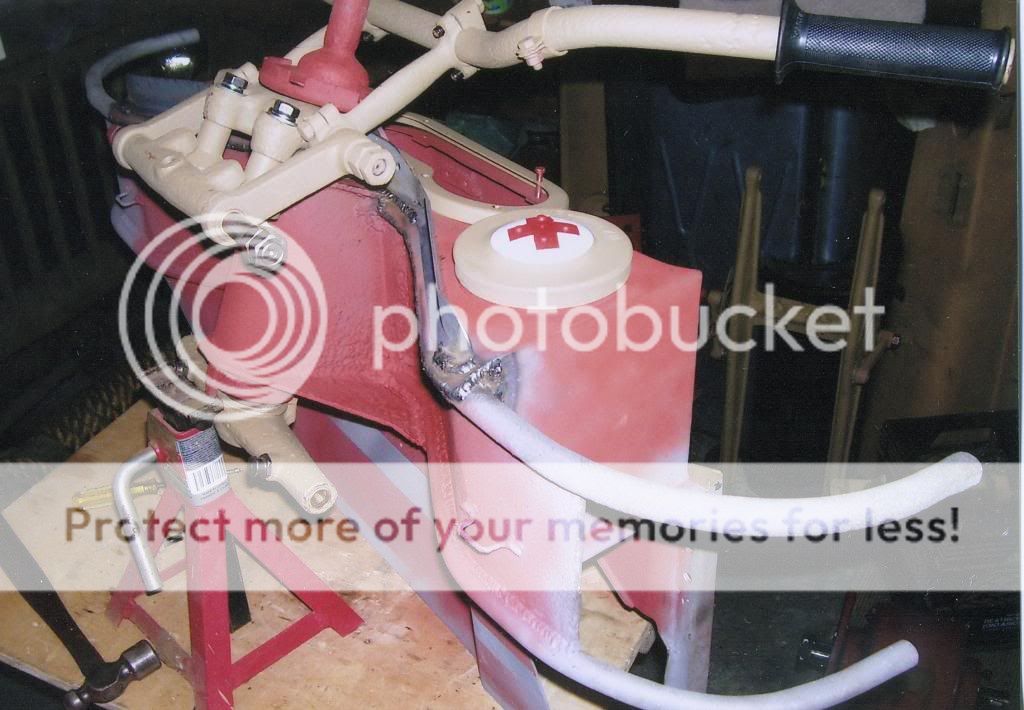
Note the correct Magura diamond pattern grips.
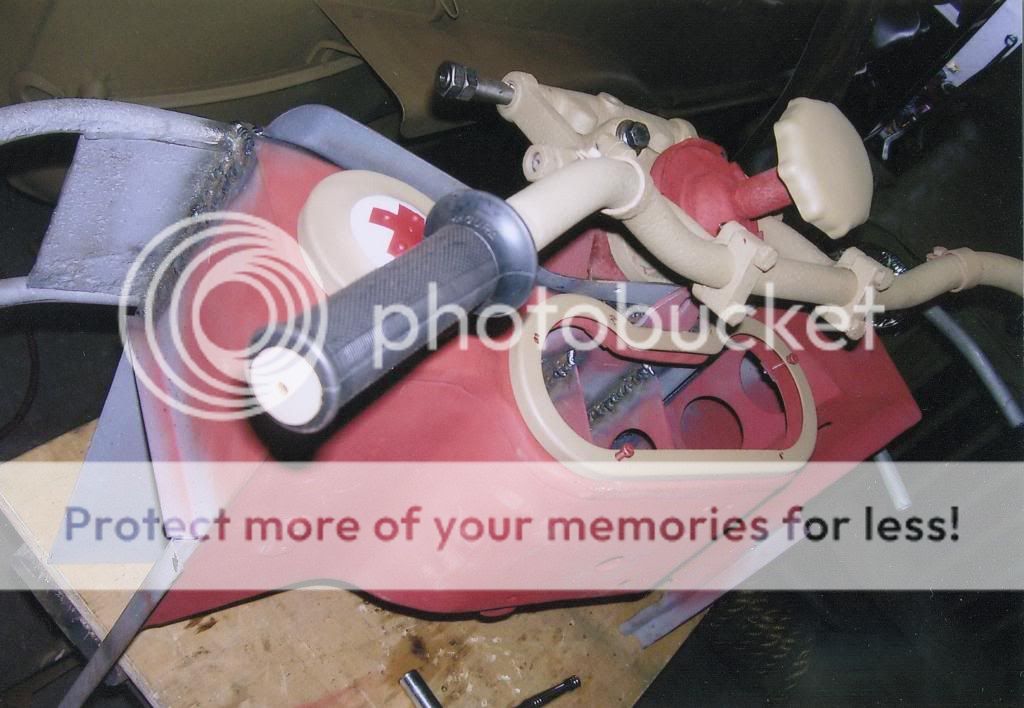
I think its starting to look a little "kettenkradish" in the garage (finally).
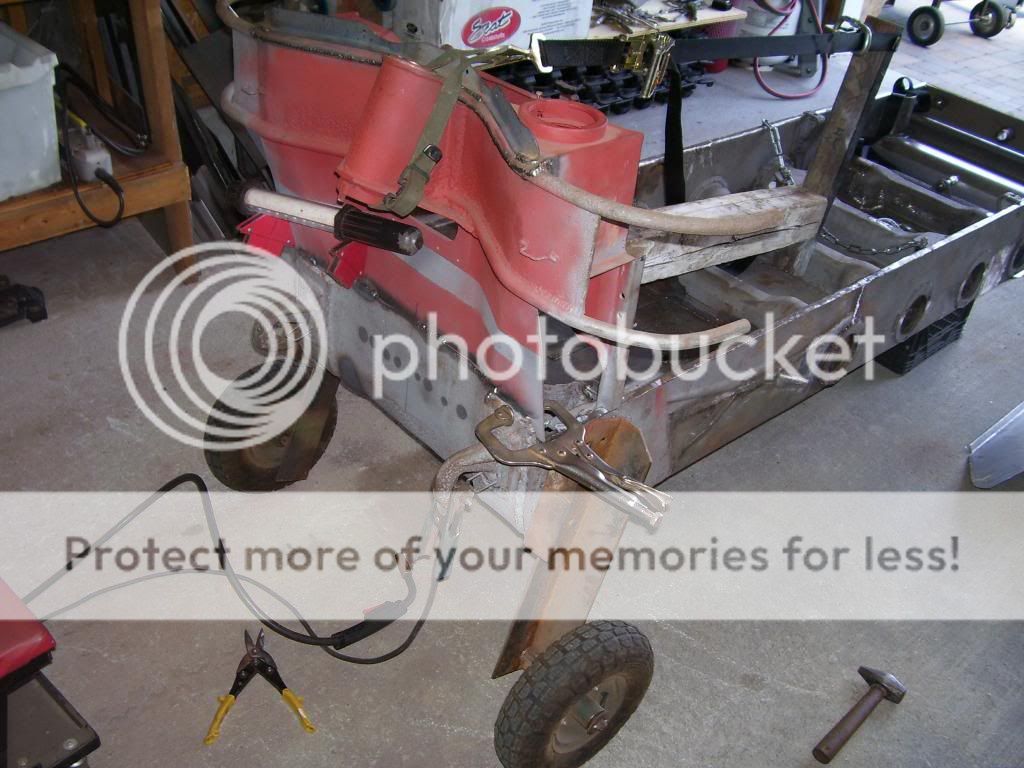
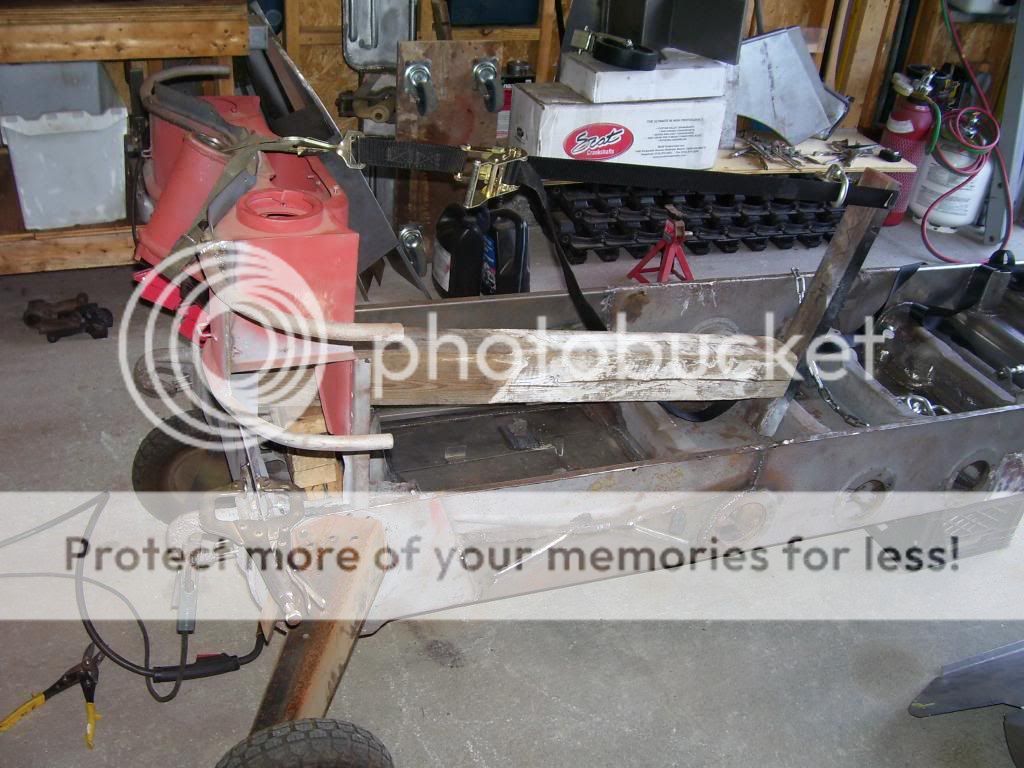
All work was of a "concurrent activity" nature and it seemed that everything was on going and over lapping work wise so it was not a case of finish A then on to B then on to C, etc. there where three areas or sections I felt where of some importance and hoped they where not to far gone, they are lower rear and front and the steering knuckle (with the vehicle serial number) and the plate it was mounted to. In this pic it does not look "to bad" all things considered.

^ the square hole with the framed area is where the steering linkage for the steering brakes passes through a leather boot to steer the kett
Inside of the dash pod, seems that to has a few issues, go figure.

Outside of dash pod, the years (and Euro Bubba) where not kind to this vehicle.

More rust.

Pod on and ready to be cut off, will the cutting and rust ever end?

Steering knuckle plate and pod cut off, now to delaminate the plate further to make new.

This shows the bottom pipe I had to cut out, make new and replace and the plate on plate to be delaminated. The upper pipe had enough remaining for me to repair the missing end and replicate a new bottom to the correct profile. That was alot of work.

Whats left to work up from.


Relaminating plate to steering knuckle plate, new end to upper pip installed and all new lower made (after about ten trys to get that profile right.

More clamps, more hammers, starting to come together now.


New dash pod installed and front lower plate (where steering linkage hole is) test fit of fork parts.

Note the correct Magura diamond pattern grips.

I think its starting to look a little "kettenkradish" in the garage (finally).


Last edited:


- Location
- West Quebec
Just amazing...

The rebuild of the original Opel 1.5L motor
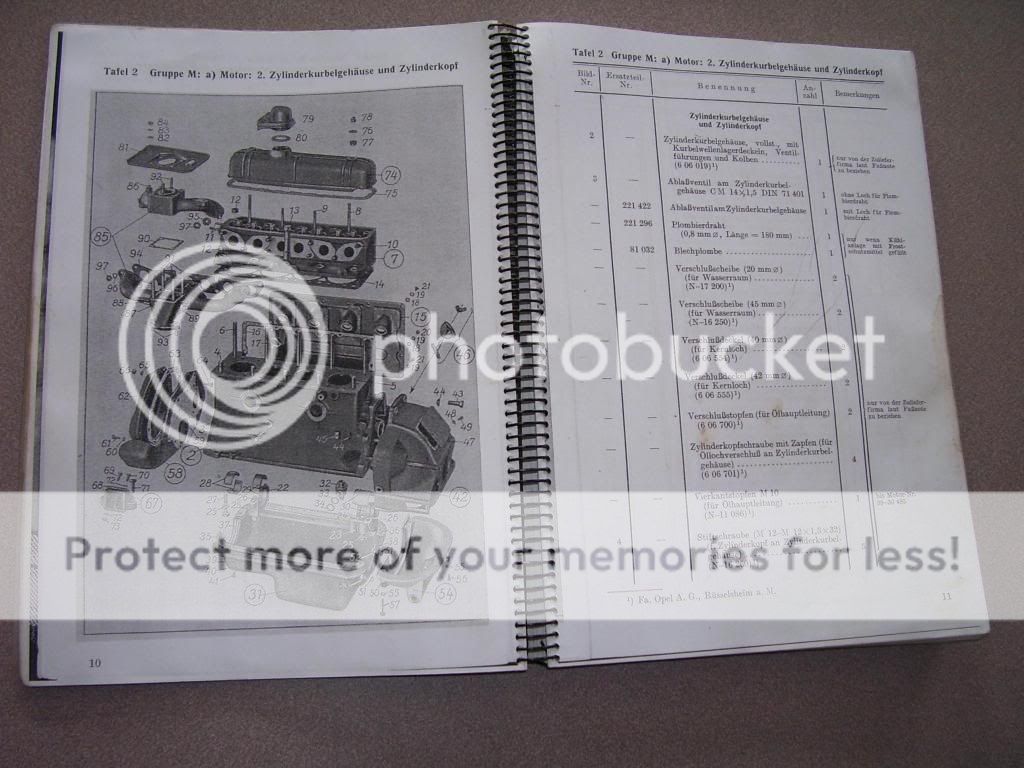
Kettenkrads are powered with a Opel Olympia 1.5L car motor of 36Hp that was built by the Adam Opel Company of Rüsselsheim (a subsidery of General Motors in pre war days, GM washed their hands of Opel at the end of WWII). My kett came to me with its original 1.5L P1 type motor which is a VERY rare thing as the wartime built units are notorious for being of weak construction and generally poor quality, especially true in the later stages of the war. Lots of kett owners in Europe are in amazement I have the original motor for my vehicle and it is not uncommon for ketts to be running with a post war P2,3 or 4 motor (which are better built and of heavier construction). As there are only two of these motors in Canada and maybe a dozen or so (in ketts) in the US and it is the original I have to go the distance to save this motor.
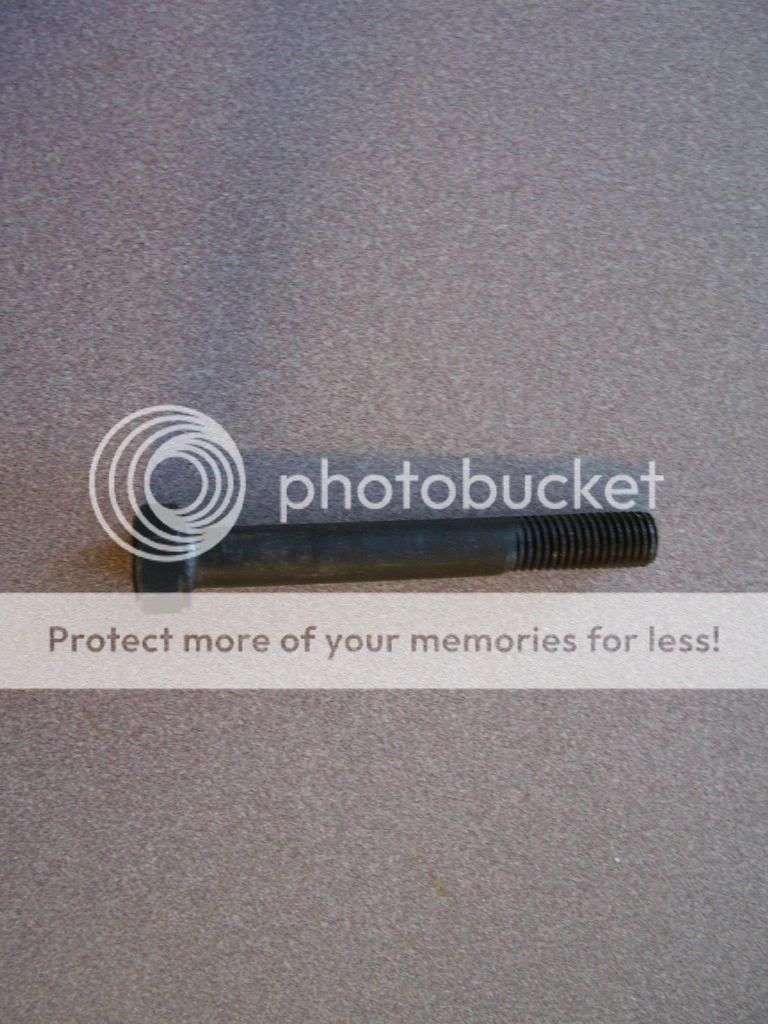
Verbus marked rod bolt, note the thread not true to shaft and it going off on a bias.
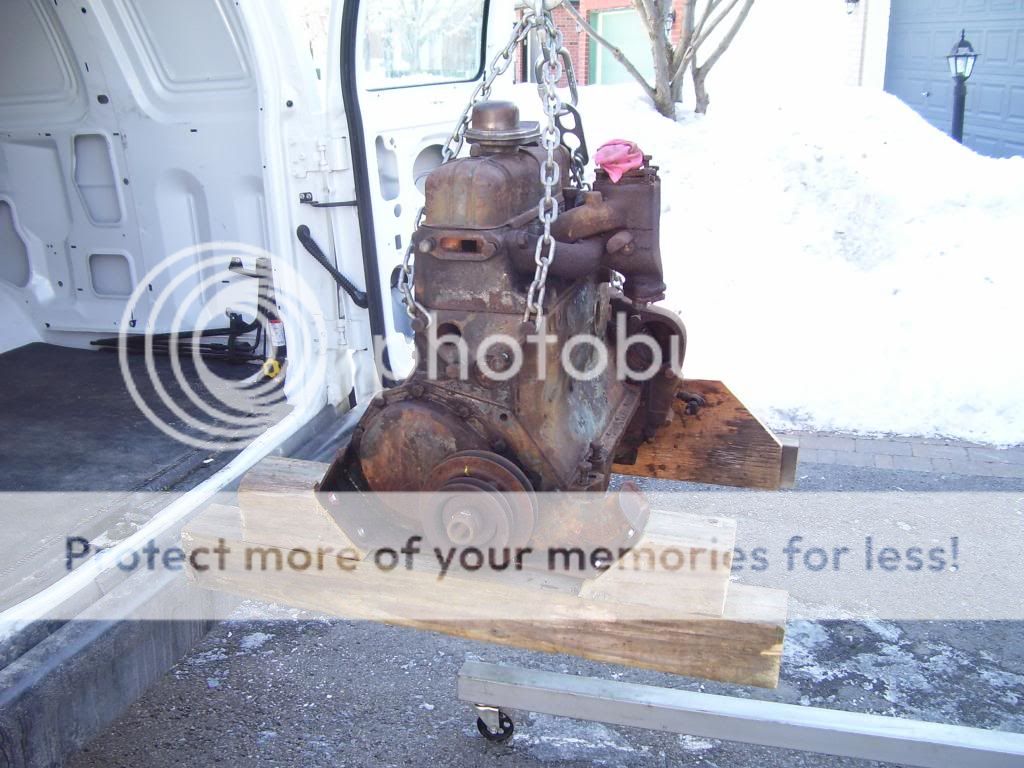
Going to West Carleton Automotive for rebuild.
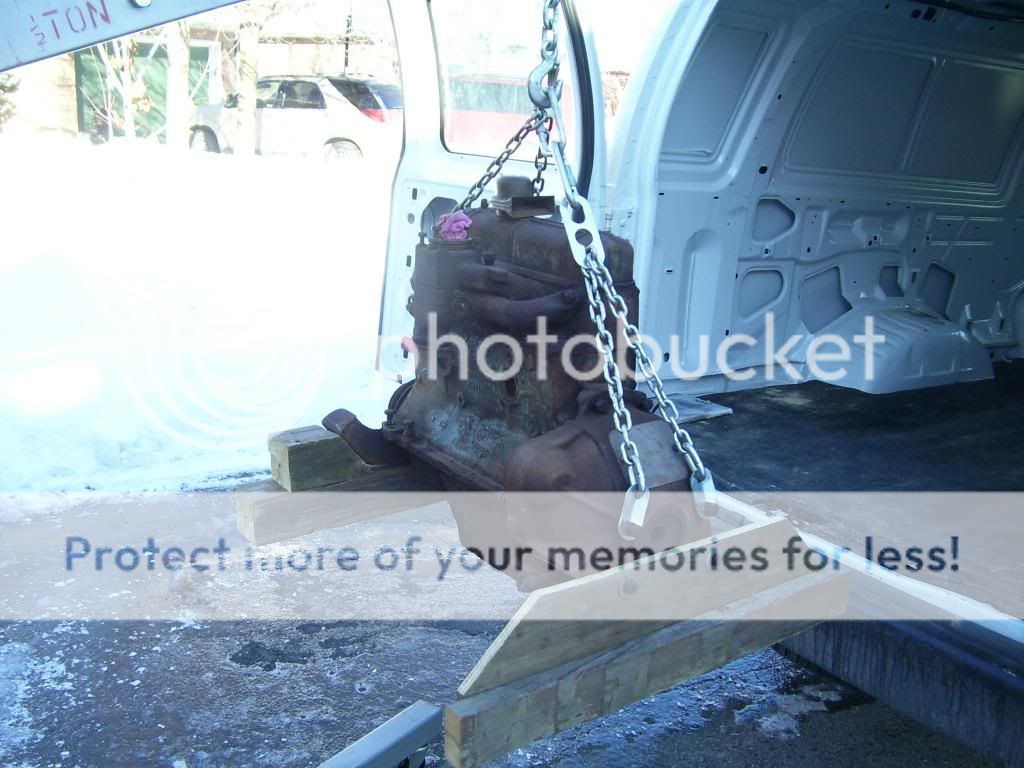
As the motor turned freely I thought, naive me, that I was not going to experiance to much butt hurt on the motor rebuild, sadly that was not to be. Once Jeff at WCA took off the push rod cover I got the phone call I was hoping I would not get. Seems Euro Bubba, had froze the block and done a repair with lead (got to really contaminate the crack) to keep it running. Two cracks this large C shaped piece of evil and another on the opposite side. Both, according to folks in Europe common failure points, sort of like the MB block failing cracking behind the starter.
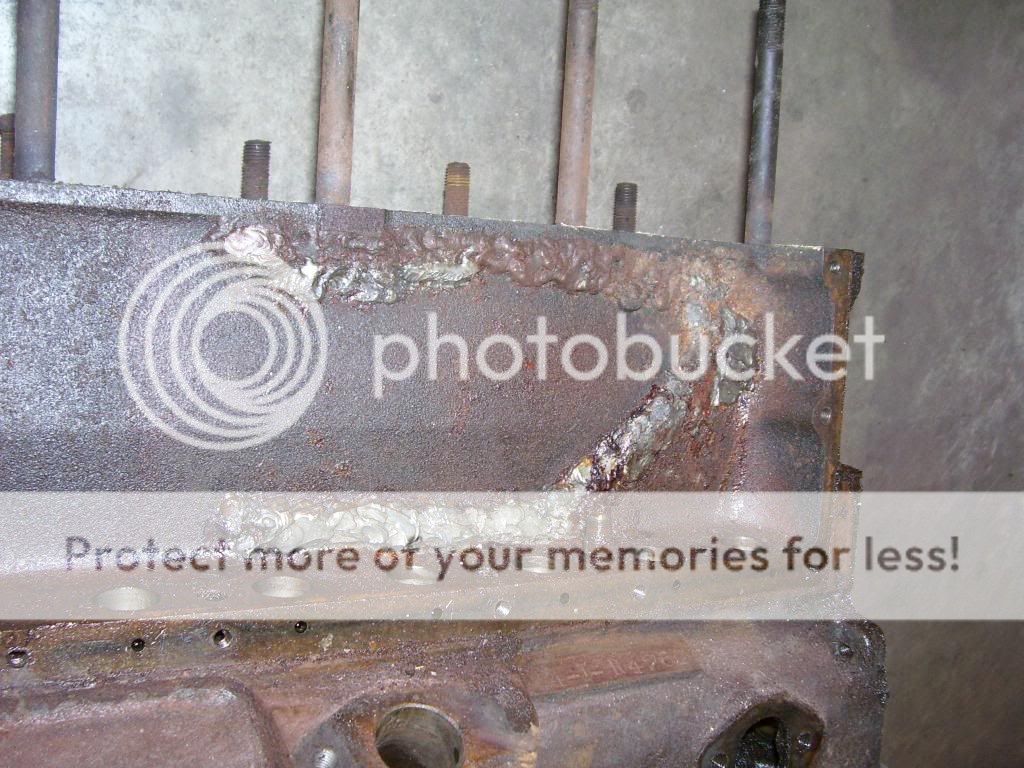
So the block takes a nice ride down to David Cromptons in Michigan and is left for him to work his magic. WCA had asked me when I dropped off the block for disassembly if it has Babbit or insert bearings? Christ knows? I did not even know what a babbit bearing was (I do now) and all the torques and specs they would need to rebuild (More ?????? on my part).
^ Note the 44- T-R ###X number from Opel on the block, NSU stamps it number on a second location, either number is good on the data plate with the NSU one generally being the most common.
So to get the info Larry and Jeff needed at WCA I Googled "Opel Olympia Car Clubs" in Europe and it popped up about 15 clubs. I just started at the top contacting clubs and organizations stating what I was seeking for torques and specs, parts contacts, etc. A couple weeks go by with nothing heard from Europe, then the flood gates opened. A fellow in Germany responds, who at first I thought was just some "Euro version of a Opel Gearhead". I could not be more wrong if I tried. Turns out Rainer Weiler is a Prof. Dr. at the University of Augsburg Hochschule für Applied Sciences, who very fortunitely for me, is "into" Opels. I hit a freaking home run connecting with Rainer, a great guy who has passed on a ton of data, further contacts and assisted in the purchases of numerous parts.
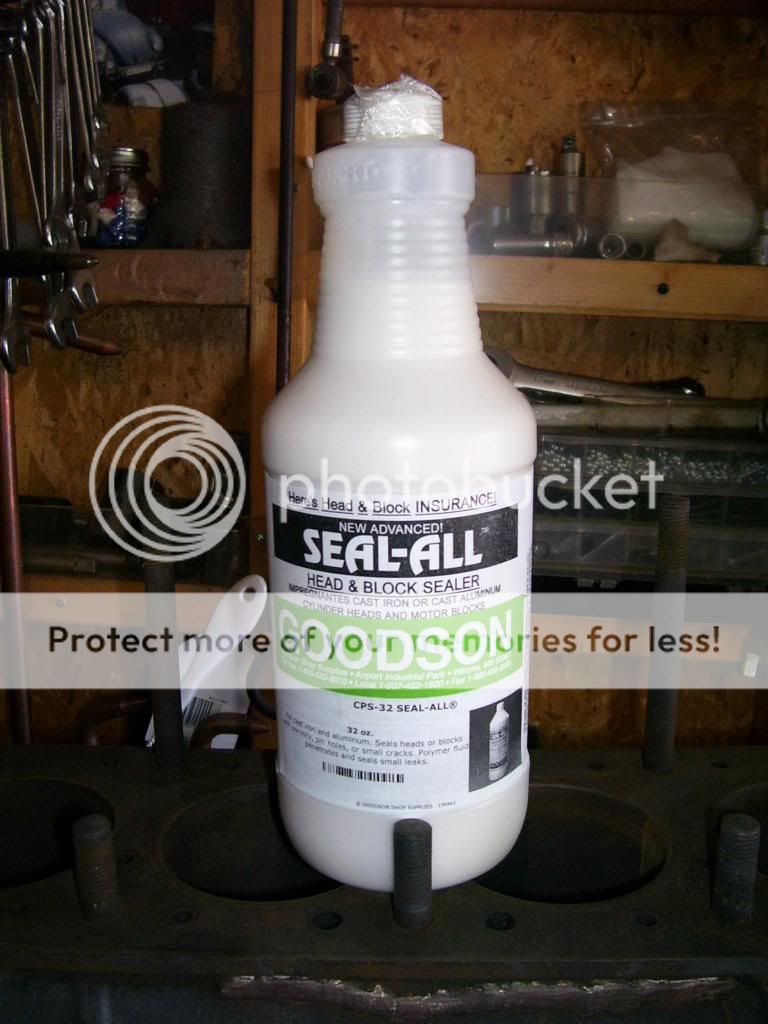
With the block back from the US all welded up I treated in internally with Goodsons and just about melted my wifes hairdryer curing the stuff, amazing how much heat that can put out after about five hours of running, externally JB Weld, pressure test, evil cracks gone, or at least not an issue in my lifetime.
With the rods back from Ted Koudys at Precision Bearing Service of Beamsville, a bunch of parts out of Europe and the torques and specs by Rainer, and a nice drive to the United States and back for the welding, West Carleton can, after just about one year of agony rebuild my motor.
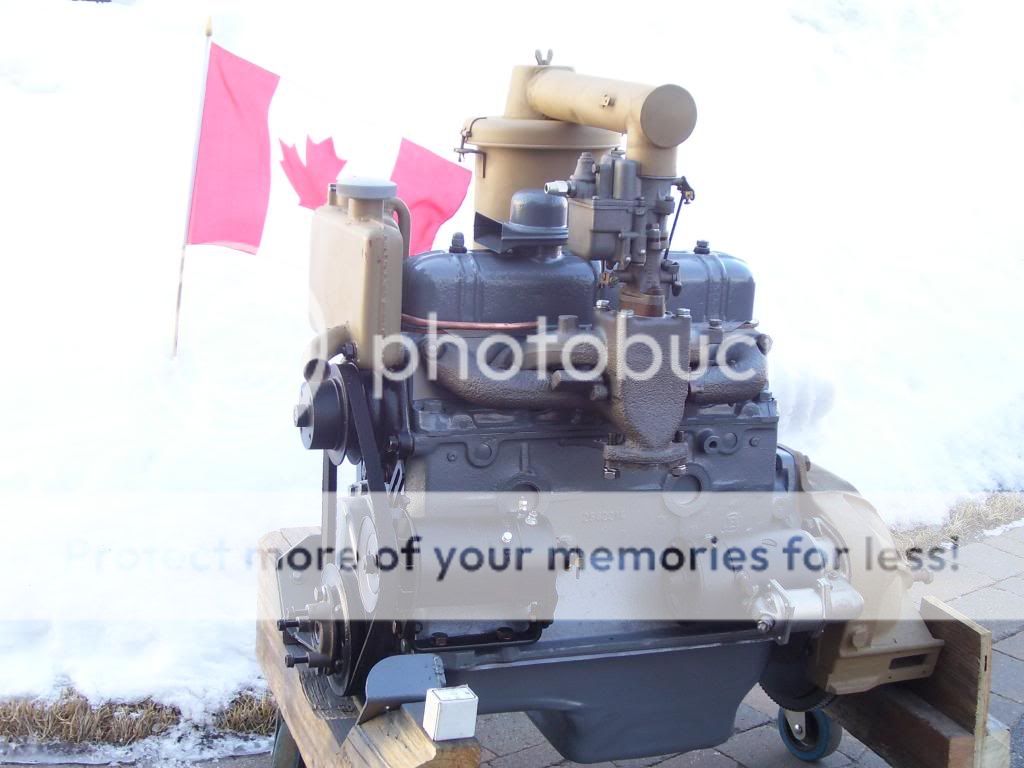
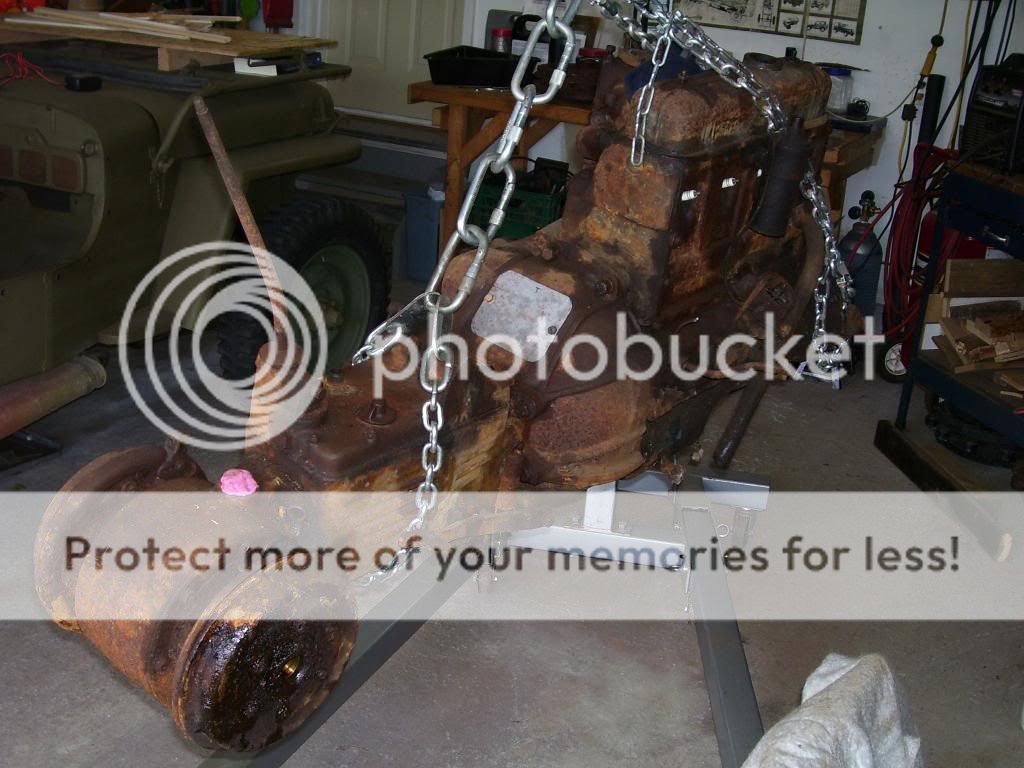
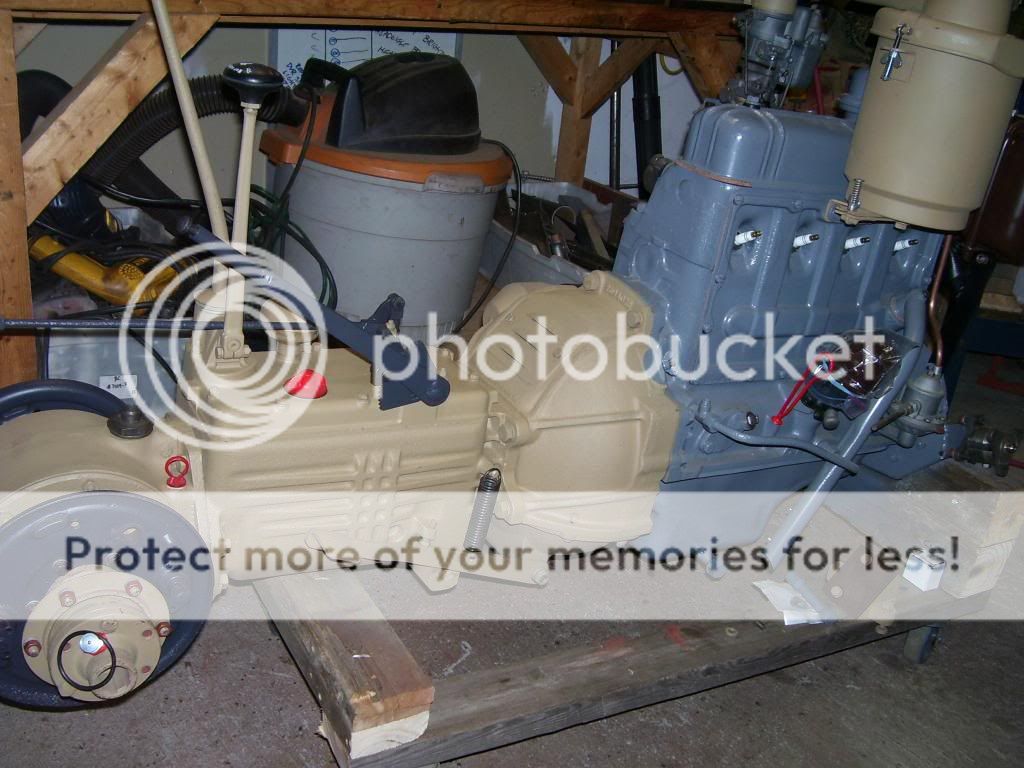
Original motor, back home after a year.
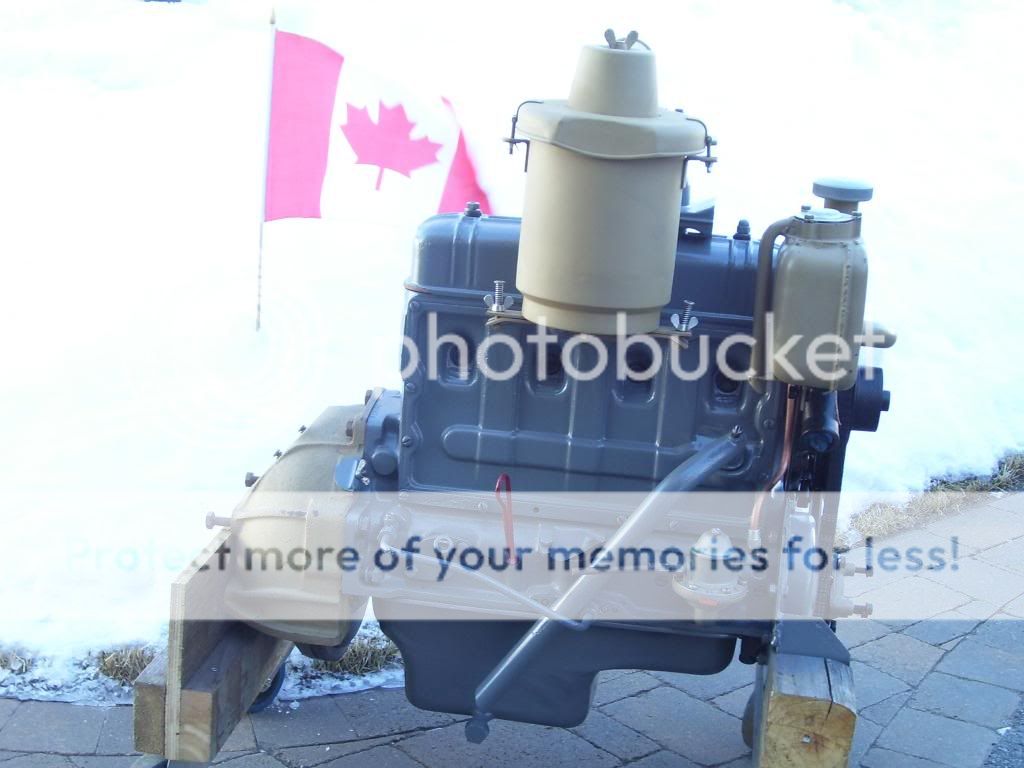
BEFORE
AFTER
Next posts will be on the upper bodywork.
Kettenkrads are powered with a Opel Olympia 1.5L car motor of 36Hp that was built by the Adam Opel Company of Rüsselsheim (a subsidery of General Motors in pre war days, GM washed their hands of Opel at the end of WWII). My kett came to me with its original 1.5L P1 type motor which is a VERY rare thing as the wartime built units are notorious for being of weak construction and generally poor quality, especially true in the later stages of the war. Lots of kett owners in Europe are in amazement I have the original motor for my vehicle and it is not uncommon for ketts to be running with a post war P2,3 or 4 motor (which are better built and of heavier construction). As there are only two of these motors in Canada and maybe a dozen or so (in ketts) in the US and it is the original I have to go the distance to save this motor.

Verbus marked rod bolt, note the thread not true to shaft and it going off on a bias.

Going to West Carleton Automotive for rebuild.


As the motor turned freely I thought, naive me, that I was not going to experiance to much butt hurt on the motor rebuild, sadly that was not to be. Once Jeff at WCA took off the push rod cover I got the phone call I was hoping I would not get. Seems Euro Bubba, had froze the block and done a repair with lead (got to really contaminate the crack) to keep it running. Two cracks this large C shaped piece of evil and another on the opposite side. Both, according to folks in Europe common failure points, sort of like the MB block failing cracking behind the starter.

So the block takes a nice ride down to David Cromptons in Michigan and is left for him to work his magic. WCA had asked me when I dropped off the block for disassembly if it has Babbit or insert bearings? Christ knows? I did not even know what a babbit bearing was (I do now) and all the torques and specs they would need to rebuild (More ?????? on my part).
^ Note the 44- T-R ###X number from Opel on the block, NSU stamps it number on a second location, either number is good on the data plate with the NSU one generally being the most common.
So to get the info Larry and Jeff needed at WCA I Googled "Opel Olympia Car Clubs" in Europe and it popped up about 15 clubs. I just started at the top contacting clubs and organizations stating what I was seeking for torques and specs, parts contacts, etc. A couple weeks go by with nothing heard from Europe, then the flood gates opened. A fellow in Germany responds, who at first I thought was just some "Euro version of a Opel Gearhead". I could not be more wrong if I tried. Turns out Rainer Weiler is a Prof. Dr. at the University of Augsburg Hochschule für Applied Sciences, who very fortunitely for me, is "into" Opels. I hit a freaking home run connecting with Rainer, a great guy who has passed on a ton of data, further contacts and assisted in the purchases of numerous parts.
With the block back from the US all welded up I treated in internally with Goodsons and just about melted my wifes hairdryer curing the stuff, amazing how much heat that can put out after about five hours of running, externally JB Weld, pressure test, evil cracks gone, or at least not an issue in my lifetime.

With the rods back from Ted Koudys at Precision Bearing Service of Beamsville, a bunch of parts out of Europe and the torques and specs by Rainer, and a nice drive to the United States and back for the welding, West Carleton can, after just about one year of agony rebuild my motor.

Original motor, back home after a year.

BEFORE

AFTER

Next posts will be on the upper bodywork.
Last edited:























