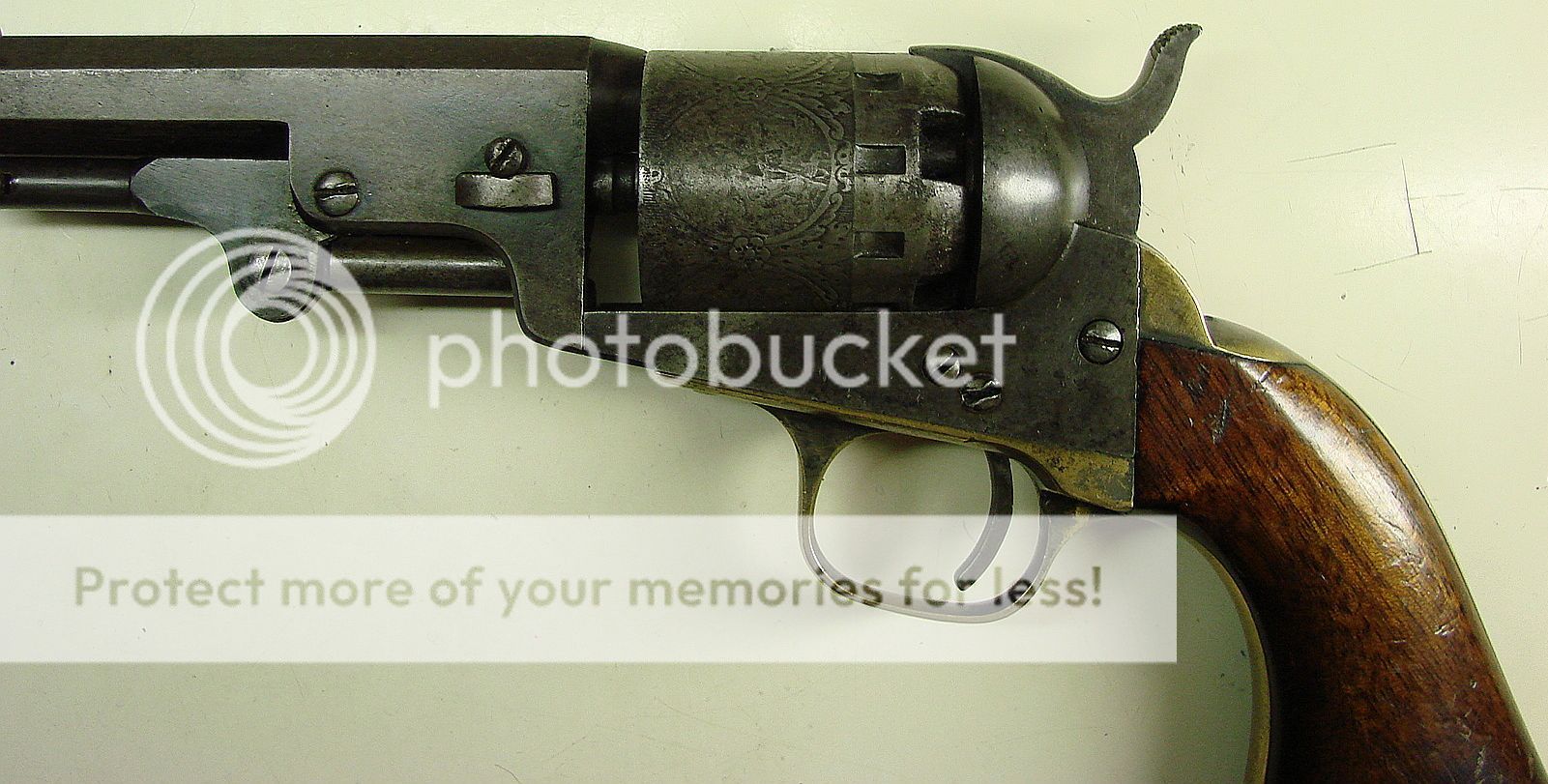
Three old Colts, 61 Navy,62 Police,49 Pocket.

drm3m

CGN frequent flyer
Rating - 100%
13   0   0
Location
Montreal Quebec
These should probably not be in the Milsurp section of the Forum, however,
these revolvers were very much a part of the U.S. Civil War as "possibly" private purchases.
Many enlisted men and officers purchased side arms privately.

David

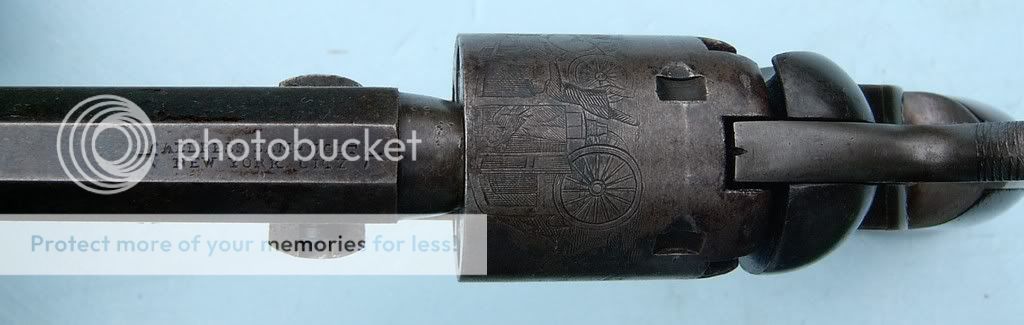
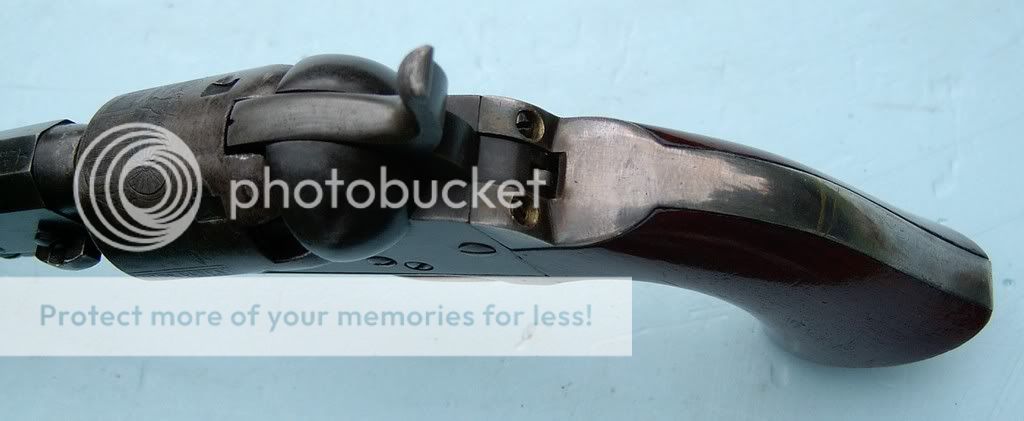
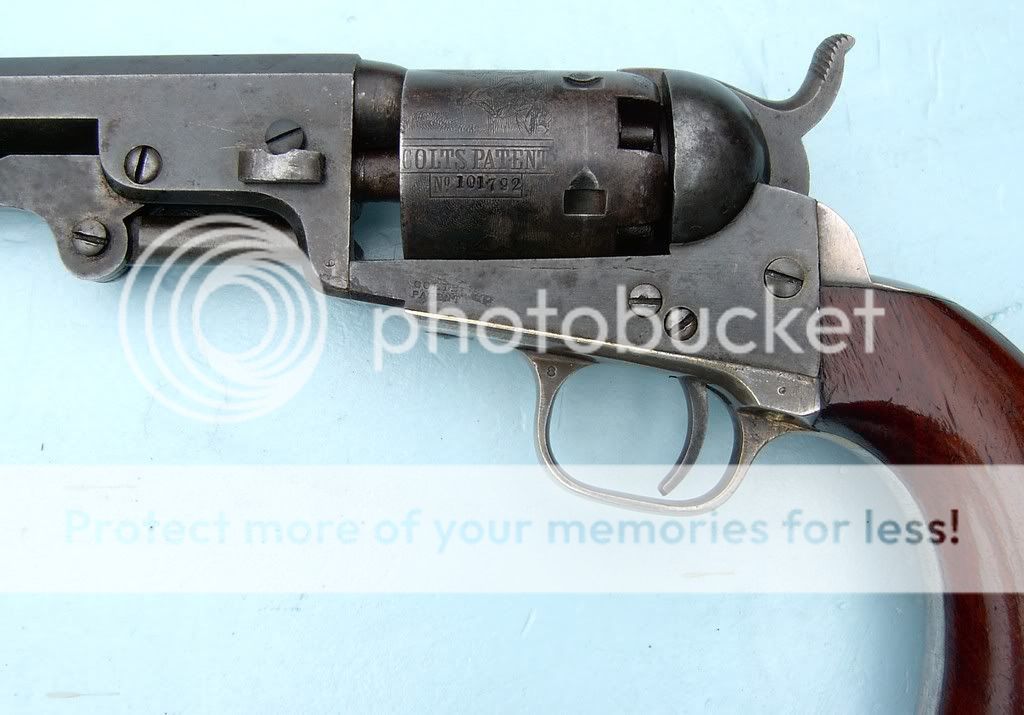
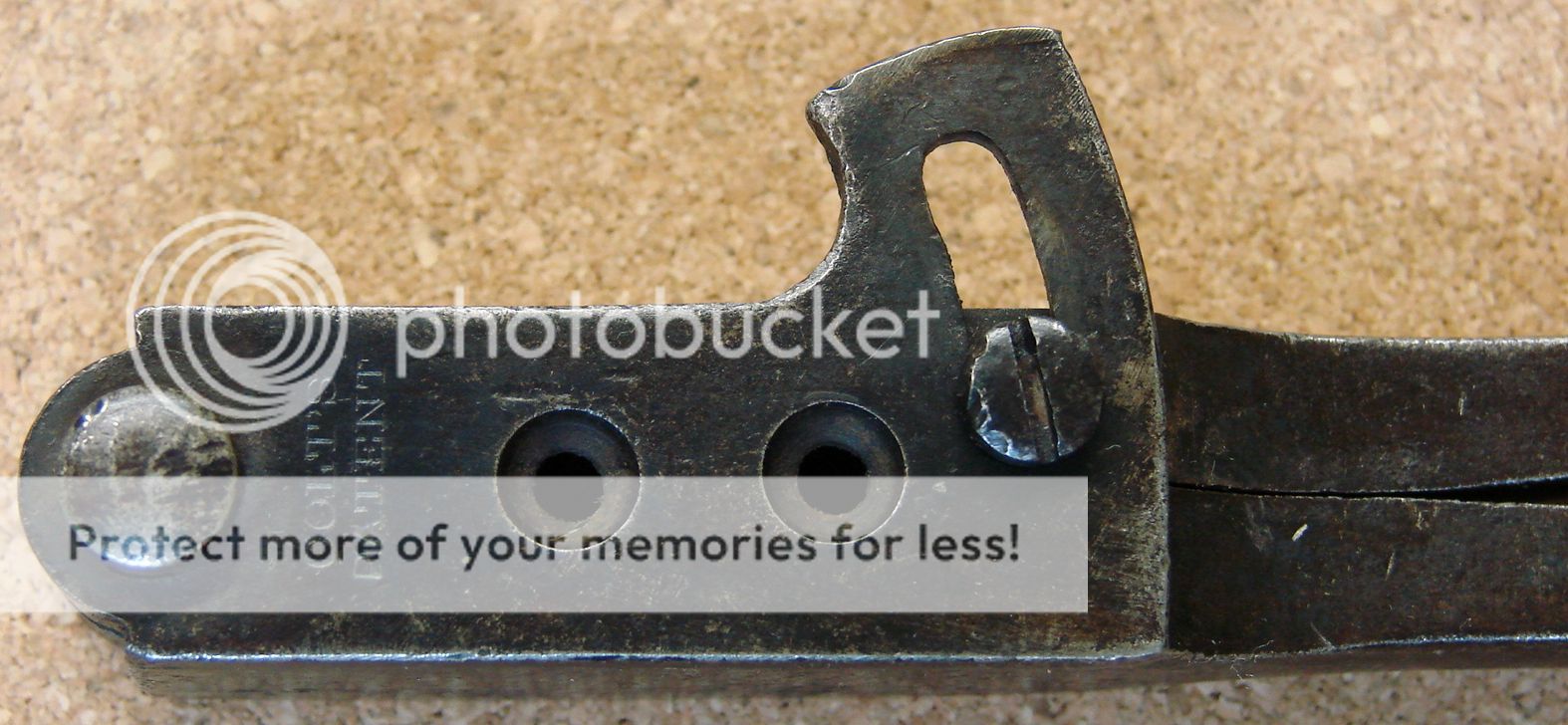
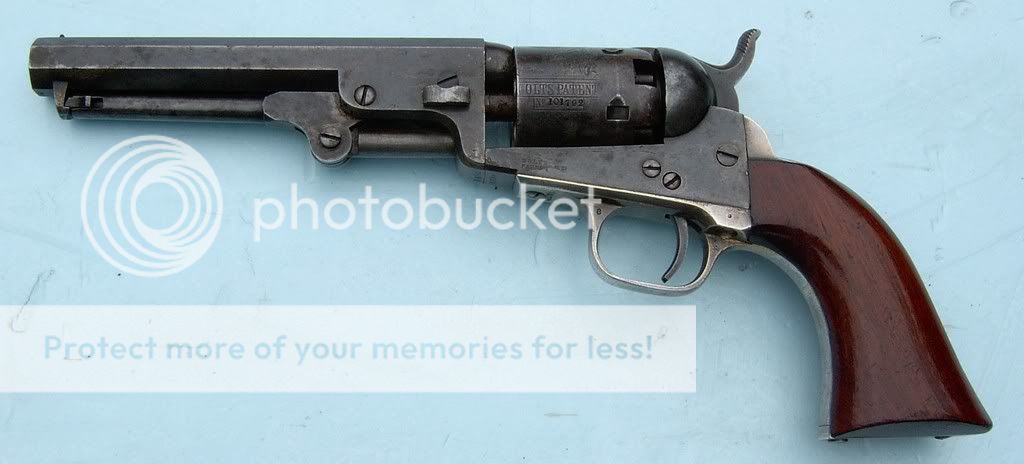
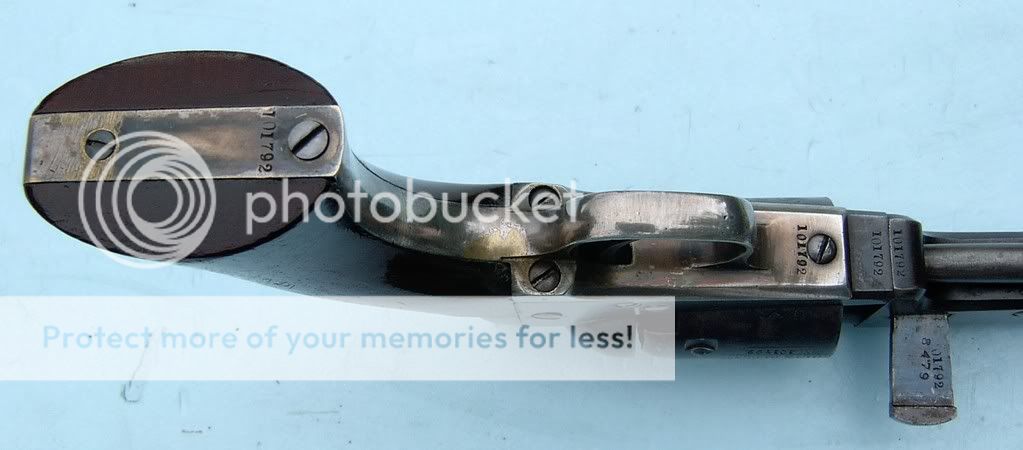
Colt Pocket Model 1849 manufactured in 1855.(.31 Caliber)
Very nice clear markings with silver plating remaining on the grip straps and trigger guard.
1849ColtPocketoutsidesession003.jpg


Snsontriggerguardstrapsilvering1-1.jpg


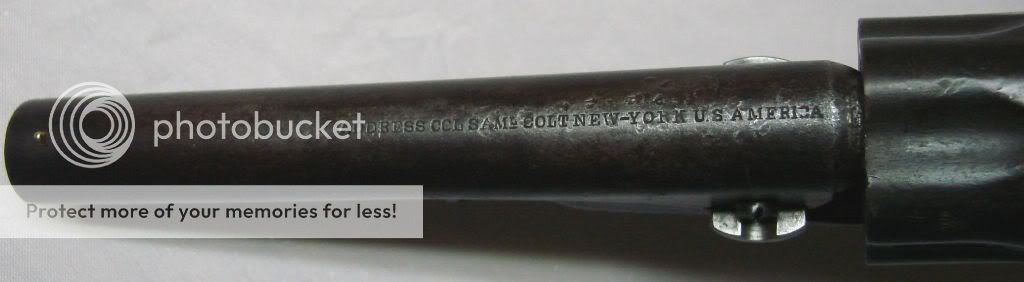
1849ColtPocketBarrelAddressandcy-1.jpg


1849ColtPocketoutsidesession017-1.jpg


1849ColtPocketSerialnumberoncylinde.jpg


.31 caliber Colt bullet mould.

DSC00963.jpg


Model 1861 Navy, manufactured in 1861, Serial number 3830. (.36 caliber)

DSC08796.jpg


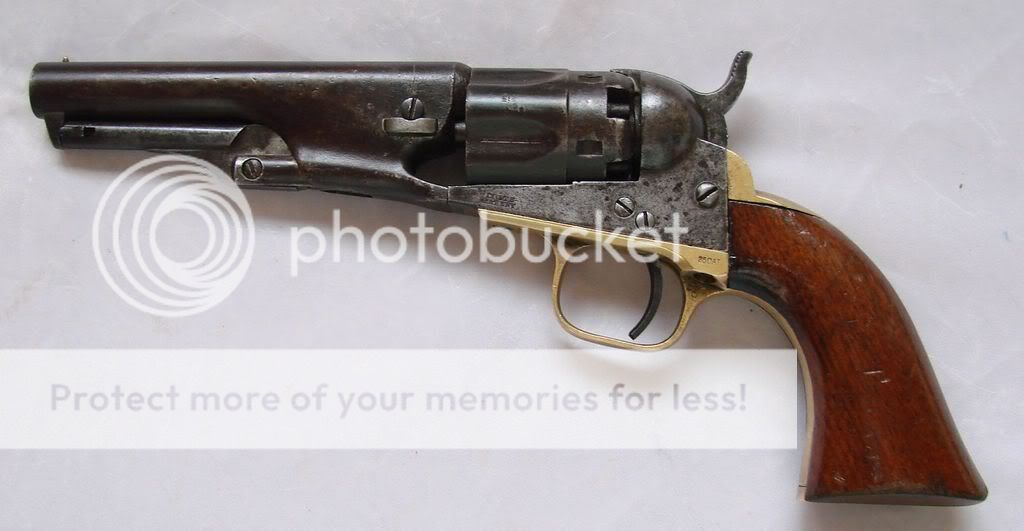
Model 1862 Police revolver, manufactured in early 1863,Serial number 16534. (.36 caliber)
1862ColtPolice156kbsDSC08330.jpg


DSC00016.jpg


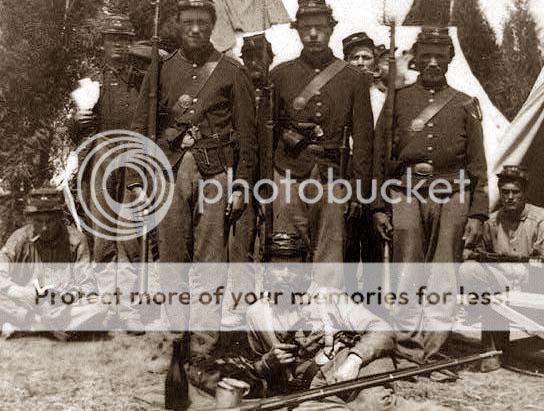
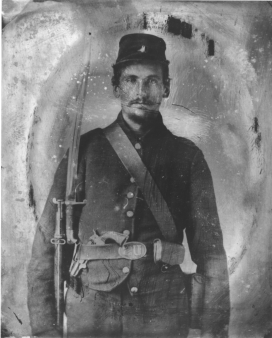
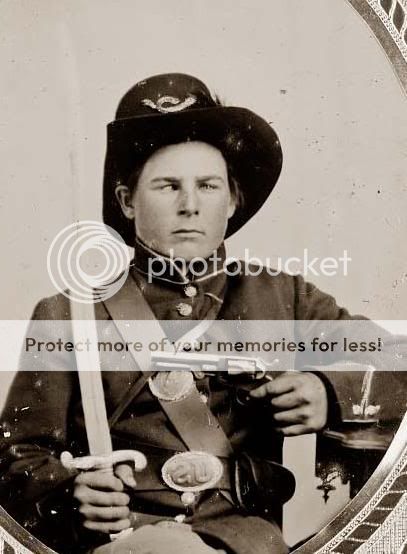
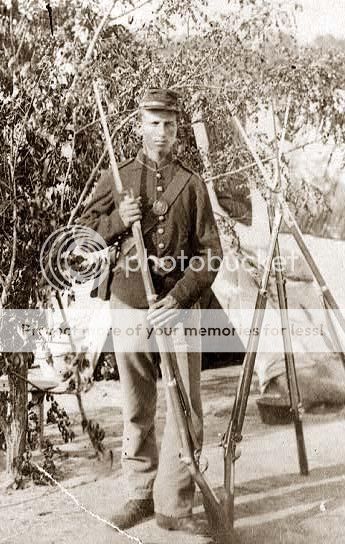
Period photos of enlisted Civil War soldiers with side arms.
These guns were not government issued.
How useful there were for the soldier in the field is debatable?????
Soldier-Pistol-Saber.jpg


Soldier-Bayonet-Rifle.jpg


Infantry-York-005.jpg


Shepard.gif


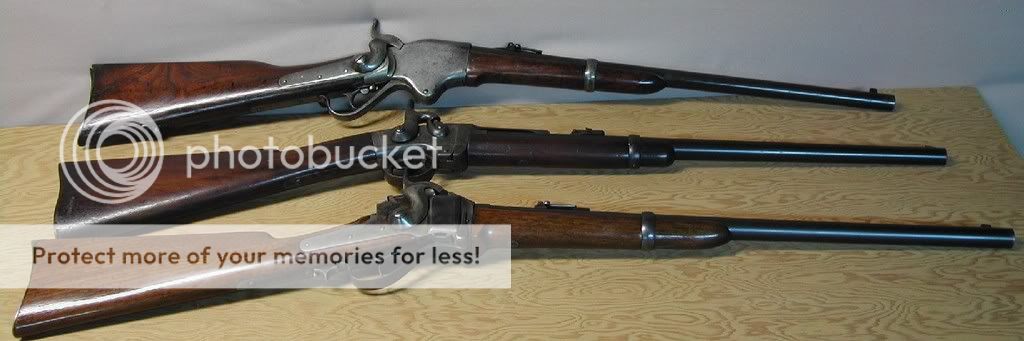
The carbines...but that is another subject.
GroupcarbinesDSCN0009164kbs.jpg
 
Last edited:
My Great Great Grandfather was in the 16th Iowa Volunteer Infantry until he was wounded in the Battle of Shiloh. He was 17 at the time and deserted from the hospital back home to say sorry to his mom just to turn around and enlist with the 9th Iowa Volunteer Cavalry whom he served with until 1865. I would love a 1861 Navy or 1860 Army like he would have carried.
 
Recce21,

If your Great Great Grandfather ended up with the 9th Iowa Volunteer Cavalry, chances are he "might" have had a Colt of some sort, a carbine of some sort and a saber probably a Model 1860 or maybe even a Model 1840 left over from the earlier days.
Unless you had his stuff you will probably never know unless there are records that clarify this.

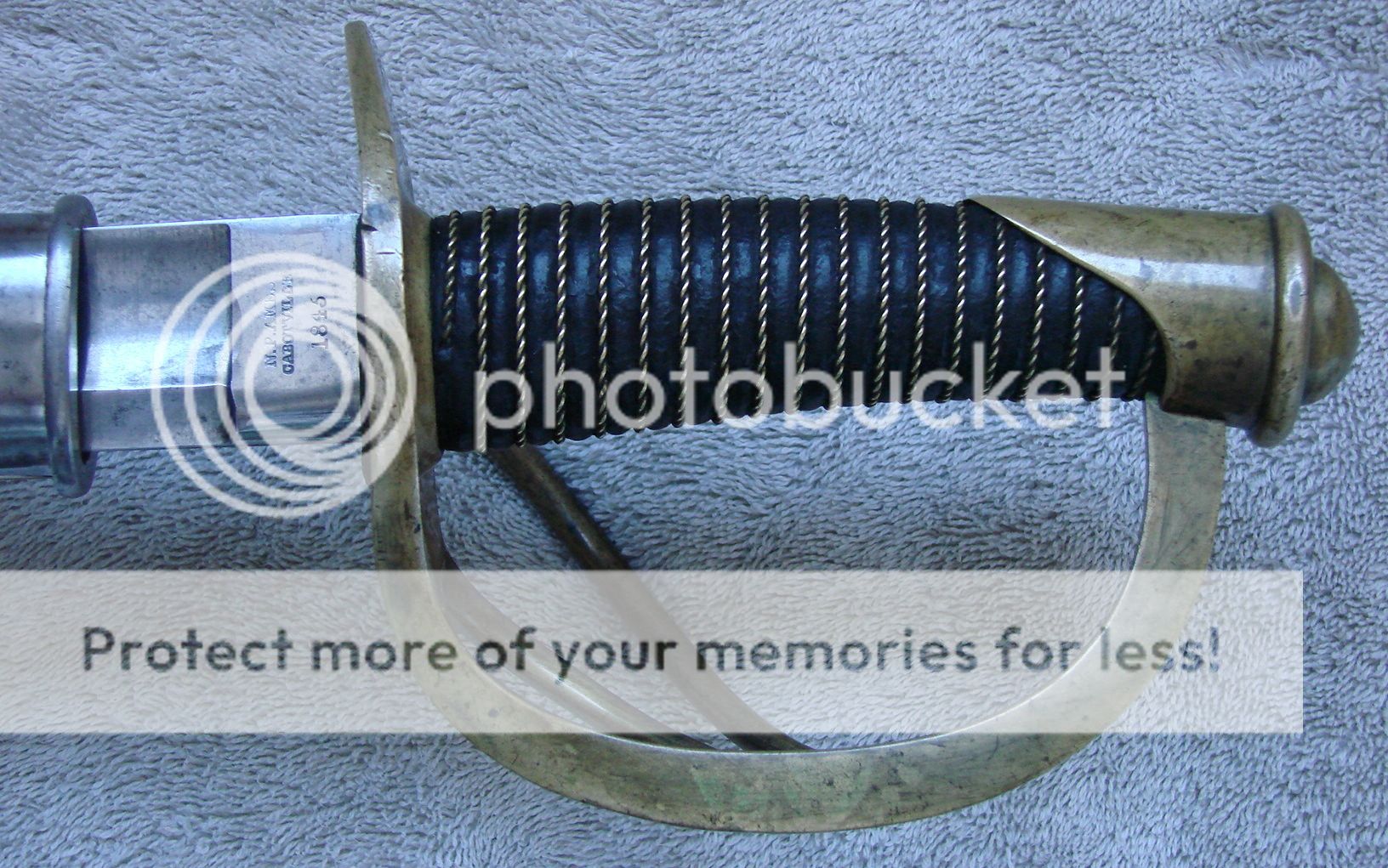
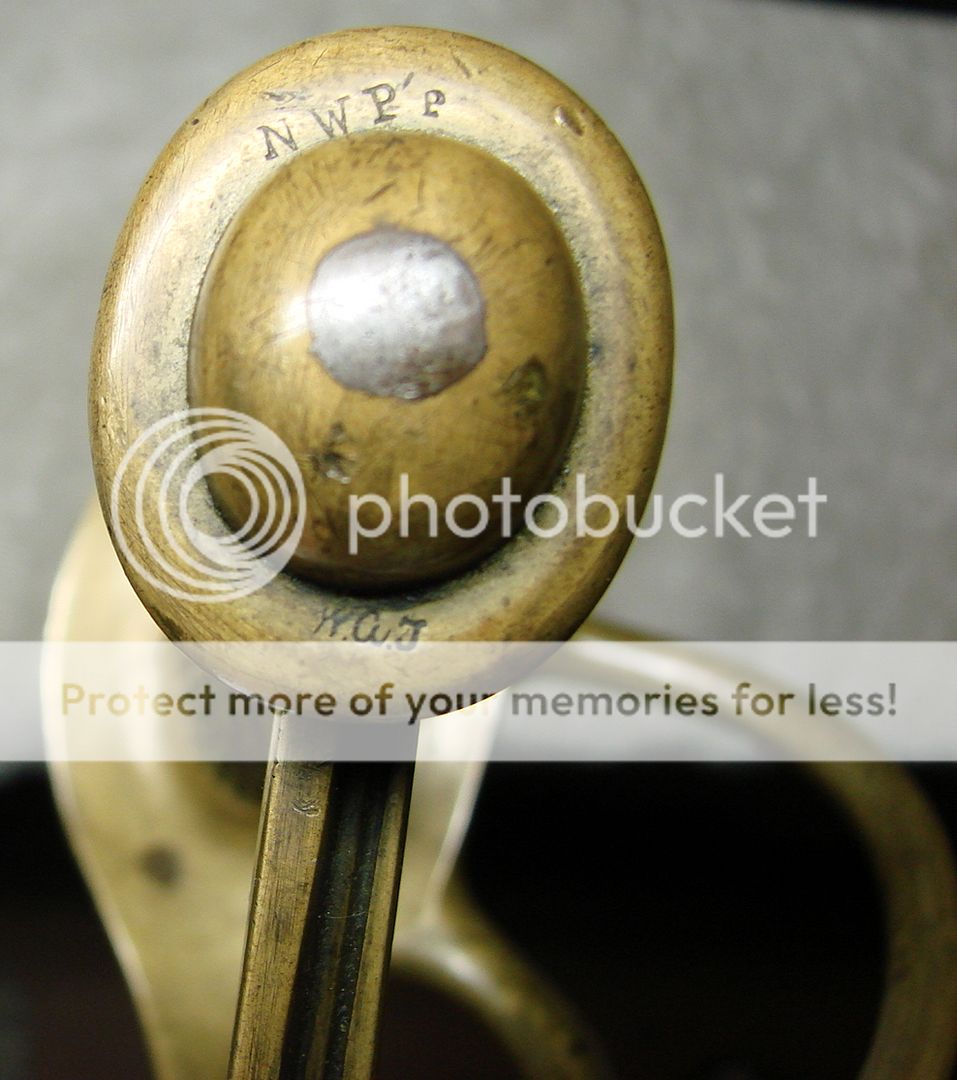
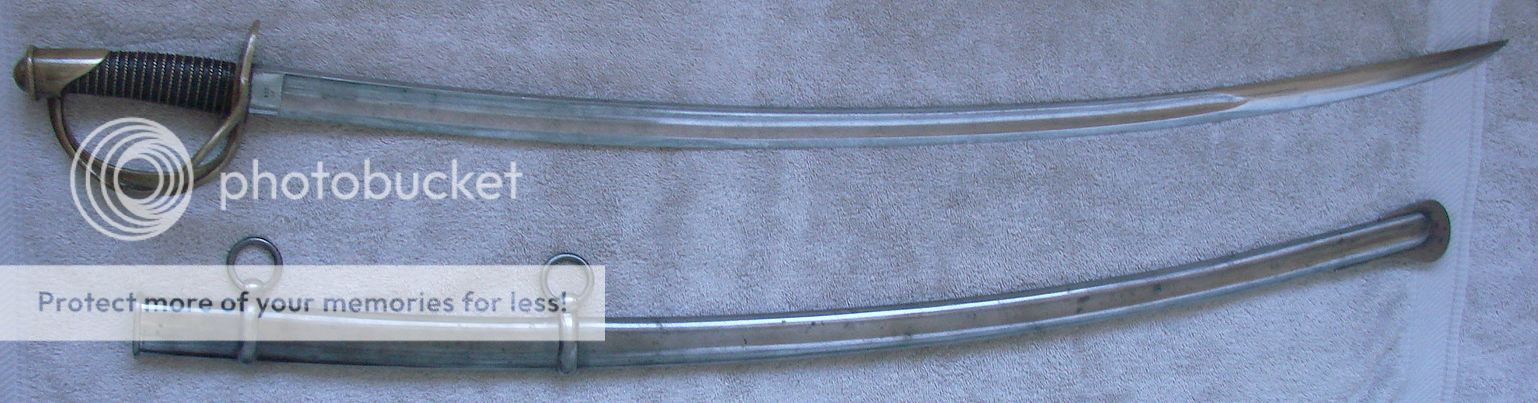
This is a Model 1840 saber from the earlier days. (a.k.a. the "Old Wristbreaker".)
Ames was one of the principal suppliers of swords to the Union as well as to the South before 1861.
This particular Model 1840 saber was manufactured in 1845, the first year that Ames manufactured this Model.
These swords served in the Mexican American War as well as the U.S. Civil War.
I realize that this is a gun forum but I thought I would add it anyway, for they that may be interested?

David


1845datemarking.jpg


Inspector's acceptance markings.

Pommelmarkings-1.jpg


USJCBInspectorsstamp-leatherwasher-gripwireandleathergripwrap.jpg


Saberandscabbard.jpg


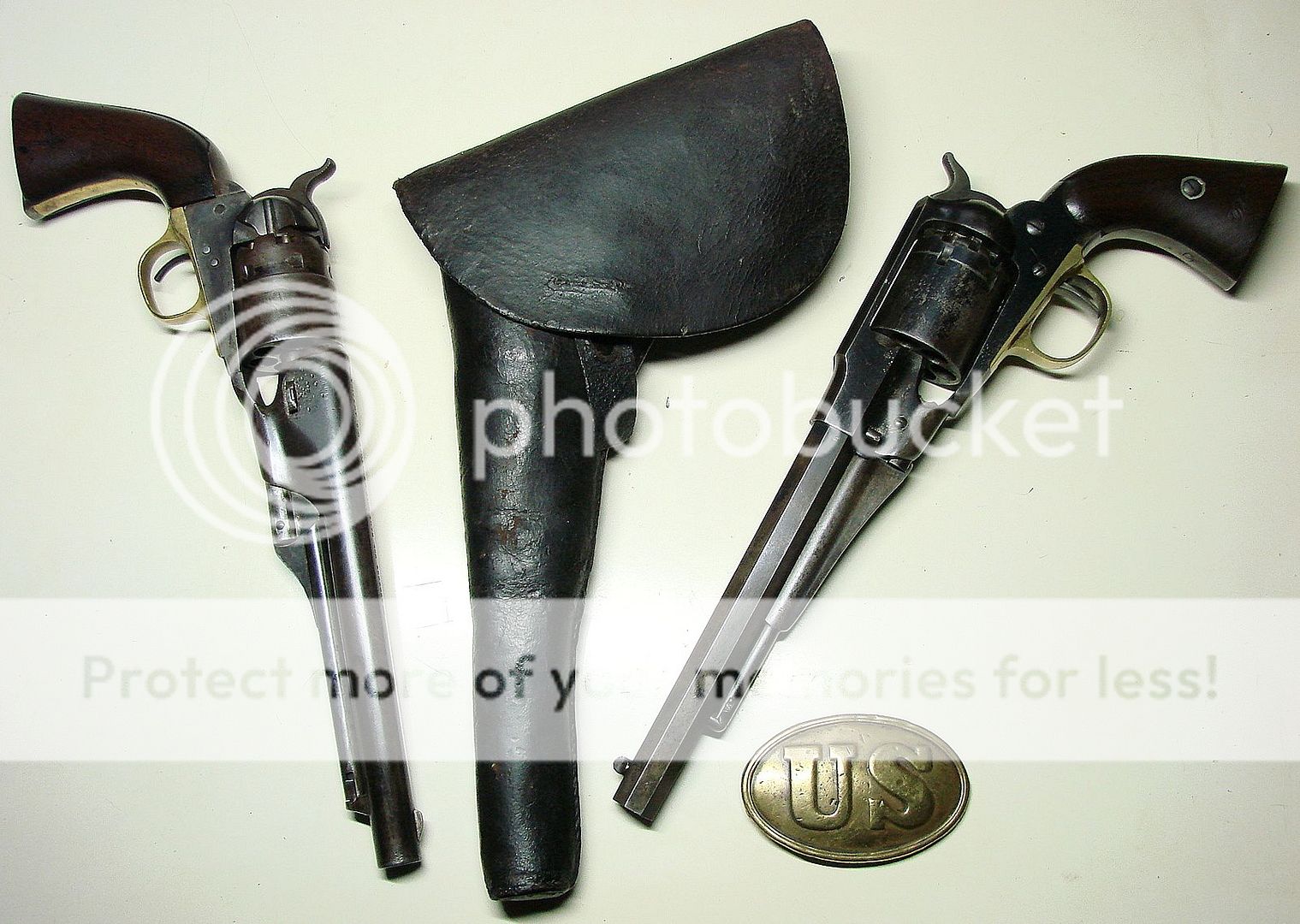
The revolver he was issued could have been the 1860 Colt army or the 1858 New Model Remington as shown below.....or something else. (.44 caliber)

60coltand58Remington.jpg


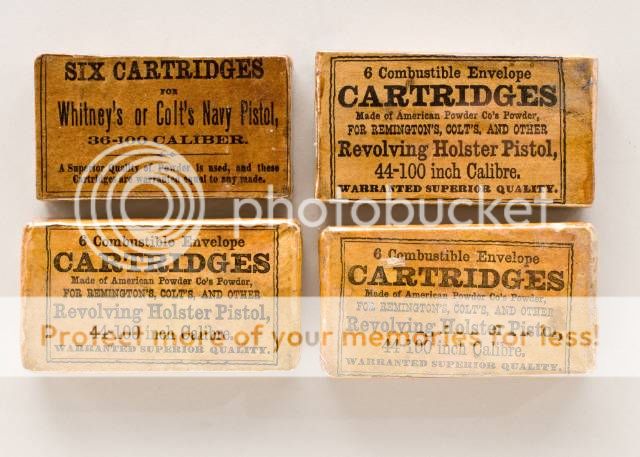
These packaged cartridges do not belong to me.

NOTMINE15377_01.jpg


tw1-3-1.jpg


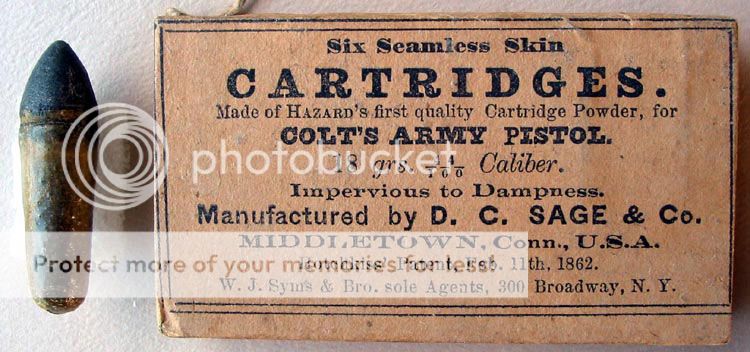
Civil War skin (treated paper) cartridges.

The J&D patent (#33,393 - October 1, 1861) was issued for "an improvement in envelopes for cartridges" and the cartridges made under this patent were officially called "Johnson and Dow's Combustible and Water Proof Cartridges".

The patent calls for a cartridge case of gun-cotton, paper, cloth or other fabric or texture treated with any nitrate and an oxygenating salt to make it "highly inflammable and instantly combustible"...

The finished cartridge was dipped in collodion (also highly inflammable) to make it waterproof.

In addition to the durability of these cartridges, tests and actual field use indicated that the cartridges were easier to load, since no tearing was required and the whole cartridge was simply placed in the bore. One regimental commander later wrote that the regiment adjacent to his on the firing line had been equipped with J&D cartridges and were able to fire three shots for every two of his own regiment.

The first J&D cartridges for .58 cal rifle musket were ordered by the Federal government on March 24, 1862. Cartridges using the J&D patent were also produced by Elam O. Potter in both rifle musket and revolver calibers.

Julius Hotchkiss patented the skin cartridge, which D.C. Sage (and a few others) manufactured; again waterproof by the nature of the skin. Again the power of the percussion cap penetrates the skin and ignites the powder. Some of the .44 cal. Army packets were labelled “Waterproof Skin Cartridges.”

The patented cartridge by Doctors Doremus and Budd had a powder envelope formed by pressing the powder into molds under high tonnage, attaching them to bullets, and then dipping them into collodion, which waterproofed them, is extremely flammable and easily ignited with a percussion cap.

The combustible cartridges allowed quickness in loading, firing and being waterproof, became useful in the field. You didn’t need good teeth to tear them open and unnecessary handling.

-------------------------------------------------------

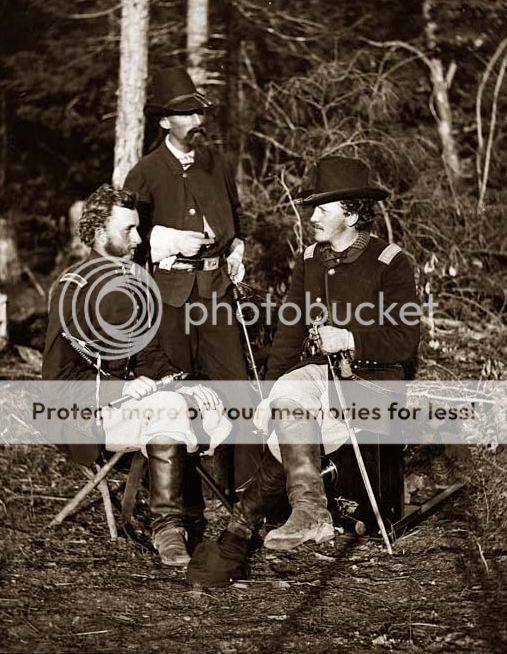
General George Armstrong Custer (on the left -seated) holding a revolver in his lap with his sabre...a 51 Navy or Model 1860 Colt Army...I don't know.

George-Custer-2.jpg

----------------------------------------------------

Reece21....don't think you should have the answers to all of the questions regarding your Great Great Grandfather...they are buried in history somewhere...if you are able to demystify some of them so much the better.
 
Last edited:

Not a Colt, but somewhat under estimated in the minds of some.
These revolvers were probably purchased by enlisted men during the Civil War.

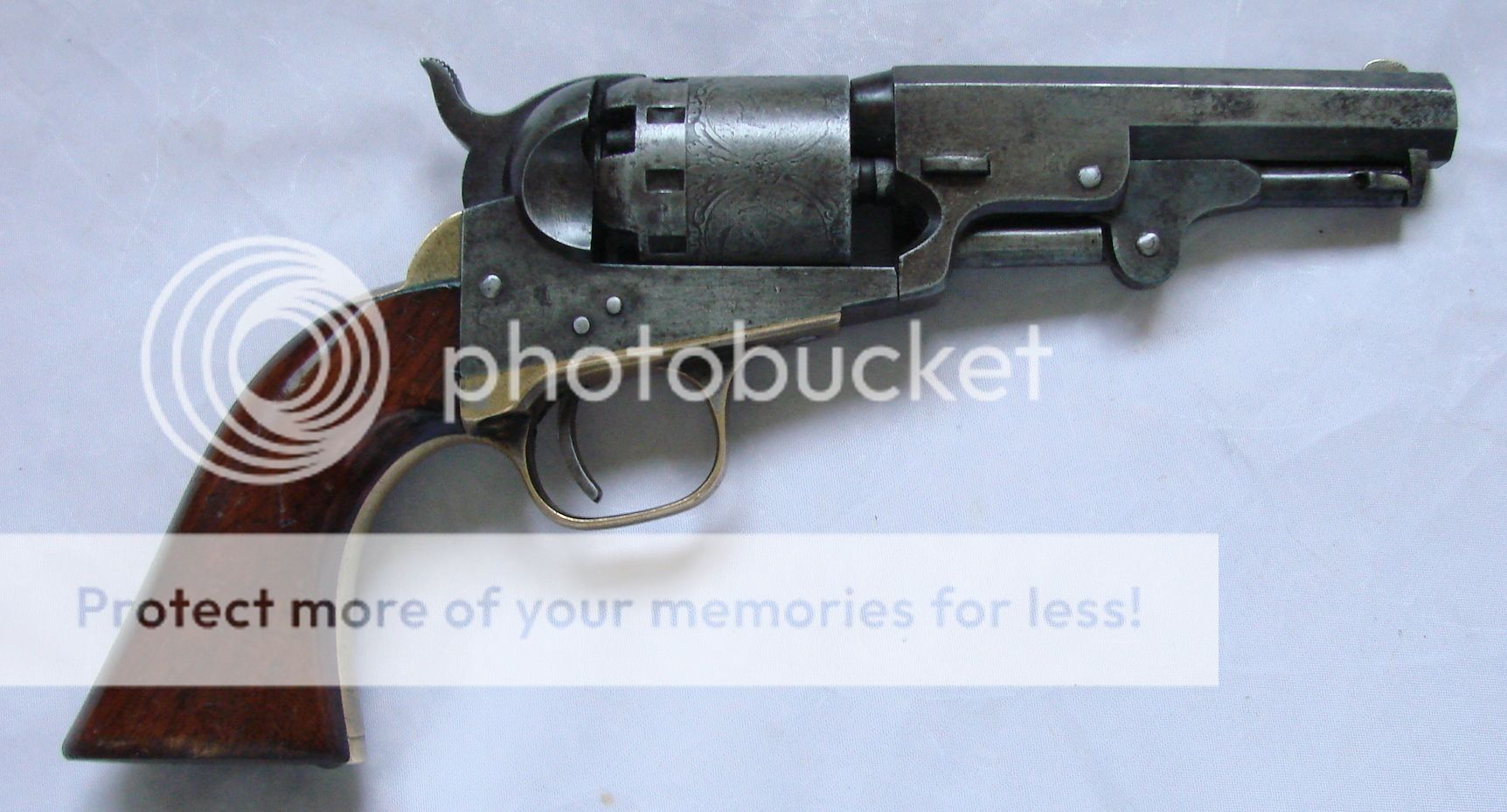
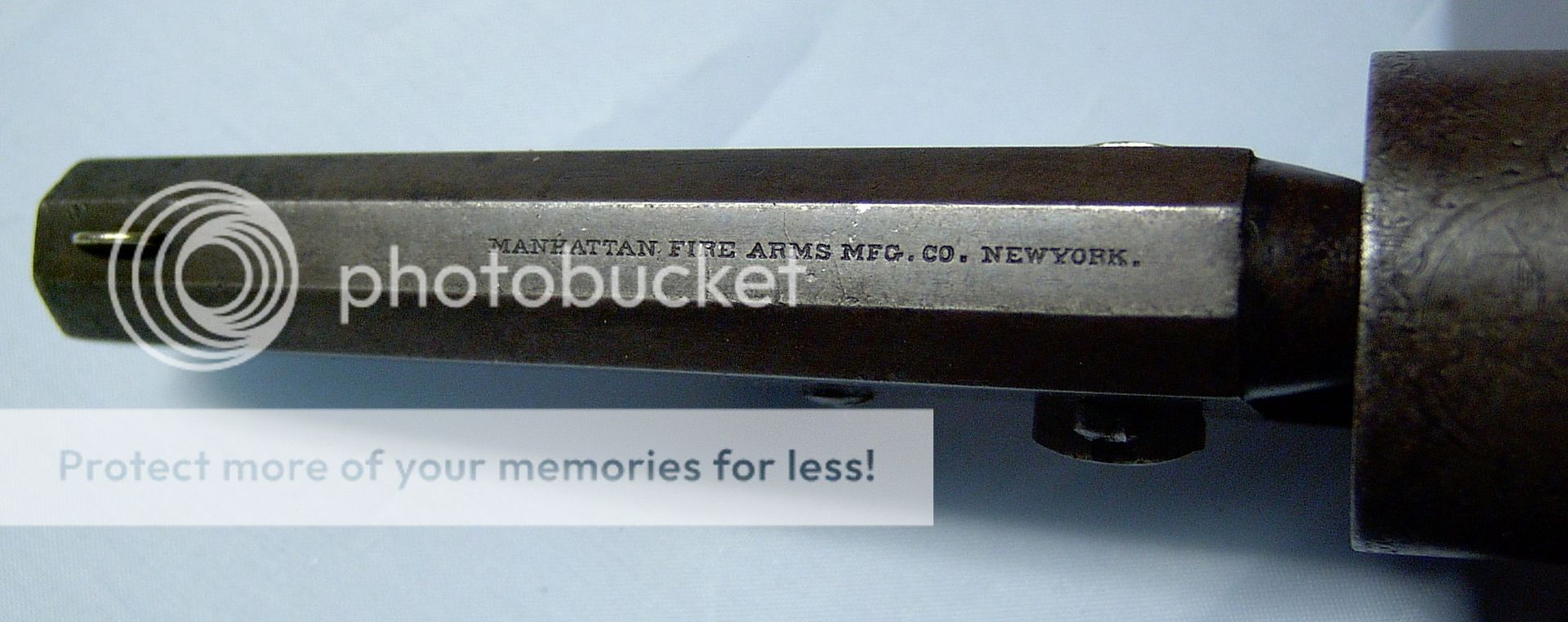
MANHATTAN NAVY SERIES 1 (a possible) CIVIL WAR REVOLVER .36 Cal. Circa 1859-68. Five shot, 4 inch barrel. Barrel address “Manhattan Fire Arms Mfg. Co. New York”.

The Manhattan Fire Arms Manufacturing Co. was founded by a group
of New Jersey businessmen in 1856. Their goal was to take advantage
of Colt’s patent for revolving firearms that was due to expire in 1857.
The founders hired Thomas Bacon to became the Superintendent of
Manufacturing.

Manufacturing began in Norwich, Connecticut and in 1859 moved to Newark,
New Jersey. Thomas Bacon remained in Norwich and started his own
firearms company. During their existence, Manhattan Firearms produced
approximately 175,000 pistols. Only Colt, Remington, and Winchester
produced more guns during this era in which included the Civil War.

While waiting for Colt’s patent to expire, Manhattan first made copies of
American firearms that no longer had patent protection. These included
pepperboxes and various single-shot designs. Shortly thereafter, they
turned their attention to making Colt-style revolvers in both the .31 caliber
Pocket and .36 caliber Navy styles.

Serial number 3601, .36 Navy calibre.

Manhattan212kbsDSC08345-1.jpg


Manhattanbarrelmarkings36caliber-1.jpg


DSC04344.jpg


David
 
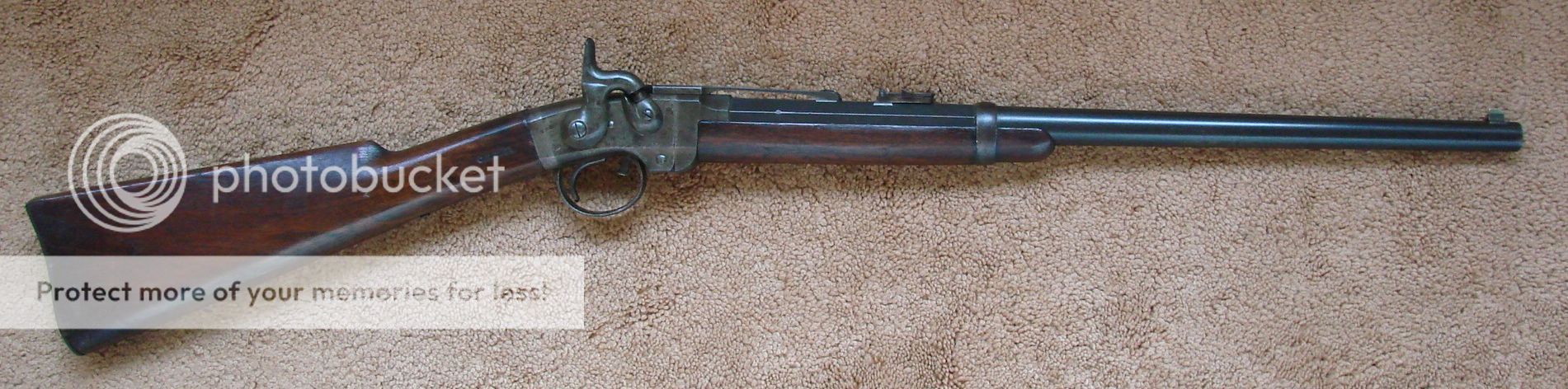
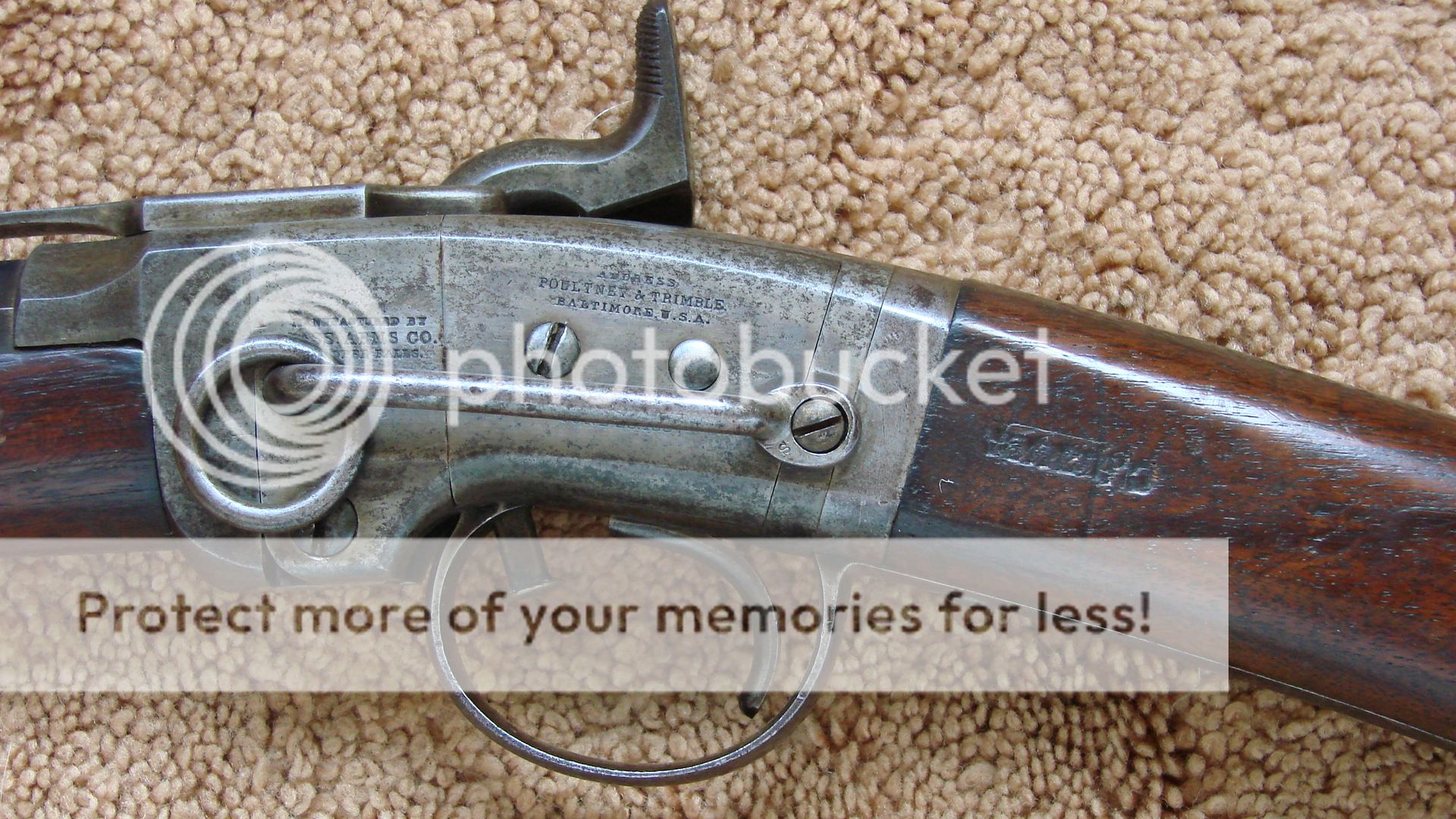
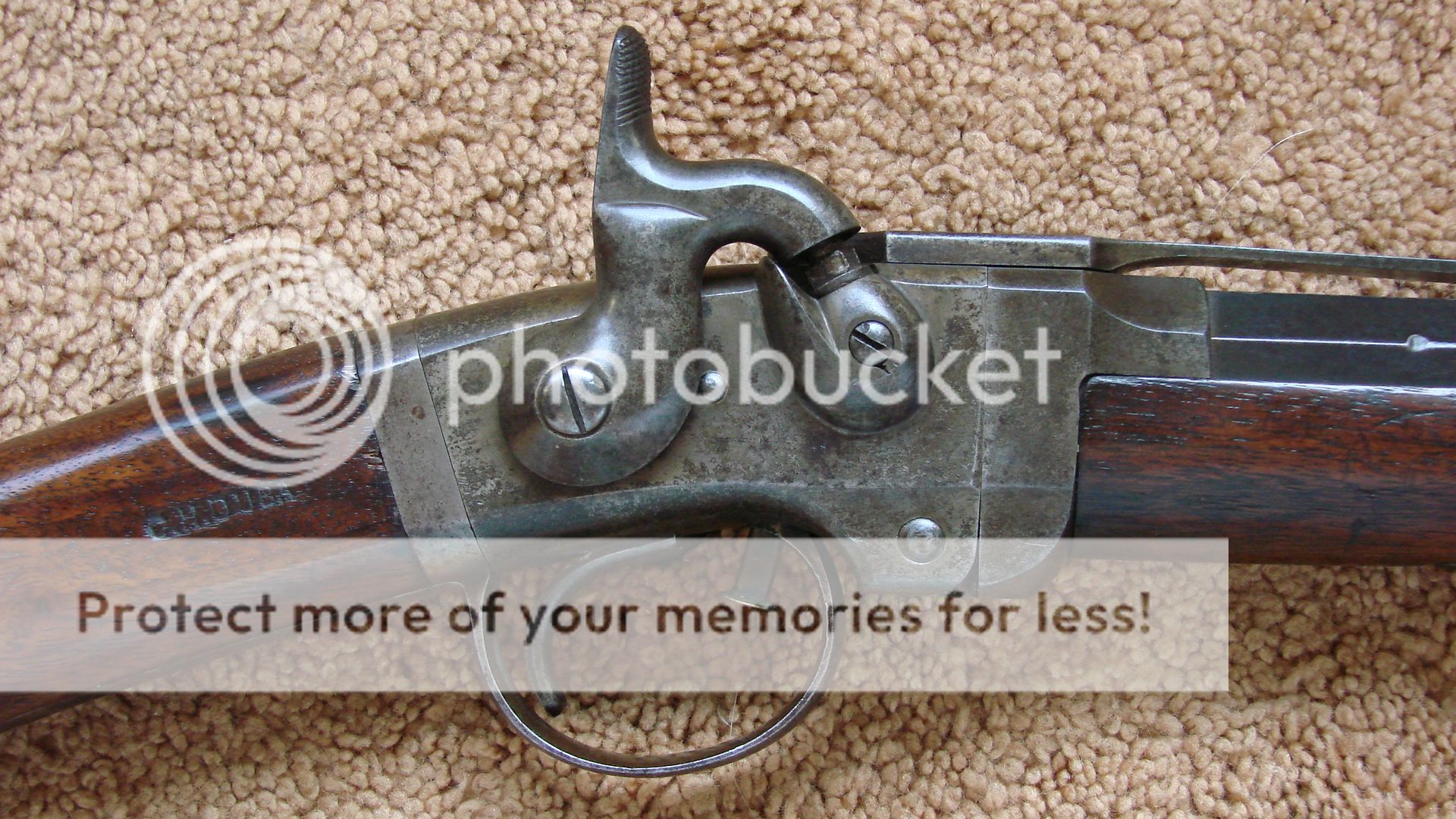
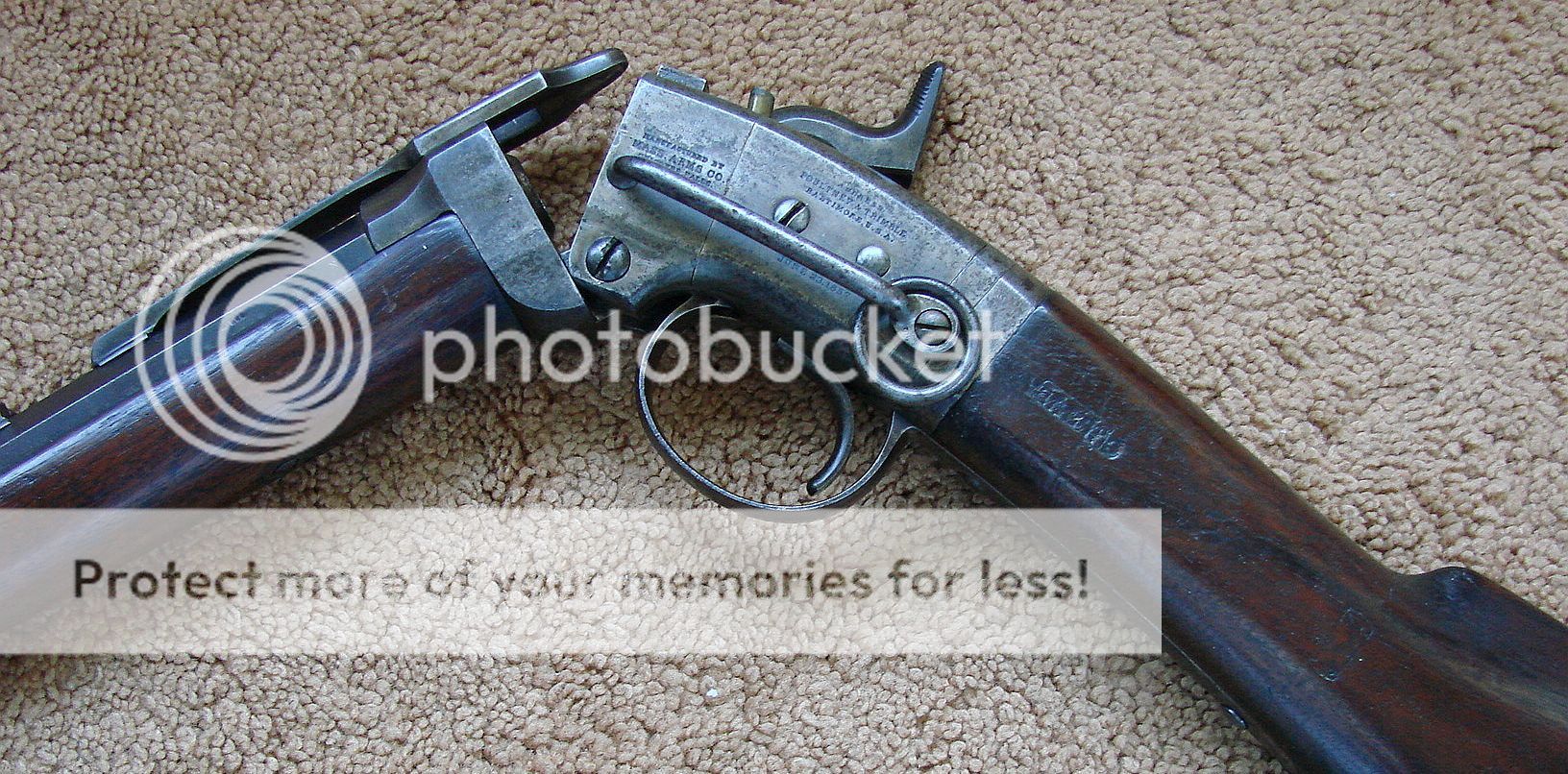
This is not a Civil War revolver, it is a Smith carbine.

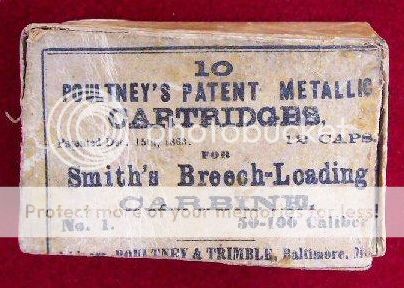
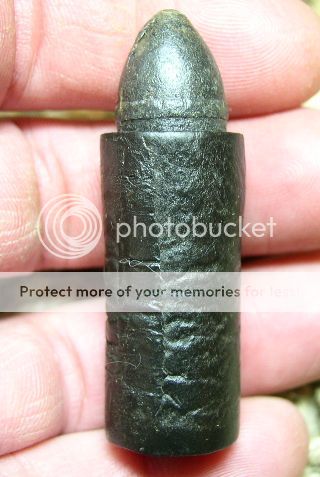
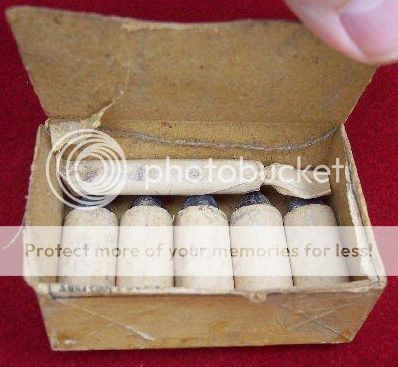
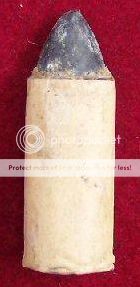
The Smith carbine utilized a paper or rubber cartridge and employed a unique loading system, the barrel swivels downward like a shotgun upon release by a latch underneath. Developed and marketed early, The Smith carbine was used extensive by Northern cavalry units that enlisted early.

As a Canadian collector of Civil War stuff, don't try and find a Smith carbine cartridge in Canada, hen's teeth are more rare.

The cartridges shown below do not belong to me, but the carbine does.
One of the challenges associated with collecting this stuff.

With many different carbines used during the war each with its own ammunition it must have been very difficult for the supply people.

David

SmithcarbineSn21198.jpg


556_Smith_001.jpg


DSC08764-2.jpg


rubbersmith.jpg


DSC08766-1.jpg


565_Smith_002.jpg


523_Smith_007.jpg


DSC05792.jpg
 
Thanks canuck and BWEST.

David

Two U.S. Civil War rifle muskets.

U.S. Model 1861 rifle musket, lock dated 1863-William Muir Contract. (.58 caliber)

DSC08918.jpg


DSC08920.jpg


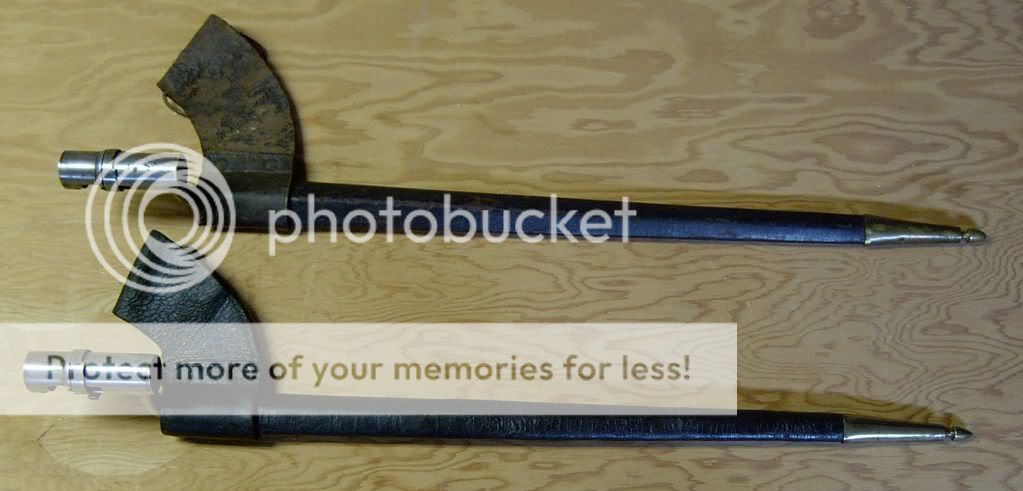
Model M1855 socket bayonets for the Model 1861 rifle musket. (Type 1 and Type 2)

1855bayonets002.jpg


Pattern 1853 Enfield rifle musket, manufactured in 1861. This musket is .58 caliber instead of .577 as denoted by the 24 barrel marking instead of 25 which would indicate .577 cabiber.
(NOTE; The sling shown in the photo is not correct for this gun or the CW period.)

BestDSC08898.jpg


resizedCopyofEnfieldlockplate.jpg


ResizedCopyofEnfieldbarrelmarking.jpg


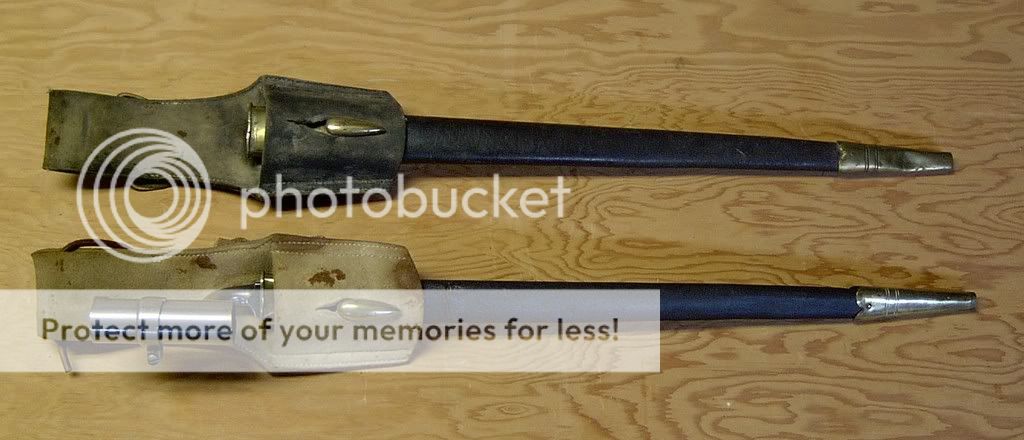
The bayonet for the Enfield rifle musket with two different coloured scabbard frogs.

Enfieldbayonetscabbardandfrog003.jpg


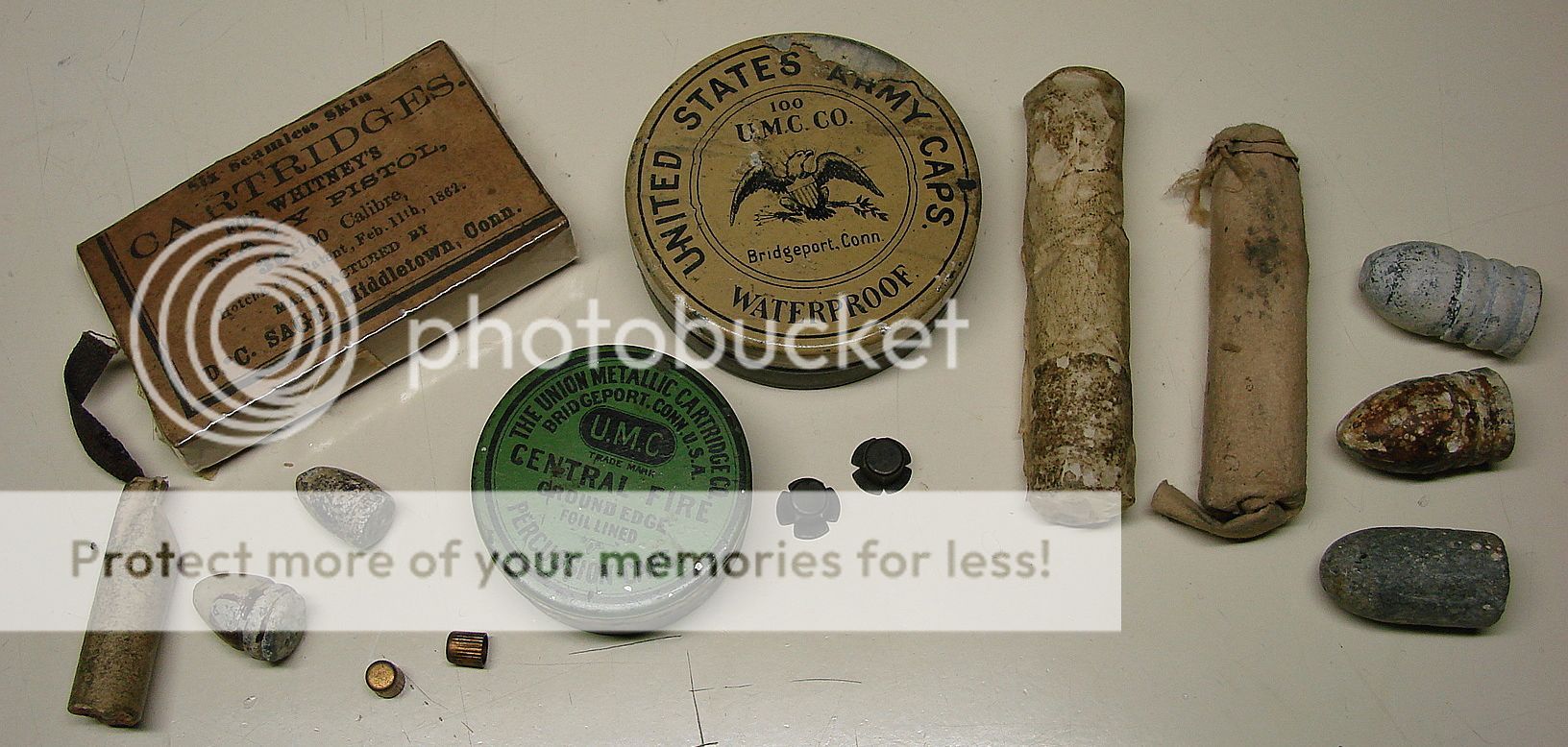
Paper cartridges for both the Model 1861 rifle musket (right) and the P53 Enfield.(left)

CivilWarcartridgespercussioncapswit.jpg


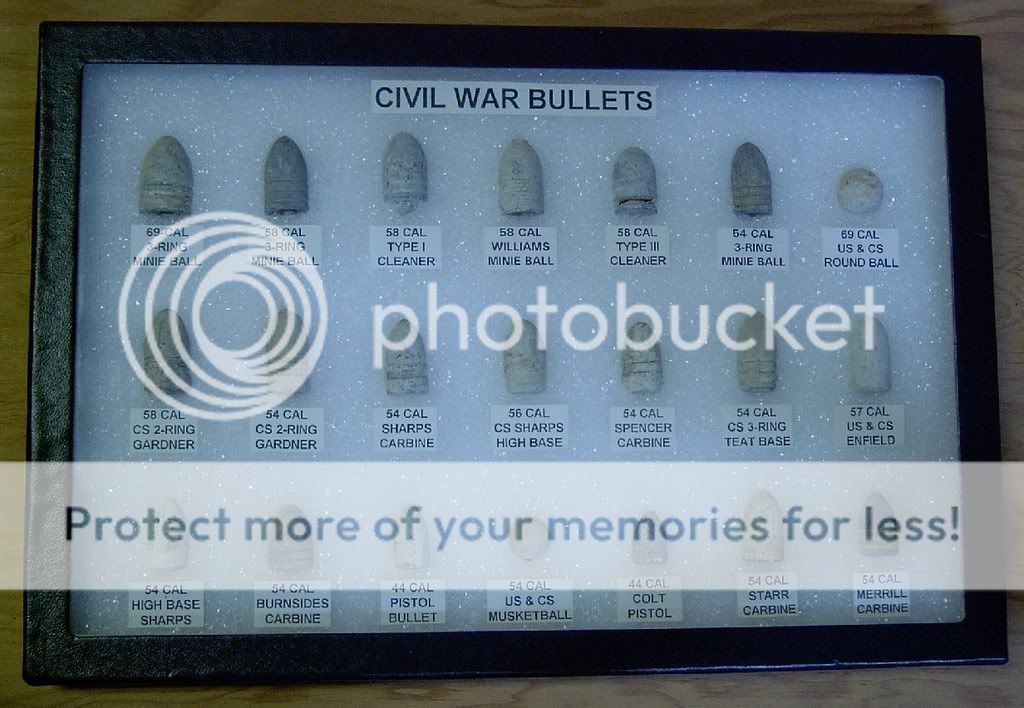
Various Civil War bullets.

CroppedresizedCivilWarBullets009.jpg
 
Back
Top Bottom