Tight necks, #### brass, or hot loads?

Hitzy

CGN Ultra frequent flyer
Rating - 100%
146   0   0
Location
Rottawa
Been​ shooting this load for years, 23.3gr WC735, CCI mag primers, 55gr Vmax in every 223 I own. 25gr is my max with this powder, so it's a pretty mild load, doesn't break 3000fps out of a 20" AR15. Good plinking load basically.
First time I've had any concerns, and it's with my newer Howa. Now Fed brass is pretty thick but also soft, the ejector and extractor marks are very pronounced. Only thing I noticed out of the ordinary is the fired cases will not fit over a bullet. I don't think I own any other rifle like that, usually it slides right over, maybe slight resistance but nothing like this where it will not go over at all. That seems like an awfully tight necked chamber.
No pressure signs on the Win brass, and both necks are kind of sooty, so it really doesn't seem like a high pressure issue. The Win is new brass first firing, the Fed is 1f factory fired in this rifle and neck sized. No marks on it before this loading. All loaded at the same time, 20 rounds of each, all the Fed looks the same as these, same with all the Win.

Fed brass

 
It chambered fine?
Bolt wasn't hard to open?
Primers don't look flat...
I think it's a brass mixing issue, more obvious on case inspection than anything else. Some higher pressures...
Sort your brass if you want, or don't. No big deal imo.
 
The are many 223 Rem reamers and thus chambers. There are also this nasty NATO spec that gets thrown into the mix.

My thought is that the Fed is made to NATO thickness and thus is a tight fit in your 223 Rem min spec chamber. Win brass may be more commercial in dimension and have typically been thinner for me.

Outside neck turn to 10, max 11 thou and enjoy. If your fed brass is in the 13 to 15 thou range, that would explain the problem.

Jerry
 
It chambered fine?
Bolt wasn't hard to open?
Primers don't look flat...
I think it's a brass mixing issue, more obvious on case inspection than anything else. Some higher pressures...
Sort your brass if you want, or don't. No big deal imo.

Yeah, nothing out of the ordinary there...but it is a tiny cartridge in a big action with lots of camming. I do need to chrony these out of the Howa to see if there is anything drastic going on with velocity.
Same day I was shooting 24.4gr, 50gr TNT's, CCI mag and PRVI brass with no marks at all, and pretty decent accuracy for bulk surplus powder.
 
check length of cases

Always trimmed. I'll do some neck measurements with the calipers tomorrow, Jerry probably hit it...worn out reamer in Japan, thicker Fed brass but the softer commercial spec brass..2 firings and I bet I can push a primer in by hand lol.

I do load the mil-fc brass as well, have buckets of it, but usually keep it for the ARF. Definitely better brass then the Fed commercial stuff.
 
Except for the smaller case volume, I love NATO speced brass for my precision 223 shooting. The majority is made to such high standards and is wonderfully strong. Yes, you have to decrimp and outside neck turn BUT typically very consistent and did I mention STRONG.

Commercial stuff is geared for the fire and forget varminter. It went bang and came out of the rifle. Beyond that... not our problem.

PRVI is a blend of mil spec quality with commercial end users in mind. Well priced too.

That rifle is shooting SUPERBLY... thin those Fed necks and I bet problem all gone bye bye.

Jerry
 
I would be willing to entertain that your HOWA wants a stiffer load. I recently sold a HOWA that did exactly the same thing. My go to load for your powder/primer/brass combo is 24.5 grains. I remember starting with 23 grains of WC735 and noticed sooty necks as well. My Howa had a longer throat for heavier bullets. When I added the 1.5 grn of powder, other than a very small soot ring about .030in on the case mouth it was fine.
 
Like Jerry says, if you want good .223 brass PRVI is really nice. Lapua is good too but PRVI is right up there.
ARs in general have loose (oversized) chambers. Easy in and easy out.
Neck turning and trimming to length are important for .223 with accurately cut and reamed chambers. My 223 was really tight and had to go back to get reamed and polished. It is still just at SAAMI spec as far as I can tell. Brass measured after the third reload without sizing in between is only 1.0 thou longer head space than SAAMI spec and I can't measure any expansion at the web at all. I full length resize, bump the neck back that 1 thou, and trim to length on the third reload. That length trimming is really important.
 
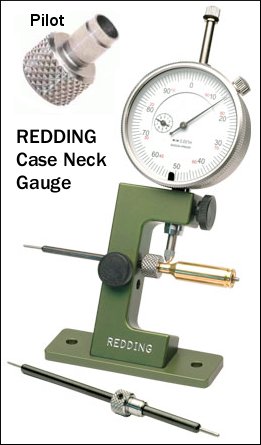
With one twist of the wrist the neck thickness gauge below tells you a great deal about your brass. I use this all the time for sorting Lake City 5.56 cases for uniformity and not having to neck turn. The uniform necks are used in my Savage bolt action and the cases with excess neck thickness variations are used in my AR15 rifles.

redcaseneckgaugex261.jpg


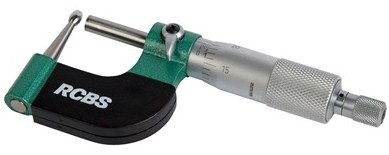
I also have a RCBS ball micrometer below but prefer the Redding gauge for faster overall readings on neck thickness when sorting cases.

sinfigure06.jpg


With your problem and using mixed brass you might find what is causing your problem if you had this simple Redding gauge.

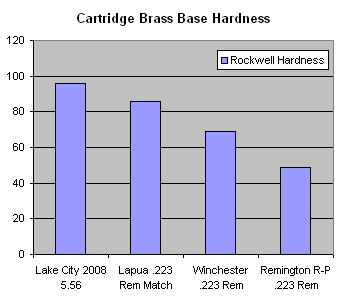
Also Federal brass is one of the softer brands of brass and softer than Remington brass with military 5.56 cases being the hardest.

How Hard is Your Brass? 5.56 and .223 Rem Base Hardness Tests

http://bulletin.accurateshooter.com/2014/05/how-hard-is-your-brass-5-56-and-223-rem-base-hardness-tests/

brasstest03.png
 
Last edited:
Back
Top Bottom