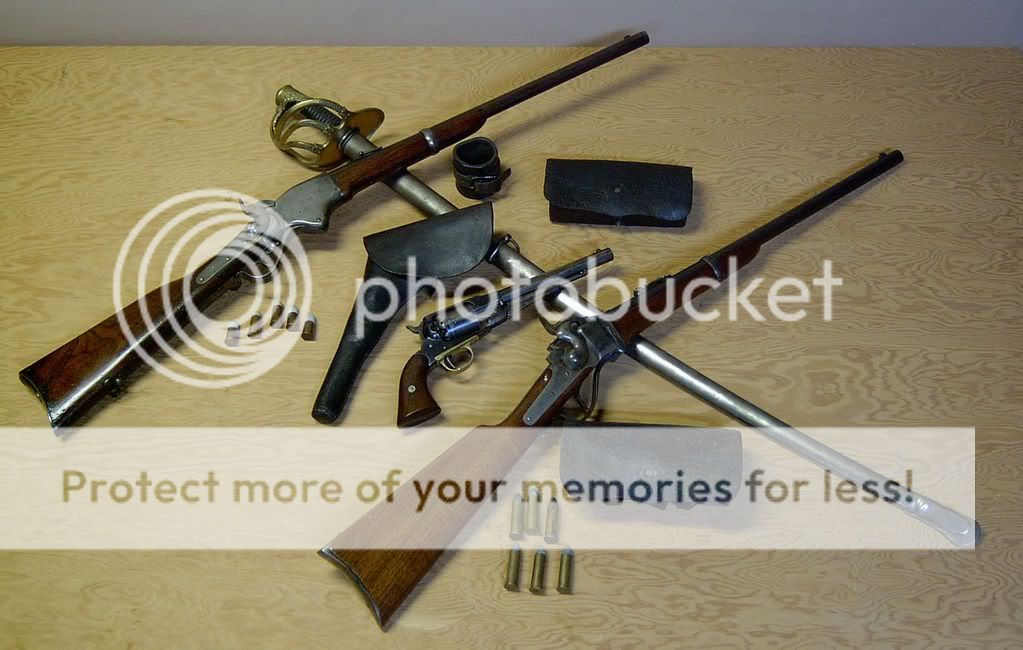
Two U.S. Civil War carbines that were converted after the war.

drm3m

CGN frequent flyer
Rating - 100%
13   0   0
Location
Montreal Quebec
1864andafter001-Copy.jpg


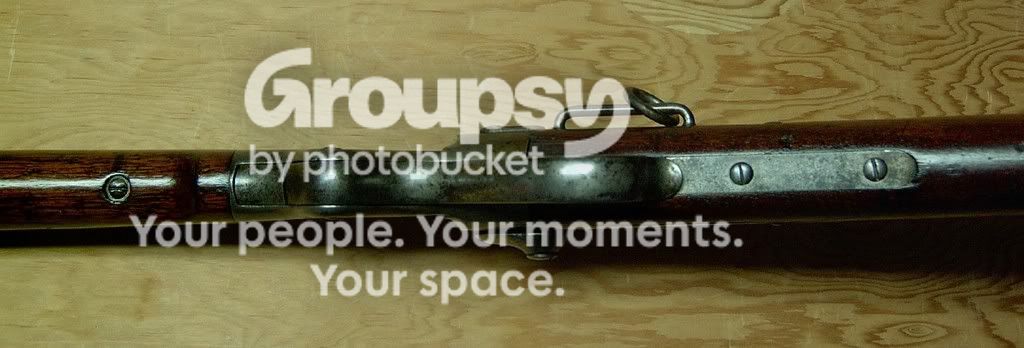
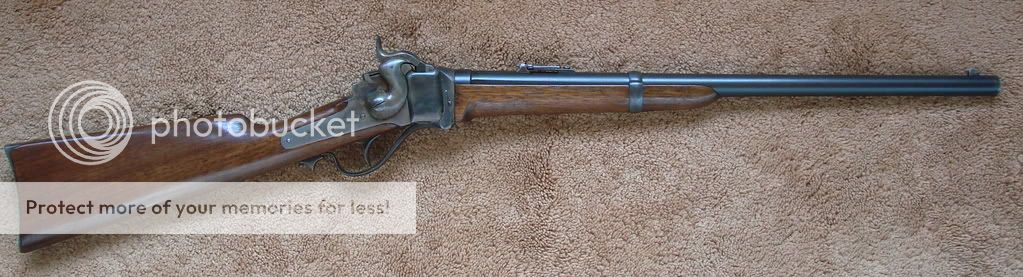
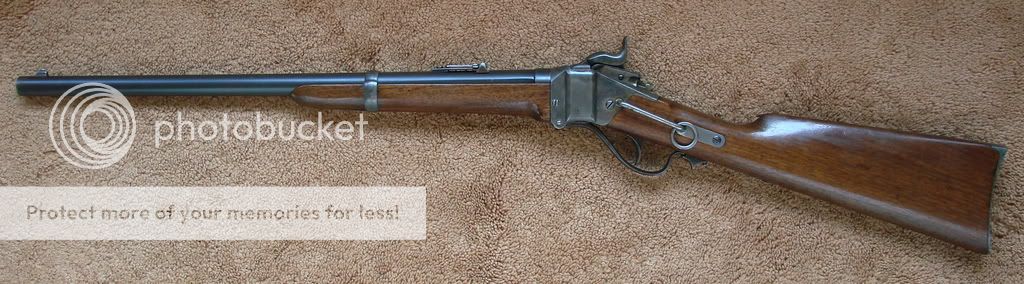
New Model 1863 Sharps Carbine.
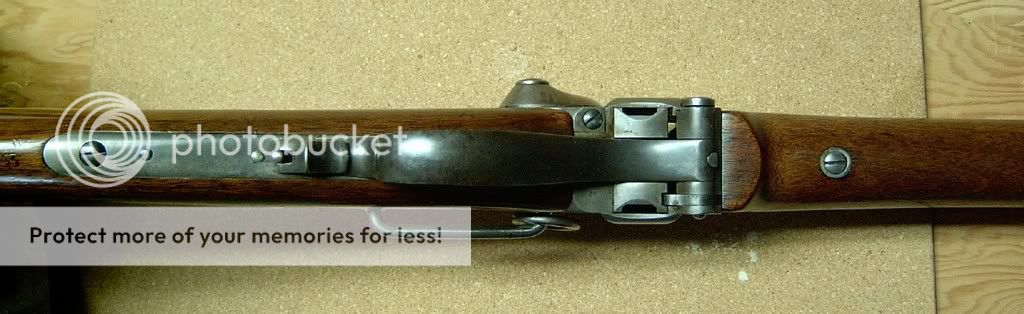
Civil war issue, then arsenal converted from percussion in 1867 from .52 caliber to the 50-70 (.50 caliber) centerfire cartridge for use during the Indian War Period.The Sharps and Spencer Carbine did double duty, first during the Civil War, then during the Indian War period.
DSC08744.jpg


DSC08748.jpg


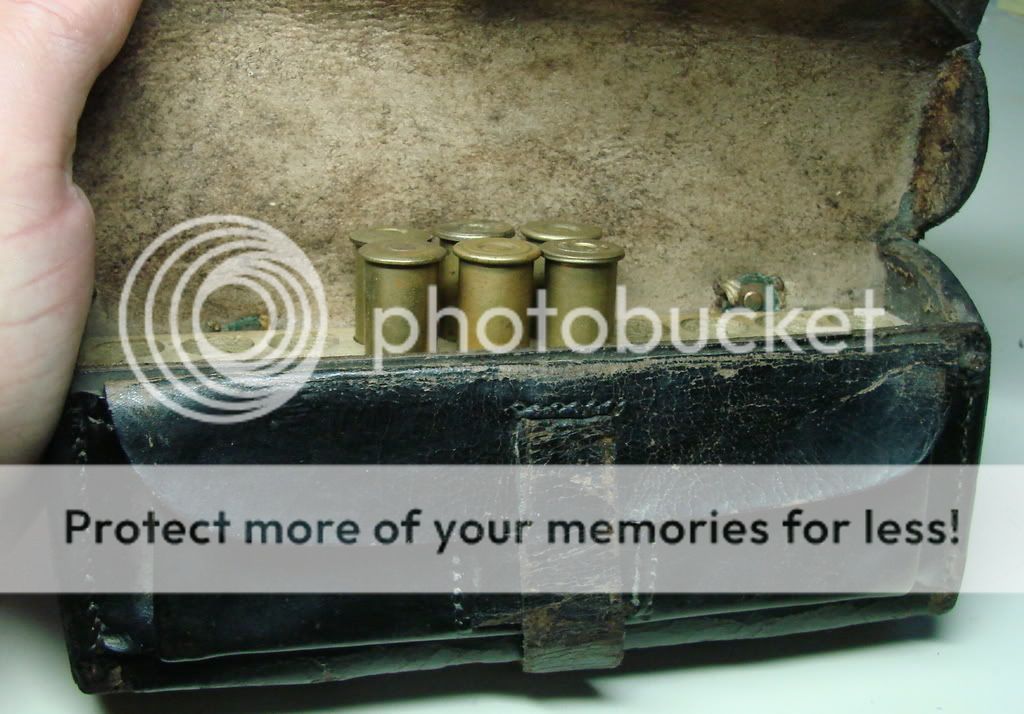
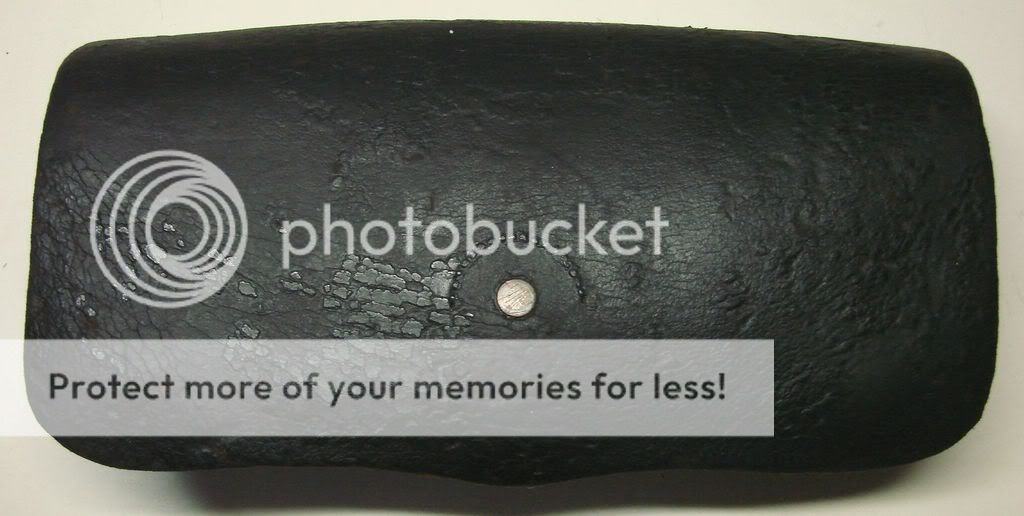
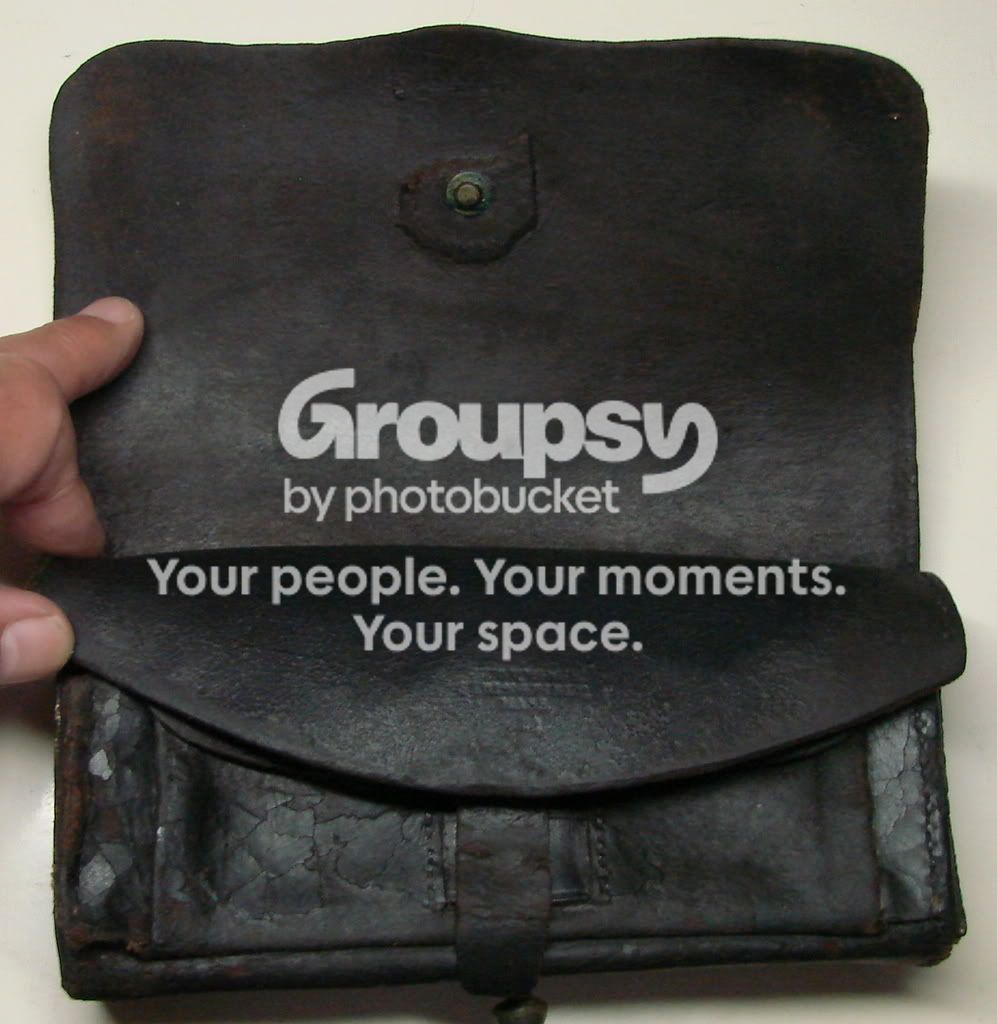
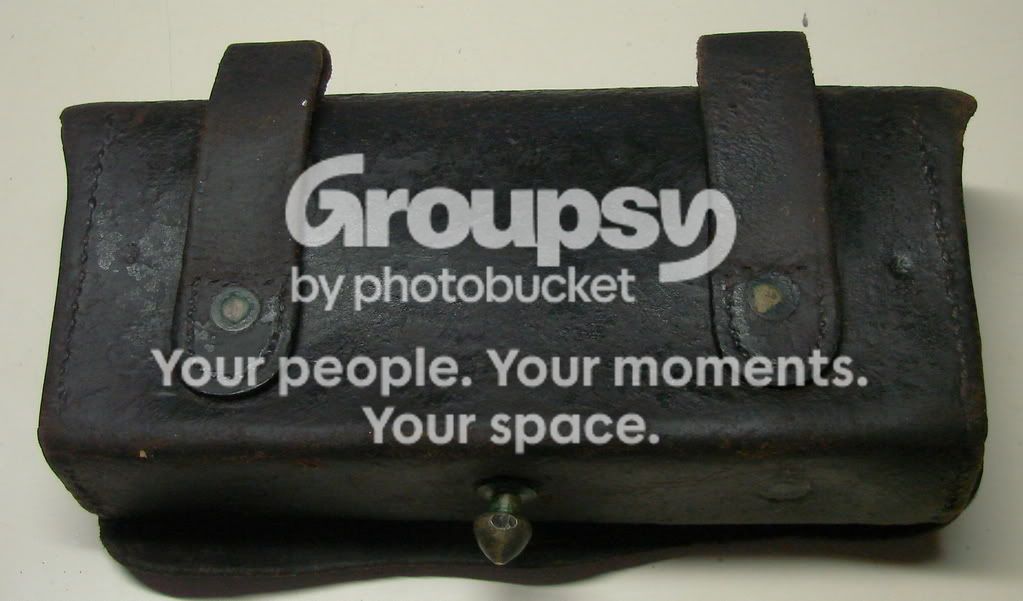
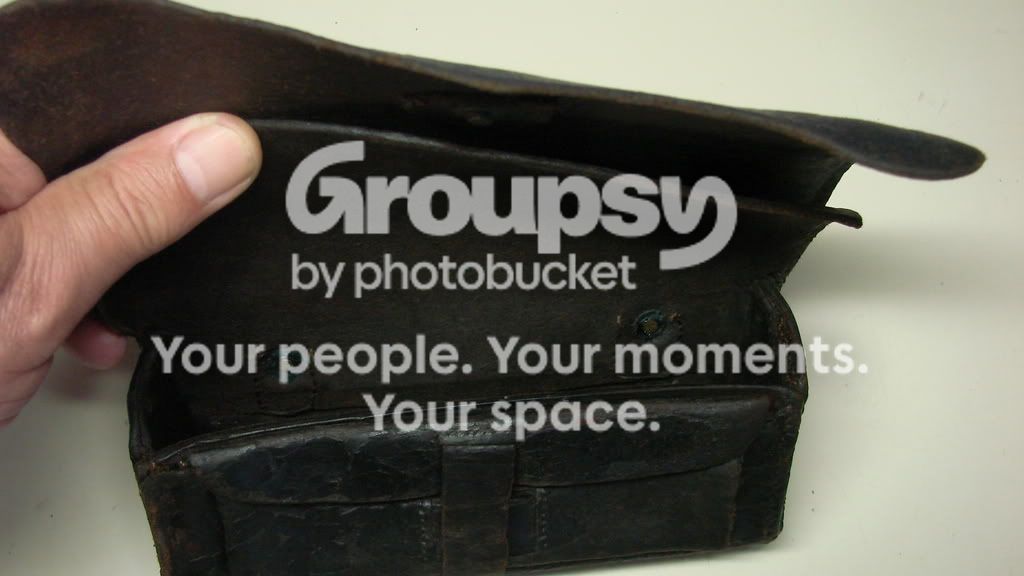
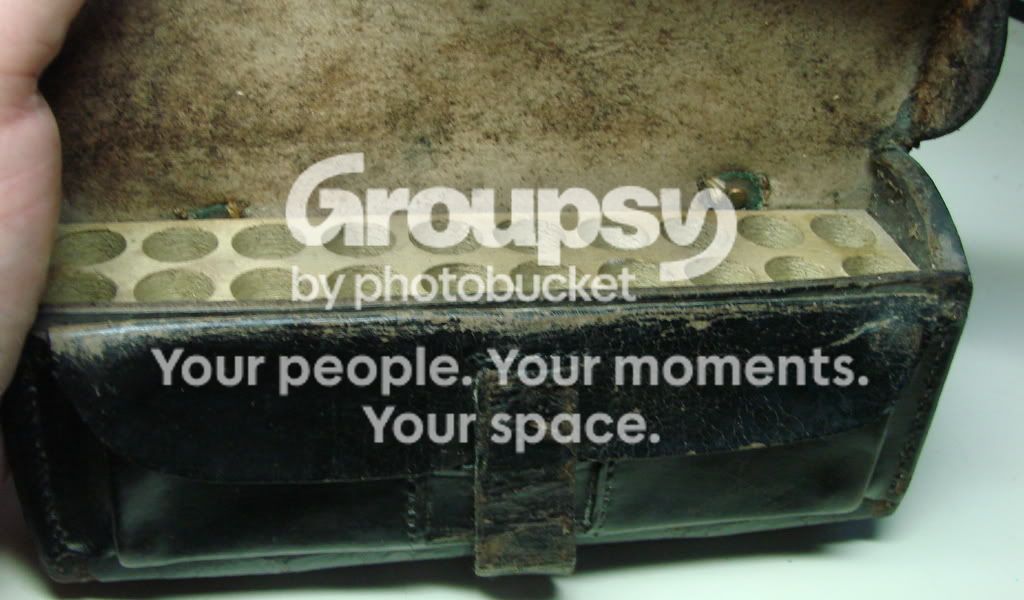
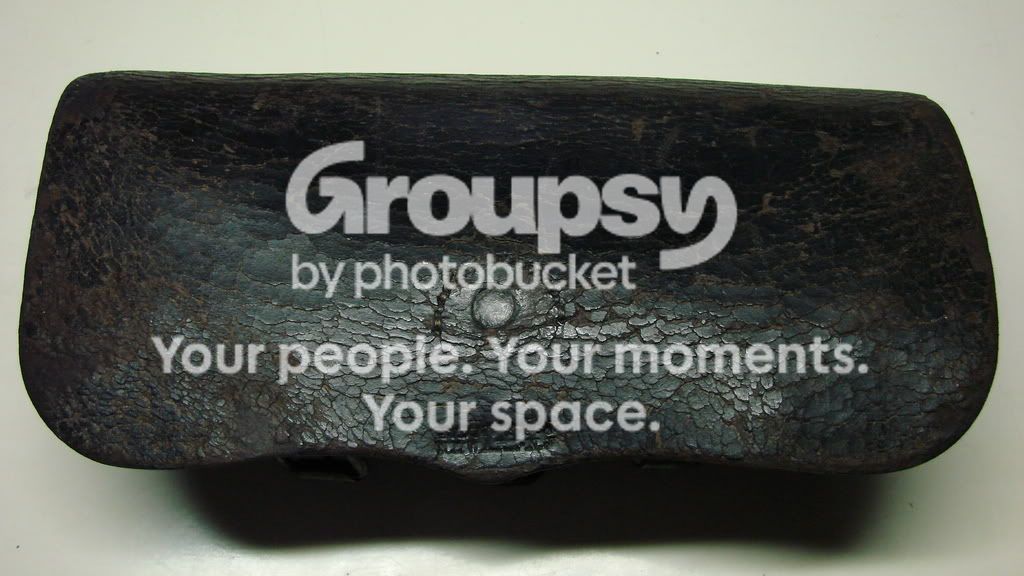
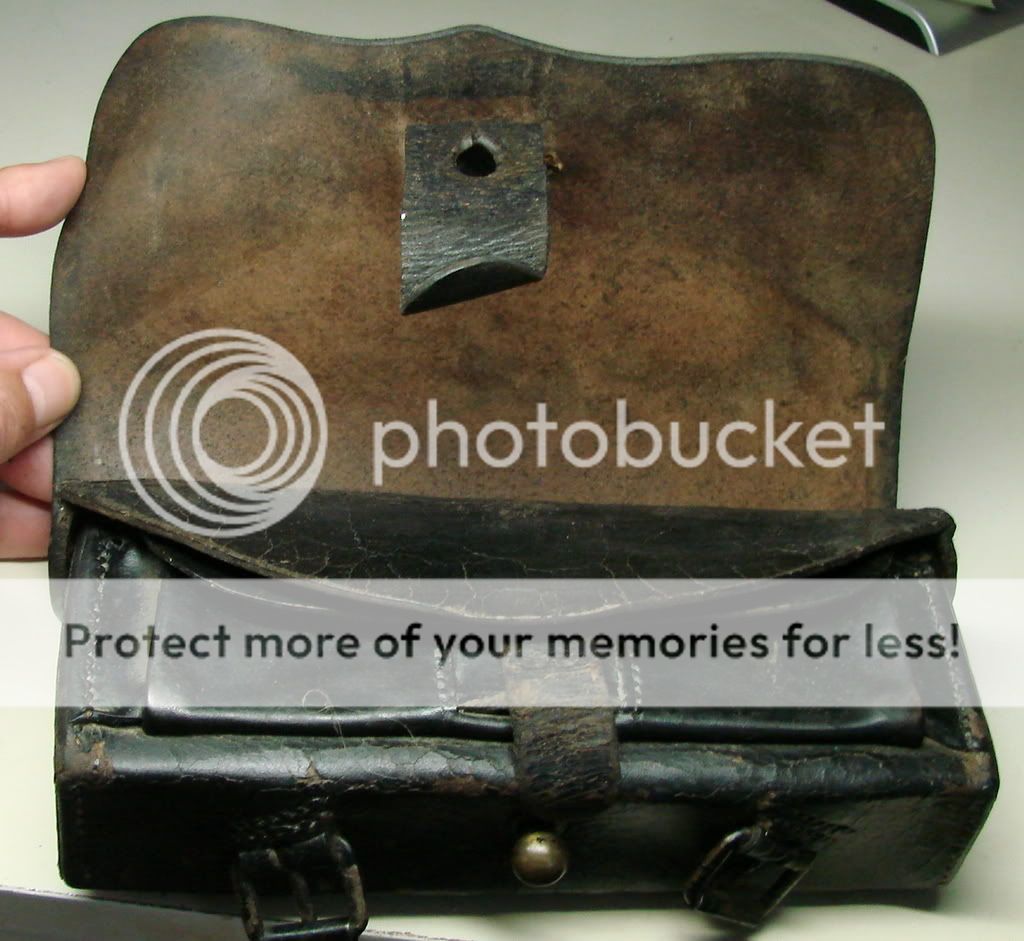
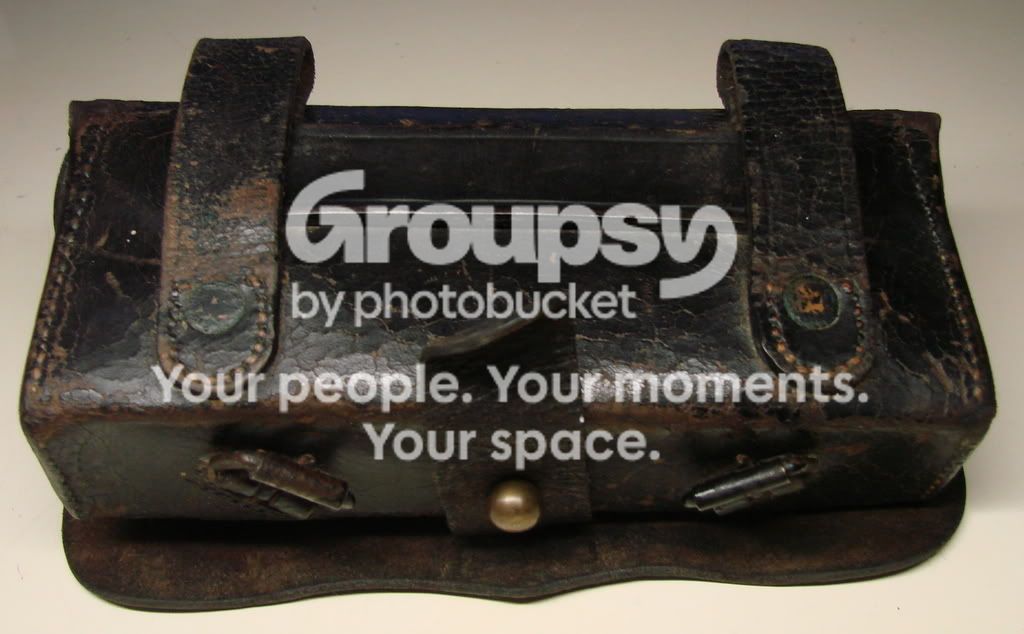
The cartridge box shown above was converted from Civil War use to 50-70 centerfire use with a wooden block that accommodated 20 cartridges, marked
J. Davey & Co. Newark, N.J.
DSC08694-1.jpg


DSC08673.jpg


DSC08672.jpg


DSC08689.jpg


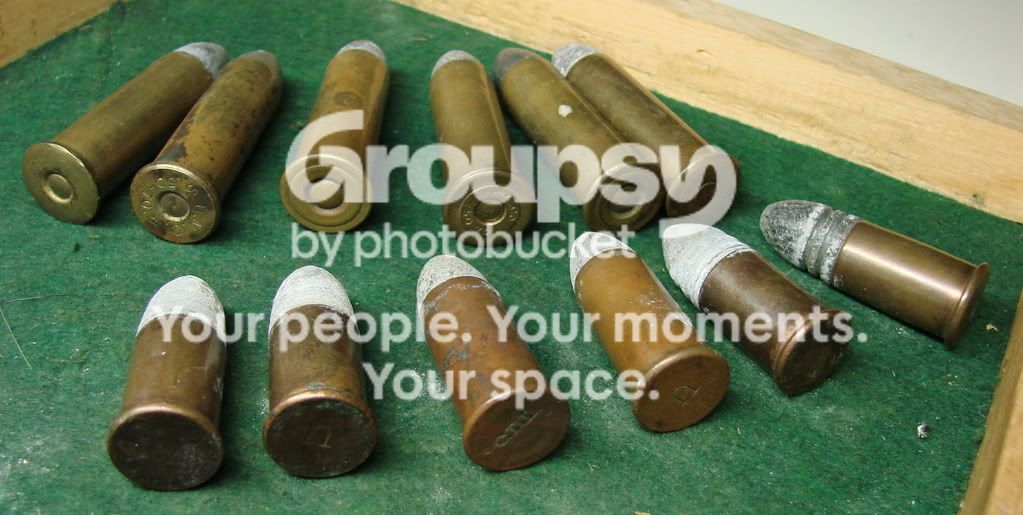
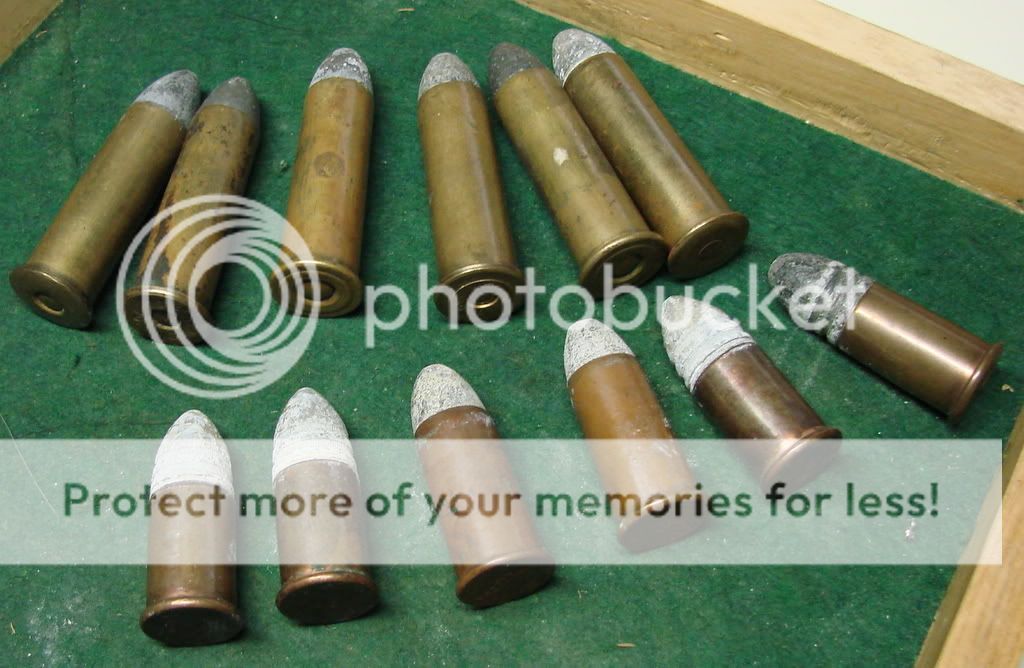
50-70 centerfire cartridges (U.M.C. and W.R.A. CO headstamped) for the Sharps carbine (top)
56-56 and 56-50 (longer case length -headstaps "U" manufactured by U.M.C. and C.D.L.) rimfire cartridges for the Spencer carbine. (bottom)


DSC08684.jpg


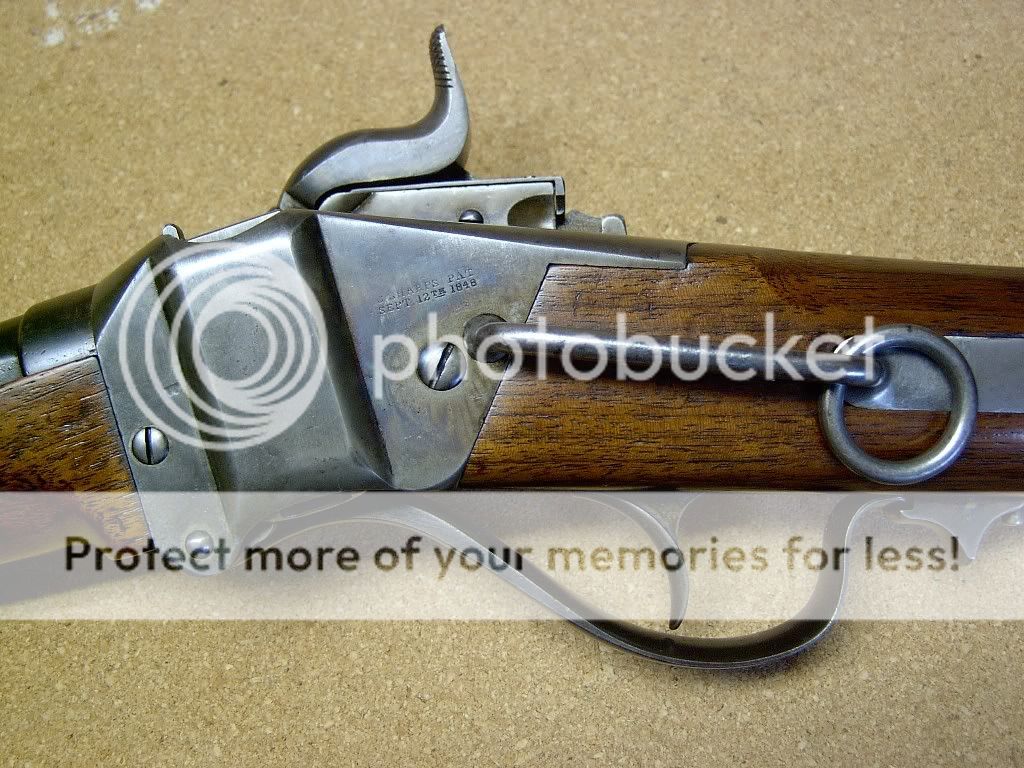
The original inspectors acceptance cartouches from the Civil War period on either side of the saddle ring bar.
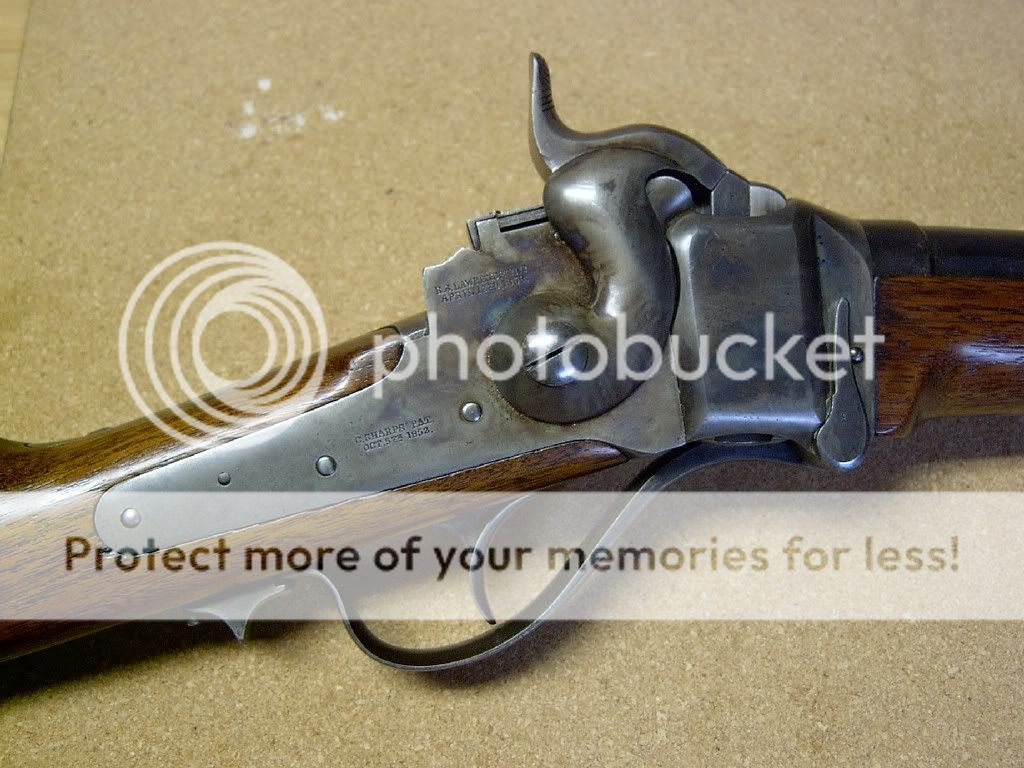
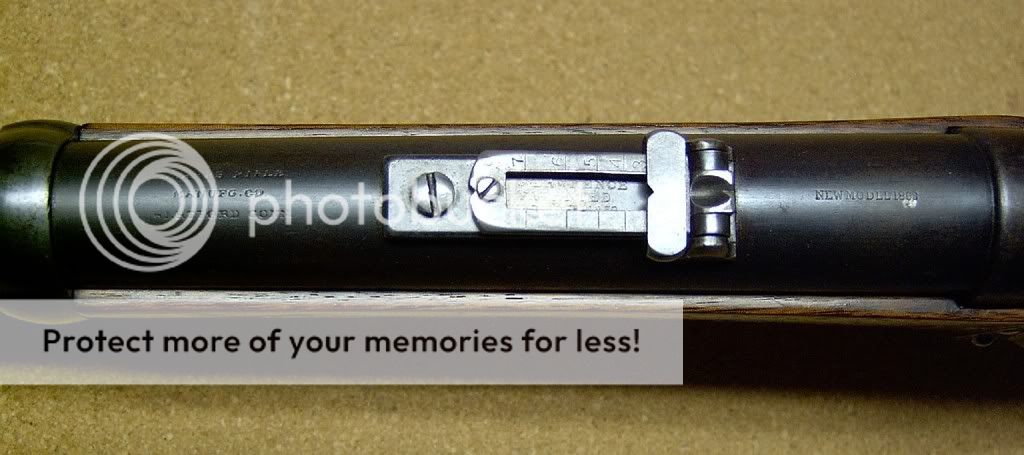
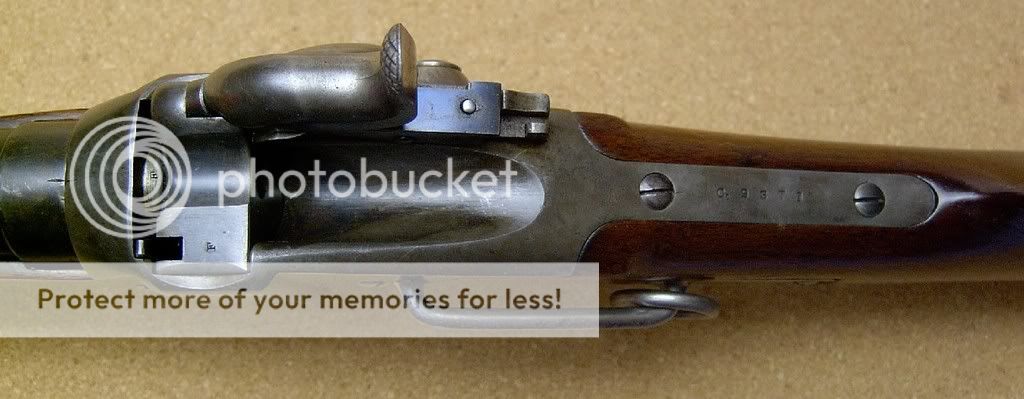
ResizedcroppedSharpsCarbineleftrece.jpg


CopyofSharpsCarbinerightreceivermar.jpg


ResizedcroppedBarrelmarkings007.jpg


Resizedcroppedtopreceiverview.jpg


Resizedcroppedunderside.jpg


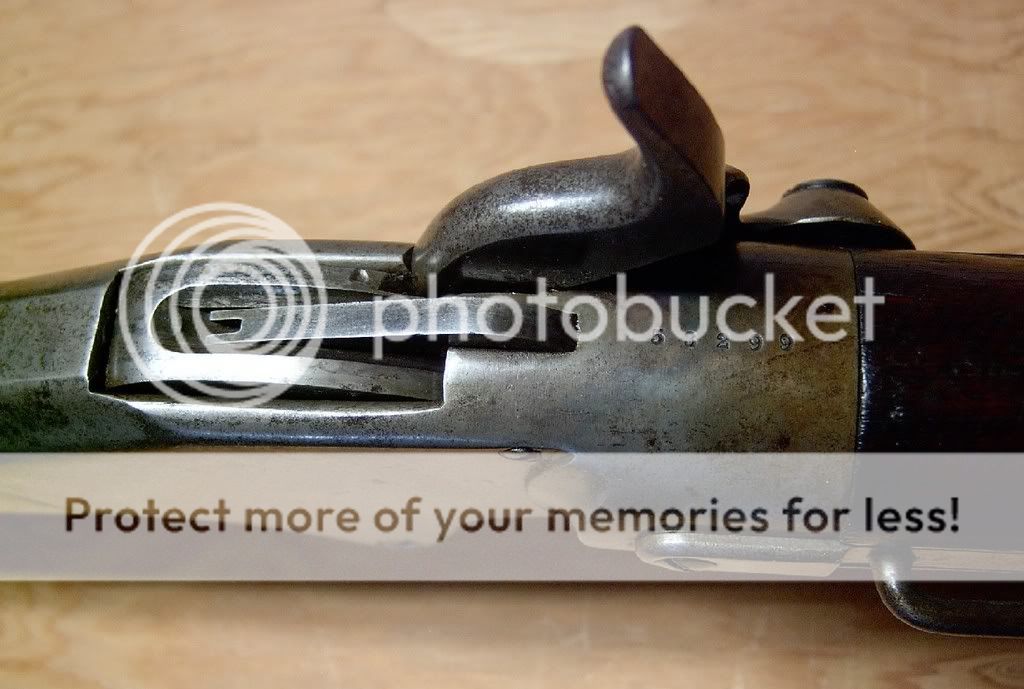
The DFC inspectors marking that was added when the carbine was converted to fire the 50-70 centerfire cartridge in 1867.
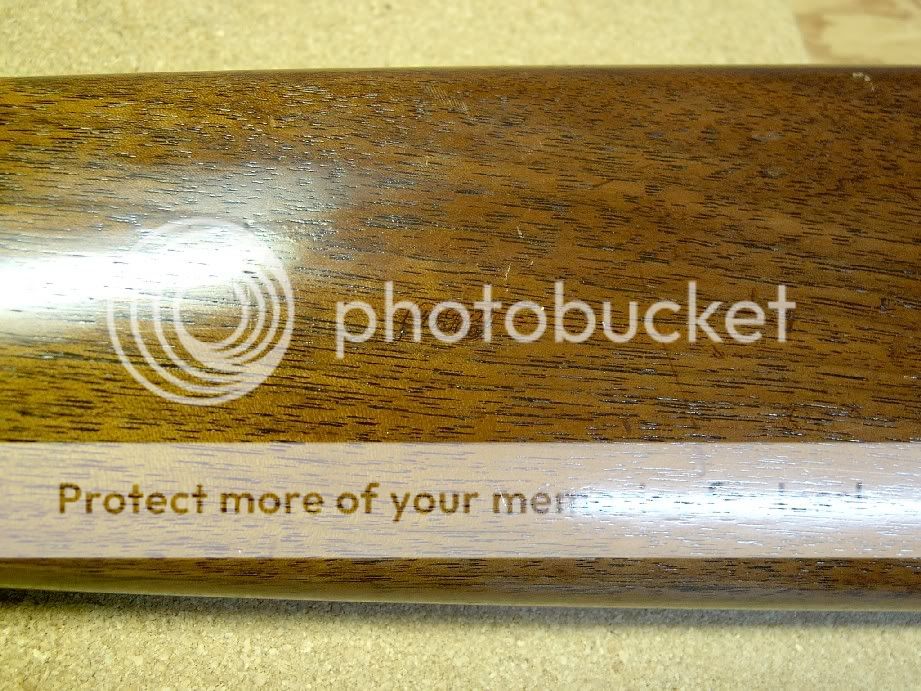


resizedcroppedbuttstockcartouche.jpg


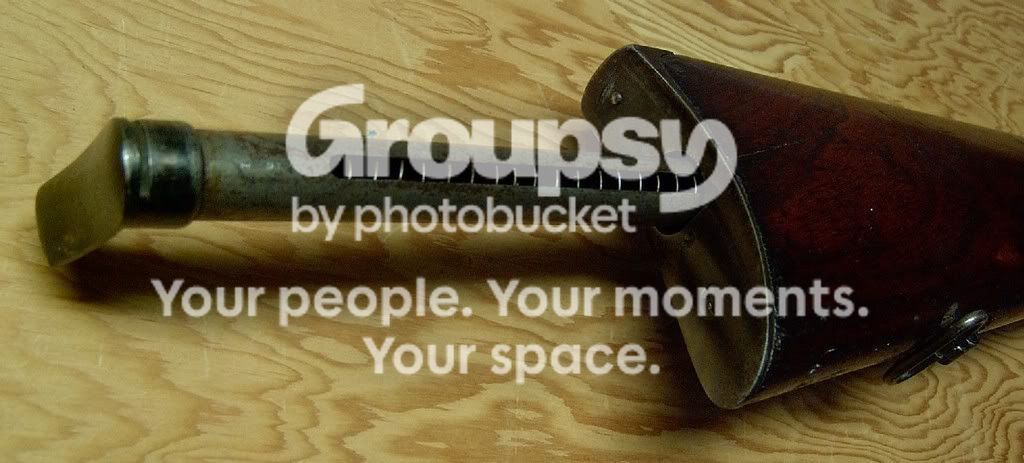
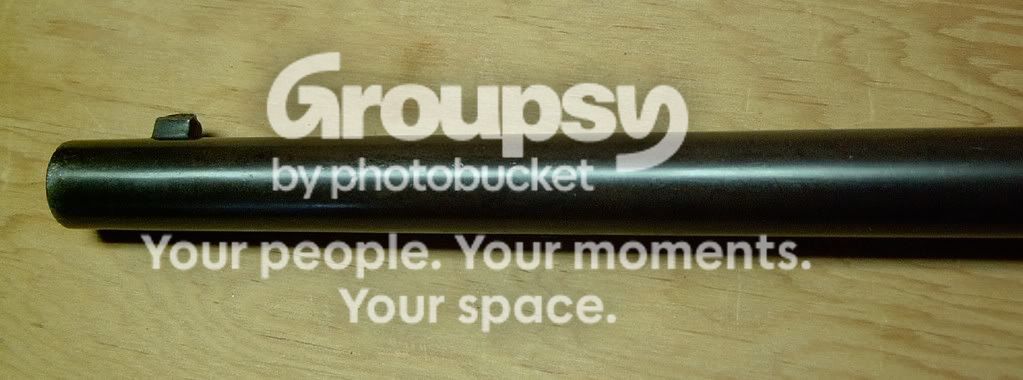
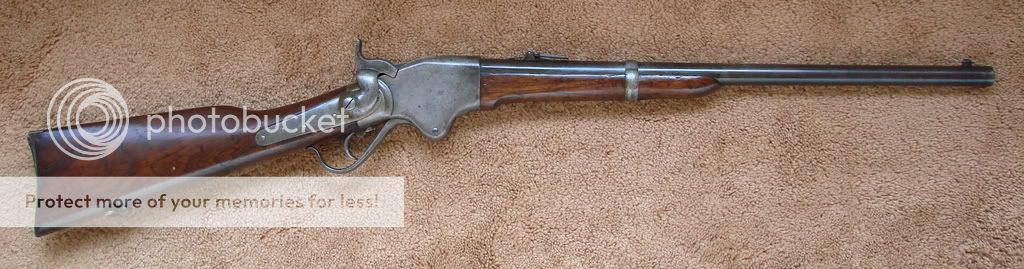
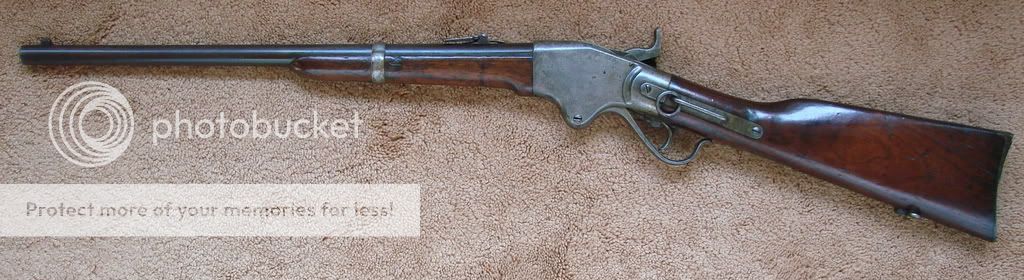
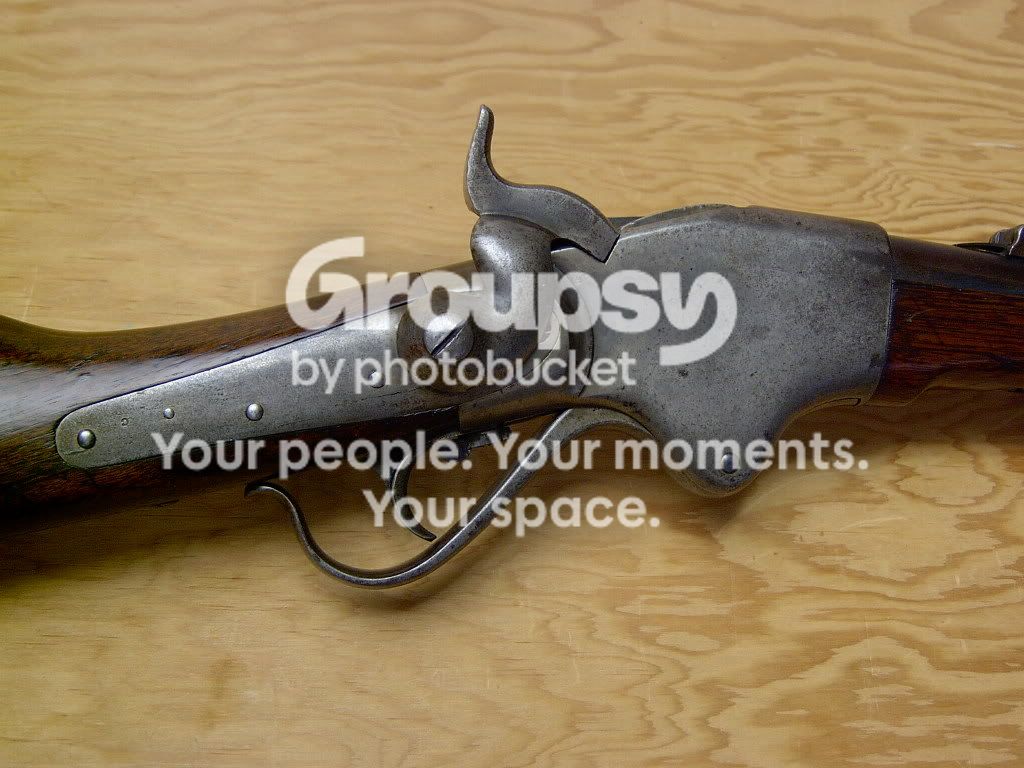
This particular Model 1860 Spencer carbine was altered after the war by the Springfield Armory and had the barrel sleeved (from .52 caliber) to accomodate the 56-52 and 56-50 caliber rimfire cartridge (.50 caliber)
A small swivel device known as the "Stabler cut-off" was added forward of the trigger to allow for single shot use. ( the device keeps the breech from opening completely.) The Spencer was designed as a seven shot repeater.
Over 11,000 Spencers were altered after the Civil war and saw substantial service during the Indian War period.

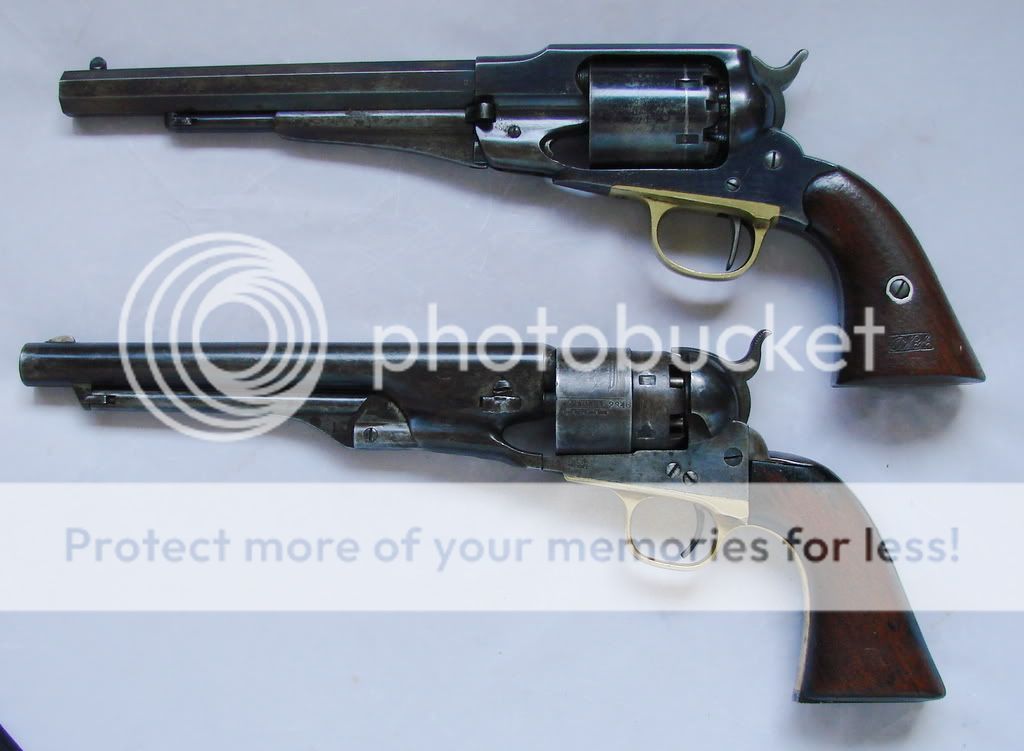
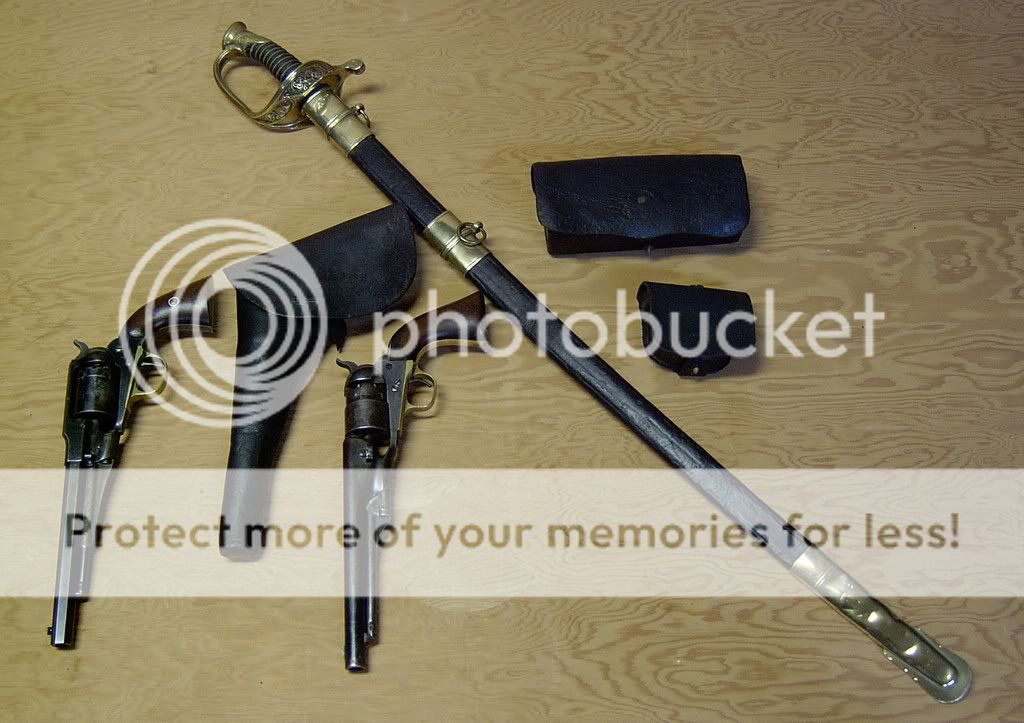
After the end of the Civil War, the Spencer and Sharps carbine (in altered form), as well as the Remington Army and Colt Model 1860 Army revolvers, formed the backbone of the arms used by the U.S. Cavalry until the arrival of the Colt Single Action Army Revolver (.45 caliber a.k.a. Peacemaker) in 1872 , the Smith & Wesson Schofield revolver in 1875 (.45 S&W caliber), and the Springfield "Trapdoor" Carbine in 1873 (45-70 caliber).
DSC08752.jpg


DSC08757.jpg


SpencerCarbine029-1.jpg


SerialnumberSpencerCarbine015.jpg


MagazinetubeextendedSpencerCarbine0.jpg


UndersideSpencerCarbine039.jpg


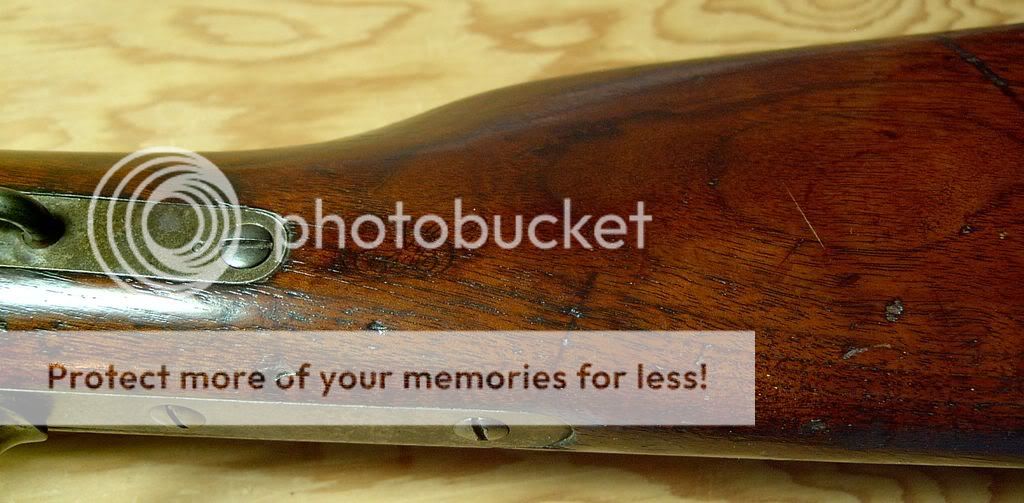
The guns that were converted have an oval cartouche with ESA insectors marking. (Erskine S. Allin)
Other inspectors included Lucian C. Allin
LCA, Thomas J. Shepard TJS and
E.C. Wheeler ECW.


The other cartouches shown in the photo below are from the Civil War period.


SpencerCarbine046-Copy.jpg


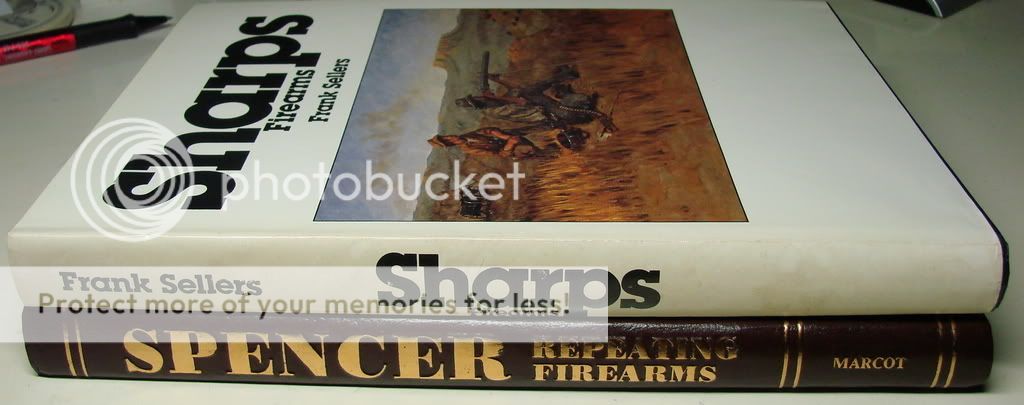
I really wish I could remember much of which these two authors wrote about!
My ....how the memory is frail. (At least mine is.)

DSC08712.jpg


David


This thread is an extension of the thread "Canadian collector of U.S. Civil War arms and militaria."
 
Last edited:
Steppenwolf,

I don’t pretend be an expert on Civil War and post Civil War cartridge boxes.

I have a book written by Stephen Dorsey titled,”Indian War Cartridge Pouches, Boxes And Carbine Boots."
On pages 16 and 17 of this book he shows four photos of a “Civil War Carbine Cartridge Box" which appears identical to the one I have.

To quote part of his commentary, “The carbine cartridge box had great versatility-just by changing the wooden block, so it continued to be widely used after the War and on the frontier.
In the immediate post-War period, the linen cartridge .52 cal. Sharps Carbine, the metallic cartridge .50 cal. Spencer Carbine and the Starr Carbine were all served by the same box. Later, the cartridge box served the metallic cartridge conversion Sharps as well as the Spencer Carbine.
By 1870, the Dyer and other pattern boxes had supplanted the older carbine cartridge box.”


The other cartridge box shown in the first photo in this thread is a pistol cartridge box. The manufacturers name on inside flap (faint) is “###LORD CHICOPEE MASS.”
(This is certainly not a pristine piece.)

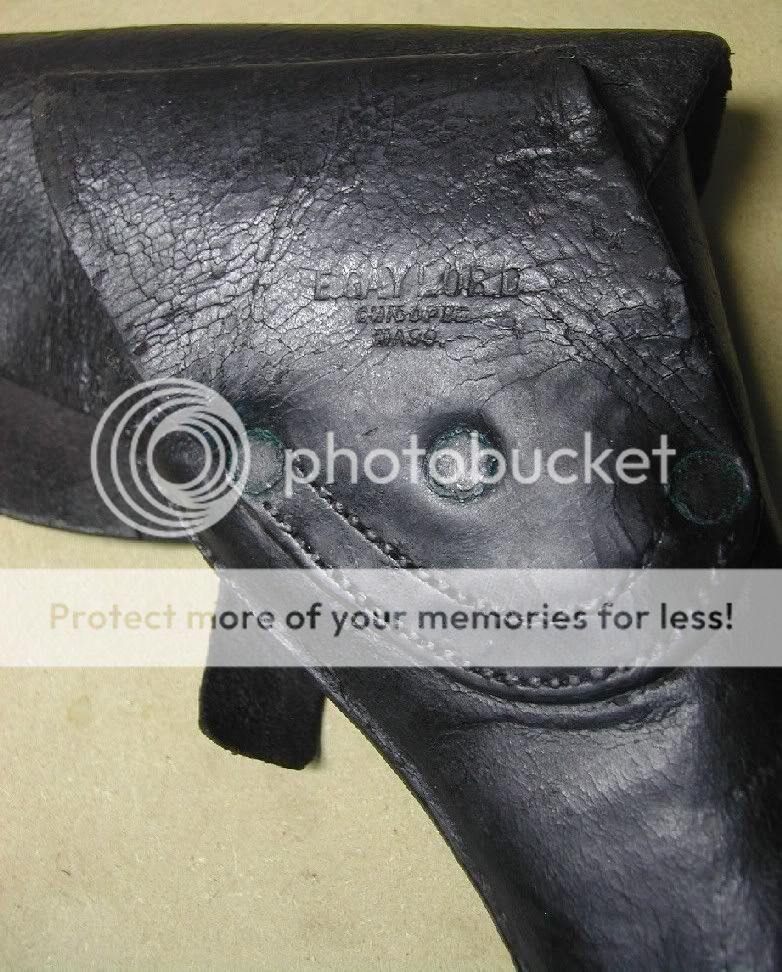
The manufacturer of the holster shown in the first photo is also ###lord.

So ,…a long answer to your short question, I don’t think it is a converted pistol cartridge box.

David


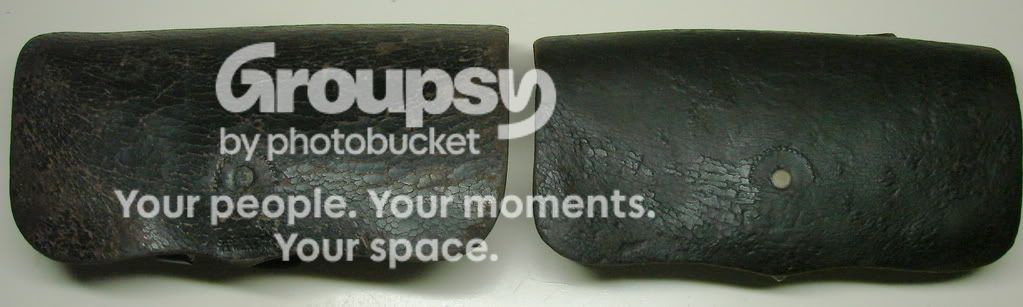
Shown below are the two cartridges boxes side by side,...the carbine box on the left the pistol box on the right.
The carbine box definitely has a longer front flap which might be required to accomodate the additional height of the cartridges in the wooden block????


CarbineboxleftpistolboxrightDSC0871.jpg


The pistol cartridge box.


DSC08696.jpg


DSC08703.jpg


DSC08702.jpg


DSC08699.jpg


Holster markings. E. ###lord, Chicopee,Mass.

This model holster (1863) accomodated both the Model 1860 Colt Army and the New Model 1858 Remington Army revolvers.


CroppedresizedGaylordmarking.jpg


DSC08777.jpg


CopyofCivilWarGroupingwith1850FootO.jpg
 
Last edited:

I really love the look of the lower rifle in the top picture, and really the condition is like a arm used for 3-5 years not 150..

Seems to me they were really over built back then -and thank god!!! as it lets us 21st century folk really enjoy them without seeing em behind glass in some damn museum rotting away with neglect.
 
Thanks for your comments guys.


I don't think the Sharps was re-issued after it was converted, the condition is not consistant with hard use on the frontier.

It is hard to know what the refurbushing process was all about during the conversion.
The cartouches suggest Civil War period acceptance, and the barrel markings are not pristine as seen in the photo above.


What ever the story,...she is a pretty gun.


The Spencer carbine on the other hand was re-issued in my opinion,...the usual markings on top of the frame “ SPENCER REPEATING/ RIFLE CO. BOSTON, MASS/ PAT’D MARCH 6 1860”, have long since worn off. (Only slight traces left)

The gun remains in very decent condition with some visible case colors and substantial bluing on the barrel.


BarrelSpencerCarbine053.jpg


David
 
Last edited:

Steppenwolf,

Based on your question regarding whether the cartridge box was a converted pistol cartridge box, I sent an email to Stephen Dorsey with photos, and he confirmed that it is a converted civil war carbine cartridge box.

He has helped me out before with answers to other questions, which I very much appreciate.

As he wrote the book, I am comfortable with the answer.

David


DSC08694-1.jpg


DSC08687.jpg


DSC08681.jpg
 
Last edited:

Back
Top Bottom