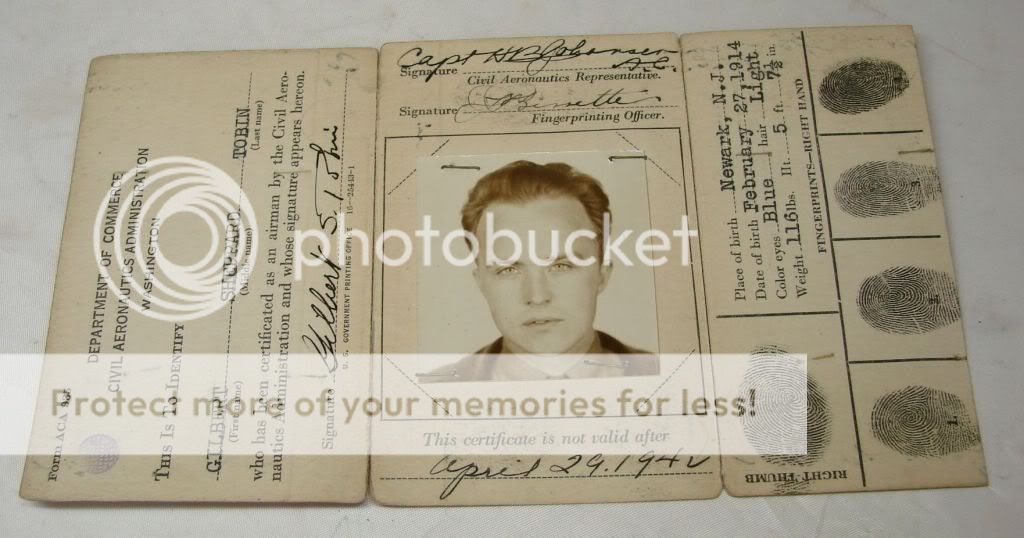
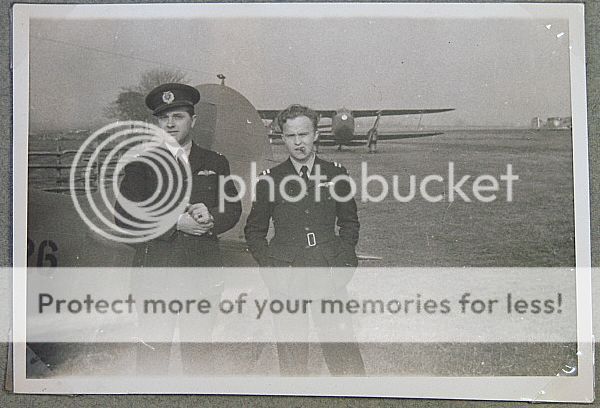
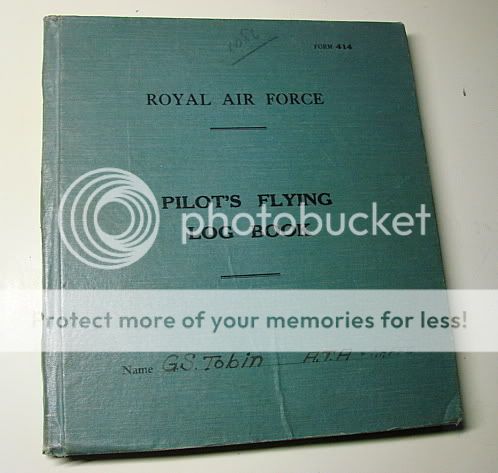
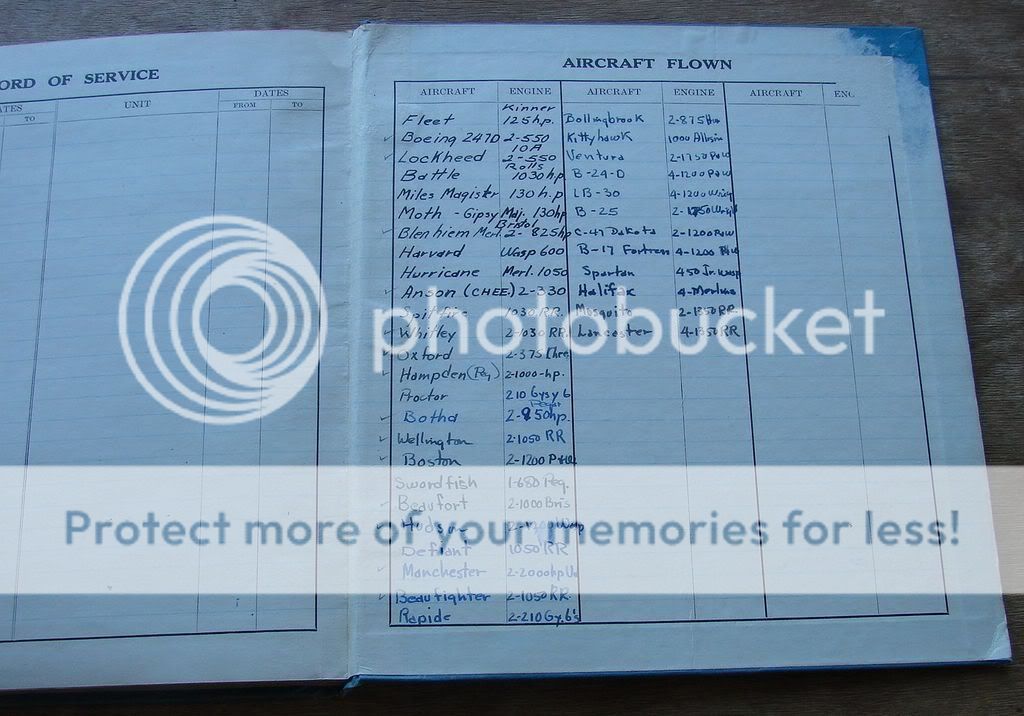
In researching stuff about the vet I tripped over these articles.
I think these Ferry Command pilots spent a fair amount of time in Cairo back then.
Sounds like it was a wild and wide open city.
(If you have the patience and interest to read this?)
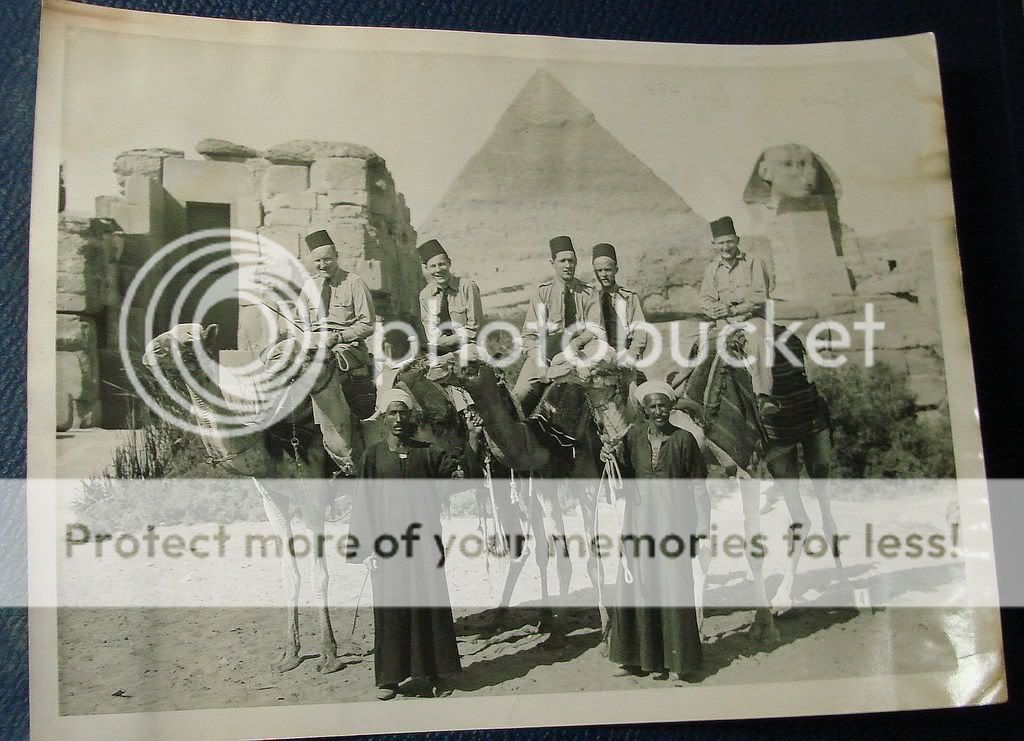
The vet is on second camel to the right (rear)
A post card to his parents-1943.
(A little history)
WWII Excerpts from "Cairo, Biography of a City"
by James Aldridge
“The Turf Club swarmed with officers newly arrived from England, and a dozen open-air cinemas were showing every night in the hot, brightly lit city…We had French wines, grapes, melons, steaks, cigarettes, beer, whisky, and abundance of all things that belonged to rich, idle peace. Officers were taking modern flats in Gezira’s big buildings looking out over the golf course and the Nile. Polo continued with the same extraordinary frenzy in the roasting afternoon heat. No one worked from one till five-thirty or six, and even then work trickled through the comfortable offices borne along in a tide of gossip and Turkish coffee and pungent cigarettes…Madame Badia’s girls writhed in the belly dance at her cabaret near the Pont des Anglais.”
History was laughing at itself, and once more Clot Bey’s brothels filled to overflowing with British Tommies. Once again, Shepheard’s and the Continental were jammed with staff officers with suede boots, fly whisks and swagger sticks. Once again the nightshirted street Egyptian began to invent a thousand new ways of getting a few piasters out of the pockets of these red-faced soldiers. But as it was before, so it was again – the street Arab got the pickings, and the European and Levantine speculators and black marketers and the rich Egyptians and the British as well made the fortunes. But Cairo blossomed. British soldiers seeing sun and desert and clean air for the first time in their lives looked hungrily at the beautiful European girls who swished their pretty legs in the streets and on the trams and in the cafes. Many of these soldiers had come from appalling conditions in the black and grimy back streets of British cities not yet recovered from the depression. Many of them had never seen before what they now enjoyed every day in Cairo, and Cairo’s Europeans were generous with friendship and help. But it was not long before the relationship between the British soldiers and officers and the European girls in Cairo became an intricate and complicated entanglement which very few escaped, and many good British marriages foundered in the those soft Cairo evenings when love rushed through the city on the wings of an exotic escape.
Cairo filled steadily with soldiers other than Englishmen, Scotchmen, Welshmen and Irishmen. This time the Egyptian authorities asked that the Australians should be sent somewhere else, so they were sent to Palestine instead, but the Free French arrived and so eventually did Greeks, Czechs, Poles, Danes, Slavs, New Zealanders, Cypriots, Maltese, Palestinians, South Africans, Rhodesians, Americans and Indians. The British had two headquarters in Cairo: British Troops in Egypt (BTE), which was set up in the Semiramis Hotel on the Nile, and General Headquarters Middle East, which was given a large block of commandeered flats surrounded by barbed wire in Garden City. BTE was really part of the old British forces still occupying Egypt, mainly in the canal zone, but GHQ (ME) was the headquarters of the army that was facing the Italians and would pursue them into Libya. Of all the generals who fought in Egypt during the war, only Wavell (the first) and Montgomery (the last) always knew what was going on in the desert. Nonetheless Wavell’s staff officers were among the worst in their attachment to Cairo.
The sight of these thousands of officers playing their games in Cairo and living like petty princes in the clubs and around the swimming pools disturbed the British soldier in the second war far more that it had in the first one. But in fact the situation never really changed at all until Montgomery took the Eighth Army clean out of Egypt to chase Rommel across North Africa. There were, of course, brilliant and dedicated officers and generals in the desert as well as incompetent idiots, but for most of the war Cairo was occupied by an old-boy network that kept their firm grip on it to the very end.
All the local Europeans enjoyed the British presence because they benefited from it, excepting perhaps the Italians, who were interned whether they were for or against Mussolini. Egypt was technically not at war with the Axis until 1945, but she broke off diplomatic relations with Germany and Italy at the outbreak of the war. The Italians were therefore interned by the Egyptians, not by the British, because they were on Egyptian soil. But the Egyptians were not anti-Italian, so the internment regime was mild and the British didn’t object to it. A fair number of local Italians were Fascists, but they made no serious attempt to help Mussolini.
Between August 1942 when Montgomery took over the Eighth Army and October-November 1942 when he won the decisive battle at El-Alamein, Cairo was almost a serious military city. But after El-Alamein, when the war left Egypt and disappeared like a setting European sun over the western horizons, the city lost almost all the fantasy and glamour which those balmy years of occupation had brought it.
(A little history)
WWII Excerpts from "Cairo, Biography of a City"
by James Aldridge
The real enemy agents in Cairo during the war were German, and the British secret police were very efficient in catching them. In I Spied Spies Major A.W. Sansom, who was in charge of one section of the British counterespionage security police in Cairo during the war, tells story after story of how clever the British were, almost always using – and developing as their best agents – prostitutes and petty criminals and people they deliberately got involved. Sansom’s account of Cairo in the war is one of the seamiest and dirtiest ever told, but it is also one of the most honest and informed, and it reveals a great deal about British methods in keeping Cairo safe for the British presence.
It was Sansom, with the aid of a Jewish cabaret dancer, who unearthed a coven of German spies who came to Cairo loaded with English money and a radio transmitter and set themselves up in fabulous luxury in a houseboat on the Nile. But Cairo got the better of them. They were so delighted to be in this succulent old city with a fortune in their pockets and girls in their beds that they didn’t bother too much with their espionage, and it was comparatively easy for Sansom to catch them in a dramatic raid, though not before he had gone through all the weird and shady business of plots in low cafes and tip-offs and the usual double-faced deceptions.
NOTE;
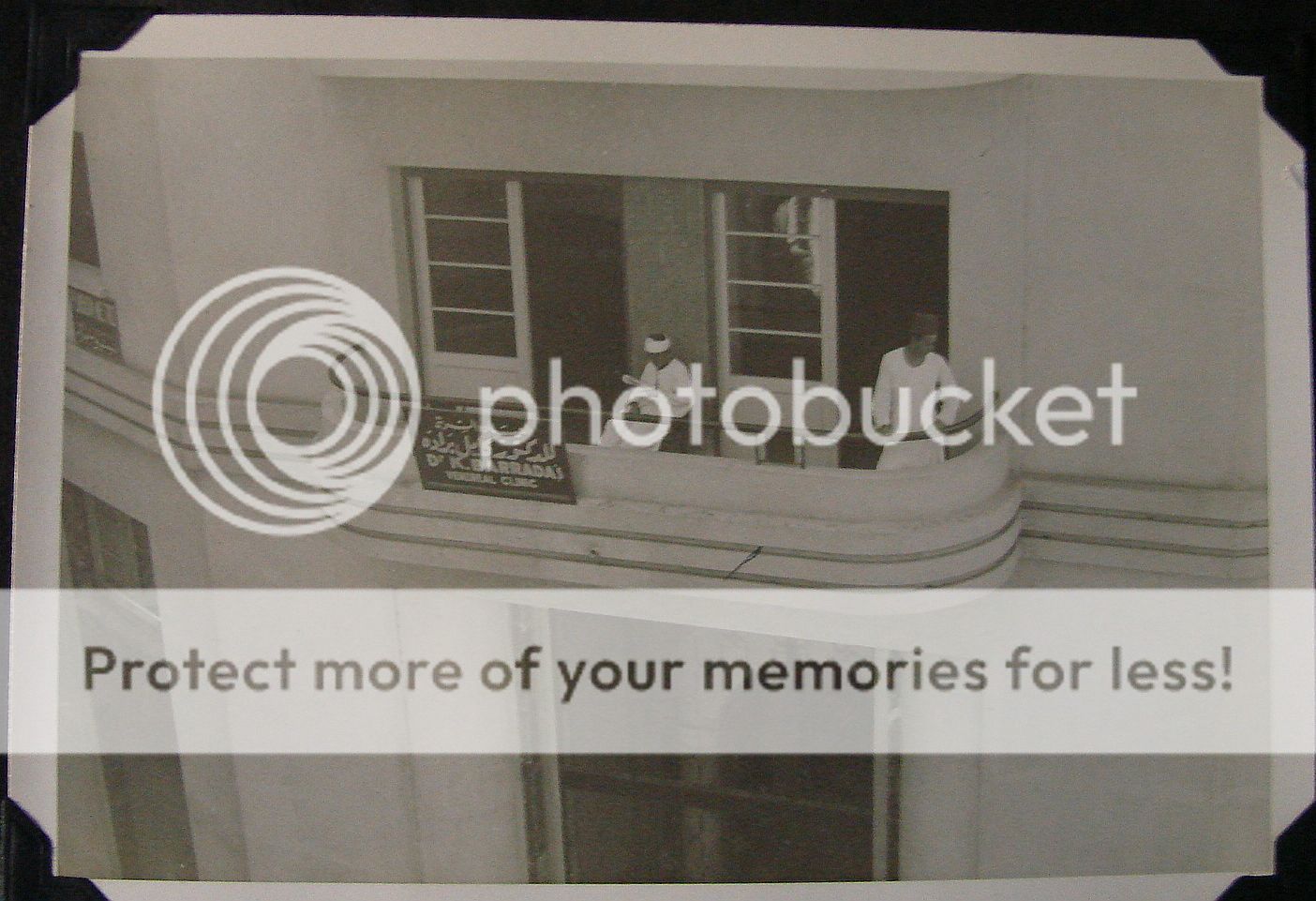
The next photo shows Dr K. Barrada's Venereal Clinic in Cairo.
I suspect he was a busy fellow in those days.
What was most significant about this raid however was that it led to the capture of a young Egyptian officer named Anwar el Sadat. The captured German spies would not talk, so Winston Churchill, who happened to be in Cairo, personally questioned them and offered them their lives if they would reveal all their contacts in Egypt. The Germans betrayed one of the Egyptians they knew – Sadat. He was arrested, cashiered from the Egyptian army, and imprisoned. But what the British police did not know then was that he was one of a group of young officers who had just formed the Revolutionary Committee, which would eventually seize power in Egypt.
In fact the British knew little or nothing at all about this committee of young officers right throughout its existence, and they were never able to really penetrate it. The committee was set up to get rid of the British, and though it would change its plans many times before it finally took power ten years later, it did not have much chance of success until it had a better social basis than mere Machiavellian plots against a Machiavellian occupier. And ironically, it was Britain herself who helped create this new economic and social basis for her own expulsion.
David
Some other photos.
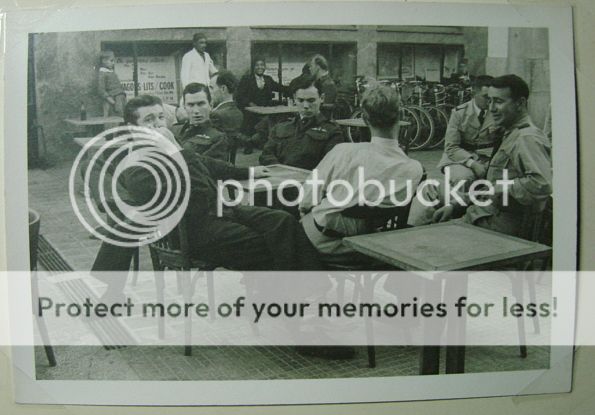
Some of the boys at a cafe in Rabat-Morocco.
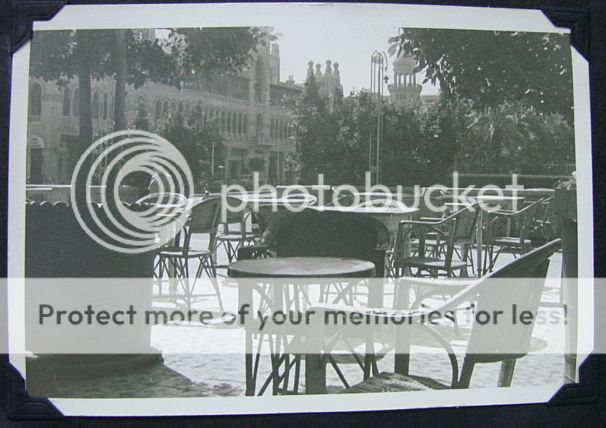
Cafe in Cairo.
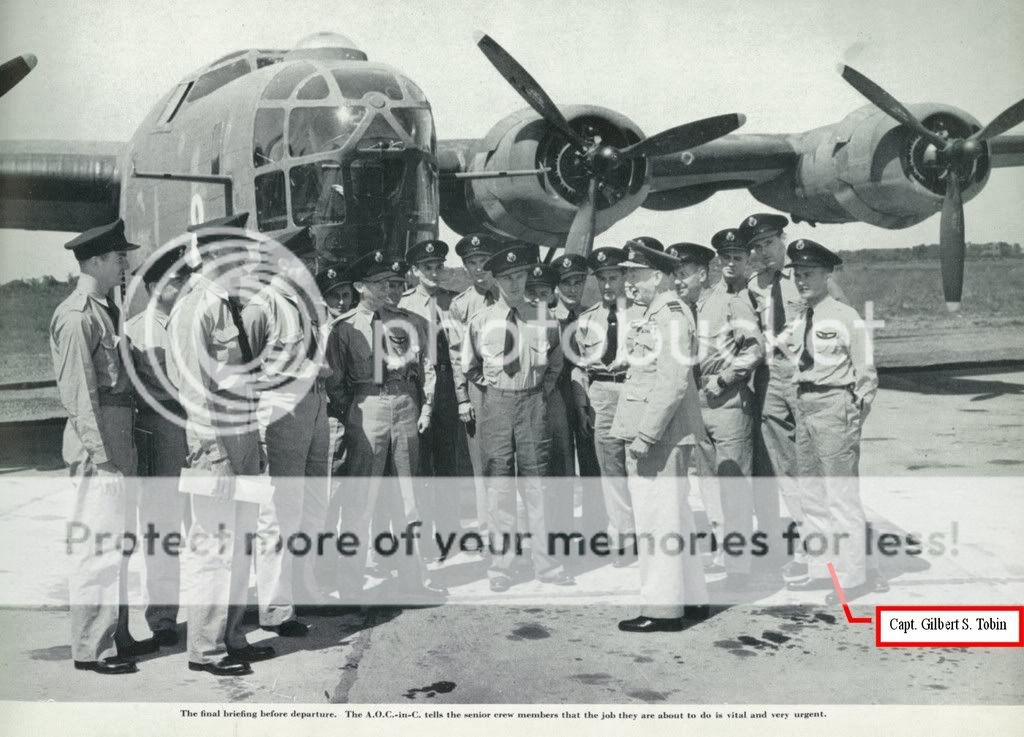
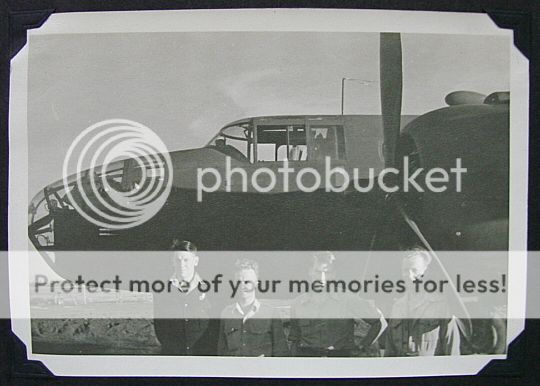
Tobin and crew.
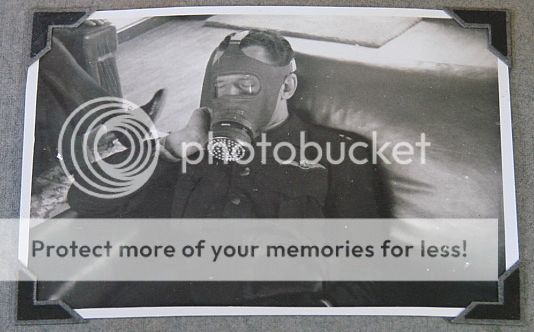
A snooze.
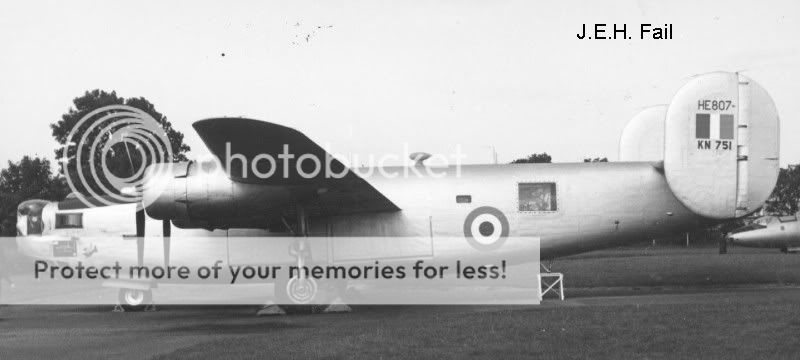
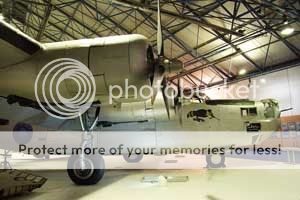
The cockpit of KN 751 Liberator that is in the museum in England.