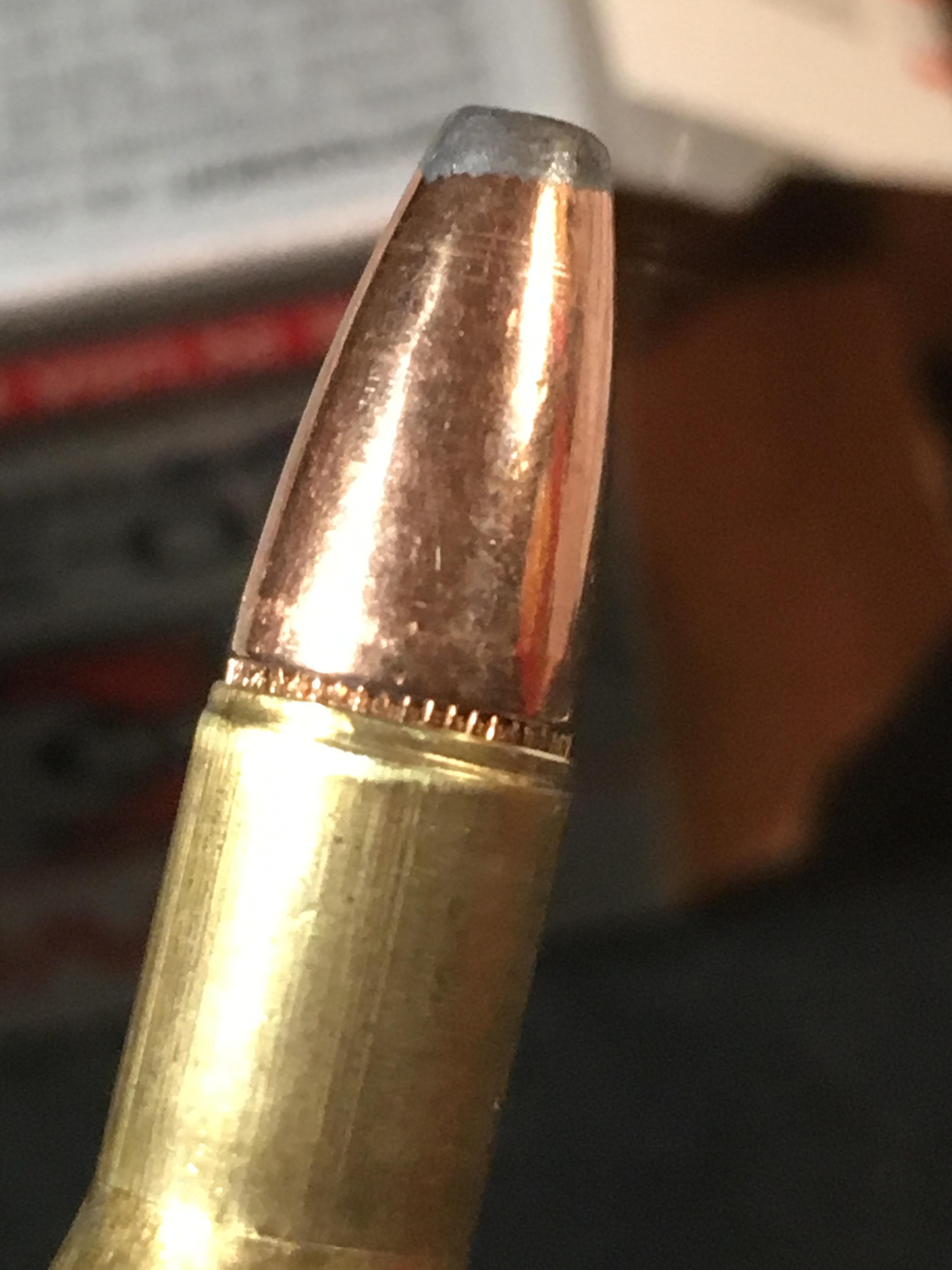
The 30-30 Winchester is a lower pressure cartridge and the max rated pressure is 38,000 cup or 42,000 psi. And the max pressure for the 150 grain bullet at the Hodgdon's website is 36,200 cup and below the max rated chamber pressure.
I have a Winchester 94 Trapper model 30-30 with a 16 1/2 inch barrel and even when I exceed the max load my primers are still protruding from the base of the case. Meaning at or slightly over max powder loading the chamber pressure is not high enough to push the base of the case against the bolt face. The means only the primer touches the bolt face and exerts very little pressure or force on the bolt face.
Reloading data in the manuals is very conservative due to all the older 30-30 rifles still being used today. I have been reloading for my 30-30 since 1982 and my cases die of split necks and never from a case head separation from cases stretching.
What you will see with your light loads below or at the starting load is soot on the case necks and possibly on the case body. And you may still see soot on the case neck at the max loads because the 30-30 is a low pressure cartridge. And as Ganderite stated above 34 grains is a max load so give it a try and as long as your primers are protruding I would not get excited.
The last time I went to the range with my son he brought his Marlin 336 30-30 and brought three different brands of 30-30 ammunition and I brought my reloads. With both rifles the primers were protruding with my reloads and factory ammo. Again this means the chamber pressures is high enough to hold the case body against the chamber walls. But the chamber pressure is not great enough to make the case stretch to the rear and contact the bolt face.
Bottom line, I would check each load on a scale with the warmer loads at or near maximum to be on the safe side. I loaded with Lee scoops for a few years, but had more peace of mind after I bought a good balance beam scale.
Below a link for loading a 30-30 Contender with load data in a shorter 14 inch barrel. Look at his H335 loads for the 170 grain bullet. Then look in the Lyman reloading manual and the rifle and contender load data for the 30-30.
I'm not telling anyone to exceed maximum pressure, but the SAAMI sets maximum pressure for the oldest and weakest actions they can be fired in. Example the .270 Winchester max loads are 5,000 psi higher than a max load in a 30-06 because the 30-06 can be used in older and weaker actions.
And at the link below he is loading 33 grains of H335 with a 170 grain bullet. And the contender load data in the Lyman manual are also a few grains higher for their max loads.
http://www.sixguns.com/tests/tt3030ss.htm
NOTE the late P.O. Ackley did a experiment with a Winchester 94 30-30 AI and test fired this rifle with the locking bolt removed and nothing happened. All that happened was the primer backed out of the primer pocket and the base of the case never touched the bolt face. With any caliber rifle starting at the suggested stating loads the primers will back out until higher pressure are reached. And again meaning very little force and pressure on the bolt face.