












































You are using an out of date browser. It may not display this or other websites correctly.
You should upgrade or use an alternative browser.
You should upgrade or use an alternative browser.
W. Ketland Trade Gun
- Thread starter Loyer
- Start date

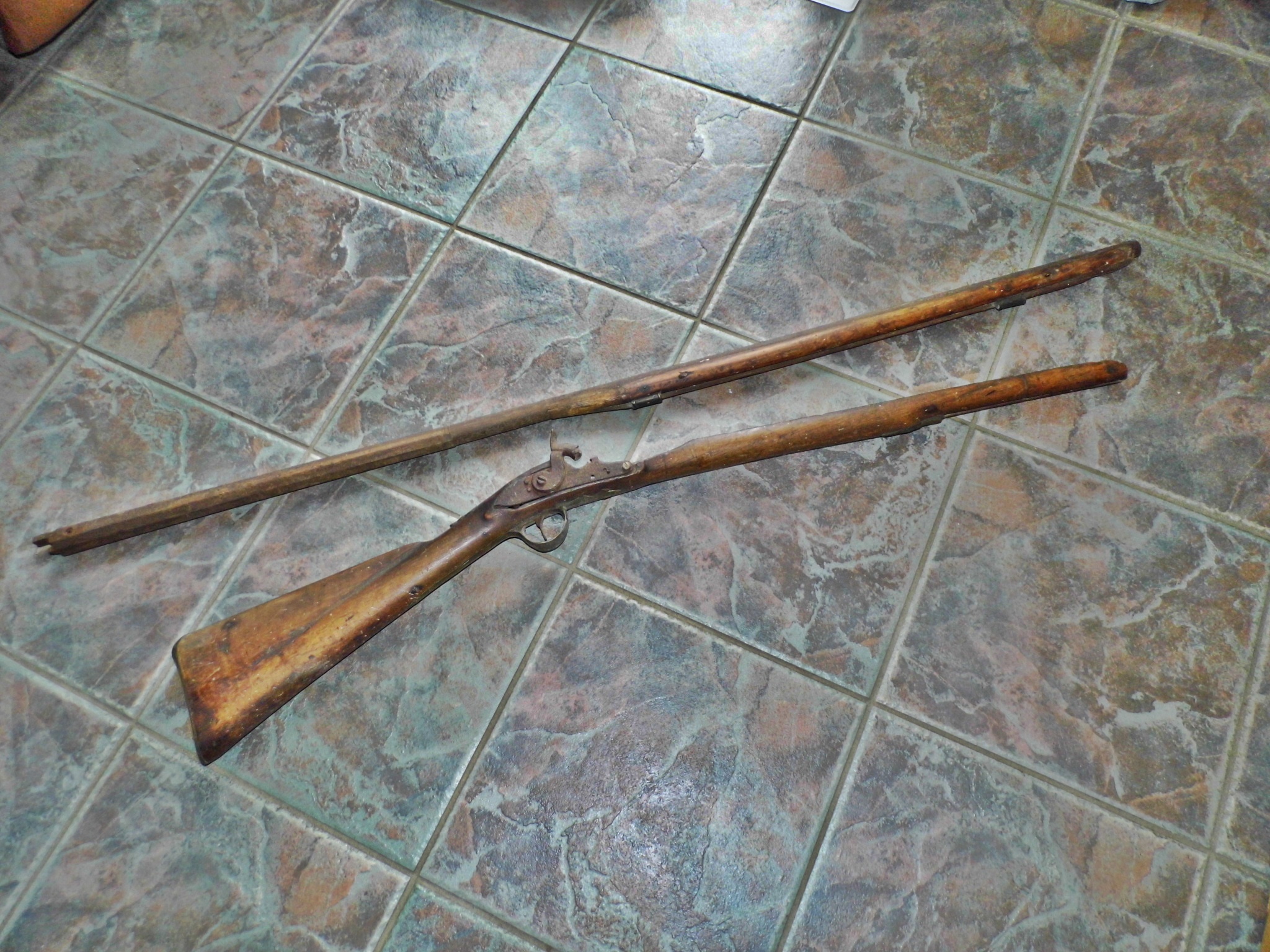
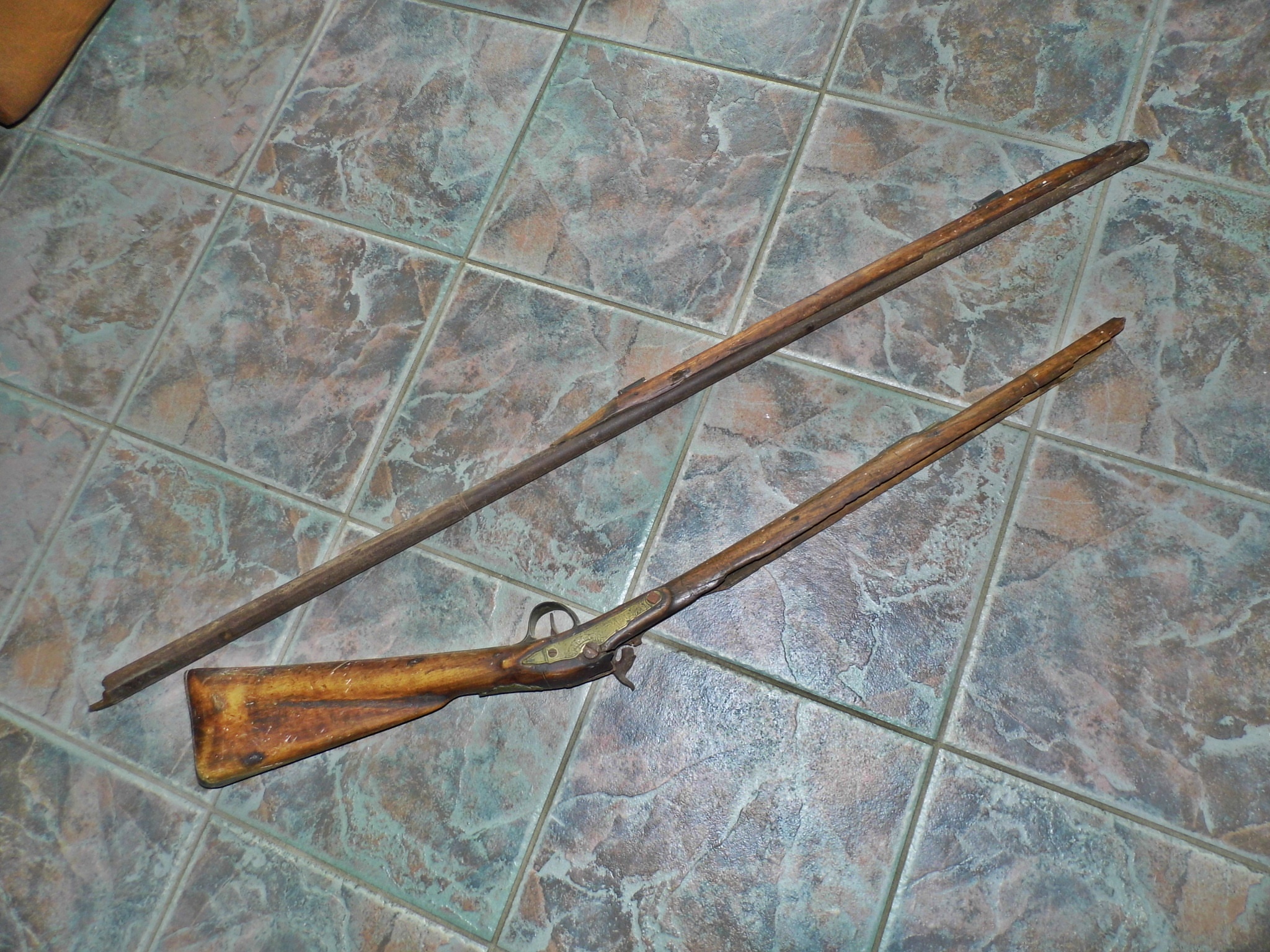
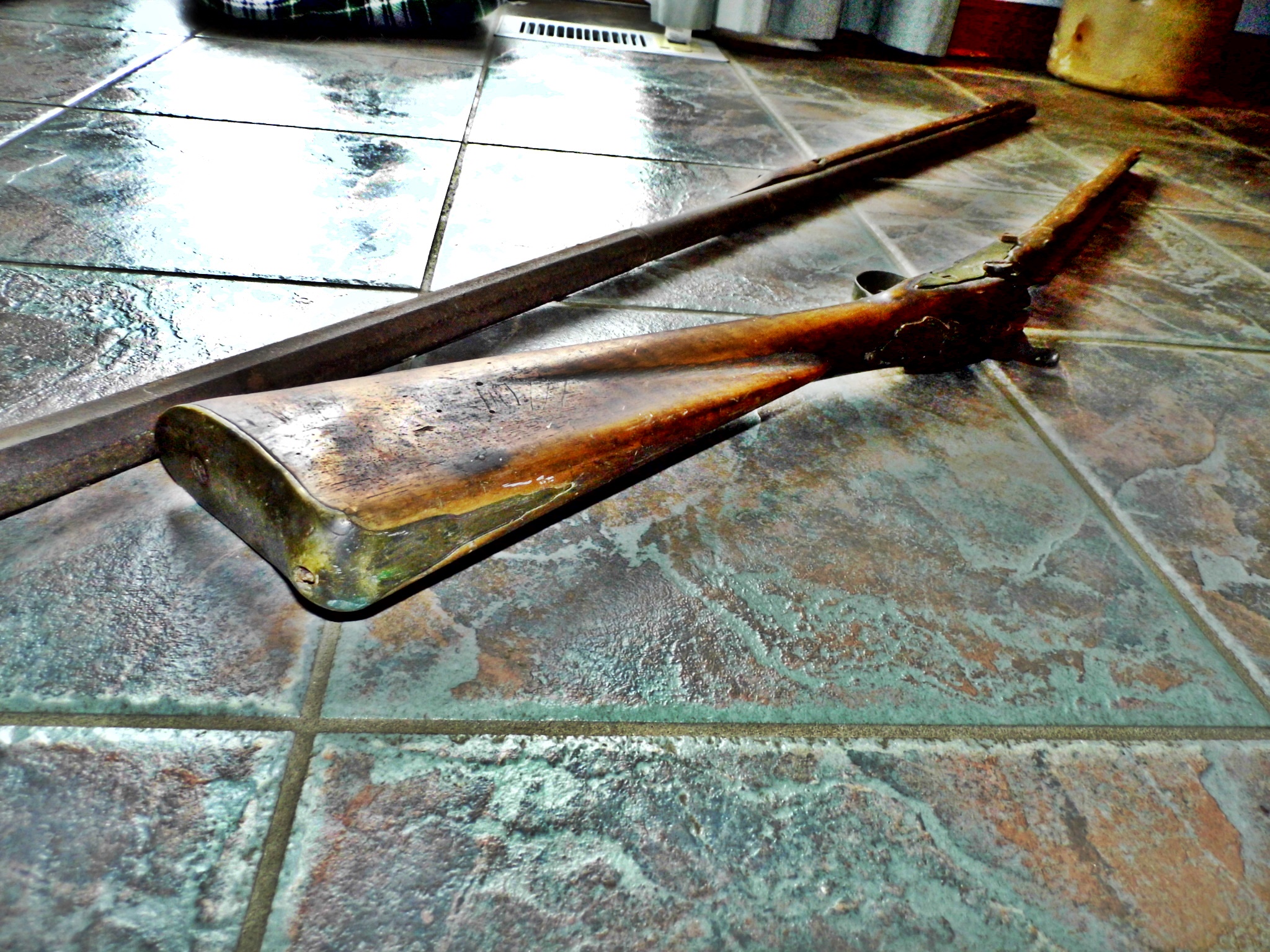
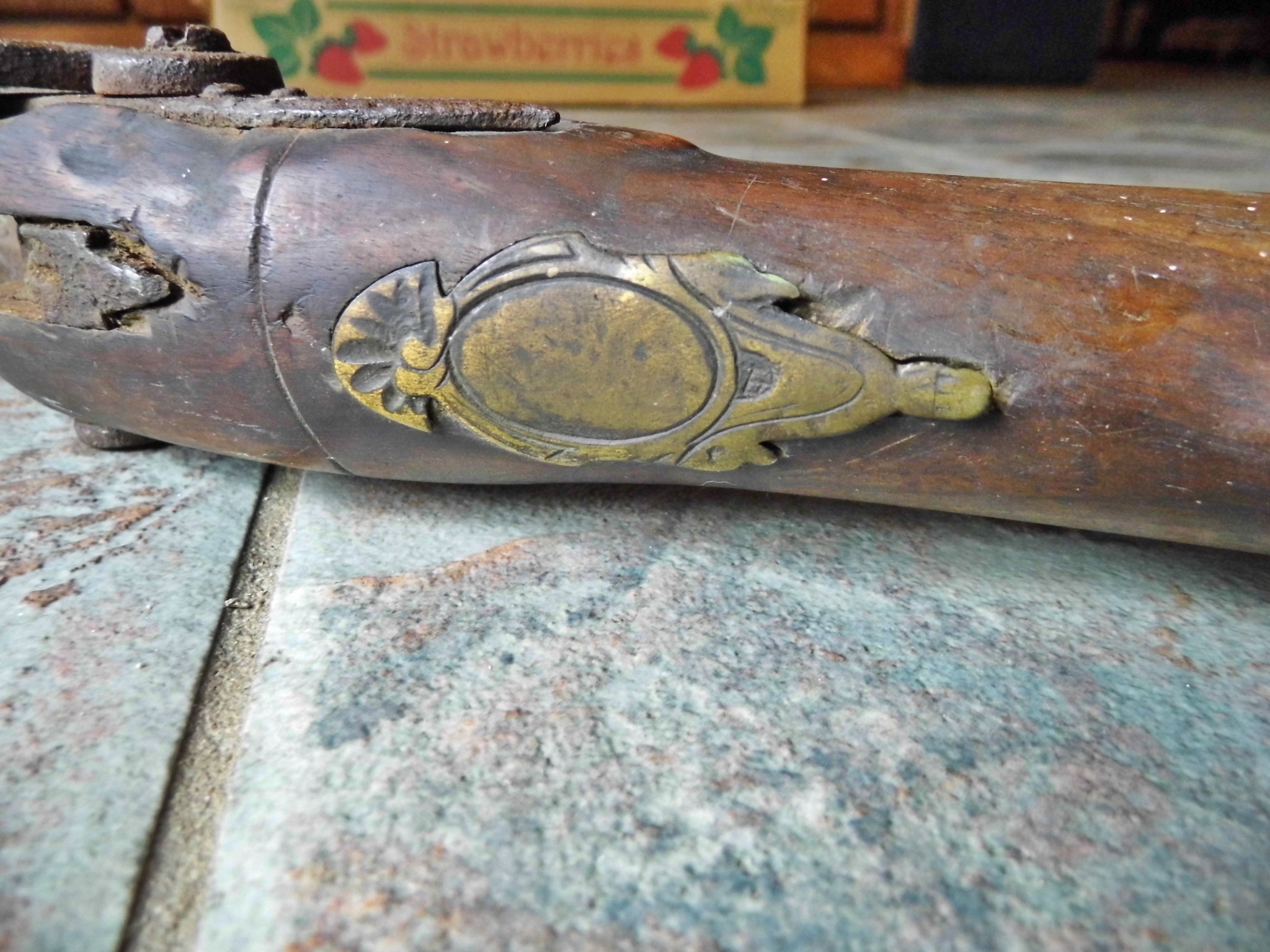
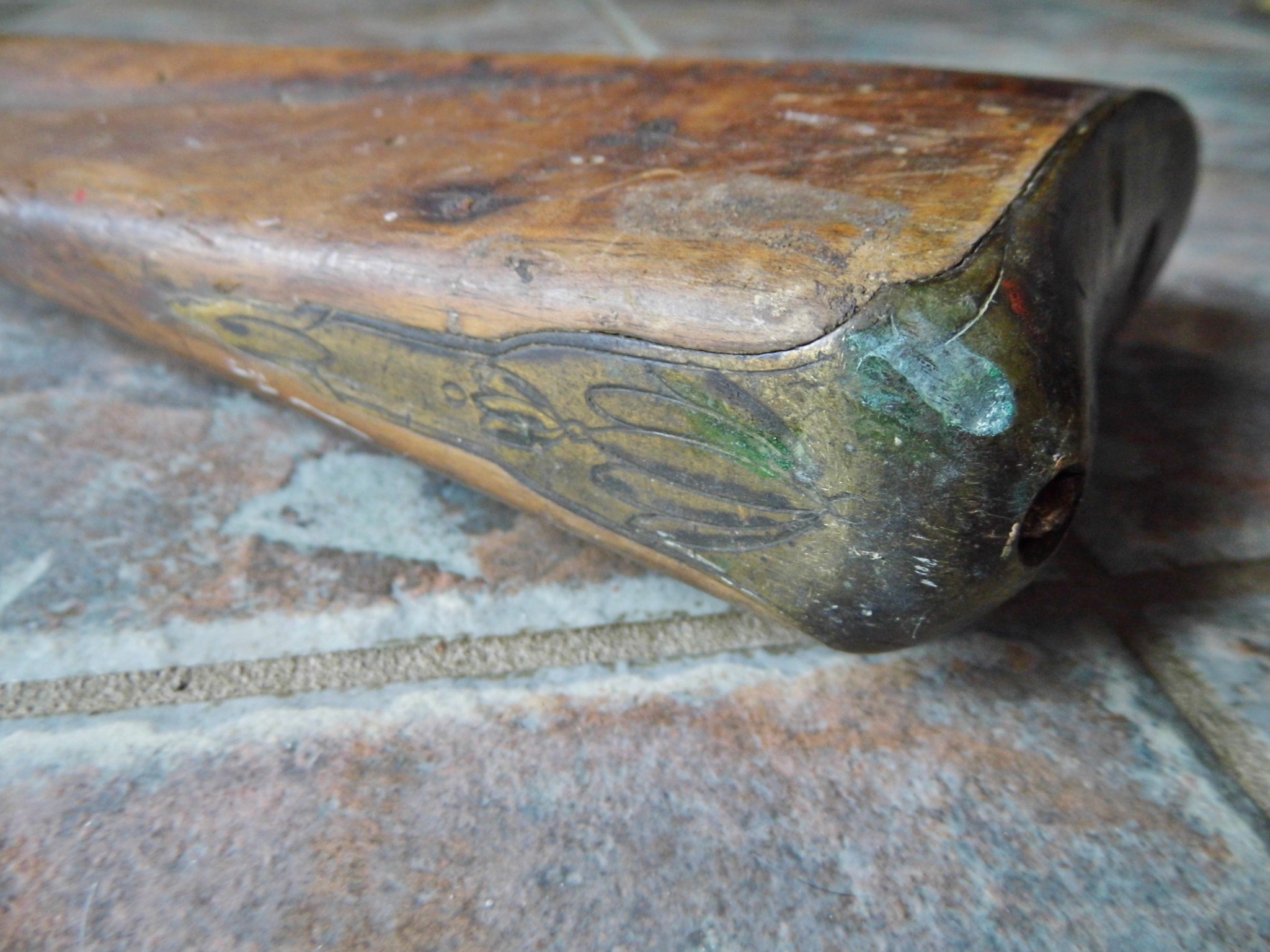
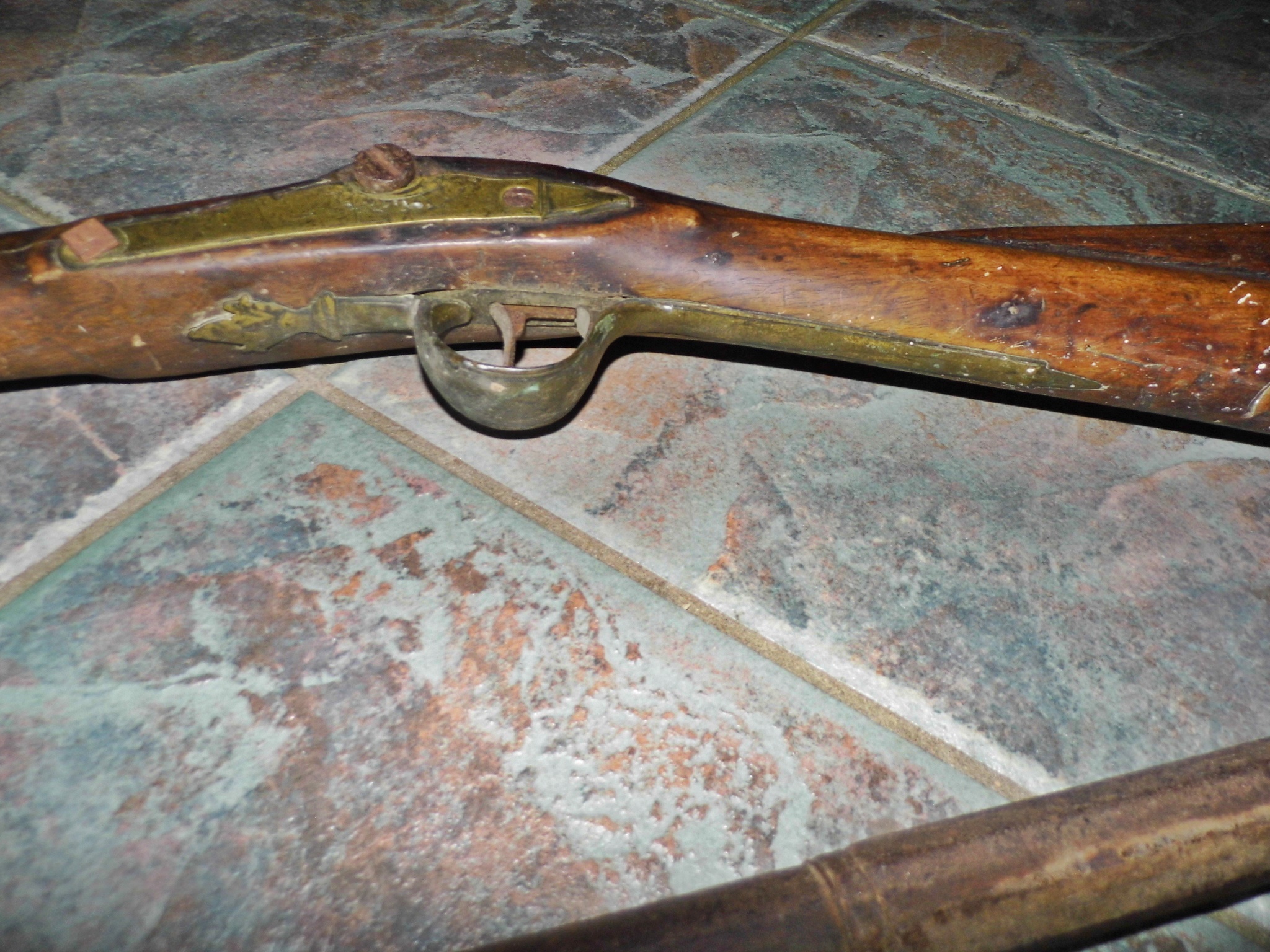
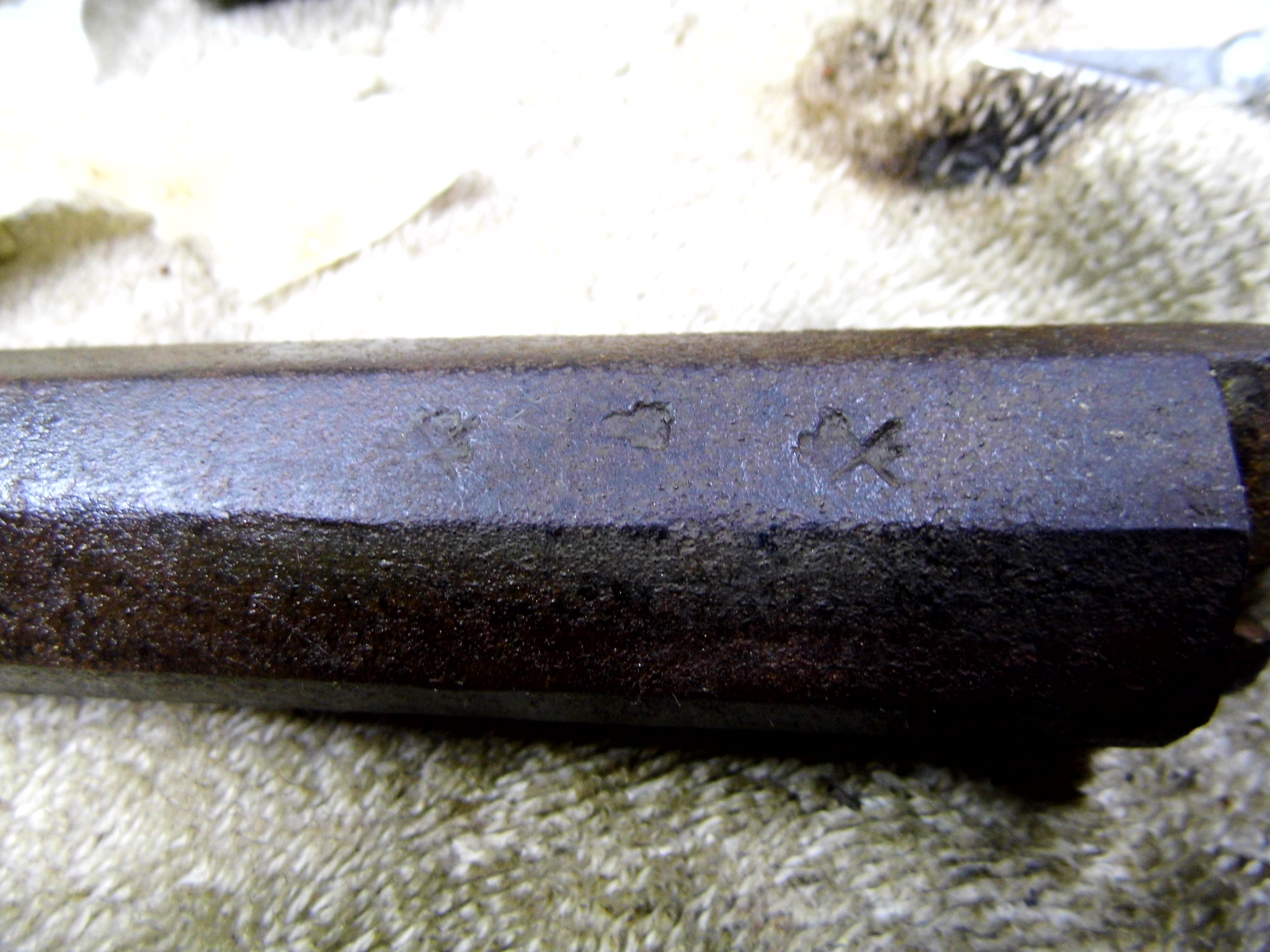
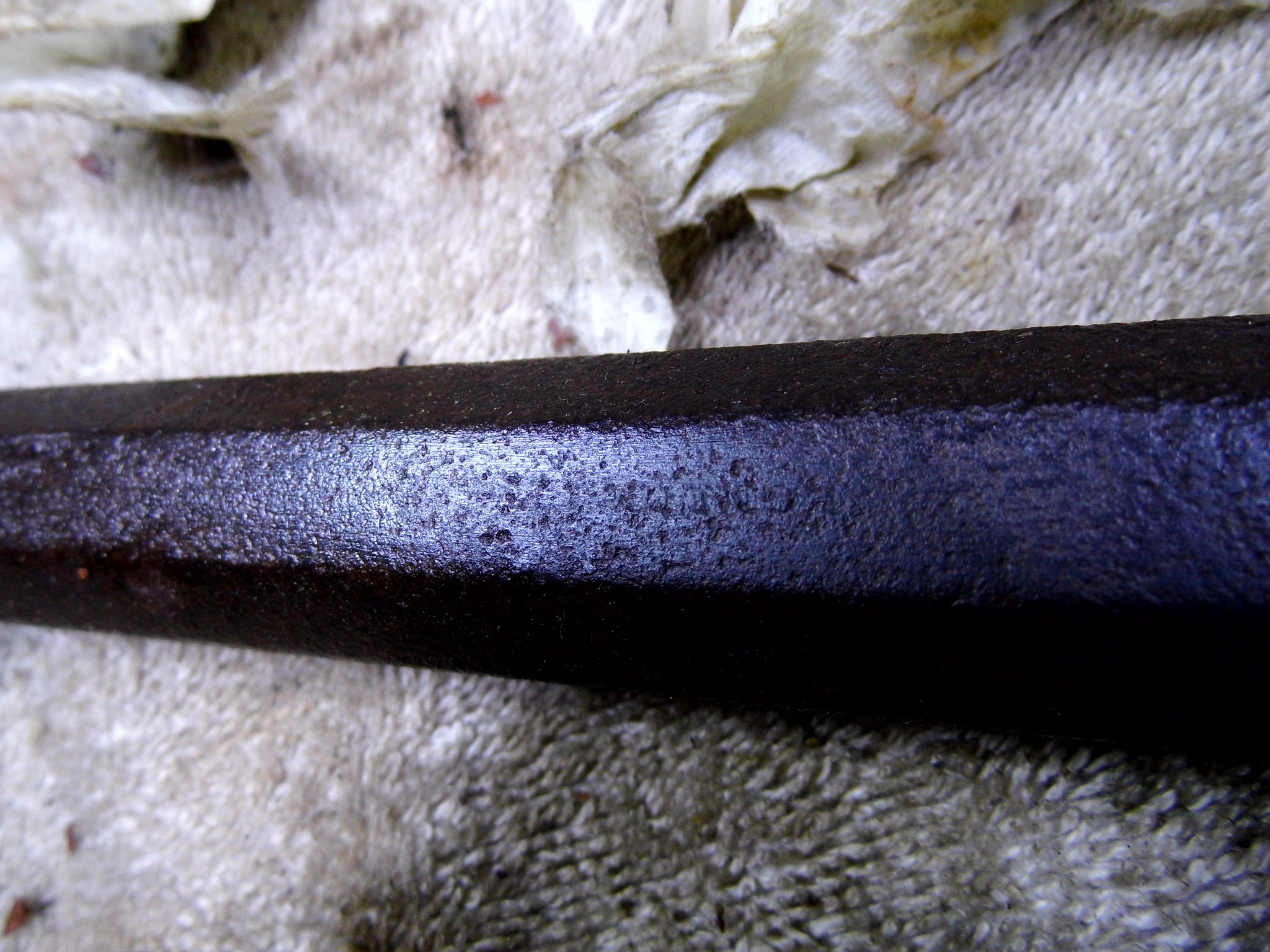

Personal opinion, for what it's worth. A restoration project should only occur if there is the prospect of returning a gun to as near an original condition as possible, with all parts showing the same degree of 'wear'. This might require the making of missing or damaged parts, and refinishing techniques for metal and wood using techniques, materials and tools as close to the original as possible - no shortcuts. This can be costly and time-consuming, with uncertain results. Frankly, very few guns that have been used and abused to the degree of your piece would merit such work, outside historically important pieces, and access to a museum-grade restoration lab and skilled technicians would be required. Anything else would result in a worthless pile of overly cleaned brass, rust pits, and sanded wood. A very mild clean, with mild detergent and a toothbrush, might remove surface grime without affecting the patina, but I would nevertheless be careful about doing so. I would also caution about using a screwdriver anywhere near the gun, damage would be almost certain.
That was the bad news. What you have is a wonderful piece of Canadian history, with origins in Industrial revolution Birmingham. When I suggest it shouldn't be restored, I do not mean it shouldn't be treasured and appreciated. Build a nice wall frame for it, and display it with pride.
And with the money and time you've saved by not doing a DIY restoration, may I suggest acquiring some good books on the subject of trade guns and their production. I can recommend Empire of Guns: The Violent Making of the Industrial Revolution, by Priya Satiya. This gives the setting and history of the Birmingham gun trade in the 1700s that produced the gun. An excellent book. And a quick Google search on trade guns brings up a number of titles that might shed light on your particular piece.
Enjoy your very good find!
That was the bad news. What you have is a wonderful piece of Canadian history, with origins in Industrial revolution Birmingham. When I suggest it shouldn't be restored, I do not mean it shouldn't be treasured and appreciated. Build a nice wall frame for it, and display it with pride.
And with the money and time you've saved by not doing a DIY restoration, may I suggest acquiring some good books on the subject of trade guns and their production. I can recommend Empire of Guns: The Violent Making of the Industrial Revolution, by Priya Satiya. This gives the setting and history of the Birmingham gun trade in the 1700s that produced the gun. An excellent book. And a quick Google search on trade guns brings up a number of titles that might shed light on your particular piece.
Enjoy your very good find!
Minimal.
Are there serious pieces missing where the forend is broken?
To me, it appears the stock may have originally been made in two parts (to save money ?) There is a concave angled section on one end and a matching convex mating side on the other.
When I fit them together, the assemble quite nicely.

Personal opinion, for what it's worth. A restoration project should only occur if there is the prospect of returning a gun to as near an original condition as possible, with all parts showing the same degree of 'wear'. This might require the making of missing or damaged parts, and refinishing techniques for metal and wood using techniques, materials and tools as close to the original as possible - no shortcuts. This can be costly and time-consuming, with uncertain results. Frankly, very few guns that have been used and abused to the degree of your piece would merit such work, outside historically important pieces, and access to a museum-grade restoration lab and skilled technicians would be required. Anything else would result in a worthless pile of overly cleaned brass, rust pits, and sanded wood. A very mild clean, with mild detergent and a toothbrush, might remove surface grime without affecting the patina, but I would nevertheless be careful about doing so. I would also caution about using a screwdriver anywhere near the gun, damage would be almost certain.
That was the bad news. What you have is a wonderful piece of Canadian history, with origins in Industrial revolution Birmingham. When I suggest it shouldn't be restored, I do not mean it shouldn't be treasured and appreciated. Build a nice wall frame for it, and display it with pride.
And with the money and time you've saved by not doing a DIY restoration, may I suggest acquiring some good books on the subject of trade guns and their production. I can recommend Empire of Guns: The Violent Making of the Industrial Revolution, by Priya Satiya. This gives the setting and history of the Birmingham gun trade in the 1700s that produced the gun. An excellent book. And a quick Google search on trade guns brings up a number of titles that might shed light on your particular piece.
Enjoy your very good find!
Like pinfire said! Only attempt a restore if you can truly restore it to original condition. Otherwise, gently clean, honour its history.

infideleggwelder
CGN Ultra frequent flyer
Like pinfire said! Only attempt a restore if you can truly restore it to original condition. Otherwise, gently clean, honour its history.
I have a NW Trade gun in a little better condition but missing the lock and the serpent plate. RW Circle fox marked barrel. It`s a wall hangar, and destined to be properly displayed in my recrooom, but i do wish it was shootable.
That’s what i`d do with the one you have.

my suggestion is that if the bore can be reamed to shootable condition (ie pitting is not too deep) , then I would ream the borer and repair the forestock but otherwise the leave the gun as is. I have a Bess that had the fore stock broken similar to yours; rather than try to line up longitudinal wooden dowels / pins to rejoin the broken ends, I drilled holes about 1" deep on both sides of the break and also both ends and instead of a single dowel, used several wooden Q tip type sticks in each of the holes and lots of epoxy so that in the end the multiple sticks gave the join longitudinal stability and the epoxy formed the body so that the sticks remained rigid within the stock
cheers mooncoon
cheers mooncoon

That is a great find. Very nice example of a chiefs grade trade gun. I would very carefully assemble it and only make the parts (screws and pins) necessary to put it back together. It should stay in as original shape as possible. Given the higher grade, I wonder if you can find a record of which Chief this was presented to. That is a valuable piece of local history in my opinion.
Rubbed the iron with a cloth and oil, then paste wax; lubricated the lock mechanism; rubbed the wood with lemon oil and wax. made a couple of bolts, a powder box and nipple and filled in some holes with coloured wax.
Currently making a ram rod.
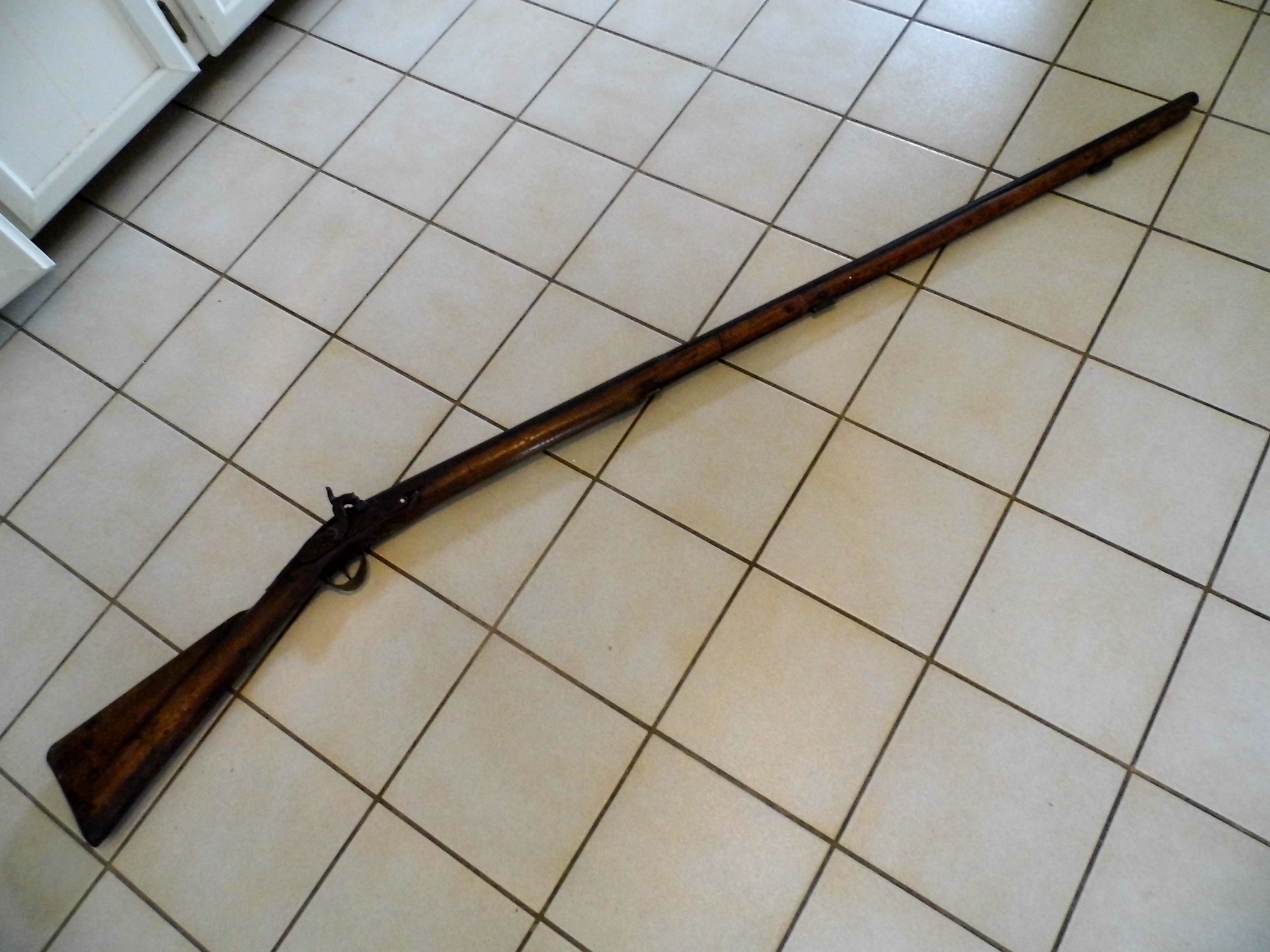
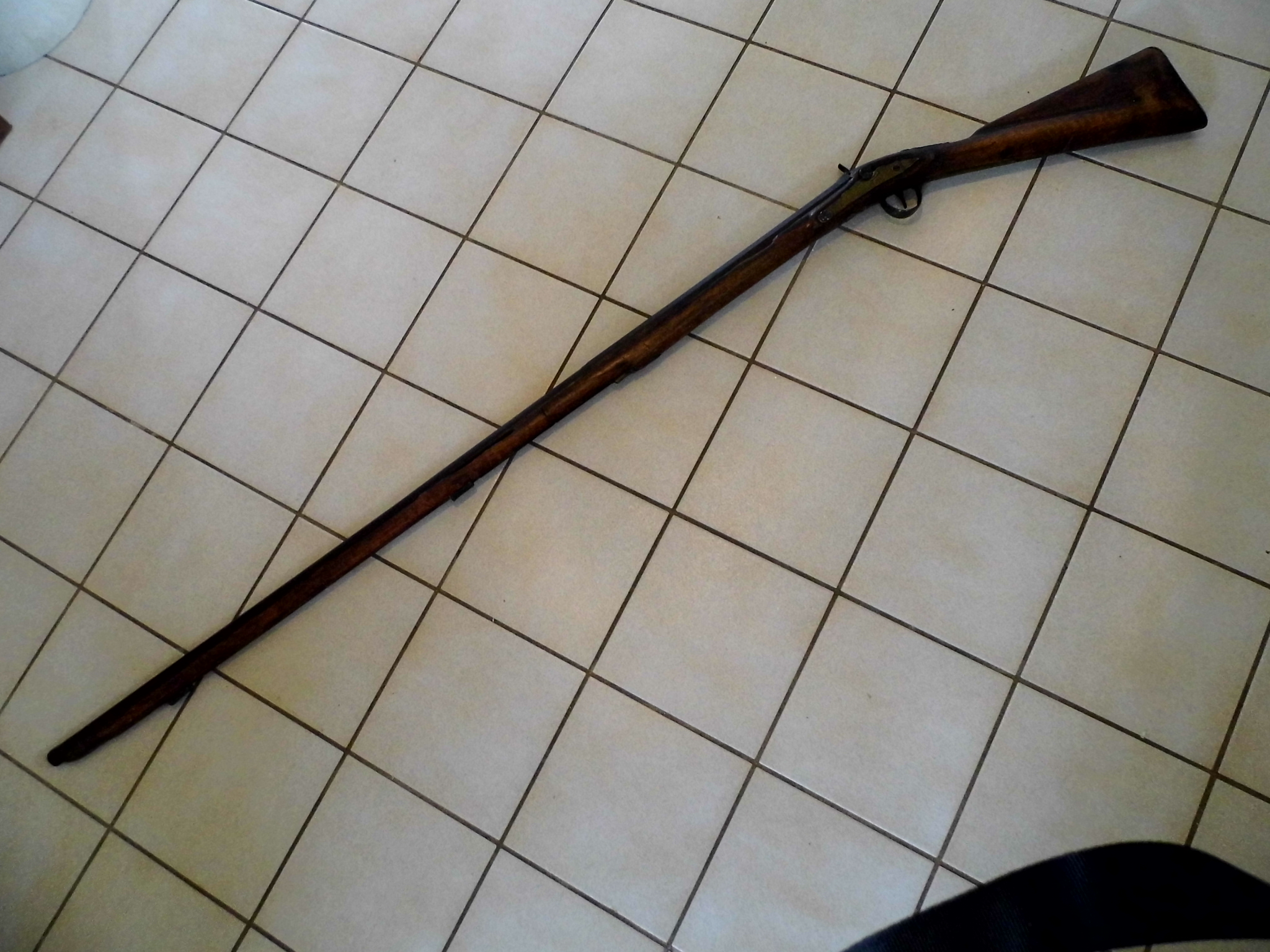
Currently making a ram rod.






















