The British were going to convert to the new rifle (Pattern 1913 in .276"), but WWI messed up the procurement program. They designed a conversion of the P-'13 to the .303" round and called it the Pattern 1914 (P-'14); this is the rifle which was built by Winchester, Remington and Remington Eddystone in large numbers, pushing 2 million units total. The idea was that a P-'14 could be converted to a P-'13 simply by replacing the barrel and the rearsight leaf.
All P-'14 construction was done in North America.
The British were able to get their own factories running better and to build new plants to build the SMLE. Late 1916/early 1917, they started in cancelling the construction contracts for the P-'14, supposedly because they did not need any more rifles. Actually, they were running out of volunteers but, if you don't got manpower, you don't need rifles, and the existing factories could suuply what was needed.
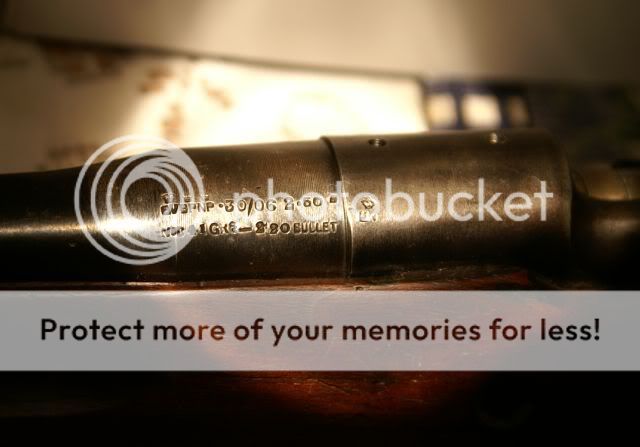
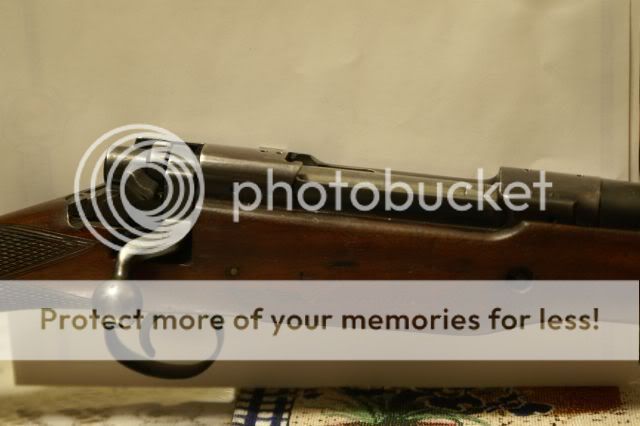
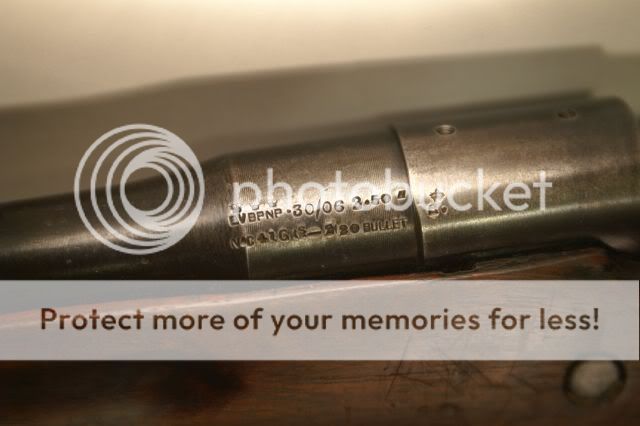
The US got involved as a result of the Zimmerman Note, declared war on Germany and needed a whole whack of rifles, so they redesigned the P-'14 to handle the .30-'06 round, called it the US Rifle Model of 1917. It was the best rifle of the Great War.
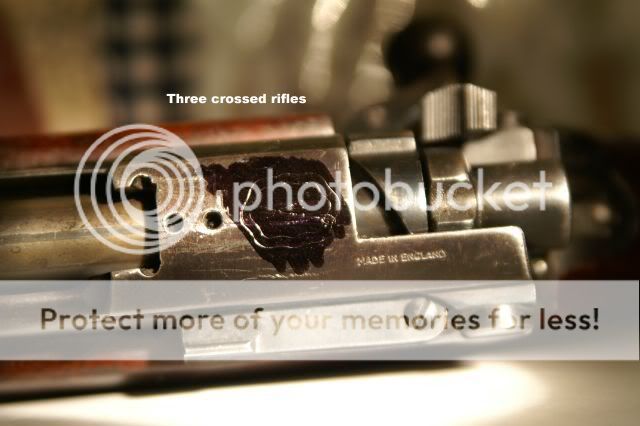
Winchester made about half a million, as did Remington. Eddystone built just over 1.3 million, turning out as many as 4000 rifles a day from their plant (imagine that! a BRIGADE a day, from one plant!!!!!). Winchester did all thetoolroom work for all 3 plants, for P-'14 and M1917 both.
Note that the US rifles were NOT converted P-'14s: they were NEW production and contained several parts which did NOT interchange with P-'14 parts.
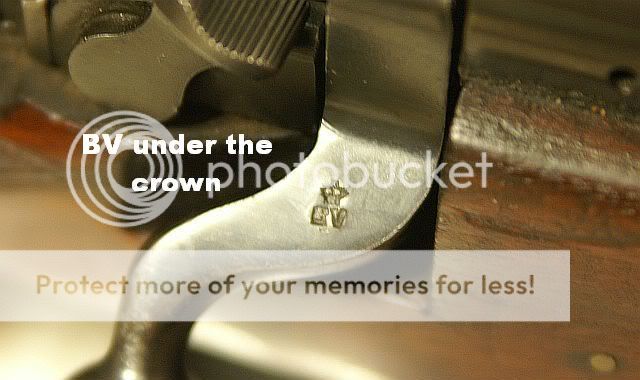
Many M1917 rifles were given/sold/whatever/thankyouverymuchforthehelp to Canada and Great Britain during War Two. We called them the P-'17, even though that terminology is technically incorrect. The RCAF referred to them as Eddystone Rifles.
No matter, they were still the best rifle of the Great War, they were made into great sporters, and they can STILL shoot the arse off a fly at 100 yards if you can hold them. Great rifles, no matter what they were called.